
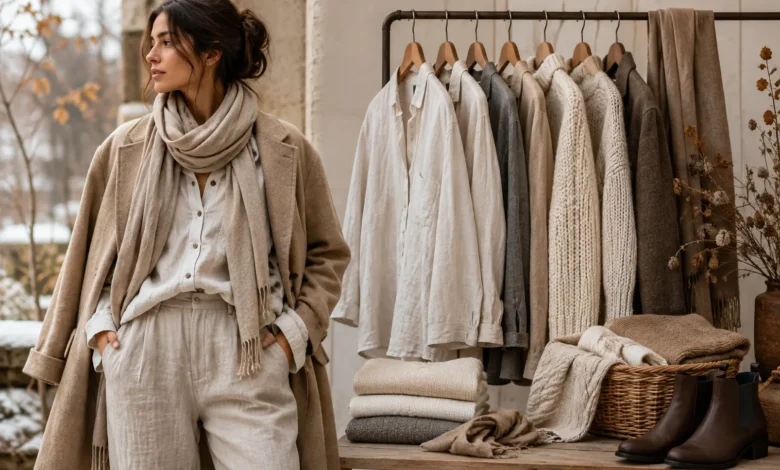
Linen has long been celebrated as the ultimate summer fabric — light, breathable, and effortlessly elegant. But as temperatures drop, a common question pops up in every stylish woman’s mind: can you wear linen in winter? The short answer is yes, and this guide will show you exactly how to do it without sacrificing comfort or style.
Contrary to popular belief, linen clothes for women don’t have to be packed away the moment fall ends. With the right layering techniques, fabric pairings, and a little styling know-how, linen can become a year-round wardrobe staple rather than a seasonal one. This guide covers everything you need to know — from understanding linen as a fabric, to styling it for cold weather, to knowing exactly where to buy linen clothes that work for winter.
What Is Linen Fabric, and Why Do Women Love It?
Linen is a natural fabric made from the fibers of the flax plant. It has been used in clothing for thousands of years, prized for its durability, breathability, and timeless texture. Unlike synthetic fabrics, linen is biodegradable, hypoallergenic, and gets softer with every wash — which is part of why it has such a loyal following among women who care about sustainable, long-lasting fashion.
Linen’s natural characteristics include:
- Breathability: Linen fibers allow air to circulate, which is why it’s associated with summer wear.
- Moisture-wicking properties: Linen absorbs moisture and dries quickly, keeping the body feeling fresh.
- Durability: Linen is one of the strongest natural fibers, meaning linen garments often outlast cotton equivalents.
- Texture and drape: The slightly nubby texture and relaxed drape of linen give it a lived-in, effortless aesthetic that pairs beautifully with both casual and elevated looks.
These same properties that make linen ideal for summer are exactly what raise the question of whether it can handle colder months. The answer lies not in avoiding linen in winter, but in understanding how to work with it.
Can You Wear Linen in Winter? The Honest Answer
Yes — you can wear linen in the winter, and many stylists and fashion editors actively recommend it as part of a seasonal transition wardrobe. The key is understanding that linen’s role changes with the seasons. In summer, linen is worn alone, close to the skin, to stay cool. In winter, linen becomes a layering piece, a mid-weight component, or a textural contrast against heavier fabrics like wool, cashmere, or corduroy.
Linen fabric itself doesn’t retain heat the way wool or fleece does, so wearing a lightweight linen top by itself on a freezing day isn’t going to keep you warm. But that doesn’t mean linen has no place in a winter wardrobe. Instead, think of linen as a foundational layer or a textural statement piece that gets its winter warmth from what surrounds it — coats, sweaters, tights, and boots.
This is also why the question “can I wear linen in winter” comes up so often. People associate linen exclusively with beach vacations and summer weddings, but fashion-forward dressers know that mixing unexpected fabrics — like linen under wool — creates some of the most interesting, editorial-looking outfits of the season.
Can You Wear Linen Pants in Winter?
Linen pants in winter are entirely wearable if you choose the right weight and pair them correctly. A heavier linen-blend trouser (often linen mixed with cotton or a touch of wool) holds up much better in cold weather than a paper-thin summer-weight linen pant. To wear linen pants in winter comfortably:
- Choose a linen-cotton or linen-wool blend rather than 100% lightweight linen.
- Add fleece-lined or thermal tights underneath for extra warmth without changing the silhouette.
- Pair with ankle boots and a chunky knit sweater to balance the lighter fabric with heavier textures.
- Opt for darker, richer tones like charcoal, olive, or deep rust instead of pale summer shades — darker colors instantly read as “winter-appropriate.”
Also Read: Linen Pants: Best Fits, Colors & Outfit Ideas for Every Body Type
Why Linen Works in Winter When Styled Right
The idea of wearing linen in winter isn’t just a workaround — it’s an intentional styling choice that many women embrace for a few good reasons.
1. Textural contrast. Fashion editors love mixing rough with smooth, structured with slouchy. Linen’s crisp, slightly wrinkled texture creates a beautiful contrast against the softness of wool or cashmere, giving winter outfits more visual depth.
2. Versatility across seasons. Investing in quality linen clothes for women means getting more wear out of each piece year-round, rather than storing linen away for eight months of the year. This aligns with a more sustainable, cost-per-wear-conscious approach to fashion.
3. Breathability indoors. Many women find that heavy winter fabrics become uncomfortable in heated indoor environments — offices, restaurants, cars. A linen blouse or shirt under a blazer gives you the polished winter look on the outside, with breathable comfort underneath.
4. Effortless, elevated aesthetic. Linen naturally has that relaxed, “old money” or quiet-luxury look that many women are drawn to for winter dressing — a look that feels put-together without appearing overly formal.
How to Wear Linen in Winter: Layering Essentials
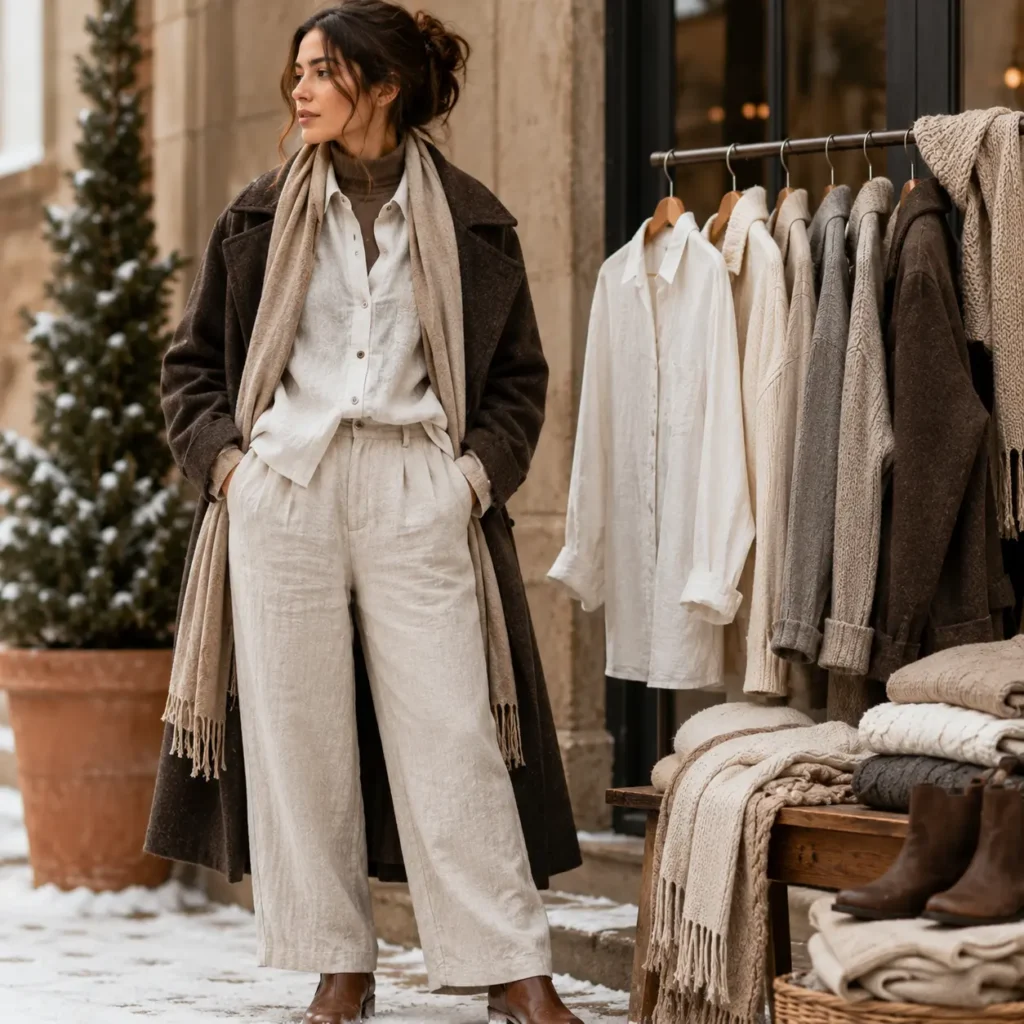
Learning how to wear linen in winter really comes down to mastering the art of layering. Below are the core techniques that make linen winter-ready.
1. Start With a Thermal or Silk Base Layer
Since linen alone isn’t insulating, adding a thin thermal top or silk camisole underneath a linen shirt or dress creates a warmth buffer without adding bulk. This is especially useful for linen dresses or button-down shirts that you still want to wear through the colder months.
2. Layer Linen Under Knitwear
One of the most popular ways to wear linen in winter is to use it as an under-layer. A linen shirt under a chunky cardigan or a fine-knit sweater lets the collar and cuffs peek out, adding a preppy, polished detail to an otherwise simple sweater outfit.
3. Add a Wool or Structured Coat Over Linen
Outerwear is what truly transforms a linen outfit into a winter-appropriate one. A tailored wool coat, a shearling jacket, or a puffer coat all work well over a linen dress, shirt, or jumpsuit. The coat provides the insulation, while the linen underneath keeps the outfit breathable and comfortable.
4. Mix Linen With Heavier Bottoms or Tops
If you’re wearing a linen top, pair it with wool trousers, corduroy pants, or a leather skirt. If you’re wearing linen pants, pair them with a heavier knit sweater or a structured blazer. Balancing one linen piece with one heavier piece keeps the outfit temperature-appropriate while still incorporating the fabric you love.
5. Choose Heavier-Weight Linen Blends
Not all linen is created equal. Lightweight, gauzy linen — the kind typically used for summer sundresses — is not ideal for winter. Instead, look for:
- Linen-wool blends
- Heavyweight or “linen twill” fabrics
- Brushed linen (softer, slightly fuzzy finish that traps a bit more warmth)
- Linen-cotton blends with a denser weave
6. Don’t Forget Tights, Socks, and Boots
Bare legs and open sandals are what make linen feel like a summer-only fabric. Swap those out for opaque tights, wool socks, and knee-high or ankle boots, and suddenly a linen dress or linen pants look completely at home in a winter outfit.
Best Linen Pieces for a Women’s Winter Wardrobe
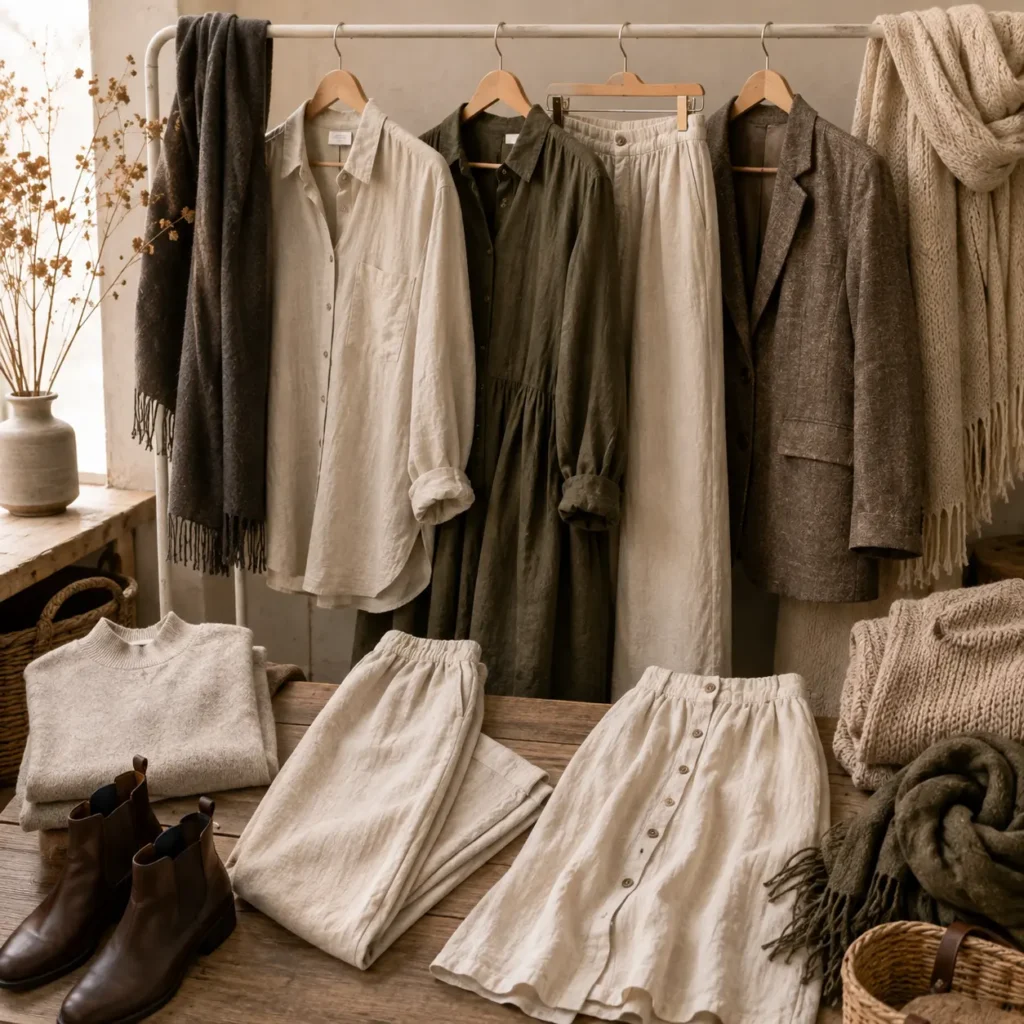
Here are the linen clothing pieces that transition into winter most easily:
| Linen Piece | Winter Styling Tip |
|---|---|
| Linen button-down shirt | Layer under sweaters or blazers; roll sleeves for a relaxed look with boots |
| Linen midi or maxi dress | Add tights, a turtleneck underneath, and a wool coat on top |
| Linen wide-leg trousers | Pair with fitted knitwear and ankle boots to balance proportions |
| Linen blazer | Wear over a wool sweater for unexpected texture mixing |
| Linen jumpsuit | Layer a turtleneck underneath and add a belt with boots |
| Linen skirt (midi length) | Style with tights, a chunky sweater, and knee-high boots |
| Linen-blend scarf | Adds texture without bulk; great transitional accessory |
Linen vs. Cotton vs. Wool: Which Fabric Wins in Winter?
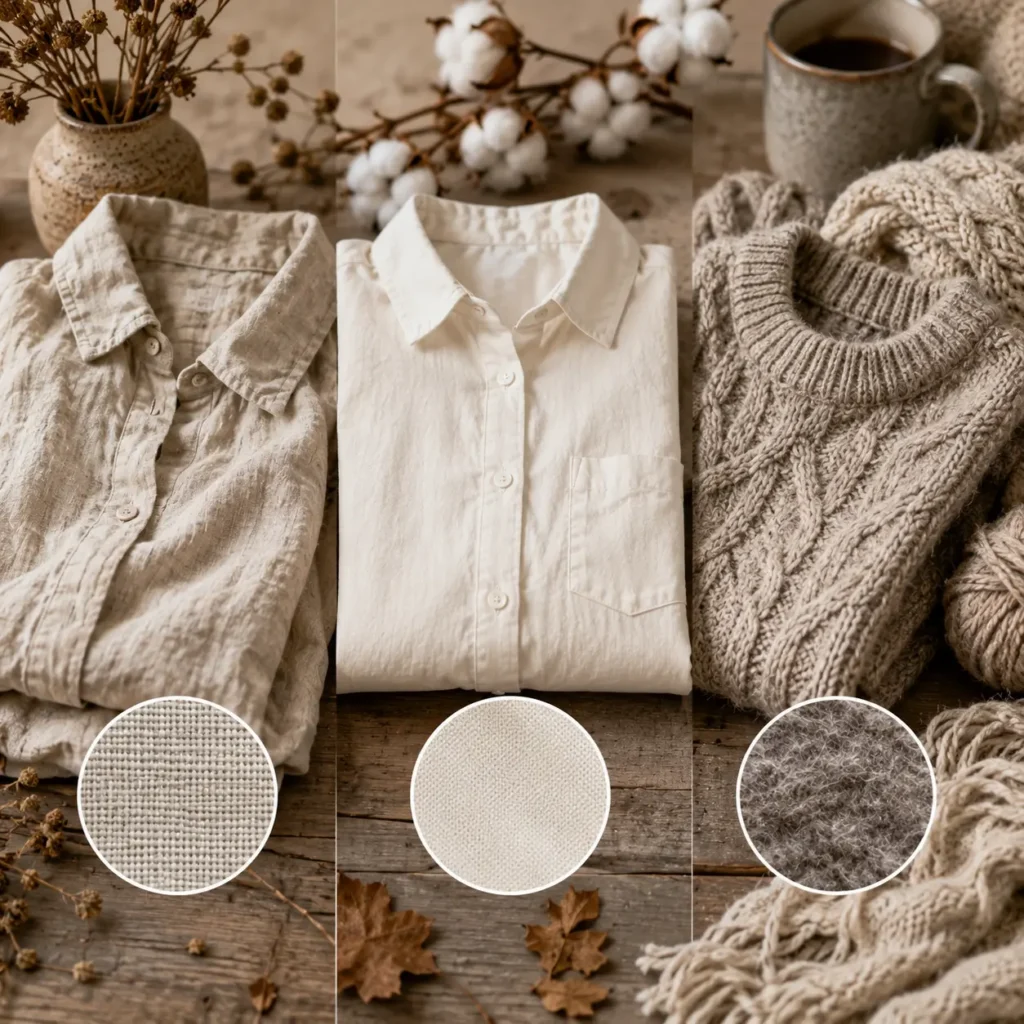
Understanding how linen compares to other common fabrics helps clarify when and how to use it during colder months.
| Feature | Linen | Cotton | Wool |
|---|---|---|---|
| Warmth | Low (needs layering) | Low to moderate | High |
| Breathability | Very high | High | Moderate |
| Best season | Summer, transitional | Year-round | Fall/Winter |
| Texture | Crisp, slightly nubby | Soft, smooth | Soft to coarse, insulating |
| Winter role | Layering piece, base layer, texture contrast | Base layer, everyday wear | Outerwear, sweaters, primary insulation |
| Durability | Very high | Moderate to high | High |
As the table shows, linen isn’t meant to replace wool as your primary winter insulator — it’s meant to complement it. The best winter outfits often combine all three: a linen shirt (breathability), a wool sweater (warmth), and cotton-lined tights or accessories (comfort).
Styling Linen for Different Winter Occasions
Work or Office Looks
Pair a linen blouse with wool trousers, a blazer, and heeled boots. The linen keeps you comfortable in heated offices, while the blazer and trousers maintain a polished, professional silhouette.
Casual Everyday Looks
A linen shirt layered under an oversized cardigan, paired with jeans or corduroy pants and sneakers or boots, creates an easy, cozy-but-put-together outfit for errands or weekend plans.
Dinner or Evening Looks
A linen midi dress with opaque tights, a fitted turtleneck underneath, ankle boots, and a wool coat makes for an elegant, texture-rich evening outfit that still feels seasonally appropriate.
Travel Looks
Linen wrinkles easily but travels well because it’s lightweight to pack. For winter travel, pair linen pants or a linen shirt with a puffer jacket, scarf, and comfortable boots — ideal for layering up or down as you move between warm airports and cold outdoor weather.
Styling Linen by Body Type
- Petite frames: Choose cropped or tailored linen pieces to avoid overwhelming a smaller frame; pair with fitted knitwear rather than oversized sweaters.
- Curvy frames: A belted linen shirt dress or wide-leg linen trousers with a fitted top balances proportions beautifully.
- Tall frames: Midi and maxi linen dresses layered with knee-high boots and a long coat create an elongated, elegant silhouette.
- Athletic frames: Linen blazers add structure and softness at the shoulders, complementing a straighter frame nicely.
Where to Buy Linen Clothes for Women
If you’re wondering where to buy linen clothes that are well-suited to winter styling, look for retailers and brands that specifically offer heavier-weight or blended linen collections rather than only summer-weight pieces. A few categories worth exploring:
- Sustainable and slow-fashion brands: Many size their linen collections around natural, seasonless fabric weights, making them a reliable source for pieces that transition well into winter.
- Department stores and mid-range retailers: These often carry linen-blend trousers, shirts, and blazers specifically designed for transitional seasons like fall and early winter.
- Specialty linen brands: Brands that focus solely on linen clothing typically offer a range of weights, including heavier “winter linen” collections made from brushed or twill-weave linen.
- Local boutiques and artisan makers: Smaller, independent designers often produce linen-wool blend pieces that aren’t mass-produced, giving you unique, higher-quality options.
When shopping, check the fabric composition label. Look for terms like “heavyweight linen,” “linen-wool blend,” “brushed linen,” or “linen twill” if you specifically want pieces that perform better in colder weather. Avoid ultra-lightweight, sheer, or gauzy linen if your goal is a winter-ready piece.
How to Care for Linen Clothes During Winter
Linen requires slightly different care than synthetic winter fabrics, especially when layered frequently:
- Wash on a gentle, cold cycle to preserve fiber strength and prevent excessive shrinking.
- Air dry when possible; high heat from dryers can weaken linen fibers over time.
- Steam instead of iron for a quicker way to remove wrinkles without flattening the natural texture.
- Store folded, not hung, for heavier linen-blend pieces to avoid stretching at the shoulders.
- Spot clean when possible in winter, since linen absorbs moisture and can take longer to dry fully in cold, low-humidity conditions.
Common Mistakes to Avoid When Wearing Linen in Winter
- Wearing lightweight summer linen with no layering. This is the single biggest reason people think linen “doesn’t work” in winter — the fabric wasn’t paired with anything insulating.
- Choosing pale, warm-weather colors. Icy white or pastel linen reads as summer no matter how you style it. Stick to deep, saturated winter tones.
- Skipping tights or leggings under linen dresses and skirts. Bare legs will always feel out of season, regardless of how the top half is styled.
- Forgetting outerwear. Linen needs a coat. Without one, no amount of clever layering underneath will keep you warm.
- Overlooking fabric weight when shopping. Not checking whether a piece is lightweight or heavyweight linen before buying it for winter use often leads to a wardrobe mismatch.
Frequently Asked Questions
Can you wear linen in winter?
Yes, you can wear linen in winter as long as you layer it properly. Pair linen pieces with wool sweaters, structured coats, and tights, and choose heavier linen blends over lightweight summer linen for the best results.
Can you wear linen pants in winter?
Yes. Linen pants work well in winter when made from a heavier linen-cotton or linen-wool blend, styled with warm tights underneath, ankle boots, and a chunky knit top to balance the lighter fabric.
Is linen too cold to wear in winter?
Linen by itself isn’t insulating, so wearing it alone in cold weather can feel chilly. However, when layered under sweaters, blazers, or coats, linen becomes a comfortable and stylish part of a winter outfit rather than the sole source of warmth.
How do you wear linen in winter without looking out of season?
Choose darker, richer colors, add tights or leggings, layer linen under knitwear, and always finish the look with a substantial coat and boots. These choices signal “winter” visually, even though the base fabric is linen.
What is the best way to style a linen dress in winter?
Add a fitted turtleneck underneath, opaque tights, knee-high boots, and a wool coat on top. This combination keeps the dress’s silhouette intact while making it fully winter-appropriate.
Where can I buy linen clothes designed for winter wear?
Look for brands offering heavyweight, brushed, or linen-blend collections rather than lightweight summer linen. Sustainable fashion brands, specialty linen retailers, and boutique designers are good places to start when shopping for winter-friendly linen clothes for women.
Does linen shrink in cold weather washing?
Linen can shrink slightly with hot water or high heat drying, regardless of the season. To prevent this, wash linen on a cold, gentle cycle and air dry whenever possible, especially for heavier winter-weight pieces.
Final Thoughts
Linen clothes for women don’t have to be a strictly seasonal purchase. With the right layering strategy, fabric weight, and color choices, linen can transition seamlessly from a breezy summer staple to a textured, elegant winter layering piece. The key takeaway is simple: it’s not about avoiding linen once the temperature drops, but about knowing how to wear linen in winter so that it works with the season instead of against it.
Whether you’re pairing linen pants with a chunky sweater, layering a linen shirt under a wool coat, or adding tights beneath a linen dress, this fabric can absolutely earn its place in a cozy, stylish winter wardrobe.
Also Read: Striped Linen Pants: Best Outfit Ideas for Every Occasion