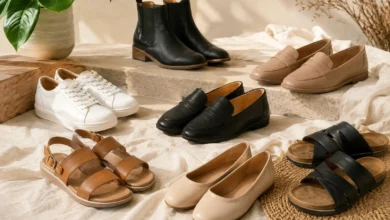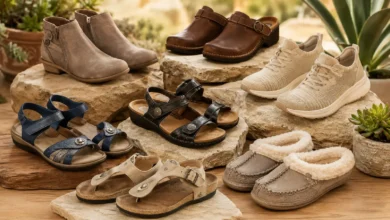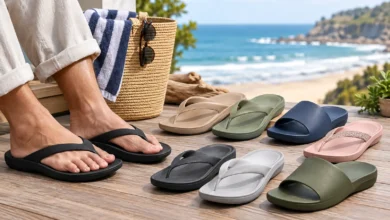
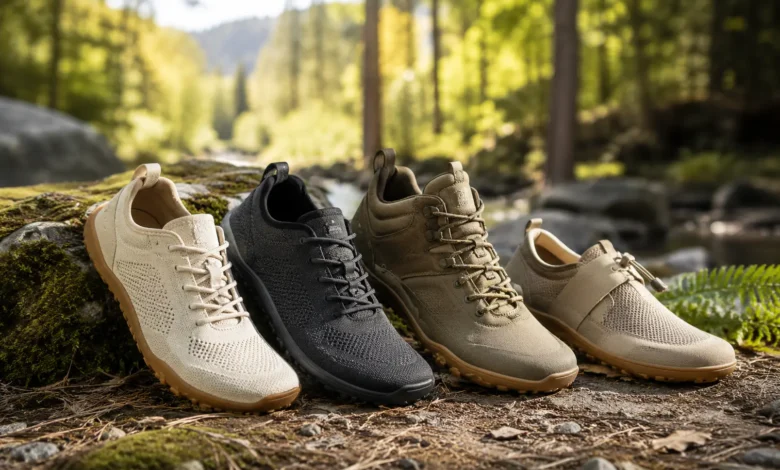
Before diving into specific picks, there’s an important naming clarification worth making upfront: Grounded Footwear is a barefoot-style shoe brand focused on natural foot movement, wide toe boxes, and joint-friendly design — it is not an “earthing” or “grounding” technology brand in the electrical sense. If you’ve come across terms like conductive soles, copper rivets, or iON SYNC earthing plugs in your research, those refer to a completely different category of product made by separate companies (more on that distinction below). This guide focuses specifically on what Grounded Footwear actually offers: genuine barefoot design built around comfort, natural alignment, and pain relief.
This article breaks down 4 Grounded Footwear styles worth knowing, along with what barefoot grounding footwear really means, how zero drop grounding shoes work, and how to tell the difference between a brand marketed around “grounding” as a design philosophy versus a brand that actually incorporates conductive earthing materials.
What Is Grounded Footwear?
Grounded Footwear is a barefoot-inspired shoe brand built around a simple, orthopedist-referenced design philosophy: shoes should let your feet move the way they were built to move, not restrict them with thick padding, elevated heels, and narrow toe boxes. The brand markets its shoes as being about “feeling the ground beneath you, connecting with each step, and embracing a new standard of living” — a design mission that centers on strengthening the foot and leg muscles that modern, heavily cushioned footwear tends to leave underused.
According to the brand’s own marketing, Grounded Footwear shoes are intended to help people managing joint pain in the feet, knees, hips, and back, as well as those dealing with plantar fasciitis, bunions, and general foot fatigue. The company describes its designs as orthopedist-approved and positions the wide toe box, thin sole, and slip-resistant outsole as working together to relieve pressure points while improving balance and stability.
The brand’s product range spans multiple categories rather than a single flagship shoe — everyday sneakers, trail and hiking styles, cold-weather boots, and lighter warm-weather options — all built around the same underlying barefoot design philosophy. This breadth is part of what makes it possible to find Grounded Footwear for men and women across different seasons and activity levels without abandoning the core comfort principles the brand is built around.
Grounded Footwear vs. Electrical “Grounding” or “Earthing” Shoes — An Important Distinction
Because the word “grounded” shows up in two very different footwear contexts, it’s worth being precise here. What is earthing or grounding, in the technical sense used by a separate category of brands? It refers to the practice of making direct or conductive contact with the earth’s surface — walking barefoot on grass, sand, or soil — based on the idea that this contact allows the transfer of the earth’s natural electrical charge into the body. A small number of specialty brands, such as Earth Runners, build actual conductive materials — copper rivets, carbon-infused rubber, or proprietary conductive plugs — directly into their soles specifically to replicate this effect while wearing shoes.
Grounded Footwear, the brand covered in this article, does not use this kind of conductive technology. Its shoes are barefoot-style in the more common sense — thin, flexible, zero-drop soles and wide toe boxes designed to support natural foot movement — but they do not contain copper, carbon, or other conductive materials designed to connect you electrically to the ground. If genuine electrical earthing technology, like copper grounding shoes or conductive lacing systems, is specifically what you’re shopping for, that is a different product category worth researching separately and by name, rather than assuming any shoe with “grounded” in its branding includes it.
This distinction matters for a simple reason: buying Grounded Footwear expecting conductive earthing benefits would set the wrong expectation. Buying it for genuine barefoot-style comfort and natural movement — which is what the brand actually delivers — is the accurate use case.
History of the Grounding Shoe Movement
The history of grounding shoe brands as a wider market category traces back to around 2012, when a small number of specialty brands began deliberately building conductive materials — copper, carbon, silver, or specially treated leather — into shoe soles specifically to replicate the effect of walking barefoot outdoors. This launched a genuinely separate product niche from the broader barefoot and minimalist footwear movement, which had already been growing based on foot-strength and natural-movement arguments rather than electrical conductivity claims. Because both categories use overlapping language — “grounded,” “grounding,” “earthing,” “barefoot” — consumer confusion between the two has become fairly common, which is exactly the confusion this article is written to help clear up.
What Are Barefoot Shoes, and How Do They Work?
What are barefoot shoes, and how do barefoot shoes work to potentially reduce foot and joint pain? Barefoot-style shoes are designed to mimic the experience of walking without shoes at all, while still offering a thin layer of protection between your foot and the ground. Instead of thick, structured cushioning and an elevated heel, barefoot shoes use flexible, minimal soles that let your foot bend, flex, and sense the ground naturally.
The mechanism behind potential pain relief is fairly straightforward: conventional footwear does a lot of the stabilizing work for your foot, which over years can allow the small intrinsic muscles in your feet and lower legs to weaken from disuse. Removing that artificial support — through a zero-drop, flexible sole and a wide toe box — forces those muscles to reactivate, gradually rebuilding strength and potentially improving posture and gait mechanics along the way.
Zero drop grounding shoes specifically refer to the heel-to-toe height being level rather than elevated, which encourages more neutral posture, while a wide toe box earthing shoe description simply refers to extra room in the front of the shoe that lets toes spread naturally rather than being squeezed together — both design elements Grounded Footwear incorporates into its lineup.
The 4 Best Grounded Footwear Styles
1. Grounded Everyday Sneaker — Best All-Around Barefoot Shoe
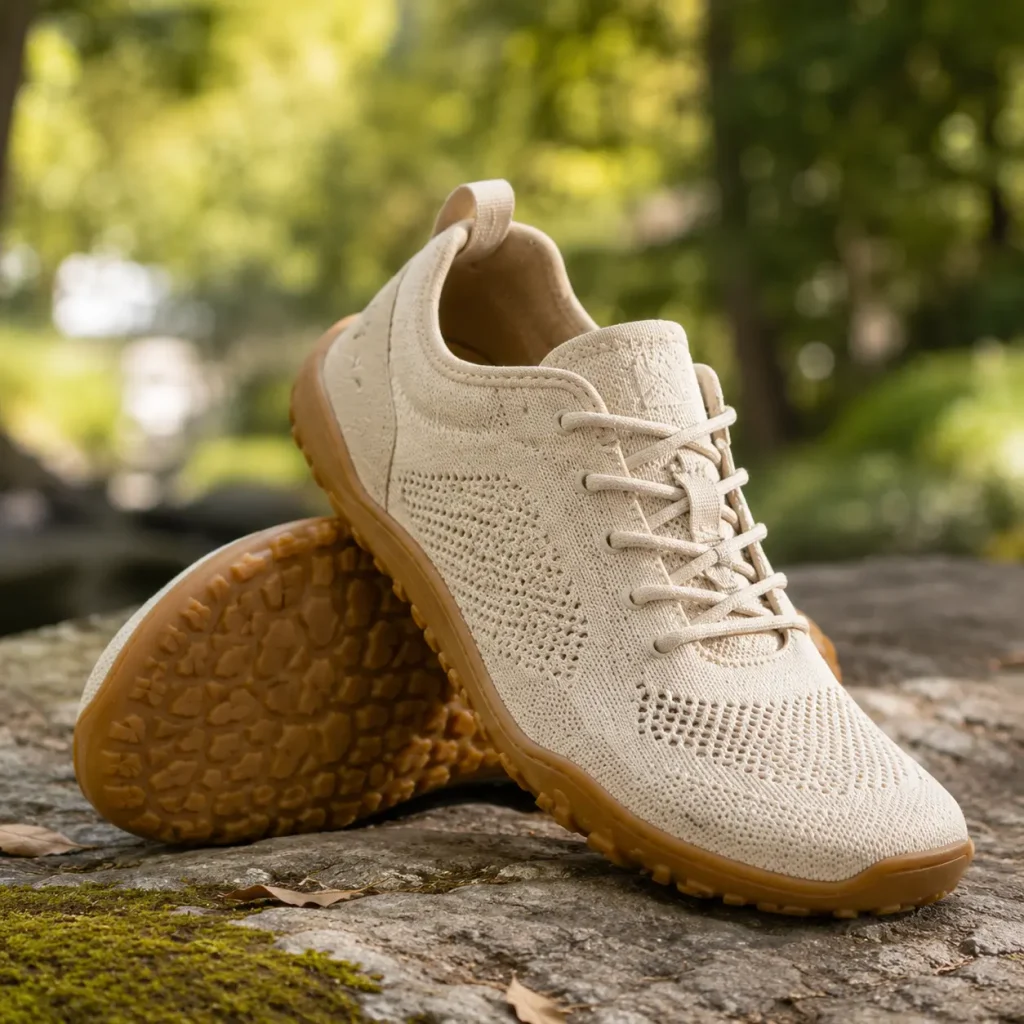
The brand’s core everyday sneaker style is where most new customers start, offering the full barefoot design package — wide toe box, thin flexible sole, and slip-resistant traction — in a shape suited to daily wear, errands, and casual outings.
Why it’s a top pick:
- Lightweight, non-slip construction designed for daily, all-purpose wear
- Wide toe box built to relieve pressure associated with bunions and general toe crowding
- Thin sole designed for better sensory feedback and ground connection with each step
Best for: anyone new to barefoot-style footwear who wants one dependable, everyday sneaker before exploring more specialized styles.
2. Grounded Trail and Hiking Shoe — Best for Outdoor Terrain
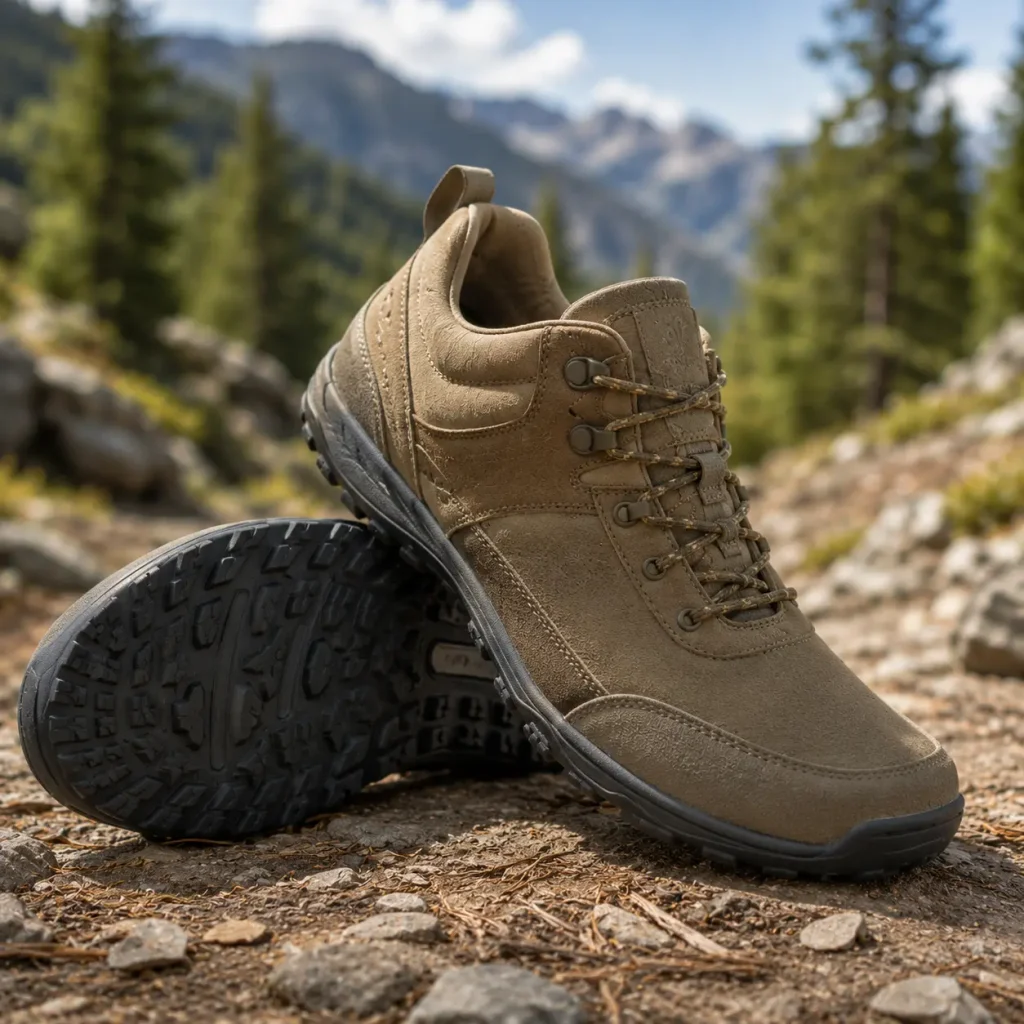
For customers who want the same barefoot philosophy applied to rougher ground, the brand’s trail-oriented style adds a more rugged outsole and reinforced construction suited to hiking and uneven outdoor surfaces.
Why it’s a top pick:
- Slip-resistant traction grip designed for steadier footing on varied terrain
- Maintains the same thin-sole, wide-toe-box barefoot design as the everyday sneaker
- Built to hold up to more demanding outdoor use than a purely casual sneaker
Best for: hikers and outdoor walkers who want barefoot-style ground feel without giving up traction and durability on the trail.
3. Grounded Winter Boot — Best Cold-Weather Barefoot Option
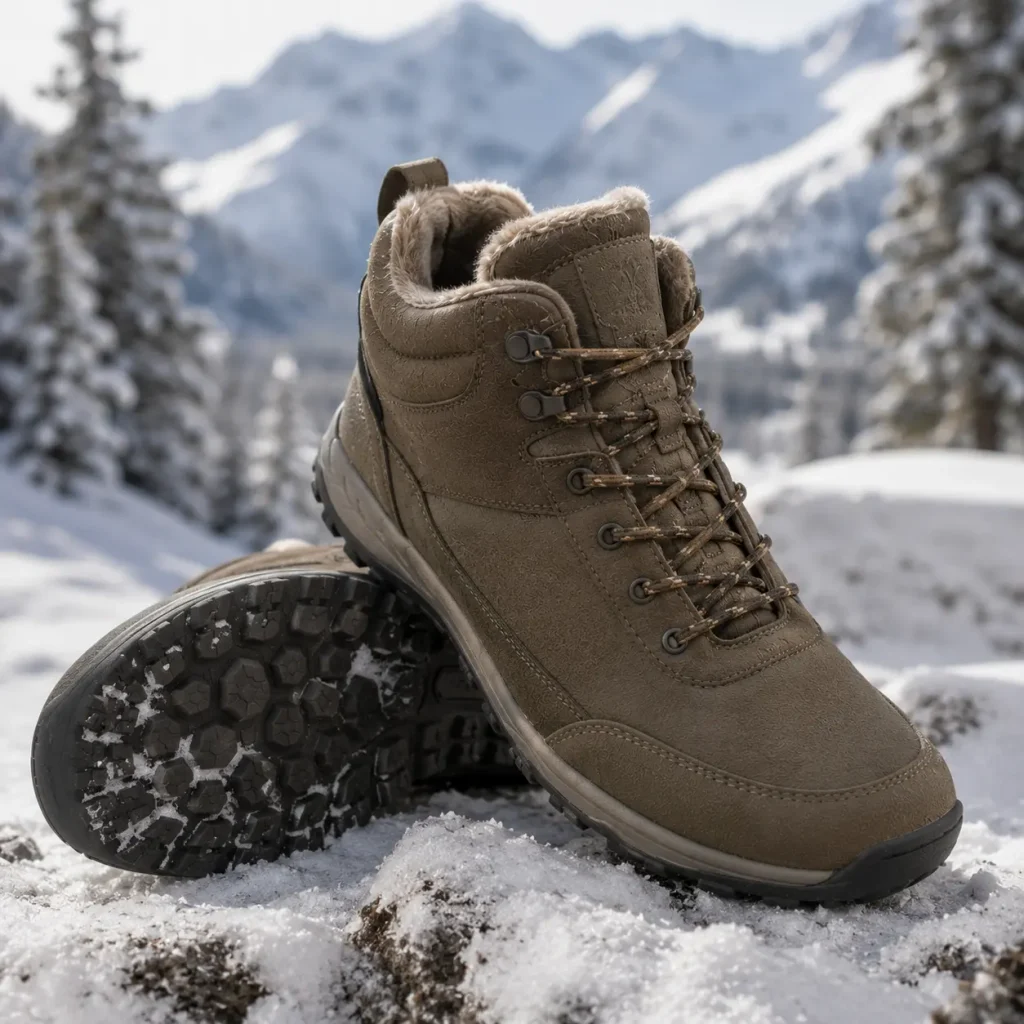
Barefoot-style design doesn’t have to stop when temperatures drop. The winter boot style extends the brand’s core comfort and alignment philosophy into a warmer, more enclosed silhouette built for colder climates.
Why it’s a top pick:
- Enclosed, insulated construction for cold-weather protection
- Retains the same wide toe box and thin, flexible sole as the brand’s warm-weather styles
- A practical option for wearers in colder regions who don’t want to abandon barefoot benefits for half the year
Best for: cold-climate wearers who want continuity in their barefoot footwear routine across all seasons.
4. Grounded Water and Summer Shoe — Best for Warm-Weather Versatility
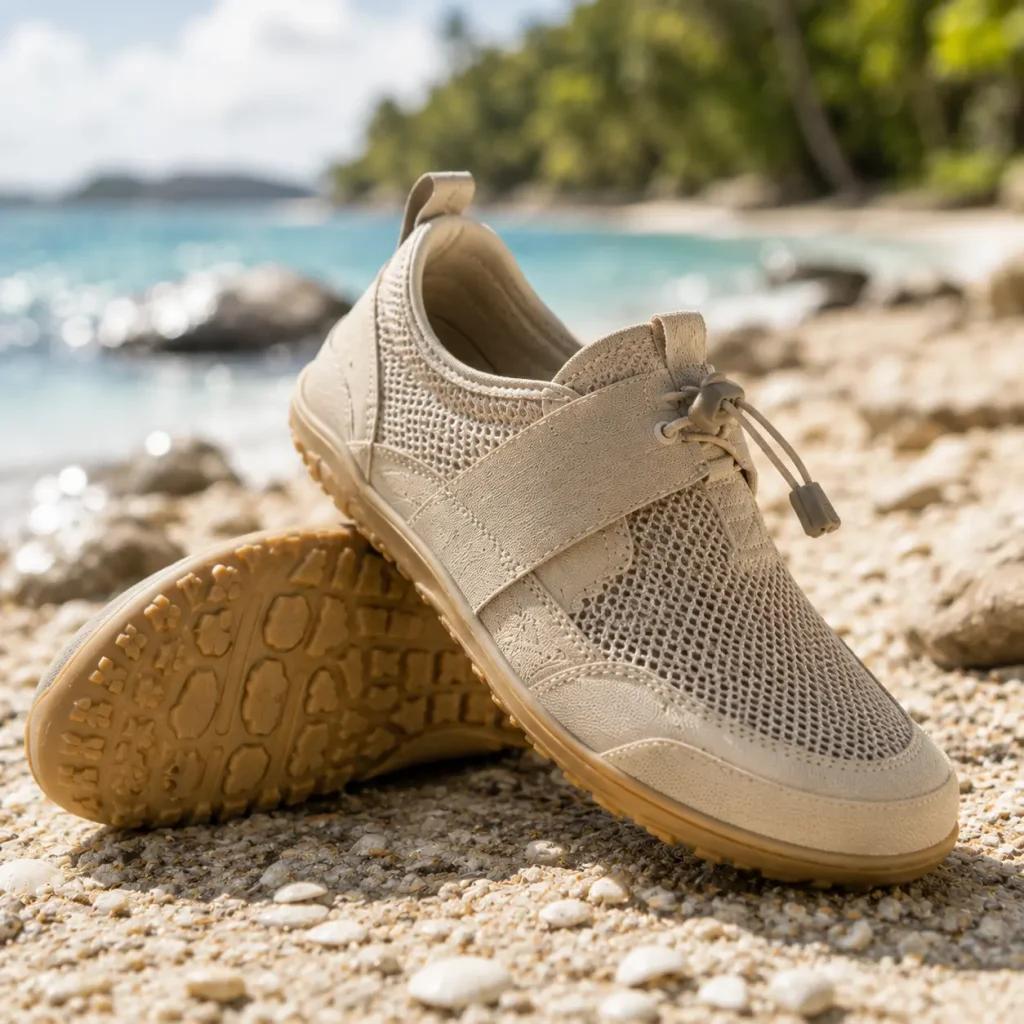
Rounding out the lineup, the brand’s lighter, quick-drying summer and water-ready style is built for beach days, water activities, and warm-weather versatility without sacrificing the core barefoot design.
Why it’s a top pick:
- Quick-drying, breathable construction suited to water exposure and hot weather
- Non-slip outsole for stability on wet or uneven surfaces
- A lightweight complement to the brand’s more structured everyday and trail styles
Best for: warm-weather wear, water activities, and anyone wanting a lighter seasonal alternative to the everyday sneaker.
How to Choose Between the Four Styles
If you’re deciding where to start, think about your dominant use case rather than trying to pick the single “best” style outright. If most of your day is spent on flat, indoor or urban surfaces, the Everyday Sneaker covers that use case most directly. If you regularly hike or walk on uneven outdoor terrain, the Trail and Hiking Shoe’s reinforced traction will serve you better than the general-purpose sneaker. If you live somewhere with genuine winter weather, the Winter Boot extends the same barefoot principles into a season where most barefoot brands don’t offer much coverage at all. If you spend real time around water or in consistently hot climates, the Water and Summer Shoe is built specifically for that exposure in a way the other three styles are not.
Many customers eventually own more than one style, using the Everyday Sneaker as a daily default and adding a seasonal or activity-specific pair as needed, similar to how most people build out a broader shoe wardrobe over time.
Comparison Table: Which Grounded Footwear Style Should You Buy?
| Style | Best For | Standout Feature |
|---|---|---|
| Everyday Sneaker | First-time buyers, daily wear | All-around barefoot design |
| Trail and Hiking Shoe | Outdoor walking, hiking | Reinforced traction for rough terrain |
| Winter Boot | Cold climates | Insulated, enclosed barefoot design |
| Water and Summer Shoe | Warm weather, water activities | Lightweight, quick-drying build |
Why People Wear Barefoot-Style “Grounded” Shoes
Why people wear grounding shoes — using the term loosely to include barefoot-style shoes like this brand — generally comes down to a mix of comfort and long-term foot health goals. Common motivations include:
- Managing existing foot pain, plantar fasciitis, or bunion discomfort with a shoe that reduces pressure rather than just cushioning it
- Wanting to rebuild foot and ankle strength weakened by years in heavily structured, cushioned shoes
- Improving balance and stability through better ground feel and toe splay
- Seeking a more natural standing and walking posture through a zero-drop sole
Benefits of Zero Drop Shoes and Wide Toe Boxes
Benefits of zero drop shoes include a more neutral standing posture, since the heel is not elevated above the forefoot, along with potentially reduced strain on the Achilles tendon and calves from a more level foot position. Why wide toe box matters comes down to balance and pressure distribution — when toes have room to spread naturally rather than being squeezed together, the foot has a wider, more stable base to work from, which can meaningfully improve balance on uneven ground and reduce pressure-related discomfort over time.
Grounded Footwear for Joint Pain, Plantar Fasciitis, and Related Discomfort
According to the brand’s own product descriptions, Grounded Footwear is specifically positioned to help people managing joint pain in the feet, knees, hips, and back, along with plantar fasciitis and bunion-related discomfort. The reasoning behind this claim follows established principles in podiatry and physical therapy: a wide toe box can relieve pressure that contributes to bunion pain, while a flat, zero-drop sole avoids the elevated-heel positioning that can contribute to added strain through the ankles, knees, and lower back over years of wear.
It’s worth being clear that these are general design benefits associated with the barefoot footwear category broadly, supported by foot-health research, rather than clinical claims specific and unique to this one brand. If you are managing a diagnosed condition like plantar fasciitis or chronic joint pain, discussing any footwear transition with a podiatrist or physical therapist is a reasonable step before making barefoot shoes your primary daily footwear.
Barefoot Shoes for Neuropathy and Sensitive Feet
Some customers seek out barefoot-style shoes specifically for peripheral neuropathy or general foot sensitivity, drawn to the wide, non-restrictive toe box and the absence of tight, structured overlays that can irritate sensitive nerve endings. While a roomier, less restrictive shoe can genuinely be more comfortable for sensitive feet, neuropathy is a medical condition with causes ranging from diabetes to nerve compression, and footwear changes alone are not a treatment for the underlying condition. Anyone managing diagnosed neuropathy should treat footwear choice as one part of a broader care plan discussed with their doctor or podiatrist, rather than a standalone solution.
The Science Behind Earthing and Grounding — What Does the Evidence Actually Show?
Since this topic frequently comes up alongside barefoot footwear, it’s worth addressing directly and honestly: is earthing scientifically proven, and what does earthing research and studies actually show?
The concept of earthing or grounding — the idea that direct or conductive contact with the earth’s surface transfers beneficial electrical charge into the body, potentially reducing inflammation and improving sleep — has been studied in a limited number of small trials, some of which report modest positive effects on measures like inflammation markers, cortisol patterns, and self-reported sleep quality. However, the overall body of research remains small in scale, and many of these studies have methodological limitations, including small sample sizes and a lack of large, independent replication. Mainstream medical and scientific organizations generally consider the evidence for earthing’s specific physiological benefits to be preliminary and inconclusive rather than well-established.
This is a separate question from the benefits of barefoot-style footwear more broadly, which rests on better-established biomechanical principles around foot strength, natural gait, and reduced reliance on artificial structural support. Grounded Footwear’s actual product claims center on this barefoot-design category, not on the electrical earthing effect — which is a meaningful distinction worth keeping in mind if you’ve encountered strong claims about “grounding shoes” curing inflammation or dramatically improving sleep. Those specific claims are more closely associated with conductive earthing products, and even there, the scientific consensus remains cautious rather than conclusive.
If genuine electrical earthing benefits are specifically what you’re after, the more reliable path is to research it as its own distinct topic, using search terms like “conductive earthing shoes” or specific brand names known for that technology, rather than assuming any barefoot shoe with “grounded” branding provides it.
How to Choose Grounding or Barefoot Footwear
How to choose grounding footwear — or more accurately, barefoot-style footwear like Grounded — comes down to a few practical questions: What activity will you use the shoe for most (daily wear, hiking, cold weather, water activities)? Do you have an existing foot condition that might benefit from a gradual transition rather than an immediate switch? And how much toe room and sole flexibility do you personally find comfortable, since barefoot shoes vary somewhat in how minimal their construction is.
For most first-time buyers, starting with an everyday sneaker style rather than jumping straight into a highly specialized boot or trail shoe makes the transition easier to evaluate before expanding into other styles.
How to Care for Grounded Footwear
Maintaining the lightweight, breathable materials used across the brand’s lineup is fairly straightforward. Most styles can be spot-cleaned with a damp cloth and mild soap, and the non-slip outsole should be checked periodically for debris that could reduce traction on smooth or wet surfaces. For water-ready and summer styles specifically, allowing the shoes to fully air dry between wears helps preserve both the material and the odor-resistance of the construction, rather than storing them damp after beach or water use.
How to Use Barefoot-Style Shoes Correctly (and Transition Safely)
How to use grounding shoes correctly, in the barefoot sense, largely comes down to a gradual transition process rather than any special technique:
- Start with short wear periods. Wear your new shoes for an hour or two a day initially rather than switching over completely on day one.
- Prioritize walking before more demanding activity. Let your feet and calves adjust to the zero-drop platform during regular daily activity before introducing hiking or extended standing.
- Increase gradually over several weeks. Add wear time in small increments rather than jumping straight to full-day use.
- Watch for calf and foot soreness. Some adjustment discomfort is normal as underused muscles reactivate, though sharp or persistent pain is a signal to slow down.
- Consider your existing foot health. If you have a diagnosed condition affecting your feet, discussing the transition with a podiatrist beforehand is a sensible precaution.
How to Tell If a Shoe Is Truly a “Grounding” Earthing Shoe
How to tell if a shoe is truly grounding, in the electrical earthing sense, comes down to checking for specific, named conductive components — copper rivets, carbon-infused rubber, or a named conductive technology like a proprietary earthing plug system. Brands that genuinely offer this feature typically describe it explicitly, often citing a specific electrical resistance specification and instructions for maintaining skin contact with the conductive material. If a brand’s marketing uses “grounded” or “grounding” language purely to describe barefoot design principles — natural movement, ground feel, foot strength — without naming any specific conductive material or technology, it is very likely referring to the barefoot design category rather than electrical earthing, which is the case with Grounded Footwear.
Frequently Asked Questions
What is Grounded Footwear?
Grounded Footwear is a barefoot-inspired shoe brand built around wide toe boxes, thin, zero-drop soles, and slip-resistant traction, marketed as orthopedist-approved and designed to relieve pressure associated with joint pain, plantar fasciitis, and bunions. It is a barefoot-design brand rather than a conductive electrical earthing brand.
Do grounding shoes actually work?
If “grounding shoes” refers to barefoot-style footwear like Grounded Footwear, the underlying design principles — wide toe boxes, zero-drop soles, and reduced structural support — are grounded in established foot-health and biomechanics research around natural movement and muscle strength. If “grounding shoes” refers specifically to conductive electrical earthing products, the scientific evidence for measurable health benefits remains limited and is generally considered preliminary rather than conclusively proven.
Is earthing scientifically proven?
Not conclusively. A limited number of small studies have reported some positive associations between earthing practices and measures like inflammation markers or sleep quality, but the overall body of research is small, and mainstream scientific consensus considers the evidence preliminary rather than well-established. Larger, independently replicated studies would be needed to draw firmer conclusions.
Can you wear barefoot-style shoes like Grounded Footwear indoors?
Yes, barefoot-style shoes are generally suitable for indoor wear, and many people specifically use them at home or in workplace settings where they are on their feet for extended periods, given the emphasis on comfort and natural foot alignment. Unlike conductive earthing products, there’s no electrical component requiring outdoor ground contact to function.
Are Grounded Footwear shoes worth buying?
For people specifically interested in barefoot-style design — wide toe boxes, thin flexible soles, and reduced structural support — Grounded Footwear offers an accessible entry point across everyday, trail, cold-weather, and warm-weather categories. If you were specifically looking for conductive electrical earthing technology, it’s worth confirming that a brand explicitly offers that feature before purchasing, since not every shoe marketed with “grounded” language includes it.
How often should you wear barefoot-style shoes during the transition period?
Most footwear professionals recommend starting gradually — an hour or two per day initially — and increasing wear time over several weeks as your feet and calves adjust to the reduced structural support. Jumping straight into full-day wear without this adjustment period can lead to unnecessary soreness.
Is Grounded Footwear the same company as brands offering conductive earthing technology?
No. Grounded Footwear is a barefoot-style shoe brand and is not affiliated with companies that build conductive materials like copper or carbon into their soles specifically for electrical earthing purposes. If a specific conductive earthing feature is what you’re shopping for, it’s worth confirming that detail directly with the brand in question before purchasing, since footwear names alone can be misleading on this point.
Final Thoughts
Grounded Footwear delivers exactly what its core design promises: a barefoot-inspired shoe built around natural movement, wide toe boxes, and reduced structural interference, spread across everyday, trail, cold-weather, and warm-weather styles. It’s worth being precise about what the brand does and doesn’t offer, though — genuine barefoot design benefits, yes; conductive electrical earthing technology, no. Understanding that distinction upfront helps set the right expectations before you buy.
If you’re exploring the wider footwear landscape beyond barefoot shoes, take a look at our full roundup of 8 Famous Footwear Brands That Redefine Everyday Style for more brands solving different everyday comfort problems.