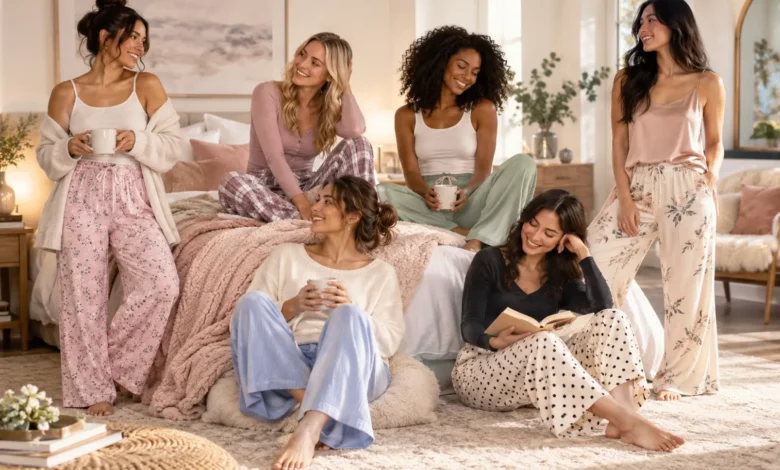
There’s a very specific kind of comfort that comes from slipping into the right pair of pyjama pants at the end of a long day — soft against the skin, loose enough to move freely, and somehow instantly signaling that the day’s demands are officially over. Yet not all pyjama pants deliver that feeling equally. Fabric, fit, and construction all play a bigger role than most people realize in whether a pair actually earns a permanent spot in the nightstand drawer or ends up pushed to the back of a closet after a few uncomfortable nights.
This guide covers everything from what actually makes pyjama pants comfortable to 9 women’s pyjama pants that feel like pure bliss, along with practical advice on fabric choice, seasonal picks, and how to care for sleepwear so it lasts. Whether you’re a hot sleeper searching for something breathable, someone who runs cold and wants genuine warmth, or simply building out a more comfortable loungewear rotation, this breakdown will help you shop with a lot more confidence.
What Is the Difference Between Pyjama Pants and Lounge Pants?
While the terms are often used interchangeably, pyjama pants and lounge pants do have some meaningful distinctions. Pyjama pants are traditionally designed specifically for sleep, typically made from lighter, breathable fabric and often sold as part of a matching pyjama set with a coordinating top. Lounge pants, by contrast, tend to be slightly heavier or more structured, designed with daytime comfort and casual wear in mind rather than being optimized purely for sleep.
In practice, many modern pyjama pants blur this line intentionally, since so much of today’s sleepwear is designed to transition easily from bed to working from home to running a quick errand, without needing a separate loungewear wardrobe entirely.
What Fabric Is Best for Pyjama Pants?
Fabric choice is arguably the single biggest factor in how comfortable a pair of pyjama pants actually feels, and different fabrics suit different needs.
Cotton remains one of the most popular choices for pyjama pants, prized for its breathability, softness, and general skin-friendliness. Cotton pyjama pants for women tend to hold up well to frequent washing and work well across a wide range of temperatures.
Flannel offers a heavier, brushed cotton weave that traps warmth effectively, making flannel pyjama pants for women a reliable choice for colder months or naturally cold sleepers.
Silk delivers a genuinely luxurious feel and a naturally temperature-regulating quality, making silk pyjama pants for women a popular choice for anyone who runs warm at night or simply wants an elevated sleepwear experience.
Bamboo fabric has grown significantly in popularity for its exceptional softness, breathability, and natural moisture-wicking properties, making bamboo pyjama pants a strong option for hot sleepers or humid climates.
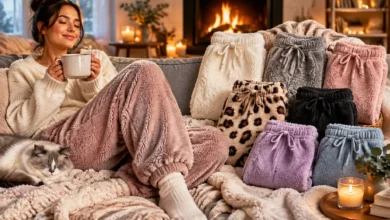
Fleece provides maximum warmth and a plush, cozy texture, making fleece pyjama pants for women particularly well-suited to genuinely cold winter nights or drafty bedrooms.
What Makes Pyjama Pants Comfortable?
A few consistent factors separate genuinely comfortable pyjama pants from ones that end up feeling restrictive or irritating by the middle of the night. Fabric softness against the skin matters enormously, as does breathability, since overheating is one of the most common reasons people wake up mid-sleep. Waistband construction also plays a bigger role than most people expect — a soft, wide elastic waistband that doesn’t dig in tends to outperform a thin drawstring-only waist for all-night comfort.
Fit matters too, though perhaps counterintuitively, since pyjama pants that are too loose can bunch and twist during sleep just as easily as pants that are too tight can restrict movement. Finding a genuinely relaxed, but not oversized, fit tends to deliver the most consistent comfort night after night.
What to Look for When Buying Pyjama Pants
Beyond fabric and fit, a few additional details are worth checking before purchasing. Seam placement matters, since seams that sit directly against sensitive areas like the inner thigh or waistline can become irritating over repeated wear. Breathability ratings or fabric weight, when listed, offer a useful clue about how warm or cool a specific pair will run. Finally, checking care instructions before buying helps set realistic expectations about how easy — or labor-intensive — a specific fabric will be to maintain over time.
A Brief History of Pyjama Pants
The word “pyjama” traces back to the Persian and Hindi term “pae jama,” meaning quite literally “leg garment,” originally referring to lightweight, loose-fitting trousers worn by both men and women across South Asia and the broader region for centuries, well before the garment had anything to do with sleep specifically. These were everyday, practical garments suited to warm climates, prized for their comfort and breathability rather than any connection to bedtime.
British colonists encountered these garments during the 17th and 18th centuries and gradually brought the style back to Europe, where it was initially adapted primarily as menswear. It took considerably longer for pyjamas to become associated specifically with women’s fashion and sleepwear in the Western world, with meaningful adoption not really taking hold until the early 20th century.
The Evolution of Women’s Sleepwear Trends
Women’s pyjamas gained real cultural momentum in the 1920s, championed by designers experimenting with looser, more liberated silhouettes for women at a time when trousers of any kind remained fairly unconventional daywear. Coco Chanel notably developed her own take on the style with beach pyjamas, intended for relaxed seaside wear rather than sleep specifically, while other designers of the era began popularizing silk and crepe de chine pyjama sets as a genuinely fashionable alternative to more traditional nightgowns.
By the mid-20th century, mass manufacturing had made cotton and flannel pyjama sets widely accessible, moving the garment further from its earlier status as a luxury item and firmly into the everyday sleepwear category most people recognize today. The 1970s brought another significant shift, as loungewear more broadly gained popularity and pyjama pants increasingly blurred the line between sleepwear and comfortable at-home daywear — a trend that has only accelerated in recent years.
How Pyjama Pants Became a Loungewear Staple
The transition of pyjama pants from strictly bedroom attire to a genuine loungewear staple reflects broader shifts in how comfort is prioritized in everyday life. As remote work and flexible schedules became more common, the line between “sleepwear” and “clothing you’re comfortable being seen in” blurred considerably, with many people now working, relaxing, and even running quick errands in pieces originally designed purely for sleep.
This shift has directly influenced how pyjama pants are designed today, with many brands now creating pieces intended to look presentable enough for a video call or a coffee run while still delivering the same softness and ease that makes them so appealing for actual sleep.
Why Cotton Pyjama Pants Are Often Considered Best for Sleep
Cotton remains a go-to recommendation for sleep-specific pyjama pants for several practical reasons. It’s naturally breathable, helping regulate body temperature throughout the night rather than trapping heat the way some synthetic fabrics can. It’s also relatively easy to care for, generally tolerating regular machine washing without requiring the delicate handling that silk or certain specialty fabrics demand.
Beyond practicality, cotton’s soft, natural feel against the skin makes it broadly suitable for a wide range of sleepers, including those with sensitive skin who may find synthetic blends more prone to causing irritation over a full night’s wear.
Why Loose-Fit Pyjama Pants Improve Comfort
A genuinely relaxed fit allows for natural movement throughout the night without any fabric pulling or restricting circulation, which matters more than people often realize given how much position-shifting happens during a typical night’s sleep. Loose fit pyjama pants for women also tend to feel less confining during the transitional period before actually falling asleep, when many people are still reading, scrolling, or simply relaxing before drifting off.
That said, “loose” doesn’t need to mean shapeless or overly voluminous — a relaxed straight-leg or gently tapered silhouette often delivers the best combination of ease of movement and a flattering, put-together look for anyone who wears their pyjama pants beyond the bedroom.
Benefits of Wearing Comfortable Sleepwear
Investing in genuinely comfortable sleepwear pays off in ways that extend beyond simple physical comfort. Sleepwear that doesn’t overheat, restrict movement, or cause irritation removes a surprising number of small disruptions that can interfere with falling and staying asleep. There’s also a psychological component worth acknowledging — having a dedicated, comfortable transition into “rest mode” can genuinely help signal to the body and mind that the day’s obligations are winding down.
Also Read: Linen Pants: Best Fits, Colors & Outfit Ideas for Every Body Type
9 Women’s Pyjama Pants That Feel Like Pure Bliss
Classic Cotton Pyjama Pants
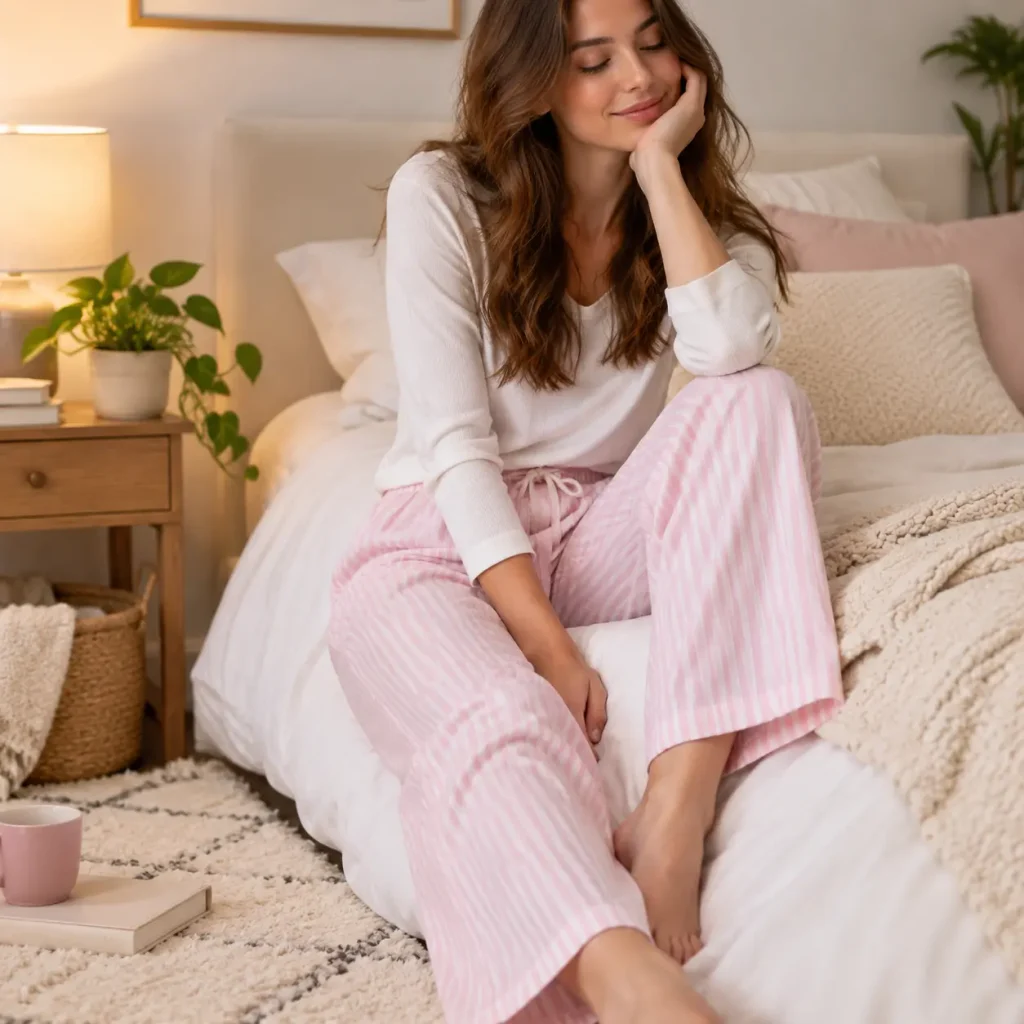
A well-made cotton pyjama pant remains the most versatile, broadly comfortable option available, suiting a wide range of climates and sleep preferences. Soft, breathable, and easy to care for, this style works well as a year-round staple and holds up reliably to frequent washing without losing its softness.
Cozy Flannel Pyjama Pants
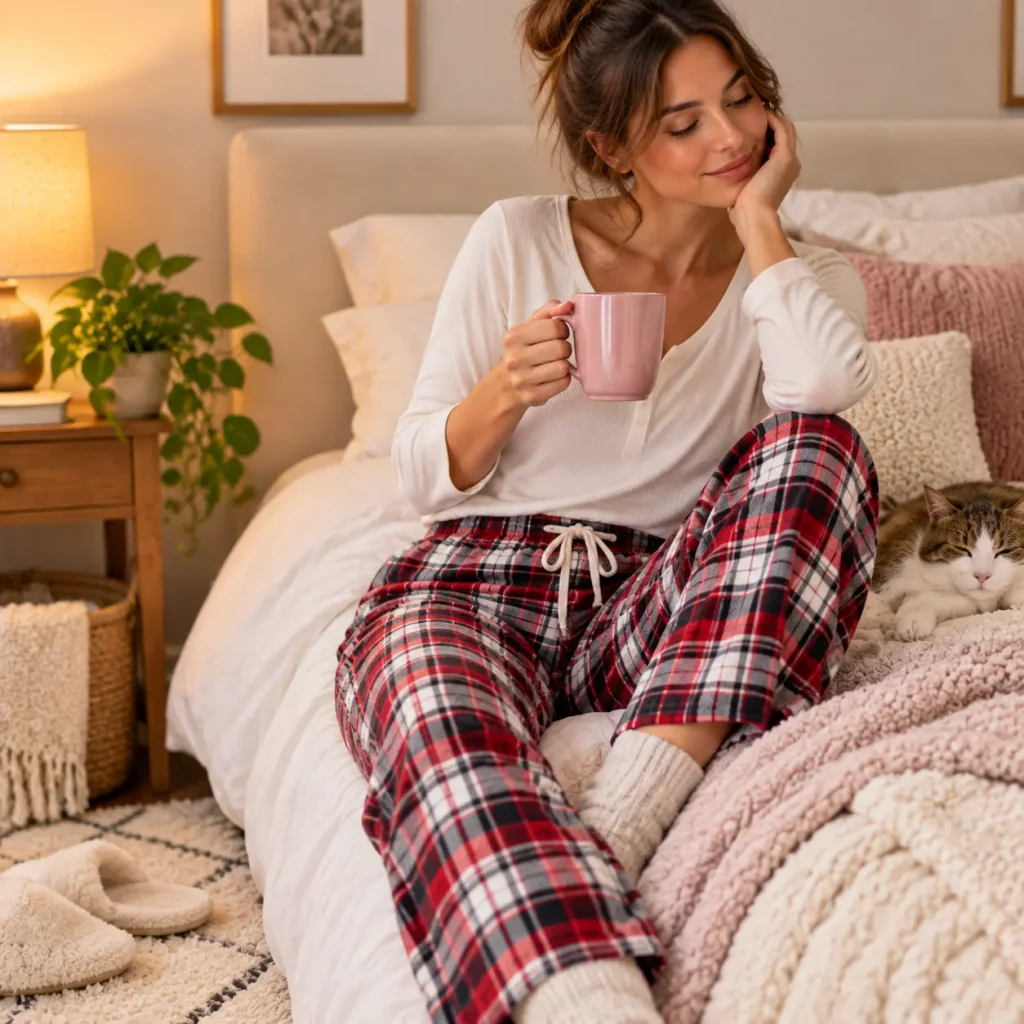
For colder months or naturally cold sleepers, flannel pyjama pants deliver noticeably more warmth than standard cotton, thanks to their brushed, slightly heavier weave. This style is a reliable pick for winter, offering genuine coziness without the bulk of a much thicker fabric.
Luxurious Silk Pyjama Pants
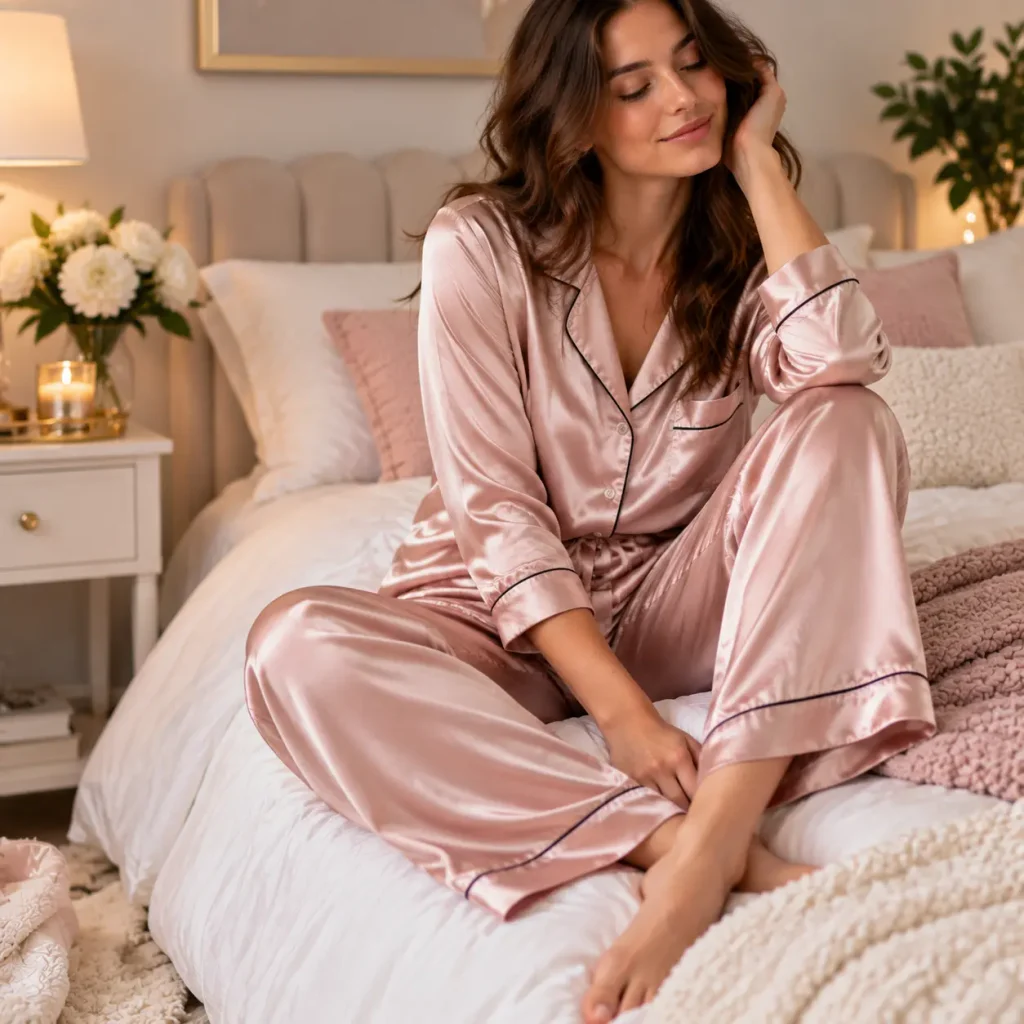
Silk pyjama pants bring a genuinely elevated feel to sleepwear, with a naturally smooth, temperature-regulating quality that suits hot sleepers particularly well. Beyond the comfort factor, silk’s soft drape and subtle sheen also make this style a popular choice for anyone who wants their sleepwear to feel a bit more special.
Breathable Bamboo Pyjama Pants
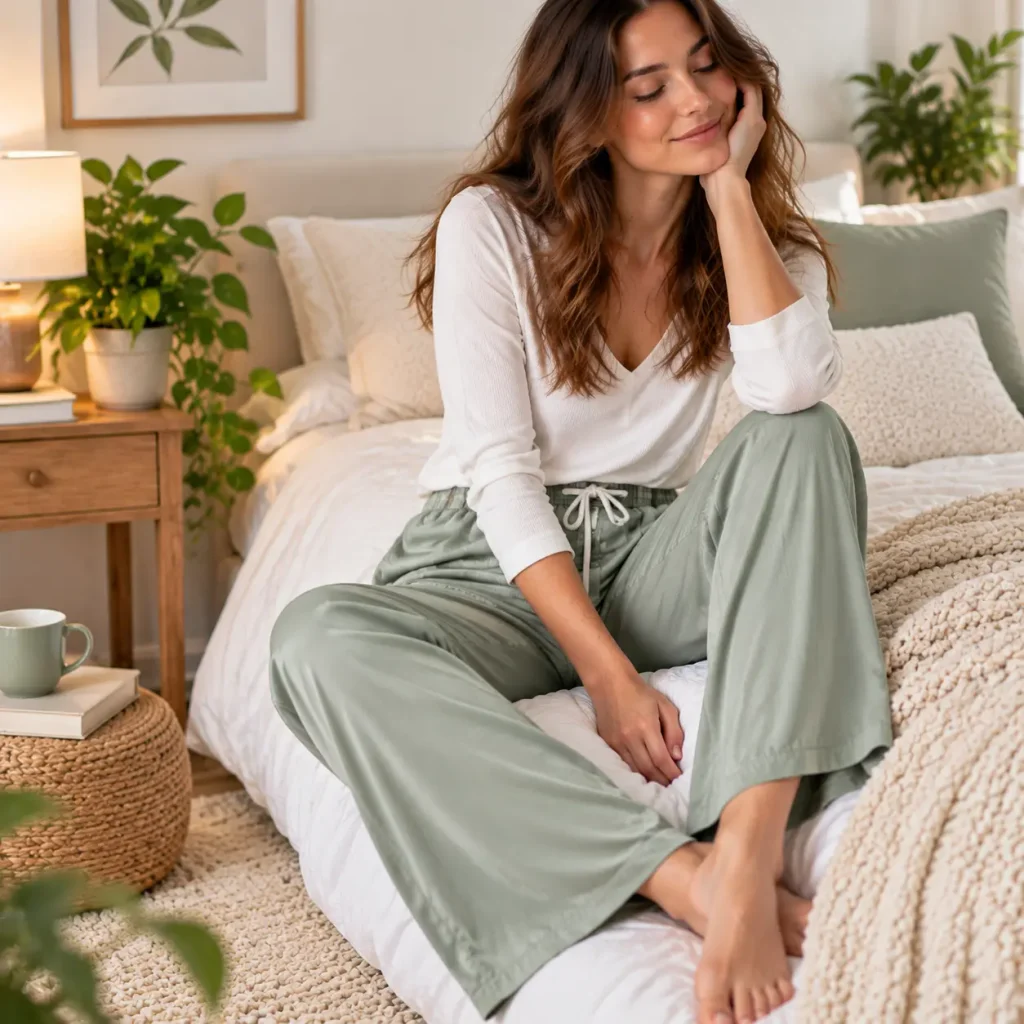
Bamboo fabric has become an increasingly popular choice for pyjama pants thanks to its exceptional softness and natural moisture-wicking properties. This style is particularly well-suited to pyjama pants for hot sleepers, since bamboo’s breathability helps prevent the overheating that can disrupt sleep.
Warm Fleece Pyjama Pants
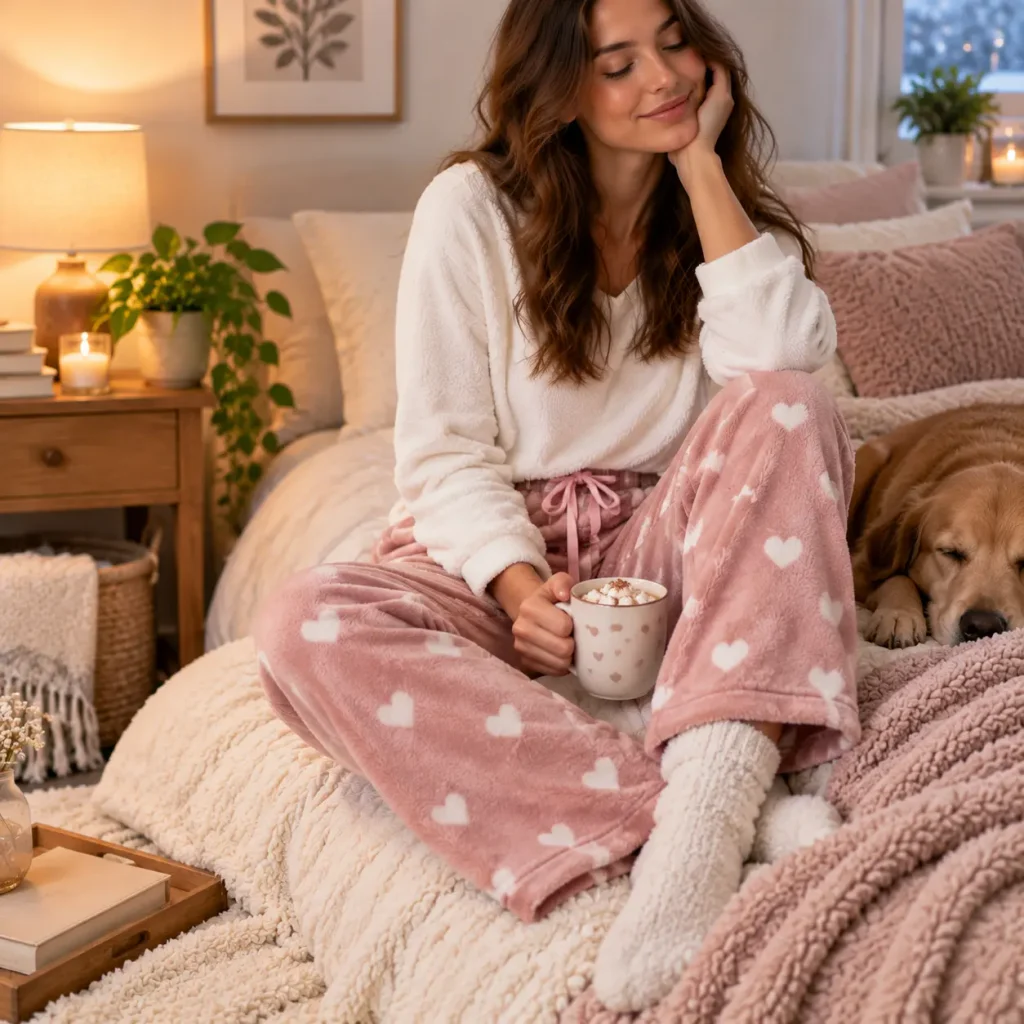
When maximum warmth is the priority, fleece pyjama pants deliver a genuinely plush, insulating feel that outperforms most other fabric options in cold conditions. This style is especially useful for anyone in a colder climate or a home that tends to run chilly overnight.
Wide-Leg Lounge-Style Pyjama Pants
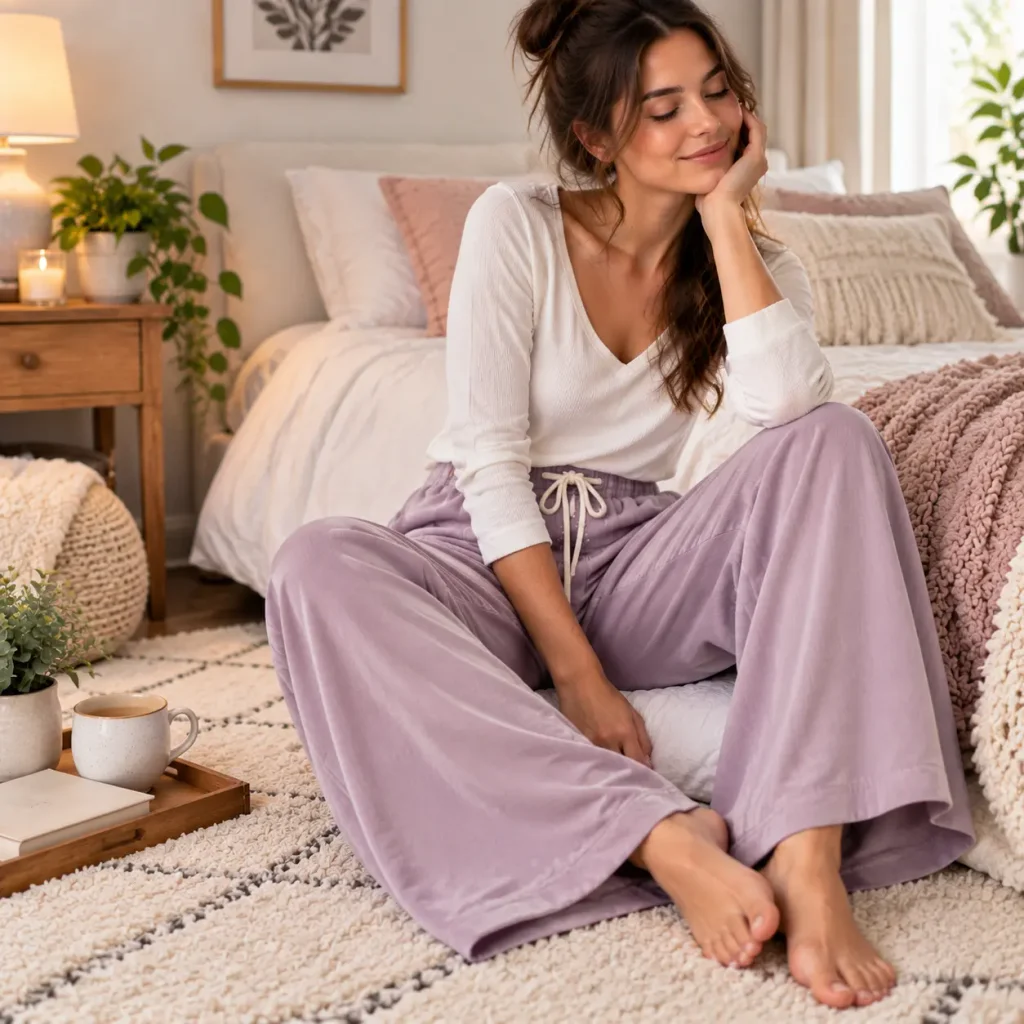
Wide-leg pyjama pants offer a relaxed, breezy silhouette that moves easily and doesn’t cling to the legs during sleep. This style has also become genuinely popular as daytime loungewear, since the flowy cut looks intentional and put-together even when worn well beyond the bedroom.
Also Read: Wide Leg Pants Outfit Ideas: What to Wear With Them (Complete Guide)
Cropped Pyjama Pants for Summer
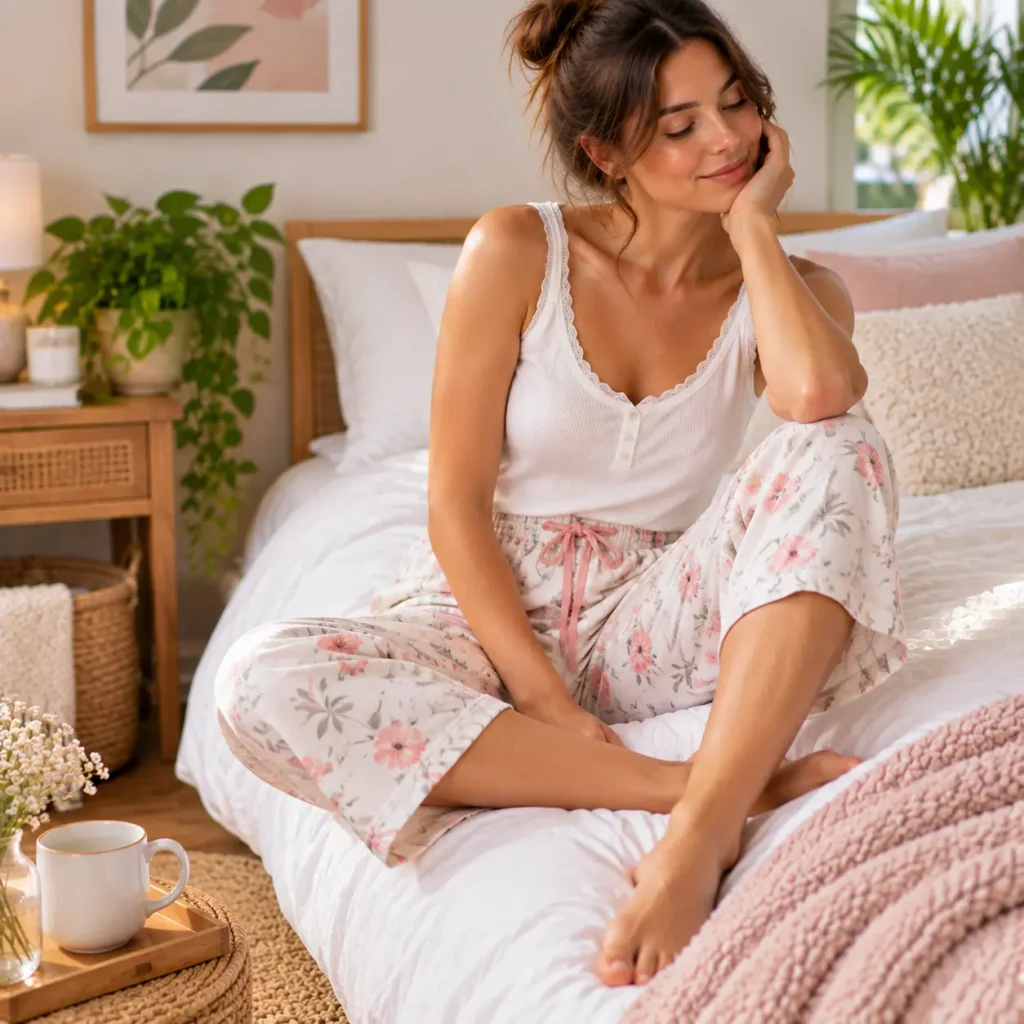
For warmer months, cropped pyjama pants offer a cooler alternative to full-length styles without sacrificing the coverage and comfort of a proper pyjama bottom. This style pairs well with lightweight cotton or bamboo fabric for maximum breathability during summer pyjama pants season.
High-Waisted Pyjama Pants
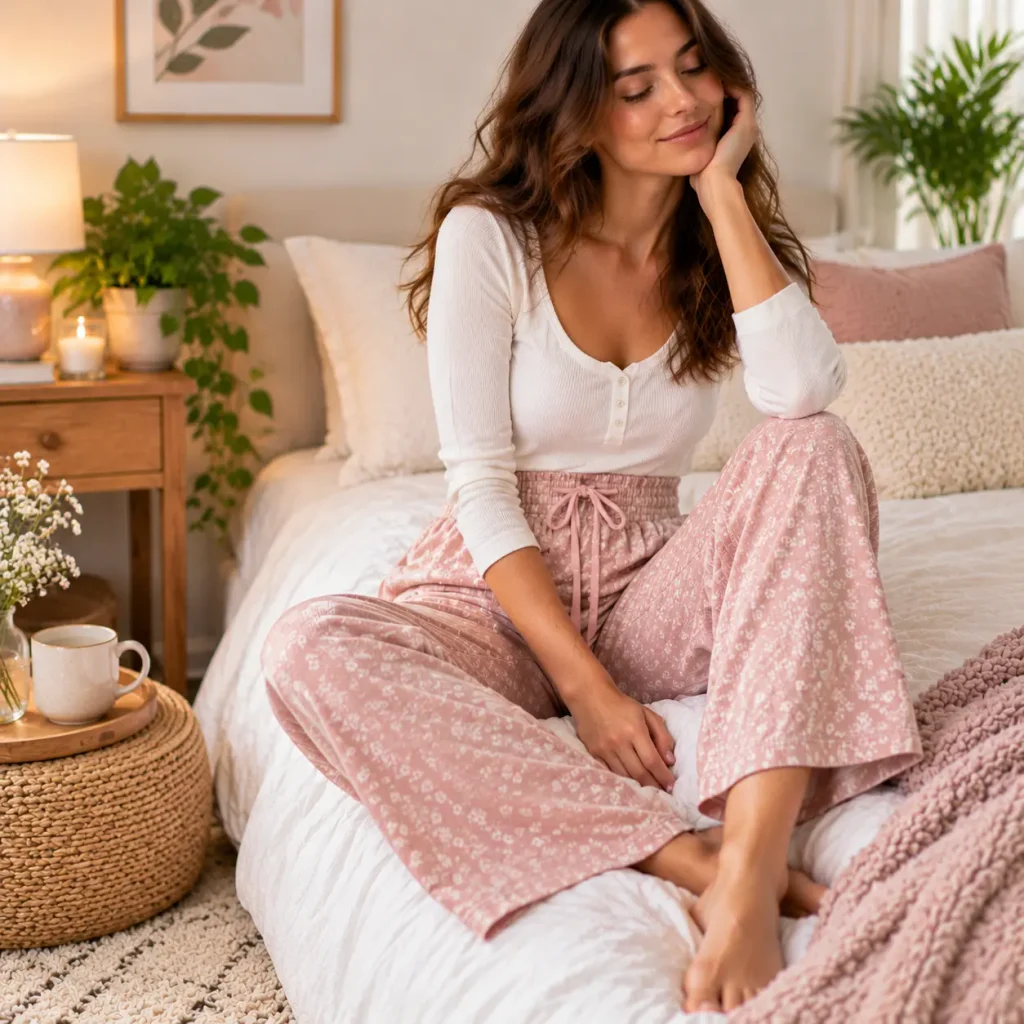
A high-waisted silhouette offers a bit more structure and coverage through the midsection, along with a waistband that tends to sit more comfortably without slipping during sleep. This style has also become popular for its flattering fit when worn as everyday loungewear.
Plus Size Pyjama Pants
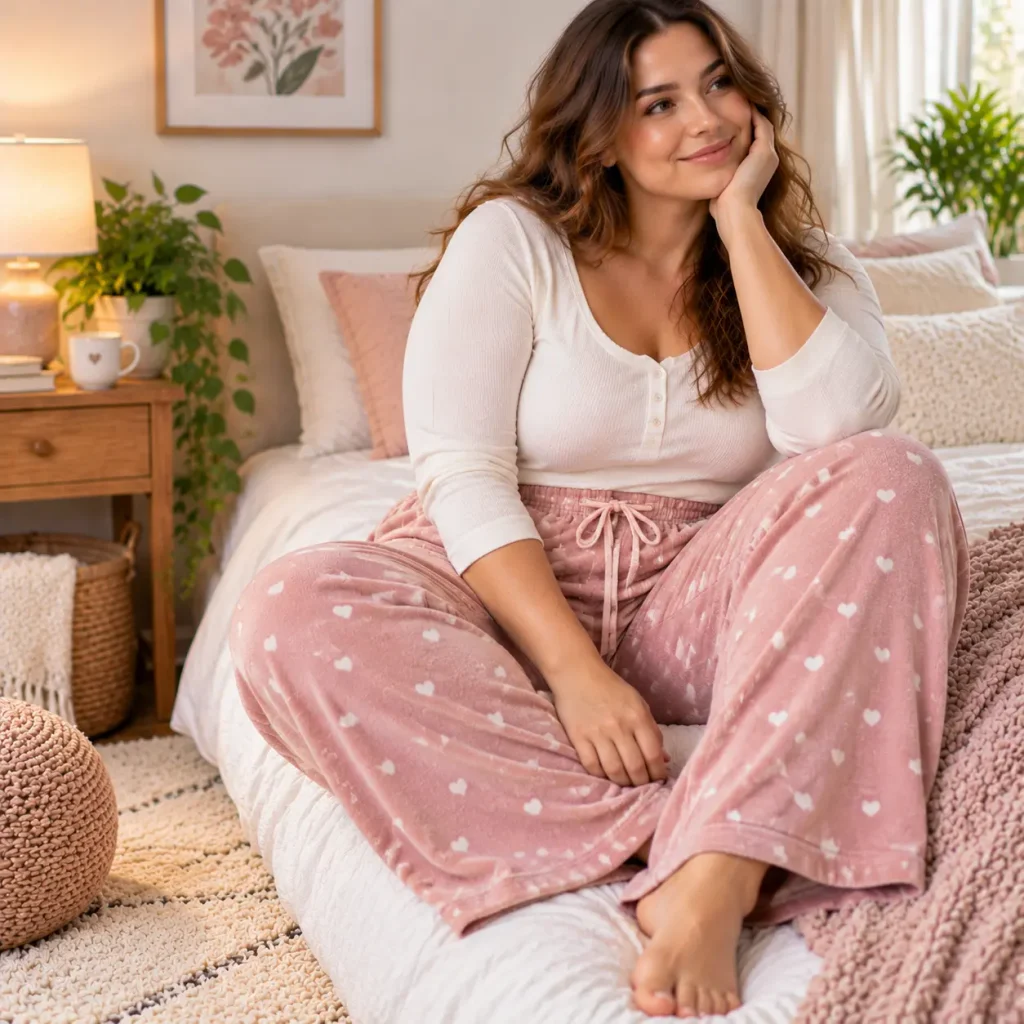
Comfortable, well-fitting sleepwear shouldn’t be limited to a narrow size range, and plus size pyjama pants ensure the same softness and ease of movement is available across a broader range of body types. These styles generally follow the same fabric and construction principles as standard sizing, simply cut to fit comfortably across a wider size range.
Pyjama Pants for Hot Sleepers vs. Cold Sleepers
Hot sleepers generally do best with lightweight, breathable fabrics like bamboo, lightweight cotton, or silk, all of which help regulate body temperature and wick away moisture rather than trapping heat close to the skin. Cold sleepers, on the other hand, tend to benefit far more from flannel or fleece, both of which prioritize insulation and warmth over breathability. Understanding your own general sleep temperature tendency is one of the simplest ways to narrow down fabric choice before shopping.
Pyjama Pants by Season
Winter pyjama pants for women benefit most from flannel or fleece, prioritizing warmth for cold nights and chilly bedrooms.
Summer pyjama pants for women work best in lightweight, breathable fabrics like cotton or bamboo, often in a cropped or shorter length to maximize airflow.
Lightweight pyjama pants suited to spring or fall transitional weather generally split the difference, using a mid-weight cotton or cotton-modal blend that isn’t too warm or too cool for fluctuating temperatures.
Pyjama Pants by Use Case
Pyjama pants for sleeping should prioritize fabric softness and breathability above all else, since comfort through a full night’s sleep is the primary function.
Pyjama pants for lounging at home can lean slightly more structured or stylish, since these pieces are often seen by more than just the wearer during a typical day at home.
Pyjama pants for travel comfort benefit from a wrinkle-resistant, easy-care fabric that packs down small, making a soft cotton-blend or bamboo option particularly practical for suitcases.
Pyjama pants for maternity often prioritize a soft, stretchy waistband that can accommodate a changing body comfortably without digging in.
Pyjama pants for a hospital stay are generally best in a simple, easy-access style with a soft, breathable fabric that won’t irritate skin during an already uncomfortable time.
How to Choose the Right Pyjama Pants
Start by identifying your general sleep temperature tendency, since this single factor narrows fabric choice more effectively than almost anything else. From there, consider the primary use case — sleepwear meant purely for bed can prioritize maximum softness over appearance, while pieces intended to double as loungewear benefit from a slightly more considered fit and style.
Trying pants on and moving in them, rather than judging fit purely from a hanger or product photo, also helps ensure the waistband and overall fit will hold up comfortably through a full night of shifting positions.
How to Care for Pyjama Pants
Proper care extends the life of pyjama pants considerably, particularly for more delicate fabrics like silk. Washing in cold water and air drying, or using a low-heat dryer setting, generally helps preserve both the softness and shape of most sleepwear fabrics better than high-heat washing and drying. Silk pyjama pants in particular often benefit from a gentle, hand-wash cycle or a dedicated delicates bag if machine washing.
Turning pyjama pants inside out before washing can also help reduce pilling and fading over time, particularly for softer, more textured fabrics like flannel or fleece.
How to Style Pyjama Pants for Loungewear
Styling pyjama pants for daytime loungewear generally works best by pairing them with a simple, slightly more structured top — a fitted tee or a soft cardigan — to keep the overall look intentional rather than purely bedroom-bound. Wide-leg or high-waisted styles in particular tend to look polished enough for casual daytime wear, especially in a solid color or subtle print rather than an obviously sleep-specific pattern.
Frequently Asked Questions
Are cotton or silk pyjama pants better?
Neither fabric is universally “better” — it depends on individual preference and sleep temperature. Cotton is generally more affordable, easier to care for, and well-suited to a wide range of sleepers, while silk offers a more luxurious feel and better temperature regulation, particularly for hot sleepers.
Do pyjama pants shrink after washing?
Yes, particularly cotton and flannel pyjama pants can shrink somewhat if washed in hot water or dried on high heat. Washing in cold water and air drying or using a low-heat setting helps minimize shrinkage over time.
What pyjama pants are best for hot sleepers?
Lightweight, breathable fabrics like bamboo, lightweight cotton, or silk are generally best for hot sleepers, since they help wick away moisture and regulate body temperature rather than trapping heat.
Can pyjama pants be worn outside the house?
Yes, many modern pyjama pants, particularly wide-leg or high-waisted styles in solid colors, are comfortable and stylish enough to be worn as casual loungewear outside the house, such as for a quick errand or a casual outing.
How many pyjama pants should you own?
Most people find that owning between four and six pairs of pyjama pants offers enough variety to cover different seasons and fabric preferences, while avoiding excessively frequent laundry.
Final Thoughts
Finding pyjama pants that genuinely feel like pure bliss comes down to understanding your own comfort priorities — whether that’s maximum breathability for a hot sleeper, genuine warmth for a cold one, or a relaxed fit that transitions easily from bed to lounging around the house. From classic cotton to luxurious silk, the nine styles covered here each offer a slightly different path to the same goal: sleepwear that feels less like an obligation and more like the most comfortable part of your entire day. With the right fabric, fit, and a bit of proper care, the perfect pair of pyjama pants isn’t just something you sleep in — it’s something you genuinely look forward to putting on.
Also Read: Striped Linen Pants: Best Outfit Ideas for Every Occasion