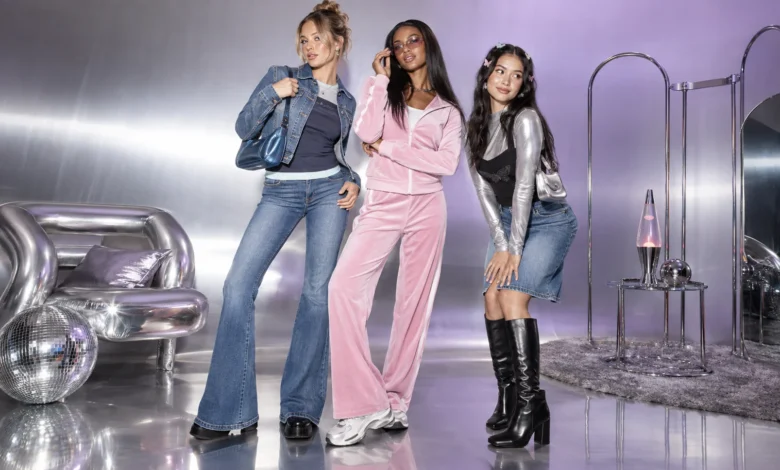
There’s a very specific energy to 2000s fashion that no other decade quite replicates — a fearless, “more is more” attitude that mixed metallics with denim, paired a trucker hat with a baby tee, and never once worried about whether any of it actually matched. Two decades later, that same bold, unfiltered confidence is back in a major way, showing up on runways, red carpets, and every corner of social media.
This guide breaks down what actually defines the 2000s fashion aesthetic, how it differs from the broader Y2K label it’s often lumped in with, and 14 nostalgically bold looks that capture the era’s defining energy. Along the way, we’ll cover the decade’s distinct sub-aesthetics, why this specific style keeps resurfacing, and how to wear these trends today without looking like you raided a costume box.
What Is the 2000s Fashion Aesthetic?
The 2000s fashion aesthetic refers to the distinct visual style that defined clothing, accessories, and beauty trends throughout the early-to-mid 2000s, characterized by bold colors, shiny and metallic fabrics, skin-baring silhouettes, and a generally maximalist, tech-optimistic sensibility. Rather than one single unified look, 2000s fashion moved through multiple distinct phases across the decade, shaped by shifting pop culture influences, economic conditions, and the rapid rise of digital media, which for the first time allowed trends to spread and evolve at genuinely global speed.
What Defines Y2K Style?
Y2K style specifically refers to the bold, futuristic aesthetic that emerged right around the turn of the millennium, roughly spanning the late 1990s through the early 2000s. It’s defined by an optimistic, tech-inspired sensibility — think metallic fabrics, glossy textures, and playful, skin-baring silhouettes — that reflected the era’s genuine excitement about an approaching digital future. Low-rise jeans, crop tops, baguette-style handbags, chokers, and butterfly clips are among the most recognizable individual markers of the aesthetic.
What Is the Difference Between Y2K and 2000s Fashion?
While the terms are frequently used interchangeably, and for most casual purposes overlap almost completely, there’s a subtle distinction worth understanding. Y2K technically refers to the specific “Year 2000” moment and the immediately surrounding aesthetic — the earliest, most tech-futuristic, optimistic phase of the decade. “2000s fashion” more broadly covers the entire decade’s evolution, including how the style shifted as the years progressed, moving from that initial bright, optimistic energy toward a somewhat darker, moodier, more rock-and-roll sensibility by the later years of the decade.
In practical terms, most people use the two terms interchangeably today, and current fashion revivals tend to draw from the full range of the decade rather than distinguishing sharply between its earlier and later phases.
Sub-Aesthetics Within 2000s Fashion
The 2000s fashion aesthetic wasn’t one single look — it splintered into several distinct subcultures and style movements, many of which are being revived individually today.
2000s pop star fashion drew heavily from the era’s biggest music icons, favoring bold, statement-making red carpet looks, metallic fabrics, and glamorous, maximalist styling.
2000s mall goth style brought a darker, rock-influenced edge to mainstream teen fashion, incorporating band tees, chunky boots, fishnet layering, and heavy use of black alongside the era’s brighter mainstream trends.
2000s preppy fashion leaned into polished, collegiate-inspired pieces — polo shirts, pleated skirts, and structured layering — offering a cleaner, more put-together counterpoint to the decade’s flashier trends.
2000s hip-hop fashion embraced oversized silhouettes, bold logos, and statement accessories, significantly influencing mainstream streetwear well beyond the decade itself.
2000s indie sleaze aesthetic, associated more with the later years of the decade, brought a deliberately disheveled, rock-and-roll sensibility, favoring skinny jeans, band tees, and an unpolished, party-worn quality.
A Brief History of 2000s Fashion Trends
The early 2000s opened with genuine optimism about the approaching digital future, reflected directly in fashion through sleek, tech-inspired silhouettes and metallic, futuristic fabrics. As the decade progressed, this bright, optimistic aesthetic gradually gave way to a moodier, grittier sensibility, with darker colors and a more rock-influenced edge becoming increasingly prominent by the later years of the decade.
Throughout this evolution, pop culture played an outsized role in shaping trends, with music videos, reality television, and an increasingly influential celebrity culture setting the pace for what mainstream fashion embraced next. The rise of digital platforms and early social sharing during this period also fundamentally changed how quickly trends could spread, setting the stage for the even faster, more globally interconnected trend cycles that define fashion today.
Evolution of the Y2K Aesthetic
Y2K’s evolution from a genuine early-2000s phenomenon into today’s revived trend reflects a broader pattern in fashion, where roughly twenty-to-thirty-year cycles tend to bring earlier decades’ styles back into relevance. What’s notable about the current Y2K revival is that it isn’t simply recreating the original aesthetic wholesale — today’s version tends to reinterpret individual elements of the era rather than replicating entire outfits exactly as they were worn the first time around.
This selective, remixed approach has allowed Y2K style to feel genuinely fresh rather than purely nostalgic, blending recognizable early-2000s silhouettes and details with more current styling sensibilities.
Pop Culture Influence on 2000s Fashion
Pop culture has driven the current 2000s fashion revival just as powerfully as it shaped the original trends decades ago. Contemporary musicians have played a significant role in reigniting interest in the era’s glossy, maximalist visual language, while runway collections from major fashion houses have repeatedly referenced specific 2000s trends — denim-on-denim, mini skirts, and metallic fabrics among them — over recent seasons. Hollywood has leaned into the nostalgia directly as well, with films set during the era helping reintroduce the period’s most recognizable style markers, from butterfly clips to chokers, to audiences who may not have experienced the trend the first time around.
Why 2000s Fashion Is Making a Comeback
Several factors have converged to bring 2000s fashion firmly back into the mainstream. Nostalgia is a significant driver, particularly for a generation seeking a sense of comfort and familiarity during a period many describe as marked by broader global uncertainty — the era’s bold, carefree energy offers a kind of emotional counterpoint to more anxious, unsettled times. Social media has also dramatically accelerated the revival, with trend-focused platforms full of styling inspiration drawn directly from the decade, helping the aesthetic spread rapidly among audiences discovering it for the first time.
Practical factors matter too. Much of the 2000s aesthetic is genuinely accessible and affordable, easy to find through both mainstream retailers and secondhand and thrift shopping, which has made experimenting with the trend considerably lower-stakes than adopting a more expensive, harder-to-source style movement.
Why Gen Z Loves Y2K Style
For Gen Z specifically, Y2K style carries a particular kind of appeal tied to nostalgia for an era many of them experienced only secondhand, through older siblings, parents, or pop culture references rather than direct memory. The aesthetic represents a period widely associated with a certain kind of pre-social-media freedom and unfiltered self-expression, which resonates strongly with a generation that grew up entirely within the more curated, algorithm-driven social media landscape that followed.
The trend’s compatibility with thrifting and secondhand shopping has also made it a natural fit for Gen Z’s broader interest in more sustainable, budget-conscious fashion habits, allowing genuine engagement with the aesthetic without requiring an entirely new, expensive wardrobe.
Why 2000s Fashion Feels Bold and Iconic
What makes 2000s fashion so distinctly memorable, even decades later, comes down to its genuine commitment to maximalism and self-expression. The decade’s signature pieces — metallic fabrics, statement accessories, bold color combinations — were rarely subtle, and that fearless quality is exactly what makes individual pieces from the era so instantly recognizable and endlessly referenceable today. Rather than blending into the background, 2000s fashion was built to be noticed.
14 Nostalgically Bold 2000s Fashion Looks
1. Low-Rise Jeans with a Baby Tee
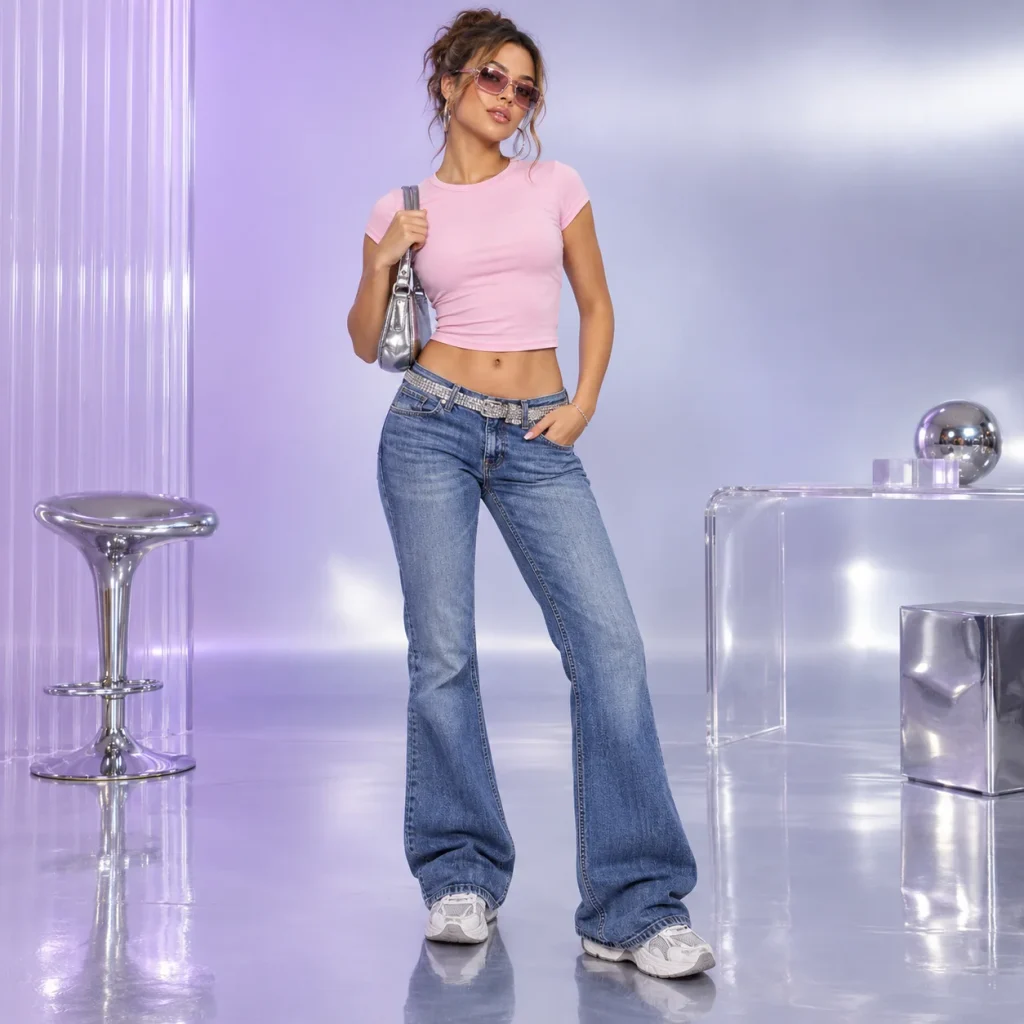
Perhaps the single most iconic 2000s silhouette, low-rise jeans paired with a fitted baby tee captures the decade’s defining proportions instantly. This combination remains one of the most frequently referenced looks in the current Y2K revival, often updated today with a slightly higher rise than the original extreme low-rise cut for a more comfortable, modern take.
Also Read: 7 Basic Tees You’ll Wear on Repeat
2. Velour Tracksuit
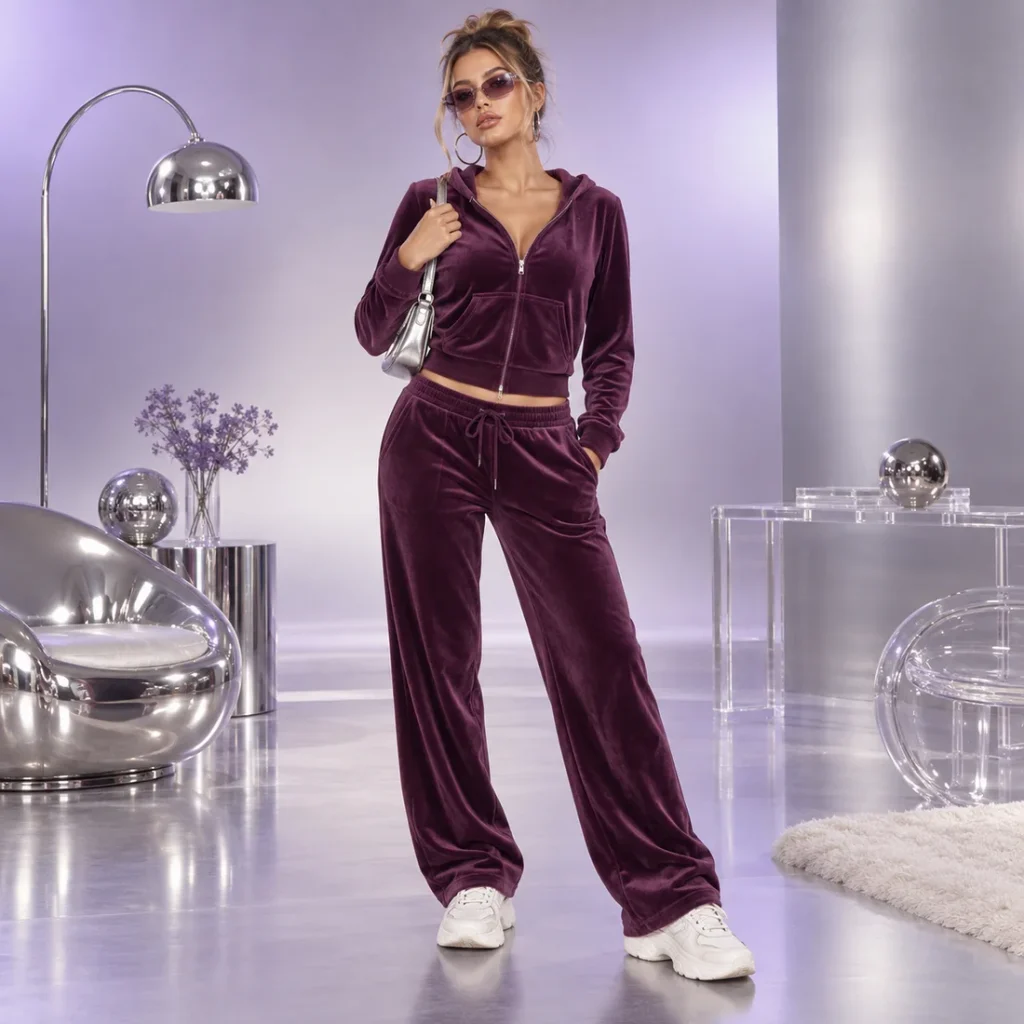
The matching velour tracksuit defined an entire era of celebrity off-duty style, and its comeback has proven anything but accidental. Soft, coordinated, and instantly recognizable, this look works as both a genuine loungewear staple and a deliberate style statement, particularly in the era’s signature soft pastels or rich jewel tones.
3. Metallic Halter Top with a Mini Skirt
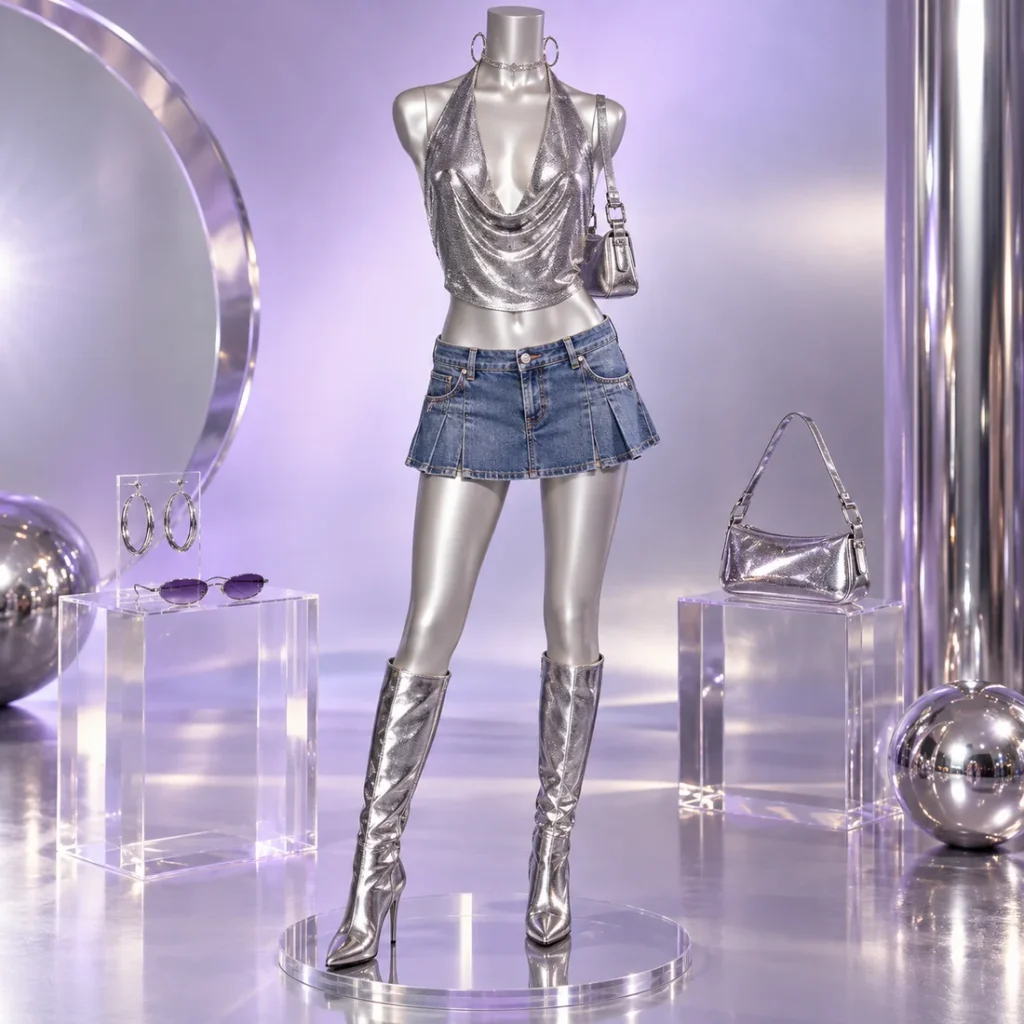
Metallic fabrics were everywhere in 2000s fashion, and a metallic halter top paired with a mini skirt captures the decade’s futuristic, party-ready energy perfectly. This combination works beautifully for a 2000s themed party outfit or an evening look that wants to lean fully into the era’s glossy maximalism.
4. Denim-on-Denim
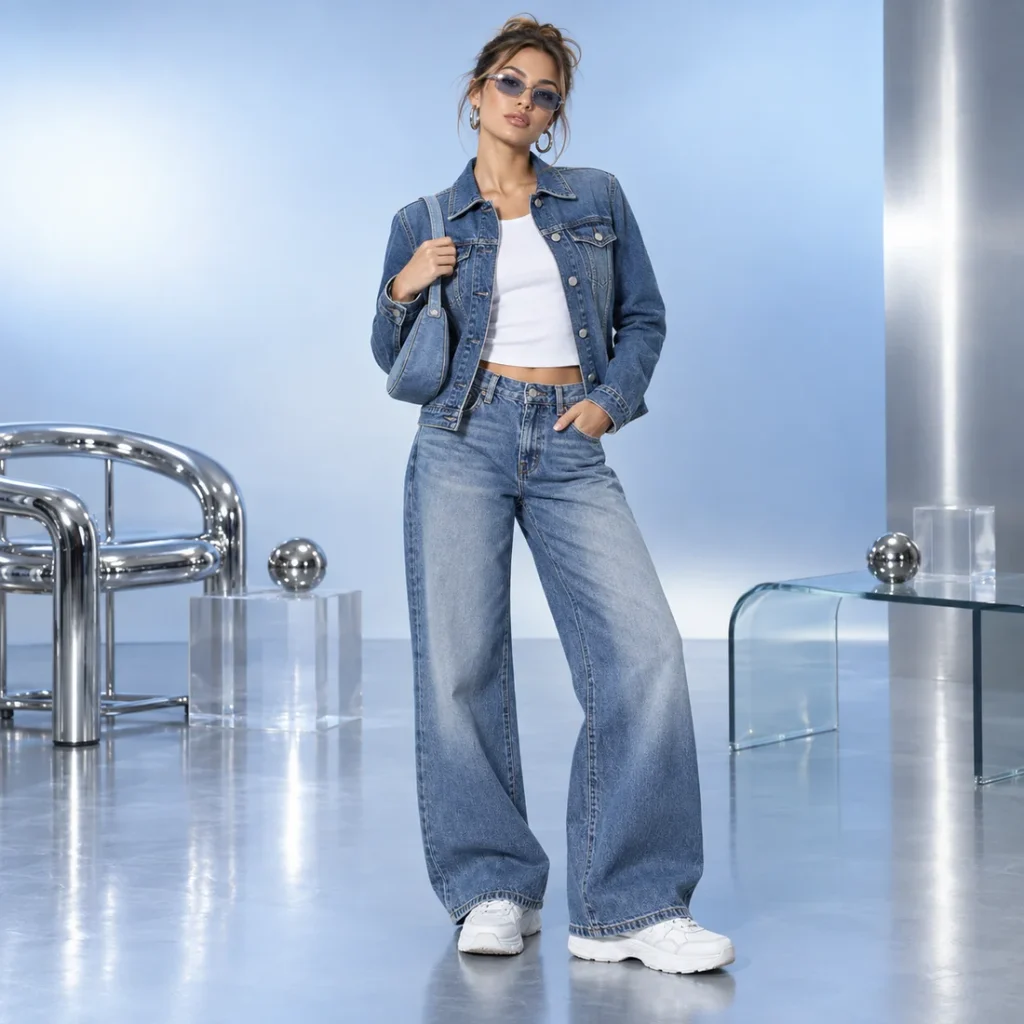
The full denim-on-denim look, sometimes affectionately nicknamed after a famous celebrity red carpet moment, has made a genuine comeback on recent runways. Pairing a denim jacket with matching denim jeans or a denim skirt captures the trend’s confident, unapologetic repetition, working particularly well when the two denim pieces are in slightly different washes for a more contemporary twist.
Also Read: Denim Capsule: How Many Jeans You Actually Need
5. Butterfly Top with Flared Jeans
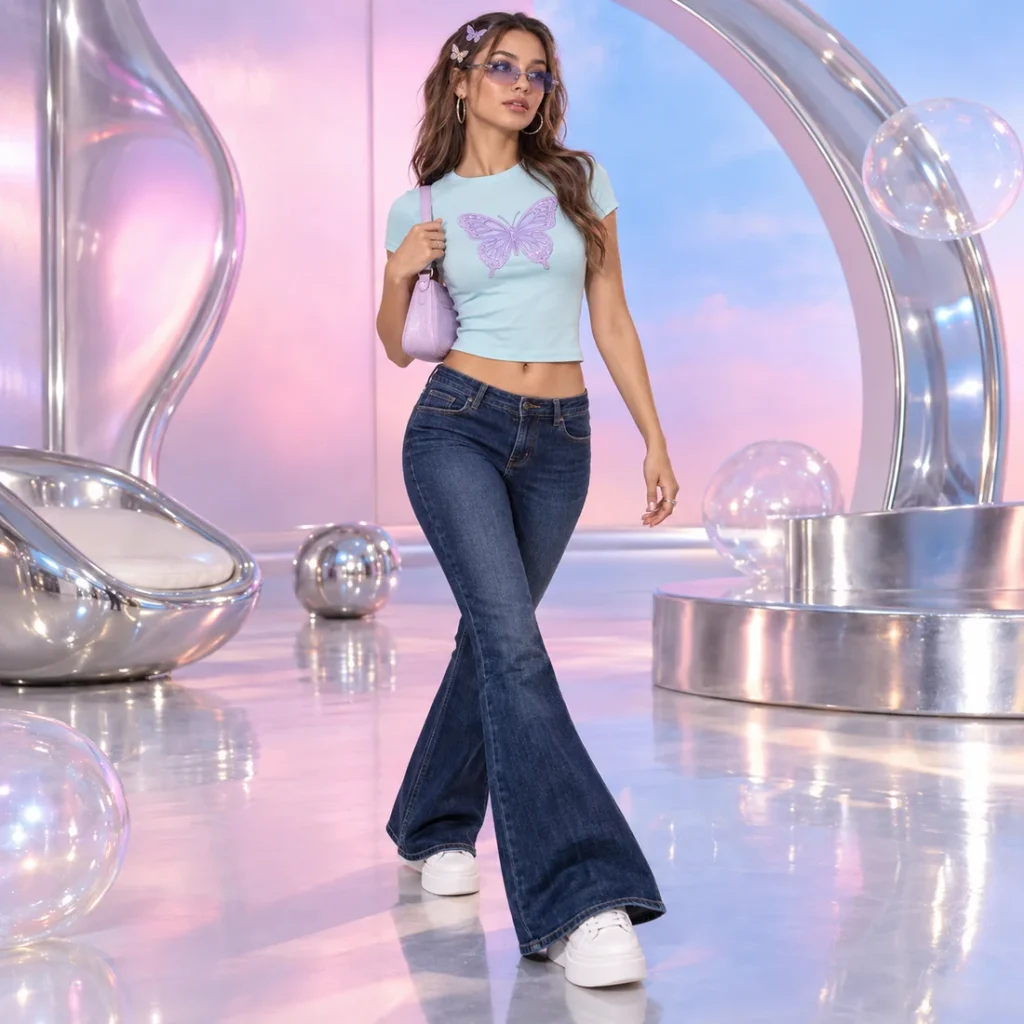
The butterfly motif was inescapable throughout the early 2000s, appearing on everything from tops to hair clips to jewelry. A butterfly-print or butterfly-detail top paired with flared jeans captures this specific, whimsical corner of the aesthetic, offering a softer, more playful counterpoint to the era’s edgier trends.
6. Preppy Polo with a Pleated Skirt
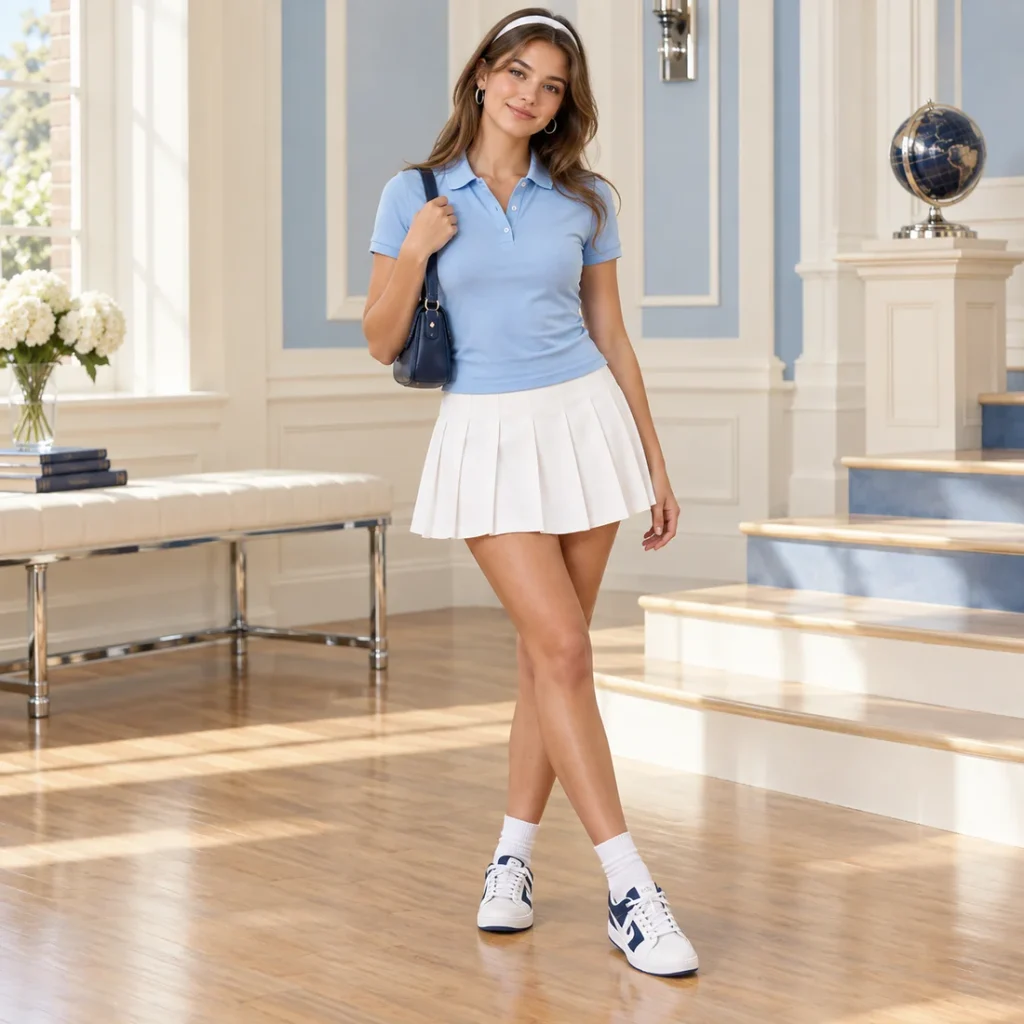
Representing the decade’s cleaner, more collegiate-inspired sub-aesthetic, a fitted polo shirt paired with a pleated mini skirt offers a polished, put-together take on 2000s style. This combination has translated particularly well into modern everyday wardrobes, since the pieces themselves remain genuinely wearable and stylish outside of any nostalgic context.
7. Mall Goth Layered Look
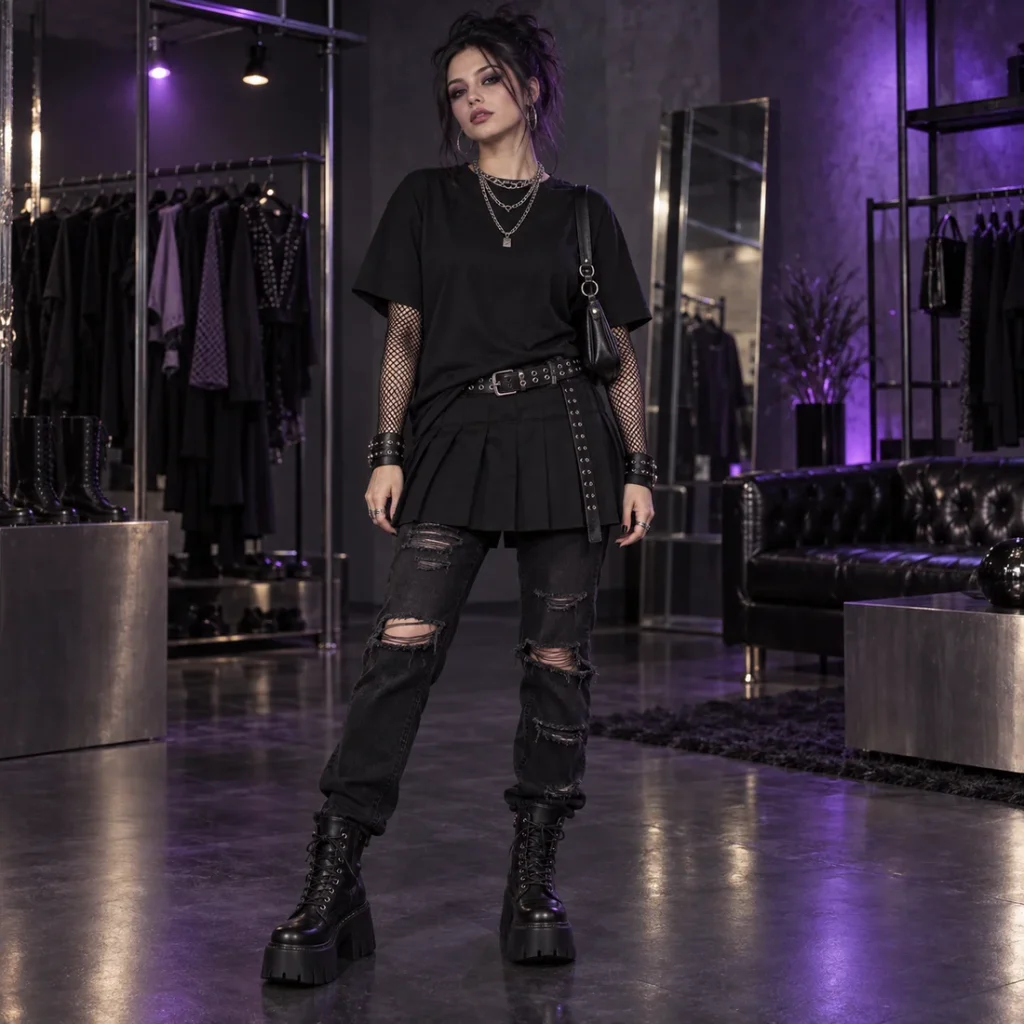
Capturing the decade’s darker, rock-influenced subculture, a mall goth-inspired outfit layers a graphic band tee over fishnet sleeves, paired with dark, heavy boots and plenty of black. This look offers a genuinely edgier alternative to the era’s brighter, more mainstream trends, and it remains a favorite reference point for anyone drawn to 2000s fashion’s grungier corners.
8. Cargo Pants with a Crop Top
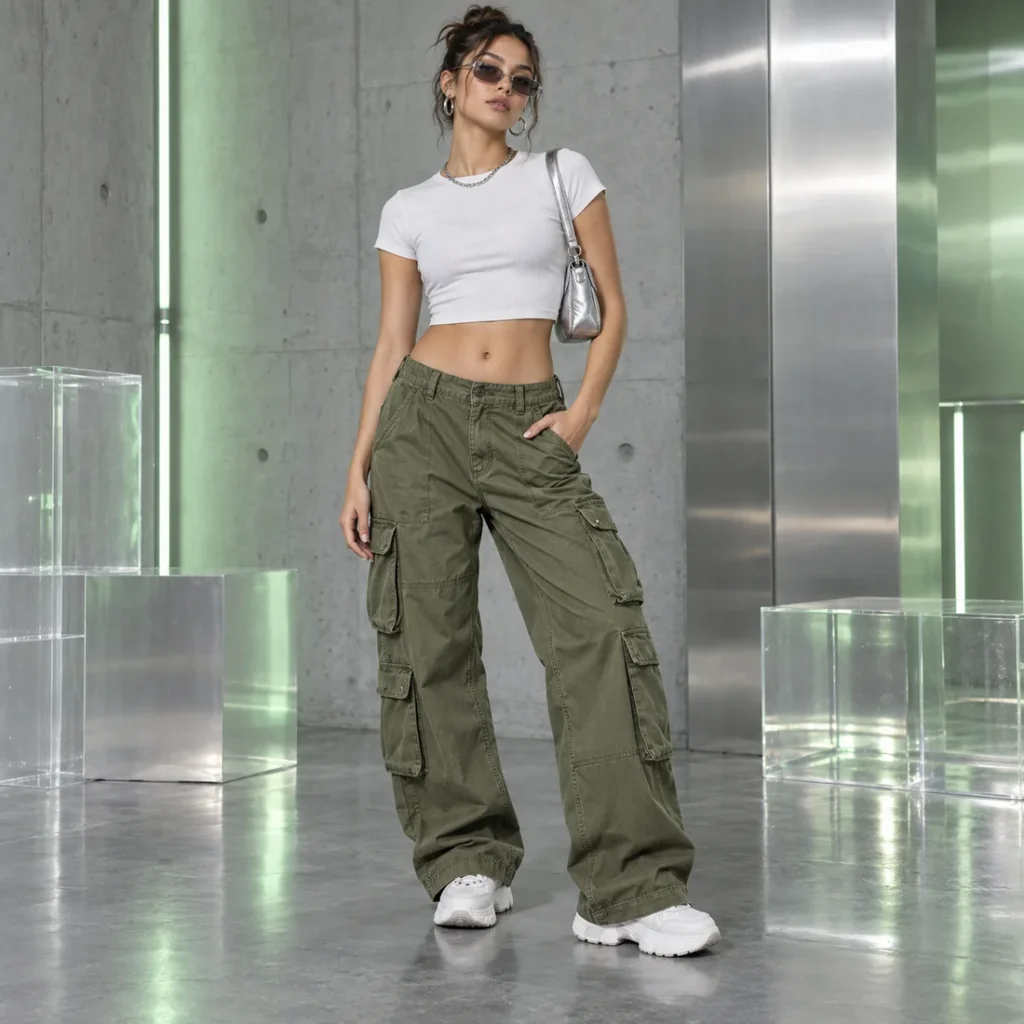
Cargo pants have made a significant return as part of the broader Y2K revival, and pairing them with a fitted crop top captures the decade’s love of mixing utilitarian and body-conscious silhouettes in a single outfit. This combination works particularly well for a casual, streetwear-inspired take on 2000s style.
Also Read: What Shoes to Wear With Cargo Pants for Women: 5 Stylish Outfit Ideas
9. Tube Top with a Low-Rise Skirt
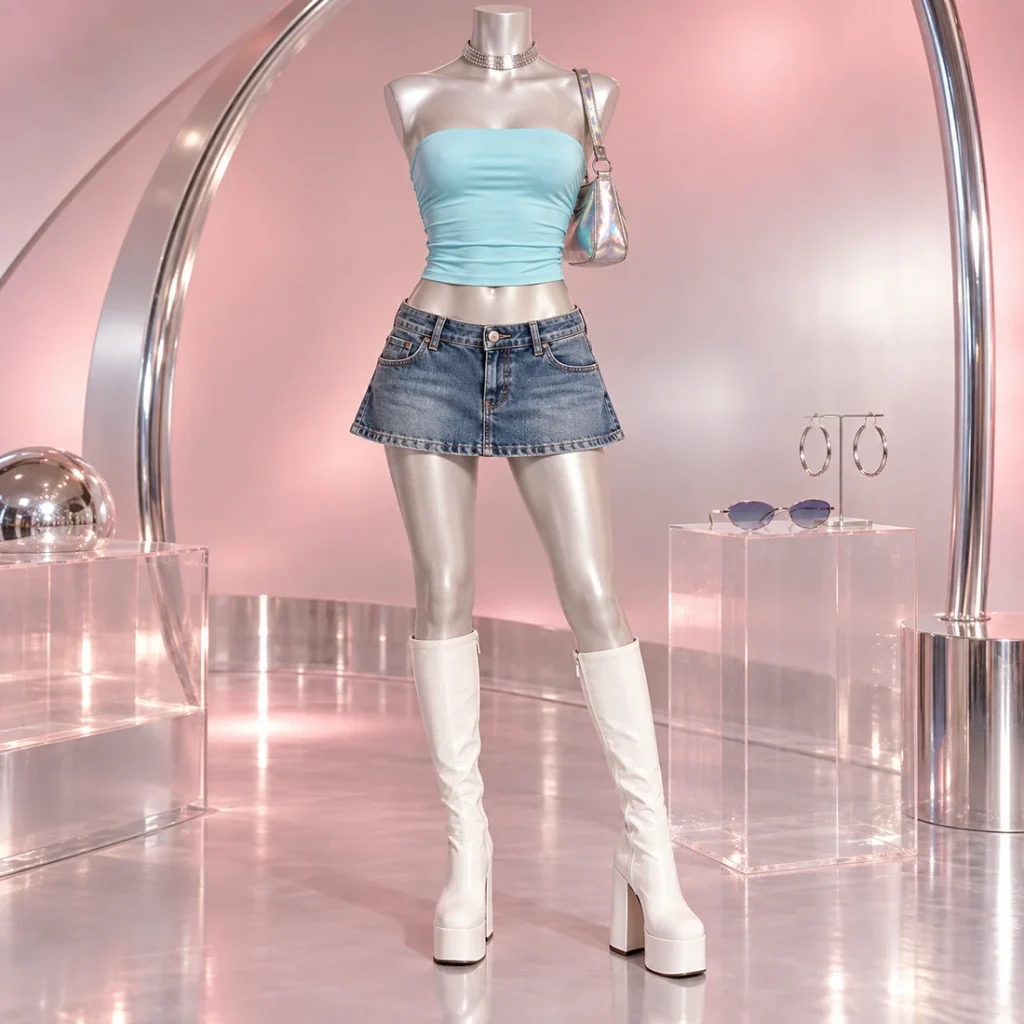
The tube top’s shoulder-baring simplicity made it one of the decade’s most versatile pieces, working equally well for daytime and evening styling. Paired with a low-rise mini skirt, this combination captures the era’s minimalist-yet-body-conscious approach to warm-weather dressing, and it remains one of the easiest 2000s looks to recreate today.
10. Trucker Hat with a Graphic Tee
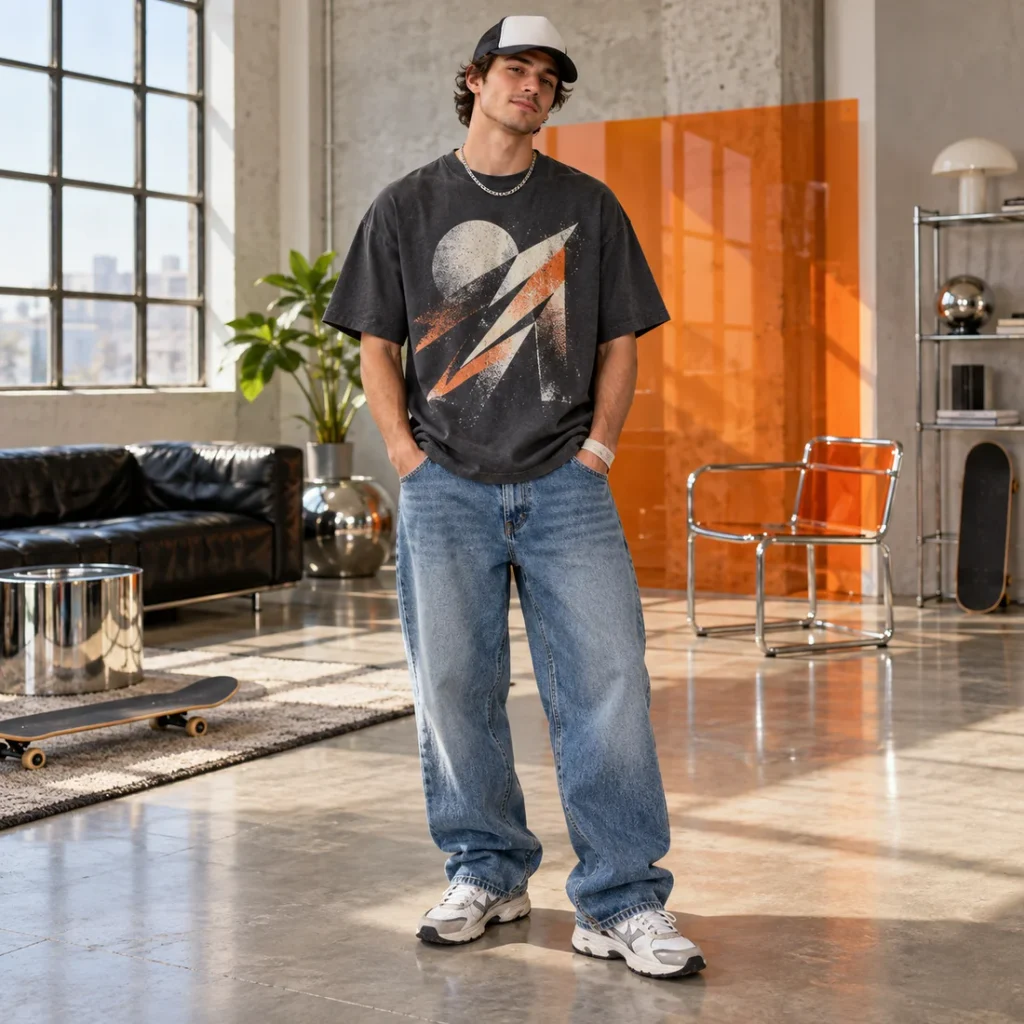
The trucker hat became an unexpected but unmistakable symbol of mid-2000s celebrity casual style, and pairing one with a bold graphic tee captures that specific, slightly ironic energy perfectly. This combination remains an easy, low-commitment way to reference the era without a full head-to-toe outfit change.
11. Chunky Sneakers with Track Pants
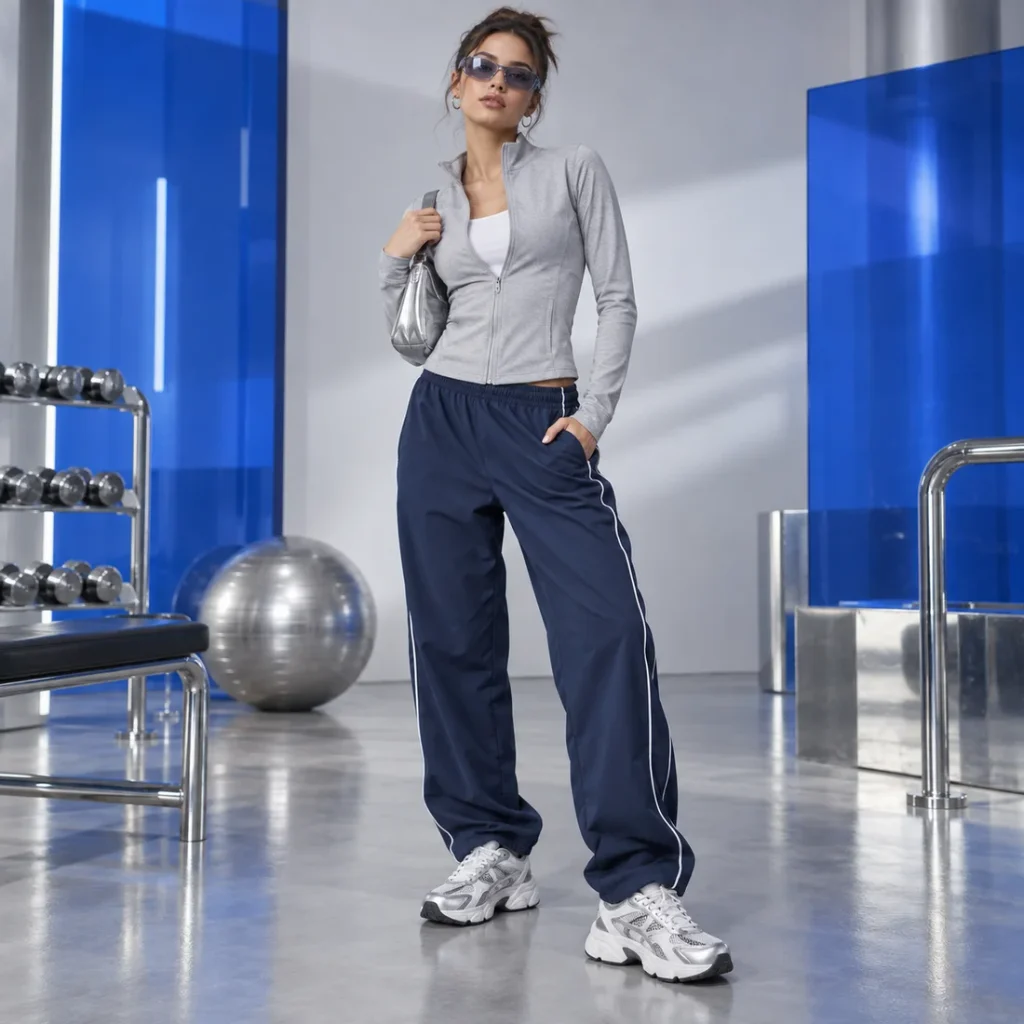
Representing the decade’s athleisure-adjacent side, chunky sneakers paired with track pants and a fitted top or zip-up hoodie captures the era’s blend of comfort and sporty, logo-heavy styling. This combination has aged particularly well into current fashion, since chunky sneakers themselves have remained in near-constant rotation across multiple recent trend cycles.
12. Indie Sleaze Layered Ensemble
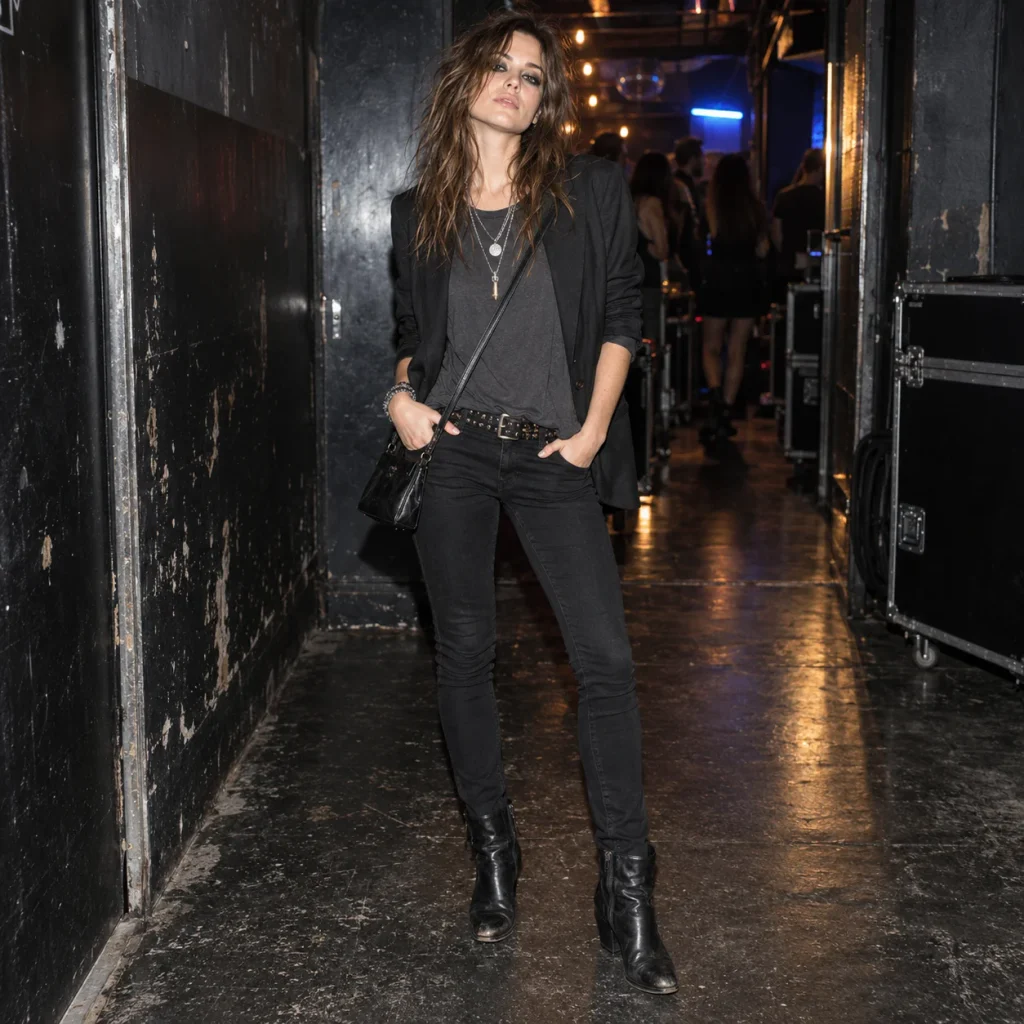
Representing the decade’s later, moodier years, an indie sleaze-inspired outfit layers skinny jeans, a band tee, and a slightly disheveled blazer or leather jacket, deliberately avoiding an overly polished finish. This look captures the transition from the decade’s earlier optimistic phase into its grittier, more rock-and-roll-influenced final years.
13. Oversized Hip-Hop Inspired Ensemble
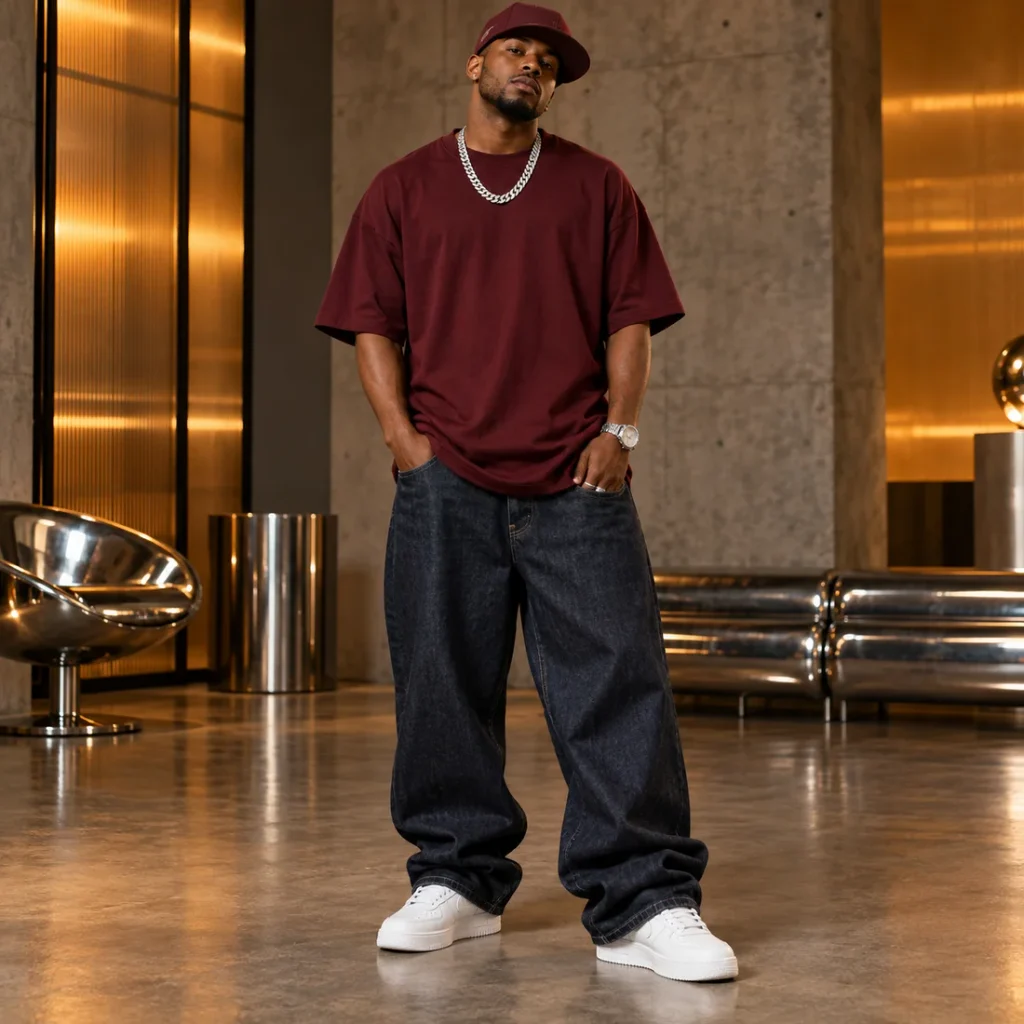
Drawing from the decade’s highly influential hip-hop fashion movement, an oversized graphic tee, baggy jeans, and statement accessories like a chunky chain capture the era’s bold, logo-driven streetwear influence. This look remains one of the most enduringly influential 2000s sub-aesthetics, having shaped mainstream streetwear well beyond the decade itself.
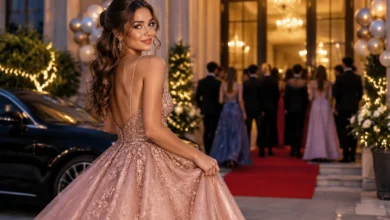
14. Metallic Pop Star Red Carpet Dress
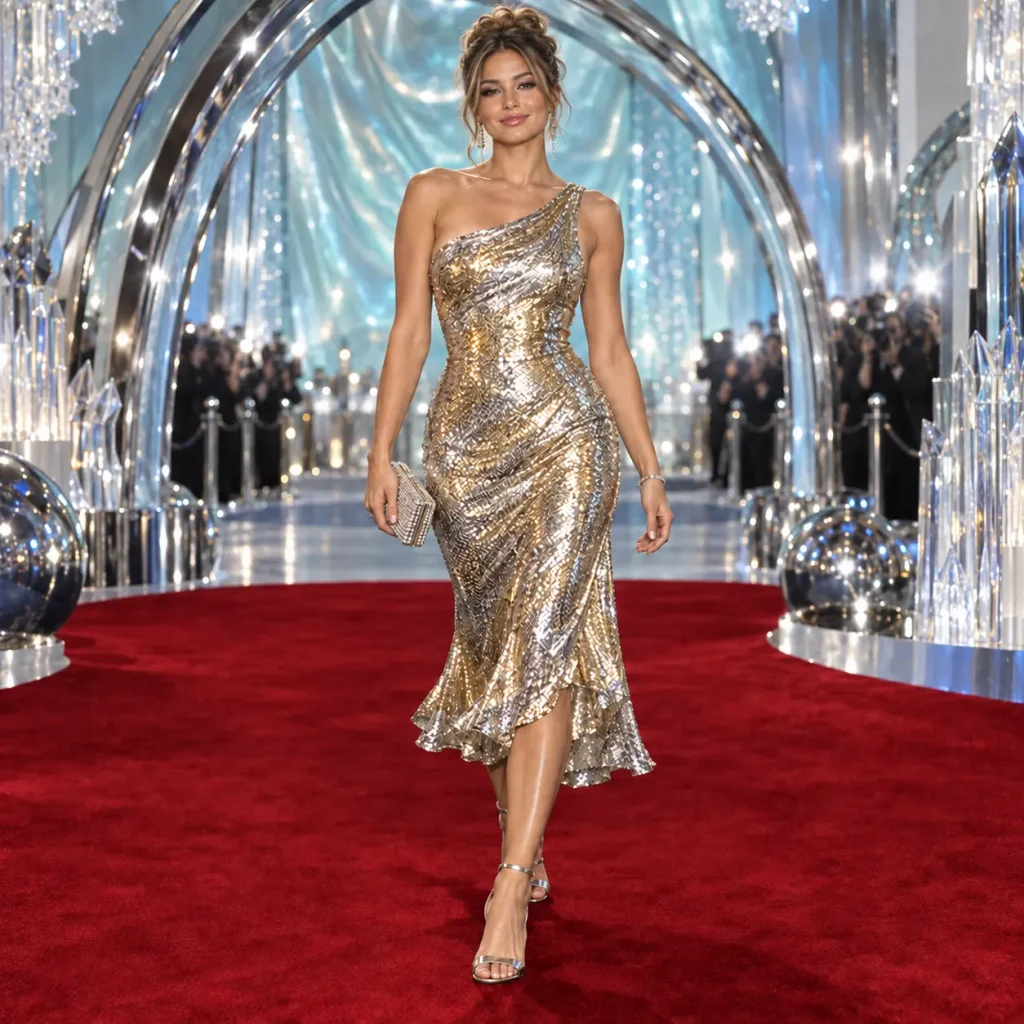
Capturing the decade’s most glamorous, maximalist energy, a fully metallic or sequined mini dress channels the bold red carpet moments that defined 2000s pop star fashion. This look works beautifully for a 2000s themed party outfit or a fashion photoshoot aiming to fully embrace the era’s fearless, statement-making sensibility.
2000s Fashion vs. ’90s Fashion
While the two decades are sometimes lumped together in broader “throwback” fashion content, 2000s and ’90s fashion have genuinely distinct sensibilities. ’90s fashion generally leaned toward a more minimalist, grunge-influenced aesthetic — think slip dresses, flannel, and a more muted, neutral color palette. 2000s fashion, by contrast, embraced a far bolder, more maximalist approach, favoring bright colors, metallic fabrics, and a generally more skin-baring, statement-driven silhouette.
Understanding this distinction matters for anyone trying to recreate a specific decade’s look accurately, since the two aesthetics, despite being adjacent in time, draw on genuinely different color palettes, silhouettes, and overall attitudes toward dressing.
How to Recreate 2000s Fashion Today
Successfully recreating 2000s fashion today works best by borrowing individual, recognizable elements from the era rather than assembling a complete, head-to-toe period outfit. A single standout piece — low-rise jeans, a metallic top, a butterfly detail — paired with otherwise contemporary basics tends to read as a genuine style choice rather than a costume. This selective, remixed approach is exactly how the current revival has approached the aesthetic, favoring individual references over exact recreation.
How to Wear 2000s Fashion Without Looking Dated
A few adjustments help modern takes on 2000s fashion feel current rather than like a direct throwback. Updating proportions slightly — choosing a mid-rise rather than an extremely low-rise jean, for instance — softens some of the era’s more extreme silhouettes while keeping its overall spirit intact. Mixing one clearly 2000s-coded piece with cleaner, more minimal contemporary basics also helps keep an outfit from tipping into costume territory, letting the nostalgic element read as an intentional style statement rather than an exact period recreation.
How to Build a 2000s-Inspired Wardrobe
Building a wardrobe around 2000s fashion inspiration works best by starting with a few flexible, foundational pieces — a pair of low or mid-rise jeans, a well-fitted baby tee or crop top, and one statement accessory like a chunky belt or a pair of oversized sunglasses. From there, thrifting and secondhand shopping are particularly effective ways to source period-appropriate pieces affordably, since so much of the aesthetic’s appeal lies in exactly the kind of slightly worn, lived-in authenticity that vintage shopping naturally provides.
2000s Fashion for Parties, Costumes, and Photoshoots
For a 2000s themed party outfit or Halloween costume, leaning fully into one specific sub-aesthetic — full pop star glam, mall goth, or preppy — tends to read more clearly than trying to reference the entire decade at once. For a 2000s fashion photoshoot specifically, choosing pieces with strong, recognizable silhouettes and bold colors will photograph considerably better than more subtle or muted references to the era.
Frequently Asked Questions
Is 2000s fashion back in style?
Yes, 2000s and Y2K fashion have made a significant comeback, appearing across runways, red carpets, and social media, with many of the era’s defining trends — low-rise jeans, metallic fabrics, crop tops, and butterfly motifs — firmly back in circulation.
What defines the Y2K aesthetic?
The Y2K aesthetic is defined by bold, futuristic styling — metallic and shiny fabrics, playful color choices, and skin-baring silhouettes like crop tops and low-rise jeans — reflecting the early 2000s’ genuine optimism about an approaching digital future.
How do you wear 2000s fashion without looking dated?
Pairing one clearly 2000s-referencing piece with otherwise contemporary, minimal basics, and slightly updating extreme proportions like very low-rise jeans to a more moderate cut, are the most effective ways to reference the era without looking like a direct costume recreation.
What accessories define 2000s fashion?
Chokers, butterfly clips, trucker hats, chunky belts, tinted sunglasses, and small statement handbags are among the most recognizable accessories associated with 2000s fashion, many of which have made a significant comeback in the current revival.
Is the low-rise jeans trend coming back in 2026?
Yes, low-rise jeans are among the most prominent 2000s trends currently making a comeback, frequently appearing alongside baggy and wide-leg silhouettes as part of the broader Y2K fashion revival happening across runways and mainstream retail.
Final Thoughts
The 2000s fashion aesthetic earned its lasting reputation by being genuinely, unapologetically bold — a decade that embraced metallics, mixed prints, and skin-baring silhouettes without a hint of self-consciousness. From a classic low-rise-jeans-and-baby-tee combination to a full metallic pop star moment, the fourteen looks covered here each capture a different facet of what made this era so memorable in the first place. Whether you’re drawn to the decade’s glossy optimism or its grittier, rock-influenced later years, 2000s fashion proves that some trends aren’t just nostalgic — they’re simply too iconic to stay gone for long.
Also Read: 22 Fashion Trends You Can’t Afford to Miss This Fall