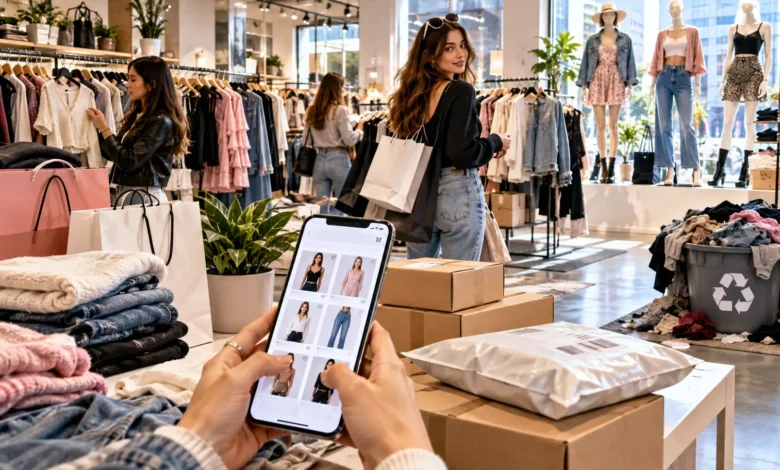
Fast fashion brands turn runway and social media trends into cheap, wearable clothes in weeks instead of months, and that speed has changed how the world shops. If you have wondered which brands count as fast fashion, how the model works, and what it costs people and the planet, this guide answers it.
Below you will find a plain-English definition, a list of 10 big fast fashion brands with what to know about each, US and UK breakdowns, and an honest look at the environmental and social debate. You will also get practical ways to shop less fast fashion without giving up style.
A note on how we wrote this: brand categories are partly a matter of opinion, and company practices change. We describe what is widely reported, we flag where there is debate, and we do not make accusations about any specific company. Check each brand’s current sustainability and sourcing information before you decide.
What Is Fast Fashion?
Fast fashion is a business model built to produce large volumes of trendy clothing at low prices with a very quick turnaround. Instead of two to four seasonal collections a year, fast fashion companies release new styles constantly.
The term is commonly traced to the 1990s, when the New York Times used it while describing how the Spanish retailer Zara aimed to get a garment from design to store in about 15 days.
What Are Fast Fashion Brands?
Fast fashion brands are retailers whose business is built on speed, trend-copying, and low prices. They watch what is popular, design versions quickly, make them in volume, and replace them with new styles often.
How Does Fast Fashion Work?
The model usually relies on a few things working together:
- Trend tracking: designers and data teams watch runways, celebrities, and social media for what is selling.
- Short lead times: designs move from idea to store in weeks instead of the traditional months.
- Constant new arrivals: one business writer describes the traditional pace as two to four collections a year, while fast fashion runs something closer to a 52-week calendar with new pieces every week.
- Low prices and high volume: garments are made cheaply in large quantities and sold at low prices to drive repeat purchases.
- Outsourced production: many companies contract manufacturing to suppliers in countries with lower costs.
Why Is Fast Fashion So Popular?
It is popular because it solves real needs:
- Affordability. Many people simply cannot afford higher-priced clothing, and fast fashion makes current styles accessible.
- Variety. New items every week keep shopping exciting.
- Trend access. Social media moves fast, and fast fashion lets people join trends right away.
- Convenience. Online shopping, easy returns, and frequent sales make buying simple.
- Size and style range. Many brands offer a wide range of trends in one place.
It is worth saying that choosing affordable clothing is not a moral failing. The goal of this guide is to give you information, not to shame anyone for their budget.
Fast Fashion vs. Slow Fashion
What Is the Difference Between Fast Fashion and Slow Fashion?
Fast fashion prioritizes speed, volume, and low prices, while slow fashion prioritizes durability, thoughtful production, and buying fewer, better pieces.
| Factor | Fast fashion | Slow fashion |
|---|---|---|
| Pace | New styles constantly | Fewer, more timeless collections |
| Price | Low | Usually higher per item |
| Volume | Very high | Smaller batches |
| Focus | Trends | Durability, quality, and ethics |
| Lifespan | Often short | Designed to last |
| Buying habit | Frequent, impulse-friendly | Planned, fewer purchases |
Slow fashion is not only about buying new from expensive labels. It also includes secondhand shopping, renting, repairing, and swapping.
What Is Ultra Fast Fashion?
Ultra fast fashion is a newer, even quicker version of the model, typically built around online-only shopping and extremely high numbers of new styles.
Research from Cornell University’s business school describes an “ultra-fresh” model in which companies such as Shein and Temu introduce thousands of new products each day, far more than traditional fast fashion, supported by digital supply chains and social media engagement. The researchers note that the model raises sustainability concerns, including textile waste, shipping emissions, and labor concerns.
One business writer lists Princess Polly, Missguided, and Zaful as examples of online-first ultra-fast brands, in contrast with traditional fast fashion companies that depend more on physical stores. Brand status changes over time, so check what is current.
Fast Fashion vs. Ultra Fast Fashion Brands
| Factor | Fast fashion | Ultra fast fashion |
|---|---|---|
| New styles | Weekly | Daily, in very large numbers |
| Shopping channel | Stores and online | Mostly or entirely online |
| Marketing | Seasonal campaigns, stores | Social media, influencers, apps |
| Examples often cited | Zara, H&M | Shein, Temu, Fashion Nova-style online brands |
How to Spot a Fast Fashion Brand
No single sign proves it, but these are common clues:
- New arrivals every week or every day
- Very low prices, especially for trend items
- Large product catalogs that change constantly
- Heavy social media marketing and frequent sales
- Limited information about where and how clothes are made
- Trend-driven items that look similar to runway or celebrity styles
10 Fast Fashion Brands You Should Know
This list covers some of the biggest and most recognized names. It includes both traditional fast fashion and ultra fast fashion online brands. Categories are debated, so we note where.
1. Zara
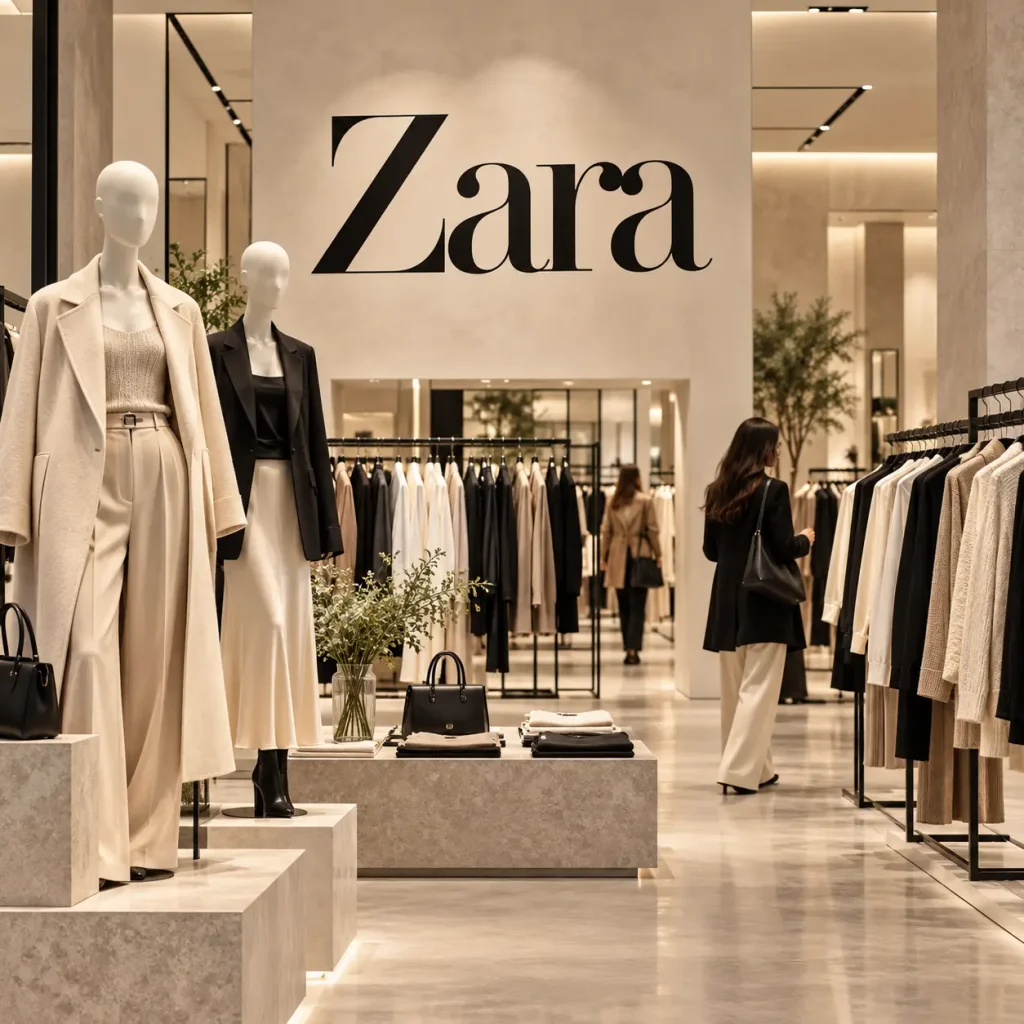
Based in: Spain (part of Inditex)
Zara is widely credited with pioneering the modern fast fashion model, with a supply chain built to turn trends into store inventory quickly. It is known for polished, trend-led styles at mid-range prices. Is Zara fast fashion? Yes, it is the classic example in most definitions.
What to know: Zara is often considered a step above some budget brands in design and price, but it still follows the high-speed, high-volume model.
2. H&M
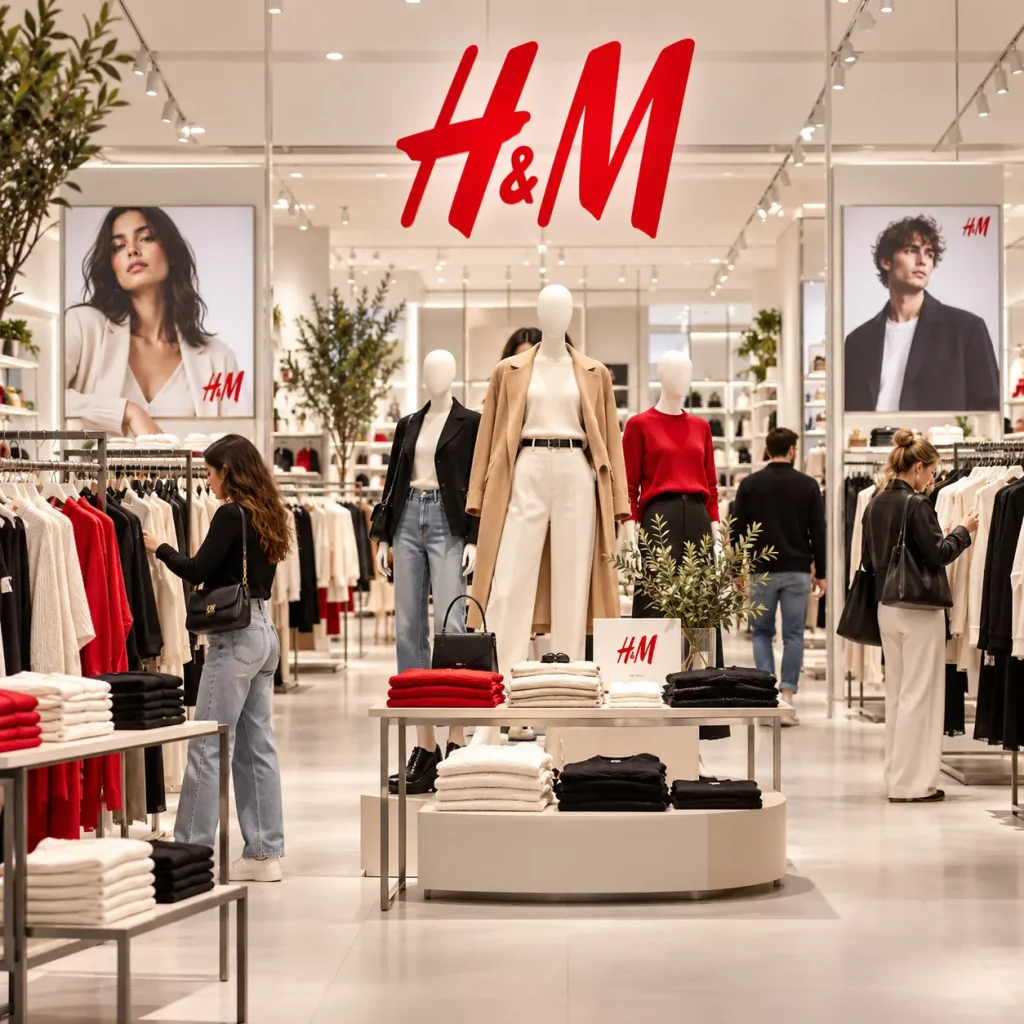
Based in: Sweden
H&M is one of the world’s largest fashion retailers and a long-running example of mainstream fast fashion. It offers women’s, men’s, and kids’ clothing with frequent new arrivals. Is H&M fast fashion? Yes, it is typically named alongside Zara.
What to know: H&M publishes sustainability programs, including garment collecting. Independent groups often ask whether those efforts match the scale of production, so read the details.
3. Shein
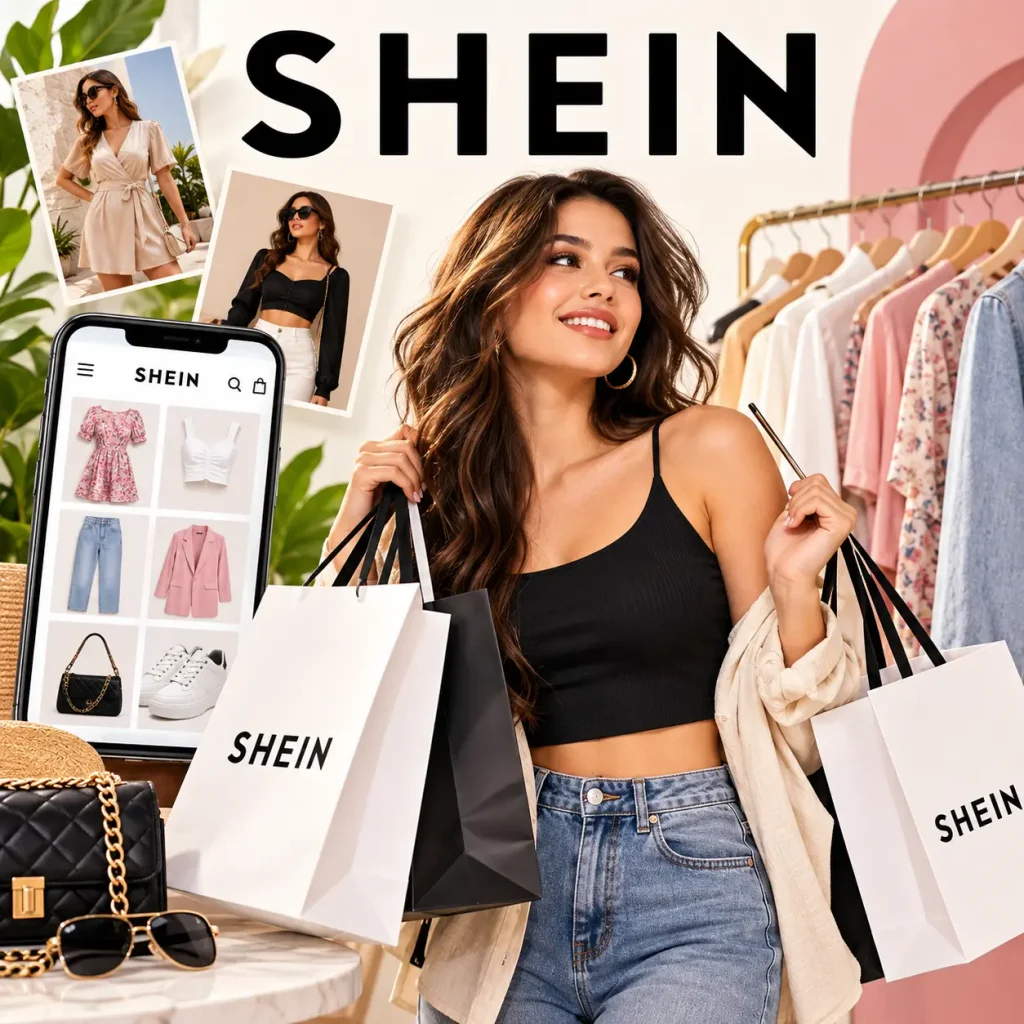
Based in: Singapore (per Cornell’s research), with a large China-linked supply chain
Shein is the best-known ultra fast fashion brand, operating mainly online and adding very large numbers of new styles. Is Shein fast fashion? It is usually described as ultra fast fashion. Environmental groups, including Greenpeace Germany, have published investigations raising concerns about its supply chain and chemicals, so it is worth reading those reports and the company’s responses.
What to know: Extremely low prices and huge selection make it popular with younger shoppers.
4. Fashion Nova
Based in: United States (online)
Fashion Nova is an online-first brand known for trend-driven styles, a heavy social media presence, and an extended size range. It is frequently grouped with ultra fast fashion online brands.
What to know: It is popular with Gen Z and millennial shoppers and is a common example in discussions of social-media-driven fashion.
5. Primark
Based in: Ireland (part of Associated British Foods)
Primark is a budget-focused retailer with very low prices, strongest in the UK and Europe, with stores in the US as well. It is one of the best-known high street fashion brands in the UK.
What to know: It relies on low prices and high volume, and it has published sustainability goals. Primark operates mostly through stores rather than a full online shop in many markets.
6. Boohoo
Based in: United Kingdom (online)
Boohoo is an online fast fashion retailer and the parent of other brands such as PrettyLittleThing. It targets younger shoppers with trend-led, low-priced styles.
What to know: Online-only retailers like this can move very quickly and are often named among ultra fast fashion brands.
7. PrettyLittleThing
Based in: United Kingdom (part of the Boohoo group)
PrettyLittleThing sells trend-driven women’s clothing online, with a strong social media presence. It is often listed among popular fast fashion brands for Gen Z and young women.
What to know: Like other online fast fashion brands, it focuses on frequent new styles and promotions.
8. ASOS
Based in: United Kingdom (online)
ASOS is an online retailer that sells its own label alongside hundreds of other brands. It is often discussed in fast fashion lists because of the volume and frequency of its own-label styles.
What to know: It is a marketplace as well as a brand, so what you buy depends on which label you choose.
9. Mango
Based in: Spain
Mango is a Spanish fashion retailer in the same category as Zara, known for contemporary women’s wear and growing menswear. It is usually described as fast fashion, though often a step more polished than very low-priced brands.
What to know: Its price range and design style sit between budget fast fashion and premium high street.
10. Uniqlo (A Debated Case)
Based in: Japan (part of Fast Retailing)
Uniqlo sells everyday basics at moderate prices and focuses on simple, durable-looking staples. Whether it counts as fast fashion is debated: it sells in high volume, but its focus is on timeless basics rather than fast-changing trends.
What to know: It shows that the line between fast fashion and other mass-market models is blurry, and opinions differ.
The 10 Brands at a Glance
| Brand | HQ | Model | Main channel |
|---|---|---|---|
| Zara | Spain | Fast fashion | Stores and online |
| H&M | Sweden | Fast fashion | Stores and online |
| Shein | Singapore | Ultra fast fashion | Online |
| Fashion Nova | United States | Ultra fast, online-first | Online |
| Primark | Ireland | Budget fast fashion | Mostly stores |
| Boohoo | United Kingdom | Online fast fashion | Online |
| PrettyLittleThing | United Kingdom | Online fast fashion | Online |
| ASOS | United Kingdom | Online retailer (own label plus others) | Online |
| Mango | Spain | Fast fashion | Stores and online |
| Uniqlo | Japan | Mass-market basics (debated) | Stores and online |
Brand ownership, markets, and categories change, so confirm with each company’s current information.
Fast Fashion Brands by Region
Biggest Fast Fashion Brands in the US
In the United States, the fast fashion brands most often named are Zara, H&M, Shein, and Fashion Nova, along with online retailers popular with younger shoppers. Gap-owned and other mass-market labels are sometimes included in broader lists, but the category is debated.
Fast Fashion Brands in the UK
In the UK, the best-known names include Primark, Boohoo, PrettyLittleThing, ASOS, Zara, and H&M. Primark is the clearest example of a high street fashion brand built on very low prices, while Boohoo, PrettyLittleThing, and ASOS are online-focused.
Fast Fashion Brands for Women, Men, and Gen Z
- For women: Zara, H&M, Mango, Fashion Nova, PrettyLittleThing, and Shein all have large women’s ranges.
- For men: Zara, H&M, ASOS, and Uniqlo are popular for menswear, and Boohoo has a men’s line.
- Popular with Gen Z: Shein, Fashion Nova, PrettyLittleThing, and Zara are often associated with younger shoppers because of their social media presence.
Popularity shifts quickly, so treat this as a snapshot.
Cheap Fashion Brands and Affordable Clothing Alternatives
If you want low prices but also want to shop more thoughtfully, these routes can help:
- Secondhand and resale: thrift stores and resale platforms often have good quality at low prices.
- Clothing swaps: friends or communities can trade pieces.
- Rental: useful for one-off events.
- Repair and tailoring: a small fix can extend the life of what you own.
- Buying fewer, better basics: cost per wear often matters more than the price tag.
- Sales and end-of-season buys: from brands whose quality and practices you trust.
Our guides to accessorizing on a budget and building a capsule wardrobe show how to make a small wardrobe go further.
Why Is Fast Fashion Bad?
This is a debated topic, and the criticisms are worth understanding along with the counterpoints.
How Fast Fashion Affects the Environment
Commonly cited concerns include:
- Textile waste: a frequently cited estimate is that the world generates around 92 million tons of textile waste each year, much of it clothing. Estimates vary by source.
- Carbon emissions: a widely repeated figure from the United Nations Alliance for Sustainable Fashion says the fashion industry accounts for roughly 8 to 10 percent of global carbon emissions. The exact share is debated, but it points to a large footprint.
- Water and chemicals: textile dyeing and finishing use large amounts of water and can pollute waterways when not well managed.
- Synthetic fibers: many cheap garments use polyester and other synthetics, which come from fossil fuels and can shed microplastics.
- Short lifespans: items made to be replaced quickly may end up in landfill or incineration sooner.
Social and Labor Concerns
Researchers and advocacy groups have raised concerns about low wages and working conditions in parts of the global garment supply chain, including in fast fashion. Conditions vary widely by factory and country, and companies often dispute or respond to specific claims, so look at specific reports and company responses rather than relying on generalizations.
The Overconsumption Problem
Because prices are low and new styles arrive constantly, it is easy to buy more than you need. This is often considered the central issue: even if each item is cheap, the volume adds up in cost and waste.
The Counterpoints
- Affordable clothing meets a real need for many households.
- Many fast fashion companies publish sustainability goals and recycling programs.
- Some argue that the larger fix is regulation and industry change, not individual shopping choices.
- Cheap clothing also supports jobs in manufacturing regions.
Both the concerns and the counterpoints are part of the picture.
Fast Fashion Brands vs. Sustainable Brands
| Factor | Fast fashion brands | Sustainable or slow brands |
|---|---|---|
| Release pace | Constant new styles | Fewer, longer-lasting collections |
| Price | Low | Often higher |
| Materials | Often synthetic or low-cost blends | Often natural, recycled, or certified fibers |
| Transparency | Varies, often limited | Often more detailed, but claims still need checking |
| Best for | Trend access on a budget | Long-term staples |
Sustainability claims can be misleading, sometimes called greenwashing. Look for specifics: named factories, material percentages, third-party certifications, and public reports, instead of vague words like conscious or eco.
Fast Fashion Brands With Ethical Practices?
Some fast fashion companies run recycling programs, use some recycled or certified materials, and publish supplier lists. These steps can matter, but the core model of high speed and high volume is in tension with sustainability goals, and independent groups often debate whether the efforts are enough. A fair approach is to look at the specifics and judge for yourself.
Fast Fashion Brands to Avoid: How to Decide
We do not publish a blacklist, because the right choice depends on your values, budget, and the evidence you find convincing. If you want to reduce what you buy from fast fashion, here is a simple framework.
- Check transparency. Does the brand name its factories and publish sourcing information?
- Look for third-party standards. Certifications such as Fair Trade, GOTS (organic textiles), OEKO-TEX (chemical safety), and B Corp can signal accountability, although they have limits.
- Read independent reports. Look at investigations from environmental and labor groups, and at the company’s response.
- Watch the pace. A brand adding thousands of new items a week or day is built around volume.
- Consider quality. If clothes fall apart quickly, the true cost per wear goes up.
- Decide your priorities. Budget, ethics, environment, and fit can pull in different directions.
How to Shop Less Fast Fashion
You do not need to be perfect. Small changes add up.
- Shop your closet first. Rework what you own before you buy.
- Use a wishlist and wait. Give yourself 30 days before buying a trend item.
- Buy fewer, more versatile pieces. A capsule approach helps. Start with our capsule wardrobe principles.
- Try secondhand first. Resale and thrift can be cheaper and have lower impact.
- Check the fabric and construction. Look at seams, fabric weight, and care labels.
- Care for clothes. Wash less, air dry, and repair small damage.
- Resell, donate, or swap. Pass things on instead of throwing them away.
- Avoid impulse buys during sales. Ask whether you would buy it at full price.
- Keep the cost-per-wear in mind. A more expensive item you wear 100 times can cost less per wear than a cheap item worn twice.
Fast Fashion Brands List 2026: What Changes
A “fast fashion brands list 2026” is a snapshot. Companies grow, merge, change categories, or close. Online-only ultra fast brands in particular can rise and fall quickly. Before you rely on any list, including this one, check the brand’s current status, ownership, and policies.
Common Mistakes When Thinking About Fast Fashion
- Assuming expensive means ethical. Price alone does not prove good practices.
- Assuming cheap means unethical. Each brand needs to be judged on evidence.
- Believing a single label tells the whole story. Fast fashion is a spectrum.
- Trusting vague sustainability claims. Look for specifics.
- Replacing a whole wardrobe at once. That creates waste too. Use what you have.
- Feeling guilty instead of making changes. Small habits matter more than perfection.
Frequently Asked Questions
What is fast fashion?
Fast fashion is a business model that produces large volumes of trendy clothing at low prices with a very quick turnaround, releasing new styles far more often than traditional seasonal collections.
Which brands are fast fashion?
Brands most often named include Zara, H&M, Shein, Fashion Nova, Primark, Boohoo, PrettyLittleThing, ASOS, and Mango. Categories are debated, and Uniqlo is a contested case.
Is Zara fast fashion?
Yes. Zara is widely described as a pioneer of the modern fast fashion model, with a supply chain built to move trends into stores quickly.
Is H&M fast fashion?
Yes, H&M is typically named alongside Zara as a leading fast fashion retailer, although it also publishes sustainability programs.
Is Shein fast fashion?
Shein is usually described as ultra fast fashion, since it adds very large numbers of new styles and operates mainly online.
What is the difference between fast fashion and slow fashion?
Fast fashion focuses on speed, volume, and low prices. Slow fashion focuses on durability, thoughtful production, and buying fewer, better pieces.
How does fast fashion affect the environment?
It is linked to textile waste, carbon emissions, water use, chemical pollution, and microplastics from synthetic fibers. Exact figures vary by source.
How can I shop less fast fashion?
Shop your closet first, try secondhand, buy fewer versatile pieces, repair what you own, and wait before buying trend items.
Conclusion
Fast fashion brands like Zara, H&M, Shein, Fashion Nova, and Primark have changed what style costs and how quickly trends move, and the model brings real benefits and real concerns. Understanding how it works helps you decide what to buy, where, and how often.
For your next step, look at your own closet, decide what you really wear, and set one small goal, such as trying secondhand first or waiting 30 days before buying a trend piece. You do not need to be perfect to make better choices.