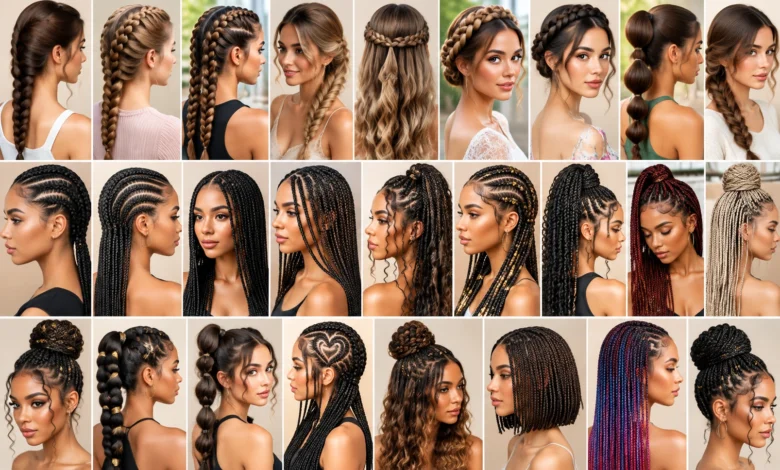
Braids are one of the oldest and most versatile hairstyles in the world, and the names can be confusing. Box, knotless, Fulani, lemonade, stitch, French, Dutch: it is easy to know you like a look without knowing what to ask your stylist for.
This guide gives you the names of 25 braid styles, what makes each one different, and who each is best for. You will also find how to choose a style, how long braids last, how to wash and sleep in them, and whether braids are bad for your hair.
For more ideas beyond braids, browse our hair style guides.
What Are Braids?
Braids, also called plaits, are a hairstyle made by interlacing three or more strands of hair. They can be made with your natural hair alone or with added extension hair, and they range from a simple single braid to detailed patterns across the whole head.
Braiding has a very long history across many cultures. In ancient Egypt, Greece, and Rome, people wore braids, and in many cultures the placement and style of braids signaled things like age or social status. Braids are also tied to identity today: in 2019, California became the first US state to prohibit discrimination over natural hair.
What Are Braids Called? Two Big Families
When people ask what the different types of braids are, it helps to split them into two families:
- Classic braids are done with your own hair and are usually worn for a day or two: French, Dutch, fishtail, waterfall, and so on.
- Protective and extension braids are longer-term styles, often with added hair, that can stay in for weeks: box braids, knotless braids, cornrows, Fulani braids, and more.
The list below covers both. Names can overlap, and stylists may use slightly different terms, so bringing a photo is the safest way to get what you want.
25 Types of Braids and Their Names
Classic Everyday Braids
1. Classic Three-Strand Braid
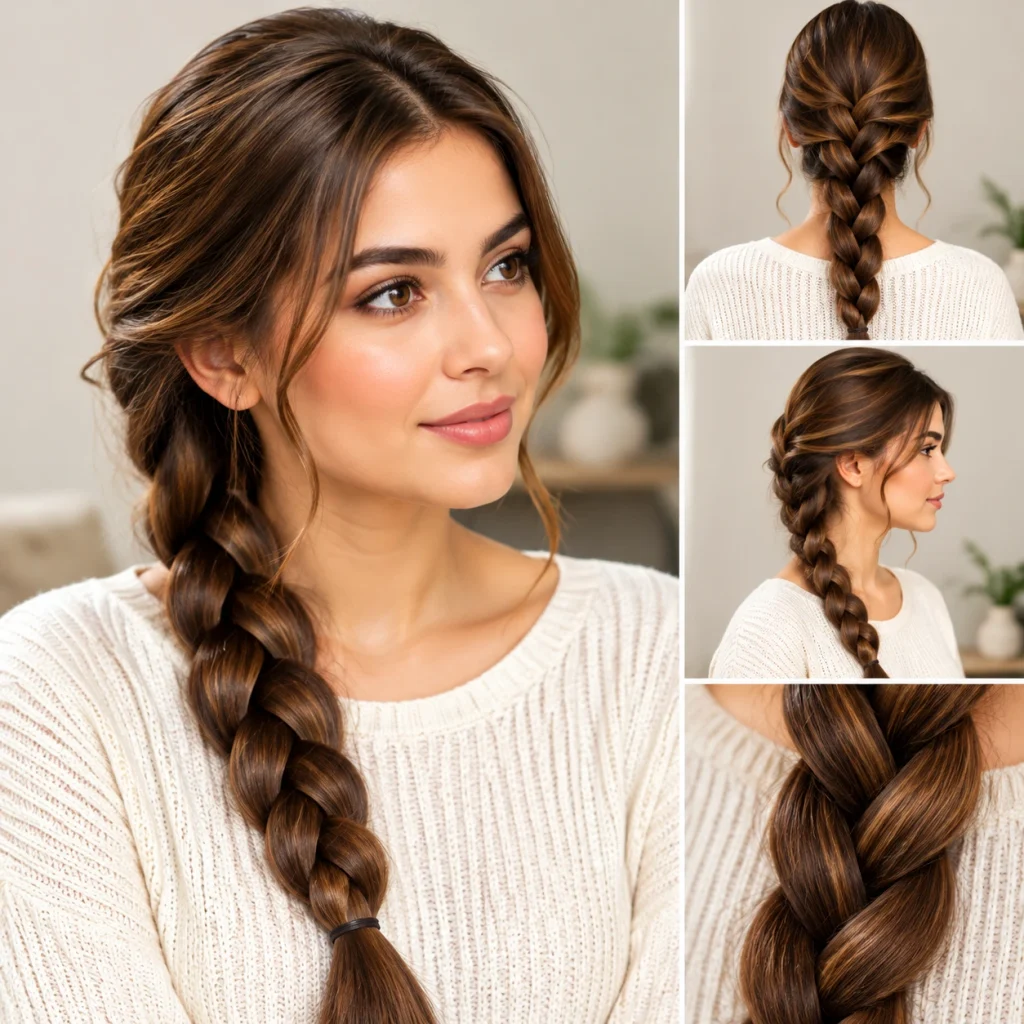
The basic braid: three sections of hair crossed over each other in turn. It is the foundation for most other styles and works on almost every hair length and texture. Wear it as a single braid, in pigtails, or as part of an updo.
Best for: beginners, quick everyday styling.
2. French Braid
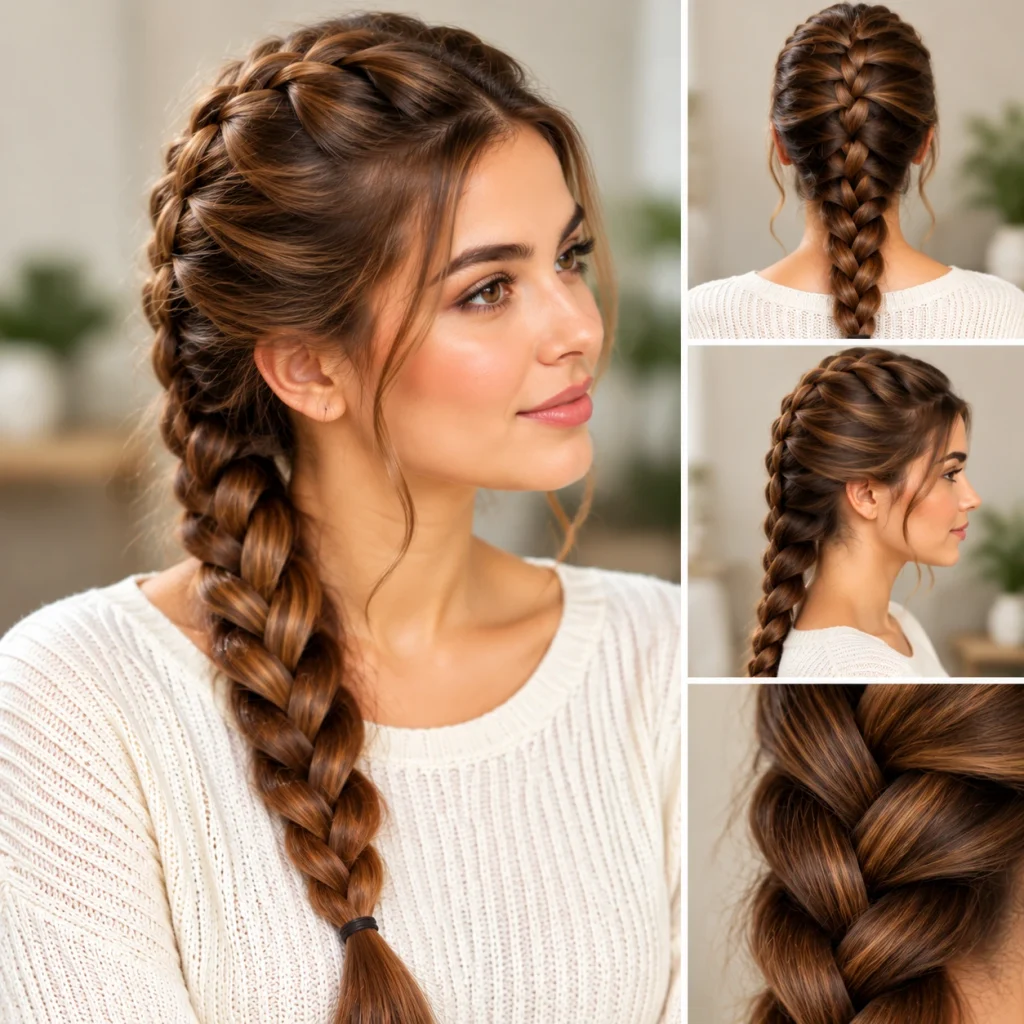
A French braid starts at the crown and adds hair from each side as you go, so the braid sits close to the head. It looks neat and holds hair away from the face.
Best for: work, school, workouts, any day you want hair off your neck.
3. Dutch Braid
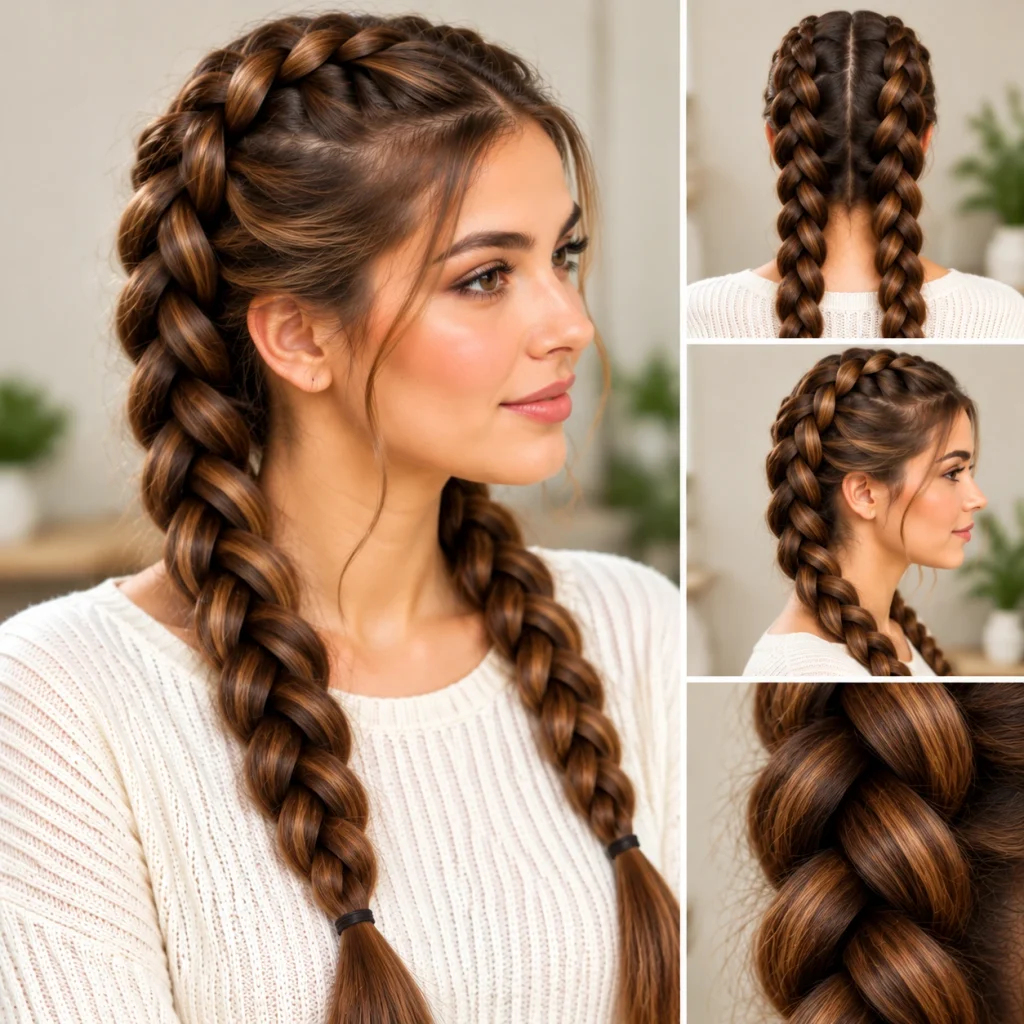
A Dutch braid is the reverse of a French braid: the strands cross under instead of over, so the braid stands out on top of the head. It looks raised and bold, and works well in pairs.
Best for: a more dimensional look, sporty styles.
4. Fishtail Braid
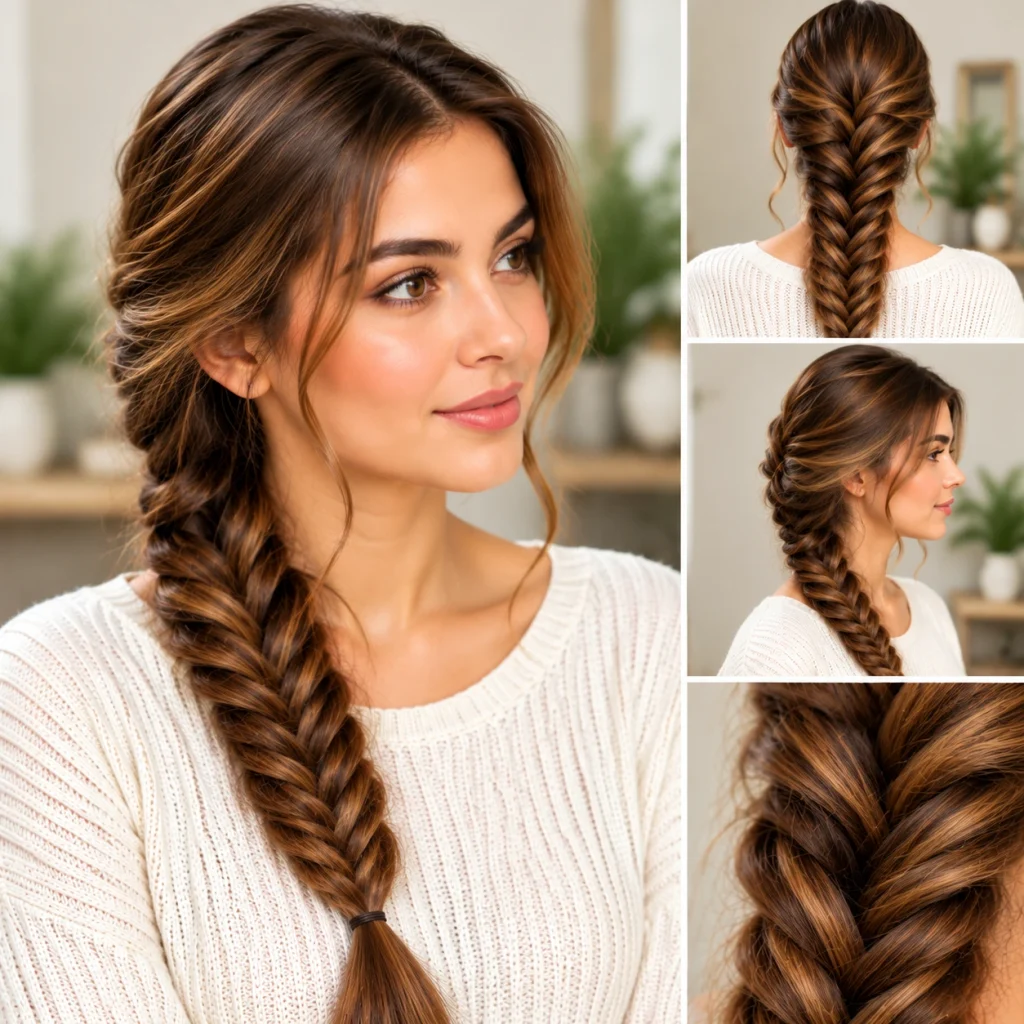
A fishtail braid uses two sections, with small strands taken from the outer edge of each and crossed to the other side. The result looks intricate, but it is easier than it appears.
Best for: casual events, romantic looks, medium to long hair.
5. Waterfall Braid
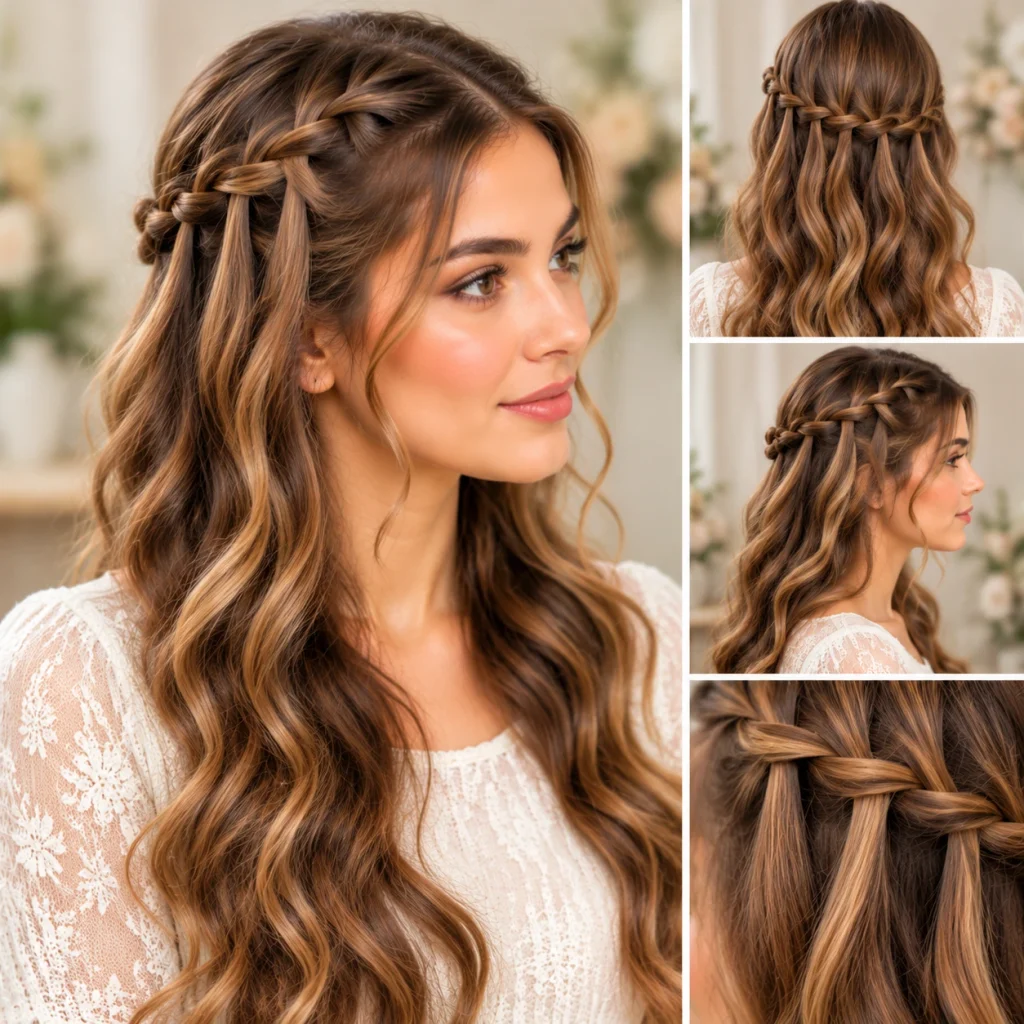
In a waterfall braid, strands are dropped out of the braid as you work, so they fall like a waterfall below it. It looks soft and romantic, and the dropped sections frame the face.
Best for: weddings, parties, summer outfits.
6. Crown Braid
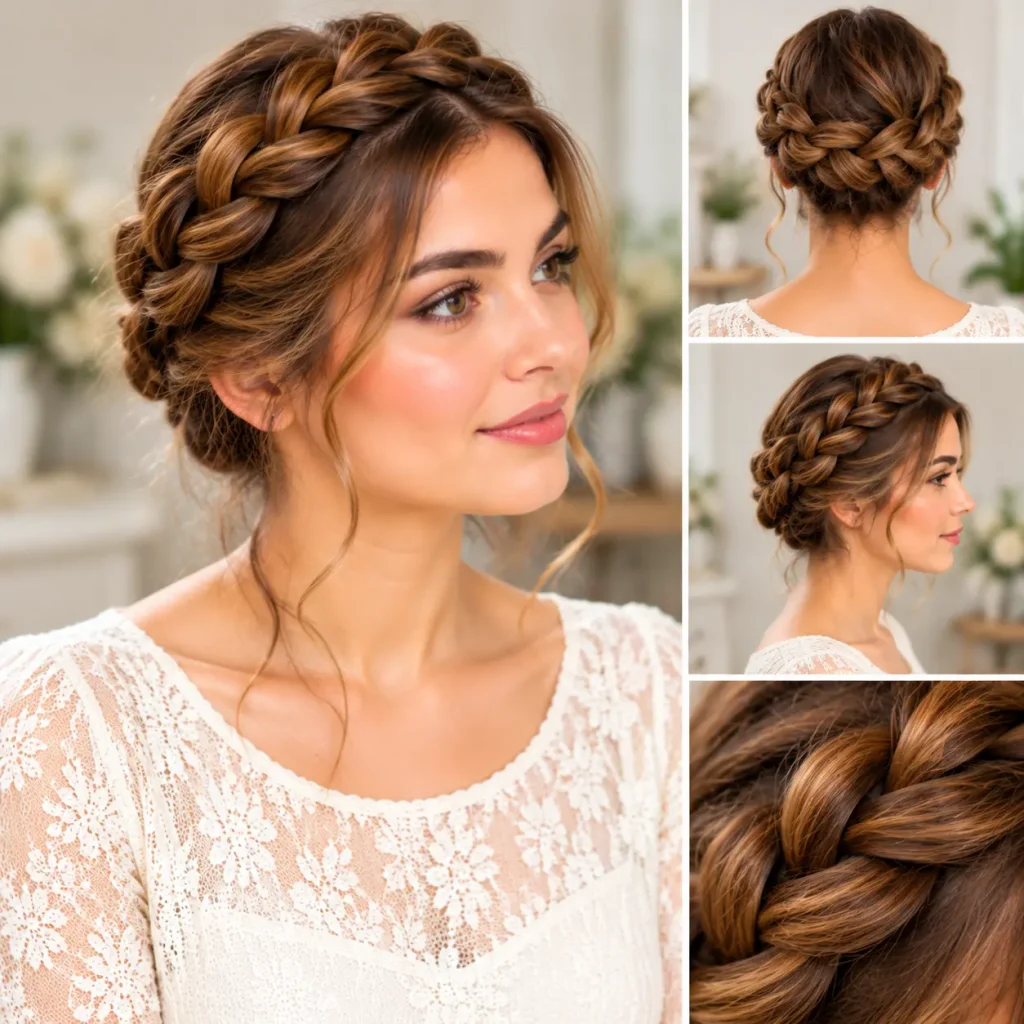
A crown braid, sometimes called a halo braid, wraps around the head like a headband. It keeps hair off your face and looks polished.
Best for: weddings, graduations, hot weather.
7. Milkmaid Braids
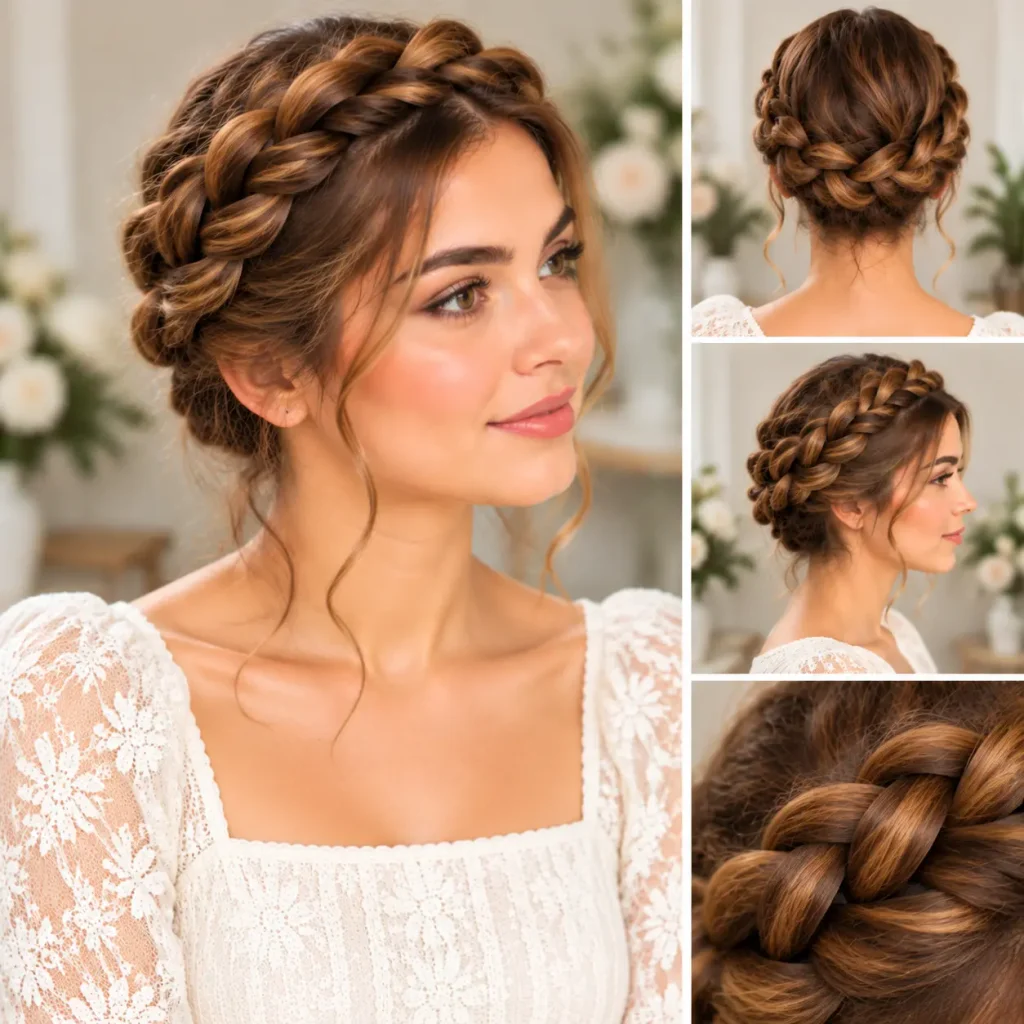
Two braids are crossed over the top of the head and pinned in place. The style looks sweet and traditional, and it is simple once you have the knack.
Best for: casual days, festivals, vintage-inspired outfits.
8. Bubble Braids
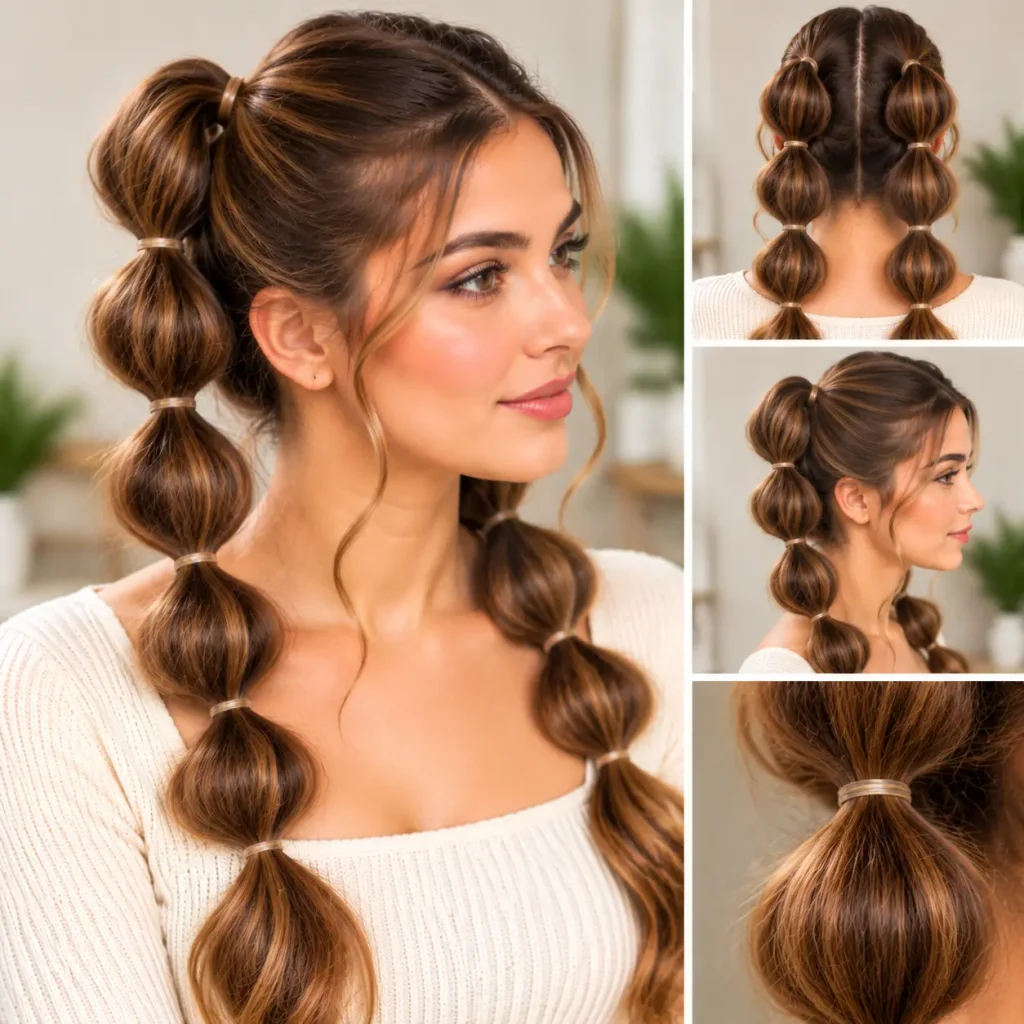
Bubble braids are made by tying the hair at intervals with small elastics and gently pulling each section apart so it puffs out. They are not true braids because the hair is not interlaced, but they look similar and are named that way.
Best for: ponytails, playful looks, beginners who find true braiding difficult.
9. Side Braid
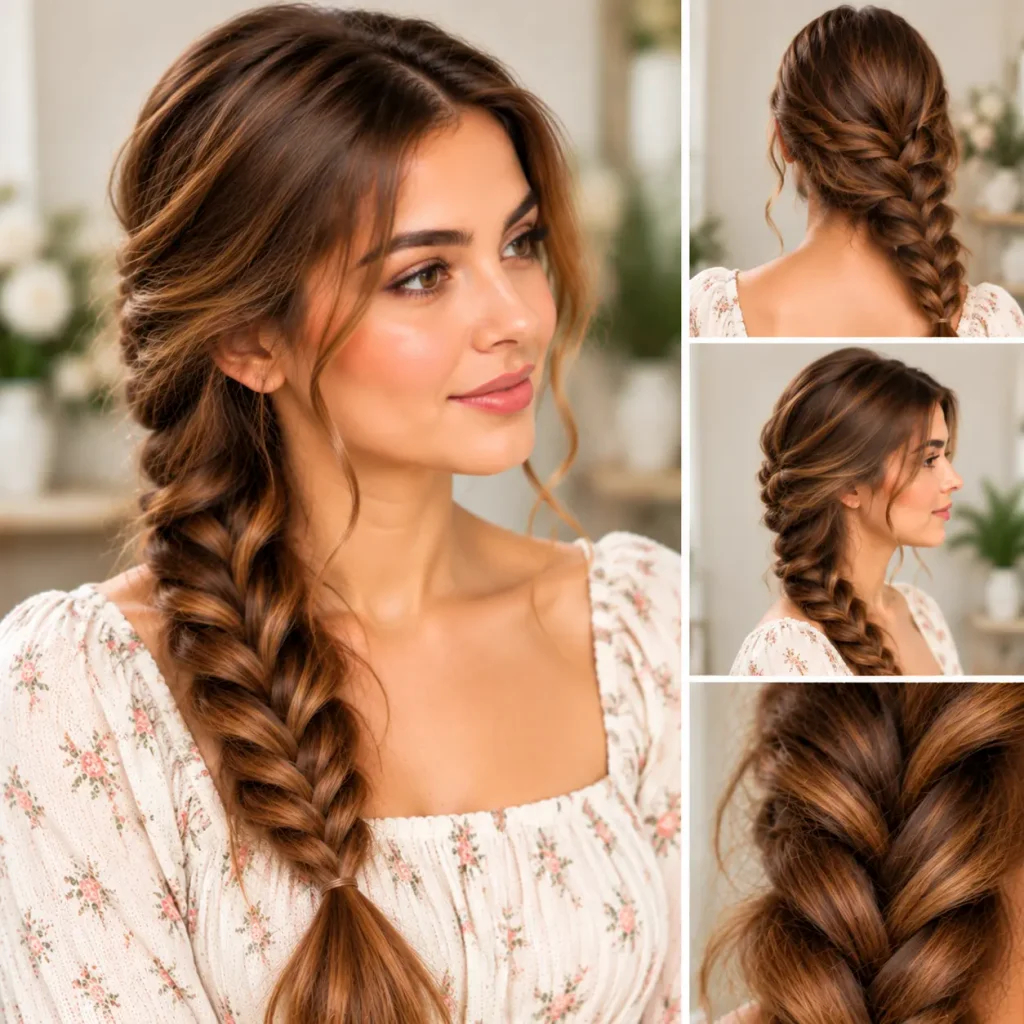
A loose braid worn over one shoulder. It is relaxed and romantic, and you can make it look fuller by gently pulling at the edges.
Best for: everyday wear, dates, quick styling.
Cornrows and Feed-In Styles
10. Cornrows
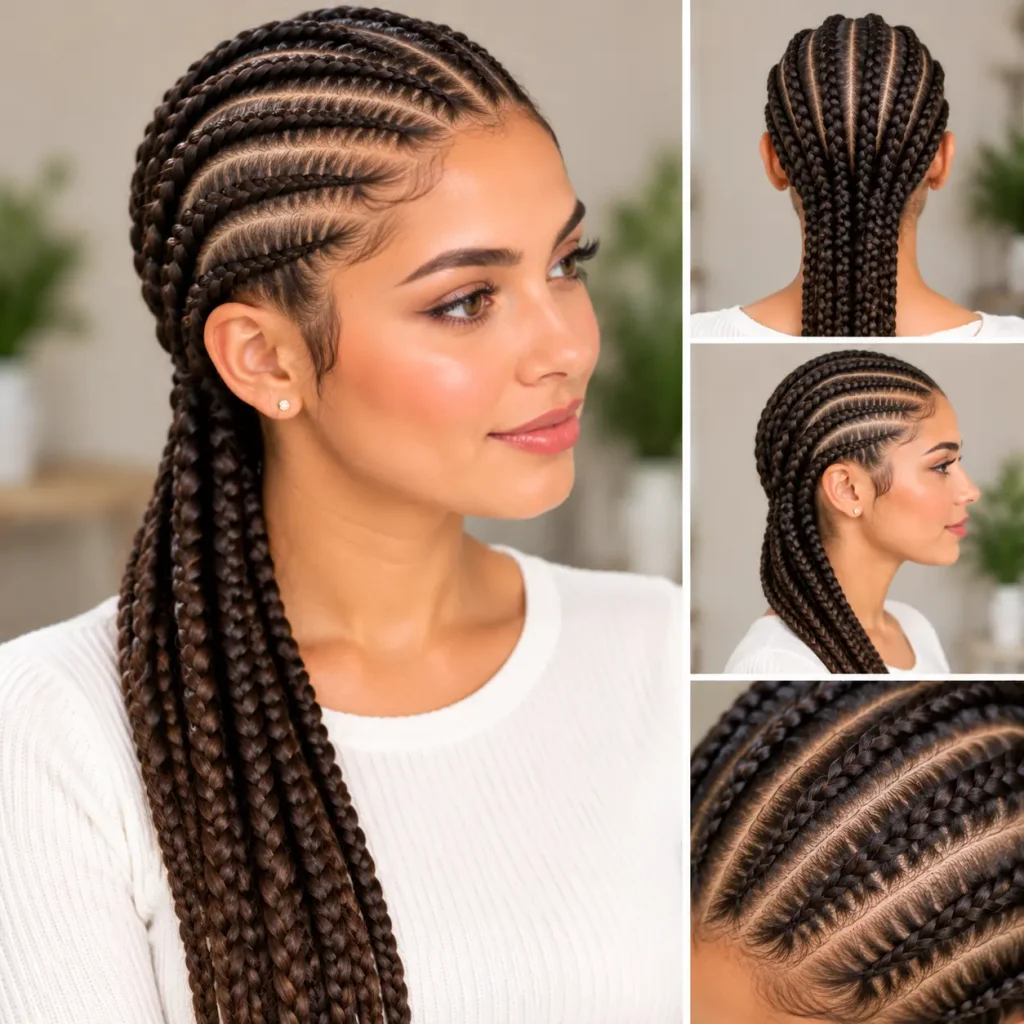
Cornrows are braids worn close to the scalp in rows, in straight lines or in patterns. They are an important part of African and African American hair culture and the base for many other styles.
Best for: low-maintenance wear, sports, a base for other styles.
11. Feed-In Braids
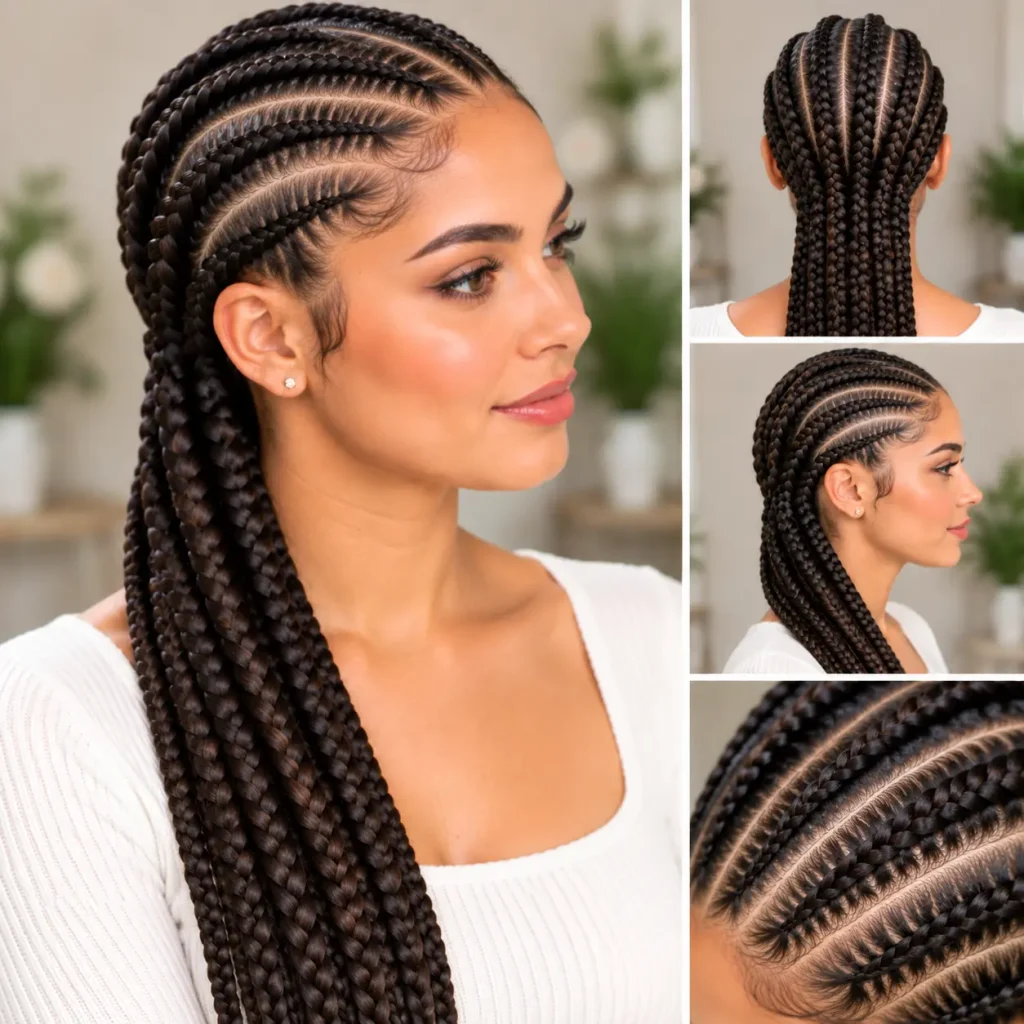
Feed-in braids add extension hair gradually as you braid, which makes the braid look natural from the scalp down and less bulky at the root. Many popular styles, including lemonade and stitch braids, use this method.
Best for: a smooth, natural-looking start; long-lasting styles.
Box Braid Family
12. Box Braids
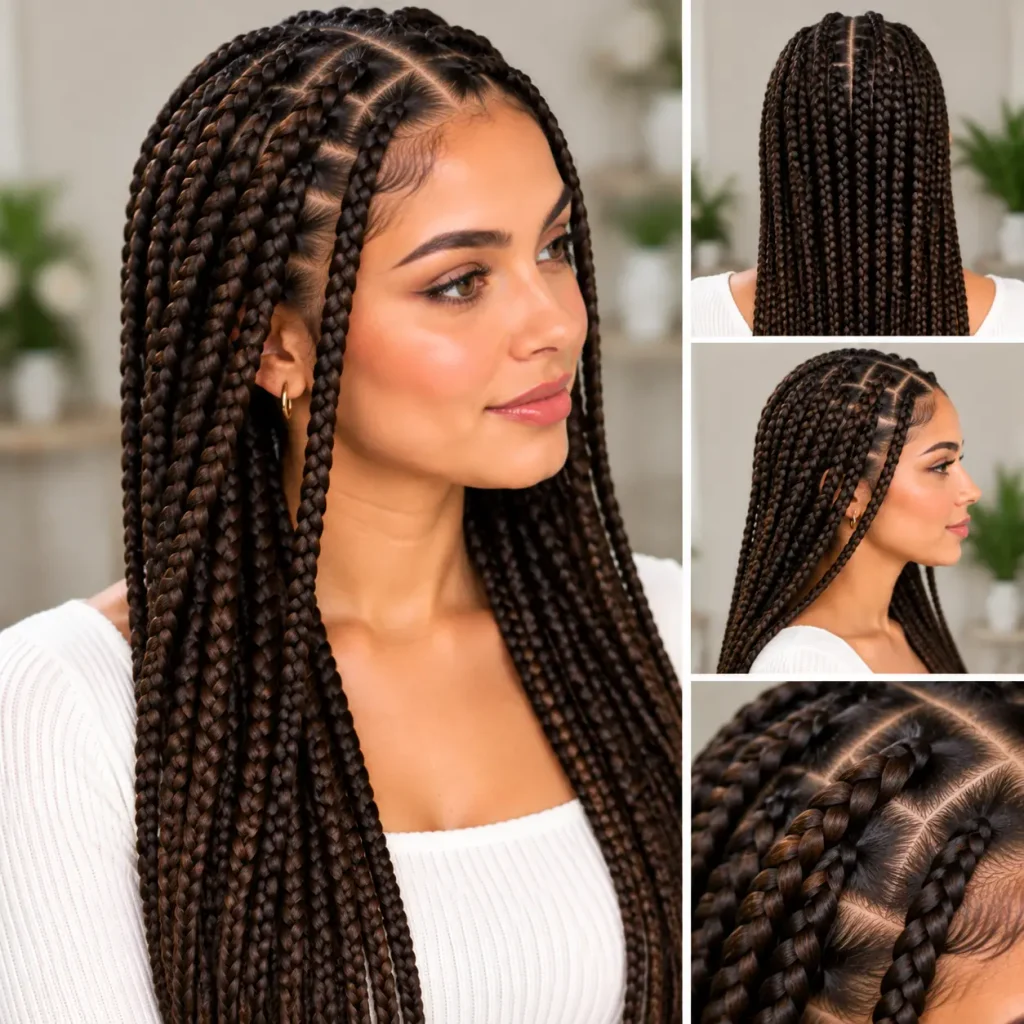
Box braids are a protective style where hair is braided in box-shaped (square) sections. They can be worn in many sizes, from small to jumbo, and in many lengths.
Best for: versatility and long wear. If you are choosing a size, smaller braids usually take longer to install and may last longer, while larger braids are quicker.
13. Knotless Braids
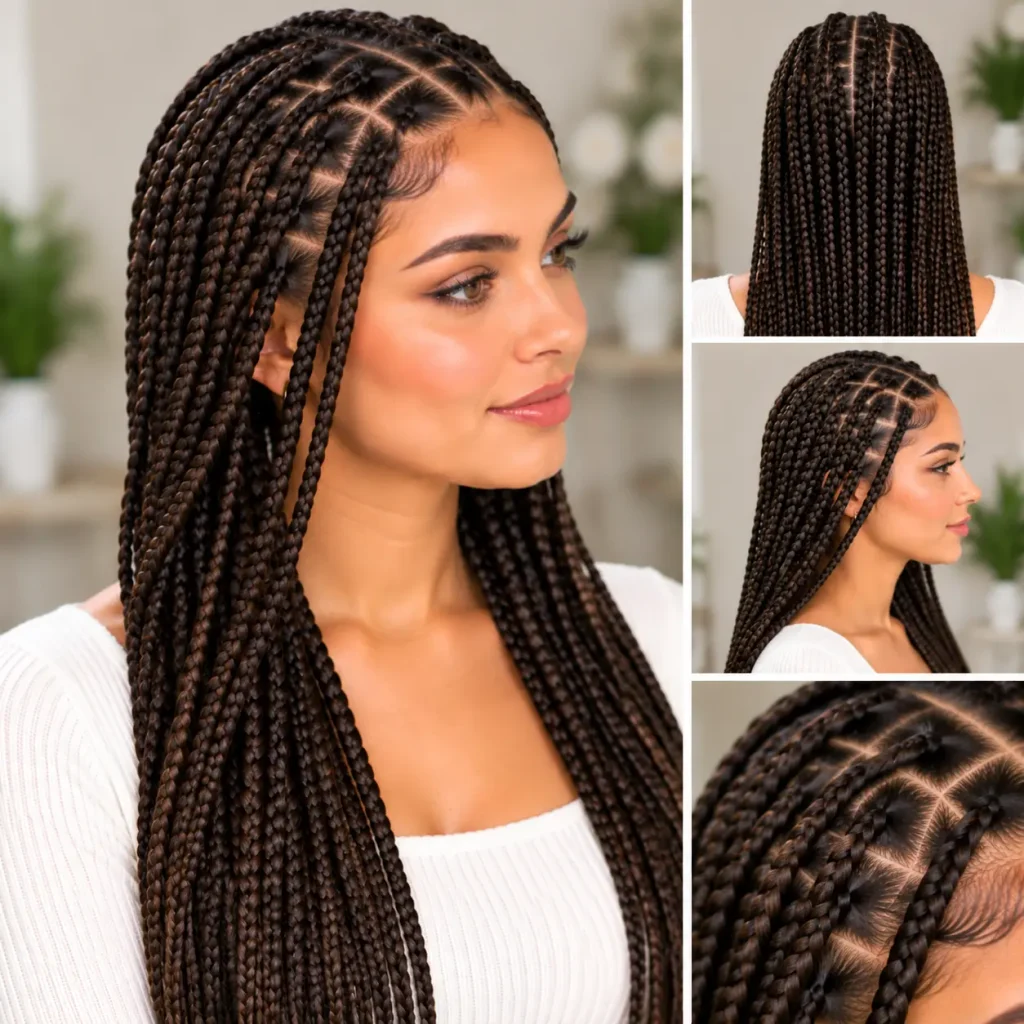
Knotless braids start with your natural hair and add extension hair gradually, so there is no bulky knot at the root. They are often described as lighter and more comfortable at the scalp, and as looking more natural at the roots.
Best for: people who want a more natural look at the root and a potentially lighter feel.
14. Boho Braids
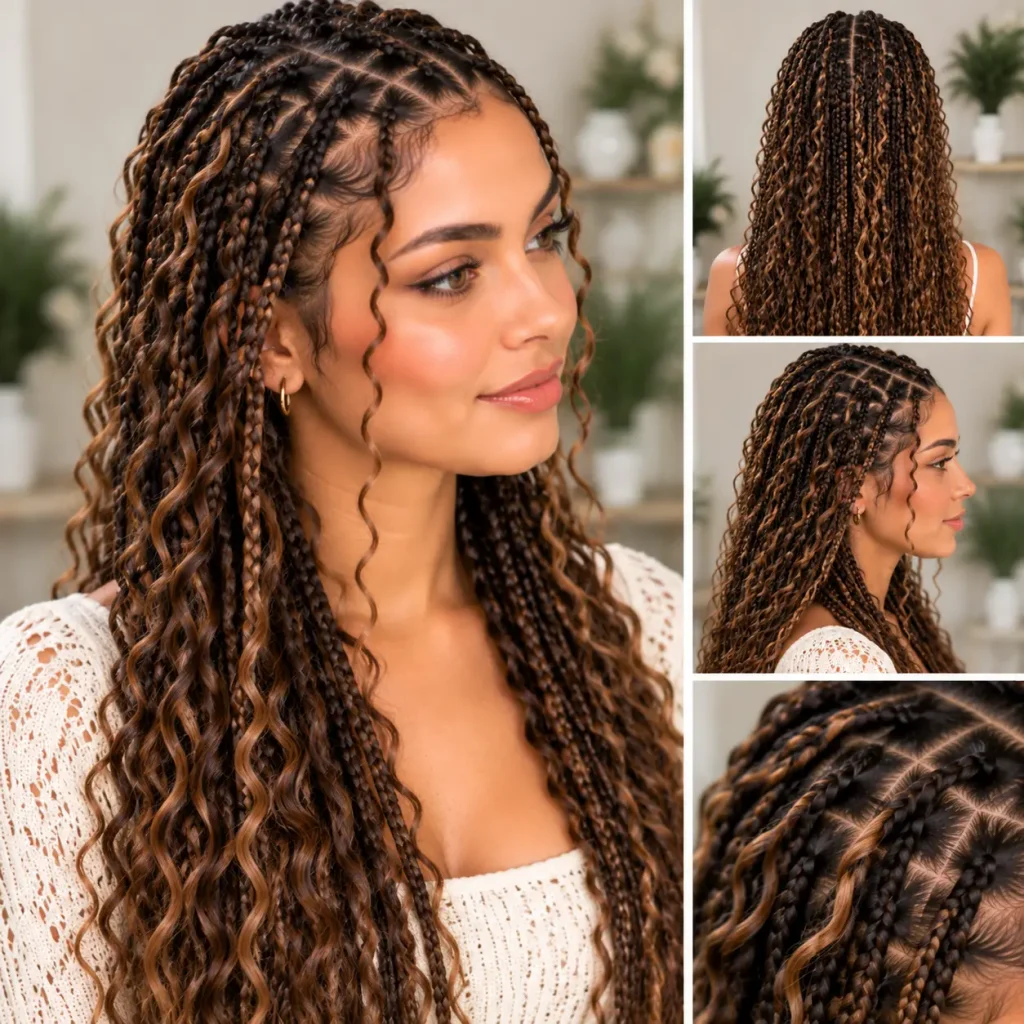
Boho braids, also called bohemian braids, are box or knotless braids with loose, curly pieces left out along the braid. The curls give the style a soft, free-spirited look.
Best for: a softer, textured finish, vacations, casual outfits.
15. Goddess Braids
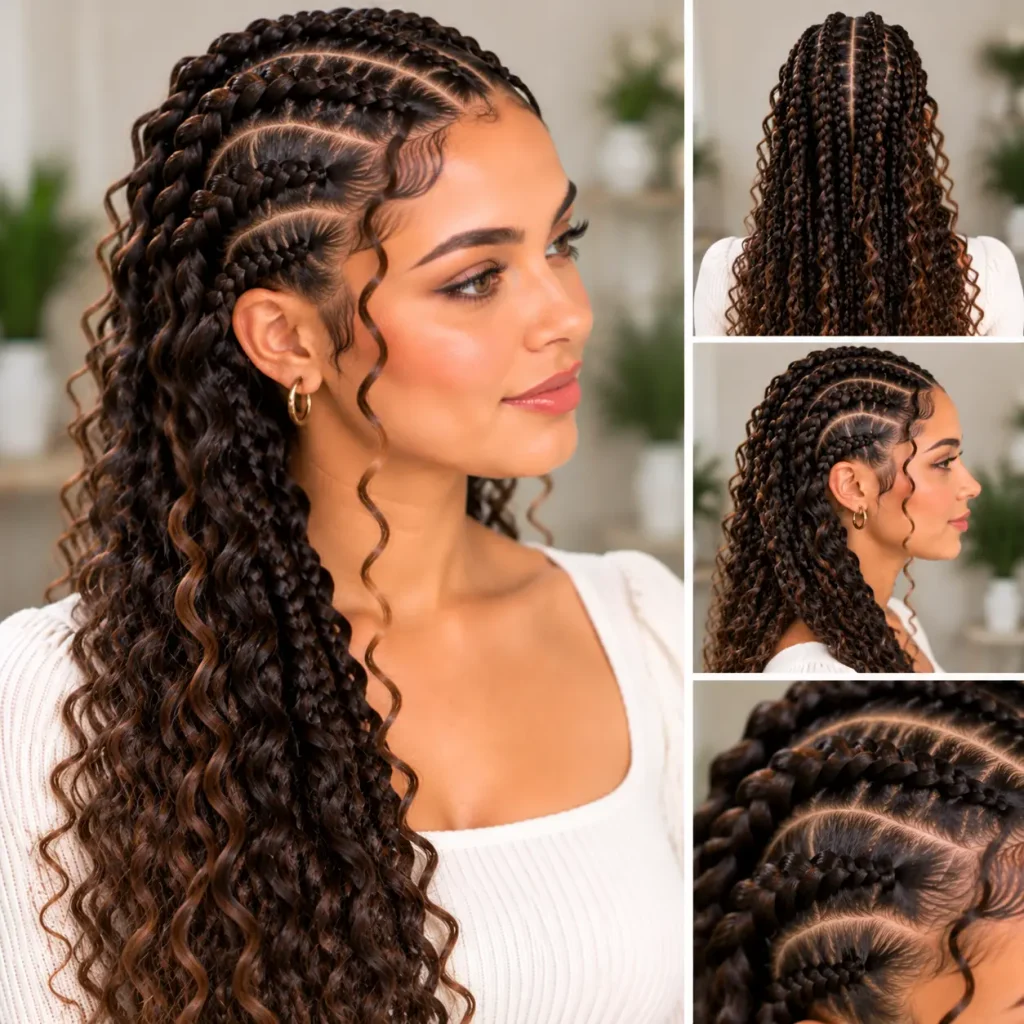
Goddess braids are a variation of box braids where curly hair is added and left loose along the braid or at the ends. The style is closely related to boho braids, and stylists sometimes use the two names loosely.
Best for: romantic, soft, wavy looks.
16. Ghana Braids
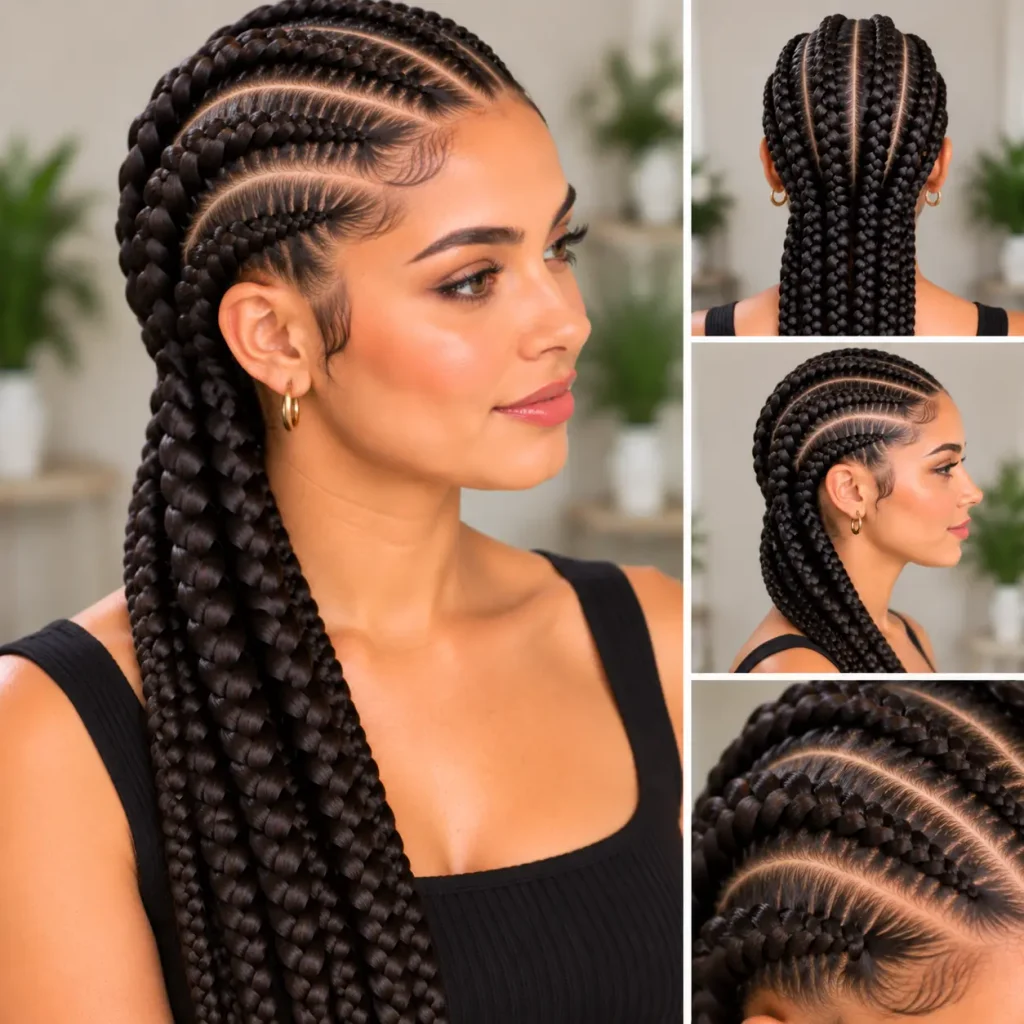
Ghana braids are often described as similar to box braids, but larger or more detailed, and rooted in Ghanaian hair traditions. Names vary by stylist, so ask for a photo of the exact pattern you want.
Best for: bold, structured looks.
17. Micro Braids
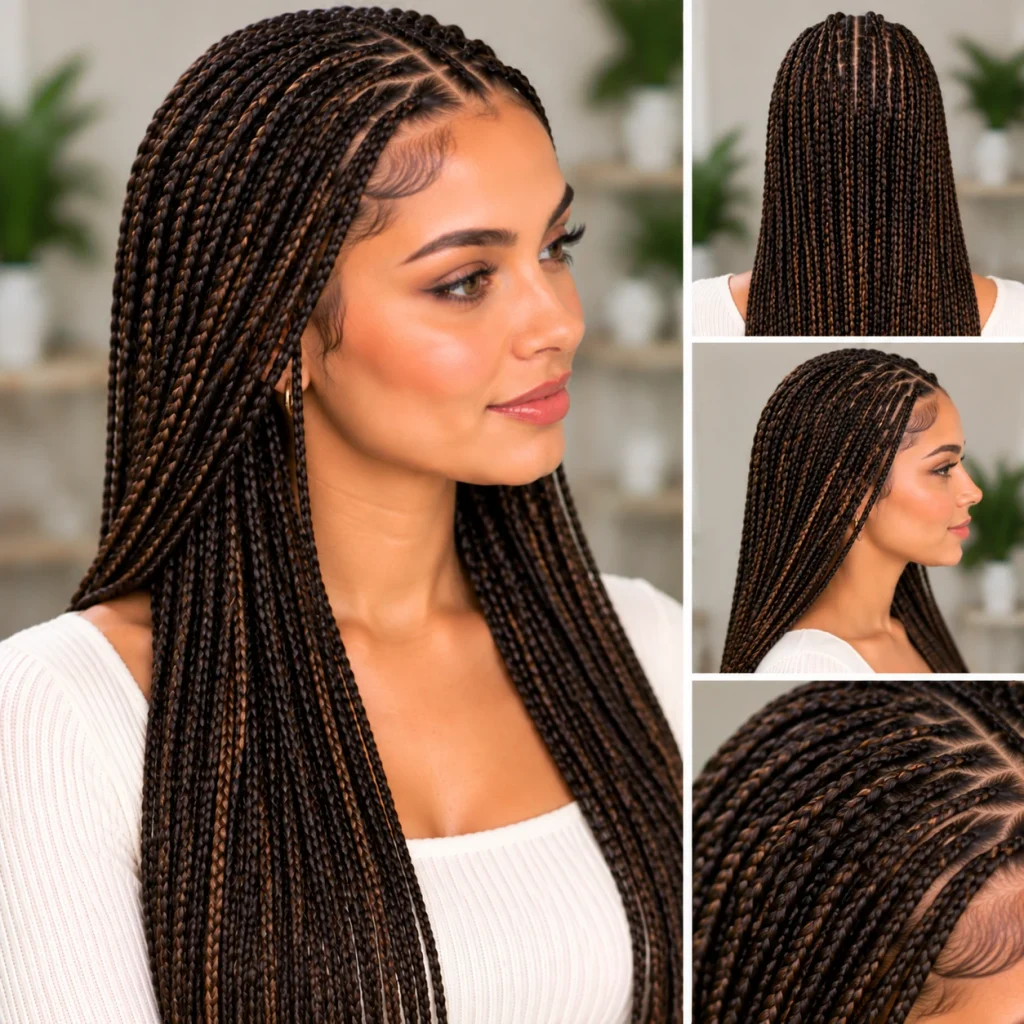
Micro braids are very small, thin braids. They look delicate and can be styled many ways, but they take a long time to install.
Best for: a fine, versatile look, and those who are comfortable with a long appointment.
18. Crochet Braids
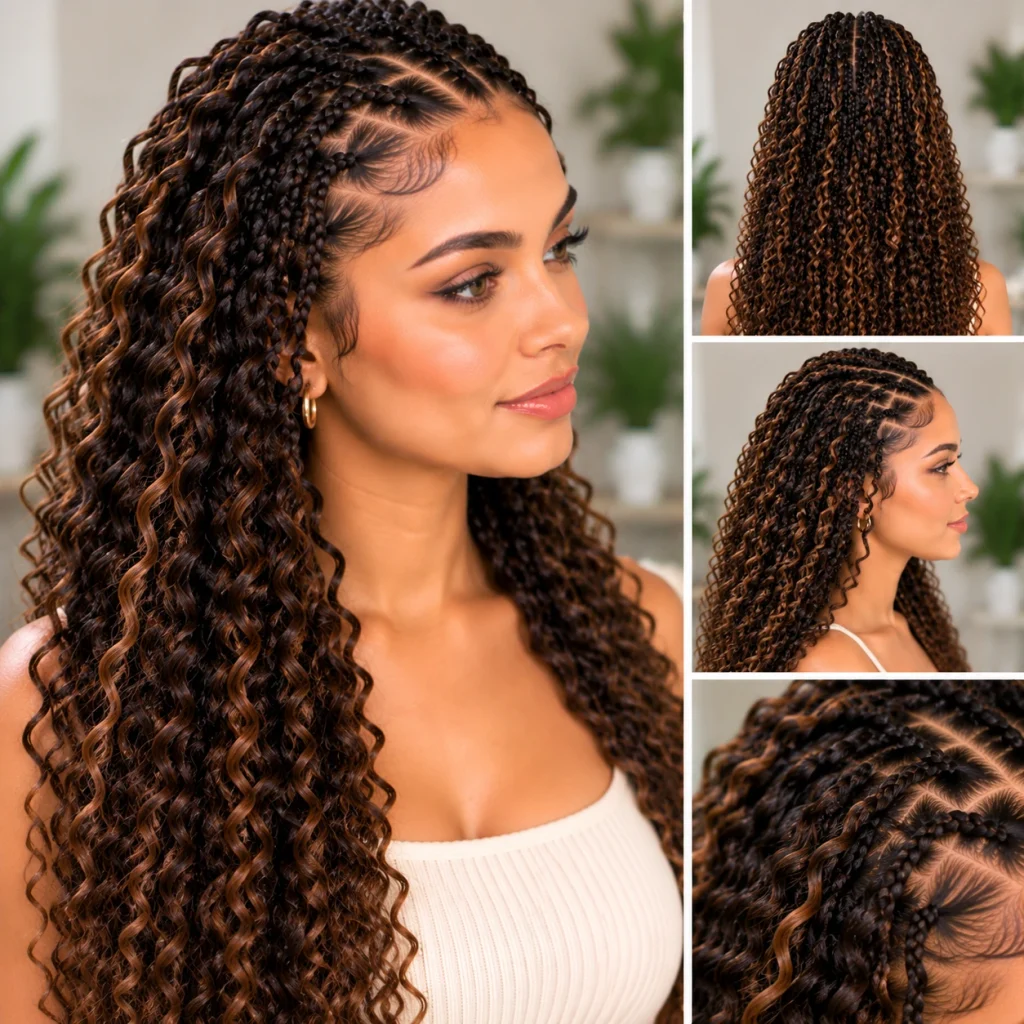
Crochet braids start with cornrows, then extension hair is attached with a crochet hook. They are often described as lightweight and quick to install compared with some other braided styles.
Best for: a lighter feel, quick installs, trying different textures.
Named Styles
19. Fulani Braids
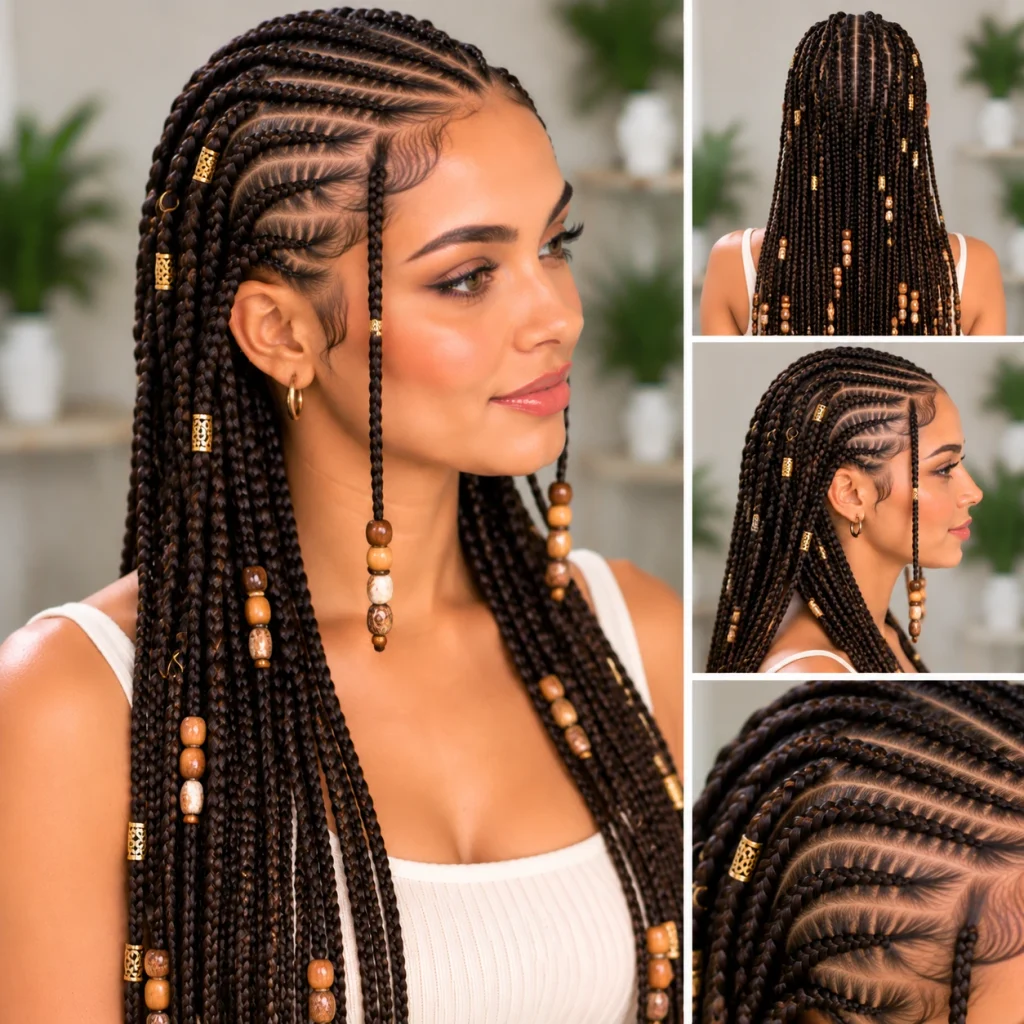
Fulani braids are inspired by the Fulani people of West Africa. They typically have a center part, cornrows or braids along the sides, and a braid or two hanging down the front, often with beads, cowrie shells, or cuffs. According to one style guide, they last one to two months and take roughly four to eight hours to install.
Best for: bold, decorated looks that nod to the style’s heritage. If you wear Fulani braids, it is worth learning where they come from and crediting the culture.
20. Lemonade Braids
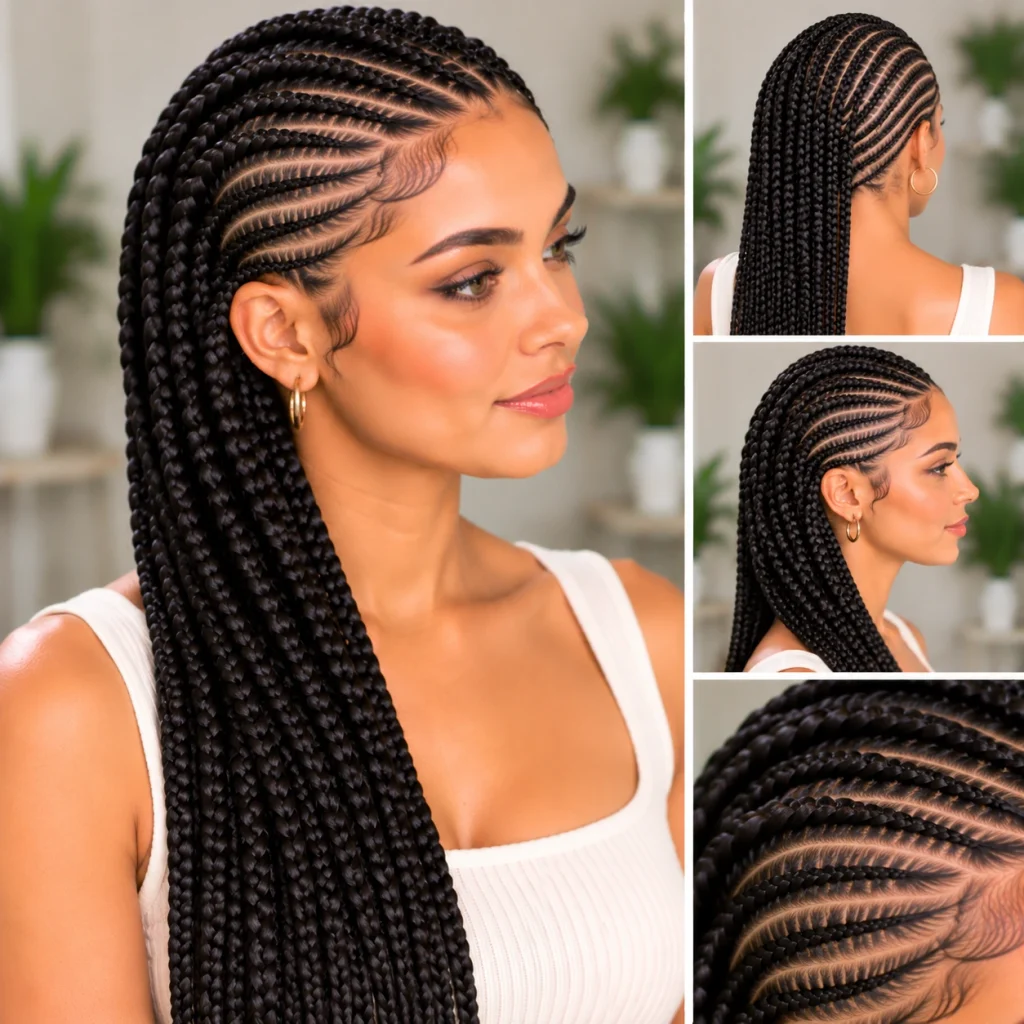
Lemonade braids are small feed-in cornrows swept to one side of the head. The name comes from Beyoncé’s 2016 visual album Lemonade, where she wore a version of the look.
Best for: a sleek, side-swept statement with lots of movement.
21. Pop Smoke Braids
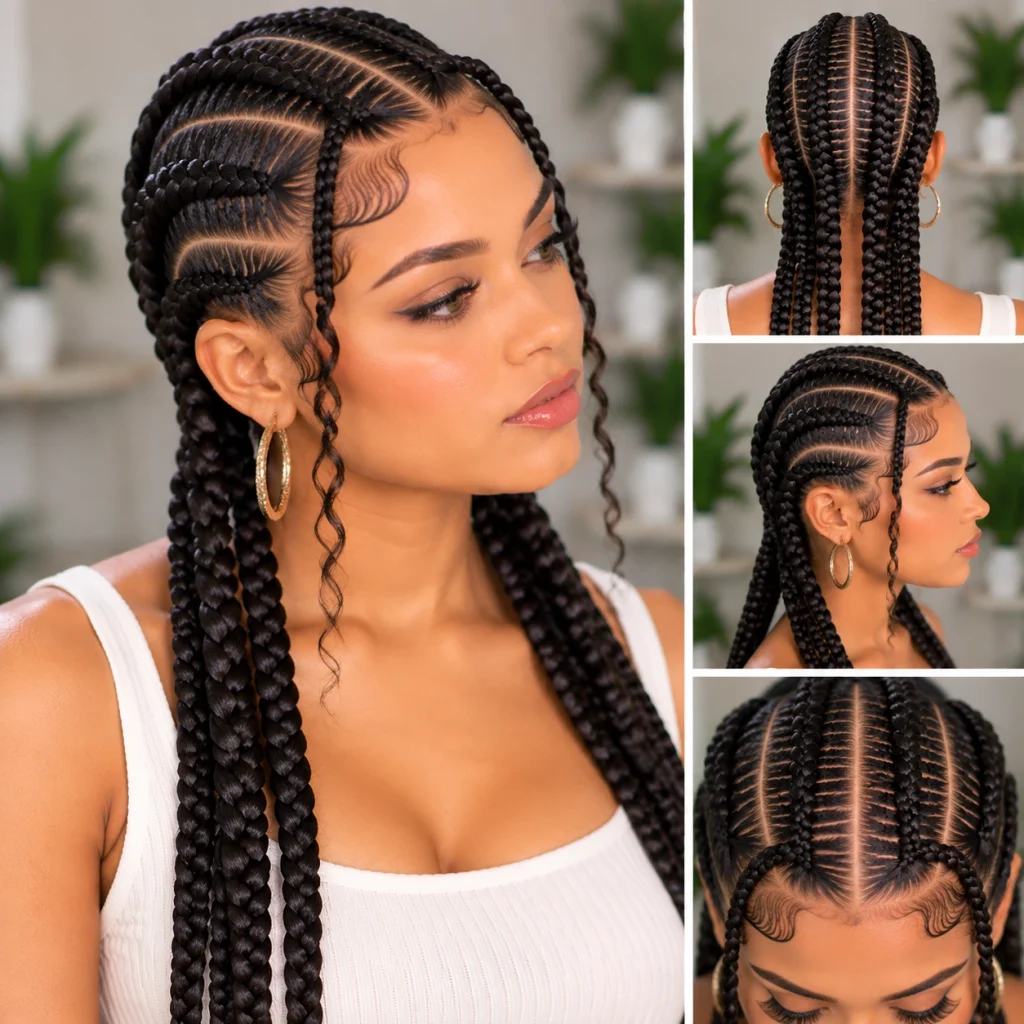
Pop Smoke braids are eight to twelve large feed-in braids, named after the late rapper Pop Smoke. They are bold and chunky, and often worn long.
Best for: a bold, graphic look with fewer, larger braids.
22. Stitch Braids
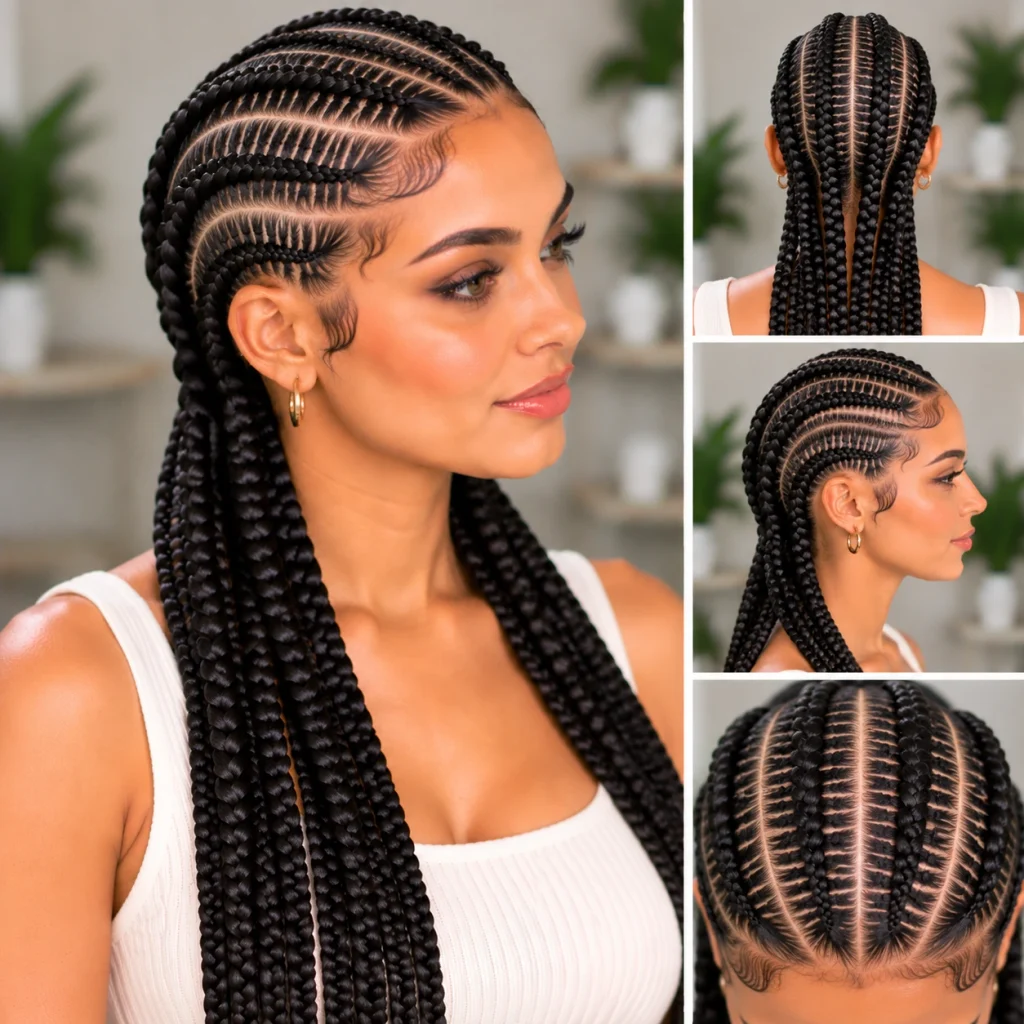
Stitch braids are cornrows with crisp, evenly spaced lines created by a stitching-like parting technique. They look defined and graphic.
Best for: a neat, structured finish and clean patterns.
23. Tribal Braids
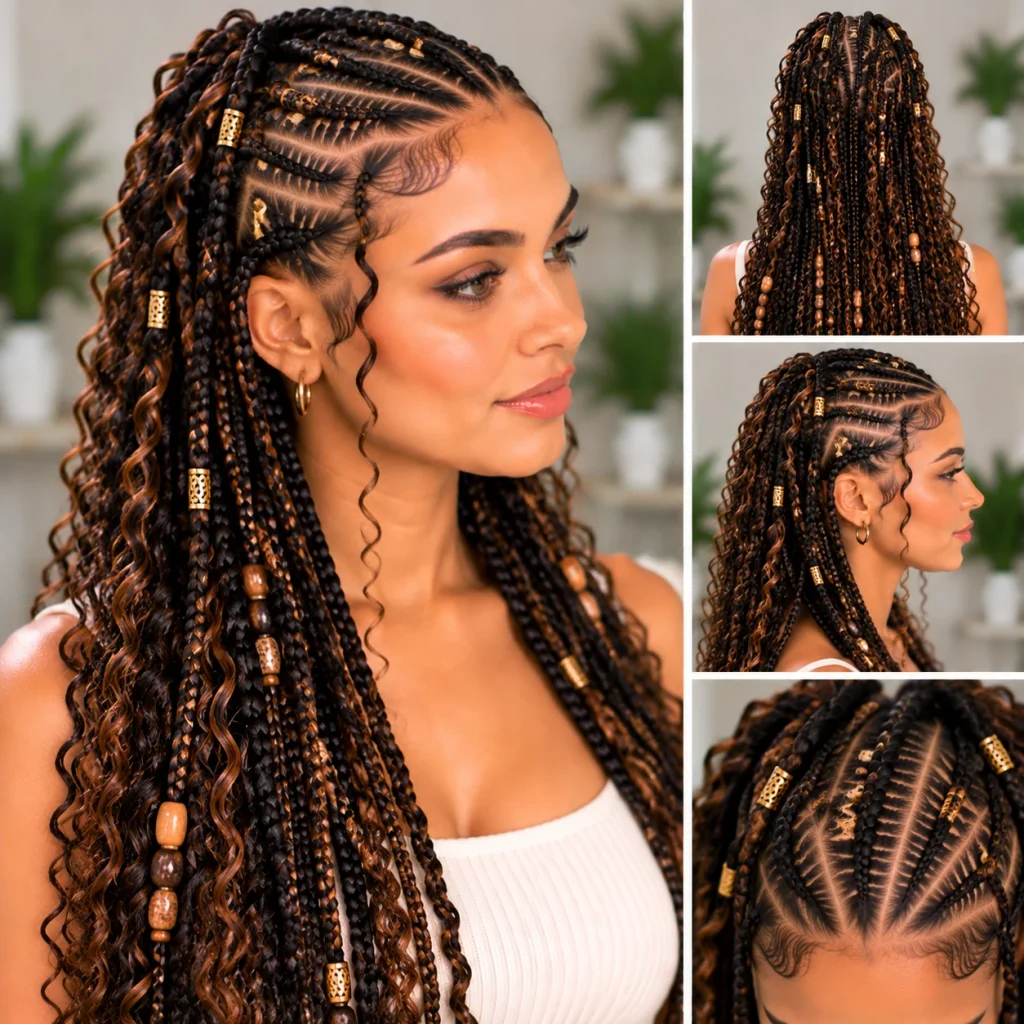
Tribal braids is an umbrella name for braids set in a pattern. It can cover Fulani, Ghana, box, goddess, and stitch styles, so ask your stylist to be specific.
Best for: a statement look, when you have a clear reference photo.
Updo Styles
24. Braided Ponytail
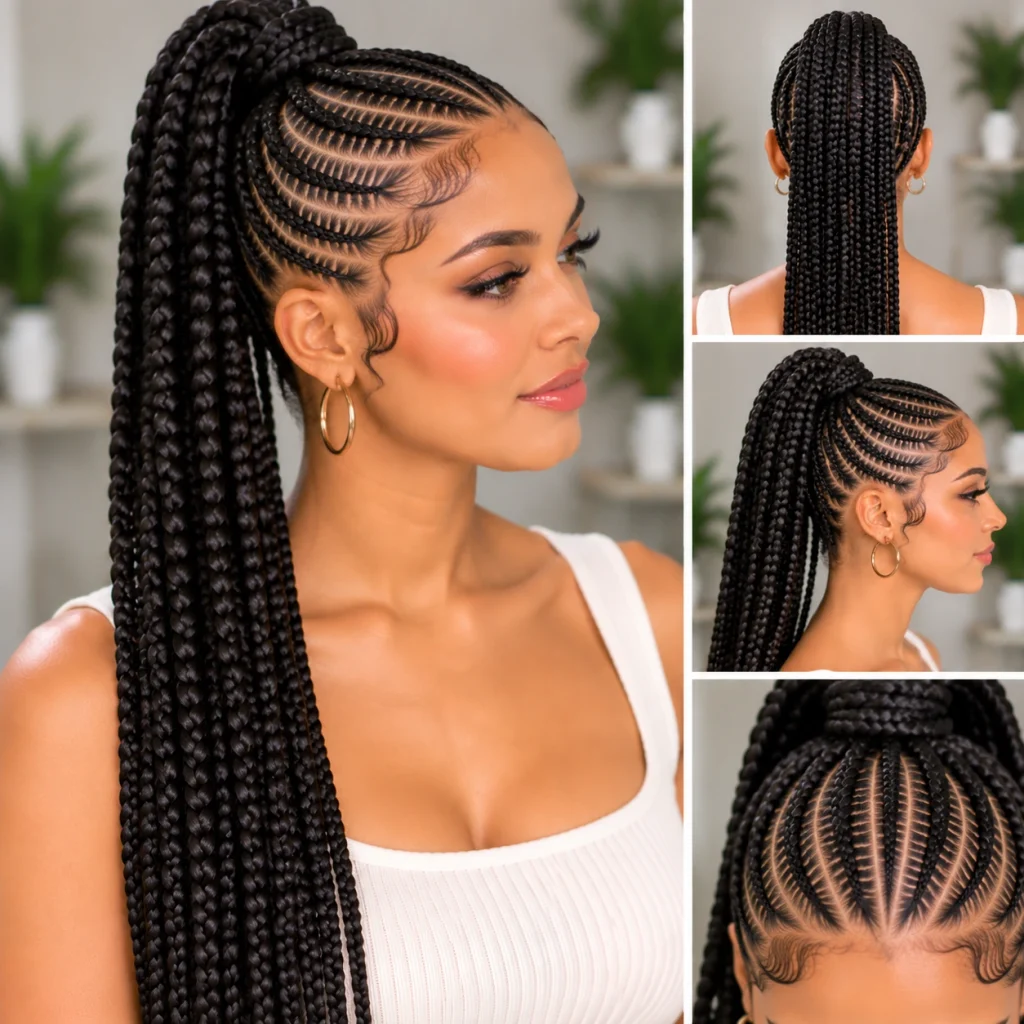
Braids gathered into a high or low ponytail. It keeps long braids off your neck and looks polished.
Best for: hot weather, workouts, long braids.
25. Braided Bun
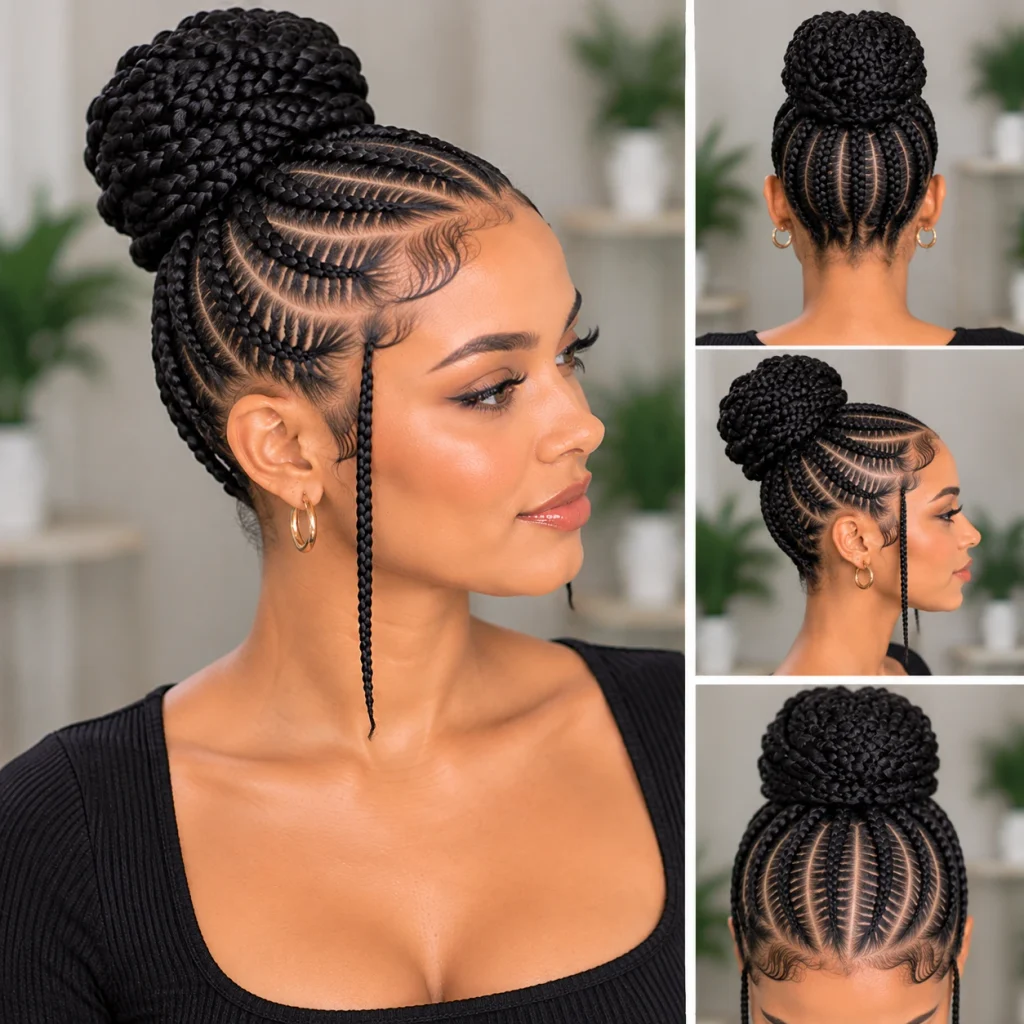
Braids twisted and pinned into a top knot or low bun. It is useful when you want a break from the weight of long braids.
Best for: formal events, work, protecting braid ends.
What About Lily Love Braids?
We could not find a reliable, standard definition for “Lily Love braids,” so we are not going to describe a style we cannot verify. It may be a salon-specific or social-media name. If you have a photo or a stylist’s description, check what the braids look like and match them to the styles above, like box, knotless, or feed-in braids.
The 25 Braids at a Glance
| Braid | Type | Typical wear time | Difficulty |
|---|---|---|---|
| Classic three-strand | Everyday | A day or two | Easy |
| French and Dutch | Everyday | A day or two | Medium |
| Fishtail and waterfall | Everyday | A day or two | Medium |
| Crown and milkmaid | Everyday updo | A day or two | Medium |
| Bubble and side braids | Everyday | A day or two | Easy |
| Cornrows and feed-in | Protective | Weeks | Needs a stylist |
| Box and knotless | Protective | Weeks | Needs a stylist |
| Boho and goddess | Protective | Weeks | Needs a stylist |
| Ghana and micro | Protective | Weeks | Needs a stylist |
| Crochet | Protective | Weeks | Medium to advanced |
| Fulani, lemonade, Pop Smoke, stitch | Protective | Weeks | Needs a stylist |
What Is the Difference Between Box Braids and Knotless Braids?
The main difference is the starting point at the root. Box braids usually begin with a knot or anchor where extension hair is attached. Knotless braids begin with your natural hair and add extension hair gradually, so there is no knot at the scalp.
| Feature | Box braids | Knotless braids |
|---|---|---|
| Root start | Extension hair anchored at the root | Natural hair first, extension hair added gradually |
| Look at the root | Can look blockier | Often looks flatter and more natural |
| Feel | Can feel heavier at the scalp | Often described as lighter |
| Install time | Often shorter | Often longer |
| Best for | A classic, long-lasting style | A more natural root, comfort-focused wear |
Both can look great, and both can pull on the scalp if they are done too tightly. The right choice depends on your hair, your scalp sensitivity, and your stylist’s technique.
What Braid Style Is Best for Me?
There is no single best braid. These questions help you choose.
- How long do you want them to last? Everyday braids last a day or two, while protective styles can stay in for weeks.
- How much time do you have? Larger braids and fewer parts take less time to install. Micro braids and detailed patterns can take many hours.
- How sensitive is your scalp? If you have a tender scalp, ask your stylist about lighter, looser installs and avoid very tight styles.
- What is your hair length and texture? Some styles need a minimum length to hold.
- What is your lifestyle? If you swim, exercise, or wear your hair up often, think about size and length.
- What look do you want? Bold and graphic, soft and romantic, or neat and simple.
How to Choose a Braid Style: A Quick Guide
| If you want… | Consider |
|---|---|
| A quick, simple style | Classic braid, French braid, or side braid |
| Softness and movement | Boho, goddess, or waterfall braids |
| A sleek, structured look | Stitch braids, cornrows, or lemonade braids |
| A bold, decorated style | Fulani braids |
| A natural-looking root | Knotless braids |
| Light weight | Crochet braids or smaller sizes |
| Few, chunky braids | Pop Smoke braids |
What Braids Are Best for Beginners?
It depends whether you mean doing braids yourself or getting them for the first time.
- To do yourself: start with a classic three-strand braid, then try a side braid, a bubble braid, or a French braid.
- To get from a stylist for the first time: medium box braids, knotless braids, or crochet braids are common starting points, since they are widely offered and easy to find photos of. Talk to your stylist about size and length, and ask about comfort.
If you want a low-maintenance routine, you may also like our guide to low-maintenance hairstyles for women.
How Long Do Braids Last?
It depends on the style, the hair, and how well you care for them.
| Style | Typical wear time |
|---|---|
| Everyday braids (French, Dutch, fishtail) | A day or two |
| Cornrows | One to several weeks |
| Box and knotless braids | Often several weeks; commonly cited as four to eight weeks |
| Fulani braids | One to two months, per one style guide |
| Crochet braids | Varies with the hair used |
Wear time varies a lot, and keeping braids in too long can cause tangling, buildup, and strain on your hair. Check with your stylist about how long your specific set can stay in.
Are Braids Protective Styles?
Yes, braids are commonly called protective styles because they tuck your ends away and reduce daily manipulation, but they only protect your hair when they are done and cared for properly. If they are too tight, too heavy, or left in too long, they can cause damage instead.
Things that help braids stay protective:
- Keep the install comfortable, not tight.
- Moisturize your hair before braiding and your scalp during wear.
- Avoid very heavy or very long extensions.
- Take braids down on time and give your hair a rest between sets.
Are Braids Bad for Your Hair?
Braids are not bad for your hair by themselves, but the way they are done matters. The main risks are:
- Tension and traction: very tight braids pull on the scalp and hairline. Over time, repeated tension can lead to traction alopecia, a form of hair loss caused by pulling.
- Weight: heavy or long extensions can strain the roots.
- Dryness: hair can dry out when it is tucked away without moisture.
- Buildup: product and shed hair can accumulate if braids stay in too long.
- Scalp problems: itching, bumps, or soreness can mean the braids are too tight or the scalp needs care.
If you notice pain, bumps, thinning, or soreness, ask your stylist to loosen or remove the braids, and speak with a dermatologist if the problem continues. For general guidance, the American Academy of Dermatology is a reliable source.
How to Take Care of Braids
Good braid care comes down to a clean scalp, light moisture, and gentle handling.
- Moisturize lightly. Use a light leave-in or oil on your scalp and the length of the braids. Heavy products can build up.
- Protect at night. A satin bonnet, scarf, or pillowcase reduces friction and frizz.
- Keep edges gentle. Avoid brushing or pulling on your hairline.
- Avoid constant tight updos. Switching how you wear them reduces strain.
- Trim loose hairs carefully. A stylist can do this safely.
- Check the scalp regularly. Itching and flaking can mean you need to wash or moisturize.
How to Wash Braids
Braids can be washed. Here is a simple approach.
- Dilute the shampoo. Mix a small amount of shampoo with water in an applicator bottle.
- Apply to the scalp and braids. Focus on the scalp and gently squeeze along the length of the braids instead of scrubbing.
- Rinse well. Leftover shampoo causes itching and buildup.
- Condition lightly. Apply a light conditioner or leave-in, mostly to the braids and not the scalp.
- Dry completely. Squeeze out extra water, pat with a towel, and let the braids dry fully. Damp braids can develop a musty smell.
How often you wash varies with your lifestyle, scalp, and style. Many people wash every one to two weeks, but check with your stylist.
How to Sleep With Braids
- Wear a satin or silk bonnet or scarf.
- Use a satin pillowcase if you prefer.
- Tie long braids loosely on top of your head so they do not pull on your scalp.
- Avoid lying on the braids in a way that pulls on your edges.
- Make sure the braids are dry before you sleep.
How to Make Braids Last Longer
- Start with clean, moisturized, detangled hair.
- Choose a size and length that suit your lifestyle.
- Protect them at night.
- Wash gently and dry fully.
- Avoid heavy products that cause buildup.
- Avoid constant pulling or tight updos.
- Remove them on time instead of stretching the wear.
How to Take Braids Down Safely
Taking braids down is as important as putting them in.
- Moisten and detangle. Use a conditioner or detangler to add slip.
- Cut only the extension hair. Cut above your natural hair, being careful not to cut your own hair.
- Unravel each braid gently. Work from the ends upward.
- Detangle in sections. Use a wide-tooth comb or your fingers.
- Wash and condition. Shed hair builds up in braids, so a gentle clean and deep condition helps.
- Give your hair a break. Let your scalp and hair rest before the next set.
Braids vs. Locs
Braids and locs are both versatile, long-term styles, but they work differently. Braids can be taken down and re-done, while locs form as hair is locked together and are a longer commitment. If you are curious about the locs side of the family, see our guide to wicks hair.
Respecting the Culture Behind Braids
Many braid styles, including cornrows, Fulani braids, and box braids, come from African hair traditions and carry cultural and historical meaning. If you wear them, learn the names and origins, use the right terms, and support braiders, especially Black braiders, who developed and preserve these styles.
Common Mistakes When Getting Braids
- Not bringing a photo. Names vary, so a picture avoids confusion.
- Choosing a style that is too tight. Comfort matters, and tension causes damage.
- Skipping hair prep. Clean, moisturized, detangled hair holds braids better.
- Leaving braids in too long. This leads to tangling and buildup.
- Using heavy products. They cause buildup and attract lint.
- Not asking about price and time. Pattern and size affect both.
- Ignoring scalp pain. Speak up if it hurts.
Frequently Asked Questions
What are the different types of braids?
They include classic styles like French, Dutch, fishtail, and waterfall braids, and longer-term protective styles like box braids, knotless braids, cornrows, Fulani braids, lemonade braids, and stitch braids.
What is the name of each braid style?
The names depend on the technique, size, and pattern. This guide lists 25 common braids with descriptions so you can match what you want to its name.
How do I choose a braid style?
Think about how long you want them to last, how much time you have, your scalp comfort, your hair length, and the look you like. Bring a photo to your stylist.
How long do braids last?
Everyday braids last a day or two, and protective styles like box and knotless braids often last several weeks. One style guide lists Fulani braids at one to two months.
How do I wash braids?
Dilute shampoo, apply to the scalp and braids, rinse well, condition lightly, and dry completely. Many people wash every one to two weeks.
How do I sleep with braids?
Cover them with a satin bonnet or scarf, tie long braids loosely on top of your head, and make sure they are dry.
Are braids protective styles?
Yes, they can be, because they reduce daily manipulation and tuck ends away, but only if they are comfortable, moisturized, and removed on time.
What is the difference between box braids and knotless braids?
Box braids start with extension hair anchored at the root, while knotless braids start with natural hair and add extensions gradually. Knotless braids often look more natural at the root and are often described as lighter.
Conclusion
Braids come in a huge range, from a simple French braid you can do yourself to detailed styles like Fulani, lemonade, and stitch braids that take a skilled braider. The right choice depends on your hair, your scalp, your schedule, and the look you want.
For your next step, pick two or three styles from this list, save photos of them, and talk with a braider about size, length, and comfort. Prepare your hair, protect it at night, and take the braids down on time, and you will get the most out of any style.