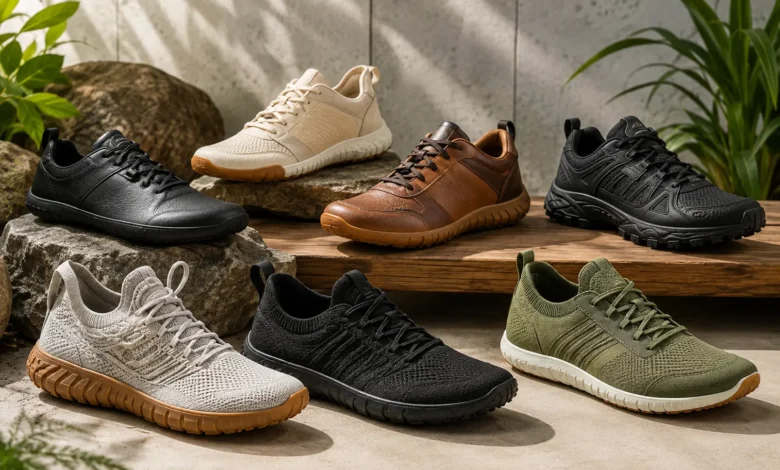
Most athletic shoes are built the same way: thick cushioning, a narrow toe box, and a rigid structure designed to control how your foot moves. Flux Footwear was built on the opposite idea — that your foot already knows how to move, and the right shoe should get out of the way rather than fight it. Founded by a small team who set out to build the world’s most adaptive shoes, Flux has grown into one of the more recognizable names in the barefoot and minimalist footwear space, with a genuinely wide lineup covering running, training, and everyday lifestyle wear.
This guide walks through 7 Flux Footwear styles worth knowing, plus two standout accessories that complete the Flux experience — from the brand’s original Flux Adapt Runner shoes to its rugged Adapt Trail Runner and its more polished Adapt Leather Trainer. Along the way, we will cover what zero drop shoes actually mean, whether barefoot shoes are good for running, and how to know if Flux Footwear is true to size before you order.
What Is Flux Footwear?
Flux Footwear was founded by Zachary Frey, Benjamin Loschen, and Isaac Mertens, a small team of self-described biohackers, former athletes, and shoe-industry veterans who wanted to build footwear that supported natural foot movement instead of restricting it. Frey brought nearly a decade of footwear design experience from time spent at Reebok and Puma, while Loschen and Mertens — based in Nebraska — provided the entrepreneurial push after Loschen’s own experience recovering from an ankle injury led him down a research path into foot health and biomechanics.
The brand’s core belief, stated plainly on its own site, is that modern footwear has become “bulkier and less natural,” which has quietly weakened the flexibility, strength, and balance of the people wearing it. Flux set out to reverse that trend with Flux Adapt shoes — a lineup built around a flexible, foot-shaped sole platform rather than the heavily structured designs found in most mainstream athletic shoes.
The Flux Footwear brand story is also a genuinely relatable startup narrative. Loschen and Mertens, based in Kearney, Nebraska, had the initial vision but no manufacturing background, so they spent months reaching out to footwear designers before connecting with Frey, whose decade of experience at Reebok and Puma gave the concept real technical grounding. That combination — health-driven founders paired with an industry-trained designer — is part of why Flux’s early prototypes tested well enough to fund the brand’s first production run through crowdfunding before it ever reached traditional retail shelves. It’s a useful detail if you’re trying to judge who founded Flux Footwear and whether the brand’s design choices come from genuine foot-health research rather than a marketing team retrofitting a trend.
What Are Barefoot Shoes, and What Does “Zero Drop” Actually Mean?
Before comparing specific Flux styles, it helps to understand the two terms that define this entire category.
Barefoot shoes are designed to mimic the experience of walking or running without shoes at all, while still offering a thin layer of protection from the ground. Instead of thick, structured cushioning, barefoot shoes use flexible, minimal soles that let your foot bend, flex, and sense the ground the way it would naturally.
Zero drop refers to the height difference between the heel and the forefoot of a shoe. Most conventional running shoes have a “drop” of anywhere from 8 to 12 millimeters, meaning the heel sits noticeably higher than the toes. Zero drop shoes eliminate that difference entirely, keeping the heel and forefoot at the same height. This encourages a more neutral standing posture and a more natural landing pattern during walking or running, since your foot is not being tilted forward by the shoe’s own construction.
Combined with a wide toe box — extra space in the front of the shoe that lets toes spread out naturally rather than being squeezed together — these two design principles form the foundation of what makes a shoe “minimalist” rather than a standard performance sneaker with a slightly flexible sole.
How Do Adaptive Shoes Like Flux Actually Work?
Flux describes its shoes as “adaptive” rather than simply “barefoot,” and the distinction matters. How do adaptive shoes work in practice? Flux’s Adapt line is built around a few specific engineering choices:
- Adaptread™ outsole — a flexible, multi-directional tread pattern designed to bend and move with the foot rather than resisting its motion.
- Adaptsol™ removable insole — a footbed that can be swapped out or removed entirely for a closer-to-barefoot feel, giving wearers some control over how minimal the shoe actually feels.
- Performance toe box — extra room specifically engineered to let toes move and spread during demanding physical activity, not just casual wear.
- Stretch knit or leather uppers — depending on the style, uppers are built from breathable recycled knit fabric or more structured leather, but both are designed to move with the foot’s natural flex points rather than locking it into one shape.
This “adaptive” framing is also why Flux markets itself as an athleisure lifestyle brand rather than purely a performance running brand — the same design principles apply whether you are training, walking, traveling, or just going about a normal day.
The Science Behind Barefoot Shoes
The science behind barefoot shoes draws heavily from research into how footwear affects natural gait mechanics. Studies on habitually barefoot populations and long-term minimalist-shoe wearers have generally found stronger intrinsic foot muscles and different, often more efficient, loading patterns compared to people who have worn heavily cushioned, structured shoes their entire lives. The theory is straightforward: a shoe that does the stabilizing work for you allows the muscles responsible for that stabilization to gradually weaken from disuse, the same way any muscle weakens without regular load.
This is the foundation of the broader foot strength and minimalist footwear conversation. Proponents argue that by removing artificial support and elevation, a zero-drop, wide-toe shoe forces the small stabilizing muscles in the foot and ankle to reactivate, gradually rebuilding strength that conventional footwear allowed to atrophy. Critics of the barefoot movement note that the research is still evolving and that not everyone needs or benefits equally from this transition, particularly people with existing structural foot issues. The reasonable middle ground, echoed by many physical therapists, is that minimalist footwear is a legitimate tool for many people but not a universal fix, and a gradual, informed transition matters more than the specific brand you choose.
The 7 Best Flux Footwear Styles
1. Adapt Runner — The Original, Do-Everything Flux Shoe
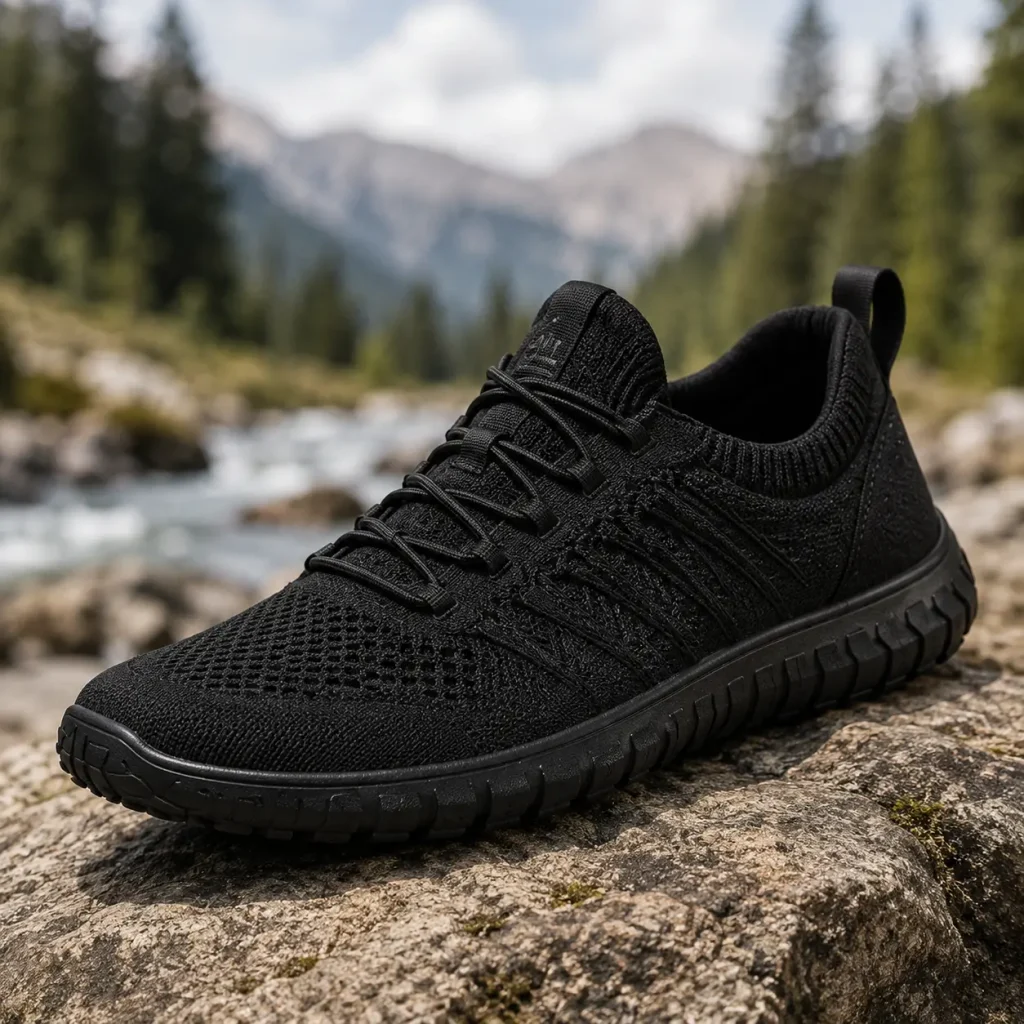
The Adapt Runner is where Flux Footwear started, and it remains the brand’s most recognizable Flux shoes silhouette. Designed for running, walking, and everyday wear, it delivers the brand’s core zero-drop, flexible-sole philosophy in a single versatile package.
Why it’s a top pick:
- Zero-drop platform with a wide, performance-designed toe box
- Machine-washable, recycled knit upper for easy care
- Fully vegan materials throughout
- Genuinely functional across running, walking, and daily wear — not just one activity
Best for: anyone trying Flux for the first time who wants one shoe that reasonably covers most of their week.
2. Adapt Runner H2O Pro — Best for Wet-Weather Days
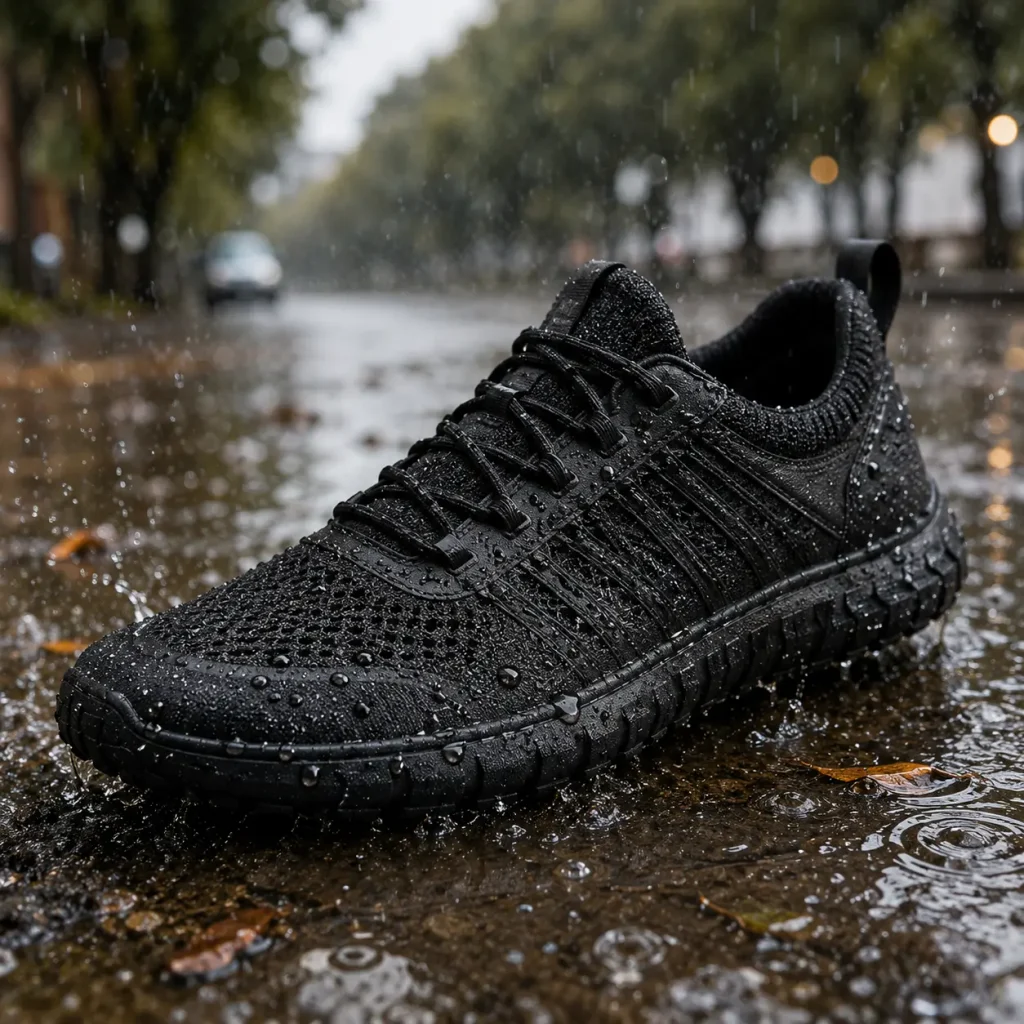
The H2O Pro takes the core Adapt Runner platform and adapts it (fittingly) for wet conditions, without sacrificing the flexible, zero-drop sole that defines the rest of the lineup.
Why it’s a top pick:
- Waterproof-oriented construction built on the same Adapt Runner base
- Designed specifically for running, walking, and daily wear in wet or unpredictable weather
- Keeps the same barefoot-style ground feel despite the added weather protection
Best for: people in rainy climates or anyone who wants their shoes for everyday movement to hold up regardless of forecast.
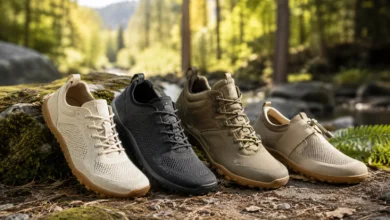
3. Adapt Trail Runner — Best for Outdoor Adventures
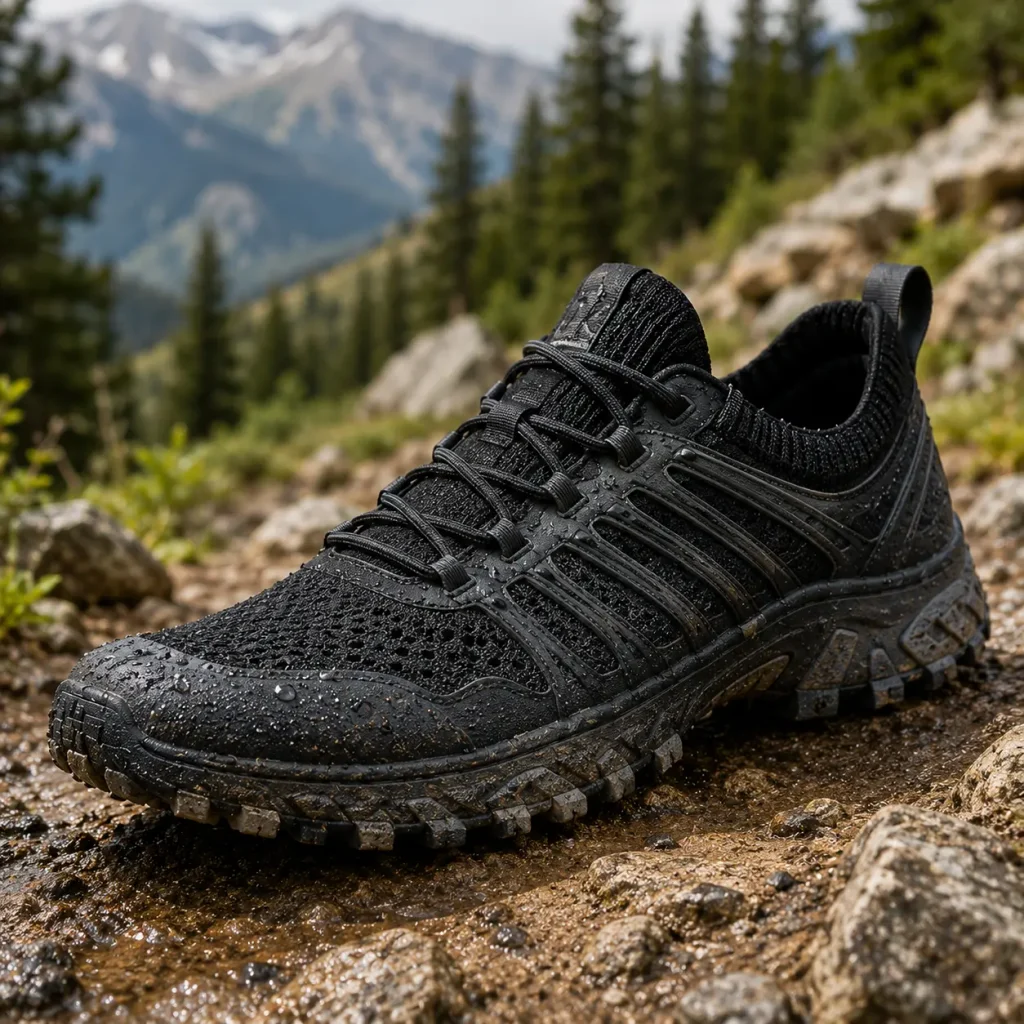
For hikers, trail runners, and anyone who wants barefoot shoes for outdoor adventures, the Adapt Trail Runner brings Flux’s flexible sole philosophy to rougher terrain, without abandoning the ground-feel that defines the brand.
Why it’s a top pick:
- Reinforced sole built to handle trail conditions, roots, and uneven ground
- Maintains the same zero-drop, natural-movement platform as the road-focused Adapt Runner
- A genuine option for people who want one barefoot-style shoe that transitions from pavement to trail
Best for: outdoor adventurers and trail runners who do not want to give up minimalist design just because the terrain gets rougher.
4. Adapt Graphene RR — Best for Road Running Performance
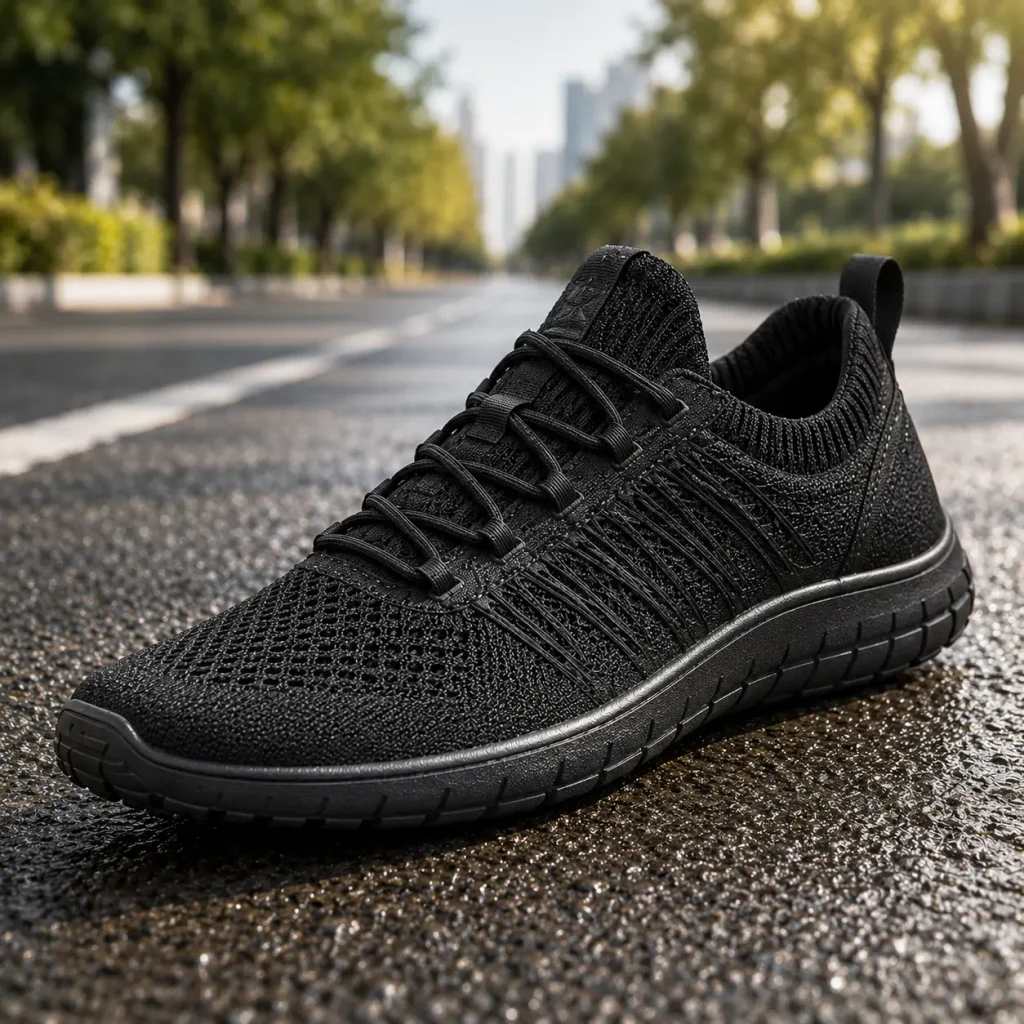
The Graphene RR represents one of Flux’s more technical collaborations, incorporating graphene-enhanced materials developed with materials science partner Versarien to push the performance ceiling of the brand’s road-running shoes.
Why it’s a top pick:
- Graphene-enhanced elastomer construction aimed at improving durability and responsiveness
- Built specifically for road running rather than general everyday wear
- Represents Flux’s more performance-forward engineering within the barefoot category
Best for: committed runners who want a genuinely performance-tuned barefoot running shoe rather than a general-purpose lifestyle option.
5. Adapt Graphene XT — Best for Cross-Training and Strength Work
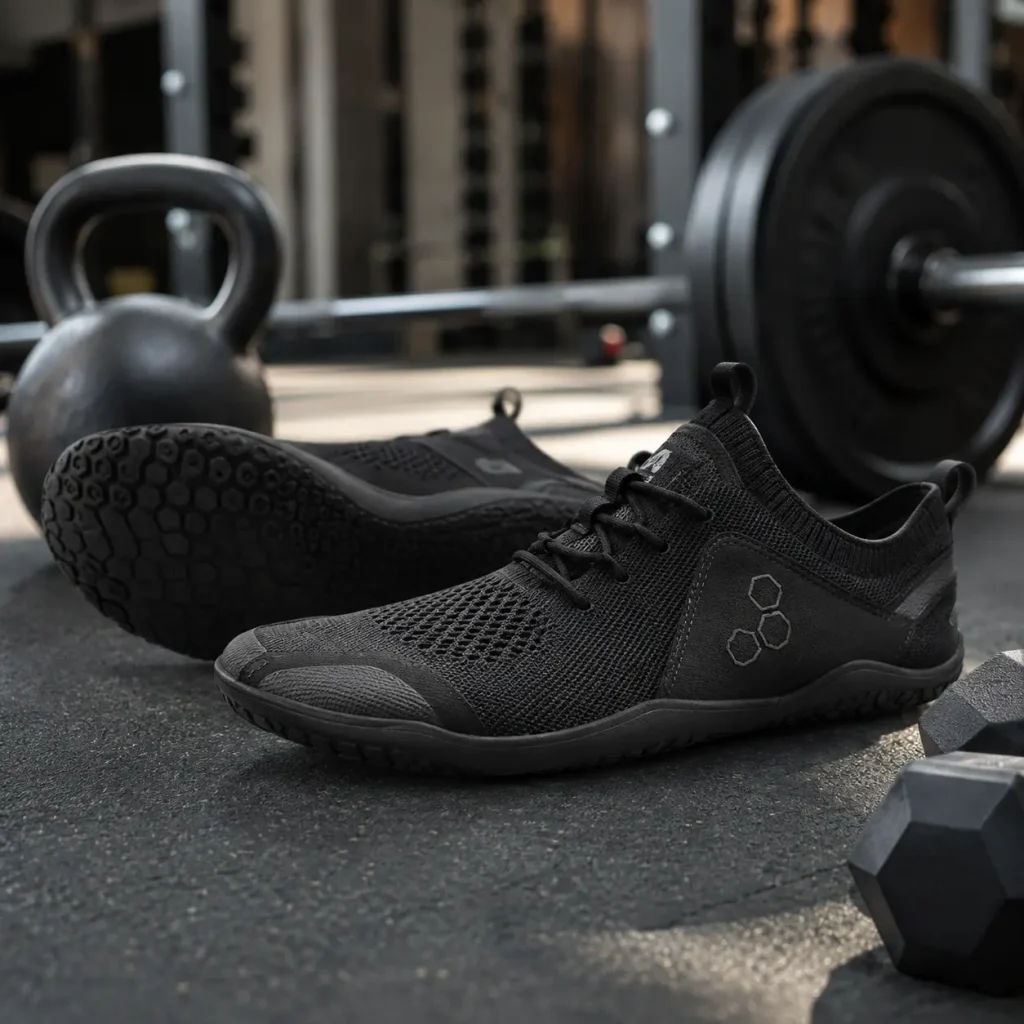
Built for cross-training, strength training, and indoor workouts, the Graphene XT is Flux’s answer to gym-goers who need lateral stability and ground feel during lifts, not just forward motion during a run.
Why it’s a top pick:
- Designed specifically for cross-training, strength training, and indoor workout use
- Graphene-enhanced construction for added durability under lateral movement and load
- Zero-drop platform gives a stable, grounded base for lifting
Best for: gym-goers doing strength training, functional fitness, or cross-training who want genuine ground contact during lifts.
6. Adapt Knit Trainer — Best Everyday Lifestyle Sneaker
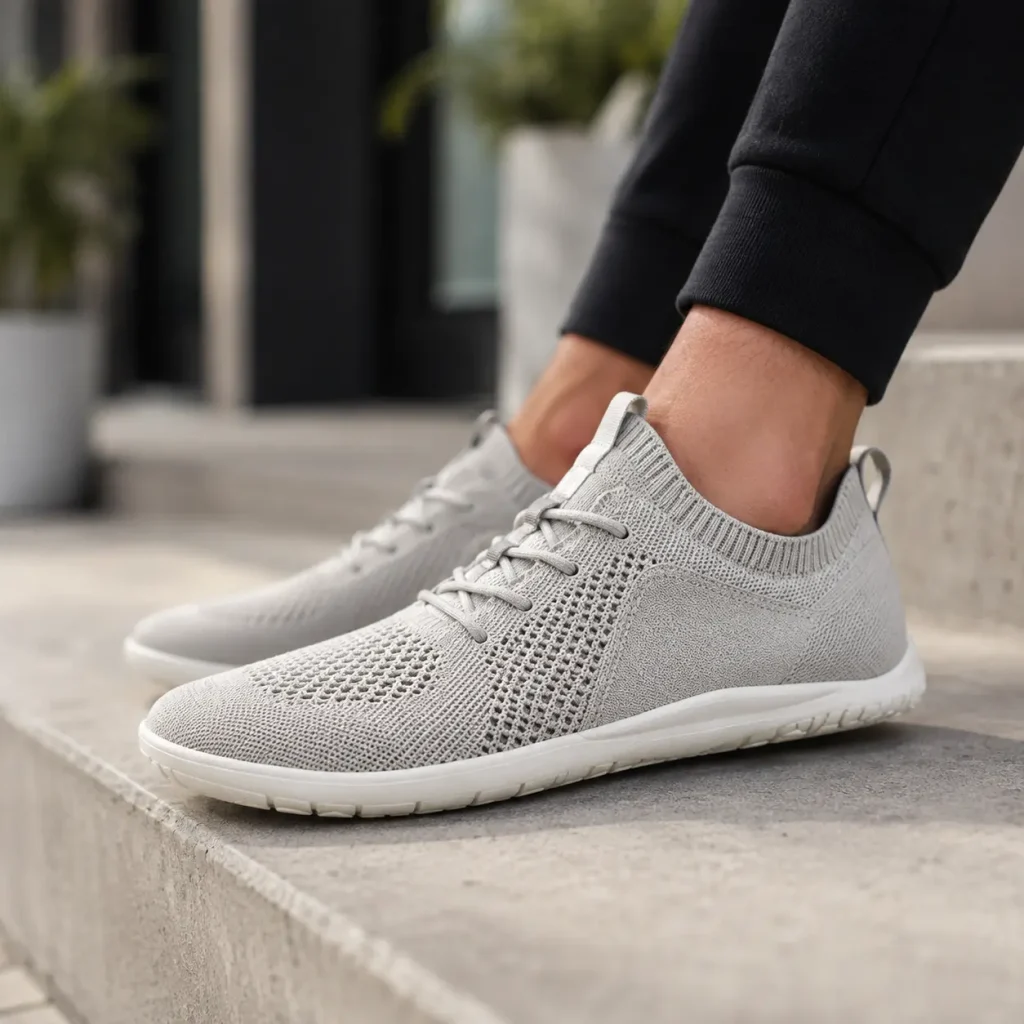
The Knit Trainer shifts focus away from pure athletic performance and toward everyday athleisure shoes styling, using a breathable stretch-knit upper that looks at home outside the gym.
Why it’s a top pick:
- Stretch knit upper offers a more casual, lifestyle-oriented look than the brand’s running-focused styles
- Maintains the same flexible, zero-drop sole underneath a more everyday-friendly design
- A strong entry point for people drawn to the brand’s comfort claims but not primarily shopping for a performance running shoe
Best for: people who want versatile athletic lifestyle shoes for daily errands, travel, and casual wear rather than dedicated training.
7. Adapt Leather Trainer — Best for a More Polished, Everyday Look
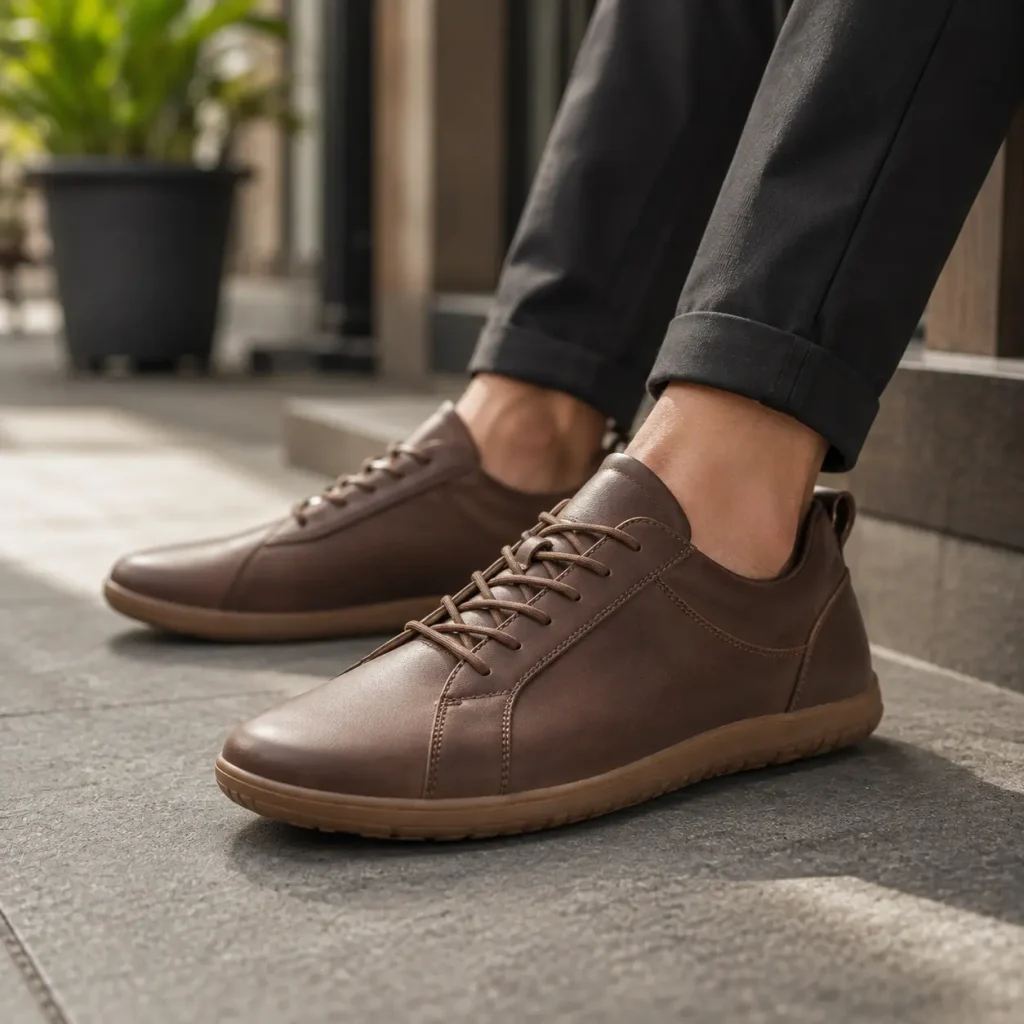
The Leather Trainer takes Flux’s barefoot design principles and wraps them in a more refined leather upper, aimed at people who want the brand’s comfort philosophy in a shoe that can pass for smart-casual, not just gym or trail wear.
Why it’s a top pick:
- Leather upper offers a more elevated, polished look compared to Flux’s knit and mesh styles
- Still built on the same zero-drop, flexible sole platform as the rest of the Adapt lineup
- A strong pick for shoes for training and travel where you want one pair that looks intentional in more settings
Best for: anyone who wants minimalist comfort without the shoe visually screaming “athletic sneaker” — good for travel, casual office settings, or dressier everyday outfits.
Comparison Table: Which Flux Footwear Style Should You Buy?
| Style | Best For | Standout Feature |
|---|---|---|
| Adapt Runner | First-time buyers, all-around use | The original zero-drop, do-everything shoe |
| Adapt Runner H2O Pro | Wet weather, unpredictable climates | Waterproof-oriented build on the Runner base |
| Adapt Trail Runner | Hiking, trail running, outdoor use | Reinforced sole for rough terrain |
| Adapt Graphene RR | Committed road runners | Graphene-enhanced performance construction |
| Adapt Graphene XT | Cross-training, strength work | Stable, grounded base for lifting |
| Adapt Knit Trainer | Everyday lifestyle wear | Casual, breathable knit styling |
| Adapt Leather Trainer | Travel, smart-casual settings | Polished leather upper |
To get the closest possible fit to Flux’s intended design, many wearers also pair any of these seven styles with the brand’s own Adapt Pro Socks or individually toed Adapt ToeSoc, both built specifically around the same wide-toe-box, natural-movement philosophy.
Flux Footwear vs. Other Barefoot Shoe Brands
Flux is far from the only name in the best minimalist shoe brands 2026 conversation, and it’s worth understanding where it sits relative to the wider top zero-drop shoe brands landscape.
Compared to brands built primarily around toe-separated designs like HICKIES-style barefoot concepts, Flux Footwear vs HICKIES-style comparisons generally come down to structure versus minimalism: Flux still offers a fairly conventional shoe silhouette with a zero-drop sole and wide toe box, while more extreme barefoot concepts push toward individually separated toes and an even thinner sole. Flux’s approach tends to appeal to people who want the philosophy of barefoot movement without fully abandoning a familiar sneaker shape.
Compared to other Flux Footwear vs barefoot shoe brands generally, Flux differentiates itself through its Adaptread™ and Adaptsol™ proprietary technologies, its graphene material partnerships for performance-focused styles, and a genuinely broad catalog that spans running, cross-training, trail use, and lifestyle wear under one connected design philosophy — rather than offering just a single flagship shoe.
Why Choose Barefoot Shoes? The Benefits, Explained
Why choose barefoot shoes over a conventional cushioned sneaker? The core argument, echoed across podiatry and physical therapy research, centers on foot strength and natural mechanics.
Benefits of zero drop shoes include:
- More natural posture — without an elevated heel tilting your weight forward, your body can maintain a more neutral alignment from foot to hip.
- Stronger intrinsic foot muscles — the muscles inside your foot and lower leg have to do more of the stabilizing work that a heavily cushioned, structured shoe would otherwise do for you, which can build strength over time.
- Improved proprioception — a thinner, more flexible sole lets your foot sense the ground beneath it, improving balance and reaction time.
Benefits of wide toe box shoes specifically include reduced pressure on the toes, less risk of certain toe deformities associated with narrow footwear over the long term, and better natural balance, since a spread-out foot provides a wider, more stable base than toes squeezed together.
This combination is a large part of why minimalist shoes are trending beyond just the running community — everyday wearers dealing with foot fatigue, bunions, or general discomfort in narrow shoes have increasingly turned to wide-toe-box, zero-drop designs as a genuinely different approach rather than just another cushioning gimmick.
Are Barefoot Shoes Good for Running?
This is one of the most searched questions in the category, and the honest answer is: it depends on your current running form and experience level. Barefoot and zero-drop shoes can help experienced runners develop a more natural midfoot or forefoot strike pattern, potentially reducing certain impact-related injuries over time. However, runners who have spent years in heavily cushioned, elevated-heel shoes typically need a gradual transition period, since their calves, Achilles tendons, and foot muscles are not yet conditioned for the different loading pattern barefoot shoes create.
Flux’s own product lineup reflects this reality by offering dedicated styles for different running contexts — road, trail, and cross-training — rather than a single one-size-fits-all “barefoot running shoe,” which gives new users more room to ease into the transition through a style matched to their specific activity.
How to Transition to Minimalist Shoes Safely
If you are moving from conventional cushioned sneakers to a barefoot-style shoe like Flux, a gradual approach reduces the risk of soreness or overuse injury:
- Start with short wear periods. Wear your new Flux shoes for an hour or two a day initially, rather than switching over completely on day one.
- Prioritize walking before running. Let your feet and calves adjust to the zero-drop platform during regular daily activity before introducing running mileage.
- Increase gradually. Add distance or wear time in small increments over several weeks rather than jumping straight into your normal training volume.
- Pay attention to calf and Achilles soreness. Some adjustment discomfort is normal, but sharp or persistent pain is a sign to slow the transition down.
- Choose the right style for the activity. Use a dedicated trail, cross-training, or road-running Flux style for that specific activity rather than relying on one shoe for everything during the transition period.
Are Flux Shoes Good for Flat Feet?
Flux shoes for flat feet is a common search, and the honest answer requires some nuance. Barefoot-style shoes are generally built around the idea of letting the foot’s own arch muscles do more supporting work, rather than relying on a built-in arch support structure the way many orthopedic shoes do. For some people with flexible flat feet, this can help strengthen the muscles that support the arch over time. For people with more rigid flat feet or diagnosed conditions requiring specific orthotic support, a completely unsupported zero-drop shoe may not be the right starting point without guidance from a podiatrist. If you have a diagnosed foot condition, it’s worth discussing the transition to any barefoot-style shoe with a healthcare professional first.
How to Size and Care for Flux Footwear
How to size Flux Footwear: Flux recommends trying shoes on with the socks you intend to wear regularly, since the brand’s performance toe box is designed to fit precisely around natural toe spread. Because barefoot-style shoes fit differently than traditional cushioned sneakers, it is worth reviewing the brand’s specific size chart rather than assuming your usual sneaker size will translate directly.
How to care for Flux shoes: Most Adapt styles are machine washable. Flux recommends washing with cold water alongside similar colors, and placing the shoes at the top of the load rather than letting them tumble freely with heavier items, to protect the shape and materials during the wash cycle. Air drying is the safer option compared to a heated dryer cycle, which can affect the fit and materials over time.
Also read: 9 Kane Footwear Picks That Feel Effortlessly Comfortable
Frequently Asked Questions
What is Flux Footwear?
Flux Footwear is a barefoot and minimalist footwear brand founded by Zachary Frey, Benjamin Loschen, and Isaac Mertens, known for its Adaptread™ outsole and Adaptsol™ removable insole technologies. The brand markets itself as an athleisure lifestyle company built around helping the foot move naturally rather than restricting it with heavy structure.
Is Flux Footwear true to size?
Flux generally recommends trying shoes on with your intended socks and checking the brand’s specific size chart, since the wide, performance-designed toe box fits differently than a standard athletic sneaker. Some wearers find it helpful to size based on the length of their longest toe with a small amount of extra room, similar to sizing guidance for other barefoot shoe brands.
Are minimalist shoes good for flat feet?
It depends on the type and severity of flat feet involved. Flexible flat feet may benefit from the muscle-strengthening effect of a barefoot-style shoe over time, while more rigid flat feet or diagnosed conditions may require additional support that a fully minimalist shoe does not provide. Consulting a podiatrist before transitioning is a reasonable step if you have a diagnosed foot condition.
Do zero drop shoes help posture?
Zero-drop shoes remove the forward tilt created by an elevated heel, which can support more neutral alignment through the ankles, knees, and hips during standing and walking. Many wearers and physical therapists report improved postural awareness after transitioning, though results vary based on individual biomechanics and how gradually the transition is made.
Is Flux Footwear worth buying compared to a standard athletic shoe?
For people specifically interested in the barefoot and minimalist footwear movement, Flux offers a genuinely broad catalog spanning running, trail use, cross-training, and lifestyle wear, all built around a consistent zero-drop design philosophy. If you are not looking to change your footwear philosophy and are happy with traditional cushioned athletic shoes, a switch to any minimalist brand — Flux included — requires a deliberate transition period to be worth the investment.
How is Flux Footwear different from other barefoot shoe brands?
Flux differentiates itself through proprietary technologies like the Adaptread™ outsole and Adaptsol™ removable insole, along with graphene-material partnerships used in its more performance-focused running and training styles. The brand also spans a wider range of specific-use shoes — road running, trail running, cross-training, and lifestyle wear — than many single-product barefoot shoe competitors.
Can beginners start with barefoot running shoes, or should they build up gradually?
A gradual transition is generally recommended for anyone moving from heavily cushioned, elevated-heel shoes into a barefoot or zero-drop design. Starting with shorter wear periods and walking before introducing running mileage helps the calves, Achilles tendons, and foot muscles adjust to the different loading pattern safely.
Final Thoughts
Flux Footwear has built a genuinely complete lineup around a single, consistent idea: shoes should adapt to your foot, not the other way around. Whether you want the versatile original Adapt Runner, a rugged trail-ready option, a performance-tuned running or training shoe, or a more polished leather trainer for everyday wear, each style on this list applies the same zero-drop, wide-toe-box philosophy to a different part of daily life.
If you’re exploring the wider footwear landscape beyond barefoot and minimalist shoes, check out our full roundup of 8 Famous Footwear Brands That Redefine Everyday Style for more brands solving different everyday comfort problems.