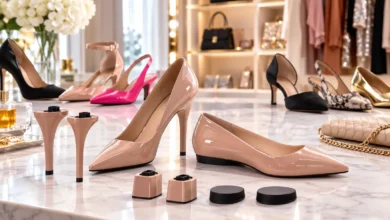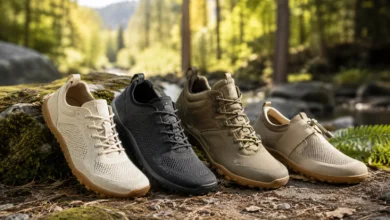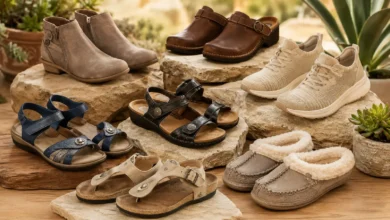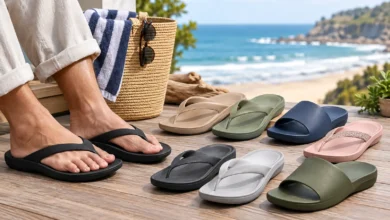
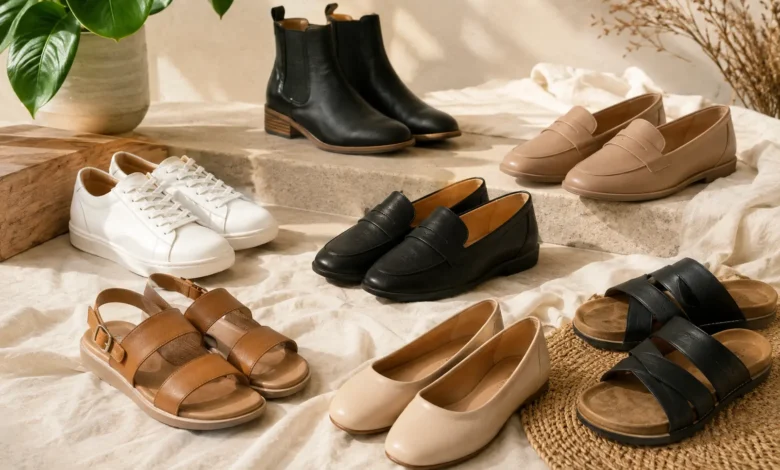
Most people who need genuine foot support have heard some version of the same advice: buy the orthopedic shoe, even if you hate how it looks. Bared Footwear was built specifically to reject that trade-off. Founded by a practicing podiatrist who grew tired of recommending shoes she wouldn’t wear herself, the Australian brand hides real biomechanical support inside styles that look like ordinary loafers, boots, sneakers, and sandals — no bulky orthopedic shape required.
This guide covers 8 Bared Footwear picks worth knowing, from the brand’s best-selling Bared Rook Boot to its signature Bared Chauna Loafer and Bared Samarium Loafer. Along the way, we will explain what a biomechanical footbed actually does, how the brand’s secret support technology works, and why podiatrists recommend Bared shoes to their own patients.
What Is Bared Footwear?
Bared Footwear was founded in Melbourne in 2008 by Anna Baird, a practicing podiatrist who saw a specific, recurring problem in her own clinic: she was constantly recommending patients wear supportive footwear that she herself would never choose to wear. Rather than accepting that gap between clinical necessity and genuine style, Baird set out to design a shoe that could do both — deliver real, podiatrist-designed support while looking like something you would actually want in your closet.
That founding mission is why Bared markets its entire collection around the idea of “secret support” — a biomechanical footbed engineered by a podiatrist, built into styles that look like ordinary loafers, boots, flats, and sneakers rather than clinical orthopedic shoes. The brand has grown from its Melbourne roots into a recognized name across Australia and New Zealand, with a genuinely loyal following among people managing real foot conditions who refuse to sacrifice style for comfort.
History of the Bared Footwear Brand
The history of Bared Footwear and Bared Footwear brand story both trace back to Baird’s own frustration inside her podiatry practice. Patients would come in dealing with heel pain, arch strain, bunions, or general foot fatigue, and the standard clinical recommendation — a structured, supportive shoe — almost always looked distinctly medical rather than something someone would choose to wear to work or a social occasion. Baird noticed a genuine gap: nobody in the footwear industry seemed to be designing specifically from a podiatrist’s clinical knowledge while also treating style as a real priority rather than an afterthought.
Anna Baird podiatrist shoe brand story is, in many ways, the story of closing that exact gap. Rather than partnering with an existing fashion label or licensing her clinical knowledge to a larger manufacturer, Baird built Bared as its own independent company from the ground up in Melbourne in 2008, with every design decision filtered through the question of whether a shoe could deliver genuine biomechanical support without looking or feeling like a concession. Nearly two decades later, that founding question still shapes every style the brand releases, from boots to sandals.
What Is a Biomechanical Footbed?
What is a biomechanical footbed, and what makes it different from a standard cushioned insole? A biomechanical footbed is engineered specifically around how the foot actually moves and bears weight, rather than simply adding a layer of soft padding underneath it. Bared’s footbed includes several structural elements working together:
- Arch support contoured to match the natural shape of the foot’s arch, reducing strain during standing and walking
- Heel support designed to stabilize the heel strike and reduce impact through the ankle and lower leg
- Metatarsal dome support, a raised structural element positioned to relieve pressure across the ball of the foot — a detail rarely found in fashion-focused footwear
- Shock absorption built into the footbed material itself, cushioning impact throughout the day rather than just at the moment of purchase
Because this footbed is removable, it can also accommodate a wearer’s own prescribed orthotic device, meaning the underlying support system is customizable rather than fixed — a detail that matters significantly for people managing more specific, diagnosed foot conditions.
What Makes Bared Shoes Different?
What makes Bared shoes different from typical comfort or orthopedic footwear comes down to the combination of clinical design and genuine style. Most comfort-focused shoe brands lean heavily toward function at the expense of appearance, producing shoes that look distinctly “sensible” rather than fashionable. Bared inverts that priority without abandoning the underlying support — every style in the collection is designed to pass as a completely ordinary fashion shoe, with the secret support technology in shoes hidden inside rather than visible from the outside.
This matters in practice for anyone who needs support at work, where a bulky orthopedic shoe might feel out of place in a professional setting, or simply for anyone who wants to look put-together without paying for it in foot pain by the end of the day.
Comfortable Shoes for Standing All Day and Everyday Wear
For people specifically searching for work shoes with arch support, comfortable shoes for standing all day, or comfortable shoes for everyday wear, Bared’s biomechanical footbed system is designed to hold up across full workdays rather than just short errands. The combination of arch support, heel stabilization, and metatarsal cushioning is intended to reduce fatigue that accumulates over hours of standing or walking, which matters significantly more for retail workers, healthcare staff, teachers, and hospitality employees than for someone sitting at a desk most of the day. Because the same support system runs across the entire collection, wearers in these roles can choose a style that matches their dress code — loafer, sneaker, or boot — without sacrificing the underlying comfort they actually need.
The 8 Best Bared Footwear Picks
1. Bared Rook Boot — Best Everyday Ankle Boot
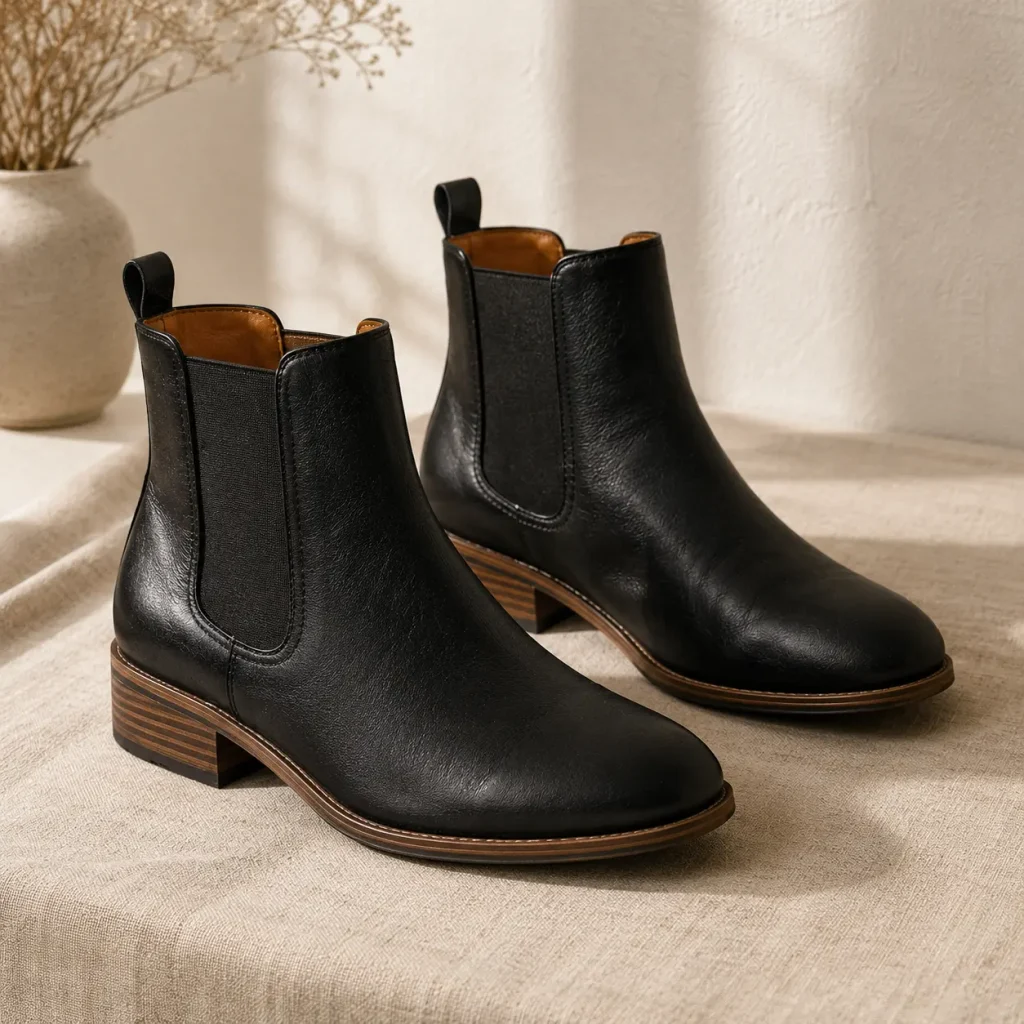
The Rook Boot is one of Bared’s hero products and a genuine best-seller, combining a versatile ankle-boot silhouette with the brand’s full biomechanical footbed underneath.
Why it’s a top pick:
- Versatile ankle-height design that pairs easily with a wide range of outfits across seasons
- Full biomechanical footbed with arch, heel, and metatarsal support built in
- A dependable everyday boot for people who are on their feet for extended stretches
Best for: anyone wanting one reliable, supportive boot that works across casual and slightly dressed-up outfits without looking clinical.
2. Bared Chauna Loafer — Best Everyday Loafer
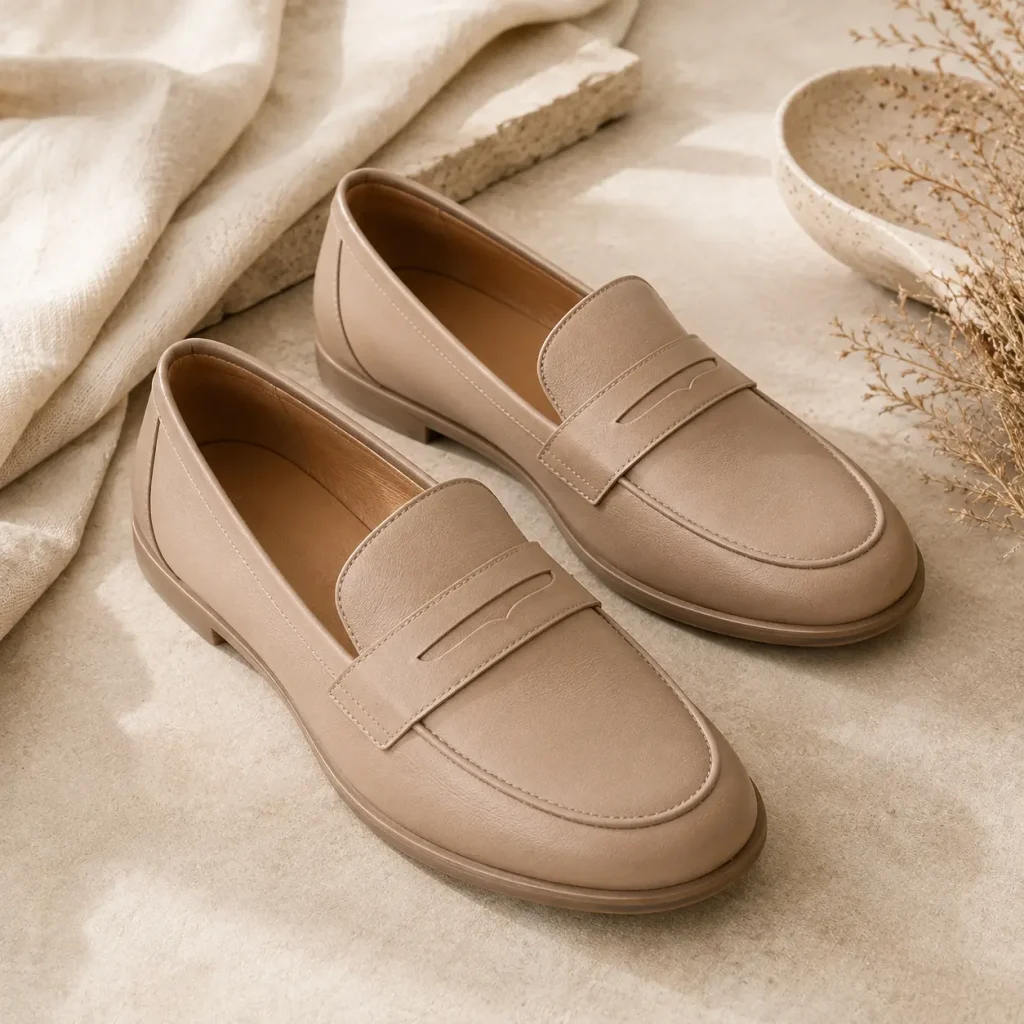
The Chauna Loafer has become one of the brand’s most talked-about styles, frequently highlighted by reviewers as one of the most comfortable loafers they have tried, in colorways ranging from classic black to chocolate brown suede.
Why it’s a top pick:
- Classic loafer silhouette that suits both office and casual settings
- Full biomechanical footbed hidden inside a genuinely stylish shape
- Available across multiple leather and suede finishes for different styling needs
Best for: office wear, travel days, and anyone who wants a loafer that performs like a supportive shoe without looking like one.
3. Bared Samarium Loafer — Best Statement Loafer
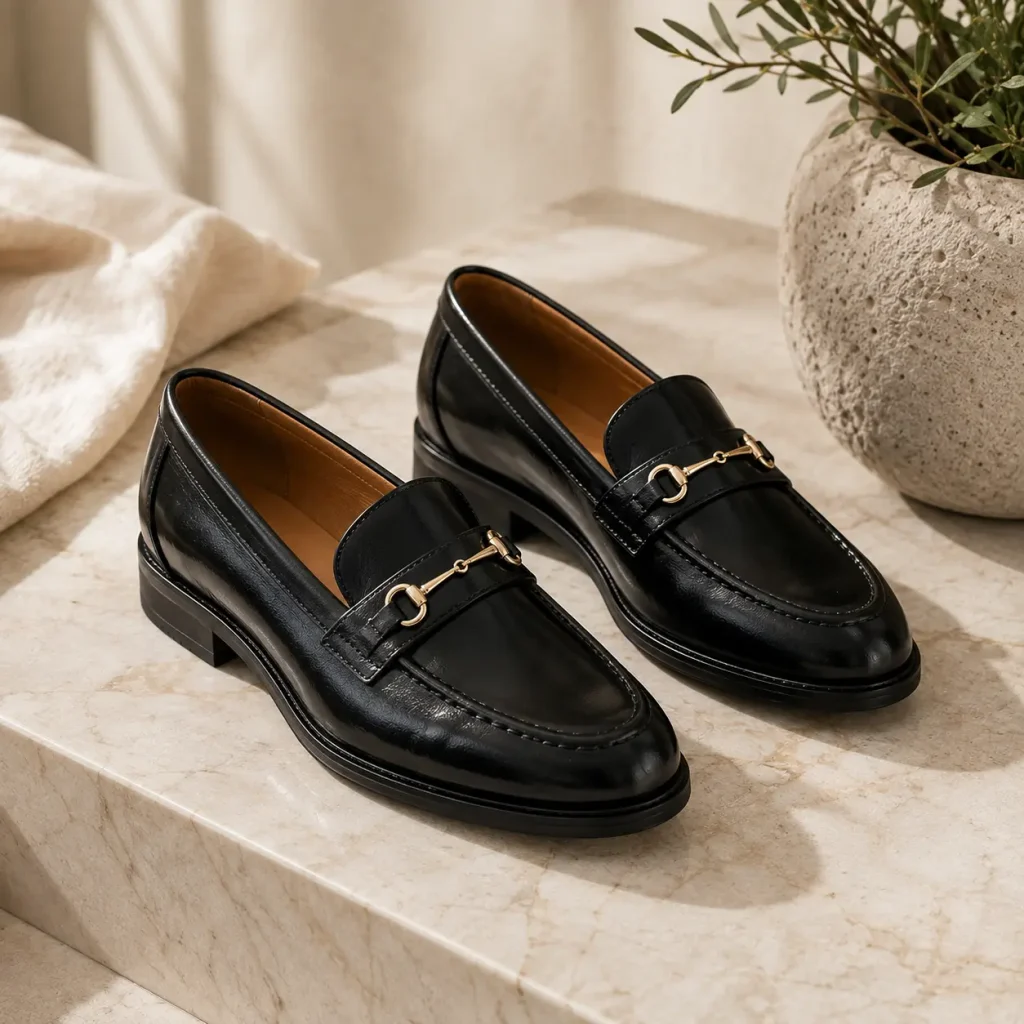
The Samarium Loafer offers a slightly more elevated take on the loafer silhouette, positioned among the brand’s hero products alongside the Rook Boot and Chauna Loafer.
Why it’s a top pick:
- A more refined, statement-making loafer design compared to the classic Chauna
- Same podiatrist-designed footbed and metatarsal support as the rest of the lineup
- A strong option for dressier professional or evening settings
Best for: wearers who want their loafer to feel slightly more polished or occasion-ready while keeping the same underlying support.
4. Bared Wedgebill Loafer — Best Classic Black Loafer
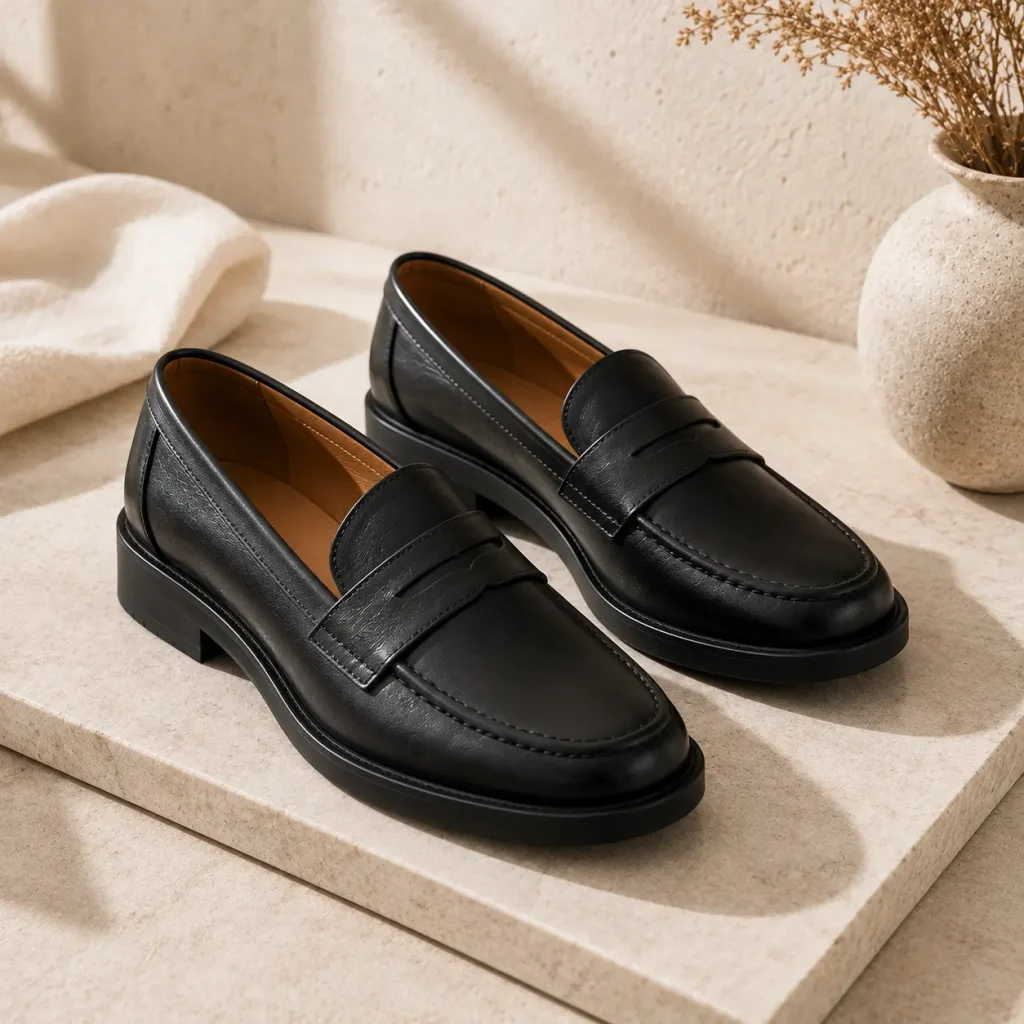
The Wedgebill offers a more understated, classic loafer shape, frequently featured in reviewer roundups in black boxed leather as a genuinely versatile daily-wear option.
Why it’s a top pick:
- Timeless, minimal loafer design suited to nearly any outfit
- Full biomechanical support built into a classic, low-key shape
- A strong “first Bared purchase” for buyers who want to start with the most versatile option
Best for: first-time Bared buyers who want a foundational, wear-with-everything loafer before exploring more distinctive styles.
5. Bared Stork Sneaker — Best Everyday Comfort Sneaker
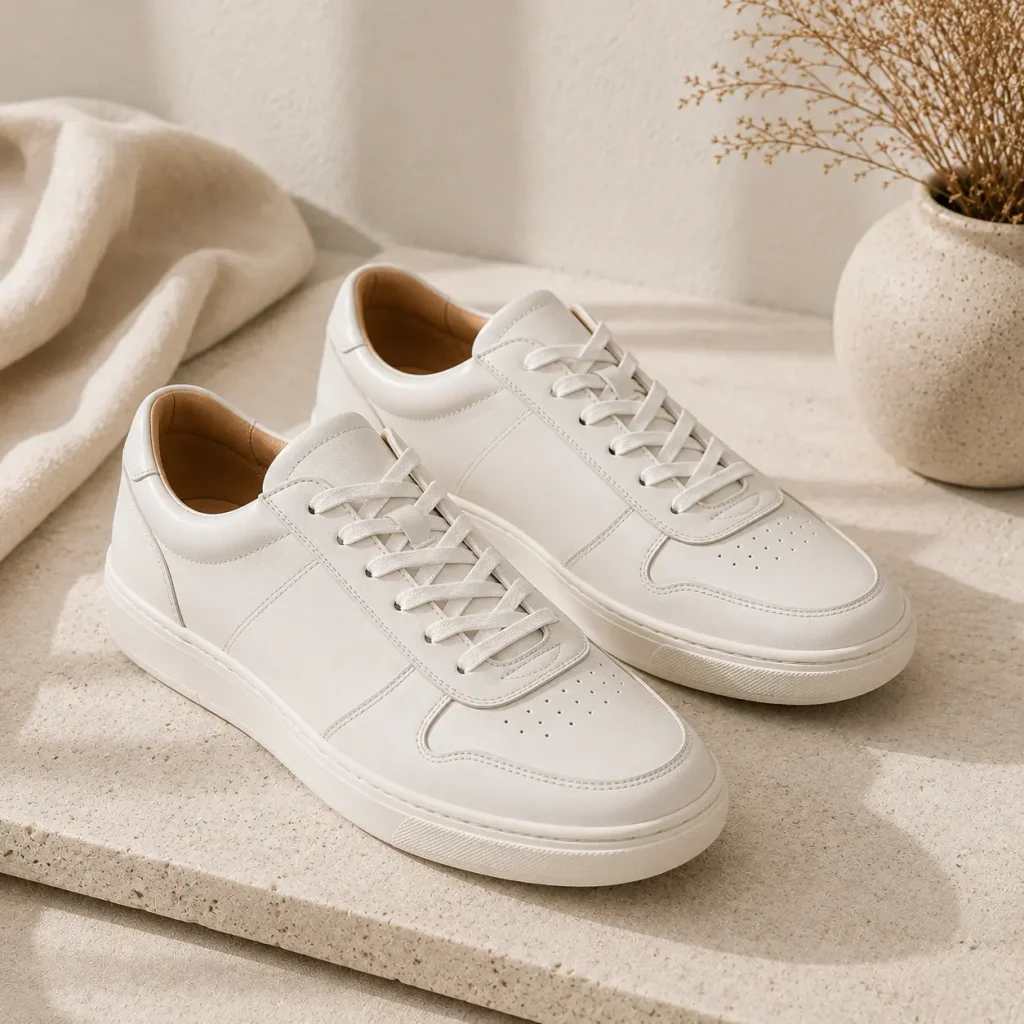
The Stork brings Bared’s biomechanical support into a genuine sneaker silhouette, offered in finishes like beige leather and suede for a casual, everyday look.
Why it’s a top pick:
- A true sneaker shape rather than a dressier flat disguised as casual footwear
- Full arch, heel, and metatarsal support built into a lightweight everyday design
- A practical pick for travel days, errands, and casual outfits requiring real comfort
Best for: anyone wanting comfortable everyday shoes in a genuine sneaker shape rather than a loafer or flat.
6. Bared Cygnet Sandal — Best Chunky Supportive Sandal
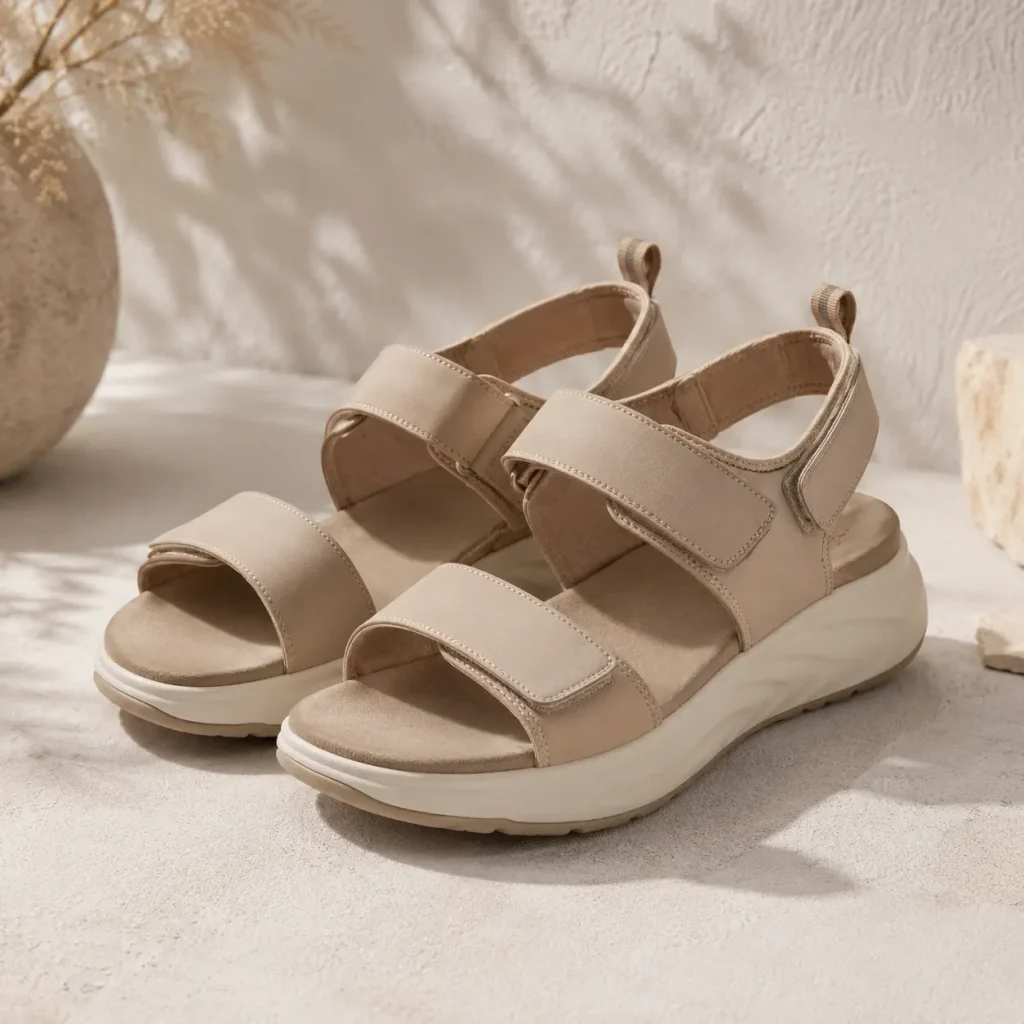
For warmer months, the Cygnet delivers a chunky, supportive sandal silhouette with adjustable velcro straps and intricate handwoven leather detailing — proof that a supportive sandal doesn’t have to look plain.
Why it’s a top pick:
- Adjustable strap system for a customized, secure fit
- Next-level arch support built specifically into the sandal’s structure
- A stylish, textured design that stands out from typical “orthopedic” sandal shapes
Best for: warm-weather wear, travel, and anyone who wants supportive fashion shoes in a sandal rather than a closed-toe shape.
7. Bared Sanderlings Sandal — Best Minimalist Rubber Sandal
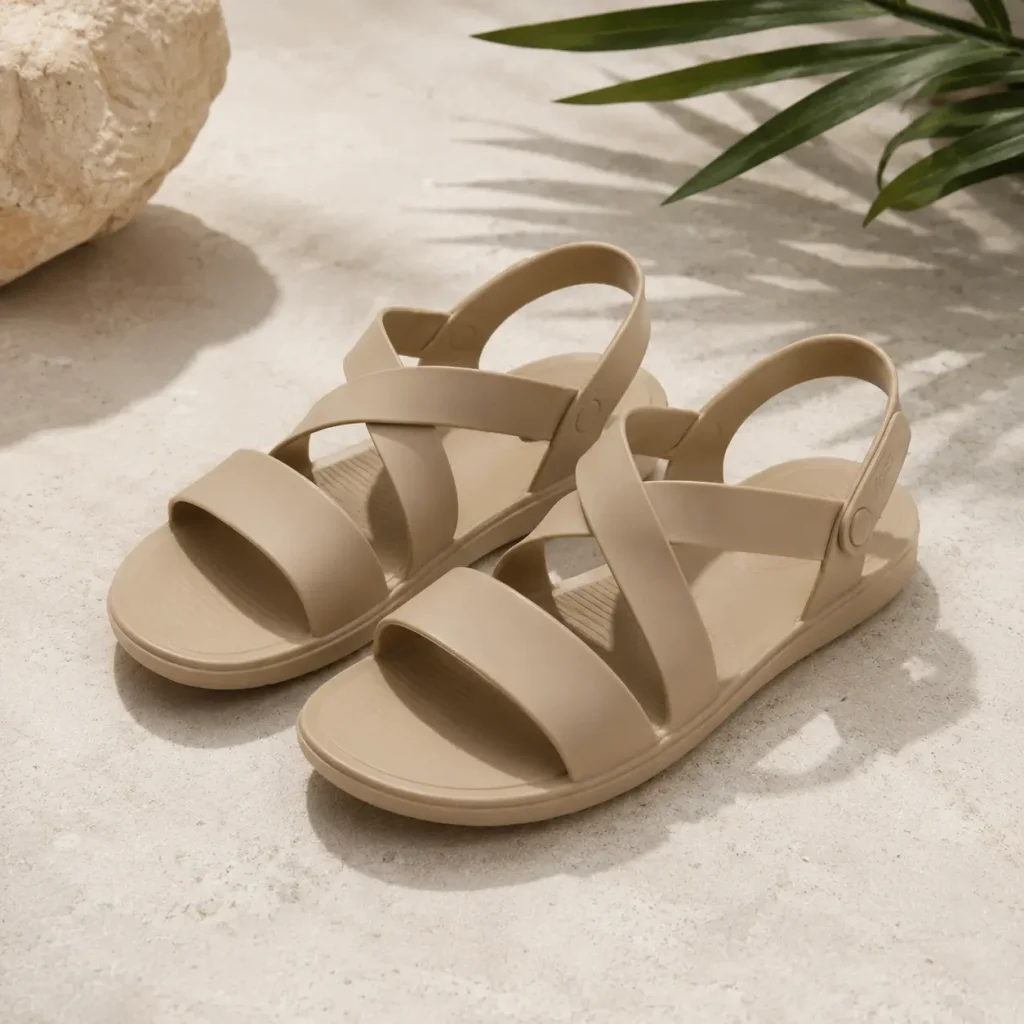
The Sanderlings takes a completely different approach to sandal design — a sleek, minimalist rubber flat sandal with a bold buckle detail, built from soft, flexible, water-friendly rubber.
Why it’s a top pick:
- Water-resistant, slip-resistant rubber construction suited to beach days and poolside wear
- Built-in arch support in a genuinely minimal, elevated silhouette
- One of the brand’s best-selling sandal styles for easy, everyday summer wear
Best for: beach trips, poolside lounging, and anyone who wants understated summer style without giving up support.
8. Bared Tattler Boat Shoe — Best Smart-Casual Boat Shoe
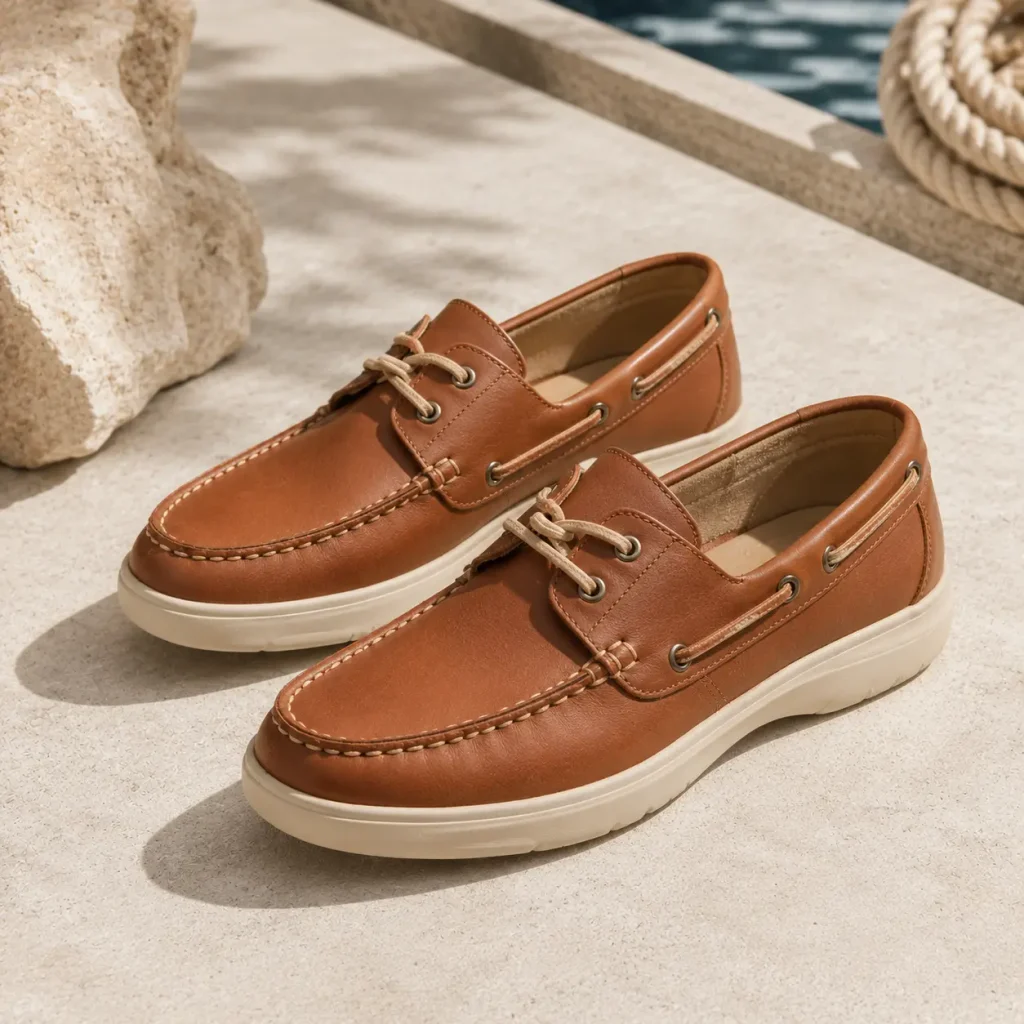
Rounding out the list, the Tattler brings Bared’s biomechanical support into a classic boat shoe silhouette, offered in finishes like chocolate brown leather for a genuinely smart-casual look.
Why it’s a top pick:
- Classic boat shoe shape suited to smart-casual and warm-weather outfits
- Same podiatrist-designed footbed found across the rest of the collection
- A distinctive option for wearers who want something other than a loafer or sneaker for casual dress-up occasions
Best for: smart-casual events, warm-weather travel, and anyone who wants a boat shoe that performs like a genuine comfort shoe.
Comparison Table: Which Bared Footwear Style Should You Buy?
| Style | Category | Best For |
|---|---|---|
| Rook Boot | Ankle boot | All-season everyday versatility |
| Chauna Loafer | Loafer | Office and casual daily wear |
| Samarium Loafer | Loafer | Dressier, statement-making occasions |
| Wedgebill Loafer | Loafer | Classic, foundational first purchase |
| Stork Sneaker | Sneaker | Genuine casual, everyday comfort |
| Cygnet Sandal | Sandal | Warm weather, adjustable support |
| Sanderlings Sandal | Sandal | Beach, pool, minimalist summer style |
| Tattler Boat Shoe | Boat shoe | Smart-casual, warm-weather dress-up |
Why Podiatrists Recommend Bared Shoes
Why podiatrists recommend Bared shoes comes down to the brand’s clinical origin and consistent design standards. Because founder Anna Baird designed the brand’s footbed system from a podiatrist’s perspective, every style shares the same underlying structural support — arch contouring, heel stabilization, and metatarsal dome cushioning — regardless of whether the shoe is a loafer, boot, sneaker, or sandal. This consistency matters clinically, since podiatrists recommending footwear to patients need confidence that the support claims hold up across the entire range, not just a single flagship product.
Reviewers and customers managing real foot conditions — including custom orthotic users, people with bunions, and those managing general heel or arch pain — have specifically noted being able to rely on Bared across their entire shoe wardrobe rather than needing to hunt for individually supportive pieces from different, less coordinated brands.
Bared Footwear vs Other Comfort Footwear Brands
In Bared Footwear vs other comfort brands comparisons, the clearest differentiator is the clinical design pedigree behind every style. Many comfort footwear brands add cushioning or a removable insole as a general feature; Bared’s footbed was engineered from the outset by a podiatrist around specific biomechanical goals — arch contouring, heel stabilization, and metatarsal support — applied consistently across boots, loafers, sneakers, and sandals rather than concentrated in one flagship “comfort” style. Among top rated Australian shoe brands 2026 conversations, this consistency, combined with the brand’s B Corp certification and fashion-forward design language, is a large part of why Bared continues to stand out in a category that includes plenty of competitors offering either style or support, but rarely both at the same depth.
Why Bared Footwear Is B Corp Certified
Why Bared Footwear is B Corp certified reflects a broader company commitment that extends beyond the shoes themselves. Bared became Australia’s first footwear label to earn B Corp certification, a designation awarded to companies that meet high standards of verified social and environmental performance, transparency, and accountability. This certification covers areas including ethical sourcing, environmental impact, and labor practices throughout the brand’s supply chain — a meaningful distinction in an industry where “sustainable” claims are often used loosely without independent verification.
Sustainable and Ethical Materials at Bared
Sustainable leather shoes and eco-friendly shoes Australia searches frequently surface Bared specifically because of its material choices. The brand has incorporated sugarcane-based footbed components and recycled materials into its construction process, and actively partners with material innovators to explore alternatives that reduce waste and environmental harm without compromising the comfort and durability customers expect. Bared also states a commitment to ensuring living wages and safe working conditions for the makers producing its shoes — a detail that goes beyond materials alone into the brand’s broader ethical sourcing practices.
Why Comfort and Style Don’t Have to Be a Trade-Off
Why comfort and style don’t have to be a trade-off is essentially Bared’s entire founding thesis. For decades, the assumption in footwear — reinforced by an industry that treated “supportive” and “fashionable” as separate product categories — was that genuine foot support required sacrificing visual appeal. Bared’s biomechanical footbed system challenges that assumption directly by building the same structural support into loafers, boots, sneakers, sandals, and boat shoes, rather than confining support to a single, clinical-looking silhouette. The brand’s continued growth and loyal following among people who specifically need — not just want — supportive footwear suggests this approach genuinely works, rather than being purely a marketing angle.
How to Choose the Right Bared Style for You
With eight picks on this list, here’s a simple way to decide:
If you want one foundational, versatile piece, start with the Wedgebill Loafer or the Rook Boot — both work across a wide range of outfits and occasions.
If you spend most of your day in an office setting, the Chauna or Samarium Loafer will feel more at home than a sneaker or sandal.
If you need genuine everyday casual comfort, the Stork Sneaker delivers Bared’s support system in the most familiar, all-purpose shape.
If you’re shopping for warm weather, the Cygnet offers more structured, adjustable support, while the Sanderlings leans minimalist for beach and pool days.
If you want something distinctive for smart-casual occasions, the Tattler Boat Shoe offers a less common silhouette that still delivers the brand’s full support system.
How to Find Comfortable, Supportive Shoes Generally
Beyond Bared specifically, how to find comfortable supportive shoes as a general shopping principle comes down to checking for a few specific structural features rather than relying on marketing language like “comfort” or “cushioned” alone: a contoured arch support built into the footbed (not just a flat cushioned layer), a stable heel cup, a metatarsal or ball-of-foot support element if you experience pressure in that area, and a removable footbed if you use or might need custom orthotics. Bared happens to build all of these into its entire collection by default, which is part of why the brand shows up so consistently in comfort-focused footwear recommendations from podiatrists and style writers alike.
How to Fit Orthotics in Bared Shoes
How to fit orthotics in Bared shoes is more straightforward than with most fashion-forward footwear, since the brand’s biomechanical footbed is specifically designed to be removable. Simply take out the existing Bared footbed and replace it with your prescribed orthotic device, checking that the overall fit and depth of the shoe still accommodate the orthotic comfortably. Because Bared’s shoes are built with this removability in mind from the design stage, rather than as an afterthought, the fit tends to be more consistent than attempting to force an orthotic into a shoe never intended to accommodate one.
How to Choose the Right Bared Shoe Size
How to choose the right Bared shoe size starts with checking the brand’s specific size guide, since fit can vary slightly between loafers, boots, sneakers, and sandals even within the same brand. Because Bared’s biomechanical footbed adds structure that a flat, unsupported shoe doesn’t have, some new wearers find it helpful to try a half size compared to their usual size in unstructured footwear, particularly for closed styles like the Rook Boot or Stork Sneaker. Checking style-specific fit notes or customer reviews for the exact model you’re considering is a reasonable extra step before ordering.
How to Care for Bared Footwear Shoes
How to care for Bared Footwear shoes depends on the specific material. Leather styles like the Rook Boot, Chauna, and Wedgebill benefit from regular conditioning with a leather cream or polish to maintain both flexibility and appearance over time. Suede styles should be brushed regularly with a dedicated suede brush and treated with a protective spray to guard against staining and moisture damage. Rubber sandals like the Sanderlings can typically be wiped clean and are naturally more water-resistant than leather styles, making them a practical choice for beach or poolside wear. Across all styles, the removable biomechanical footbed can be taken out periodically to air dry, helping to reduce odor buildup over time.
Frequently Asked Questions
What is Bared Footwear?
Bared Footwear is an Australian shoe brand founded in Melbourne in 2008 by podiatrist Anna Baird, known for building a biomechanical footbed with hidden “secret support” into fashion-forward loafers, boots, sneakers, and sandals. The brand became Australia’s first footwear label to earn B Corp certification.
Are Bared shoes good for foot support?
Yes — every style in the Bared collection is built around the same biomechanical footbed system, including arch support, heel stabilization, and metatarsal dome cushioning, regardless of whether the shoe is a loafer, boot, sneaker, or sandal. This consistency is part of why the brand is frequently recommended by podiatrists to patients managing real foot conditions.
Is Bared Footwear true to size?
Bared recommends checking the brand’s specific size guide before ordering, since the biomechanical footbed adds structure that can affect fit slightly differently than an unsupported, flat shoe. Some wearers find it helpful to consider a half size adjustment for structured styles like boots and sneakers, so reviewing style-specific fit notes is a reasonable extra step.
Are Bared shoes worth the price?
For people who specifically need genuine arch, heel, and metatarsal support without sacrificing style, Bared’s combination of podiatrist-designed engineering, quality materials, and B Corp-certified ethical sourcing generally justifies the higher price point compared to either purely fashion-focused shoes with no real support or purely clinical orthopedic shoes with limited style options.
Do Bared shoes fit orthotics?
Yes — Bared’s biomechanical footbed is designed to be removable, allowing wearers to swap in their own prescribed orthotic device in place of the brand’s standard footbed. This built-in removability tends to result in a more consistent, comfortable fit than trying to add an orthotic to a shoe not originally designed to accommodate one.
Is Bared Footwear sustainable?
Bared became Australia’s first footwear label to earn B Corp certification, reflecting verified standards around ethical sourcing, environmental impact, and labor practices. The brand has also incorporated sugarcane-based footbed components and recycled materials into its construction, alongside a stated commitment to living wages and safe conditions for the people making its shoes.
Who founded Bared Footwear, and why does that matter?
Bared was founded by Anna Baird, a practicing podiatrist who grew frustrated recommending patients wear supportive shoes she herself would never choose to wear. That clinical background shapes the brand’s entire design philosophy, since every structural support element in the collection — from arch contouring to metatarsal domes — was built by someone with direct, firsthand knowledge of how the foot actually functions and where pain commonly develops.
Final Thoughts
Bared Footwear has spent nearly two decades proving that a shoe designed by a podiatrist doesn’t have to look like it. Whether you want the all-season versatility of the Rook Boot, the office-ready comfort of the Chauna Loafer, the casual reliability of the Stork Sneaker, or the warm-weather support of the Cygnet Sandal, each pick on this list applies the same biomechanical footbed philosophy to a different part of your wardrobe and your day.
If you’re exploring the wider footwear landscape beyond podiatrist-designed comfort shoes, take a look at our full roundup of 8 Famous Footwear Brands That Redefine Everyday Style for more brands solving different everyday comfort problems.