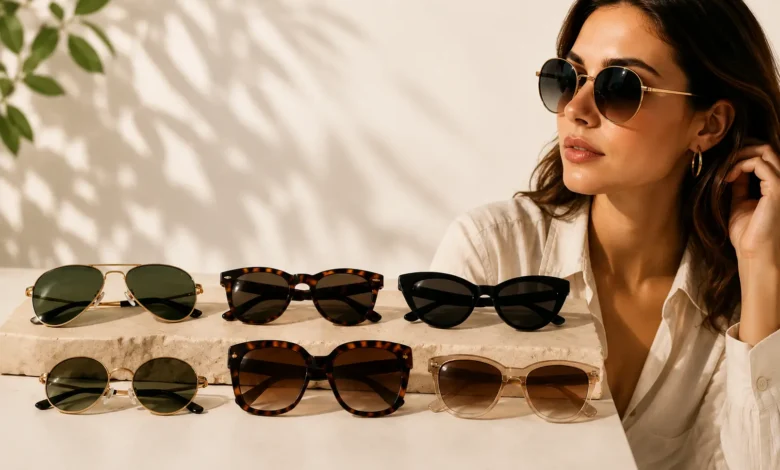
Sunglasses are unique among accessories because they’re often the very first thing people notice about your outfit, framing your face before anyone registers what you’re wearing underneath. They’re also one of the few accessories that combine style with genuine health function, protecting your eyes from UV damage that can contribute to cataracts and other long-term eye conditions. Choosing the right pair means balancing both, which is what this guide is designed to help you do.
Whether you’re buying your first “real” pair of sunglasses, building out a small collection for different activities, or navigating prescription eyewear for the first time, this guide walks through everything from face-shape matching to lens technology to seasonal care. It’s part of our broader Accessories Guide, where we cover how every accessory category works together to build a complete, intentional wardrobe.
Why Sunglasses Matter for More Than Style
It’s easy to think of sunglasses purely as a fashion accessory, but their primary function is protective. Prolonged UV exposure is linked to cataracts, macular degeneration, and other long-term eye health concerns, and this exposure accumulates over a lifetime, which is why eye care professionals recommend wearing proper UV-blocking sunglasses regularly, not just on obviously sunny days. Cloudy days still transmit significant UV radiation, and reflective surfaces like water, snow, and pavement can intensify exposure even further.
Beyond long-term eye health, sunglasses reduce squinting, eye strain, and headaches caused by bright light, particularly during activities like driving, where sudden glare can be genuinely hazardous. This dual role — protective and stylistic — is exactly why it’s worth understanding both the fashion and the functional side before making a purchase, rather than treating the decision as style alone.
Choosing Sunglasses for Your Face Shape
While personal preference should always come first, understanding a few general guidelines can help narrow down flattering shapes when you’re shopping, especially if you feel overwhelmed by the sheer number of options available.
Round faces are often balanced by angular frames — square or rectangular shapes that add definition and contrast to soft, curved features. Geometric frames in particular can add structure that a round face otherwise lacks.
Square faces, characterized by a strong jawline and broader forehead, tend to be softened by rounder or oval frames, which balance out angular bone structure without competing with it.
Oval faces are considered the most versatile face shape for sunglasses, generally able to wear most frame shapes well, from oversized round frames to sharp geometric styles, since the face’s balanced proportions accommodate a wide range of shapes.
Heart-shaped faces (narrower at the jaw, wider at the forehead) often pair well with frames that are wider at the bottom, like aviators or cat-eye shapes, which help balance the proportions of the face by drawing visual weight downward.
Diamond-shaped faces, with narrower foreheads and jawlines and wider cheekbones, often look balanced in oval or rimless frames, which soften the angularity of the cheekbone area.
These are starting points rather than strict rules — the best way to find your ideal shape is simply trying on a range of styles and noticing which ones you feel most confident in, regardless of what “should” work on paper according to general guidelines. Many people find that frames outside their “recommended” category still look great, because personal styling, hair, and overall proportions all interact with frame shape in ways that generic rules can’t fully predict.
Popular Sunglasses Styles Explained
Aviators feature a teardrop lens shape and thin metal frames, originally designed for pilots in the 1930s. They’ve remained a timeless style for decades due to their flattering, face-framing shape that works on nearly everyone, and they’ve cycled in and out of trend status without ever fully disappearing, which says something about their genuine versatility.
Wayfarers have a trapezoidal shape with thicker frames, offering a bolder, more retro look than aviators. They work well for both casual and slightly dressed-up outfits, making them one of the most versatile styles available, and their thicker frame construction also tends to be more durable for everyday wear and tear.
Cat-eye frames feature an upswept outer corner, adding a feminine, retro edge to any outfit. They pair particularly well with vintage-inspired or romantic styling, and modern reinterpretations range from subtle upswept corners to dramatic, sharply angled versions.
Round frames offer a softer, more bohemian aesthetic, popular for both fashion and function among those seeking a distinctive, less mainstream shape. They’ve had a strong resurgence in recent years, particularly in smaller, vintage-inspired sizes.
Oversized frames provide maximum coverage and sun protection while making a strong style statement, especially popular for travel and beach settings where both function and glamour matter. The larger lens area also offers genuinely better UV protection for the skin around the eyes.
Rimless and thin-metal frames offer a minimal, understated look, ideal for those who prefer their sunglasses to blend into an outfit rather than serve as the focal point, and they tend to feel lighter on the face for extended wear.
Shield and wraparound frames cover a wider field of vision with a single continuous lens or minimal bridge detail, originally developed for sports use but increasingly adopted as a bold fashion statement, particularly for those drawn to a more futuristic aesthetic.
Also Read: Scarves and Wraps: The Ultimate Styling Guide
Understanding Lens Quality and UV Protection
Style matters, but lens quality is what actually protects your eyes, and it’s worth understanding the basics before purchasing, regardless of price point. Look for sunglasses labeled with 100% UV400 protection, which blocks both UVA and UVB rays — this is the single most important factor in a pair of sunglasses, more important than brand name or price. Notably, lens darkness alone doesn’t indicate UV protection; a very dark lens without proper UV filtering can actually be worse for your eyes than no sunglasses at all, since your pupils dilate in response to the reduced brightness, allowing more unfiltered UV light to enter.
Polarized lenses reduce glare from reflective surfaces like water, snow, and pavement, making them especially useful for driving, beach days, boating, and outdoor sports. They don’t provide additional UV protection on their own, so it’s worth confirming a polarized pair also carries proper UV400 labeling, since these are two separate features that happen to often be bundled together in quality sunglasses.
Lens color affects both aesthetics and function. Gray and green lenses offer the most true-to-life color perception, making them a solid everyday choice for general wear. Brown and amber lenses enhance contrast, which can be useful in variable light conditions like overcast days or when driving through changing light. Mirrored lenses reduce brightness further and add a bold style element, though they can distort color perception slightly more than standard tints, which is worth considering if you need accurate color perception for activities like driving.
Photochromic lenses, which darken automatically in response to UV light and lighten indoors, offer convenience for people who move between indoor and outdoor settings frequently throughout the day, though they typically don’t darken as effectively inside a car, since most windshields already block much of the UV light that triggers the reaction.
Sunglasses Styles at a Glance
| Style | Frame Shape | Best Face Shapes | Vibe |
|---|---|---|---|
| Aviator | Teardrop, thin metal | Most face shapes | Classic, versatile |
| Wayfarer | Trapezoidal, thick frame | Round, oval | Retro, bold |
| Cat-Eye | Upswept outer corner | Round, heart-shaped | Feminine, vintage |
| Round | Circular | Square, angular | Bohemian, soft |
| Oversized | Large coverage | Oval, heart-shaped | Glamorous, protective |
| Shield/Wraparound | Continuous wide lens | Oval, square | Sporty, futuristic |
Sunglasses by Occasion and Lifestyle
Everyday wear: A versatile, medium-sized frame in a neutral color (black, tortoiseshell) works across the widest range of outfits and occasions, making it the smartest first investment for most people building out a small collection.
Driving: Polarized lenses significantly reduce glare from windshields and road surfaces, making driving safer and more comfortable, especially during sunrise and sunset hours when low-angle sun creates the most hazardous glare conditions.
Beach and outdoor activities: Oversized or wraparound frames provide maximum coverage and protection, and polarized lenses cut glare from water and sand dramatically, which matters both for comfort and genuine visibility safety near water.
Sports and active use: Wraparound, lightweight frames with rubberized grips at the nose and temples stay secure during movement, and many sport-specific sunglasses use impact-resistant polycarbonate lenses rather than glass, which is both safer and lighter for high-movement activities.
Travel: A durable, foldable pair that survives being tossed in a bag is more practical than a delicate, high-maintenance frame, even if it means sacrificing a small amount of style for durability during transit.
Formal or dressier settings: Sleek, smaller frames in classic shapes like aviators or thin cat-eye styles tend to feel more elevated than oversized, sporty styles, which can look out of place in more polished settings.
Also Read our main Accessories Guide to see how sunglasses fit into a complete accessorizing strategy for travel and weekend outfits.
Prescription Eyewear as a Style Statement
For those who wear prescription glasses daily, frames function as a near-permanent accessory rather than an occasional one, which makes choosing the right style even more important than it is for sunglasses worn only outdoors. The same face-shape guidelines that apply to sunglasses apply here, but daily glasses also benefit from considering your most common outfit styles and colors, since you’ll be wearing them constantly across nearly every context in your life.
Many people now own multiple pairs of prescription glasses the way they might own multiple bags — a classic, understated pair for work and daily wear, and a bolder, more fashion-forward pair for occasions where they want their glasses to make more of a statement. This approach has become increasingly affordable as more retailers offer budget-friendly frame options alongside premium lines.
Blue-light filtering lenses have also become popular for those who spend significant time on screens, aiming to reduce eye strain during long work or screen sessions, though it’s worth noting that research on blue-light filtering’s actual effectiveness is still evolving, and many eye care professionals suggest that taking regular screen breaks matters just as much, if not more, than the lens coating itself.
Transition or photochromic prescription lenses, which darken in sunlight and clear indoors, offer a convenient two-in-one option for people who don’t want to carry a separate pair of prescription sunglasses, though as noted earlier, they don’t darken as effectively behind a car windshield.
Sunglasses for Sports and Active Lifestyles
If you’re regularly active outdoors — running, cycling, hiking, golfing, or playing court sports — general fashion sunglasses often fall short of what’s actually needed for performance and safety. Sport-specific sunglasses typically feature a wraparound design that blocks peripheral light and wind, lightweight and flexible frame materials (often nylon-based rather than heavier acetate or metal), rubberized nose pads and temple tips that stay secure even with sweat, and polycarbonate lenses that resist shattering on impact, which matters significantly for sports with fast-moving balls or equipment.
Some athletes also opt for interchangeable lens systems, allowing a single frame to swap between different lens tints for varying light conditions — a clear or lightly tinted lens for overcast days, a darker tint for bright sun, and sometimes a specialized tint for specific sports like cycling or fishing, where contrast enhancement improves visibility of terrain or water conditions.
Sunglasses for Kids
Children’s eyes are actually more vulnerable to UV damage than adult eyes, since the lens inside a child’s eye is more transparent and allows more UV light to reach the retina, and cumulative sun exposure during childhood contributes to lifetime UV exposure totals. This makes proper UV-blocking sunglasses genuinely important for kids, not just a style accessory.
When shopping for children’s sunglasses, prioritize the same 100% UV400 protection standard used for adult sunglasses, and look for durable, flexible frame materials that can handle drops and rough play without breaking. Many children’s sunglasses now include adjustable or elastic straps to help keep them in place during active play, and polarized, shatter-resistant lenses add an extra layer of both comfort and safety for active kids.
Materials: Metal, Acetate, and Beyond
Acetate frames are made from a plant-based plastic that allows for rich colors, patterns, and tortoiseshell effects. They’re durable, lightweight, and the most common material for fashion-forward frames, and their construction allows for more design variety than metal alone.
Metal frames offer a thinner, more minimal profile and tend to feel more classic or professional. They’re generally more flexible and resistant to breaking than acetate, though they can be more prone to bending out of shape with rough handling, and prolonged contact can occasionally cause skin sensitivity in those with metal allergies, which is worth considering if you’ve had reactions to costume jewelry in the past.
Combination frames mix metal and acetate elements, often using metal for the bridge and temples while using acetate for the front, offering a balance of durability and style versatility that’s become increasingly popular in recent years.
TR90 and other flexible polymers are increasingly used in both fashion and sport frames for their lightweight, highly flexible properties, which allow the frame to bend without breaking under stress — a useful quality for active use or for anyone who tends to be rough on their glasses.
Sunglasses Across Budgets
Budget-friendly (under $30): Reasonable for trend-driven shapes or as a backup pair, but always verify genuine UV400 labeling, since cheaper unbranded sunglasses sometimes lack real protection despite dark-tinted lenses that suggest otherwise.
Mid-range ($30–$150): This tier typically offers reliable UV protection, better lens clarity, and sturdier frame materials, making it a solid range for an everyday go-to pair that you’ll wear regularly for a few years.
Premium ($150+): Designer and premium optical brands often provide superior lens technology, more durable frame materials, and better warranty or repair support, which can be worthwhile if you wear sunglasses daily or have specific vision needs alongside your sun protection, since some premium brands offer lens replacement services that extend a frame’s usable life significantly.
Common Sunglasses Mistakes to Avoid
Prioritizing style over UV protection. A great-looking pair with no real UV filtering does more harm than good, since dark lenses without protection cause pupils to dilate and let in more UV exposure than wearing no sunglasses at all.
Buying based on trends alone. Trend-driven shapes can look dated quickly. Anchor your collection in one or two timeless styles, like aviators or classic wayfarers, and treat bold trend pieces as occasional additions rather than your primary pair.
Ignoring fit. Sunglasses that slide down your nose or pinch at the temples will go unworn no matter how flattering they look in a mirror. Try before buying whenever possible, or check a brand’s fit guide carefully, including nose bridge width and temple length.
Skipping a hard case. Soft pouches or loose storage in a bag lead to scratched lenses and bent frames far faster than a proper hard case, which is a small investment relative to the cost of the sunglasses themselves.
Leaving sunglasses in extreme heat. A hot car or direct sun exposure can warp frames and damage lens coatings, shortening the lifespan of even high-quality pairs. This is one of the most common, and most avoidable, causes of premature sunglasses damage.
Assuming all dark lenses are equal. Lens darkness is a cosmetic quality, not a protection measure. Always check for an explicit UV400 or 100% UV protection label rather than assuming a darker tint means better protection.
Caring for Sunglasses and Eyewear
Always clean lenses with a microfiber cloth rather than tissue, paper towels, or clothing, which can create fine scratches over time that gradually degrade optical clarity. If lenses need more than a dry wipe, use a lens-specific cleaning solution rather than household glass cleaners, which can damage certain coatings like anti-reflective or blue-light filtering treatments.
Store sunglasses in a hard case when not in use, especially in bags where they might get crushed by other items like keys or a water bottle. Avoid leaving sunglasses in a hot car, since extreme heat can warp frames and damage lens coatings over time, and this damage is often irreversible once it occurs.
For metal frames, occasional tightening of the small screws at the hinges keeps the fit secure and prevents them from becoming loose or lopsided, and many optical retailers offer this adjustment for free even if you didn’t purchase the glasses there. If a frame becomes bent or misaligned, professional adjustment is generally safer than attempting to bend it back yourself, since incorrect force can crack acetate frames or permanently weaken metal ones.
Frequently Asked Questions
What’s the most important feature to look for in sunglasses?
100% UV400 protection is the most critical factor, regardless of style or price point. This blocks both UVA and UVB rays and is the primary function sunglasses serve beyond style, protecting long-term eye health.
Are polarized lenses necessary?
They’re not strictly necessary, but they significantly reduce glare from reflective surfaces like water, snow, and pavement, making them especially useful for driving, boating, and outdoor activities near water or snow.
How do I find sunglasses that flatter my face shape?
General guidelines suggest angular frames for round faces and rounder frames for square faces, with oval faces able to wear most shapes well. Trying on a range of styles in person is the most reliable way to find your best fit, since personal proportions vary even within the same general face shape category.
How many pairs of sunglasses should I own?
One versatile, neutral-colored pair covers most needs, but many people benefit from a second pair — either a polarized option for driving and outdoor activities or a bolder style for fashion statements, and a third sport-specific pair if you’re regularly active outdoors.
How often should I replace my sunglasses?
There’s no fixed timeline, but if lenses become scratched, frames become loose or warped, or UV protection coatings visibly degrade, it’s time to replace them, since scratched or damaged lenses can reduce protection and clarity.
Can dark sunglasses actually be bad for my eyes?
Yes, if they lack proper UV filtering. Dark lenses cause your pupils to dilate in low-light conditions, and without UV protection, this allows more harmful UV radiation to reach your eyes than if you wore no sunglasses at all. Always confirm genuine UV400 protection rather than judging by tint darkness alone.
Do kids need special sunglasses?
Yes. Children’s eyes are more vulnerable to UV damage than adult eyes, making proper UV-blocking sunglasses genuinely important during childhood. Look for the same UV400 standard as adult sunglasses, along with durable, flexible frames suited to active play.
Also Read: How to Style an Oversized Blazer: 5 Ways That Actually Work for Every Occasion