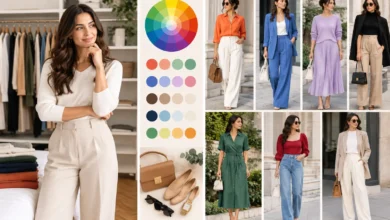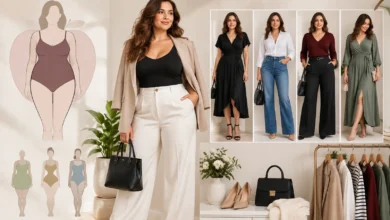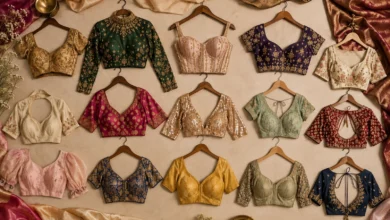
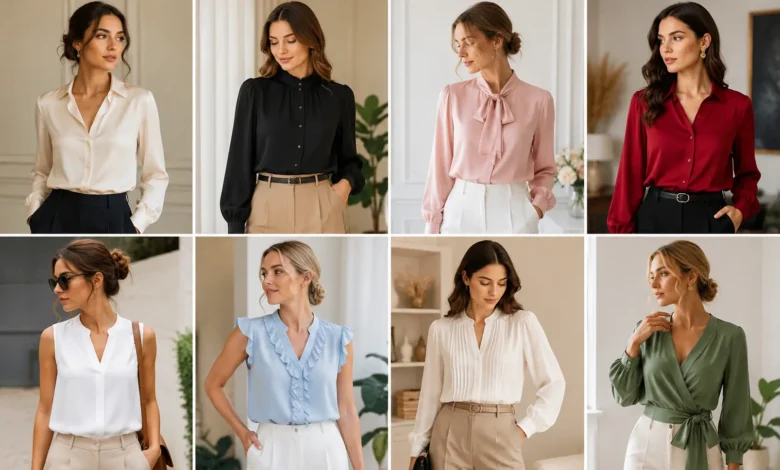
Few pieces in a woman’s wardrobe are as versatile as a blouse. It can move from a boardroom to a dinner date, from a casual weekend brunch to a formal evening event — all depending on the fabric, cut, and color you choose. Yet with so many womens blouse tops available, from a classic white blouse to a bold red blouse or a soft sleeveless style, it’s easy to feel unsure about which type actually suits your body, your closet, and the occasion you’re dressing for.
This guide breaks down what a blouse actually is, eight of the most useful and widely worn blouse types, and exactly how to style each one — from everyday casual wear to more polished, office-appropriate looks. Along the way, you’ll also find a full color guide covering white, black, pink, and red blouses, since color is often just as important as cut when it comes to building an outfit that works.
What Is a Blouse?
A blouse is a loose-fitting top designed for women, traditionally cut with a bit more drape and softness than a fitted shirt. The word itself comes from French fashion history, where it originally described a loose, flowing top worn by workers and later adopted into more formal womenswear.
What separates a blouse from a regular top or T-shirt is largely about structure and fabric. Blouses are typically made from lighter, often more fluid fabrics — silk, chiffon, satin, crepe, or fine cotton — and tend to have more tailored details like buttons, collars, or gathered sleeves. A blouse can be casual or formal, sleeveless or long-sleeved, plain or heavily embellished, which is exactly why “types of blouses” covers such a wide range of styles.
In everyday use, the terms “blouse” and “shirt” often get used interchangeably, but there is a subtle distinction. A shirt is generally more structured, often modeled after menswear tailoring, with a collar and button-front closure. A blouse, on the other hand, leans softer and more feminine in its cut, even when it includes some of those same details.
A Brief History of the Blouse
The blouse has a longer history than most people realize. It began as a practical, loose-fitting garment worn by laborers and peasants across Europe, valued for the freedom of movement it allowed. By the late 19th and early 20th centuries, the blouse had been adopted into women’s fashion as a separate from a skirt or trousers, becoming one of the first widely worn pieces that let women dress in a more tailored, professional way while still remaining distinct from menswear.
Through the decades, the blouse has continued to evolve alongside broader fashion movements — puffed sleeves and lace collars in the Victorian era, simple button-fronts during wartime rationing, bold prints and dramatic bows in the 1970s and 80s, and today’s mix of minimalist silhouettes alongside romantic, detail-heavy styles. That long history is part of why the blouse remains such a flexible piece: it has always adapted to what women actually need from their clothing, whether that’s practicality, formality, or self-expression.
What Makes a Good Blouse
Before getting into specific types, it helps to understand a few qualities that separate a genuinely well-made, well-fitting blouse from one that just looks fine on a hanger.
Fabric Quality
The fabric a blouse is made from affects everything from how it drapes on the body to how appropriate it is for a given season or occasion. Silk and satin blouses have a natural sheen and softness that reads as more formal, while cotton and linen blouses feel more casual and breathable, better suited to warm weather and everyday wear.
Fit Through the Shoulders and Bust
A blouse should sit comfortably through the shoulders and bust without pulling at the buttons or gaping open. This is one of the most common fit issues women run into with blouses, and it’s worth trying a size up or looking for styles with a bit more ease through the chest if this happens regularly.
Neckline
Necklines dramatically change how a blouse looks and who it flatters. Round necks, V-necks, collared necklines, and tie-neck styles all create a different visual effect, and choosing the right one for your face shape and comfort level matters more than most people expect.
Sleeve Style
Sleeve length and shape affect both the formality and the season a blouse is best suited for. Long sleeves and puff sleeves tend to read as more polished; sleeveless and cap-sleeve styles are better suited to warm weather or layering under a jacket or cardigan.
1. Silk Blouse
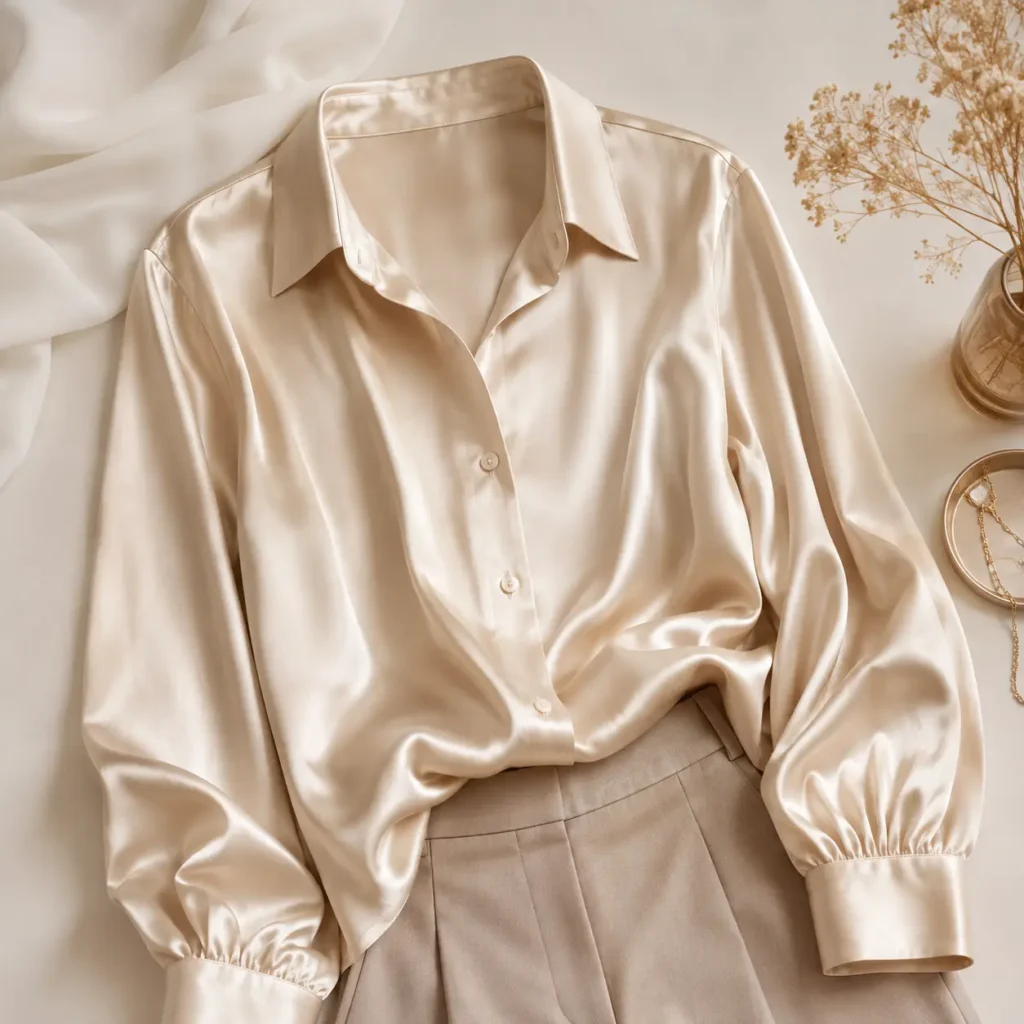
The silk blouse is, by a wide margin, one of the most searched and most reached-for blouse types, particularly heading into fall and winter. Its natural sheen and soft drape give it an elevated, slightly luxurious feel that instantly upgrades even a simple outfit. A silk blouse works equally well tucked into tailored trousers for the office or paired with jeans for a smart-casual weekend look.
Because silk is a delicate fabric, it also tends to hold color beautifully — a jewel-toned silk blouse in emerald, burgundy, or navy has a richness that’s harder to achieve in cotton or polyester blends.
How to wear it: Tuck a silk blouse into high-waisted trousers or a pencil skirt for office wear, finished with simple gold jewelry. For a more relaxed look, leave a few buttons undone and pair it with straight-leg jeans and flats. Silk blouses also layer well under blazers without adding bulk.
2. Chiffon Blouse
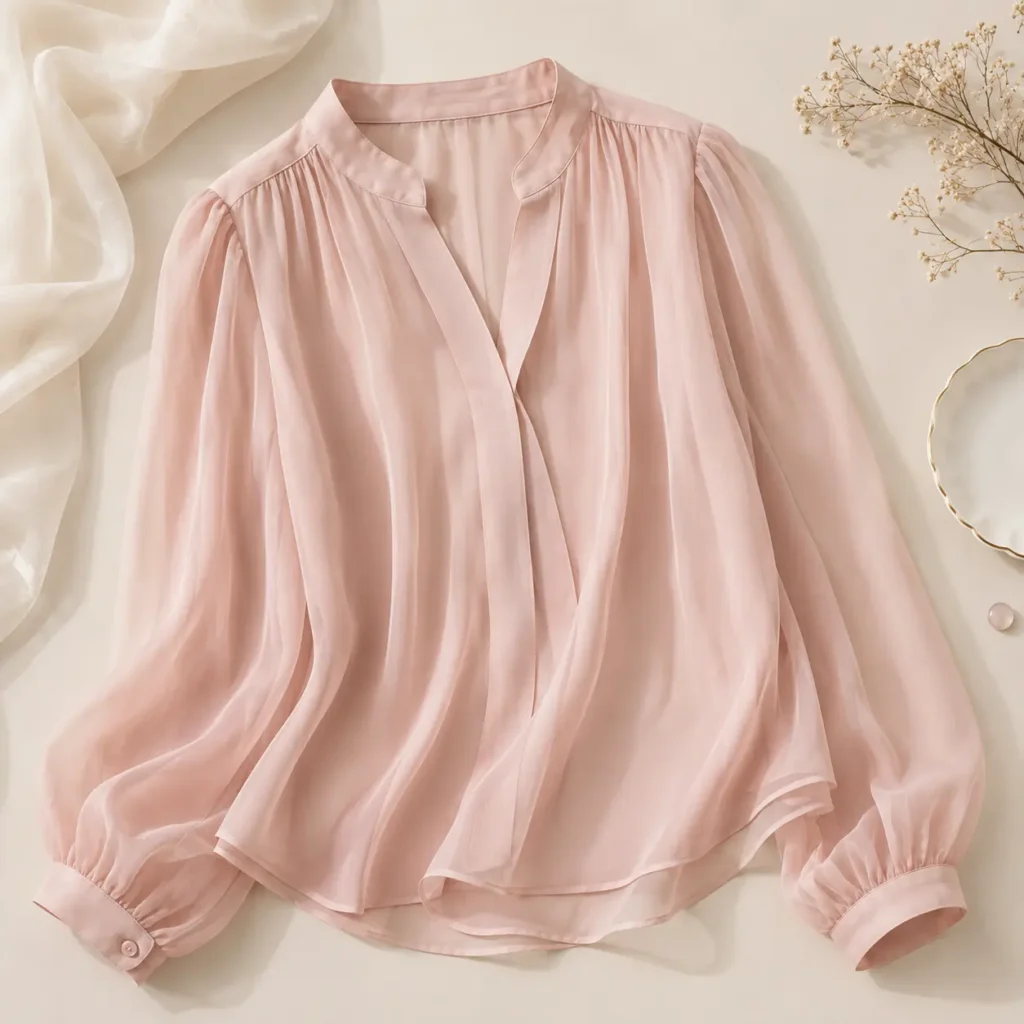
Chiffon is a lightweight, semi-sheer fabric that gives blouses a soft, floaty movement — perfect for warmer months or occasions where you want something feminine without feeling heavy. A chiffon blouse often includes a camisole or lining underneath, since the fabric itself is naturally translucent.
This type of blouse tends to work particularly well for spring and summer wardrobes, and it’s a popular choice for both casual daytime looks and slightly dressier evening occasions.
How to wear it: Pair a chiffon blouse with high-waisted shorts or a flowy skirt for a breezy summer look, or tuck it into tailored trousers for a soft, office-appropriate outfit. Because chiffon has movement built into the fabric, keeping the rest of the outfit relatively simple lets the blouse itself stand out.
3. Casual Cotton Blouse
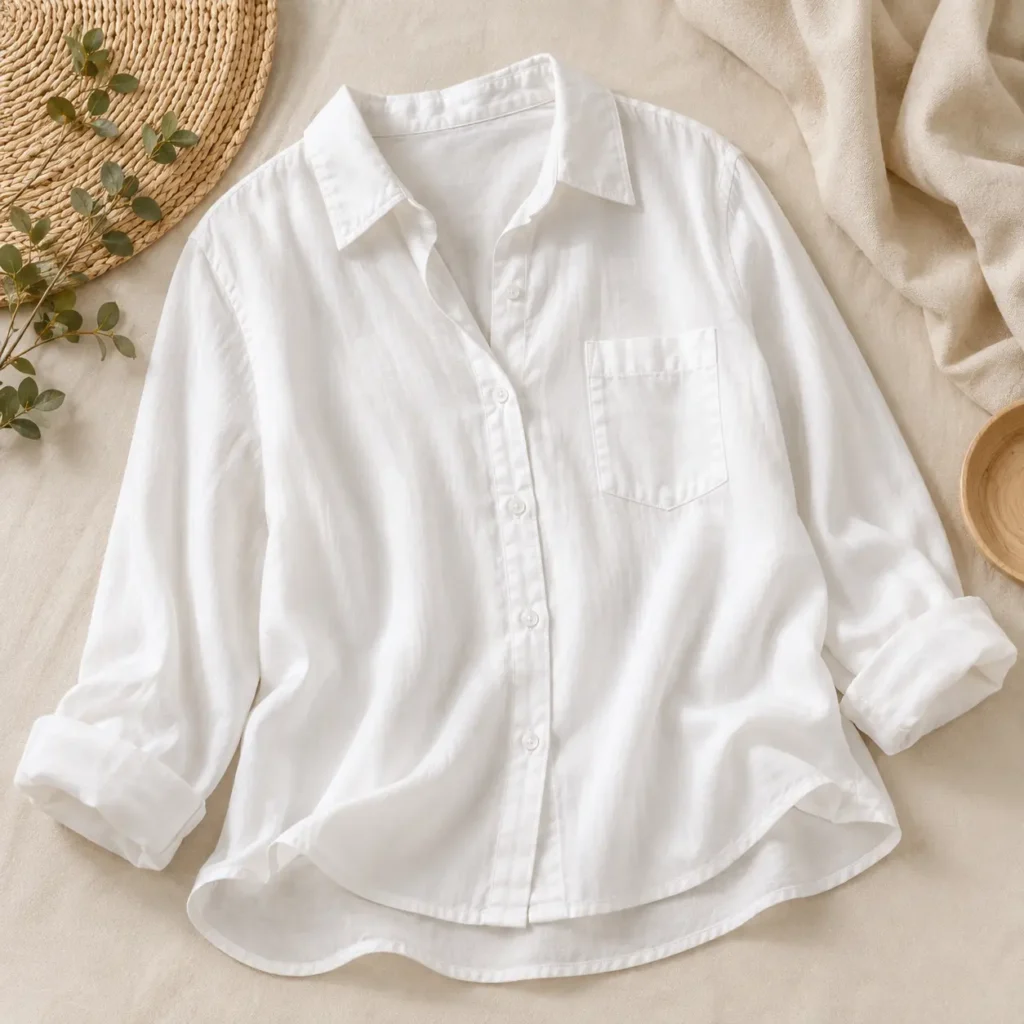
The casual cotton blouse is the most reliably worn blouse type across the calendar year, and search interest for “casual blouse” consistently outpaces almost every other blouse category. Made from breathable cotton or a cotton blend, this style typically has a relaxed fit, simple detailing, and enough versatility to work for nearly any everyday setting — running errands, meeting friends for coffee, or a laid-back workday.
Its appeal comes largely from its low-maintenance nature. Cotton blouses are easy to wash and care for, hold their shape well, and don’t require the same delicate handling that silk or chiffon pieces do.
How to wear it: Pair a cotton blouse with jeans and sneakers for an easy daytime look, or dress it up slightly with wide-leg trousers and loafers. A cotton blouse also works well knotted at the waist over shorts or a skirt for a more casual, warm-weather outfit.
4. Sleeveless Blouse
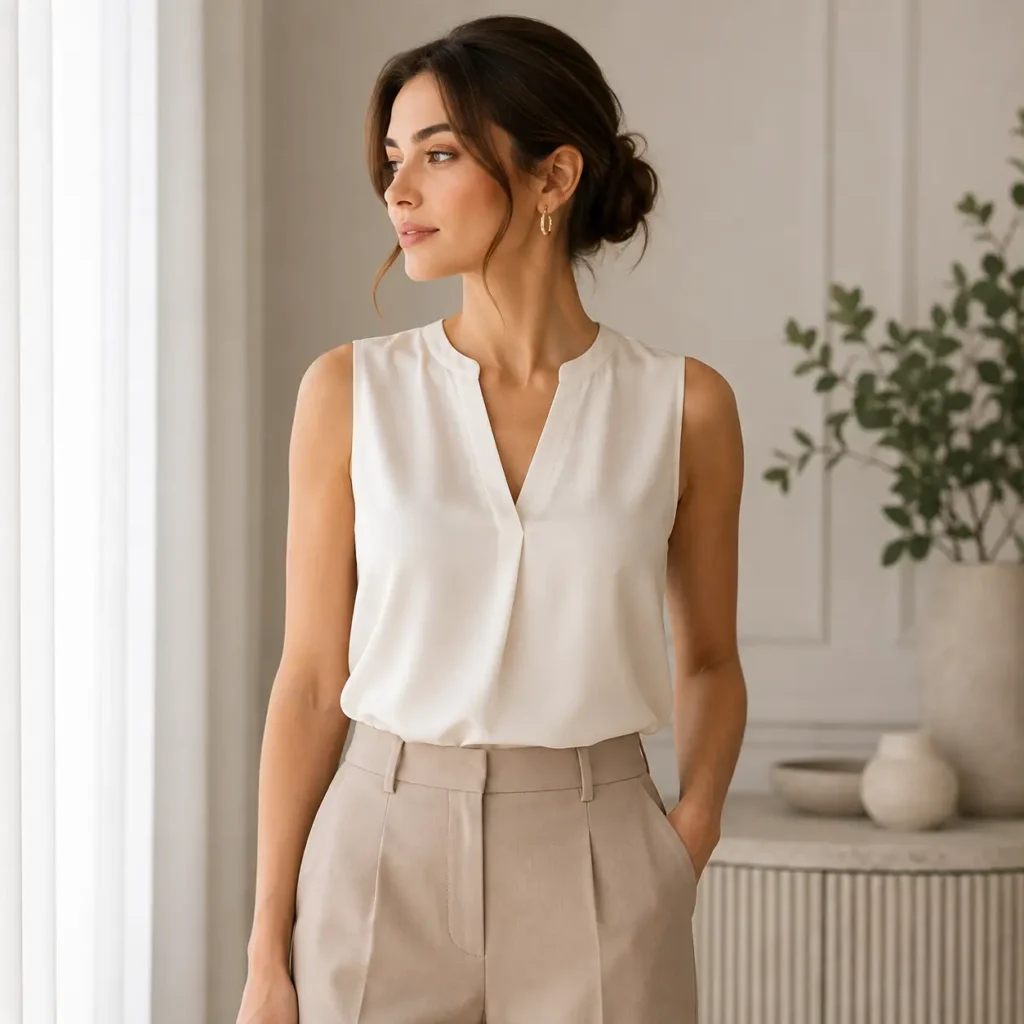
A sleeveless blouse is one of the most practical womens blouse tops for warm weather, layering, and professional settings where long sleeves can feel too warm under a blazer or cardigan. Without sleeves competing for attention, the neckline and fabric of a sleeveless blouse often become the focal point of the outfit.
This style is especially useful in office wardrobes, since it layers cleanly under a blazer for meetings and can be worn on its own on warmer days or in air-conditioned spaces.
How to wear it: For work, pair a sleeveless blouse with a blazer and tailored trousers, removing the blazer once you’re at your desk. For casual wear, tuck it into a denim skirt or shorts and add a light cardigan for cooler evenings. A well-fitted sleeveless blouse also works nicely under a structured vest for a layered, polished look.
5. White Blouse
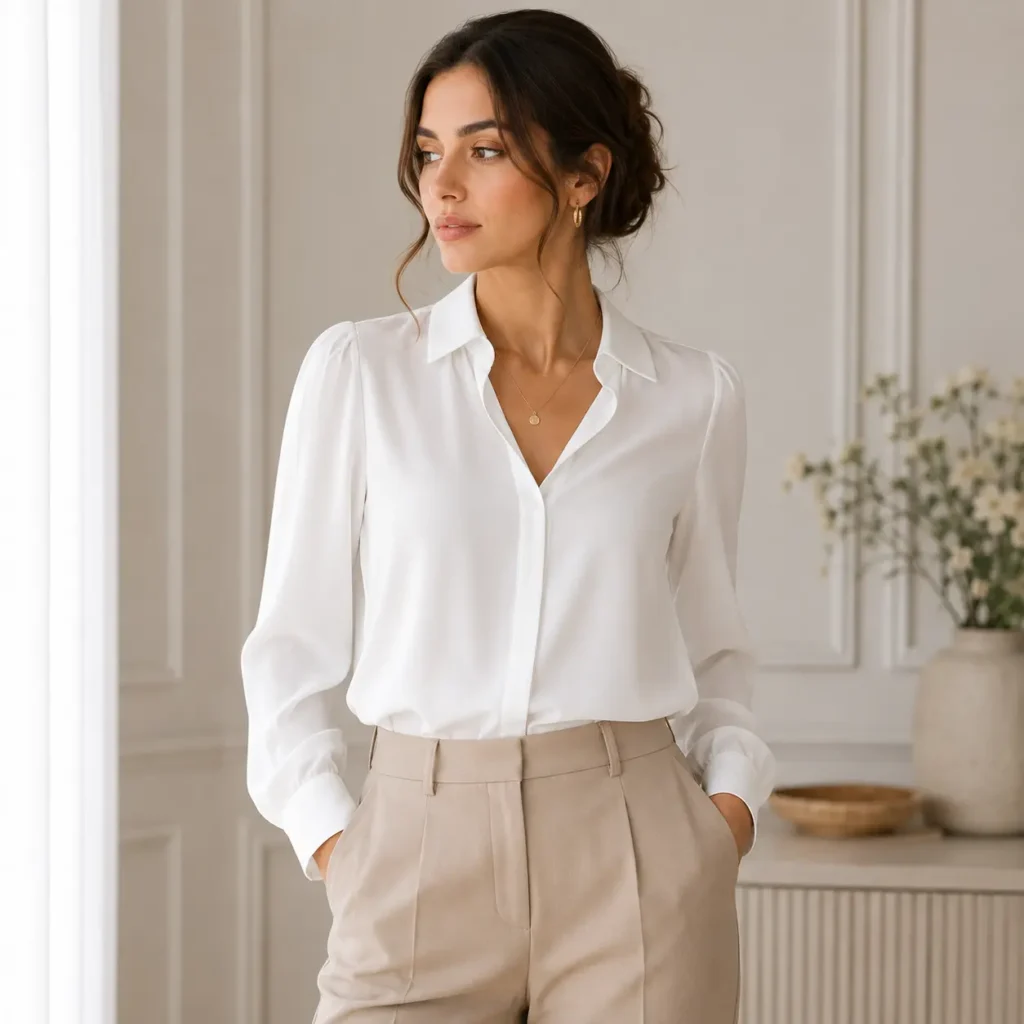
The white blouse might be the single most essential piece on this list — a true wardrobe staple that pairs with almost anything and works across nearly every occasion, from job interviews to weekend brunch. Whether you’re searching for a white womens blouse in cotton for everyday wear or a silk white blouse for something dressier, this color’s versatility is unmatched.
A crisp white blouse instantly reads as clean and put-together, which is part of why it remains a go-to choice for professional settings, though it works just as well styled down for a casual outfit.
How to wear it: For a polished, office-ready look, tuck a white blouse into a pencil skirt or tailored trousers and add simple jewelry. For a casual outfit, pair it with straight-leg jeans and loafers or sneakers. A white blouse also pairs beautifully under a blazer, cardigan, or denim jacket, since its neutral color won’t clash with any layering piece.
6. Black Blouse
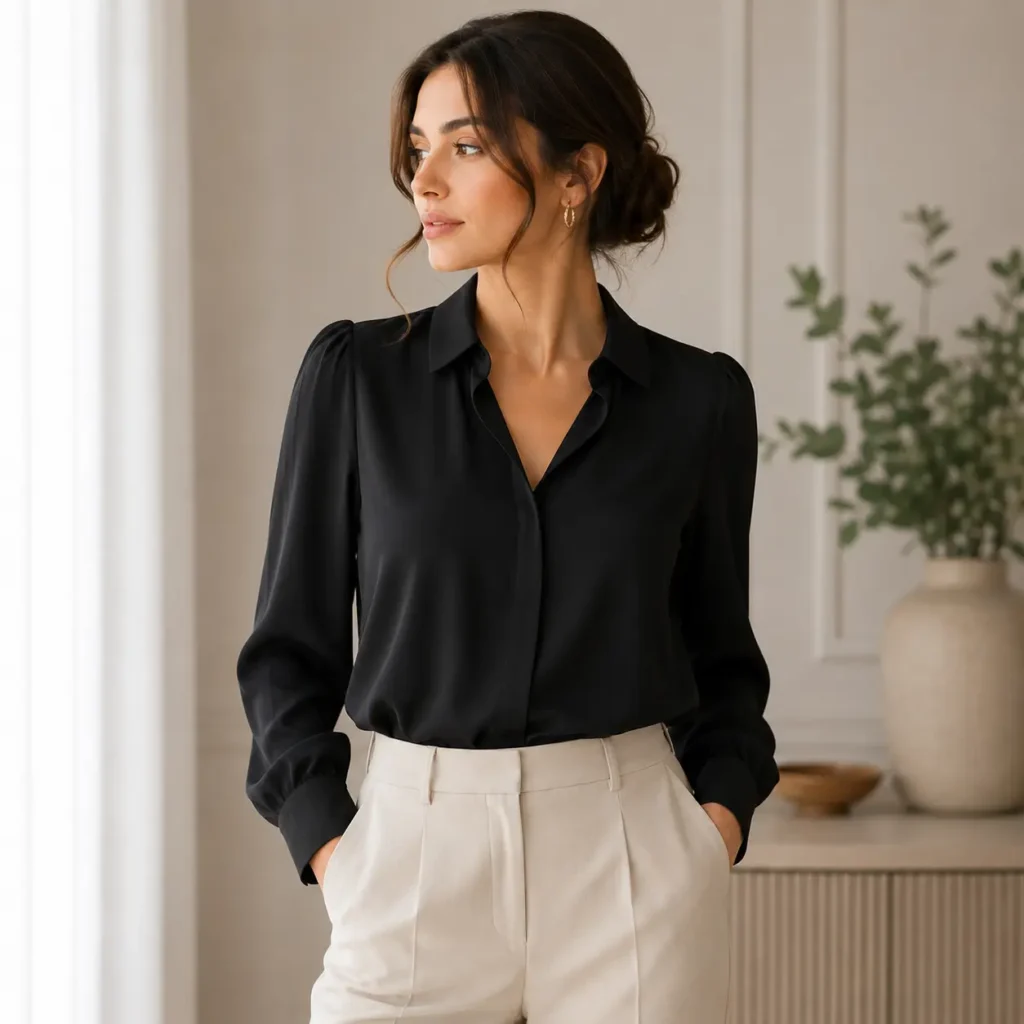
Where a white blouse feels crisp and fresh, a black blouse leans sleek and versatile in a different way — it’s the piece that quietly works for almost any dressier occasion without requiring much thought. A black blouse in a slightly sheer or satin fabric adds a subtle elegance for evening plans, while a matte cotton black blouse works well for everyday office wear.
Because black is such a grounding color, it also makes an easy base for building an outfit around a statement accessory, a bold shoe, or a colorful bag.
How to wear it: Pair a black blouse with tailored black or gray trousers for a monochrome, polished look, or add a pop of color with a bright skirt or trousers for contrast. For evening occasions, a satin black blouse paired with wide-leg trousers or a leather skirt makes for an easy, elevated outfit.
7. Pink Blouse
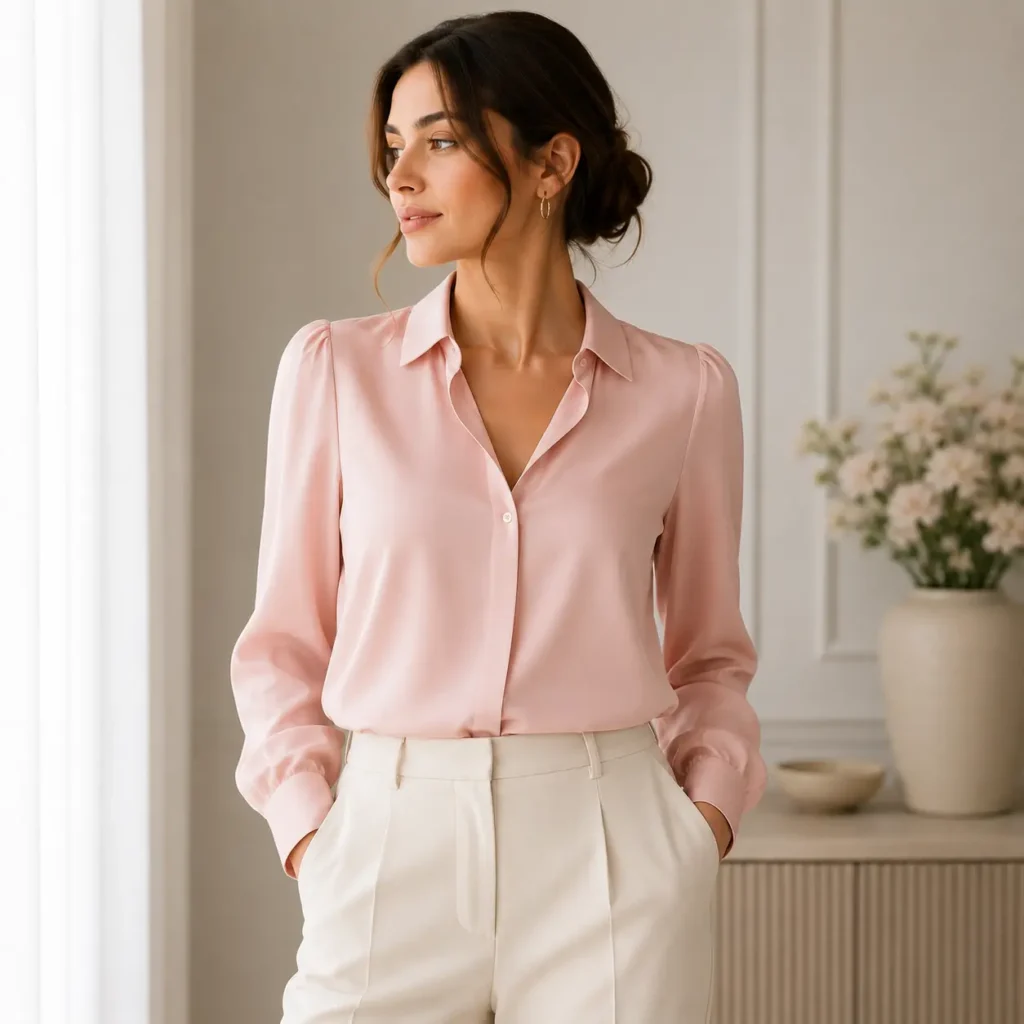
A pink blouse brings softness and warmth to a wardrobe that might otherwise lean heavily on neutrals. From pale blush tones to deeper rose and fuchsia shades, pink blouses read as feminine and approachable without feeling overly bold, which makes them easy to incorporate into both casual and professional outfits.
Lighter pink tones tend to work particularly well for spring and summer wardrobes, while deeper, richer pinks can transition nicely into fall when paired with warmer accessories.
How to wear it: A soft pink blouse pairs beautifully with denim for a relaxed daytime look, or with neutral trousers — beige, camel, or gray — for a slightly more polished outfit. For an evening look, a deeper pink or fuchsia blouse works well paired with black trousers or a black skirt for contrast.
8. Red Blouse
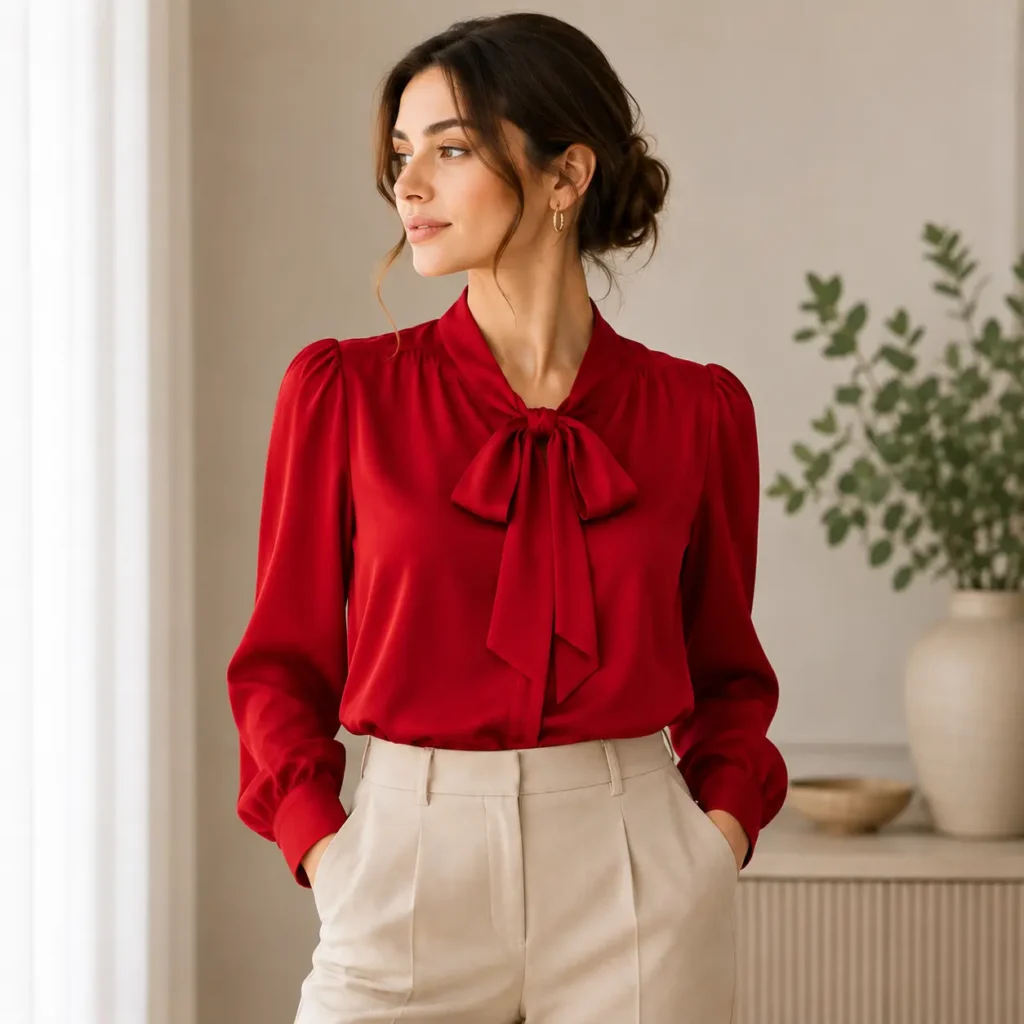
A red blouse is one of the boldest, most statement-making choices on this list, and it’s a reliable way to elevate an otherwise simple outfit. Red carries an inherent confidence, which is part of why it’s such a popular choice for occasions where you want to stand out — a celebration, a date night, or simply a day when you want your outfit to make an impression.
Because red is such a strong color, it typically works best as the focal point of an outfit rather than paired with other bold colors or heavy patterns.
How to wear it: Keep the rest of the outfit neutral — black, white, or denim — so the red blouse remains the statement piece. Tuck it into black trousers or a black pencil skirt for a polished evening look, or pair it with jeans and simple flats for a more casual, everyday version of the same bold color.
Blouse Color Guide: Choosing the Right Shade
Color affects a blouse’s versatility just as much as its cut and fabric. Here’s a quick breakdown of how the most searched blouse colors tend to work best.
| Color | Best For | Styling Note |
|---|---|---|
| White | Nearly everything — office, casual, formal | The most versatile color; pairs with any bottom or layering piece |
| Black | Evening wear, office, monochrome looks | Grounding and slimming; easy to pair with bold accessories |
| Pink | Spring/summer, feminine or soft outfits | Lighter shades for daytime, deeper shades for evening |
| Red | Statement occasions, date nights, celebrations | Best worn with neutral bottoms to let the color lead |
| Neutral tones (beige, cream) | Layering, minimalist wardrobes | Blends easily with most other colors in an outfit |
| Jewel tones (emerald, navy, burgundy) | Fall/winter, formal occasions | Rich colors that pair especially well with silk fabric |
How to Style a Blouse for Different Occasions
Office and Work Wear
For professional settings, structured fabrics like silk, cotton, or crepe in neutral or muted colors — white, black, or soft pastels — tend to work best. Tucking the blouse into tailored trousers or a pencil skirt, and layering with a blazer, keeps the look polished and appropriate for most workplace dress codes.
Casual Everyday Wear
For everyday outfits, cotton and linen blouses in relaxed fits are the most practical. Pairing a casual blouse with jeans, sneakers, and minimal accessories creates an easy, comfortable outfit that doesn’t require much thought to put together.
Formal or Evening Occasions
Silk and satin blouses, particularly in black, red, or jewel tones, work well for formal or evening settings. Pairing them with tailored trousers, a skirt, or even leather pants, along with heeled shoes and a few statement accessories, elevates the outfit appropriately.
Weekend and Brunch Outfits
For a relaxed but put-together weekend look, lighter fabrics like chiffon or cotton in softer colors — white, pink, or light florals — pair nicely with denim, shorts, or a flowy skirt.
Body Type Considerations for Blouses
Certain blouse styles tend to flatter certain body types more naturally, though personal comfort and preference should always come first.
- Pear-shaped: Blouses with detail at the shoulders or neckline — puff sleeves, statement collars, or boat necks — help balance wider hips by drawing the eye upward.
- Apple-shaped: Looser, unstructured blouses that skim rather than cling through the midsection tend to be the most comfortable and flattering. A V-neck can also help elongate the torso.
- Hourglass: Fitted or semi-fitted blouses that follow the natural waistline highlight this body type well, especially when tucked in.
- Rectangle/athletic build: Blouses with gathering, ruffles, or a peplum hem add welcome shape and definition at the waist.
Common Blouse Styling Mistakes to Avoid
- Choosing the wrong fit through the bust. A blouse that pulls or gapes at the buttons looks unfinished no matter how nice the fabric or color is. Sizing up or looking for styles with more ease solves this easily.
- Over-layering delicate fabrics. Silk and chiffon blouses can look bulky under heavy layers. Save thicker cardigans and coats for sturdier cotton or blended fabrics instead.
- Ignoring the occasion. A heavily embellished or sheer blouse can feel out of place in a casual setting, just as a plain T-shirt-style blouse can feel underdressed for a formal event. Matching the blouse’s formality to the occasion matters as much as color or fit.
- Skipping proper care for delicate fabrics. Silk and chiffon blouses often need hand-washing or a gentle cycle, and machine drying can damage both the fabric and the shape. Checking the care label before washing extends the life of these pieces significantly.
- Forgetting about undergarments. Sheer or lightweight fabrics like chiffon often need a slip or camisole underneath, particularly for white or light-colored blouses, to avoid an unintentional see-through effect.
Caring for Your Blouses
Because many blouse fabrics are more delicate than everyday cotton T-shirts, proper care makes a noticeable difference in how long they last.
- Check the care label first. Silk, chiffon, and satin blouses often require hand-washing or a gentle machine cycle in cold water.
- Air dry instead of machine drying. Heat can shrink or damage delicate fabrics and cause colors, especially reds and darker shades, to fade faster.
- Iron on the reverse side. For printed or delicate blouses, ironing inside-out protects the fabric and any detailing from direct heat.
- Store carefully. Silk and satin blouses are best hung rather than folded, to avoid deep creases that can be difficult to remove.
Fabric Guide: Which Blouse Fabric Suits Which Season
Beyond color, fabric plays just as large a role in how a blouse wears through the year. Choosing the right fabric for the season keeps a blouse comfortable, rather than just visually appropriate.
| Fabric | Best Season | Notes |
|---|---|---|
| Silk | Fall/Winter, formal occasions | Warm-toned sheen, drapes beautifully, needs gentle care |
| Cotton | Spring/Summer, everyday wear | Breathable, easy to care for, holds shape well |
| Chiffon | Spring/Summer, layering | Lightweight and semi-sheer, often needs a lining or slip |
| Satin | Fall/Winter, evening wear | Similar sheen to silk at a lower price point, slightly less breathable |
| Linen | Summer | Very breathable, wrinkles easily, casual by nature |
| Crepe | Year-round, office wear | Structured drape, doesn’t wrinkle easily, professional look |
Building a Blouse Capsule Wardrobe
If you’re building out a blouse collection rather than buying one at a time, it helps to think in terms of coverage rather than individual pieces. A small, well-chosen set of blouses can cover nearly every occasion without requiring a closet full of near-duplicates.
A practical starting point looks something like this: one white blouse in a breathable fabric for everyday and office wear, one black blouse in a slightly dressier fabric like satin or silk for evening occasions, one neutral or pastel blouse for softer, casual outfits, and one bold color — red, pink, or a jewel tone — for occasions where you want the outfit to make more of a statement. From there, a sleeveless option and a lightweight chiffon piece round out a wardrobe that can handle nearly any season or setting.
Building this way also makes shopping more intentional. Instead of buying blouses because they catch your eye in the moment, you’re filling specific gaps — a formal option, a warm-weather piece, a statement color — which tends to result in a wardrobe where everything actually gets worn.
Also Read: Outfit Ideas for Every Occasion: Related Capsule Wardrobe Principles
Blouse Trends Worth Knowing
While classic styles like the white blouse and silk blouse remain wardrobe staples, a few blouse trends have shown consistent, growing interest in recent seasons and are worth keeping an eye on if you like to stay current.
- Boho blouses, with looser silhouettes, embroidery, and relaxed sleeves, have seen a steady rise in popularity, particularly for spring and warm-weather dressing.
- One-shoulder and off-the-shoulder blouses continue to trend for occasions that call for something a little more distinctive than a standard neckline.
- Lace and ruffled detailing has become increasingly popular, especially for spring collections, bringing a romantic, vintage-inspired quality to otherwise simple silhouettes.
- Structured, tailored blouses with strong shoulders or statement collars are also seeing renewed interest, especially for office and workwear settings, as a counterpoint to more relaxed, oversized trends elsewhere in fashion.
None of these trends replace the core blouse types covered above — they’re really variations layered onto the same foundational styles, whether that’s a boho take on a cotton blouse or a ruffled detail added to a classic silk design.
Frequently Asked Questions
What is a blouse exactly?
A blouse is a loose-fitting women’s top, typically made from softer, more fluid fabrics like silk, chiffon, satin, or fine cotton. It’s generally softer in cut than a structured shirt, though the two terms are sometimes used interchangeably in everyday language.
What is the difference between a blouse and a shirt?
A shirt is usually more structured and tailored, often based on menswear-style cuts with a collar and button-front closure. A blouse tends to be softer, looser, and more feminine in its silhouette, even when it includes similar details like buttons or collars.
What is the most versatile blouse color to own?
White is generally considered the most versatile blouse color, since it pairs easily with almost any bottom, layering piece, or accessory, and works across casual, professional, and formal occasions alike.
Can a sleeveless blouse be worn to the office?
Yes, a sleeveless blouse is a practical choice for office wear, especially when layered under a blazer for meetings. On its own, it also works well in warmer weather or air-conditioned offices.
What should I wear under a sheer or chiffon blouse?
A slip, camisole, or fitted tank in a color close to your skin tone or the blouse itself works best under sheer fabrics like chiffon, to avoid an unintentional see-through effect while keeping the outfit comfortable.
How do I choose the right blouse for my body type?
Focus on fit through the shoulders and bust first, then consider details like neckline and sleeve style based on your body type — structured shoulders and boat necks for pear shapes, looser unstructured cuts for apple shapes, fitted waists for hourglass shapes, and gathered or peplum details for rectangle shapes.
Are silk blouses hard to take care of?
Silk blouses do require a bit more care than cotton — usually hand-washing or a gentle machine cycle, air drying, and ironing on a low setting or reverse side. With proper care, though, they tend to last a long time and hold their color and shape well.
Final Word
A well-chosen blouse can be one of the most functional pieces in a wardrobe, capable of moving from the office to a casual outing to a formal evening event with just a few small styling changes. Whether you gravitate toward the timeless simplicity of a white blouse, the boldness of a red blouse, or the effortless comfort of a casual cotton style, understanding the fabric, fit, and occasion each type suits best makes it far easier to build outfits you’ll actually reach for again and again. Start with two or three versatile blouses — a white one, a black one, and one in a color you love — and build outward from there as you figure out which styles work best for your body and your day-to-day life.
Also Read: College Fashion 2026: Trends, Essentials & Style Tips