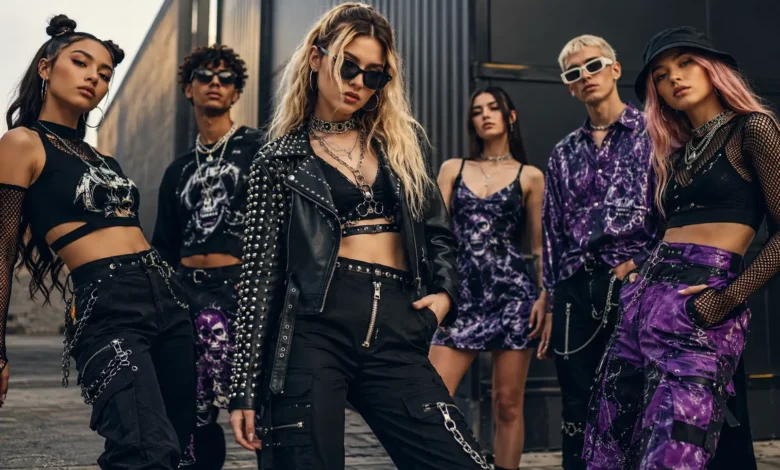
If your wardrobe is starting to feel like everyone else’s Pinterest board, you’re not alone. A huge wave of shoppers — especially Gen Z and young millennials — are actively moving away from “safe” fashion and reaching for pieces that feel personal, bold, and a little bit rebellious. That’s exactly the space Outcast Clothing has built its name around.
Outcast Clothing has become one of the most talked-about independent, direct-to-consumer fashion labels for anyone who wants their outfit to say something before they even open their mouth. It’s not a mainstream department-store brand, and it doesn’t try to be. It’s built for festivals, late-night plans, spontaneous trips, and everyday outfits that refuse to blend in.
In this guide, we’re breaking down exactly what Outcast Clothing is, whether it’s actually legit, where to buy from the real official store, and the 11 standout pieces (and style categories) that best capture its rebellious, nonconformist identity. We’ll also cover sizing, styling tips, common buyer mistakes, and how the brand compares to other independent streetwear and alternative fashion labels — so by the end, you’ll know exactly whether Outcast Clothing deserves a spot in your closet.
What Is Outcast Clothing?
Outcast Clothing is an independent, e-commerce-first apparel brand built around a simple idea: fashion should belong to the people who refuse to fit the mold. Rather than chasing quiet, minimalist trends, the brand leans hard into bold prints, statement silhouettes, and going-out pieces designed for nights you’ll actually remember.
The brand positions itself firmly inside the alternative fashion and rebellious streetwear space — a category that also includes labels built around individuality, self-expression, and “outsider” identity rather than corporate polish. Instead of dropping a handful of collections a year like traditional retailers, Outcast Clothing follows the direct-to-consumer playbook: frequent new drops, social-media-first marketing, and a catalog built primarily around going-out dresses, tops, matching sets, and statement layering pieces designed to work festival floors, clubs, date nights, and weekend trips.
It’s grown largely through word of mouth on TikTok and Instagram, where creators post haul videos, outfit inspiration, and reviews — which is also where a lot of the brand’s reputation, both good and bad, has been built.
The Outcast Clothing Community
What separates Outcast Clothing from a generic online boutique is the community layer built around it. Rather than positioning itself as just another place to buy dresses, the brand leans into an “us against the ordinary” identity — encouraging customers to tag their looks, share outfit inspiration, and treat purchases as part of a bigger nonconformist aesthetic rather than a one-off transaction. That community-driven approach is a big part of why the brand has spread so fast: people aren’t just buying a dress, they’re buying into a specific look and attitude that their favorite creators are already wearing.
This is also part of why the brand shows up so often in “clothing brand community” and “clothing brand for individuality” searches — it’s built its marketing almost entirely around belonging to a subculture rather than fitting into the mainstream.
Price Point and Positioning
Outcast Clothing sits in the mid-range price tier — noticeably above ultra-fast-fashion basics, but below premium or luxury streetwear labels. That positioning makes sense for the product: statement, occasion-driven pieces (festival dresses, going-out tops, matching sets) rather than everyday basics you’d wear five days a week. If you’re comparing it to other affordable edgy streetwear brands, expect pricing that reflects the “special occasion” nature of most items rather than a wardrobe-basics price point.
Why This Kind of Brand Resonates Right Now
Rebellious, nonconformist fashion isn’t a fringe niche anymore — it’s a documented shift in how people shop. Fast fashion fatigue, the rise of “core” aesthetics (grunge-core, y2k, festival-core), and a broader cultural push toward individuality have all fed demand for independent clothing brands that don’t look like everyone else’s closet. Outcast Clothing sits right in the middle of that shift, which explains both its rapid growth and the strong opinions — positive and negative — that surround it online.
Is Outcast Clothing Legit? A Balanced Reviews Breakdown
This is the single most-searched question around the brand, and it deserves an honest, unbiased answer rather than a marketing-style “yes, buy now.”
Based on a wide look across independent review platforms, the picture is genuinely mixed — which is common for fast-growing DTC fashion labels:
- Trustpilot shows thousands of customer reviews with an overall rating in the “great” range, with many shoppers praising the styling, print designs, and responsive customer service team when issues do come up.
- Other consumer-complaint-focused review sites paint a rougher picture, with a smaller pool of reviewers reporting issues like inconsistent sizing, quality that doesn’t always match the price point, returns limited to store credit rather than a refund, and slower resolution times on lost or delayed international shipments.
- Social platforms like TikTok are full of both glowing “get ready with me” hauls and cautionary “is this a scam?” videos — a pattern typical of any viral, high-volume online fashion brand rather than proof of outright fraud.
The Honest Takeaway
Outcast Clothing appears to be a real, operating apparel company — not a fake storefront that disappears after taking payment. That said, like most fast-moving DTC fashion brands, experiences vary. The recurring complaints worth knowing before you buy are:
- Store-credit-only returns in many cases, rather than a straightforward refund.
- Sizing that can run inconsistent between styles, so checking the specific size chart per item matters more than usual.
- International shipping and customs charges have caused confusion for some overseas buyers, particularly in Australia and the UK.
- Quality can vary by fabric and style — statement pieces built for a night out aren’t always built for years of heavy wear, which is fairly standard for this price category.
None of this means the brand is a scam — it means you should shop the way you’d shop any independent, trend-driven label: read the specific product reviews on the item page, check the return policy before checkout, and size up or down based on other buyers’ notes rather than assuming standard sizing.
Why Reviews Vary So Much Between Platforms
One thing worth understanding as a shopper: review scores for the same brand can look wildly different depending on the platform. Trustpilot tends to skew more positive because it captures a broad cross-section of everyday buyers, including the large percentage who never leave a review after a smooth order. Complaint-focused platforms, on the other hand, are specifically built for people who had a problem and are actively looking for somewhere to document it — so they naturally skew negative. Neither number tells the whole story on its own.
The more useful signal is the pattern in the complaints, not the star rating itself. When multiple, unrelated reviewers across different platforms mention the same specific issue — store-credit-only returns, customs charges not being covered as advertised, or sizing running smaller than expected — that pattern is worth taking seriously, even if the overall average rating still looks respectable.
What Happy Customers Tend to Say
It’s worth balancing the complaint patterns with what satisfied buyers consistently highlight: unique prints that aren’t available anywhere else, a fit that photographs well for going-out occasions, fast domestic shipping within the US, and a responsive customer service team when something does go wrong. Several reviewers specifically call out the brand’s ability to deliver trend-forward, festival-ready pieces at a price point below premium boutique labels — which lines up with its positioning as an accessible, mid-range alternative to pricier occasion-wear brands.
Where to Buy: Finding the Real Official Store
Here’s something worth flagging clearly: because “Outcast” is a popular, generic-sounding name in fashion, there are multiple stores online using similar branding — some are legitimate independent labels in their own right, and others are lower-effort dropshipping storefronts riding on the name’s popularity.
Before you check out anywhere, take 30 seconds to verify you’re on the actual Outcast Clothing official store:
- Confirm the domain matches the brand’s verified social media bio links (Instagram and TikTok are the most reliable places to double-check).
- Look for a real return/shipping policy page, not just a generic template.
- Check that customer reviews on the site are consistent with what you find on independent platforms like Trustpilot — if the on-site reviews look suspiciously perfect and nowhere else, treat that as a red flag.
- Search “[brand name] + reviews” before your first order if you can’t verify the domain directly.
This step matters more with independent clothing brands than with big-box retailers, simply because there’s no single trademark gatekeeper stopping copycat storefronts from using a similar name, similar logo style, or near-identical product photography.
Shipping to the USA, Australia, and Beyond
Outcast Clothing operates as an international online store with region-specific storefronts for shoppers in the US, UK, and other regions, and ships to markets including Australia. If you’re ordering internationally:
- Check whether duties/customs charges are included in your total at checkout, and get that confirmation in writing (screenshot it) if the site claims they are.
- Factor in a longer delivery window for international orders than domestic ones, especially around big drop days or sale periods.
- Track your order through the carrier directly rather than relying only on the storefront’s tracking page, since delays are more common with international parcels.
The 11 Outcast Clothing Pieces That Redefine Rebel Style
Now for the fun part. Whether you’re building out a festival wardrobe, a going-out rotation, or just want a few pieces that instantly feel more “you,” these are the 11 categories of Outcast Clothing pieces that best capture the brand’s rebellious, individuality-first identity.
1. The Statement Cut-Out Mini Dress
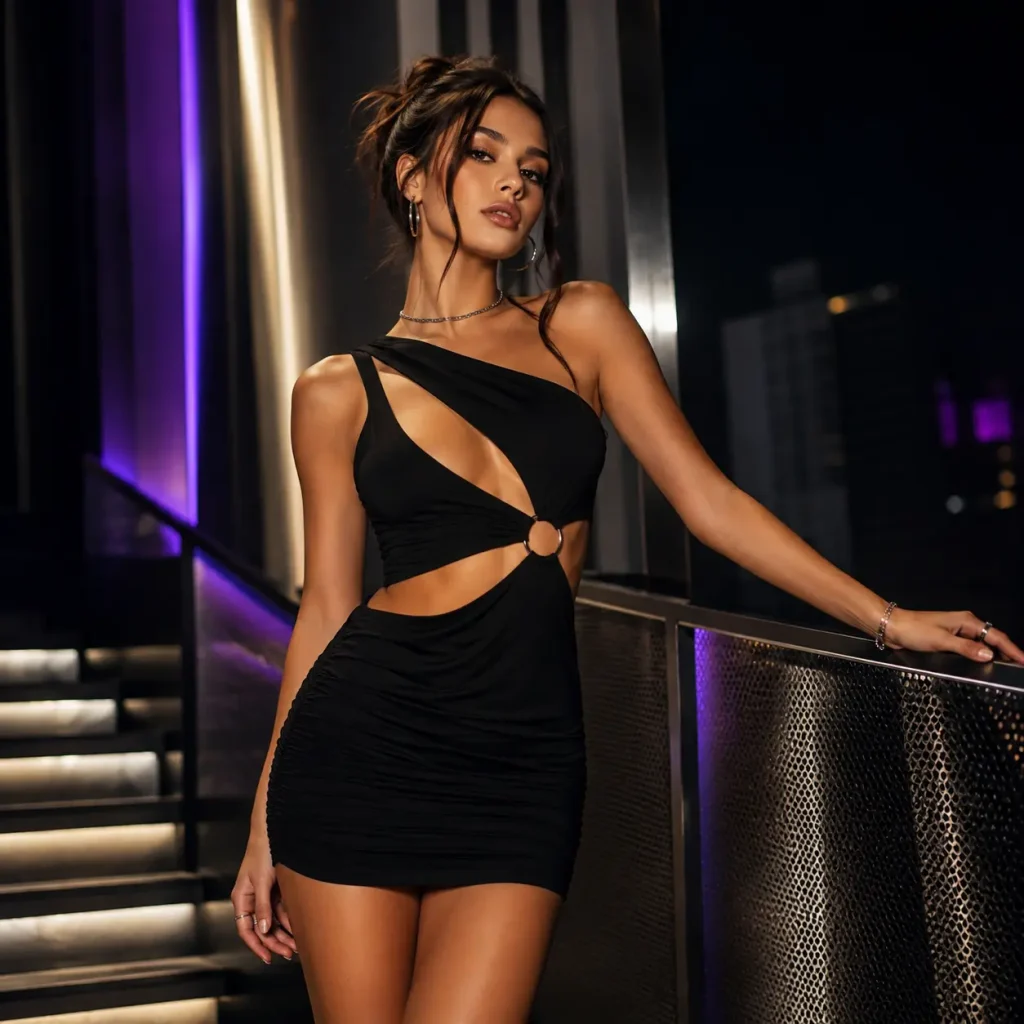
This is the piece most associated with the brand’s DNA — a body-skimming mini dress with strategic cut-outs, bold prints, or a metallic finish. It’s designed for one job: making an entrance. The cut-out detailing (waist, back, or side panels) is what pushes it from “cute” into “rebel” territory, since it breaks the traditional lines of a classic party dress. Pair it with combat boots instead of heels for an extra edge that leans streetwear over “girly,” and layer a chain belt over the waist for extra definition.
- Best for: clubbing, birthday nights out, festival evening sets.
2. Oversized Graphic Pullover
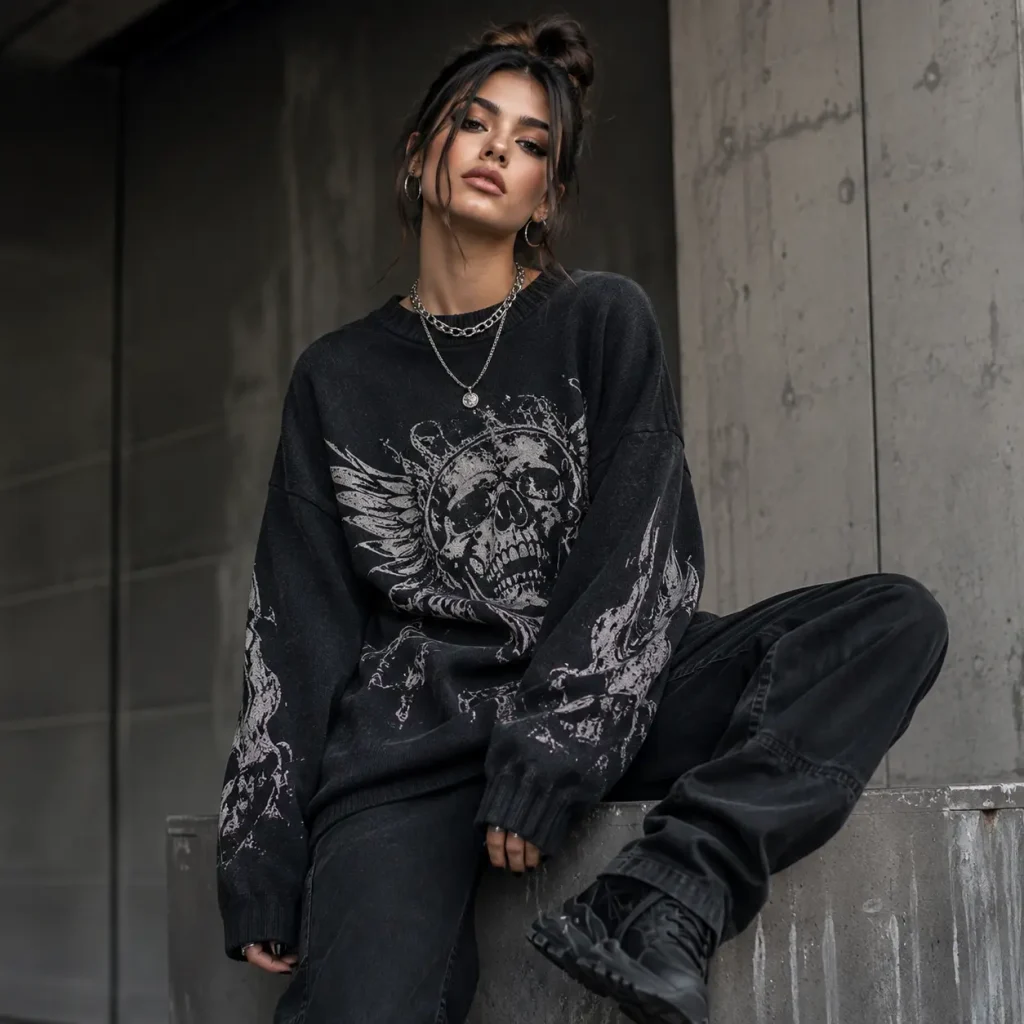
For the softer, streetwear side of rebel style, an oversized graphic pullover or hoodie-style top brings the brand’s edgy visual language into daytime wardrobes. Think bold typography, distressed graphics, or grunge-inspired prints layered over slip dresses or paired with baggy denim. This is the category that best answers the “Outcast hoodies” and “Outcast graphic tees” side of the aesthetic — oversized fits worn slightly off-shoulder or knotted at the waist to keep proportions balanced against fitted bottoms.
- Best for: everyday rebel style, travel days, cooler festival evenings.
3. The Going-Out Two-Piece Set
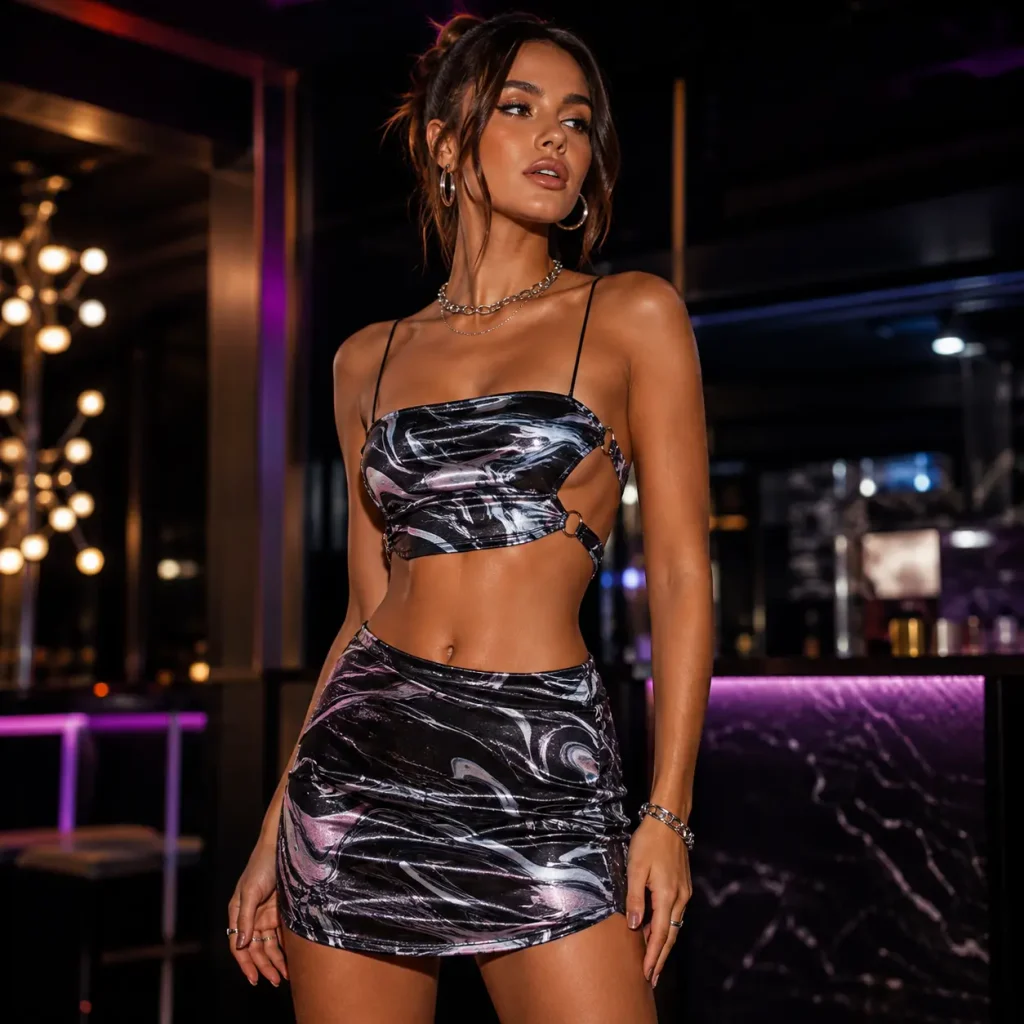
Matching sets — usually a fitted top with a mini skirt or shorts — are a category built for coordinated, high-impact outfits without the overthinking. They photograph well, they travel well, and they’re one of the easiest ways to look intentional for festivals or club nights. Because the top and bottom are designed together, they also solve the “does this match” problem that comes with mixing separates from different brands.
- Best for: festivals, group nights out, coordinated friend-group outfits.
4. Bold Graphic Tee
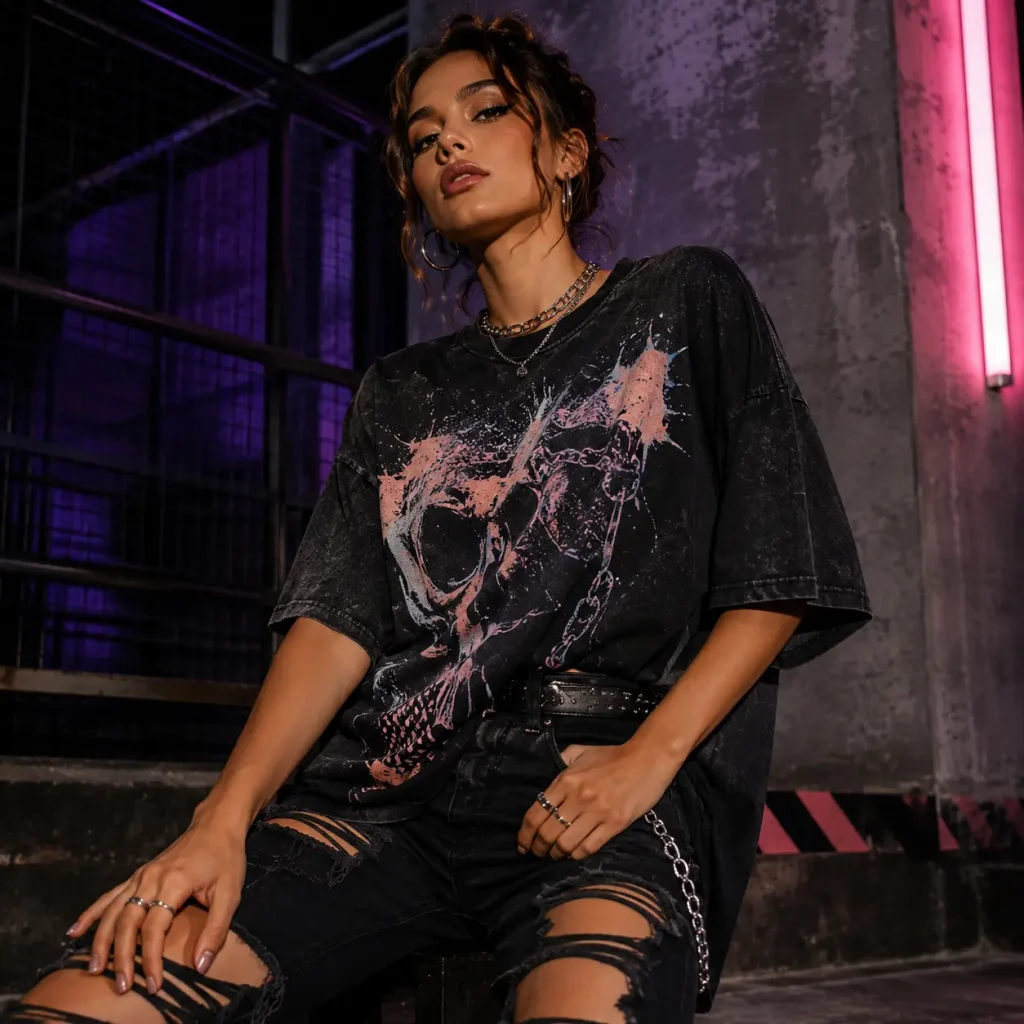
A well-cut graphic tee is the most versatile “rebel style” piece in any wardrobe. Look for designs that lean into alternative, nonconformist themes — text-based statements, distressed prints, or grunge-inspired artwork — that can be dressed up with a mini skirt or dressed down with cargos. Unlike the going-out pieces on this list, a graphic tee is a low-commitment way to test whether the brand’s aesthetic fits your personal style before investing in statement dresses or sets.
- Best for: casual daily wear, low-budget entry point into the brand.
5. Faux-Leather Mini Skirt
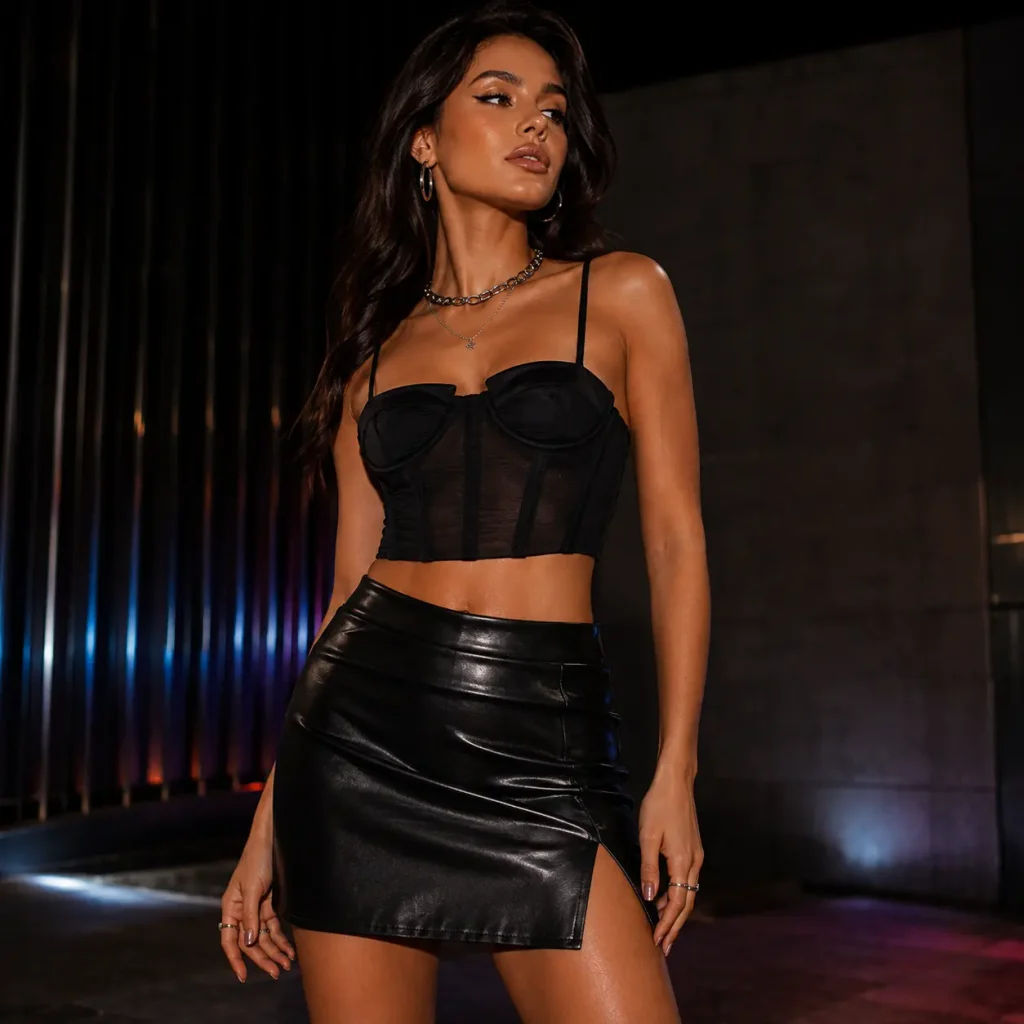
Faux leather is a staple of edgy fashion for a reason: it adds instant texture and attitude to an otherwise simple outfit. A faux-leather mini works equally well styled with a graphic tee for a daytime rebellious look or a corset top for nighttime. Because faux leather holds its shape well, it’s also one of the more durable statement pieces in this category compared to lighter, going-out fabrics.
- Best for: transitional day-to-night outfits, layering under jackets.
6. The Corset-Style Top
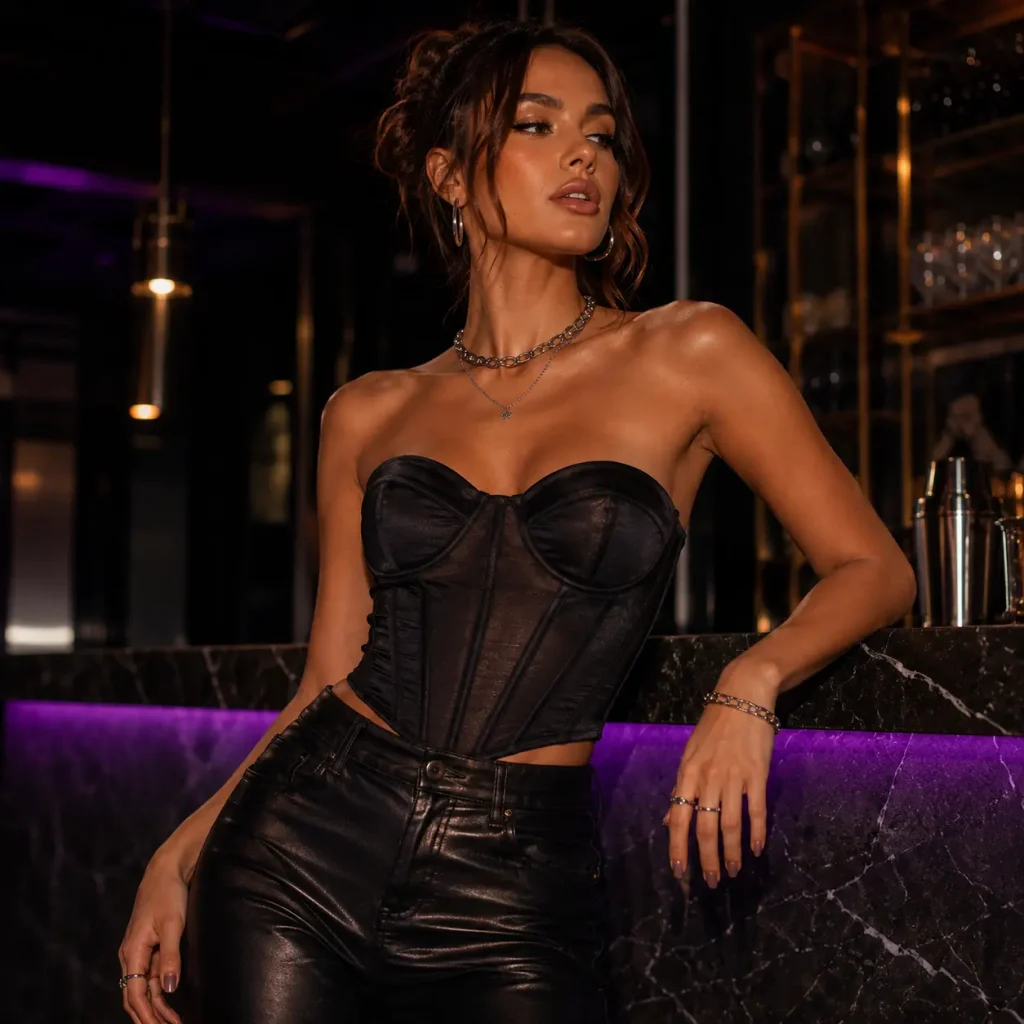
Corset and bustier-inspired tops bring a structured, statement silhouette that pairs naturally with the brand’s going-out focus. They work as standalone tops with jeans or layered under an open blazer for a more polished “rebel-meets-tailoring” look. This is one of the pieces most frequently mentioned in styling content, since it bridges the gap between the brand’s edgier pieces and more classic wardrobe basics.
- Best for: date nights, dinner-into-drinks outfits, layering pieces.
Also Read: Date Night Outfit Ideas to Feel Confident and Beautiful
7. Printed Maxi Dress (Festival Edition)
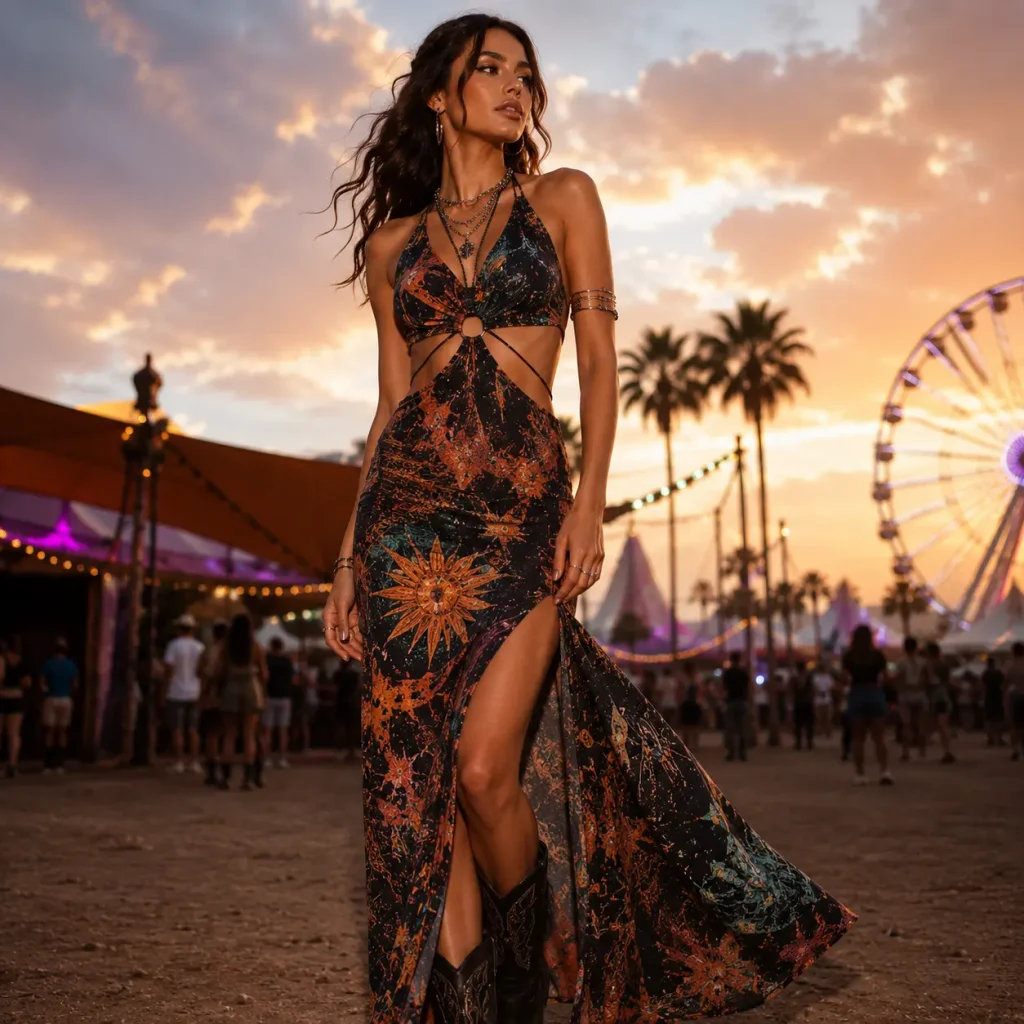
Not every outcast piece is about showing skin — bold, printed maxi dresses built for festival season bring in flowier silhouettes with statement prints, cut-out detailing, or open-back designs. They’re a favorite for warm-weather festivals and destination trips, offering more coverage without sacrificing the brand’s bold, print-forward identity. This is also the category best suited to hot climates, since the flowier cut allows more airflow than fitted mini styles.
- Best for: festival weekends, warm-weather travel, beach-to-bar outfits.
8. Distressed Denim Shorts
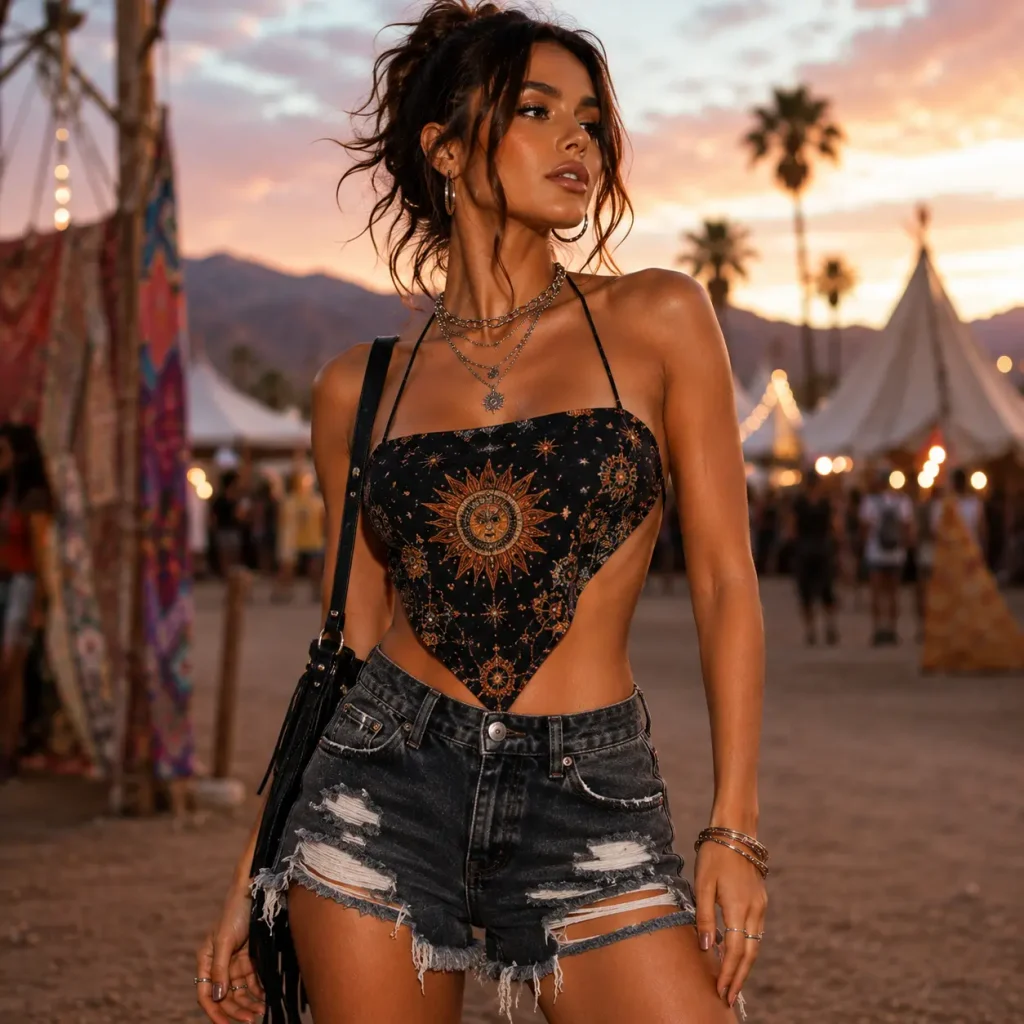
A rebellious wardrobe needs at least one hard-wearing basic, and distressed or raw-hem denim shorts fill that role. They anchor an otherwise loud outfit — pair with a graphic pullover or corset top to balance proportions. Denim also tends to hold up better over repeated wear than some of the brand’s lighter, statement-fabric pieces, making it a smarter long-term investment within the category.
- Best for: daytime festival looks, casual outfits, layering foundations.
9. The Statement Going-Out Vest or Blazer
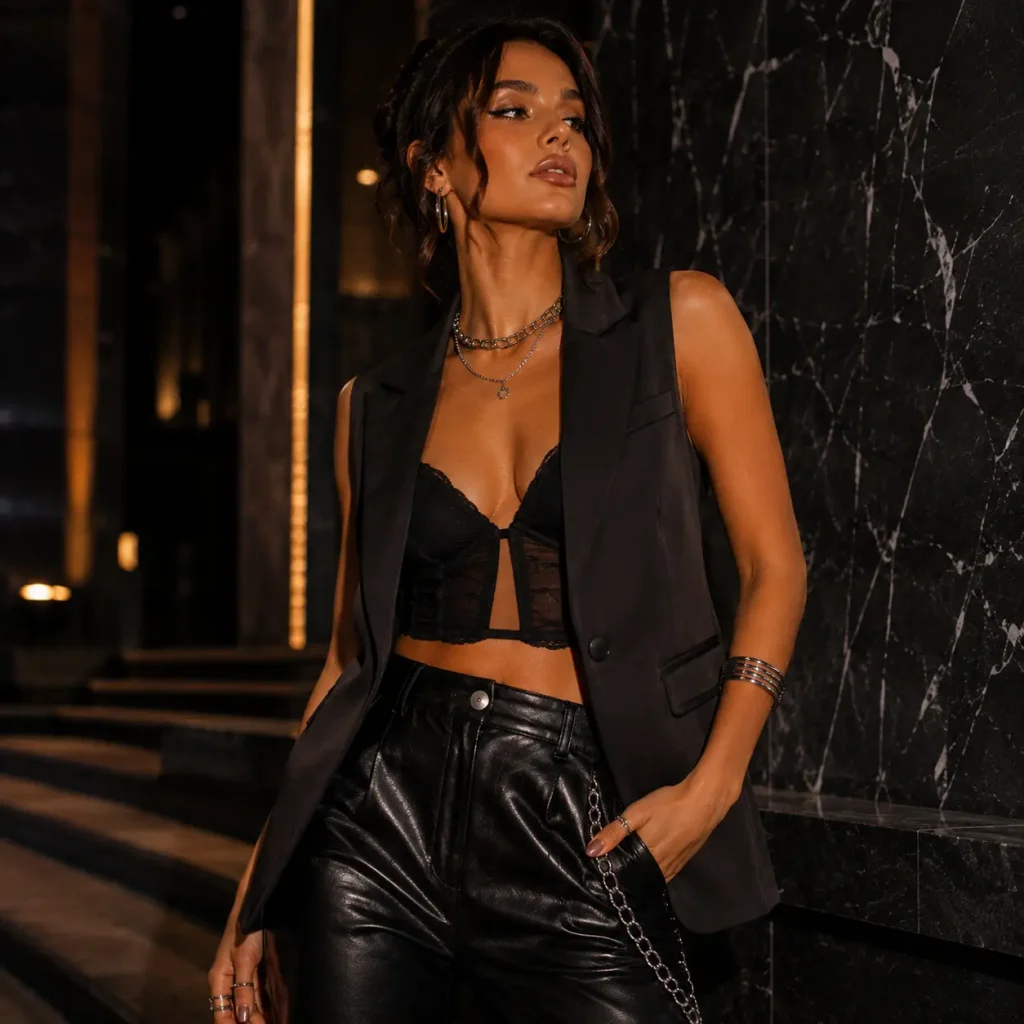
A cropped vest or fitted blazer, often worn open over a bralette or corset top, is the layering piece that elevates a simple outfit into something editorial. It’s a favorite for anyone who wants “rebel style” without going full streetwear, since it adds structure and a slightly more polished silhouette to an otherwise edgy outfit.
- Best for: upscale night-out events, cooler evenings, elevated looks.
10. Cut-Out Bodysuit
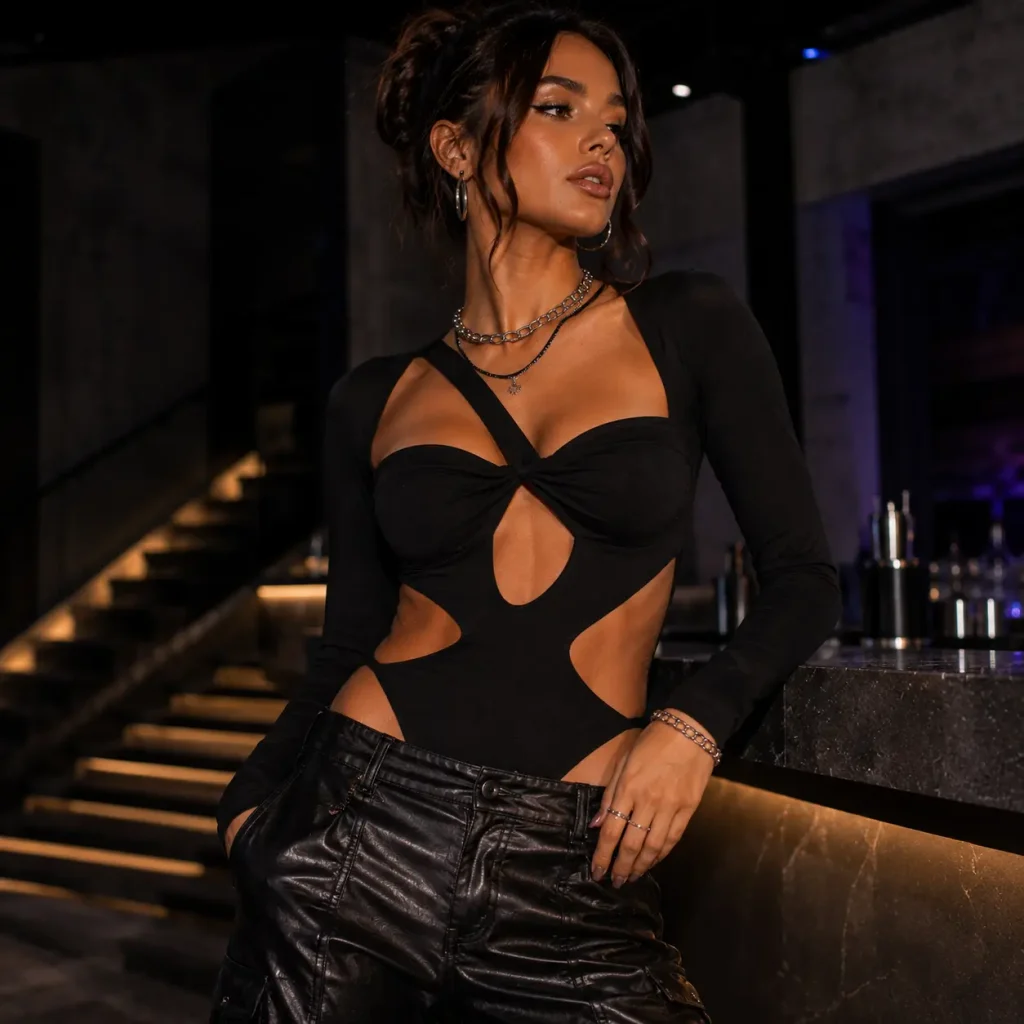
Bodysuits are the quiet workhorse of festival and clubbing wardrobes — they eliminate the tucking-in problem entirely and give you a clean base to build a look around. Cut-out and mesh-paneled versions lean directly into the brand’s edgier design language, and because they’re form-fitting, they layer neatly under blazers, open shirts, or high-waisted bottoms without adding bulk.
- Best for: layering base pieces, festivals, dance-floor-ready outfits.
11. Accessory Layering Pieces (Chain Belts, Fishnets, Statement Jewelry)
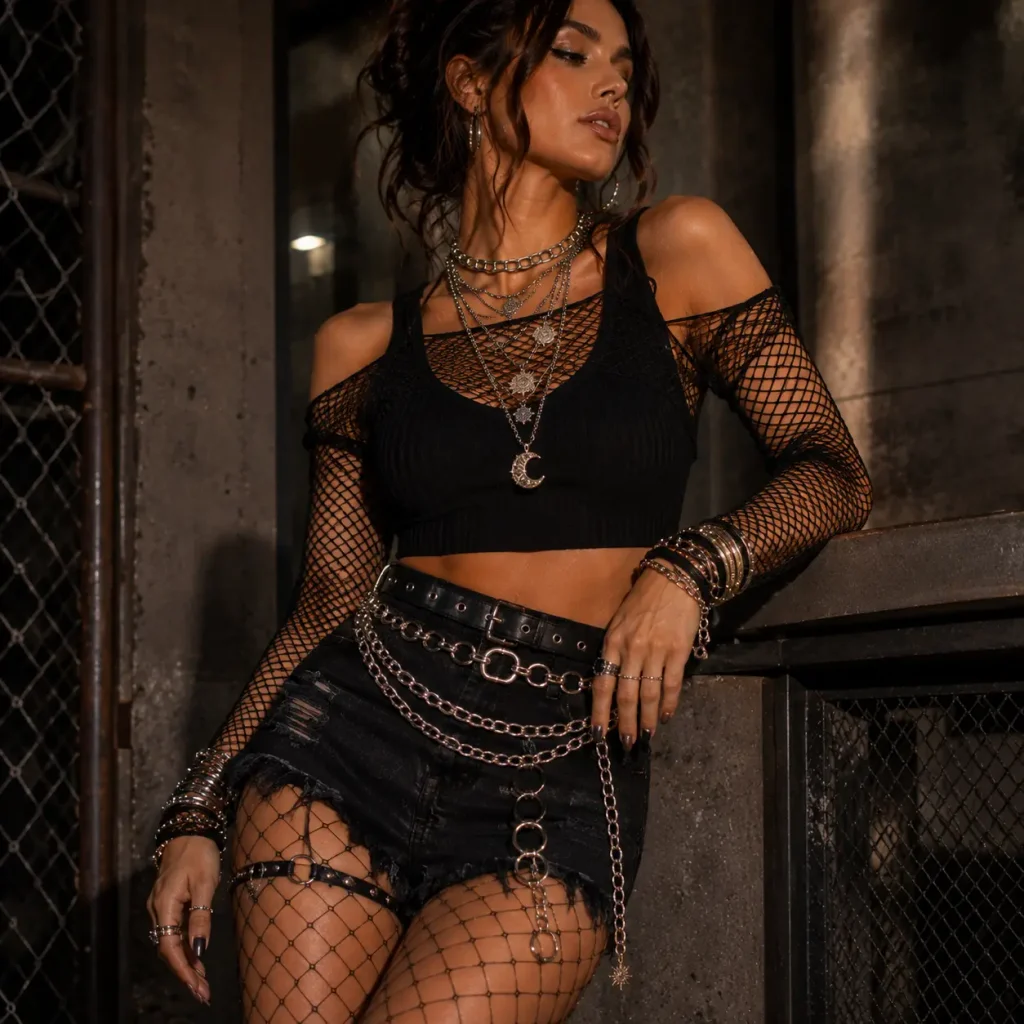
No rebel-style outfit is complete without the finishing details. Chain belts, fishnet layering pieces, chunky rings, and statement jewelry are what take an outfit from “nice” to “unforgettable” — and they’re often the most affordable way to test the brand’s aesthetic before committing to a full outfit. If you’re on a budget, starting with one or two accessory pieces is the smartest way to bring rebel-style energy into outfits you already own.
- Best for: budget-friendly entry point, finishing touches on existing outfits.
How to Style Outcast Pieces for Different Occasions
Festivals: Lean into the printed maxi dress or a two-piece set, layer on the accessories, and finish with comfortable boots you can actually stand in for 8+ hours.
Clubbing/Night Out: The cut-out mini dress or corset top paired with a faux-leather skirt is the fastest way to a high-impact outfit that photographs well under club lighting.
Everyday Rebel Style: Take the graphic tee or oversized pullover and pair it with distressed denim shorts (or jeans in colder months) — this is the easiest entry point if you’re new to the brand’s aesthetic and want to test it without going all-in.
Date Night: A corset top under an open blazer, paired with the faux-leather mini, balances edgy with polished — rebellious without feeling costume-y.
Outcast Clothing vs. Other Independent Streetwear Brands
| Factor | Outcast Clothing | Typical Independent Streetwear Brand | Typical Fast-Fashion Giant |
|---|---|---|---|
| Core focus | Festival, party, and going-out fashion | Everyday streetwear, hoodies, sneakers | Broad, trend-cycling everything |
| Drop frequency | Weekly/frequent new drops | Seasonal or limited drops | Constant, high-volume |
| Price point | Mid-range | Mid-to-premium | Low |
| Return policy | Often store credit | Varies widely by brand | Usually refund-friendly |
| Community feel | Strong TikTok/Instagram community | Often built around a specific subculture | Minimal personal connection |
| Best for | Nights out, festivals, statement pieces | Daily wear, casual streetwear identity | Basics and trend-chasing on a budget |
Sizing and Fit Tips
Because sizing has been one of the more consistent points of feedback across reviews, a few practical tips go a long way:
- Always check the specific size chart on the product page rather than assuming your usual size — cut varies noticeably between dresses, tops, and sets.
- For stretch fabrics (bodysuits, corset tops), many buyers recommend sizing down slightly; for structured pieces (blazers, denim), sizing true-to-size or slightly up is generally safer.
- Read the most recent reviews on the exact item, not just the overall brand rating — sizing feedback is more useful item-by-item than brand-wide.
- If you’re between sizes and the item is final sale or store-credit-only on returns, size up rather than down.
Also Read: Denim Capsule: How Many Jeans You Actually Need
Common Mistakes to Avoid When Shopping Outcast (or Any DTC Fashion Brand)
- Skipping the return policy before checkout. Know whether you’re getting a refund or store credit before you commit.
- Buying from an unverified domain. Double-check you’re on the real official store, not a copycat with similar branding.
- Ignoring item-specific reviews. A brand’s overall rating doesn’t tell you how one specific dress fits or holds up.
- Ordering last-minute for an event. International and even domestic shipping can take longer than expected around big drop or sale days — order early.
- Assuming all pieces run the same. Treat each category (dresses vs. tops vs. denim) as having its own separate fit logic.
Is Outcast Clothing Worth It? Final Verdict
Outcast Clothing has carved out a real, recognizable identity in the alternative and rebellious streetwear space — built on bold prints, festival-ready silhouettes, and a community that’s grown largely through social media rather than traditional advertising. It’s a legitimate, operating brand, not a scam storefront, but like most fast-growing DTC fashion labels, the experience isn’t uniform: some shoppers get exactly the statement pieces they wanted, while others run into sizing, returns, or shipping friction.
If you’re after one-of-a-kind pieces for festivals, nights out, or building an edgier personal style, it’s worth exploring — just shop smart. Verify the official store, read item-specific reviews, understand the return policy upfront, and start with one or two pieces (a graphic tee, a going-out top) before building out a full wardrobe around the brand.
Who Is Outcast Clothing Actually For?
Not every brand is meant for every shopper, and being honest about fit (in the audience sense, not just sizing) will save you money either way. Outcast Clothing tends to work best for:
- Shoppers who attend festivals, concerts, or clubbing events regularly and want fresh statement pieces without luxury-brand pricing.
- Anyone building a personal style around individuality, edge, or nonconformist fashion rather than classic, minimal basics.
- Buyers comfortable shopping DTC/online-first brands and who are willing to read return policies and item-specific reviews before ordering — the same due diligence you’d apply to any independent label discovered through social media.
- People who want their wardrobe to reflect a specific aesthetic or subculture rather than blending into trend cycles.
It’s probably not the right fit if you’re looking for everyday basics, need guaranteed cash refunds on every order, or prefer shopping brands with a long-established brick-and-mortar reputation over newer, social-media-driven labels.
Frequently Asked Questions
Is Outcast Clothing a legit brand?
Yes — Outcast Clothing is a real, operating online fashion brand with a large customer base and an active presence on Trustpilot and social media. Reviews are mixed, as they are for most fast-growing DTC labels, so it’s worth checking item-specific feedback and the return policy before ordering.
Where can I find the official Outcast Clothing store?
Look for the storefront linked directly from the brand’s verified Instagram or TikTok bio, and confirm the return/shipping policy pages look complete and specific rather than generic. Several similarly named stores exist online, so it’s worth double-checking before you check out.
Does Outcast Clothing ship to Australia and the UK?
Yes, the brand operates region-specific storefronts and ships internationally, including to Australia and the UK. International orders can take longer to arrive, and it’s worth confirming whether customs or duty charges are included at checkout.
What is Outcast Clothing’s return policy?
Policies can vary by item and promotion, and multiple buyers have reported receiving store credit rather than a cash refund. Always check the specific return terms on the product page before purchasing, especially for sale items.
What kind of clothing does Outcast Clothing sell?
The brand focuses on going-out and festival fashion — mini dresses, two-piece sets, corset tops, graphic tees, faux-leather pieces, and statement accessories — designed around bold prints and rebellious, individuality-first styling.
Is Outcast Clothing considered a streetwear brand?
It sits at the intersection of streetwear, alternative fashion, and festival/party wear — leaning more toward going-out and statement pieces than classic everyday streetwear staples like sneakers-first fashion.
How do I know my size will fit before ordering?
Check the specific size chart for each item rather than relying on your usual size across brands, and read recent reviews on that exact product for real buyer feedback on fit.
Is Outcast Clothing considered fast fashion?
It sits closer to trend-driven, DTC occasion-wear than traditional ultra-fast-fashion basics. Drops are frequent, which shares some DNA with fast fashion, but the pricing and statement-piece focus put it in a different category than the lowest-cost mass retailers.
How often does Outcast Clothing release new collections, including 2026 drops?
The brand is known for frequent, ongoing drops rather than a handful of seasonal collections — new styles are added regularly throughout the year, including updated festival and going-out pieces for the 2026 season, so checking back often is the best way to catch new arrivals before they sell out.
Are there more affordable alternatives to Outcast Clothing?
Yes — the alternative and edgy fashion space includes several independent streetwear and going-out brands at varying price points. If budget is the main concern, starting with accessory pieces (chain belts, jewelry, layering items) or a single graphic tee is a lower-cost way to test the aesthetic before investing in full statement outfits.
Also Read: 5 90s Clothing Style Looks That Feel Nostalgically Cool