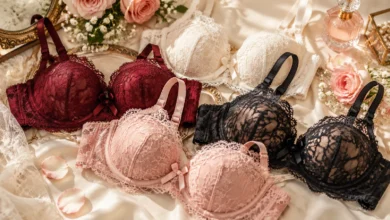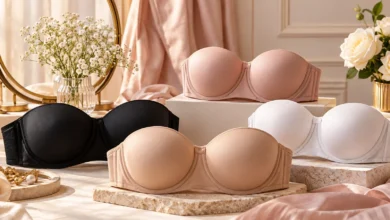
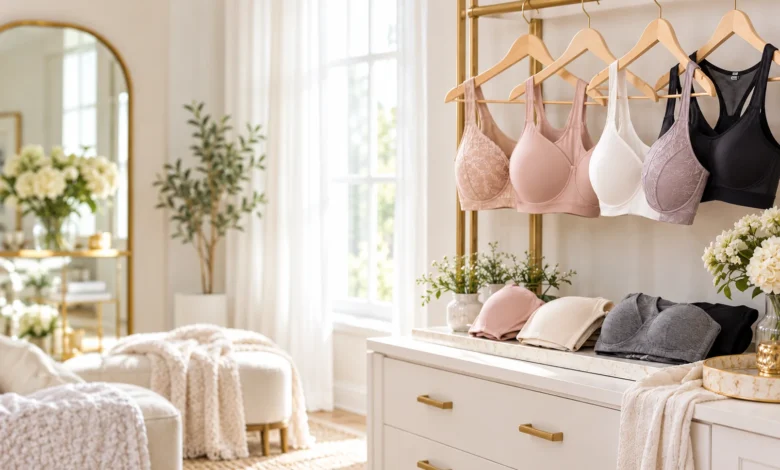
The best bras for sagging breasts share a few traits: full cup coverage, a firm band, wide straps, and side support that holds breast tissue in place. These features don’t change your body. They change how clothes sit and how supported you feel, which is exactly what most people want.
This guide covers seven bra types that create a lifted, rounded shape. It explains what each one is best for, how to check the fit, and which common problems are really fit problems. It also covers care, so your bras keep their support longer.
Quick answer: If you only try one style, start with a full-coverage bra with side support. If you want a smooth look under tees, try a lightly padded molded bra. If you want comfort without wires, look for a supportive wire-free style with a firm band.
Why Breasts Sag, and What a Bra Can Actually Do
Breast sagging, which doctors call ptosis, is a normal change. Breasts are supported by skin and connective tissue, including thin bands called Cooper’s ligaments. Over time, that support naturally loosens.
Common contributors include:
- Age: Skin loses elasticity over the years.
- Weight changes: Gaining and losing weight can stretch the skin.
- Pregnancy and breastfeeding: Breasts change in size and shape.
- Genetics: Some people are simply more prone to it.
- Breast size: Heavier breasts put more load on the supporting tissue.
Here is the honest part. A well-fitting bra can lift, shape, and support the bust, which improves how your clothes fit and how you feel during the day. But a bra doesn’t rebuild lost tissue support, and claims that a specific bra will “reverse” sagging aren’t supported. Research on whether bras prevent sagging long-term is limited, so treat any big promise with caution.
What a bra can do well is simple:
- Change the position and shape of the breasts under clothing
- Distribute weight so straps and bands feel more comfortable
- Reduce discomfort and bounce during movement
- Create a smoother line under tops and dresses
What to Look for in a Bra for Sagging Breasts
Most guides, including those from bra retailers, point to the same set of features. These are the ones that matter most.
| Feature | What it does | Why it helps |
|---|---|---|
| Full-coverage cups | Covers most of the breast tissue | Holds everything in place and prevents spillage |
| Side support panels | Adds structure along the sides | Brings tissue forward and centered |
| Firm, wider band | Anchors the bra | Most of the support comes from the band, not the straps |
| Wider straps | Spreads weight across the shoulders | Reduces digging and shoulder strain |
| Underwire or structured cradle | Defines the shape under the breast | Creates lift and a rounded silhouette |
| Higher center gore | Sits flat against the breastbone | Separates and supports each breast |
| Molded or lined cups | Holds shape through the day | Gives a smooth, rounded look |
The Band Does Most of the Work
Many people assume the straps lift the bust. In a well-fitting bra, the band provides most of the support, and the straps only fine-tune. If the band rides up your back or feels loose, the bra won’t support you no matter how tight you pull the straps.
Underwire: Helpful, but Not Required
Some guides call underwire the best choice for lift because it shapes the breast from below. Others suggest avoiding it. The truth is that it depends on your comfort and your breast size. A properly fitted underwire gives strong structure, while a good wire-free bra with a firm cradle can work well if wires bother you. Choose the one you can wear all day.
Quick Comparison of the 7 Best Bras
| Bra type | Best for | Lift level | Wire |
|---|---|---|---|
| 1. Full-coverage underwire | All-day support | High | Yes |
| 2. Side-support bra | Fuller busts, extra shaping | High | Yes or no |
| 3. Molded T-shirt bra | Smooth look under tees | Medium to high | Often yes |
| 4. Balconette or demi bra | Rounded lift, lower necklines | Medium to high | Usually yes |
| 5. Plunge bra | Low-cut tops, centered lift | Medium to high | Usually yes |
| 6. Supportive wire-free bra | Comfort, lounging, lighter support | Light to medium | No |
| 7. High-support sports bra | Exercise and activity | High (for movement) | Varies |
The 7 Best Bras for Sagging Breasts
1. Full-Coverage Underwire Bra: The Foundation
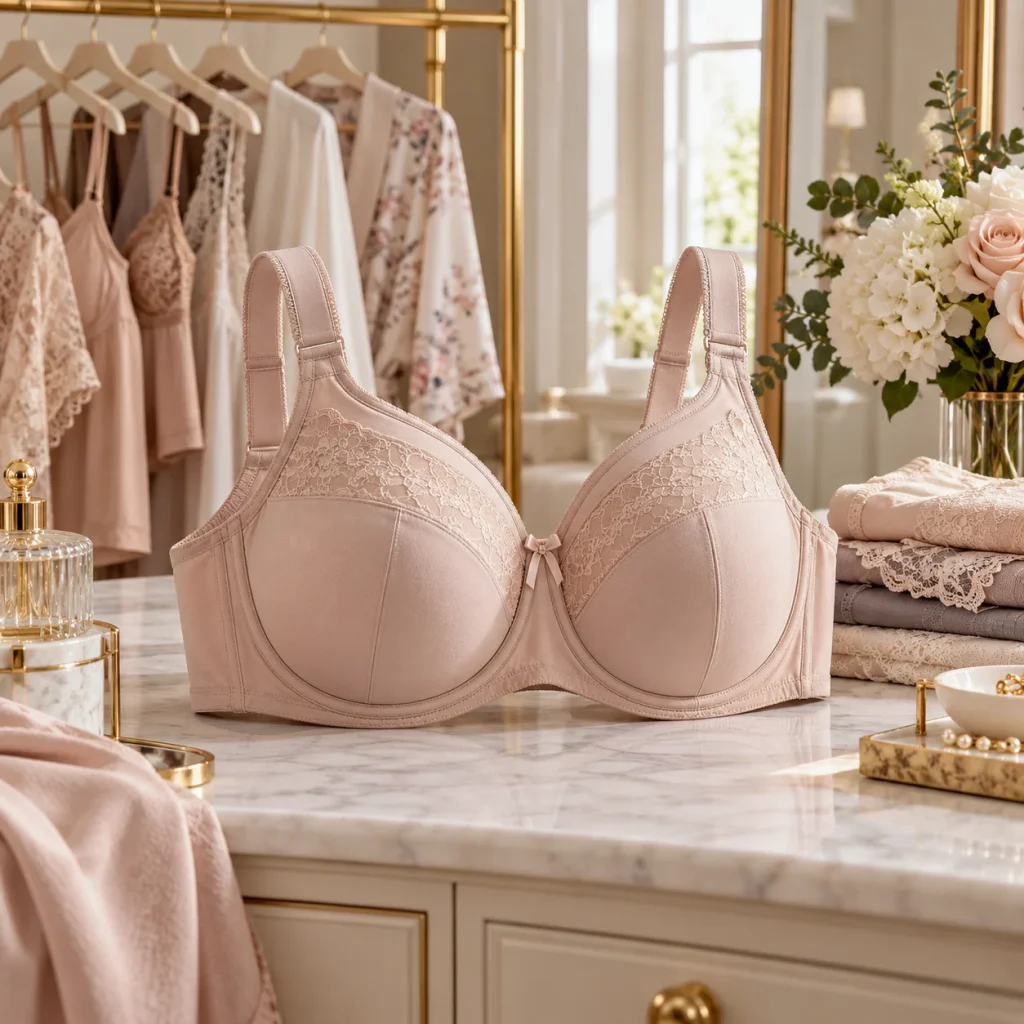
If you want one dependable everyday bra, this is the classic choice. Full-coverage cups reach up and around the breast, which holds tissue in place and prevents it from spilling over the top or sides. The underwire adds shape from below.
Best for: Everyday wear, work, and anyone who wants maximum security.
What to check:
- The wires should sit flat against your ribcage and encase your breast tissue, not rest on top of it.
- The center gore should touch your breastbone.
- You shouldn’t see a bulge above the cup or at the side.
Wear it with: Crew necks, button-downs, knits, and fitted tees. The coverage means almost no visible spillover at the neckline.
Watch out for: Cups that are too small, which cause the “double bubble” effect, and bands that are too loose, which leave you unsupported.
2. Side-Support Bra: For Extra Shaping
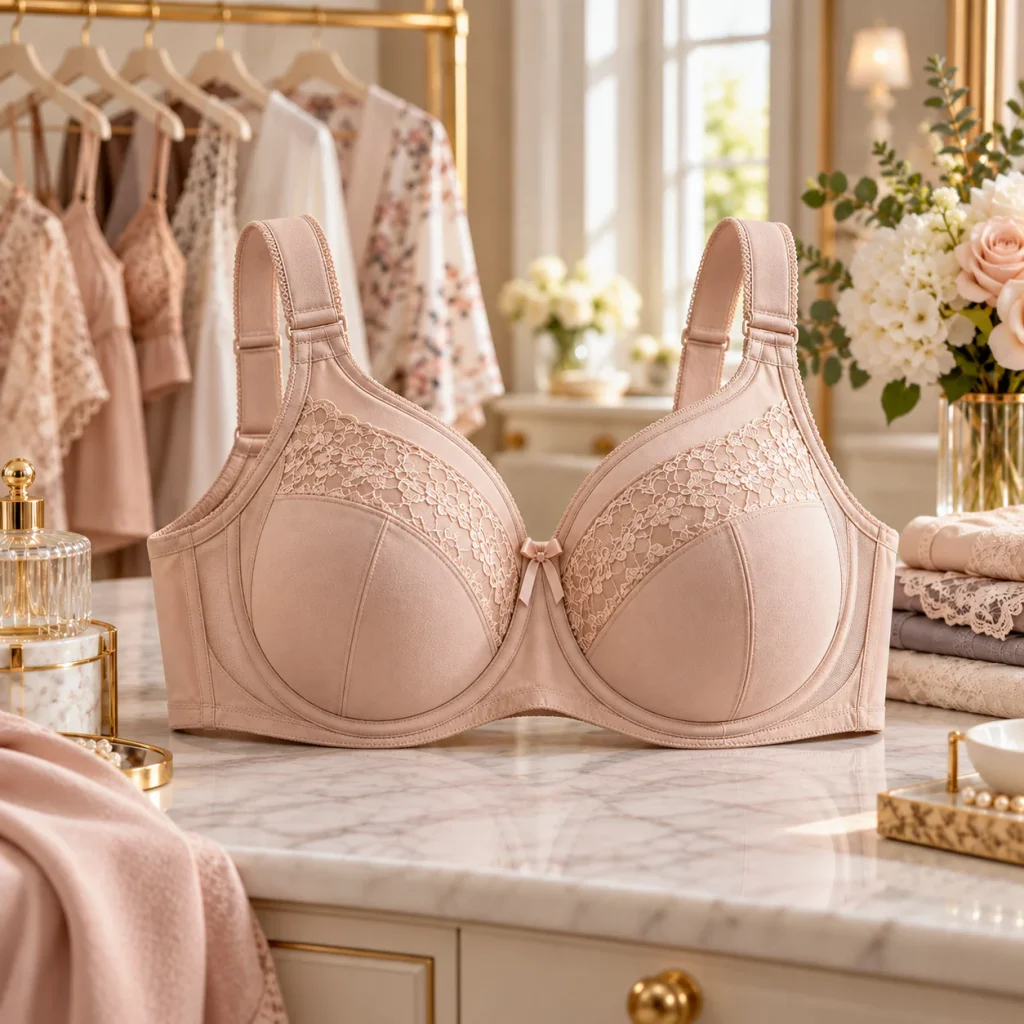
Side-support bras, sometimes called side-sling or side-smoothing bras, add structure along the sides of the cup. Retailer descriptions explain that these styles usually have cups made from three or more panels, often with a vertical seam, so the fabric holds and shapes the tissue.
This design helps bring tissue forward and toward the center. That can create a smoother, more lifted profile under clothing, especially for fuller busts.
Best for: Fuller busts, or anyone with tissue that moves toward the underarm.
Examples of styles to look at: Retailers commonly list side-support styles from lingerie brands such as Chantelle (Rive Gauche), Fantasie (Reflect), Elomi (Cate), and Goddess (Keira, a full-coverage underwire). These are examples from a retail roundup, not tested picks, so check current sizing, availability, and reviews before you buy.
Wear it with: Fitted knits, wrap tops, and dresses where you want a smooth line.
Watch out for: Seams that show through very thin fabric. Choose a seamless-feeling cup when wearing clingy tops, or browse our guide to seamless bras for smoother-under-clothes options.
3. Molded T-Shirt Bra: For a Smooth Look
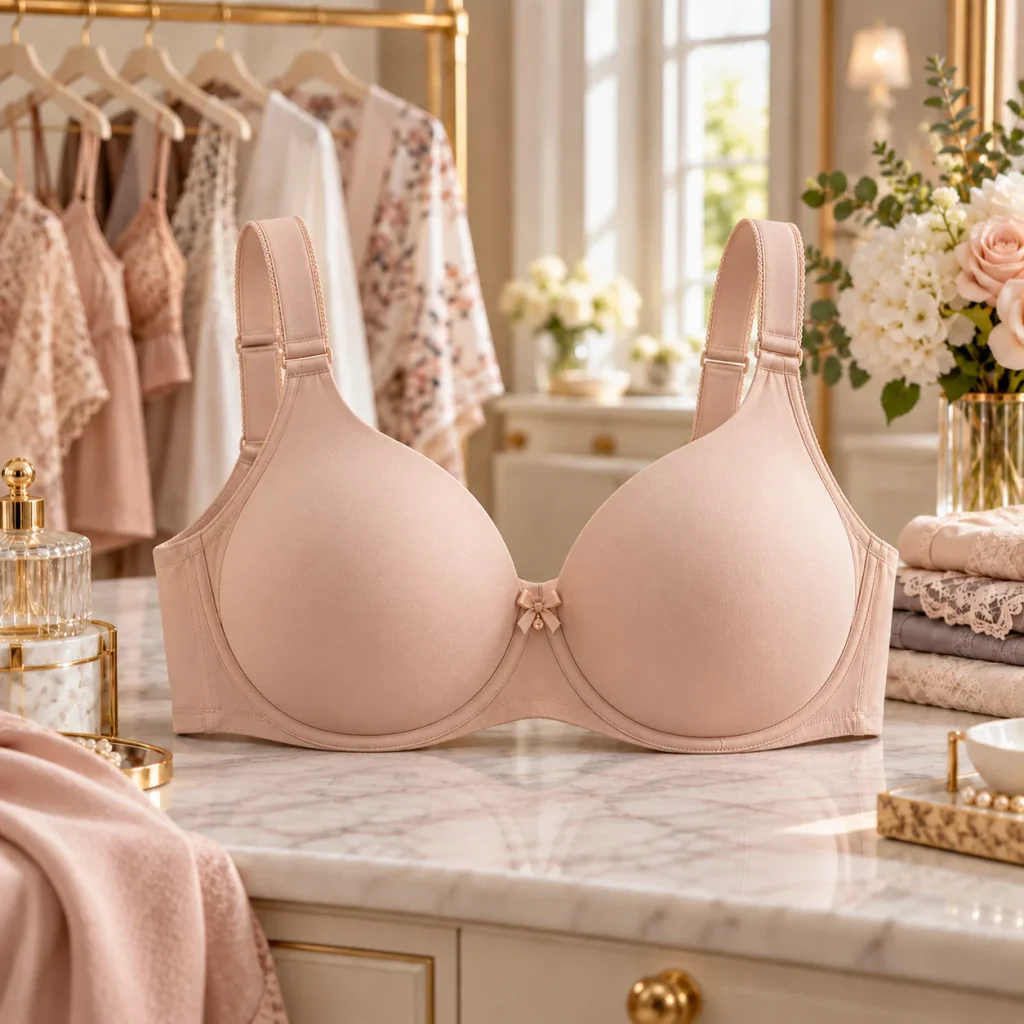
A molded T-shirt bra has lightly lined, shaped cups with no visible seams. A good one looks rounded and smooth under a fitted tee, which is why it’s a favorite for work and casual wear.
Some retail guides say lightly padded T-shirt bras with underwire give a natural, rounded lift to sagging tissue. Light padding also helps with shape, since the cups hold their form rather than depending entirely on your breast tissue.
Best for: Smooth lines under tees, knits, and fitted dresses.
What to check:
- The cup should lie flat with no wrinkles or gaps.
- Choose light padding if you want shape without added bulk.
- Check the neckline of your tops to make sure the cup edge doesn’t show.
Wear it with: Jersey tees, knit dresses, and fitted tops.
Watch out for: Very thick padding, which can add size you don’t want. Some people prefer thinner foam for a more natural look.
4. Balconette or Demi Bra: Rounded Lift, Lower Neckline
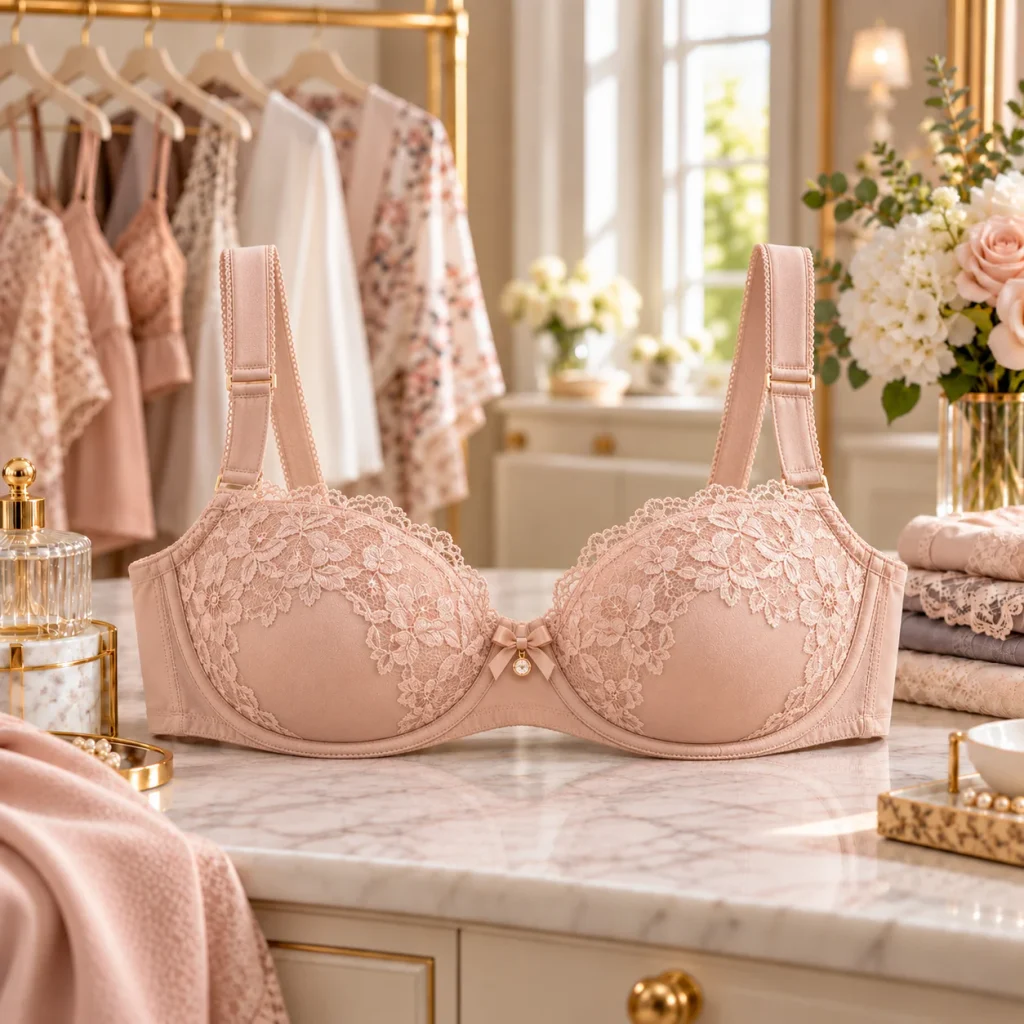
A balconette (also called a demi bra) has cups that sit lower on the breast, with wide-set straps. Retail descriptions note that the lower neckline shows off the volume from the lift because the cup sits toward the bottom of the breast.
This style is popular for people who want a lifted, rounded shape without covering the full top of the breast. It works especially well with scoop and square necklines.
Best for: Scoop and square necklines, off-the-shoulder tops, and a rounded, lifted shape.
What to check:
- The top edge of the cup should lie flat against your skin, with no gaping.
- The straps should sit comfortably at the edge of your shoulders.
- Make sure the cup holds your breast fully, with nothing spilling over.
Wear it with: Square-neck tops, wrap dresses, and wide necklines.
Watch out for: Less coverage than a full-cup style. If you tend to spill over lower cups, go up a cup size or choose a full-coverage design.
5. Plunge Bra: Centered Lift for Low Necklines
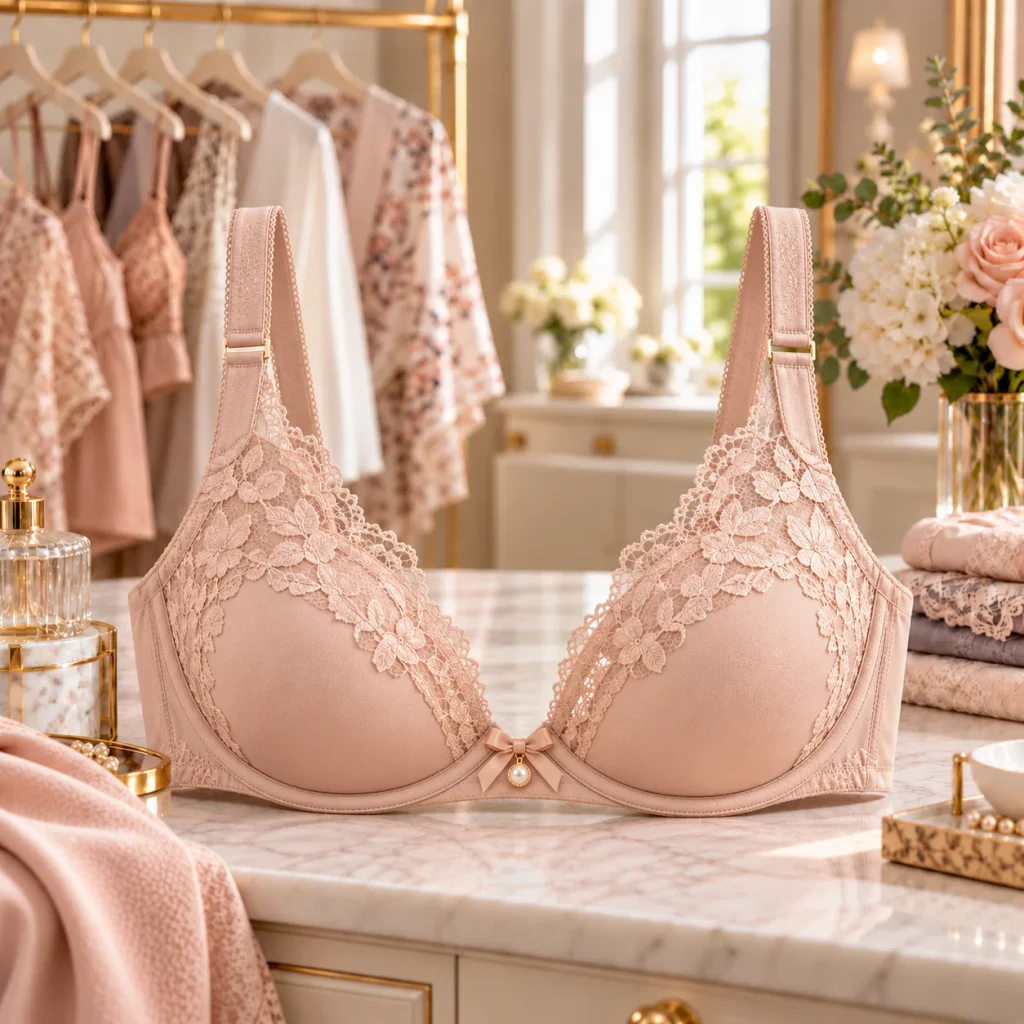
A plunge bra has a deep V-shaped center and angled cups that push tissue toward the middle. Retail guides describe it as a versatile style that can lift slender, saggy, or asymmetrical breasts, though it offers less coverage than other styles.
Plunge styles work best when the center gore is low and the wires sit comfortably against your ribcage. If the gore floats away from your chest, the bra needs a different size or a different shape.
Best for: V-necks, wrap tops, and low-cut dresses.
What to check:
- The center gore must lie flat against your breastbone.
- The cups should fully enclose your breast tissue without gaping at the sides.
- Test it with the neckline you plan to wear.
Wear it with: V-neck tops, wrap dresses, and button-downs worn open at the collar.
Watch out for: Fit problems at the center. Plunge bras need careful sizing, and they aren’t the most supportive style for very full busts.
6. Supportive Wire-Free Bra: Comfort First
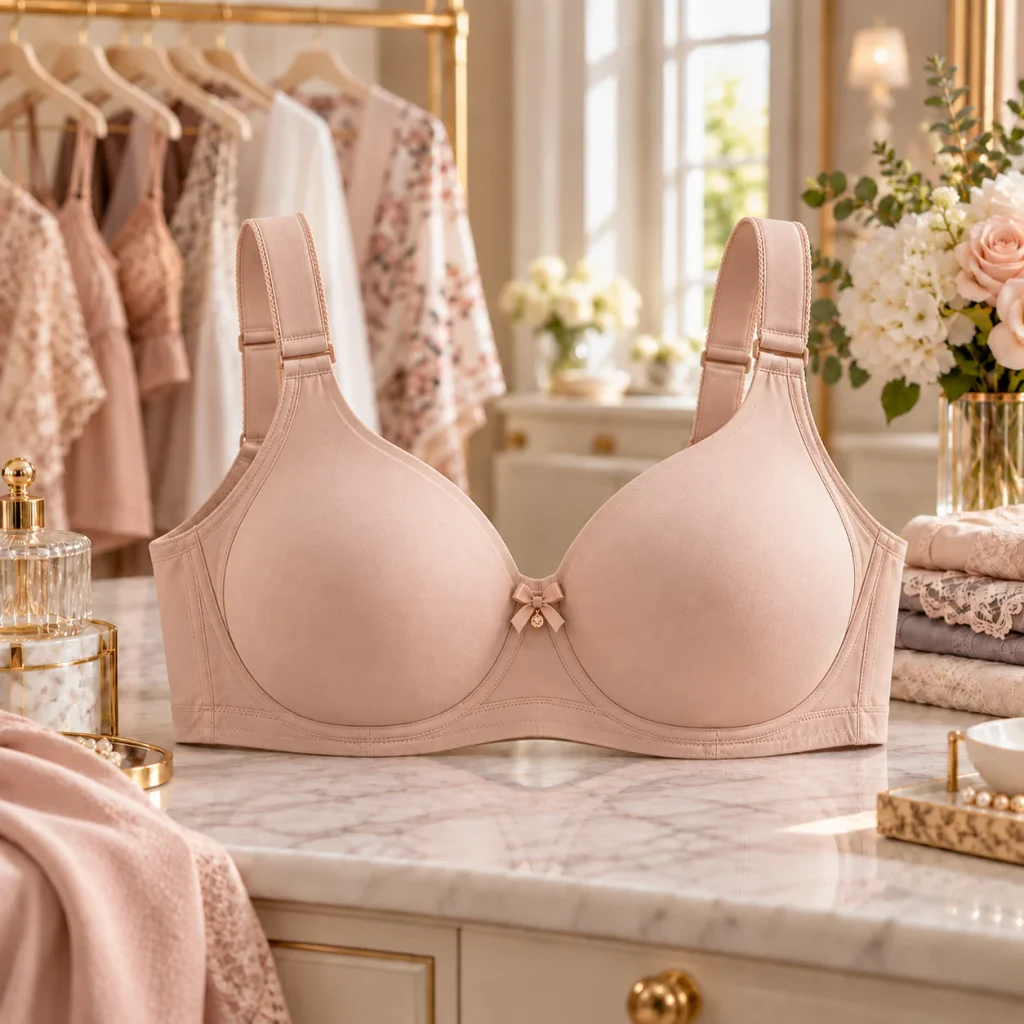
Not everyone wants a wire. A good wire-free bra can still offer solid support if it has a firm band, wider straps, and a structured cup or cradle.
Honeylove, for example, describes its wire-free styles as using a bonded cradle in place of underwire. Other brands use molded foam, side panels, or wide elastic bands to create shape.
One retailer guide suggests wireless bras tend to work best for those under a DD/E cup, since heavier breasts often prefer the added structure of an underwire. That’s a general guideline, not a rule. Try a few styles, and see what feels supportive to you.
Best for: Lounging, travel, sleep-adjacent comfort, and people who find wires uncomfortable.
What to check:
- The band should feel firm, not stretched out.
- The cups should fully contain your breast tissue.
- The straps should be wide enough to avoid digging.
Wear it with: Loose tees, sweaters, and relaxed outfits. For more comfort-first ideas, see our guide to the most comfortable bras.
Watch out for: Very thin, stretchy fabrics that lose support quickly. A wire-free bra needs structure in the band and cups to work.
7. High-Support Sports Bra: For Movement
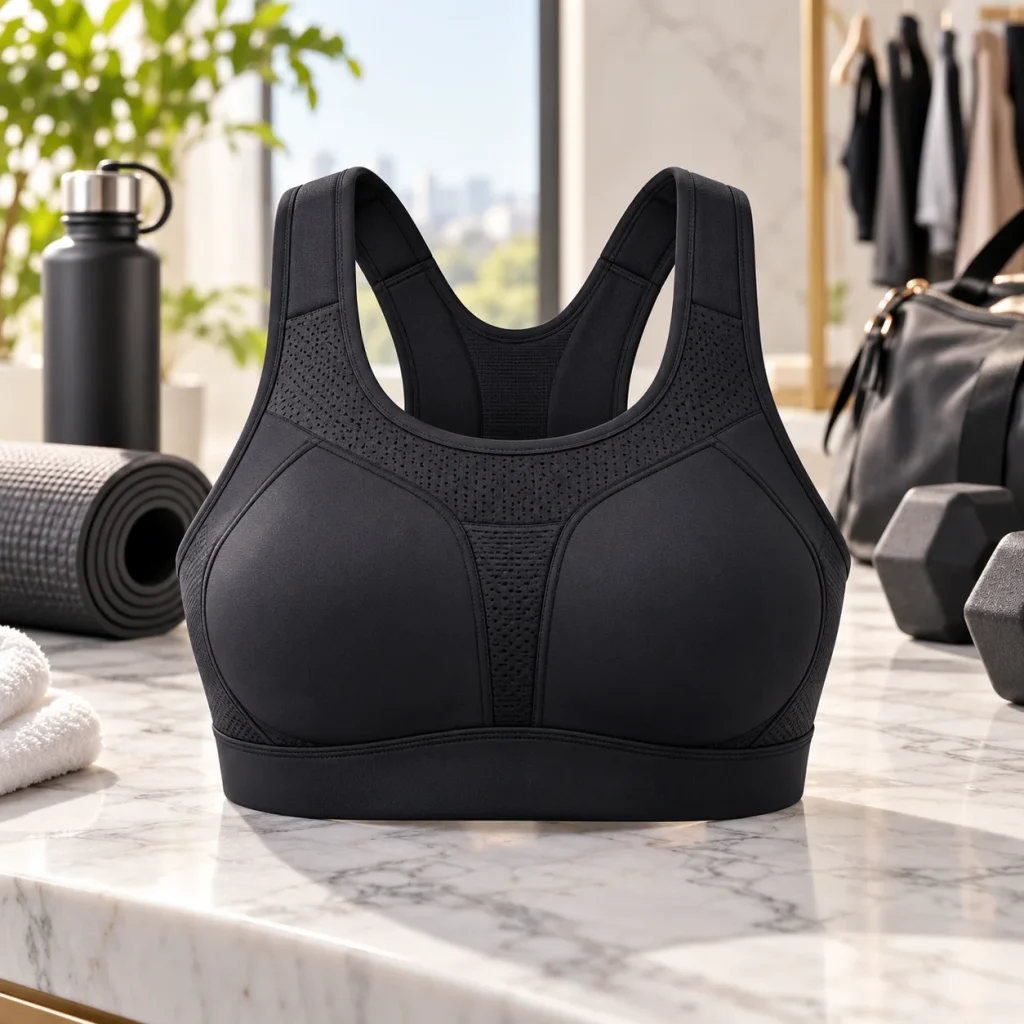
Breasts move during exercise, and that movement can be uncomfortable. A high-support sports bra holds the breasts close to the body to limit bounce.
Some bra guides claim sports bras can prevent sagging. That claim isn’t well proven, so it’s safer to say sports bras reduce discomfort and movement during activity. Choose a high-support style for running, jumping, and other high-impact workouts.
Best for: Running, gym workouts, hiking, and any high-impact activity.
What to check:
- Choose a firm band that doesn’t ride up when you raise your arms.
- Look for wider straps or a racerback design that spreads weight.
- Some styles use separate cups (encapsulation) while others compress the chest. Try both to see which feels better.
- Jump and move in the fitting room, or at home when you test it.
Wear it with: Leggings, athletic shorts, and workout tops.
Watch out for: Wearing a low-impact bra for high-impact exercise. Match the support level to the activity.
How to Check Your Fit
A great bra style still needs the right size. Here’s a simple fit check you can do at home.
- Check the band. It should sit level around your back, parallel to the floor. It should feel snug but not painful. You should be able to slide two fingers underneath.
- Check the cups. Your breast tissue should fill the cup without spilling out the top or sides. There shouldn’t be gaping or wrinkling.
- Check the gore. The center piece should sit flat against your breastbone.
- Check the wires. If your bra has them, they should encase the breast tissue and rest on your ribcage, not on the breast itself.
- Check the straps. They should stay in place without digging. Adjust them so the band stays level.
- Do the movement test. Raise your arms, bend over, and walk around. The bra should stay put.
If your band keeps riding up, you probably need a smaller band size, often with a bigger cup size. If you’re unsure, a professional fitting at a lingerie store can help.
Common Fit Problems and How to Fix Them
| Problem | Likely cause | Fix |
|---|---|---|
| Tissue spills over the top | Cup too small | Go up a cup size or choose full coverage |
| Cups gape | Cup too large or wrong shape | Try a smaller cup or a different style |
| Band rides up the back | Band too big | Go down a band size, up a cup size |
| Straps dig into shoulders | Band not supporting enough | Fix the band first, then adjust the straps |
| Wire digs or pokes | Wrong size or shape | Try a different size or a wire-free style |
| Center gore floats | Cups too small or wrong cut | Try a larger cup or a different style |
| Tissue moves to the sides | Not enough side support | Choose a side-support style |
Most “my bra doesn’t work” problems turn out to be fit problems. Check these before assuming the style is the issue.
Matching Your Bra to Your Outfit
| Outfit | Best bra type |
|---|---|
| Fitted tee | Molded T-shirt bra or seamless bra |
| Button-down | Full-coverage or side-support bra |
| Scoop or square neckline | Balconette or demi bra |
| V-neck or wrap top | Plunge bra |
| Knit dress | Smooth molded bra with side support |
| Workout clothes | High-support sports bra |
| Lounging at home | Supportive wire-free bra |
| Strapless dress | A dedicated strapless style (see below) |
For strapless outfits, you’ll want a style built for that purpose. Our guide to strapless bras for larger busts explains how to keep a strapless bra secure.
How to Care for Your Bras
Good care helps a bra keep its shape and support for longer.
- Hand wash when you can. Use cool water and gentle soap, then press out the water gently. Machine washing is harder on fabric and wires.
- If you use a machine, put the bra in a mesh lingerie bag on a gentle cycle.
- Air dry flat or hang by the center gore. High heat damages elastic.
- Rotate your bras. Letting each bra rest between wears helps the elastic recover.
- Fasten hooks before washing. This keeps them from snagging other fabrics.
- Replace worn bras. Many bra fitters suggest replacing everyday bras every six to twelve months, but that depends on how often you wear them. Replace a bra when the band stretches, the cups lose shape, or the wires bend.
Common Mistakes to Avoid
- Judging size by your usual number. Bra sizes vary by brand and style. Always try on or check each brand’s size guide.
- Tightening the straps for lift. If the band is loose, tight straps will only cause pain.
- Skipping side support. If your tissue moves outward, a side-support style can help.
- Wearing the same bra daily. Rotating bras extends their life.
- Buying very thin cups for heavy support needs. Structure matters.
- Believing miracle claims. No bra will permanently lift or reverse sagging. Choose for comfort, fit, and the look you want.
A Quick Health Note
Sagging itself is a normal change and not a medical problem. But if you notice a new lump, skin dimpling, nipple discharge, or persistent breast pain, speak with a healthcare provider. Those changes aren’t related to bra choice.
Conclusion
The best bras for sagging breasts combine good fit with the right structure. Full-coverage cups, side support, a firm band, and wide straps are the features that matter most. From there, choose the style that matches your outfit and your comfort: a molded T-shirt bra for smooth lines, a balconette or plunge for lower necklines, a wire-free bra for lounging, and a high-support sports bra for movement.
As a practical next step, check your current bra with the fit steps above. If the band rides up or the cups spill, that’s the first thing to fix, and it may improve your support more than any new style.
FAQs
What is the best type of bra for sagging breasts?
A full-coverage bra with a firm band and side support is a reliable choice for many people. Underwire gives extra structure, though a well-made wire-free bra can also work.
Do underwire bras lift more than wireless bras?
Underwire bras often provide stronger shaping and lift because the wire defines the breast from below. A wireless bra with a firm band and structured cups can still give good support, and many people find it more comfortable.
Can a bra fix sagging breasts?
No. A bra can lift and shape the bust under clothing and improve comfort, but it doesn’t reverse sagging or rebuild tissue support. Treat claims of permanent lift with caution.
Should I size up for more lift?
Not necessarily. Lift comes from the right band and cup size together, not from buying bigger. Spilling over the cup means you need a larger cup, while a loose band means you need a smaller band.
Is a sports bra good for sagging breasts?
A high-support sports bra reduces bounce and discomfort during exercise. Claims that it prevents sagging aren’t well proven, but support during activity is still worthwhile.
What bra is best for sagging breasts under a T-shirt?
A lightly padded, molded T-shirt bra gives a smooth, rounded look under a fitted tee. Seamless cups help prevent visible lines.
How often should I replace my bras?
Many fitters suggest every six to twelve months for everyday bras. Replace sooner if the band stretches, the cups lose shape, or the wires bend.
Are plunge bras good for sagging breasts?
They can be, especially for lifting tissue toward the center under low necklines. They offer less coverage than full-cup styles, so make sure the center gore lies flat and the cups hold all your tissue.