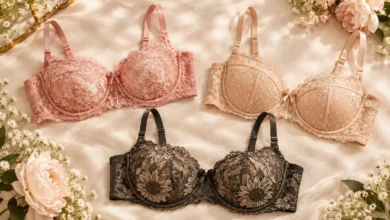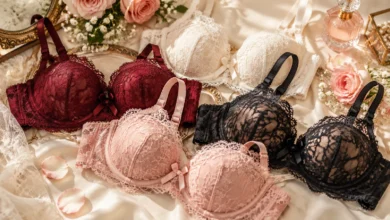
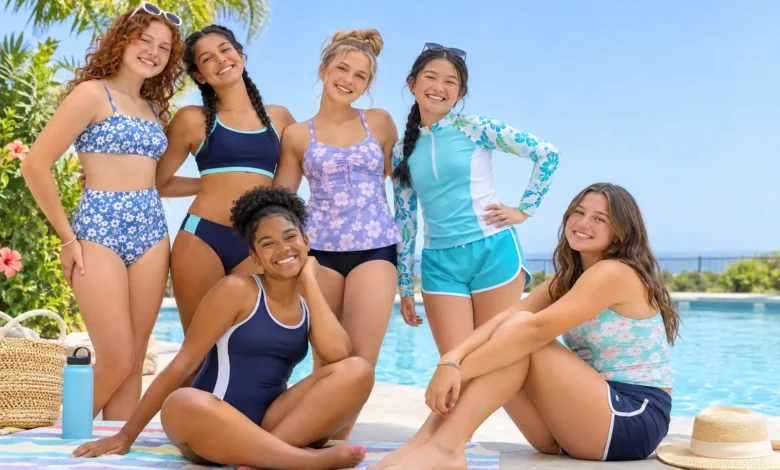
The best teen bikini is the one that fits well, feels secure when you move, and makes you comfortable enough to forget about it and just enjoy the pool or beach. Style matters, but comfort, coverage you feel good in, and sun protection matter more.
This guide covers 9 cute and stylish swimsuit looks for teen girls, with options from classic two-piece sets to tankinis, rash guards, and swim team suits. You will also find how to measure and choose a size, how to pick a suit for how you want to wear it, how to care for it, what to wear over it, and tips for feeling confident at the pool.
A quick note: every body is different, and there is no single right way to wear swimwear. Choose what feels good to you, and use this guide as a starting point. Parents and guardians will find a short section near the end.
What Swimsuit Is Best for a Teenager?
The best swimsuit for a teenager is one that fits properly, stays in place during activity, matches how you will use it, and gives you the amount of coverage you are comfortable with. There is no single best style. A swim team suit, a tankini, a high-waisted two-piece, and a rash guard set are all good choices for different situations.
A quick way to think about it:
| If you will mostly… | Consider |
|---|---|
| Swim laps or compete | A racerback one-piece or athletic two-piece |
| Lounge at the pool | A comfortable two-piece or tankini |
| Surf, paddle, or play in the sun | A rash guard with swim shorts or bottoms |
| Travel or go on school trips | A mix-and-match set that packs small |
| Prefer more coverage | A tankini, one-piece, or rash guard set |
What to Look for in a Teen Swimsuit
| Feature | Why it matters |
|---|---|
| Good fit | A suit that fits well stays put and feels comfortable |
| Adjustable straps | Lets you fine-tune the fit |
| Supportive top or lining | Helps with comfort and security |
| Quality fabric | Holds shape and color longer |
| Sun protection | UPF-rated fabric adds protection |
| Chlorine resistance | Helps suits last if you swim often |
| Easy care | Quick-drying and machine- or hand-washable |
When you try a suit on, move around: bend, jump, and reach your arms overhead. If it slips, digs, or rides up, try a different size or style.
9 Cute and Stylish Teen Swimsuit Looks
These nine looks cover the most popular styles. Trends and brands change, so use this as a guide to what to look for.
1. The High-Waisted Two-Piece
The look: a supportive top with high-waisted bottoms that sit at or above the hip.
High-waisted bikini bottoms are a favorite because they feel secure and offer a bit more coverage. They work for lounging, light swimming, and beach days.
What to look for: a comfortable waistband, adjustable top straps, and fabric that stays put.
Best for: pool days, vacations, everyday beach wear. Great for teen girl swimsuits with a bit more coverage.
2. The Sporty Two-Piece
The look: a sports-style top, like a racerback or crop-style top, with athletic bottoms.
A sporty swimsuit moves with you. It is a good choice for active days, volleyball, paddleboarding, and swimming.
What to look for: a snug, supportive fit, wide straps, and fabric made for swimming.
Best for: active days, sports, teen swimwear for school trips.
3. The Tankini
The look: a tank-style top paired with swim bottoms.
A tankini offers more coverage than a bikini top and is easy to move in. Tankini for teens is a popular choice for people who prefer a bit more coverage or want a set that feels like a tee.
What to look for: a length you like, a built-in lining or support, and bottoms that stay in place.
Best for: swimming, beach days, anyone who wants more coverage. This is also a good teen girl swimsuits modest option.
4. The Rash Guard Set
The look: a long- or short-sleeved swim top paired with swim bottoms or shorts.
Rash guards are great for sun protection and for surfing, paddling, and snorkeling. Many are made with UPF-rated fabric.
Are rash guards good for swimming and sun protection? Yes. A UPF 50 rash guard blocks most UV rays from reaching your skin, and it covers more skin than a regular top, which helps reduce sunscreen needs on those areas. You still need sunscreen on exposed skin.
What to look for: a snug but comfortable fit, a UPF rating, and flatlock seams that reduce chafing.
Best for: surfing, long beach days, sun protection, teen girl swimsuits with sun protection.
5. The Classic One-Piece
The look: a one-piece swimsuit in a solid color or print.
A one-piece is simple, secure, and easy to wear for activity. It comes in many styles, from sporty to classic.
What to look for: a good torso length (it should not pull or dig), supportive straps, and a lining.
Best for: swimming, pool parties, vacations, anyone who wants simplicity.
6. The Ribbed or Color-Block Two-Piece
The look: a two-piece in ribbed fabric or color blocks.
Ribbed swimsuits and color-block swimsuits have a textured, modern look and pair easily with shorts and cover-ups. Solid or two-tone colors are easy to mix and match.
What to look for: stretch fabric with good recovery, a lining, and comfortable straps.
Best for: pool days, beach trips, mix-and-match sets.
7. The Floral or Ruffle Two-Piece
The look: a two-piece with floral print or soft ruffle details.
Floral and ruffle swimsuits have a playful look. Ruffles add a soft detail, and prints make the suit feel fun and summery.
What to look for: secure ruffles that will not catch, a supportive top, and a print you love.
Best for: vacations, beach days, summer outings.
8. The Swim Team Suit
The look: a racerback or athletic suit designed for training and competition.
Swim team suits are built to last through chlorine, practice, and meets. They are more durable than fashion suits, and many are made with chlorine-resistant fabric.
What to look for: a snug fit that does not ride up, chlorine-resistant fabric, and your team’s color or style requirements.
Best for: swim team, laps, regular pool swimming. This is the best choice for teen girl swimsuits for swim team and athletic swimwear.
9. The Swim Shorts and Top Set
The look: swim shorts with a fitted swim top or tankini.
Swim shorts offer extra coverage, move well, and suit active days. Paired with a swim top or rash guard, they work for surfing, water sports, and beach games.
What to look for: quick-dry fabric, a comfortable waistband, and a liner or a drawstring that does not bunch.
Best for: active days, surfing, water sports, teen girl swimsuits for surfing.
The 9 Looks at a Glance
| Look | Coverage | Best for | Activity level |
|---|---|---|---|
| High-waisted two-piece | Medium | Pool, vacation | Low to medium |
| Sporty two-piece | Medium | Active days | Medium to high |
| Tankini | Medium to high | Swimming, beach | Medium |
| Rash guard set | High | Sun protection, surfing | High |
| Classic one-piece | Medium to high | Laps, pool parties | Medium to high |
| Ribbed or color-block | Medium | Mix and match | Low to medium |
| Floral or ruffle | Medium | Vacation | Low to medium |
| Swim team suit | Medium to high | Training | High |
| Swim shorts and top | High | Water sports | High |
Bikini vs. Tankini vs. One-Piece
What Is the Difference Between a Bikini and a Tankini?
A bikini is a two-piece swimsuit with a separate top and bottom, while a tankini pairs a longer tank-style top with swim bottoms. A tankini covers more of the torso than a bikini top, and it is often easier to wear for sports and swimming.
One-Piece vs. Bikini
| Factor | One-piece | Bikini (two-piece) |
|---|---|---|
| Coverage | More torso coverage | Varies by style |
| Security | Stays put during activity | Depends on fit and style |
| Bathroom convenience | Less convenient | More convenient |
| Tan lines | Different pattern | Varies |
| Mix and match | Not possible | Easy to mix and match |
Neither is better. Choose based on comfort, activity, and what you like.
How to Measure for a Swimsuit
How to Find a Swimsuit That Fits
- Use a soft tape measure and measure over thin clothing or underwear.
- Measure your bust, around the fullest part of your chest.
- Measure your waist, at the narrowest part of your torso.
- Measure your hips, around the widest part.
- Compare to the size chart for the exact brand, since sizes vary.
- Consider your torso length for one-piece suits.
- Check the return policy in case you need to exchange.
What Size Swimsuit Should a Teen Get?
Sizes vary widely by brand and by section: girls’, juniors’, and women’s sizes all fit differently. The best approach is to measure and use the brand’s size chart, not to guess based on clothing sizes. If you are between sizes, consider your comfort and the suit’s stretch.
Teen Swimsuit Size Guide: Tips
- Try sets in different sizes. Tops and bottoms may fit differently, and many retailers let you mix sizes.
- Check adjustable straps for fine-tuning.
- Check stretch. Swimwear fabric with good stretch moves with you.
- Check fit when wet. Some fabrics stretch a bit in water.
Teen Girl Swimsuits for Petite and Tall
- Petite: look for shorter torso lengths, adjustable straps, and smaller sizes.
- Tall: look for long-torso one-piece options and bottoms with a longer rise.
Teen Girl Swimsuits Plus Size
Look for retailers with inclusive size ranges, supportive tops, adjustable straps, and stretch fabrics. Check each size chart and reviews from people with a similar fit.
Features Worth Knowing
Padded vs. Unpadded Swim Tops
Padded tops give a bit of shape and extra coverage, while unpadded tops are lighter and dry faster. It is a personal choice. Removable pads let you decide. Choose what feels comfortable.
Bikini Top With Full Coverage
If you prefer more coverage, look for tops with wider straps, higher necklines, or tank-style cuts. Rash guards and tankinis are also good options.
Adjustable Straps
Adjustable straps let you fine-tune the fit and are especially useful as your body changes. They help the suit stay secure for swimming and active days.
Sun Protection and Swimwear
UPF 50 Swimwear
UPF stands for ultraviolet protection factor, and a UPF 50 fabric is designed to block about 98 percent of UV rays. UPF swimwear can be a useful part of sun protection, but it only protects the areas it covers, so you still need sunscreen on exposed skin.
How to Protect Skin at the Beach
The American Academy of Dermatology recommends a few simple habits:
- Use a broad-spectrum, water-resistant sunscreen with SPF 30 or higher on exposed skin.
- Reapply every two hours, and after swimming or sweating.
- Seek shade, especially in the middle of the day.
- Wear protective clothing, such as a rash guard, a hat, and sunglasses.
- Avoid tanning beds.
If you have questions about your skin, a doctor or dermatologist can help.
Chlorine-Resistant and Sustainable Swimwear
Chlorine-Resistant Swimsuits
If you swim often, choose suits made with chlorine-resistant fabric. Many swim team suits use durable polyester-based fabrics that hold up to chlorine better than standard blends. Check the product description.
Sustainable Swimwear
Some brands make swimwear from recycled materials, such as recycled nylon or polyester. Sustainability claims vary, so look for specifics, like the percentage of recycled content, instead of vague terms. A suit that lasts longer is also more sustainable.
Swimsuit Cover-Ups and Beach Outfits
How to Style a Swimsuit With a Cover-Up
A cover-up makes it easy to go from the water to the snack bar, the boardwalk, or the car.
- Oversized button-up shirt: worn open over a swimsuit.
- Sarong or wrap skirt: tied at the waist.
- Terry or beach dress: easy and comfortable.
- Shorts and a tee: a casual option.
- Hoodie or towel poncho: for cooler days.
For shorts ideas, see our guide to baggy denim shorts looks.
Beach Outfit for Teens
Pair a swimsuit with a cover-up, flat sandals or slides, sunglasses, and a hat. Choose comfortable shoes you can wear on sand and hot pavement. For ideas, see our sandal styles for every occasion.
What to Wear to the Beach
- A swimsuit you feel comfortable in
- A cover-up or shirt
- Sunscreen and a hat
- Slides or flip-flops
- A bag for essentials
What to Wear to a Pool Party
Wear a swimsuit you feel comfortable in, and bring a cover-up, a towel, and sunscreen. Pack a change of clothes for afterward. If you are not sure about the vibe, bring a rash guard or a shirt for extra coverage. For more outfit ideas for after the pool, see our casual outfit ideas for everyday.
What to Pack in a Beach Bag
| Category | Items |
|---|---|
| Sun protection | Sunscreen, lip balm with SPF, hat, sunglasses |
| Comfort | Towel, cover-up, slides |
| Hydration and snacks | Water bottle, snacks |
| Entertainment | Book, headphones |
| Wet items | A plastic bag or dry bag |
| Essentials | Phone, cards, keys in a zipped pouch |
For packing and travel ideas, see our weekend and travel outfit ideas.
How to Feel Confident in a Swimsuit
Confidence does not come from having a particular body. It comes from being comfortable, and a few things help.
How to Feel Comfortable at the Pool
- Choose a suit you like and that fits. Comfort comes first.
- Try it on at home and move around in it.
- Bring a cover-up if it makes you feel more comfortable.
- Go with friends you feel good around.
- Focus on what you are doing, like swimming, games, or music.
- Be kind to yourself. Everyone feels self-conscious sometimes.
- Limit social media comparisons. Photos are often edited or posed.
How to Pick a Swimsuit for Your Body Type
Instead of picking a suit to hide or change your body, pick one for how you want to feel and what you will be doing. Ask yourself: Is it comfortable? Does it stay in place? Do I like how it looks? There is no wrong body for any style.
Body-Positive Swimwear
Body-positive swimwear focuses on inclusive sizing, supportive fits, and a range of styles for different bodies. Look for brands that show different body types and offer a wide range of sizes.
If worries about your body or how you look in a swimsuit feel overwhelming or keep you from things you enjoy, talk to a trusted adult, a school counselor, or a doctor. You deserve support.
Swimsuit Care
How to Care for a Swimsuit
- Rinse after swimming. Fresh water removes chlorine, salt, and sunscreen.
- Wash gently. Use cool water and mild soap.
- Do not wring. Squeeze out water gently.
- Air dry in the shade. Direct sun can fade colors and damage elastic.
- Avoid the dryer. Heat damages stretch fabric.
- Avoid rough surfaces. Sitting on concrete can snag fabric.
How to Wash a Swimsuit Properly
Hand wash in cool water with a small amount of gentle detergent, rinse well, and lay flat to dry. If the label allows machine washing, use a mesh bag, a gentle cycle, and cold water, and skip the dryer and fabric softener.
How to Make a Swimsuit Last Longer
- Rinse after every use.
- Rotate between two suits.
- Avoid hot tubs, which are hard on fabric.
- Wash with other delicates only.
- Store flat or folded, not hung by the straps.
How to Stop Swimsuit Fading
Fading comes from sun, chlorine, salt, and heat. Rinse after swimming, dry in the shade, avoid heat, and consider UPF or chlorine-resistant suits if you swim often.
How Often Should You Replace a Swimsuit?
There is no fixed rule, but a suit that is faded, stretched out, thin, or no longer supportive is ready to replace. If you swim often, a suit may only last a season or two. If you wear one occasionally, it may last longer.
Teen Swimwear Trends in 2026: What We Can and Cannot Say
We could not find a reliable, sourced forecast for teen swimwear trends in 2026, and we do not want to invent one. Styles that have been popular for several seasons include ribbed fabrics, color blocking, high-waisted bottoms, sporty cuts, and mix-and-match sets, and retailers continue to sell them. Choose styles you like and that fit well, not just what is trending.
Shopping Tips for Teens
Swimsuit Shopping Tips for Teens
- Measure first. Use a size chart.
- Check the return policy. Many retailers will not accept returns on worn swimwear, so try suits on over underwear and keep tags on.
- Read reviews for fit and quality.
- Look at the fabric. Check for stretch, lining, and sun protection.
- Mix and match. Buy tops and bottoms in sizes that fit each.
- Ask a trusted adult if you are shopping on a budget.
Teen Girl Swimsuits on a Budget and Under $30
Many retailers sell swimwear at a range of prices, and prices change by season and store. To save money:
- Shop end-of-season sales.
- Look for mix-and-match sets.
- Check clearance sections.
- Buy one versatile suit instead of several trend pieces.
- Compare prices at different retailers.
We do not list specific prices, since they change.
Teen Girl Swimsuits at Target and Amazon
Large retailers such as Target and Amazon sell teen and junior swimwear in many styles and sizes. When you shop, check the size chart, read reviews with photos, and review the return policy. On marketplaces, buy from reputable sellers and be wary of items that look too cheap for the quality.
Best Swimsuits for Teens
The best swimsuit is the one that fits, feels comfortable, and fits your activities. Try on a few styles, and choose the one you like best.
A Note for Parents and Guardians
- Talk about comfort first. Let your teen choose styles they feel comfortable in.
- Respect their preferences, including the amount of coverage.
- Choose sun protection. A UPF rash guard and sunscreen help.
- Check sizing together. Use measurements and size charts.
- Be mindful about comments on bodies. Supportive language helps your teen feel confident.
Common Swimsuit Mistakes
- Buying the wrong size. Check the size chart.
- Ignoring comfort. If it digs or slips, it will not be worn.
- Skipping sun protection. Swimwear does not replace sunscreen.
- Leaving suits wet in a bag. It can cause mildew and fading.
- Washing in hot water or the dryer. Heat damages elastic.
- Following trends over fit. Choose what suits you.
Frequently Asked Questions Teen Bikini
What swimsuit is best for a teenager?
One that fits well, feels comfortable, and matches how you will use it. Swim team suits, tankinis, high-waisted two-pieces, and rash guard sets are all good options.
How do I choose a swimsuit that fits?
Measure your bust, waist, and hips, compare to the brand’s size chart, and try the suit on and move around in it. Choose adjustable straps and check the return policy.
What is the difference between a bikini and a tankini?
A bikini is a two-piece with a separate top and bottom, while a tankini has a longer tank-style top with separate bottoms, giving more torso coverage.
Are rash guards good for swimming and sun protection?
Yes. A UPF-rated rash guard blocks much of the sun’s UV rays on covered skin and is comfortable for swimming and water sports. You still need sunscreen on exposed skin.
How do I feel confident in a swimsuit?
Choose a suit you like and that fits, bring a cover-up if you want one, focus on the activity, limit social media comparisons, and be kind to yourself.
How do you wash a swimsuit properly?
Rinse after swimming, hand wash in cool water with mild soap, do not wring, and air dry flat in the shade.
How often should you replace a swimsuit?
When it is faded, stretched out, thin, or no longer supportive. Frequent swimmers may need a new suit every season or two.
What should a teen wear to a pool party?
A comfortable swimsuit, a cover-up, a towel, sunscreen, and a change of clothes. Bring a rash guard or shirt if you want extra coverage.
Conclusion
The best teen bikini or swimsuit is the one that fits, feels secure, and makes you comfortable enough to enjoy the day. The nine looks above, from high-waisted two-pieces to tankinis, rash guard sets, and swim team suits, give you options for every activity and comfort level.
For your next step, measure yourself, choose one or two styles you like, check the size chart and return policy, and try them on at home. Add sunscreen and a cover-up, and you are ready.