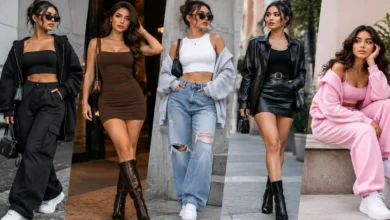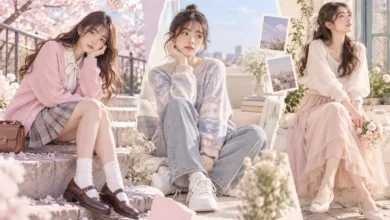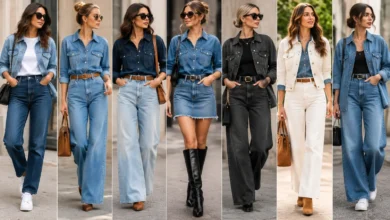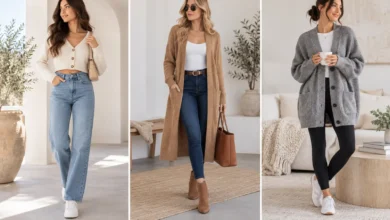
Casual outfits carry the heaviest workload in almost every wardrobe. They’re what you reach for on ordinary days — running errands, working from home, meeting friends for coffee — which also makes them the easiest place to fall into a rut of the same three combinations on repeat. This guide breaks down what actually separates a casual outfit that looks intentional from one that looks thrown together, along with specific, repeatable formulas you can copy directly or adapt using pieces already in your closet.
What Makes an Outfit “Casual” Instead of Just Sloppy?
Casual dressing doesn’t mean careless dressing — it means comfort-first dressing that still follows a few basic styling rules. The line between “casual and stylish” and “casual and sloppy” usually comes down to three things: fit, one point of structure, and a small finishing detail. Fit still matters even in relaxed pieces — oversized doesn’t have to mean shapeless when it’s paired with something more fitted elsewhere in the outfit. A single structured element, like a blazer, a clean sneaker, or a structured bag, gives an otherwise relaxed outfit a sense of intention. And a small finishing detail — rolled sleeves, a tucked-in shirt, a simple necklace — signals that the outfit was chosen, not just grabbed off the floor.
The 6 Core Principles of Great Casual Outfits
These principles apply no matter which specific pieces you’re working with.
1. Pair One Relaxed Piece With One Structured Piece. Two loose, relaxed items together (a baggy shirt with baggy trousers, for example) tend to lose shape. One relaxed piece balanced against one fitted piece keeps the outfit looking deliberate.
2. Let Fit Do What Trend Can’t. A well-fitted basic t-shirt and jeans will always look more put-together than a trendy piece that doesn’t sit right on your frame. Before buying anything new, check that the shoulders, waist, and hem length all land in the right place.
3. Stick to a Simple Color Story. Casual outfits are the easiest place to overcomplicate color. A neutral base with one accent color, or a full monochrome outfit in different shades of the same color, is nearly foolproof and takes far less thought than mixing several unrelated colors.
4. Use Texture to Add Interest Without Adding Effort. Mixing textures — a knit with denim, leather with cotton — adds visual depth to a simple outfit without requiring bold color or pattern. This is one of the easiest ways to make basics look more considered.
5. One Focal Point Is Enough. A single bag, shoe, or accessory can carry the “interest” of a casual outfit. Trying to make several elements stand out at once usually reads as busy rather than styled.
6. Small Details Signal Intention. Tucking in a shirt, rolling a sleeve, or adding one piece of jewelry are all small moves that make a basic combination look chosen rather than accidental.
The rule that ties all six together: a casual outfit looks intentional when it has structure somewhere, even if the overall feel is relaxed.
Everyday Casual Outfit Formulas
| Formula | Core Pieces | Best For | Effort Level |
|---|---|---|---|
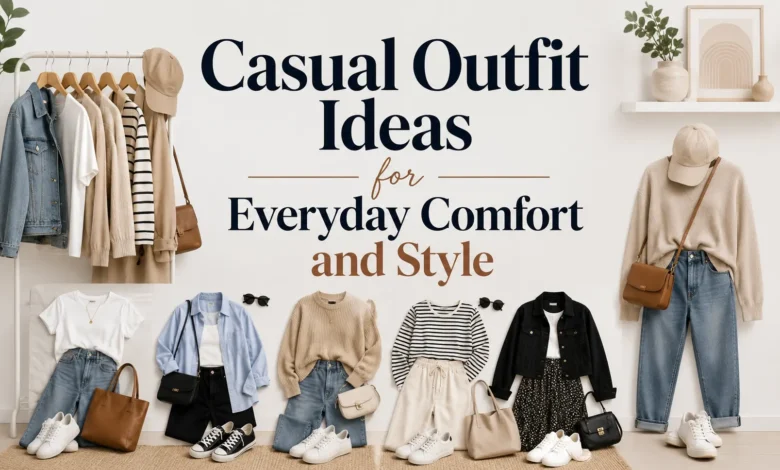
| Elevated Basics | Fitted tee, straight-leg jeans, white sneakers | Errands, casual weekdays | Very low |
| Oversized Layer | Oversized button-down, fitted tank, fitted jeans | Coffee runs, casual meetups | Low |
| Knit-and-Denim | Cropped knit, mid/high-rise jeans | Fall through spring dressing | Low |
| Comfortable Co-ord | Matching soft joggers-and-top set | WFH days, relaxed weekends | Very low |
| Dress-Down Dress | Casual midi/mini dress, denim jacket, sneakers | Warmer-weather errands | Low |
The Elevated Basics Combo
A well-fitted white t-shirt, high-waisted straight-leg jeans, and white leather sneakers is about as close to foolproof as outfit formulas get. Add a structured crossbody bag and simple gold jewelry to finish it. This combination works across seasons with only small layering changes.
The Oversized Layer
Take an oversized button-down shirt — worn open or tucked at the front — over a fitted tank top, paired with fitted jeans or leggings. The contrast between the loose top layer and the fitted bottom keeps the proportions balanced. Add ankle boots or sneakers depending on the season.
The Knit-and-Denim Pairing
A cropped or fitted knit sweater tucked into mid- or high-rise jeans is a classic that works from early fall through late spring. Swap sneakers for loafers when you want the same outfit to feel slightly more polished for a casual lunch or coffee meeting.
The Comfortable Co-ord
A matching soft joggers-and-top set — in a slightly elevated fabric like ribbed knit or French terry, rather than pure athletic wear — reads as intentional rather than “just loungewear,” especially with a structured bag and simple sneakers.
The Dress-Down Dress
A casual midi or mini dress paired with a denim or utility jacket and sneakers turns a piece that might otherwise feel too dressy into an easy everyday option.
Casual Outfit Ideas by Season
Warm weather: Linen shorts with a breezy top, denim cutoffs with a tucked-in tee, or a lightweight sundress with sandals keep you cool while still looking styled.
Cooler weather: Layer a lightweight jacket or cardigan over your base outfit, and swap sneakers for ankle boots. Adding a scarf is a simple way to introduce texture and a pop of color.
Rainy days: A water-resistant trench or utility jacket over your usual casual base, paired with ankle boots rather than sneakers, keeps you dressed for the weather without sacrificing style.
Transitional weather: A single lightweight layer — an oversized shirt or a light cardigan — worn over your regular casual base lets you add or remove warmth as the day’s temperature shifts, without needing an entirely separate outfit.
Building a Casual Capsule on a Budget
Start with fit, not quantity. A handful of well-fitted basics will produce more usable outfits than a large collection of ill-fitting pieces, and a basic tailoring adjustment is often inexpensive relative to buying something new.
Invest in your most-worn pieces. Since casual outfits get worn the most often, well-fitted jeans and a good pair of everyday shoes are worth a slightly higher budget allocation — their cost per wear drops quickly with frequent use.
Keep trend pieces low-cost. A trend-driven top or accessory is reasonable to buy cheaply, since it isn’t meant to last as long as your core basics.
Rotate accessories before buying new clothes. A different bag, a new belt, or a scarf can make an existing casual outfit feel new without any additional clothing purchase.
Use the three-outfit test. Before adding a new casual piece, picture three outfits you’d build with it using items you already own. If you can’t picture three, it’s likely to become a closet orphan.
Making Casual Outfits Feel Less Repetitive
If you feel like you’re wearing the same casual outfit on repeat, try rotating one element at a time rather than overhauling the whole look:
- Swap your usual sneakers for loafers or ankle boots
- Add a layering piece — a blazer, cardigan, or jacket — you don’t typically reach for
- Change your bag style, since a crossbody instead of a tote instantly shifts an outfit’s feel
- Experiment with tucking, half-tucking, or belting a top you’d normally wear loose
- Try a new combination between two pieces that haven’t been paired together before
Small swaps like these can make the same core pieces feel like an entirely new outfit, without any new spending.
How to Dress Up a Casual Outfit Without Overdoing It
Sometimes a casual outfit needs to transition into a slightly more polished setting — a casual dinner after a day of errands, for example. The fastest fixes are: swap sneakers for a heeled loafer or block heel, add a blazer over your existing top, and switch a casual tote for a smaller structured bag. None of these require a full outfit change, just a few targeted swaps that shift the same base into a different formality level.
Casual Outfit Ideas for Different Body Types
Casual dressing benefits from the same proportion principles as any other occasion, just applied more relaxed pieces. A fuller hip often balances well with structured shoulders — an oversized shirt or a blazer worn over a casual base — paired with straight-leg or wide-leg denim rather than very fitted styles. A fuller midsection tends to look comfortable with wrap-style tops or slightly looser fits through the waist, paired with a defined bottom. Straighter frames can use a belted cardigan or a peplum-style top to introduce shape into an otherwise simple outfit. As with any body-type guidance, treat these as flexible starting points — the outfit that feels most comfortable to move in is usually the one that reads as most confident, regardless of any general rule.
Also Read:> How to Style an Oversized Blazer: 5 Ways That Actually Work for Every Occasion
Casual Outfit Ideas for Specific Everyday Activities
Working From Home
Comfort takes priority, but a small structured element still helps you feel more put-together through video calls and focused work. A soft knit or elevated sweatshirt with comfortable joggers or wide-leg lounge pants, paired with simple earrings or a light layer, keeps the outfit comfortable without feeling like sleepwear.
Running Errands
Errand outfits benefit from being easy to move in and easy to put on quickly. A t-shirt-and-jeans base with slip-on sneakers or loafers, plus a crossbody bag that keeps your hands free, is a practical formula that still looks intentional.
Casual Coffee or Lunch With Friends
This is a good setting to lean slightly more into the “elevated” side of casual. A cropped knit with jeans and loafers, or a simple dress with a light jacket, gives a bit more polish than a pure errand outfit while staying just as comfortable.
Gym-to-Street Transitions
For days that move between activewear and regular casual settings, choosing pieces that bridge both — like elevated joggers, a structured zip-up, and clean sneakers — reduces the need for a full outfit change between contexts.
Accessorizing Casual Outfits
Accessories are the fastest, lowest-cost way to make a casual outfit feel considered rather than default. A structured crossbody or tote elevates a plain tee-and-jeans combination more than almost any other single addition. Simple gold or silver jewelry — a pair of hoops, a thin layered necklace — adds a small finishing detail without requiring any real styling effort. Sunglasses double as both a practical accessory and an easy way to add polish to an otherwise minimal outfit. And a belt, even on relaxed pieces like an oversized shirt or joggers, is one of the simplest ways to introduce a defined waistline for free.
Casual Outfit Ideas by Fabric and Texture
Fabric choice affects how “elevated” a casual outfit feels just as much as the specific pieces do. Structured cotton and denim tend to read as more put-together than very soft, jersey-heavy fabrics, even in the same silhouette. Mixing one structured fabric with one soft fabric — a stiffer denim jacket over a soft knit, for example — creates the kind of texture contrast that makes a simple outfit look more deliberate. Leaning too heavily into one texture throughout an entire outfit, on the other hand, can make even well-fitted pieces look flat or one-dimensional.
Common Casual Outfit Mistakes to Avoid
Ignoring fit in favor of comfort alone. Comfortable and well-fitted aren’t opposites — an oversized piece can still be chosen for how it sits on your frame rather than grabbed without thought.
Wearing two very relaxed pieces together. Pairing an oversized top with baggy bottoms often loses shape entirely. Balancing at least one fitted element keeps the outfit intentional.
Overlooking the finishing detail. Skipping the small styling moves — tucking, rolling sleeves, adding one accessory — is often the difference between an outfit that reads as chosen and one that reads as an afterthought.
Repeating the exact same combination. Even a small casual capsule can produce many different outfits by rotating shoes, layers, and accessories rather than relying on the same single pairing every time.
Choosing trend pieces over versatile basics. A closet full of trend-driven casual pieces that don’t pair with much else will feel more limited day to day than a smaller set of well-fitted, versatile basics.
Conclusion
Casual outfit ideas don’t require constant new shopping — they require a handful of reliable formulas and a willingness to rotate what you already own. Pairing one relaxed piece with one structured piece, keeping the color story simple, and adding just one small finishing detail turns basic pieces into outfits that look chosen rather than accidental. Use the formulas and swaps in this guide as your starting point, and build outward from whatever’s already working in your closet.
Frequently Asked Questions
What is a good casual outfit for someone who wants to look put-together without trying too hard?
A fitted t-shirt, well-fitted jeans, clean white sneakers, and one structured accessory — a crossbody bag works well — is a reliable, low-effort formula that reads as intentional without requiring much thought each morning.
How can I make my casual outfits look more expensive?
Focus on fit over logos or trends, stick to a simple color palette, and choose one or two well-made accessories rather than several lower-quality pieces. Fit and cohesion read as “expensive” far more than the price tag itself.
Can leggings be styled as a casual outfit rather than just loungewear?
Yes — pairing leggings with an oversized button-down, a structured jacket, and boots or clean sneakers, rather than a basic hoodie, shifts them from purely athletic wear into an intentional casual outfit.
What shoes work best with casual everyday outfits?
White or neutral sneakers are the most versatile option across seasons, while loafers and ankle boots are useful swaps when you want the same casual outfit to feel slightly more polished.
How often should I refresh my casual wardrobe?
Rather than refreshing on a fixed schedule, focus on replacing pieces as they wear out and occasionally adding one versatile new item per season that pairs with several things you already own — this keeps outfit ideas fresh without unnecessary shopping.
How do I dress up a casual outfit for an unexpected plan?
Swap sneakers for a heeled loafer or ankle boot, add a blazer over your existing top, and switch to a smaller structured bag. These small swaps shift the same base outfit into a more polished look without a full change of clothes.
What fabrics make a casual outfit look more put-together?
Structured cotton and denim tend to read as more intentional than very soft, jersey-heavy fabrics, even in the same silhouette. Mixing one structured piece with one soft piece adds texture contrast that elevates an otherwise simple combination.
What’s a good casual outfit for working from home that still feels put-together?
A soft knit or elevated sweatshirt with comfortable joggers or wide-leg lounge pants, paired with a small accessory like earrings, keeps the outfit comfortable for video calls while still feeling more intentional than sleepwear.
For the broader framework behind these formulas, see our complete guide: Outfit Ideas for Every Occasion: The Complete Guide to Building Looks You’ll Actually Wear, and for how these principles fit into a smaller, more efficient wardrobe, read: Outfit Ideas for Every Occasion — Related Capsule Wardrobe Principles.