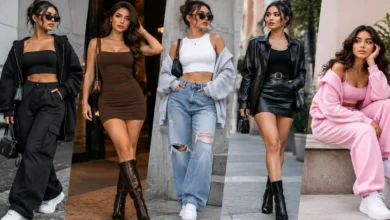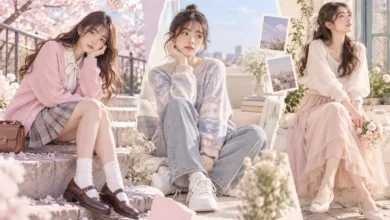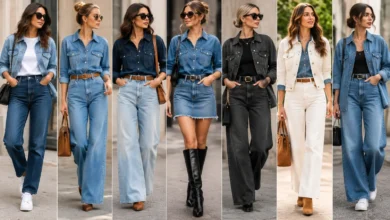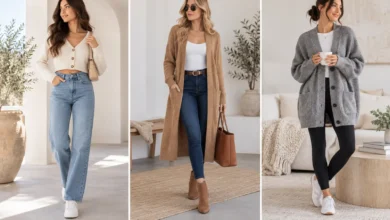
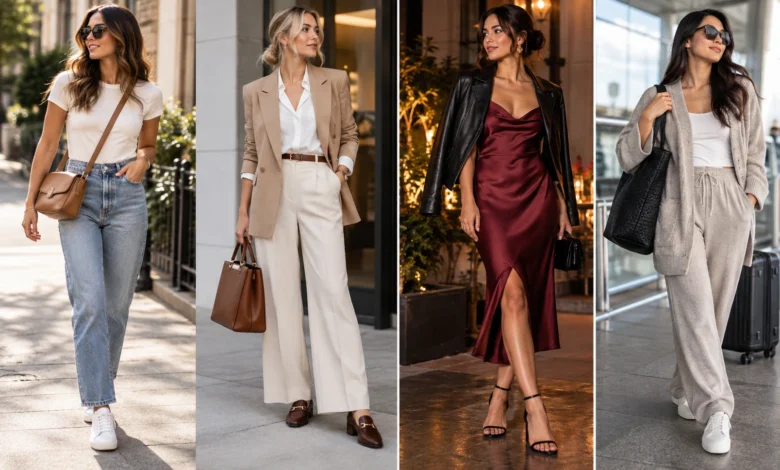
The best outfit ideas are the ones you can build from clothes you already own. This guide gives you 10 complete, chic outfits for real situations, from a Tuesday errand run to a wedding, with the exact pieces, the shoes, the bag, and a simple formula behind each one.
If you have ever stood in front of a full closet thinking you have nothing to wear, this is for you. You will get ready-to-copy looks, six rules that make any outfit look intentional, and quick swaps for different budgets and seasons. Many of these cute outfit ideas for women use basics you probably have.
What Makes a Good Outfit Idea?
A good outfit idea is a repeatable combination of fit, color, and proportion that works with several pieces you own, not just the single item in the photo. If you can recreate it with a different top or a different pair of shoes, it is a formula. If it only works with one exact piece, it is a one-time purchase.
That difference is why scrolling inspiration photos often leaves people stuck. Photos show a finished look. A formula shows you how to build the next one.
6 Rules That Make Any Outfit Look Chic
These rules sit behind every look in this article. Learn them once and you can adapt any idea to your own closet.
- Fit comes first. A well-fitted tee and jeans look more polished than an expensive piece that hangs wrong. Check shoulders, waist, and hem before you add anything new.
- Give each outfit one focal point. Pick one hero element, such as a bold color, a textured bag, or statement earrings. Everything else supports it.
- Use the 60-30-10 color ratio. Let one color cover about 60 percent of the outfit, a second about 30 percent, and an accent about 10 percent. It prevents most color clashes.
- Balance proportions. Pair a loose top with a fitted bottom, or a fitted top with a looser bottom. Two very voluminous or two very tight pieces often feel off.
- Mix textures. A knit with leather, silk with denim, or a structured blazer over a soft tee adds depth without needing a loud color. Our guide to mixing textures with the 70/30 rule shows how.
- Run the three-outfit test. Before buying a new piece, picture three outfits you could make with it using clothes you already own. If you cannot, skip it.
10 Outfit Ideas for Every Occasion
Each outfit below includes the formula, the pieces, and ways to adapt it.
Everyday Casual Outfit
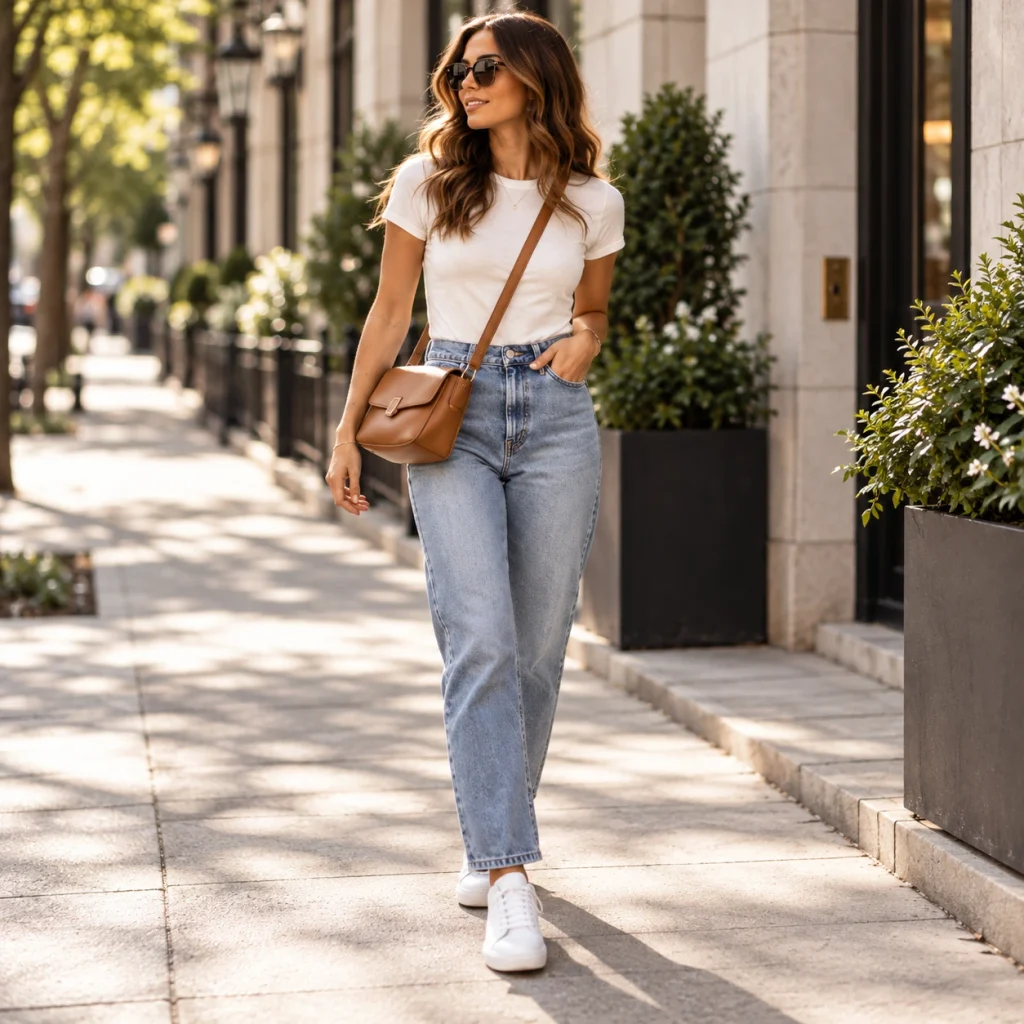
Formula: fitted top + straight-leg jeans + clean sneakers + one simple accessory.
The pieces: a white or cream tee, mid-wash or dark straight-leg jeans, white leather sneakers, and a crossbody bag.
Why it works: the fitted top balances the relaxed leg, and clean sneakers keep the look sharp. It is hard to get wrong.
Make it yours: swap sneakers for loafers to look more polished, or add an oversized shirt open over the tee for layering. For more everyday looks, see our casual outfit ideas for everyday comfort.
Best for: errands, coffee, casual days at the office.
Smart Office Outfit
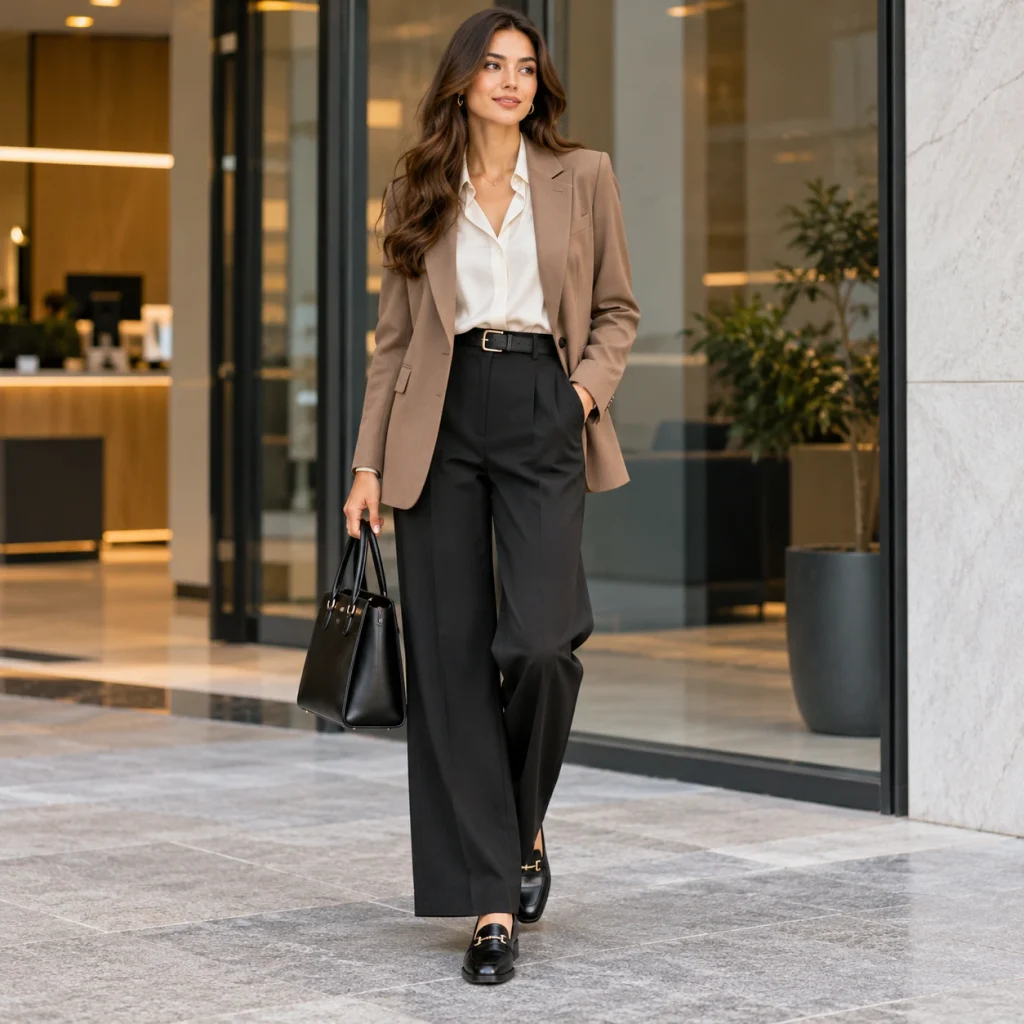
Formula: tailored blazer + wide-leg trousers + tucked blouse + loafers.
The pieces: a structured blazer in black, navy, or camel, wide-leg trousers, a simple silk-feel blouse, a slim belt, and block-heel loafers.
Why it works: the blazer instantly reads as put together, and wide-leg trousers are comfortable through a full workday. Loafers keep it professional without feeling stiff.
Make it yours: swap trousers for a knee-length skirt, or wear dark denim for a smart-casual office. Our guide to office and work outfit ideas covers formulas by dress code.
Best for: meetings, interviews, business casual workplaces.
Date Night Outfit
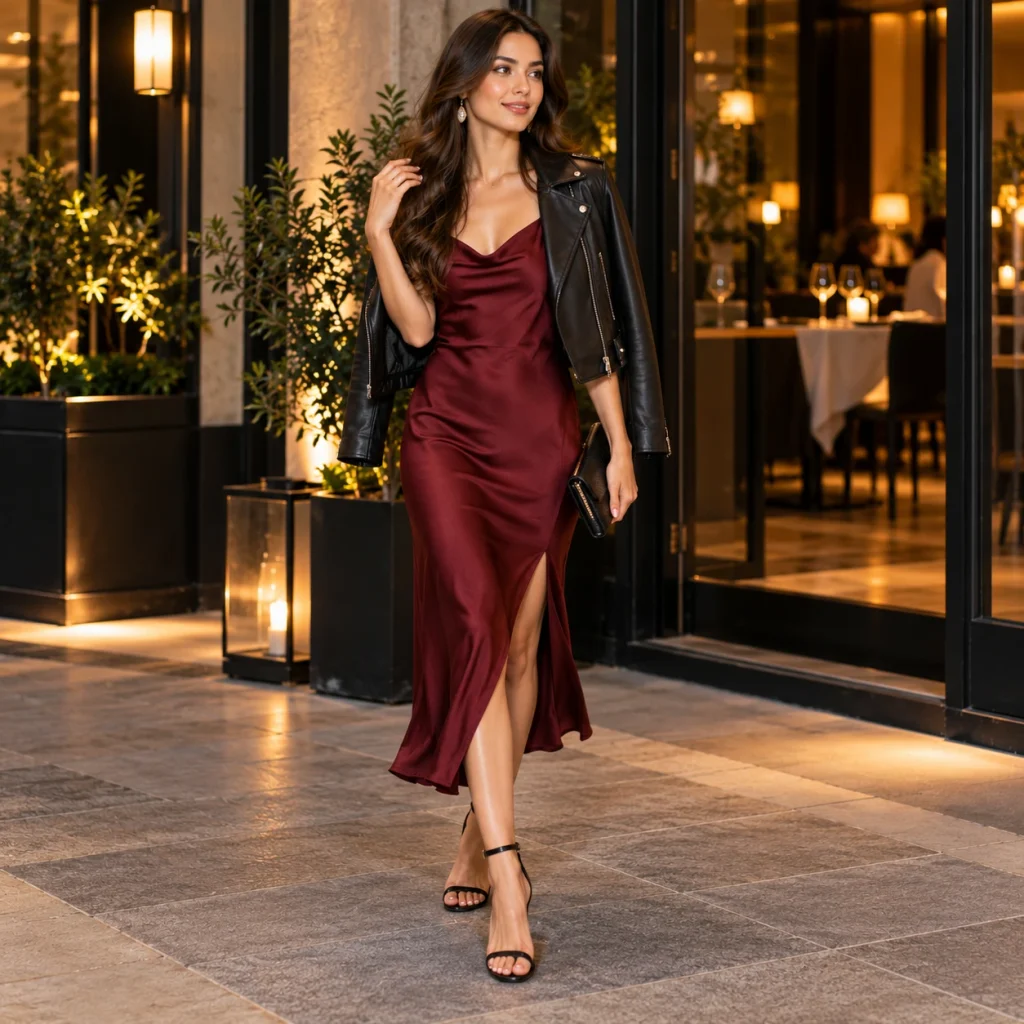
Formula: slip dress + leather or tailored jacket + block heels + one statement piece.
The pieces: a satin slip dress in black, burgundy, or emerald, a cropped leather jacket, block-heel sandals, and drop earrings.
Why it works: soft fabric against a structured jacket creates contrast, and a block heel lasts through a full dinner. Deep colors tend to look rich in restaurant lighting.
Make it yours: replace the dress with fitted trousers and a silky camisole. If you prefer dresses, our chic short dresses guide has options for dinners and parties, and more ideas are in our date night outfit ideas.
Best for: dinners, first dates, cocktail bars.
Weekend Brunch Outfit
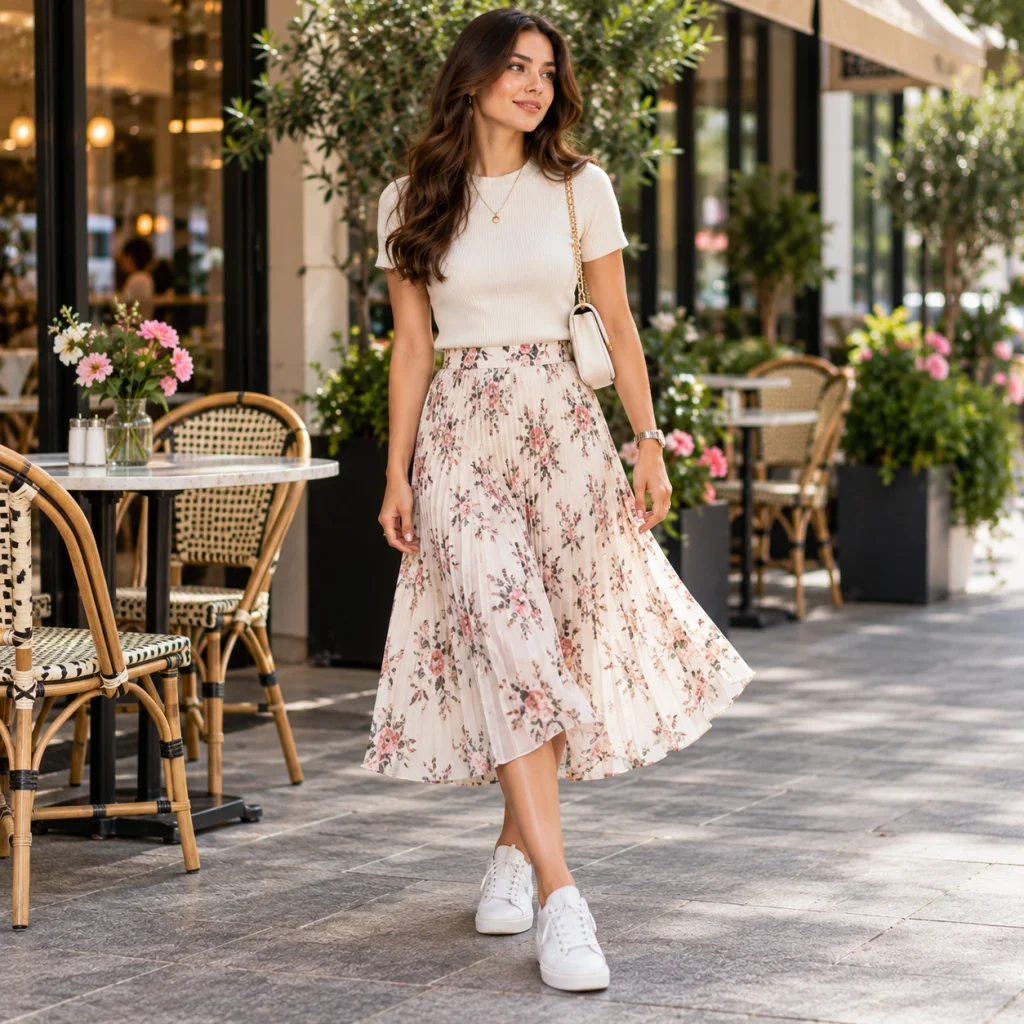
Formula: fitted knit + flowy midi skirt + sneakers or flats.
The pieces: a ribbed knit top, a satin or pleated midi skirt, white sneakers or ballet flats, and a small shoulder bag.
Why it works: the fitted top keeps the full skirt from overwhelming your shape, and the high-low mix of casual shoes with a dressier skirt looks effortless.
Make it yours: a denim or leather skirt gives the look an edge. Not sure which cut suits you? Browse our guide to types of skirts.
Best for: brunch, shopping, lunch with friends.
Summer Heat Outfit
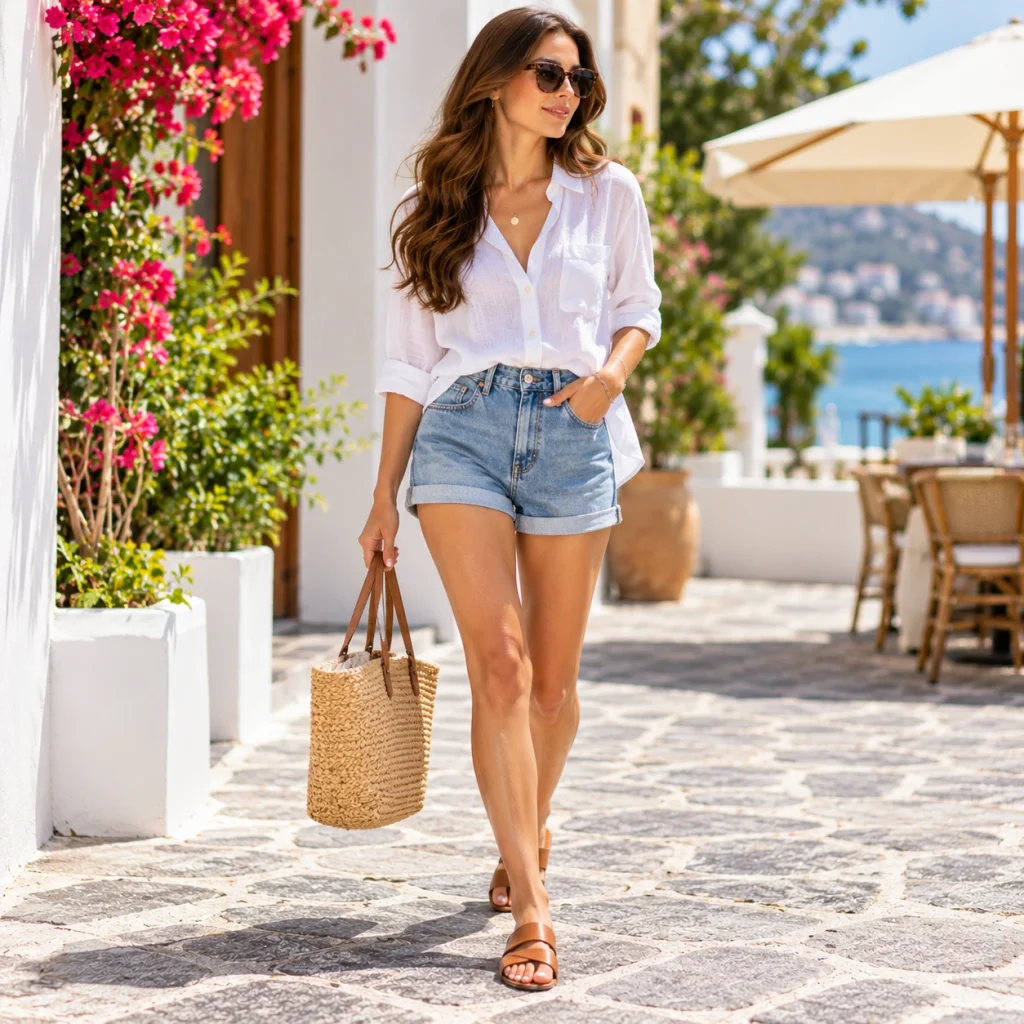
Formula: breathable shirt + relaxed shorts + flat sandals + straw or canvas bag.
The pieces: a linen or cotton button-up, baggy denim shorts or tailored shorts, slide or strappy sandals, and sunglasses.
Why it works: lightweight fabric keeps you cool, and relaxed shorts look modern when paired with a crisp top. Tuck the front of the shirt in to define your waist.
Make it yours: swap the shirt for a fitted tank, or add a lightweight overshirt for evenings. For ideas, see these baggy denim shorts looks and our picks of sandal styles for every occasion.
Best for: vacation, beach towns, warm weekends.
Travel Day Outfit
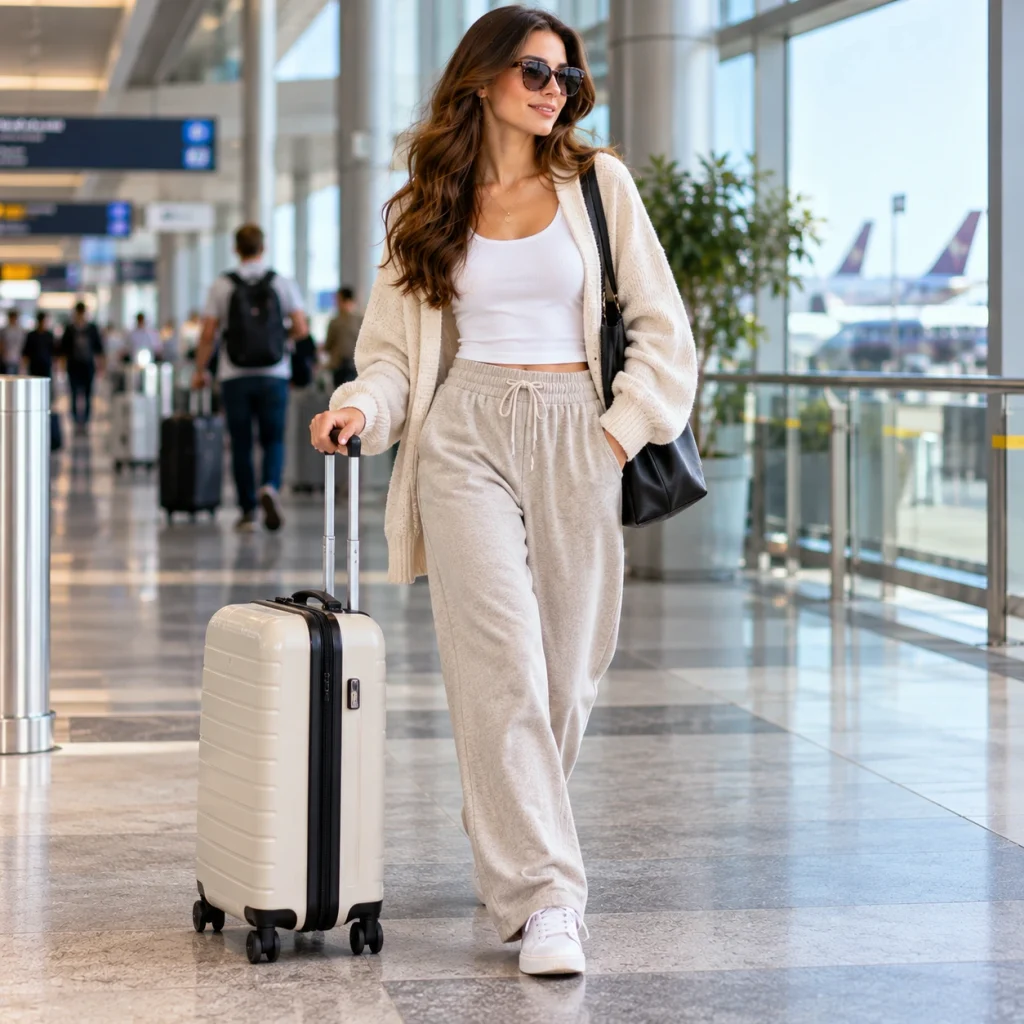
Formula: soft base layers + oversized layer + slip-on shoes + roomy bag.
The pieces: a fitted tee or tank, soft joggers or stretchy trousers, an oversized cardigan or sweater, comfortable slip-on sneakers, and a tote with a zip.
Why it works: layers adapt to changing temperatures on planes and in terminals. Stretch fabrics stay comfortable through long hours.
Make it yours: build the outfit around two or three coordinating colors so every top matches every bottom. Our weekend and travel outfit ideas go deeper on packing light.
Best for: flights, road trips, weekend getaways.
Wedding Guest or Cocktail Outfit
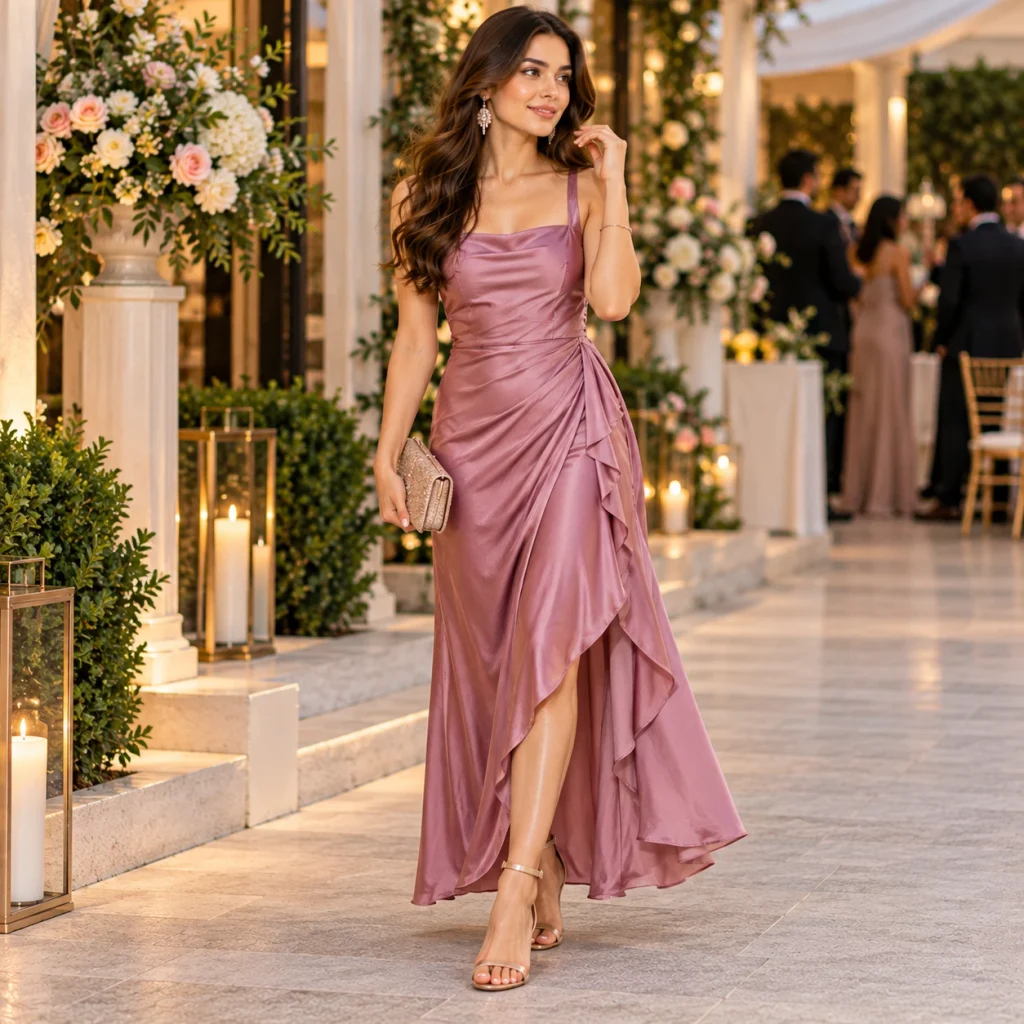
Formula: structured dress + heeled sandals + clutch + one sparkle piece.
The pieces: a satin or crepe dress in a color that is not white, ivory, or too close to bridal, strappy heels, a small clutch, and delicate jewelry.
Why it works: a good dress does most of the styling work, so accessories can stay simple. A lined, mid-weight fabric holds its shape through a long event.
Make it yours: check the invitation for the dress code. Short styles suit cocktail and daytime weddings, while black-tie events usually call for longer hemlines. A watch can also be a refined finishing touch, and our Holy Trinity watches guide explains three iconic designs.
Best for: weddings, engagement parties, cocktail events.
Edgy Night Out Outfit
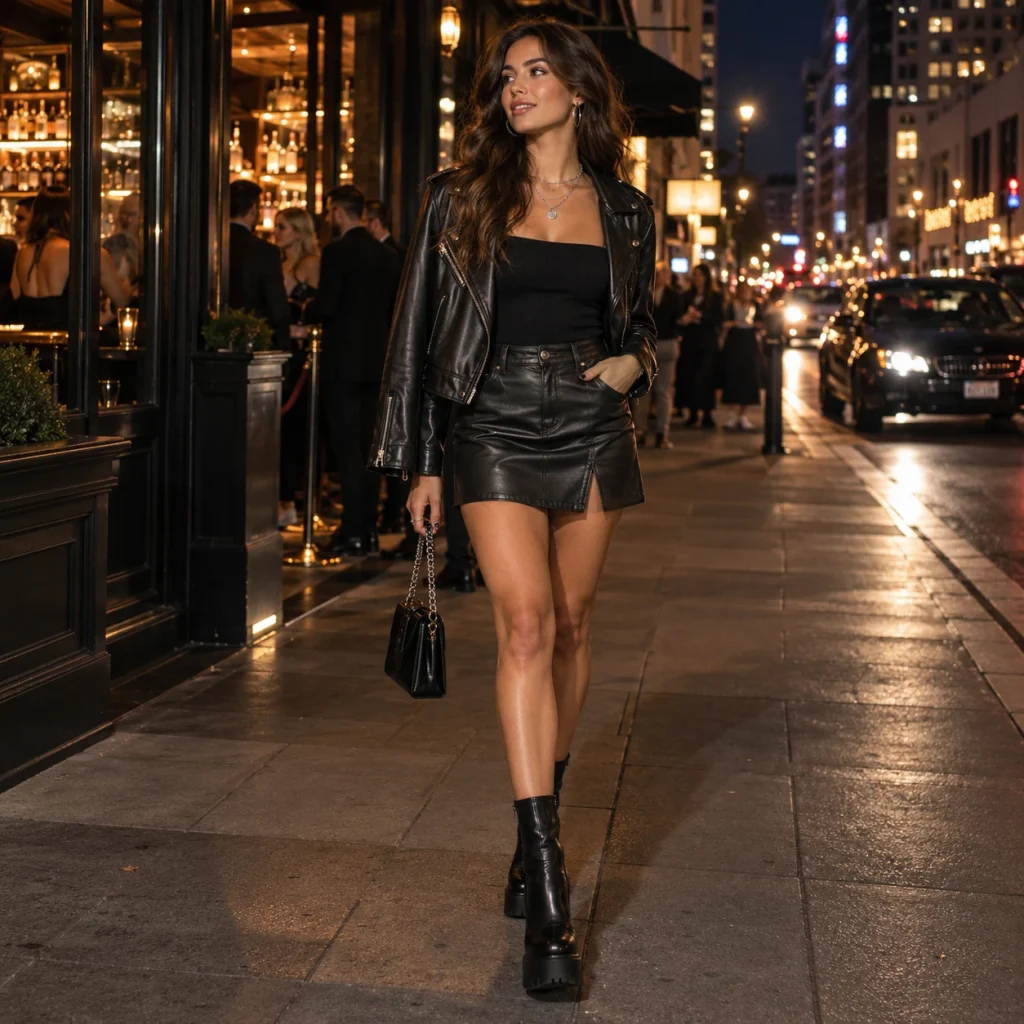
Formula: all-black base + leather layer + chunky boots + silver accessories.
The pieces: a black fitted top, black jeans or a leather skirt, a leather or moto jacket, chunky ankle boots, and silver jewelry.
Why it works: a single color makes the outfit look sleek, and texture does the visual work. Leather, denim, and knit all read differently in black.
Make it yours: add one pop of color through a bag or lipstick. For a bolder streetwear direction, see our Opium style clothing ideas.
Best for: concerts, bars, late dinners, city nights.
Fall Layers Outfit
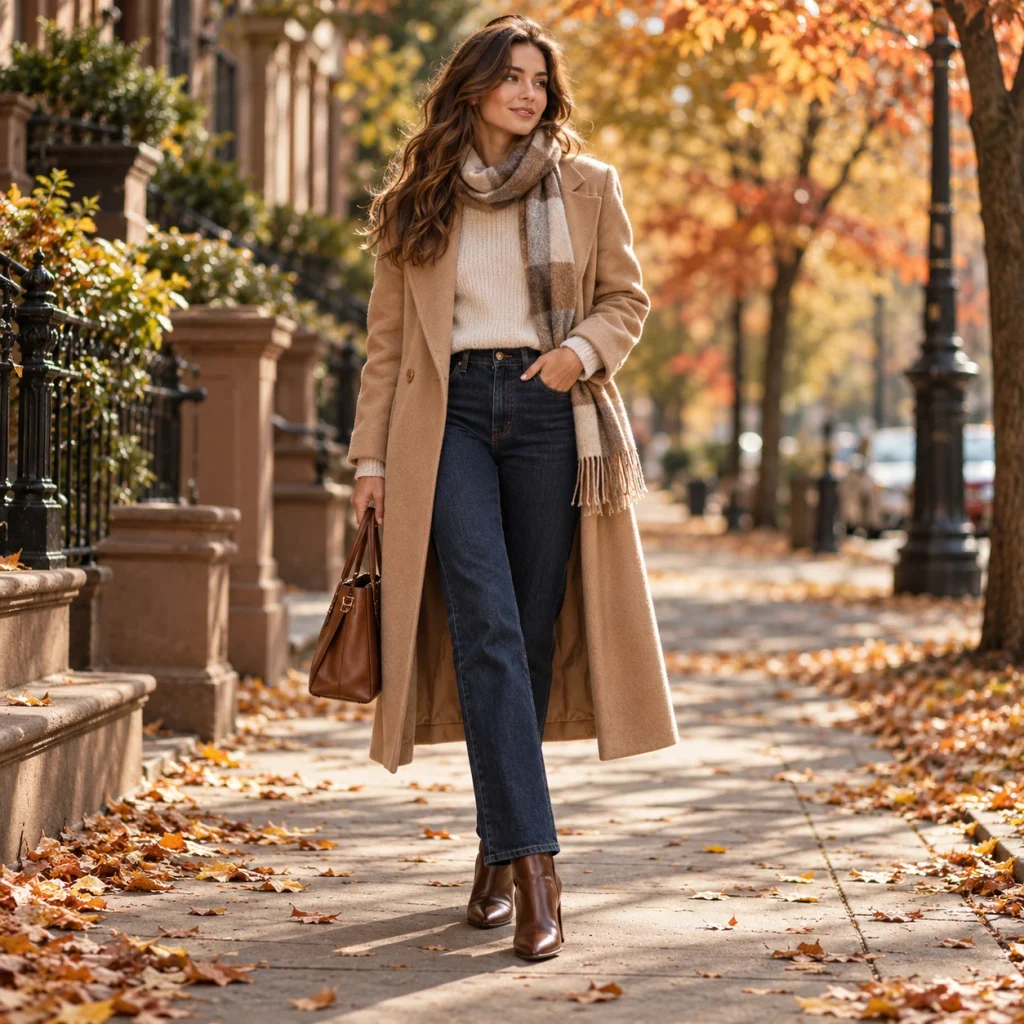
Formula: lightweight knit + straight trousers or jeans + long coat + ankle boots.
The pieces: a fine-gauge sweater, dark straight-leg jeans or trousers, a trench or wool coat, leather ankle boots, and a scarf.
Why it works: layers add warmth without bulk, and a fitted base under a longer coat keeps the silhouette clean. Warm neutrals like camel, olive, and chocolate pair well with denim.
Make it yours: swap boots for loafers on mild days. If you are deciding how many pairs of jeans to own, read our denim capsule guide. For quiet, long-lasting footwear, see these elegant Loro Piana shoes.
Best for: cool-weather commutes, weekends, casual dinners.
Cute Campus or Student Outfit
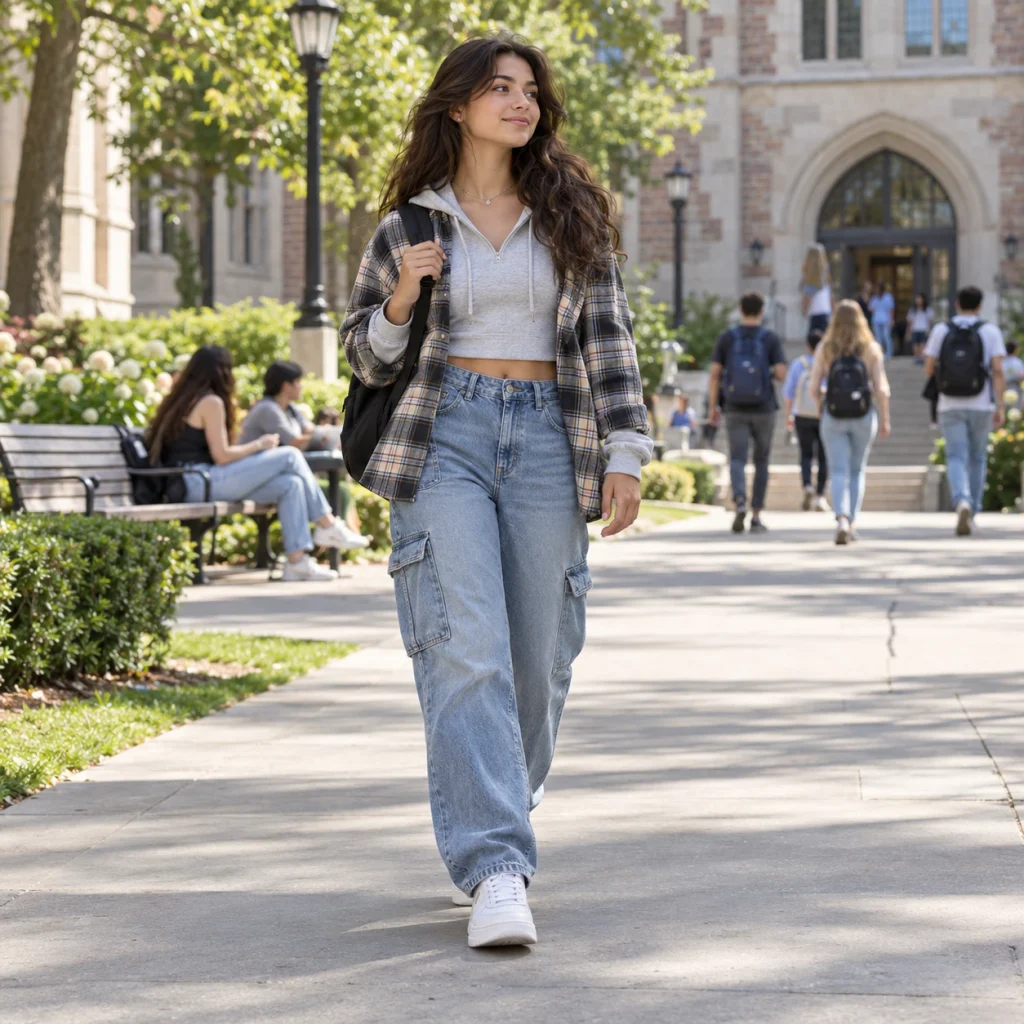
Formula: relaxed top + comfortable bottoms + sneakers + backpack or tote.
The pieces: a cropped hoodie or fitted tee under an open overshirt, relaxed jeans or cargo pants, clean sneakers, and a structured backpack.
Why it works: it handles walking, sitting in class, and changing weather. A single clean detail, like a tucked hem or a simple chain necklace, keeps it from looking sloppy.
Make it yours: keep the same pieces and switch shoes for loafers on presentation days. Our college fashion guide has more campus ideas.
Best for: classes, library days, casual meetups.
The 10 Outfits at a Glance
| Outfit | Occasion | Effort | Key piece |
|---|---|---|---|
| Everyday casual | Errands, coffee | Low | Straight-leg jeans |
| Smart office | Work, interviews | Medium | Tailored blazer |
| Date night | Dinner, drinks | Medium to high | Slip dress |
| Weekend brunch | Brunch, shopping | Low to medium | Midi skirt |
| Summer heat | Vacation, warm days | Low | Linen shirt |
| Travel day | Flights, road trips | Low | Oversized cardigan |
| Wedding guest | Weddings, cocktails | High | Structured dress |
| Edgy night out | Concerts, bars | Medium | Leather jacket |
| Fall layers | Cool-weather days | Medium | Long coat |
| Campus look | Classes, meetups | Low | Clean sneakers |
How to Choose the Right Outfit for the Occasion
When you are unsure what to wear, ask three quick questions.
- What is the dress code? If there is one, start there. If not, think about who will be there and how formal the setting is.
- What will I be doing? Standing, walking, and sitting all change the right shoe and fabric.
- What is the weather and the setting? Indoor, outdoor, hot, cold, or rain all matter.
Then pick one formula from the list above and swap the pieces for items in your closet. Formality shifts quickly with shoes: sneakers read casual, loafers read polished, and heels read dressy.
Seasonal Swaps: Same Formula, Different Fabrics
You do not need a new set of outfit ideas each season. Keep the formula and change the fabric and layers.
| Season | Swap | Example |
|---|---|---|
| Spring | Add a light jacket | Trench over tee and jeans |
| Summer | Choose breathable fabrics | Linen shirt, cotton shorts |
| Fall | Layer knits and coats | Sweater, straight jeans, ankle boots |
| Winter | Wear a fitted base under bulky outerwear | Thin knit, wool coat, boots |
Accessories: The Fastest Way to Refresh an Outfit
Accessories change the mood of an outfit without adding a new garment.
- Shoes shift formality the most. The same dress can look casual with sneakers, polished with loafers, or dressy with heels. Our shoe capsule guide explains how many pairs you really need.
- Keep statement pieces to about three. A necklace, earrings, and one ring stack is plenty.
- Use a belt to define the waist on oversized shirts, cardigans, or dresses.
- Choose a neutral structured bag that works from day to night.
On a tight budget, our tips on accessorizing with gold, layered, and intentional looks show how small pieces make a big difference.
Build a Capsule So Outfit Ideas Come Easier
If you want getting dressed to take less thought, a small set of well-paired pieces helps. A capsule wardrobe is not about owning as little as possible. It is about owning pieces that work with several others.
Start with neutral basics that fit well, add two or three accent pieces, and use the three-outfit test before you buy anything new. Our guide to capsule wardrobe principles explains the idea in depth, and our step-by-step guide to building a capsule wardrobe walks you through it.
Finish the Look: Hair, Makeup, and Nails
An outfit feels finished when the details match the mood.
- Makeup: a neutral eyeshadow works for the office, while a rosy or shimmer shade suits date night. See our eyeshadow palette picks for ideas.
- Nails: a clean, neutral manicure goes with almost every outfit. If you prefer doing your own, our gel nail kit guide and Kleo nails tips can help.
Fit Tips for Different Body Shapes
Outfit ideas work best when they feel comfortable on your body. These are starting points, not rules.
- Fuller hips or thighs: structured shoulders, such as a blazer, can balance straight or wide-leg bottoms.
- Defined waist: belted coats, wrap styles, and fitted dresses can highlight it.
- Straighter frames: layers, ruffles, and belts add shape.
- Petite frames: higher-rise bottoms and matching tones can add length.
- Taller frames: longer layers and wide-leg pieces carry well.
If something feels uncomfortable, it will not look confident. Choose the version that feels like you.
7 Common Outfit Mistakes to Avoid
- Buying trends before basics. Trend pieces need a base to work with.
- Ignoring fit. Poor fit undercuts every other choice. Tailoring a hem or waist is often a smart first step.
- Too many focal points. Bold color, loud print, and statement jewelry together feel busy. A single bold item, like a zebra print dress, works best with simple everything else.
- Skipping the proportion check. Two oversized pieces often look shapeless.
- Dressing for an event you do not have. Match the outfit to your real life.
- Overlooking undergarments. Poor basics can ruin an otherwise good outfit.
- Repeating one formula forever. A small wardrobe makes many outfits when you rotate pieces.
Frequently Asked Questions
What are some easy outfit ideas for women?
A fitted tee, straight-leg jeans, and clean sneakers is one of the easiest looks. A blazer over a tee with trousers is another, and a midi skirt with a fitted knit works for brunch or shopping.
How do I find cute outfit ideas from clothes I already own?
Lay out a category, like all your tops, and pair each with two or three bottoms you do not usually wear together. Apply the proportion and color rules above, and take a photo of each good combination so you can find it again.
What is the 60-30-10 rule for outfits?
It is a color ratio: about 60 percent of the outfit in one main color, 30 percent in a second, and 10 percent in an accent. It helps colors look balanced.
How do I make a basic outfit look more polished?
Tuck in your top, add a belt, switch to a more structured shoe, or put on a blazer. Small changes like these can raise the formality without changing the core pieces.
What should I wear when I do not know the dress code?
Choose a mid-formality option, such as dark jeans or trousers, a tailored top, and simple shoes, and bring a light jacket you can add or remove.
What are good outfit ideas for different seasons?
Keep the same formula and change the fabric and layers. Use lighter, breathable fabrics in summer and add knits, coats, and boots in fall and winter.
How many outfits can a small wardrobe make?
It depends on how well the pieces pair. A well-planned set of about 25 to 35 pieces can produce dozens of combinations because each item works with several others.
What is the one piece worth investing in?
For many people it is a well-fitting blazer, because it works across casual, work, and evening outfits. Choose the piece you will wear most often.
Conclusion
Great outfits come from a few repeatable ideas: fit first, one focal point, balanced color and proportion, and a quick check that a new piece works with what you own. The 10 looks above give you a starting point for almost any day, from errands to weddings.
For your next step, pick one outfit that matches something coming up this week, build it from your own closet, and take a photo when it works. Over time you will have your own library of outfit ideas that you can rely on.