A painful lump beneath the skin can be frustrating, especially when ordinary blemish treatments seem to make little difference. Deep acne is more than a cosmetic inconvenience: persistent inflammation can cause tenderness, discoloration, and sometimes permanent scarring. The solution is not an increasingly complicated skincare routine or a desperate attempt to squeeze the bump away. It starts with recognizing what kind of breakout you have, protecting the skin while it heals, and knowing when professional treatment is appropriate. A measured approach can prevent unnecessary irritation and make long-term acne management more effective.
Understand Why Deep Breakouts Behave Differently
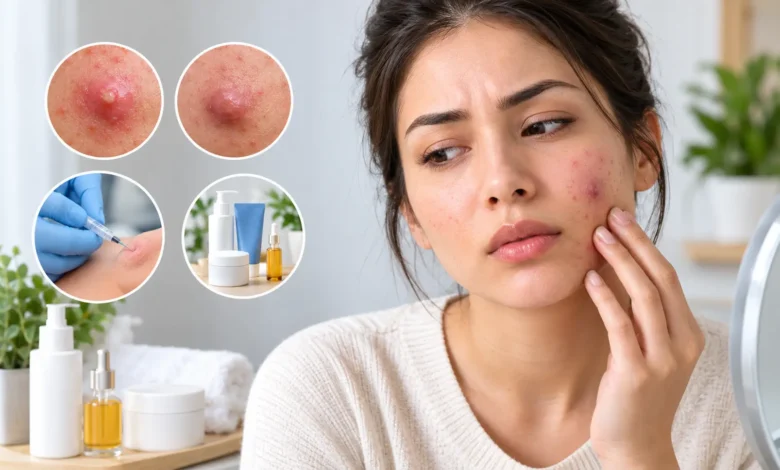
Acne develops when oil and dead skin cells obstruct a hair follicle, creating conditions that contribute to inflammation. Deep inflammatory lesions can form nodules or cysts beneath the surface. Nodules tend to be firm, while cysts contain fluid or pus; both can be painful and slow to resolve.
Unlike a small whitehead, a deep lesion may not have anything visible to extract. It can remain tender for days or weeks, making repeated attempts to treat it increasingly tempting.
These breakouts deserve attention because deeper inflammation increases the possibility of lasting scars. Their severity is not a reflection of how carefully someone washes their face.
Consider Targeted Care for Painful, Inflamed Lesions
A dermatologist can distinguish deep acne from other skin conditions and recommend treatment according to severity and medical history. For a particularly inflamed lesion, a clinician may sometimes use a carefully administered corticosteroid injection to reduce swelling and discomfort. This is intended for selected lesions, not as a substitute for ongoing acne control.
Someone exploring cystic acne treatment may encounter an in-office approach involving a low-dose steroid injection directly into a painful breakout. The decision should follow professional examination because injections have potential adverse effects, including temporary skin indentation or color changes.
Ask what the procedure can realistically achieve, whether it suits the lesion, and what treatment will help prevent future breakouts.
Recognize the Factors Behind Recurring Flare-Ups
Several influences can contribute to acne, including oil production, hormonal changes, genetics, and inflammatory responses within follicles. Some medications and pore-clogging cosmetics can aggravate breakouts, while friction from equipment or clothing may make affected areas more irritated.
Stress may worsen existing acne for some people, but it is rarely useful to blame a single stressful week for every lesion. Likewise, a particular food is not automatically responsible for recurring cysts.
Notice patterns without turning observation into self-blame. If deep breakouts regularly affect the same areas, cause considerable pain, or leave marks, the pattern itself is a good reason to seek an assessment.
Resist Home Remedies That Increase Irritation
When a bump is painful, squeezing it can feel like taking action. Unfortunately, manipulating deep acne may increase inflammation and the risk of infection, discoloration, or scarring. Toothpaste, harsh scrubs, and rubbing alcohol are no better substitutes for evidence-based care.
Learning how to care for a deep, painful pimple can make home management less reactive. Gentle cleansing, avoiding picking, and following appropriate treatment advice are safer than repeatedly experimenting with strong products.
Do not puncture a lesion with a needle or attempt to drain it yourself. If swelling worsens rapidly, redness spreads, or you develop fever, seek prompt medical assessment rather than assuming it is ordinary acne.
Build a Routine That Supports Consistent Treatment
The most useful skincare routine is usually one you can follow without irritating your skin. Begin with a gentle cleanser, a non-comedogenic moisturizer, and broad-spectrum sunscreen. Then use acne medication suited to your needs and tolerance.
Ingredients such as benzoyl peroxide and topical retinoids can help prevent new lesions, but deep or scarring acne often requires prescription treatment. Introducing multiple active products simultaneously can cause dryness and make it difficult to identify the source of irritation.
Results generally develop over weeks rather than overnight. Follow instructions carefully, and seek guidance before using retinoids if pregnant or planning pregnancy. An individualized plan is more valuable than a crowded shelf of products.
Protect Healing Skin From Marks and Scars
A deep breakout may leave a flat area of darker discoloration or redness after the swelling settles. These marks differ from true scars, which involve lasting changes in skin texture, such as depressions or raised tissue.
Understanding why acne scars develop helps explain why early treatment and avoiding picking matter. Deeper inflammation and repeated trauma increase the chance of scarring, although not every cyst leaves one.
Sun protection can help prevent some lingering dark marks from becoming more pronounced. Existing textured scars may need tailored procedures after active acne is better controlled; fading a spot with skincare is not the same as correcting a depressed scar.
Give Everyday Habits a Supporting Role
Regular sleep, balanced meals, and manageable stress can support overall well-being, but none guarantees freedom from cystic acne. You do not need to follow a restrictive diet or eliminate entire food groups simply because a trend says they cause breakouts.
Cleanse gently after sweating, avoid heavy products that clog pores, and minimize friction over sensitive areas where possible. If you suspect a consistent trigger, discuss it with a clinician rather than making sweeping changes based on a few bad skin days.
Most importantly, remember that acne is a medical condition. It is not proof of poor hygiene, lack of discipline, or a failed routine.
Know When to Seek a Longer-Term Plan
Recurring painful nodules, visible scarring, or breakouts affecting confidence and daily activities warrant professional attention. Depending on the situation, treatment may include prescription topical medications, oral medicines, hormonal approaches for appropriate patients, or isotretinoin for severe acne.
Discuss expected benefits, monitoring needs, possible side effects, and the time required to assess progress. A one-time procedure may settle an urgent lesion, but preventing future inflammation usually needs a broader plan.
Clearer skin seldom comes from attacking each breakout as an isolated emergency. It comes from understanding the condition, choosing suitable care, and giving treatment enough time to work while protecting your skin along the way.
Also Read: How to Do Clean Girl Makeup in 5 Minutes (Step-by-Step)