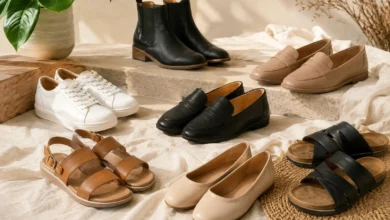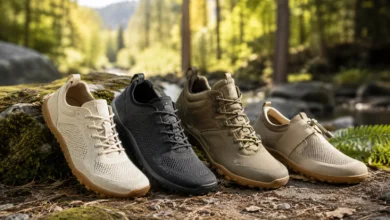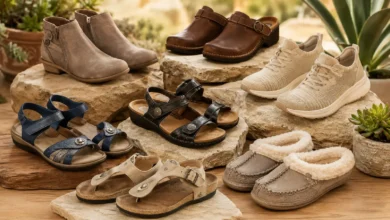
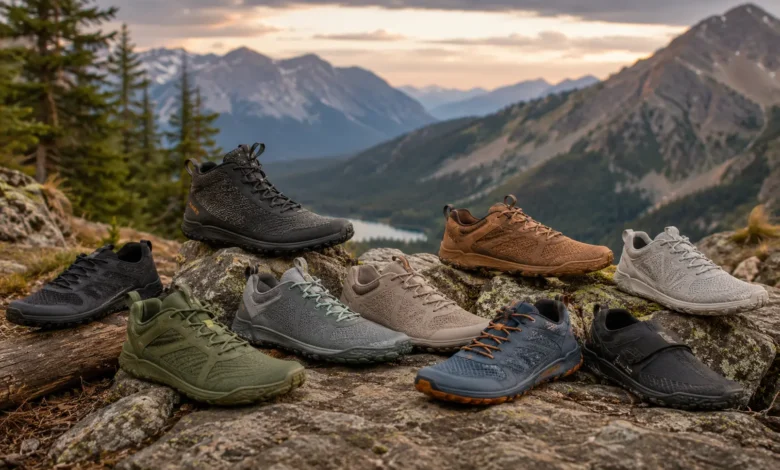
Most footwear brands ask you to choose between comfort and capability — a shoe that feels great around town but falls apart on a trail, or a rugged boot that protects your feet but leaves them stiff and sore by the end of the day. Hike Footwear was built to close that gap. With more than 2 million customers and a catalog built entirely around barefoot-style design, the brand has become one of the most talked-about names in the wider HIKE barefoot shoes category — trusted for everything from rocky trail runs to long days on your feet at work.
This guide breaks down 10 Hike Footwear picks worth knowing, covering the brand’s rugged trail-ready Hike Footwear hiking shoes, its everyday Hike Footwear walking shoes, and its more recovery-focused, ultra-soft styles. Along the way, we will explain what zero drop shoes and a wide toe box actually mean, whether barefoot shoes are good for hiking, and how to safely transition into this style of footwear if you have spent your whole life in heavily cushioned sneakers.
What Is Hike Footwear?
Hike Footwear is an American-founded barefoot footwear brand built around a clear mission: alleviate foot pain and improve foot health through shoes that prioritize natural alignment, quality, comfort, and sustainability in every step. The company’s design and product development are based in the United States, with teams of footwear designers, athletes, and engineers shaping each collection around the same core barefoot principles — wide toe boxes, zero-drop platforms, and lightweight, flexible soles.
What separates Hike Footwear from many newer barefoot brands is the sheer scale of its customer base. The brand’s best-seller collection is marketed directly around trust earned from more than 2 million customers, a volume that suggests the comfort and durability claims are holding up across repeat purchases rather than just a handful of curated reviews. The brand has also stated that select styles are recommended by Dr. Marta Riniker, a board-certified podiatrist at the Phoenix Foot and Ankle Institute, which adds a clinical credibility layer that not every barefoot competitor can point to.
What Are Barefoot Shoes?
What are barefoot shoes, exactly? They are footwear designed to replicate the sensation and mechanics of walking without shoes, while still offering a thin protective layer between your foot and the ground. Instead of the thick, structured cushioning found in most conventional sneakers and hiking boots, barefoot shoes use flexible, minimal soles that let your foot bend, flex, and sense the terrain naturally.
What does zero drop mean? It refers to the height difference between the heel and forefoot of a shoe. Standard hiking boots and running shoes often have a noticeable heel-to-toe drop, tilting your weight forward. Zero drop barefoot shoes eliminate that difference entirely, keeping your foot level from heel to toe — a design choice that encourages more neutral posture and a more natural walking or running gait.
What is a wide toe box shoe? It’s simply extra room built into the front of the shoe, giving your toes space to spread out naturally rather than being squeezed into a narrow, tapered shape. This detail matters more than it might sound — toe splay plays a direct role in balance and stability, especially on uneven or rocky terrain.
How Do Barefoot Shoes Work?
How do barefoot shoes work to actually reduce foot pain and improve alignment? The mechanism is fairly straightforward. Conventional footwear — thick soles, elevated heels, narrow toe boxes — does a lot of the stabilizing work for your foot, which over years can allow the small intrinsic muscles in your feet and lower legs to weaken from disuse. Barefoot shoes remove that artificial support, forcing those muscles to reactivate and gradually rebuild strength, the same way any muscle group responds to renewed use.
Combined with the postural benefits of a zero-drop platform and the balance benefits of a wide toe box, this is the foundation of the brand’s core promise: shoes designed for natural foot alignment, not shoes that simply cushion the symptoms of misalignment.
The 10 Best Hike Footwear Picks
1. HIKE Sierra Peak — Best for Rugged Mountain Trails
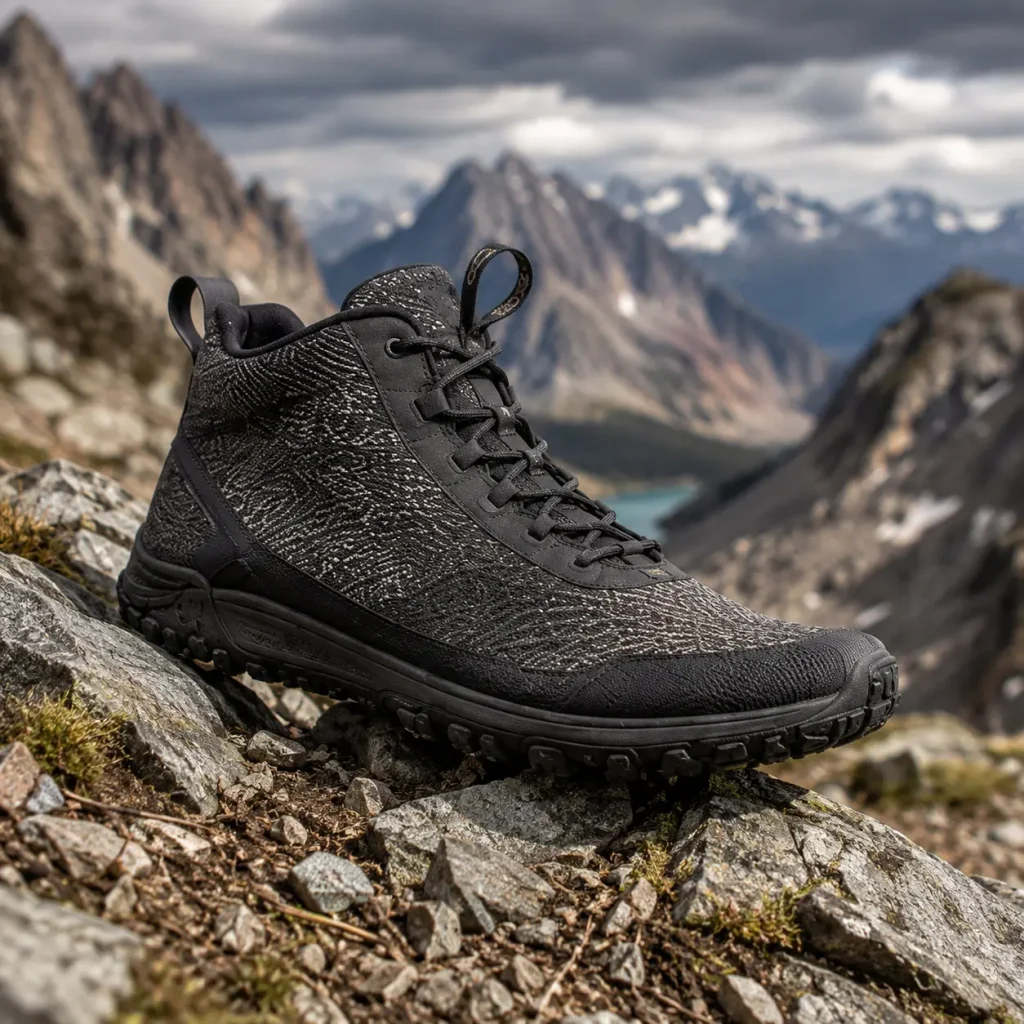
Part of Hike’s dedicated Hiking Collection, the Sierra Peak is built specifically for tougher terrain — steep climbs, loose rock, and unpredictable mountain conditions. It represents the rugged end of the brand’s lineup, engineered for stability without giving up the barefoot feel underneath.
Why it’s a top pick:
- Reinforced, rugged construction built for tougher mountain trails
- Multi-terrain outsole designed for grip on rocky, uneven, and slippery surfaces
- Zero-drop foundation to reduce joint stress on long, punishing climbs
Best for: serious hikers tackling steep or technical trails who still want a barefoot-style shoe underneath their pack.
2. HIKE Avara Trek — Best for All-Day Trail Exploration
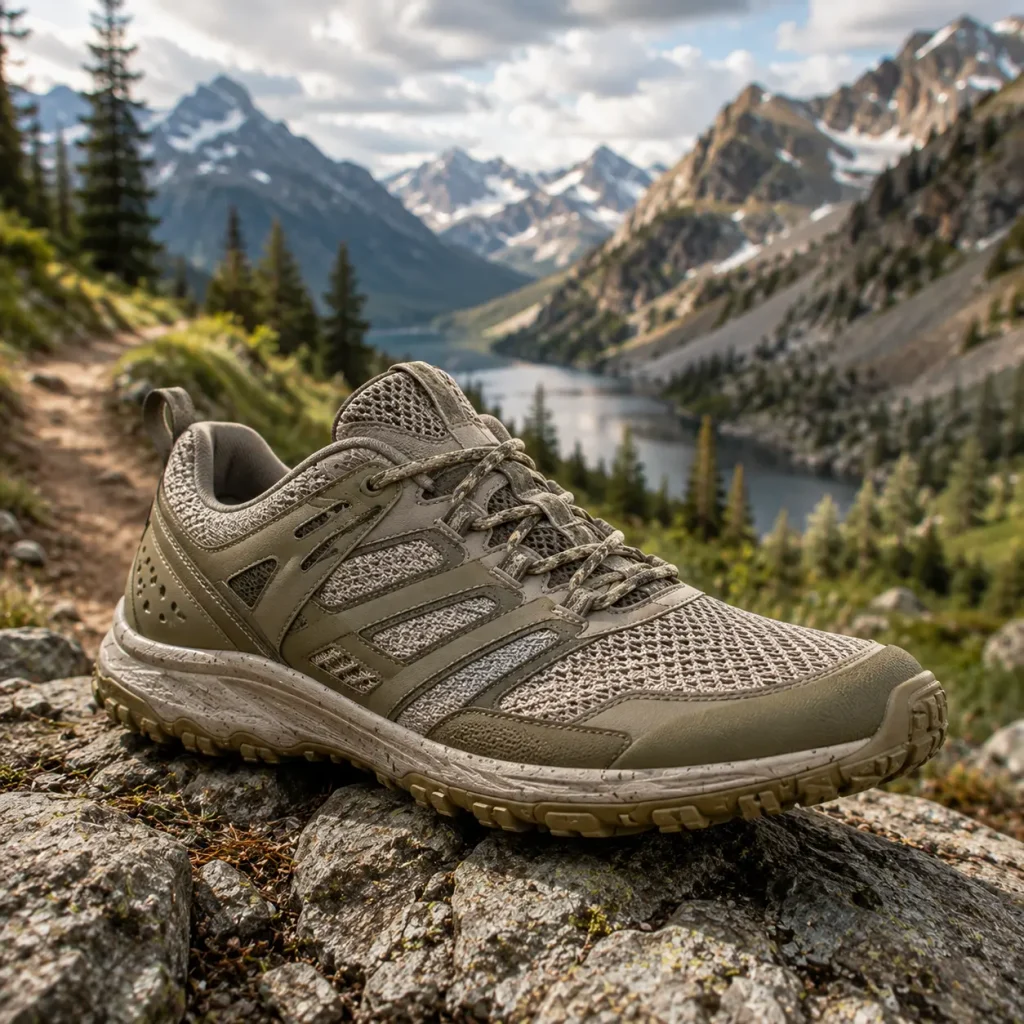
The Avara Trek trades some of the Sierra Peak’s ruggedness for flexibility and lightweight comfort, making it the pick for hikers who prioritize long, all-day mileage over technical terrain.
Why it’s a top pick:
- Flexible, lightweight build designed for extended outdoor exploration
- Wide toe box for better balance and pressure relief over long distances
- Breathable construction to keep feet comfortable across a full day outdoors
Best for: thru-hikers, day hikers, and outdoor walkers who spend hours on trail and want a shoe that stays comfortable the entire time.
3. HIKE Outdoor Pro — Best All-Around Walking and Hiking Shoe
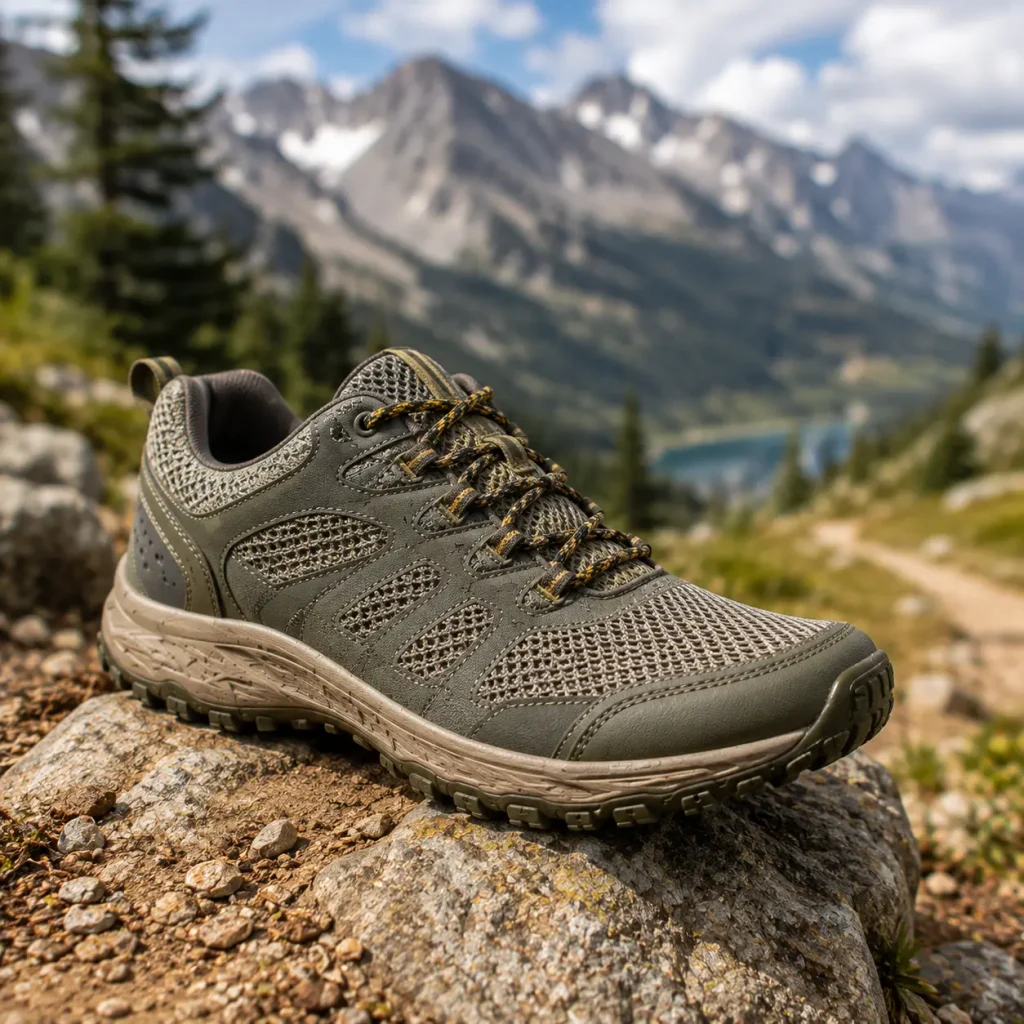
The Outdoor Pro is Hike’s most versatile entry, built to move seamlessly between actual trail use and everyday walking. If you want one shoe that reasonably covers both categories, this is the natural starting point.
Why it’s a top pick:
- Breathable, lightweight construction suited to both hiking and daily wear
- Genuine wide toe box across the entire shoe, not just a marketing claim
- A dependable middle ground between the brand’s most rugged and most casual styles
Best for: anyone who wants best shoes for hiking and outdoor adventure that can also handle a normal day of errands and walking.
4. Comforto Max — Best for Recovery Days and Travel
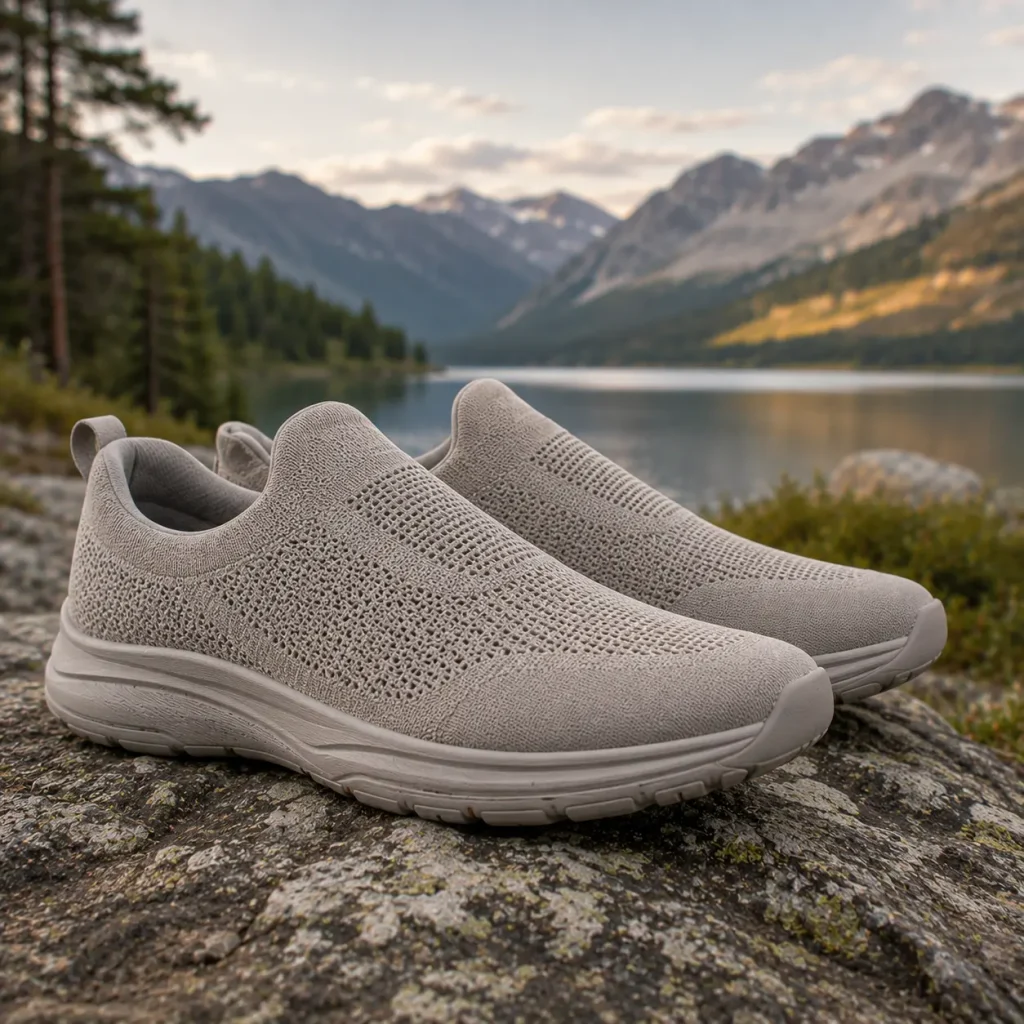
Not every Hike Footwear pick needs to be trail-focused. The Comforto Max shifts toward ultra-soft, ultra-stretch comfort, designed specifically for recovery walking, travel days, and low-impact daily movement rather than demanding terrain.
Why it’s a top pick:
- Wool-knit seamless upper that gently conforms to the shape of your foot
- Non-slip outsole for stable footing on indoor surfaces and light outdoor paths
- A genuinely comfortable option for sensitive feet or post-activity recovery days
Best for: travelers, recovery days after a hard hike or workout, and anyone with sensitive feet who wants a softer entry point into barefoot shoes.
5. HF Stride — Best Hands-Free, Slip-On Barefoot Shoe
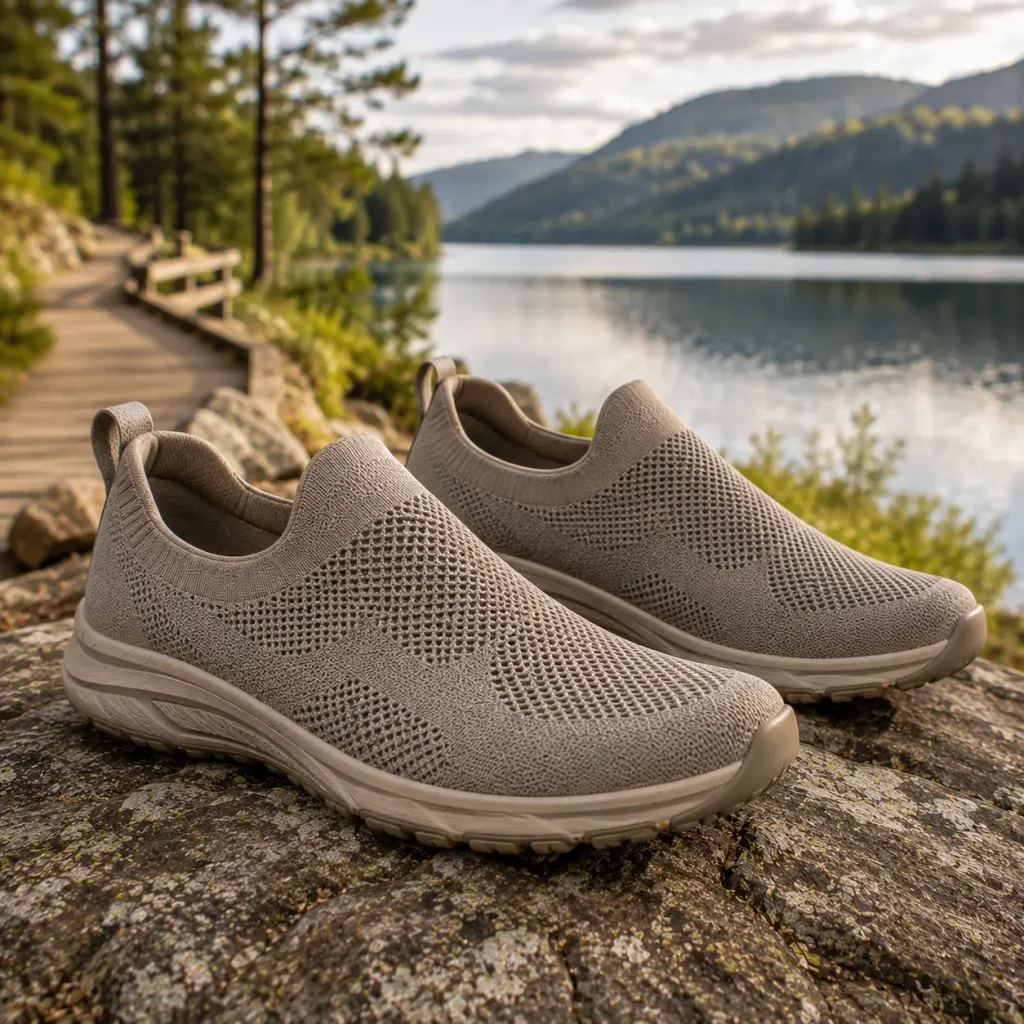
HF Stride was designed around a specific frustration: bending down and struggling with laces or tight shoes every single time you head out the door. It’s marketed as a hands-off, ergonomic barefoot shoe you can step directly into.
Why it’s a top pick:
- Hands-free, slip-on design built for effortless daily wear
- Zero-drop sole that promotes better posture from the ground up
- Ultra-light, thin sole construction for a close-to-barefoot feel
Best for: people who want the benefits of barefoot shoes without dealing with laces every time, especially for quick daily errands.
6. HF Cloud — Best for Beginners Transitioning to Barefoot Shoes
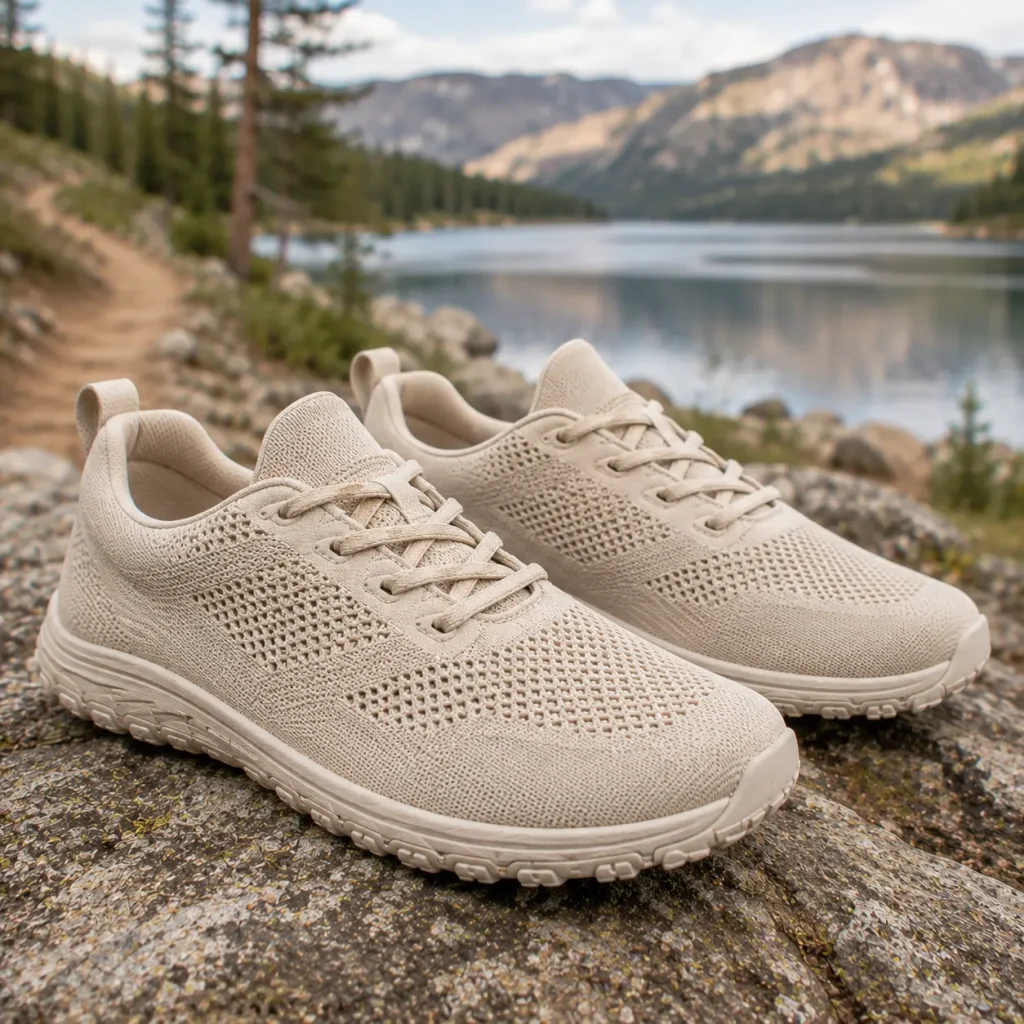
HF Cloud strikes a deliberate balance between barefoot minimalism and supportive comfort, which makes it a smart starting point for anyone new to the category. It offers enhanced arch support alongside the brand’s standard zero-drop, wide-toe design.
Why it’s a top pick:
- Supportive yet natural arch feel that minimizes the adjustment period for new wearers
- Performs well across commuting, casual wear, travel, and light outdoor activity
- A dependable option for people managing existing foot discomfort while still transitioning
Best for: first-time barefoot shoe buyers who want a gentler introduction to the category before committing to a more minimal style.
7. HF Flow — Best for Joint and Alignment Support
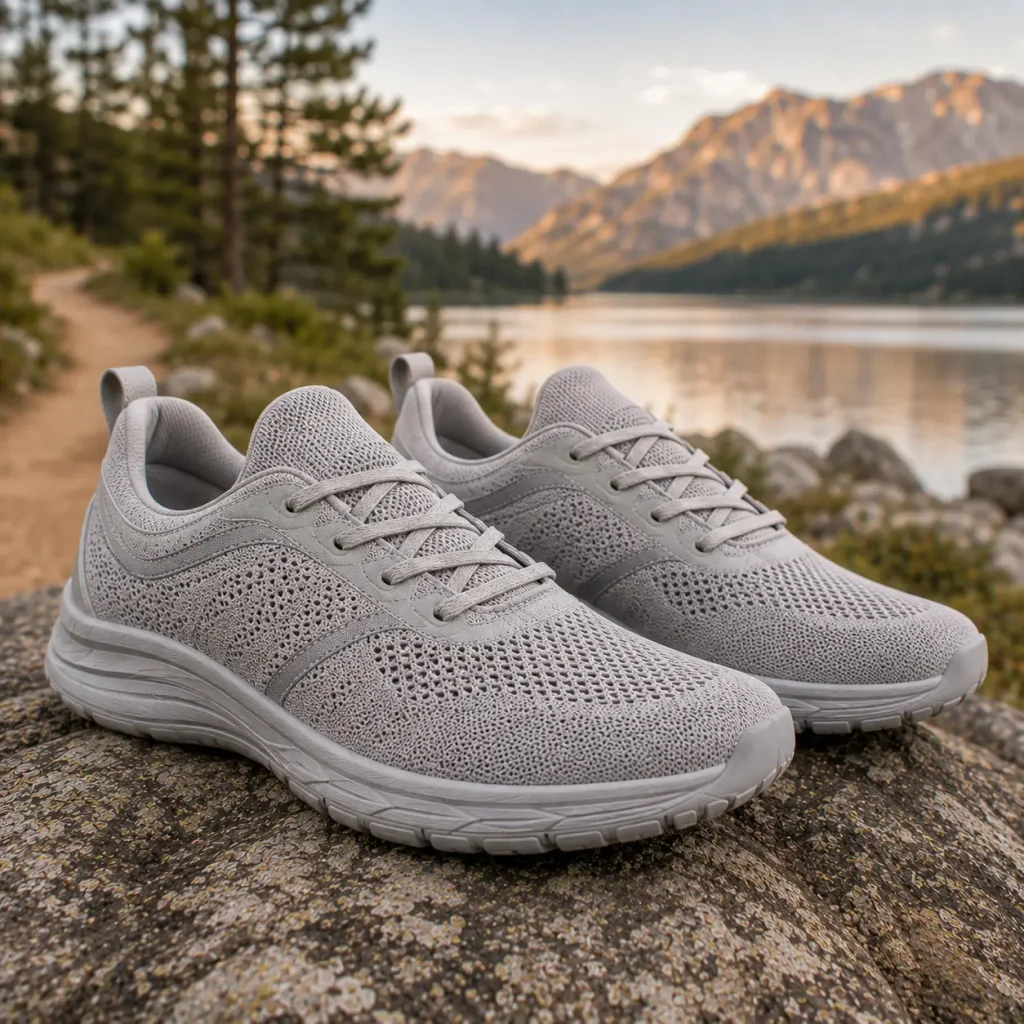
HF Flow is positioned around restoring natural balance and easing strain on the knees, hips, and lower back, not just the feet themselves — a detail that reflects how barefoot shoe design is increasingly framed as a whole-body alignment tool rather than purely a foot-comfort product.
Why it’s a top pick:
- Marketed specifically around reducing joint strain through natural gait alignment
- Total toe freedom, preserving the natural shape of the foot without cramping
- Lightweight construction designed to lessen the load on joints throughout the body
Best for: anyone dealing with knee, hip, or lower back discomfort who wants their footwear choice to support better overall alignment.
8. HF Active — Best for Active Lifestyles and Athletic Use
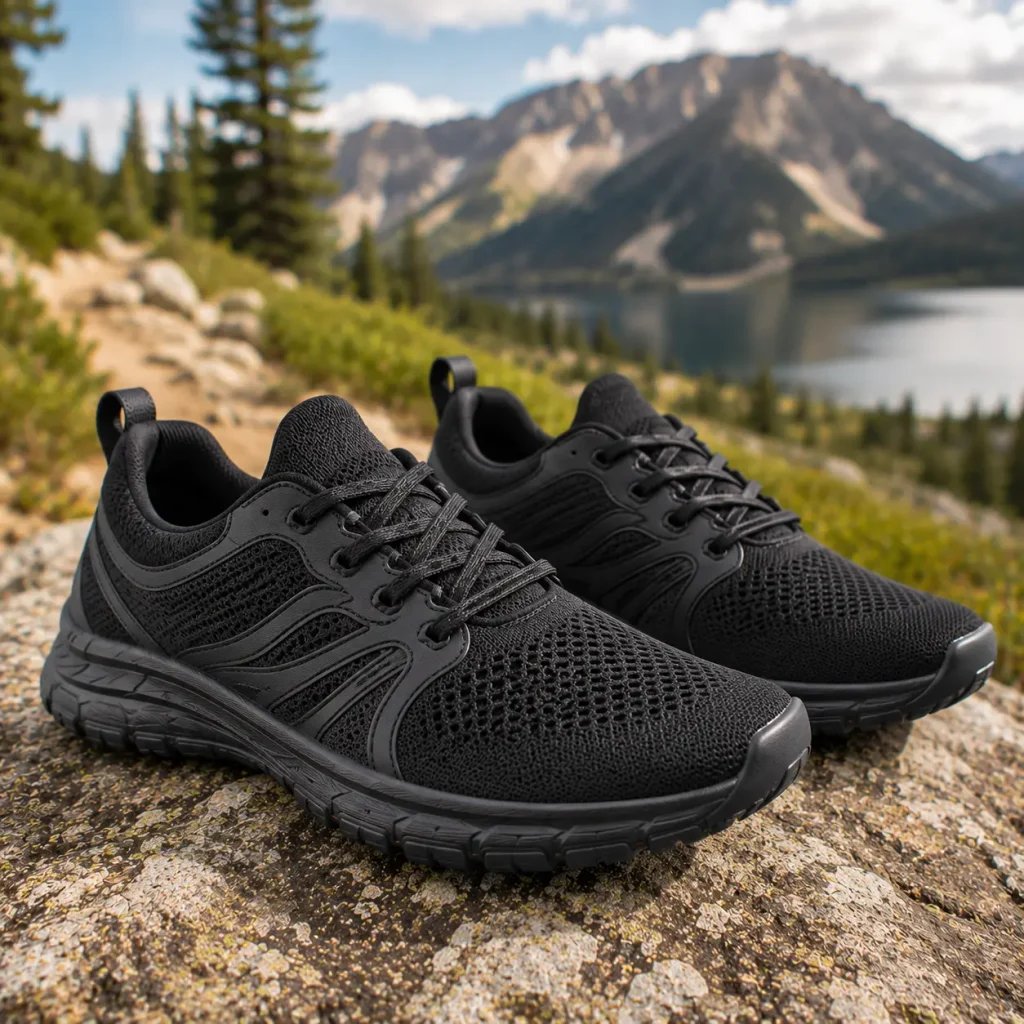
HF Active is built for wearers who move constantly throughout the day, whether that means athletic training, hiking, or simply an active daily routine. It leans into the brand’s performance side more than its recovery-focused styles.
Why it’s a top pick:
- Designed for both seasoned athletes and casual hikers alike
- Full freedom, flexibility, and barefoot-style performance in one shoe
- Built to hold up to a genuinely active, movement-heavy lifestyle
Best for: people with an active daily routine who want one consistent barefoot shoe across workouts, hikes, and general movement.
9. HF Shade — Best for All-Day Comfort and Foot Pain Relief
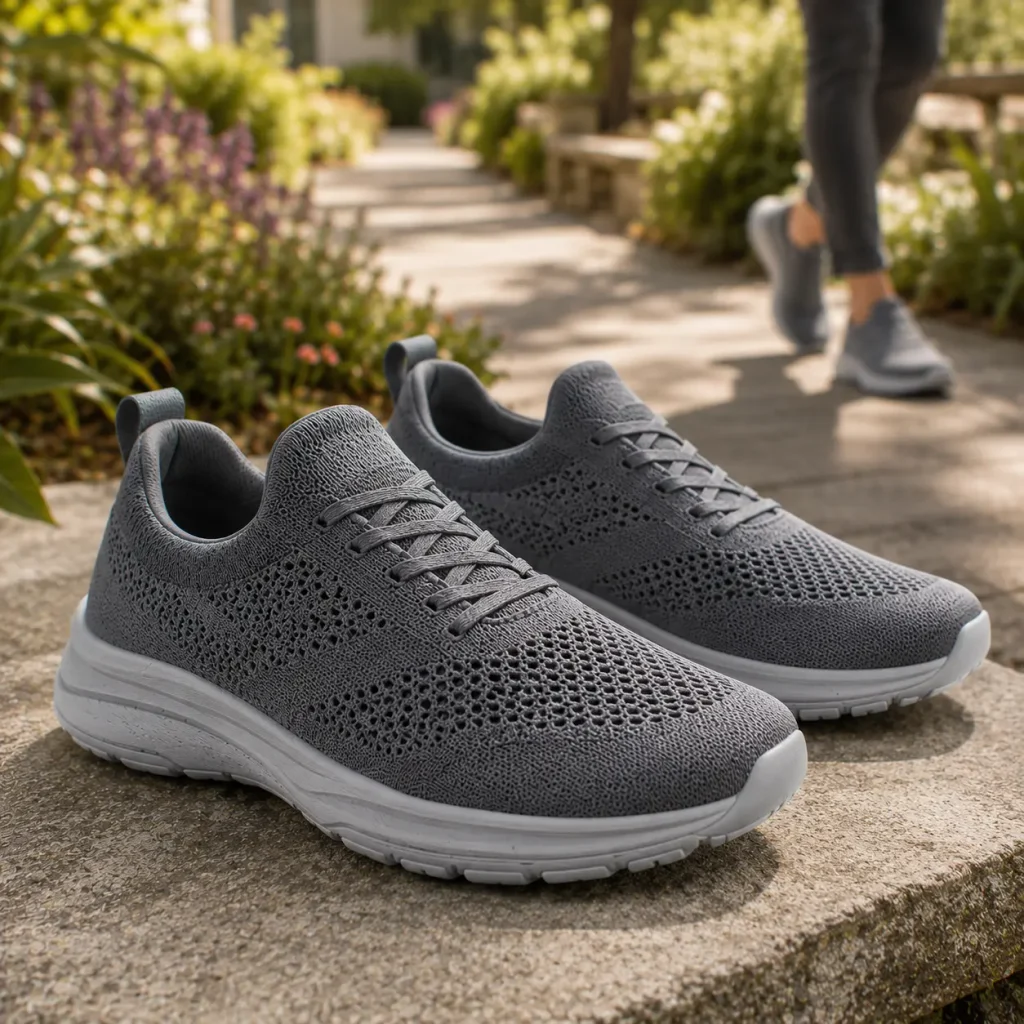
HF Shade is built specifically around long-duration wear, aimed at people who are simply on their feet for extended stretches and need consistent, pain-relieving comfort rather than technical trail performance.
Why it’s a top pick:
- Zero-drop platform designed to align feet, knees, and hips for smoother movement
- Flexible, minimalist sole that keeps you connected to the ground for better balance
- Purpose-built for Hike Footwear for plantar fasciitis and general all-day foot pain relief
Best for: people managing chronic foot discomfort or plantar fasciitis who need dependable, all-day comfort rather than occasional wear.
10. Theora Pro — Best for Durable, Everyday Ergonomic Support
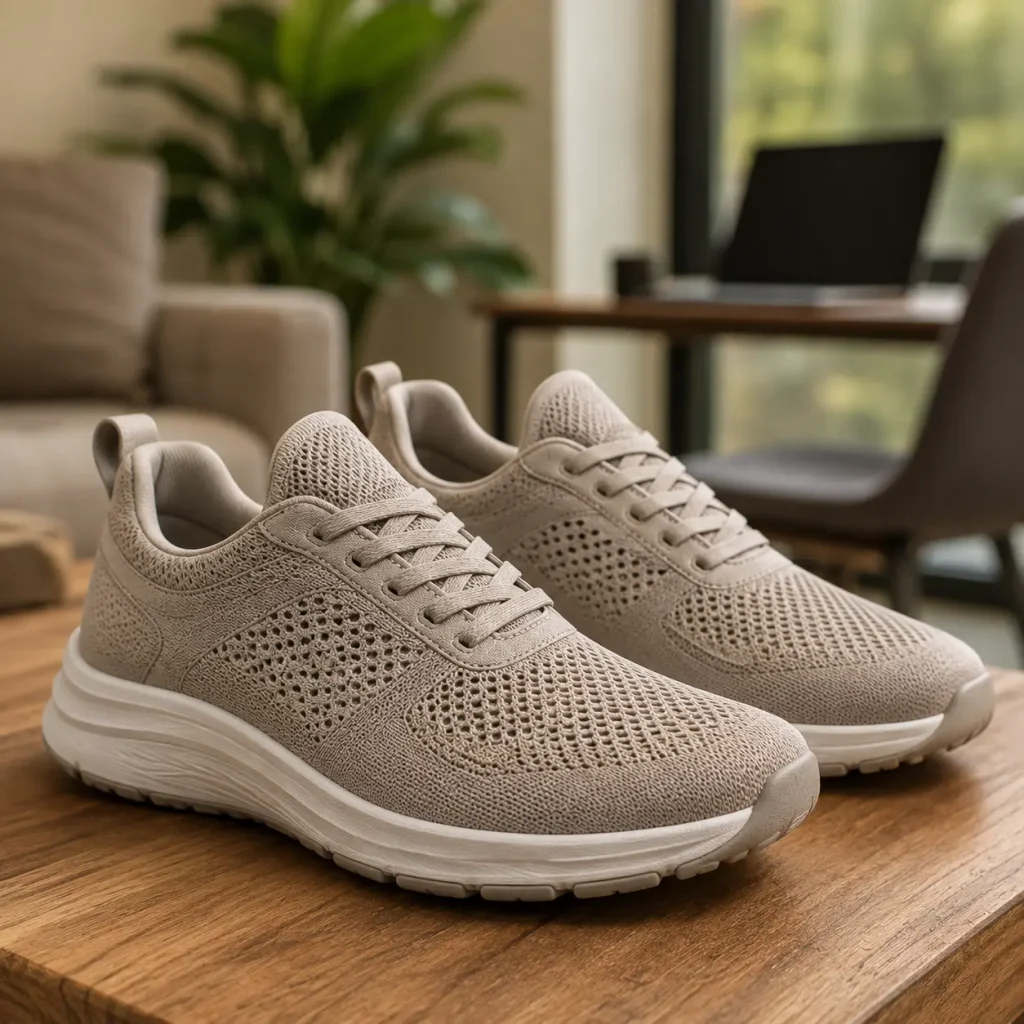
Rounding out the list, the Theora Pro combines ergonomic support with genuine durability, aimed at wearers who want a barefoot shoe built to last through regular daily walking and light hiking use.
Why it’s a top pick:
- Ergonomic, supportive design without sacrificing the brand’s barefoot philosophy
- Durable, breathable construction rated for ultralight, everyday wear
- Non-slip sole suited to both walking and light hiking conditions
Best for: wearers who prioritize long-term durability and daily reliability alongside the brand’s core barefoot benefits.
Comparison Table: Which Hike Footwear Style Should You Buy?
| Style | Best For | Standout Feature |
|---|---|---|
| HIKE Sierra Peak | Rugged mountain trails | Reinforced, multi-terrain grip |
| HIKE Avara Trek | All-day trail exploration | Lightweight, flexible endurance build |
| HIKE Outdoor Pro | Hiking and everyday walking | Genuine all-around versatility |
| Comforto Max | Recovery days, travel | Ultra-soft, wool-knit seamless upper |
| HF Stride | Fast, hands-free wear | Slip-on, no-lace design |
| HF Cloud | Beginners transitioning | Balanced arch support |
| HF Flow | Joint and alignment support | Whole-body posture focus |
| HF Active | Active, athletic lifestyles | Performance-driven barefoot build |
| HF Shade | All-day comfort, foot pain | Designed for plantar fasciitis relief |
| Theora Pro | Durable everyday wear | Ergonomic, long-lasting construction |
Why Choose Barefoot Shoes for Hiking?
Why choose barefoot shoes for hiking instead of a traditional, heavily built hiking boot? The case comes down to ground feel, muscle engagement, and adaptability. Traditional hiking boots prioritize ankle support and thick, protective soles, which can actually reduce your foot’s ability to sense and react to changing terrain in real time. Barefoot hiking shoes flip that priority, keeping the sole thin enough to feel roots, rocks, and uneven surfaces directly, which many hikers find improves balance and confidence on technical trails once they have fully adjusted to the style.
Benefits of zero drop shoes on the trail specifically include reduced strain on the Achilles tendon and calf from a more level foot position, more natural shock absorption through the whole leg rather than concentrated heel-strike impact, and a lower center of gravity feel that many hikers describe as more stable on uneven ground.
Why wide toe box matters becomes especially clear on descents and uneven terrain, where toes need real room to splay and grip for balance. A narrow, tapered toe box — standard in most conventional hiking boots — can actually work against stability exactly when you need it most.
Why Hike Footwear Helps With Foot Pain
Why Hike Footwear helps foot pain specifically comes down to the combination of zero-drop alignment and wide-toe design working together rather than in isolation. Plantar fasciitis, general arch strain, and pressure-related foot pain are frequently linked to poor alignment and restricted toe movement. By removing the elevated heel and giving toes room to spread, Hike’s barefoot construction addresses two contributing factors at once rather than simply cushioning the symptom, which is the more common approach in conventional comfort footwear.
Benefits of minimalist hiking shoes for pain-prone feet extend beyond the trail as well — many customers who started using Hike Footwear for hiking specifically have reported carrying the same relief into their everyday walking shoes once they experienced the difference barefoot design made.
The Science Behind Barefoot Shoes
The science behind barefoot shoes and how barefoot shoes improve foot strength is grounded in basic musculoskeletal principles. Research on long-term minimalist shoe wearers and habitually barefoot populations has generally found stronger intrinsic foot muscles, different and often more efficient loading patterns, and improved proprioception (the body’s sense of position and movement) compared to people who have worn heavily structured, cushioned shoes their entire lives.
Natural foot alignment explained simply: your foot has 26 bones, more than 30 joints, and a complex network of small stabilizing muscles designed to adapt to the ground beneath you. Conventional shoes with elevated heels, rigid soles, and narrow toe boxes override much of that natural adaptability. Barefoot-style shoes remove the override, letting your foot’s own structure do the work it was originally built for.
History of the Minimalist Footwear Movement
The history of the minimalist footwear movement traces back to a broader shift in athletic and outdoor communities questioning whether decades of increasingly cushioned, structured footwear had actually made feet weaker rather than more protected. As research into natural gait mechanics grew, so did consumer interest in shoes that worked with the foot rather than around it. Hike Footwear entered this growing category with a specific focus on pain relief and podiatrist-informed design, positioning itself less as a pure performance brand and more as a foot-health brand that happens to also perform well on trails.
Also read: 9 Kane Footwear Picks That Feel Effortlessly Comfortable
How to Break In Barefoot Shoes
How to break in barefoot shoes properly matters just as much as which pair you choose. Because barefoot shoes engage muscles that conventional footwear has often let go dormant, jumping straight into full-day wear can lead to soreness in the calves and feet.
- Start with short sessions — wear your new Hike Footwear shoes for an hour or two at a time during the first week.
- Prioritize flat, familiar ground first before introducing trail terrain or longer hikes.
- Increase gradually over several weeks rather than committing to a full-day hike immediately.
- Expect some calf and foot soreness initially — this is a normal sign that previously underused muscles are being reactivated, though sharp pain is a signal to slow down.
- Choose the right style for your transition pace — a more supportive option like HF Cloud can ease the adjustment period compared to a more minimal style.
How to Choose the Right Hiking Shoe for You
With ten legitimate picks on this list, here’s a simple way to narrow it down:
If you’re tackling technical, rocky terrain, start with the Sierra Peak for its reinforced, multi-terrain grip.
If your priority is long-distance comfort over multiple hours, the Avara Trek’s lightweight, flexible build is the better fit.
If you want one shoe for both trails and everyday errands, the Outdoor Pro offers the most balanced, all-around versatility.
If you’re managing plantar fasciitis or chronic foot pain, HF Shade and Comforto Max are both purpose-built around relief and all-day comfort rather than technical performance.
If you’re brand new to barefoot shoes, start with HF Cloud rather than the most minimal option in the lineup — the added arch support will make the adjustment period noticeably easier.
How to Size Hike Footwear
How to size Hike Footwear correctly matters more than with conventional sneakers, since barefoot shoes are meant to fit close to the natural shape of your foot rather than leaving extra room the way structured shoes often do. Measure both feet from heel to the tip of your longest toe, and use the longer measurement to select your size from Hike’s specific size chart rather than assuming your usual sneaker size will carry over directly. Because the toe box is intentionally wide, the overall fit can feel different from a standard shoe even at the “correct” size — this is expected, not a sign of an incorrect order.
How to Prevent Foot Pain While Hiking
How to prevent foot pain while hiking, whether or not you’re wearing barefoot shoes, comes down to a few consistent habits: break in any new footwear gradually before a long hike, choose socks that reduce friction and moisture, take rest breaks on long trail days to avoid cumulative strain, and pay attention to early warning signs like hot spots before they become blisters or more serious pain. Pairing these habits with a properly fitted, zero-drop, wide-toe shoe like the options on this list gives you a meaningfully better foundation than relying on footwear alone.
Also Read: 7 Flux Footwear Styles That Move With Your Life
Frequently Asked Questions
What is Hike Footwear?
Hike Footwear is a barefoot footwear brand focused on alleviating foot pain and improving foot health through zero-drop, wide-toe-box shoe design. The brand has built a customer base of more than 2 million people and offers styles ranging from rugged trail shoes to soft, recovery-focused everyday wear.
Are barefoot shoes good for hiking?
Yes, for many hikers barefoot shoes offer improved ground feel, better balance on uneven terrain, and reduced strain on the Achilles tendon and calves from a more neutral foot position. That said, a gradual transition period is important, since hikers accustomed to heavily cushioned boots need time for their feet and calves to adapt to the different loading pattern.
Is Hike Footwear true to size?
Hike recommends measuring both feet from heel to longest toe and checking the brand’s specific size chart, since the wide toe box construction fits differently than a standard sneaker even at your usual size. Because the fit is intentionally closer to the natural shape of your foot, some new wearers find it worth trying a half size up or down from their typical shoe size based on the specific style’s fit notes.
Do barefoot shoes help plantar fasciitis?
Many wearers and some podiatrists suggest that the combination of zero-drop alignment and wide toe space can help address contributing factors behind plantar fasciitis and general arch discomfort, rather than only masking the pain with heavy cushioning. Hike Footwear markets specific styles, including HF Shade, directly around this kind of pain relief, though individual results vary and persistent pain is worth discussing with a podiatrist.
Are Hike Footwear shoes durable?
Reviewers have specifically highlighted the brand’s grip and construction holding up across demanding conditions, including multi-mile trail runs over wet roots and loose gravel. Styles like the Sierra Peak and Theora Pro are built with reinforced, durability-focused construction specifically for more demanding, repeated use.
Is Hike Footwear worth buying compared to a traditional hiking boot?
For hikers specifically interested in the ground-feel, alignment, and muscle-strengthening benefits of barefoot-style footwear, Hike Footwear offers a genuinely wide range of styles suited to different terrain and comfort needs. If you rely heavily on ankle support or are not looking to change your footwear philosophy, transitioning to any barefoot brand — Hike included — requires a deliberate adjustment period to be worth the investment.
How long does it take to adjust to barefoot hiking shoes?
Most wearers need anywhere from a few days to several weeks to fully adjust, depending on how much time they spend in the shoes and how conditioned their calves and foot muscles already are. Starting with short wear periods on familiar, flat terrain before introducing longer hikes is the safest way to build up tolerance without excessive soreness.
Final Thoughts
Hike Footwear has built a genuinely wide catalog around one consistent idea: your feet function better when your shoes stop overriding their natural mechanics. Whether you need the rugged trail capability of the Sierra Peak, the all-day comfort of HF Shade, or a gentle entry point like HF Cloud, each pick on this list applies the same zero-drop, wide-toe-box philosophy to a different kind of adventure — or a different kind of everyday day.
If you’re exploring the wider footwear landscape beyond barefoot hiking shoes, take a look at our full roundup of 8 Famous Footwear Brands That Redefine Everyday Style for more brands solving different everyday comfort problems.