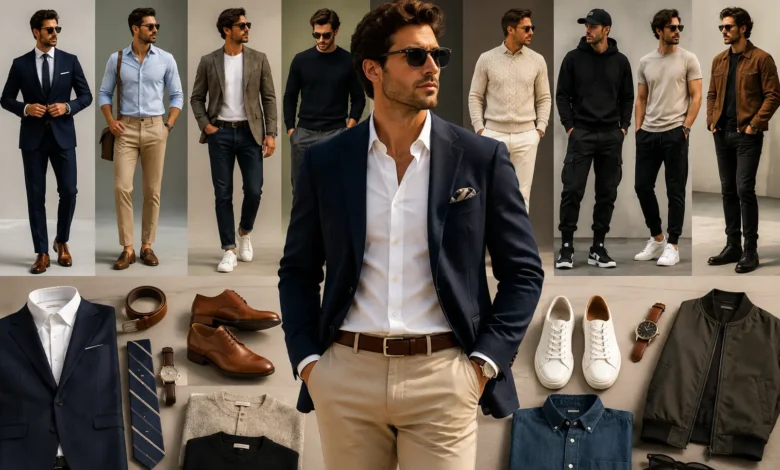
Walk into any room and people form an opinion about you before you say a single word. That’s not shallow — it’s human nature. Clothing sends a signal about confidence, competence, and self-respect long before a conversation starts. The good news is that dressing well isn’t about owning the most expensive wardrobe or following every passing trend. It’s about understanding a handful of proven men’s fashion styles, knowing when to wear them, and fitting them to your body and lifestyle.
This guide breaks down 12 types of men’s clothing styles that consistently earn respect — in the office, at weddings, on dates, and in everyday life — along with practical tips on fit, fabric, and accessories so you can build a wardrobe that actually works for you.
Why Your Clothing Style Matters More Than You Think
Psychologists call it “enclothed cognition” — the idea that what you wear changes how you think, act, and how others perceive you. A well-dressed man isn’t just noticed; he’s trusted faster, listened to more closely, and taken more seriously in professional and social settings. This is why a solid men’s style guide is less about vanity and more about communication.
The goal isn’t to chase every micro-trend on social media. It’s to build a small set of reliable men’s dressing styles you can rotate through depending on the occasion — then refine the details (fit, color, grooming) that separate an average outfit from one that commands respect.
1. Classic Menswear: The Foundation of Timeless Style
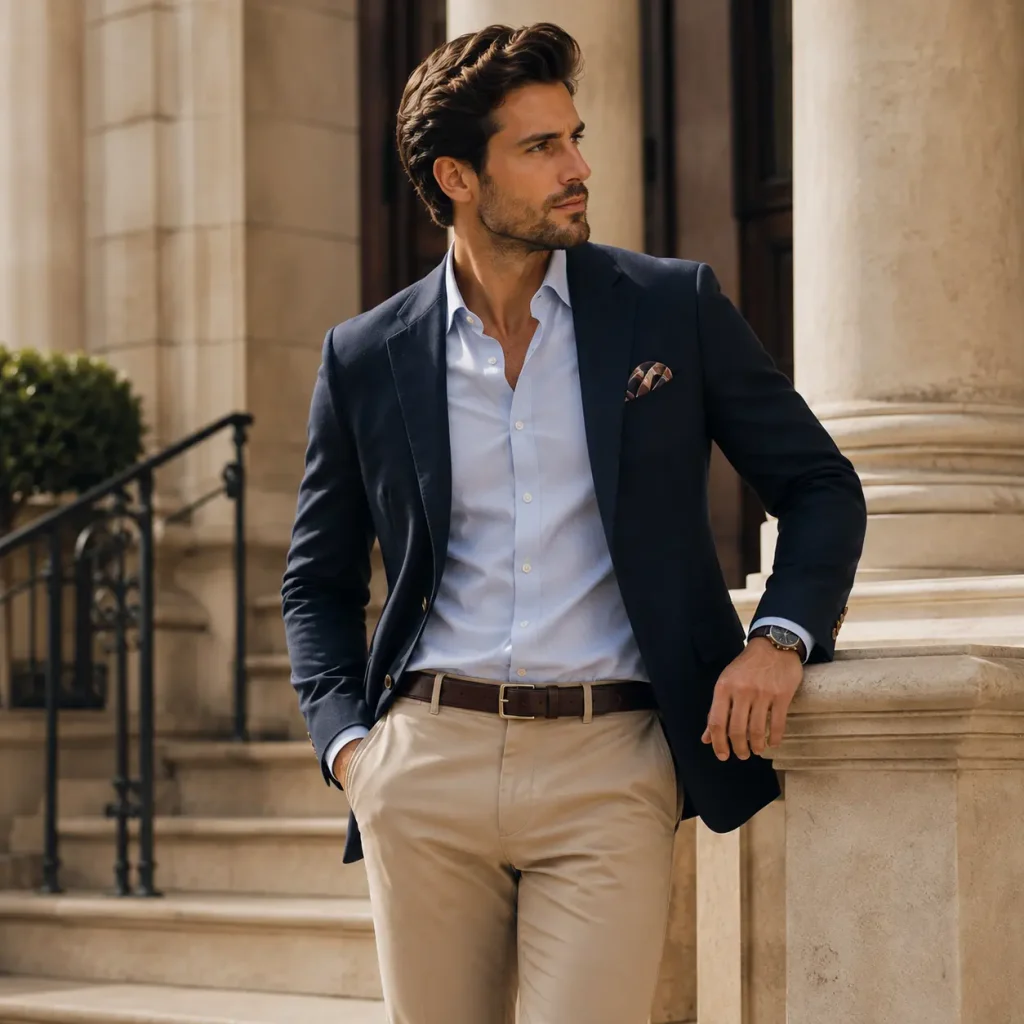
Classic style menswear is the north star for almost every other look on this list. Think tailored trousers, crisp button-down shirts, structured blazers, and leather shoes in neutral tones like navy, charcoal, and camel. This style never goes out of fashion because it’s built on proportion and quality rather than trends.
Key pieces:
- Navy or charcoal wool blazer
- White and light-blue Oxford shirts
- Tailored chinos or wool trousers
- Brown leather derby or oxford shoes
- A quality leather belt matched to your shoes
Classic menswear works for almost any semi-formal occasion and forms the backbone of a versatile wardrobe. If you’re only going to invest in one category first, this is it.
2. Business Formal: Dressing for Authority
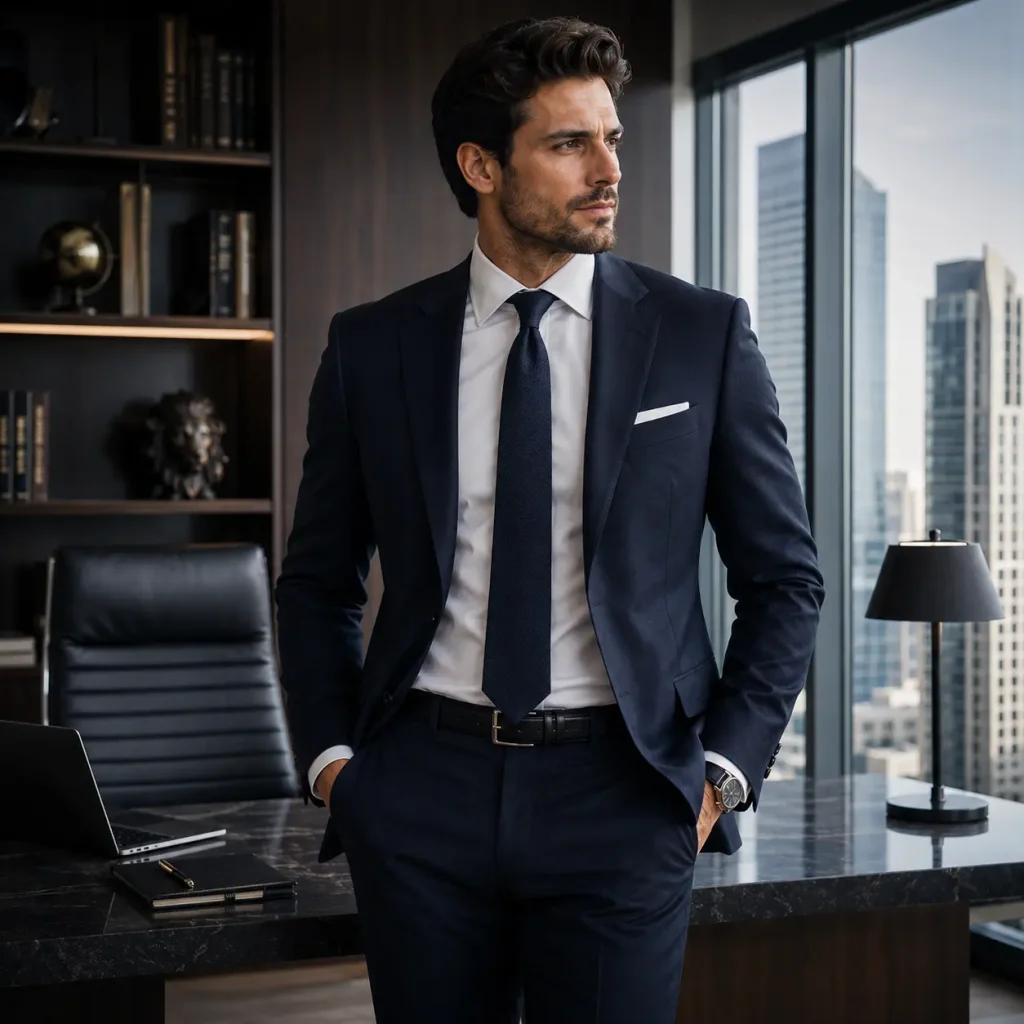
When the stakes are high — board meetings, client pitches, job interviews — formal wear for men is non-negotiable. A well-fitted two-piece suit in a solid or subtly patterned fabric, paired with a tie, dress shirt, and polished oxford shoes, projects authority instantly.
Rules that matter:
- Jacket sleeves should end at the wrist bone, showing about a quarter-inch of shirt cuff
- Trousers should have a slight break or none at all (modern preference)
- Stick to solid navy, charcoal, or black for the most versatile suits
- Match your belt and shoes in color and leather finish
A well-tailored suit — even a mid-range one — will always outperform an expensive but ill-fitting one. Tailoring is the single biggest lever for looking sharp in formal wear.
3. Business Casual: The Modern Office Standard

Most workplaces today have shifted away from strict suits toward a more relaxed but still polished men’s office wear style. Business casual men’s style typically means chinos or dress trousers, a button-down or polo shirt, and loafers or clean sneakers — no tie required.
A reliable business casual formula:
- Chinos in navy, khaki, or grey
- Oxford or polo shirt in solid colors or subtle patterns
- A knit blazer or unstructured sport coat for extra polish
- Leather loafers or minimalist sneakers
This style has become one of the most searched men’s outfit styles because it strikes the balance between comfort and professionalism that modern offices expect.
4. Smart Casual: The Most Versatile Style You’ll Own
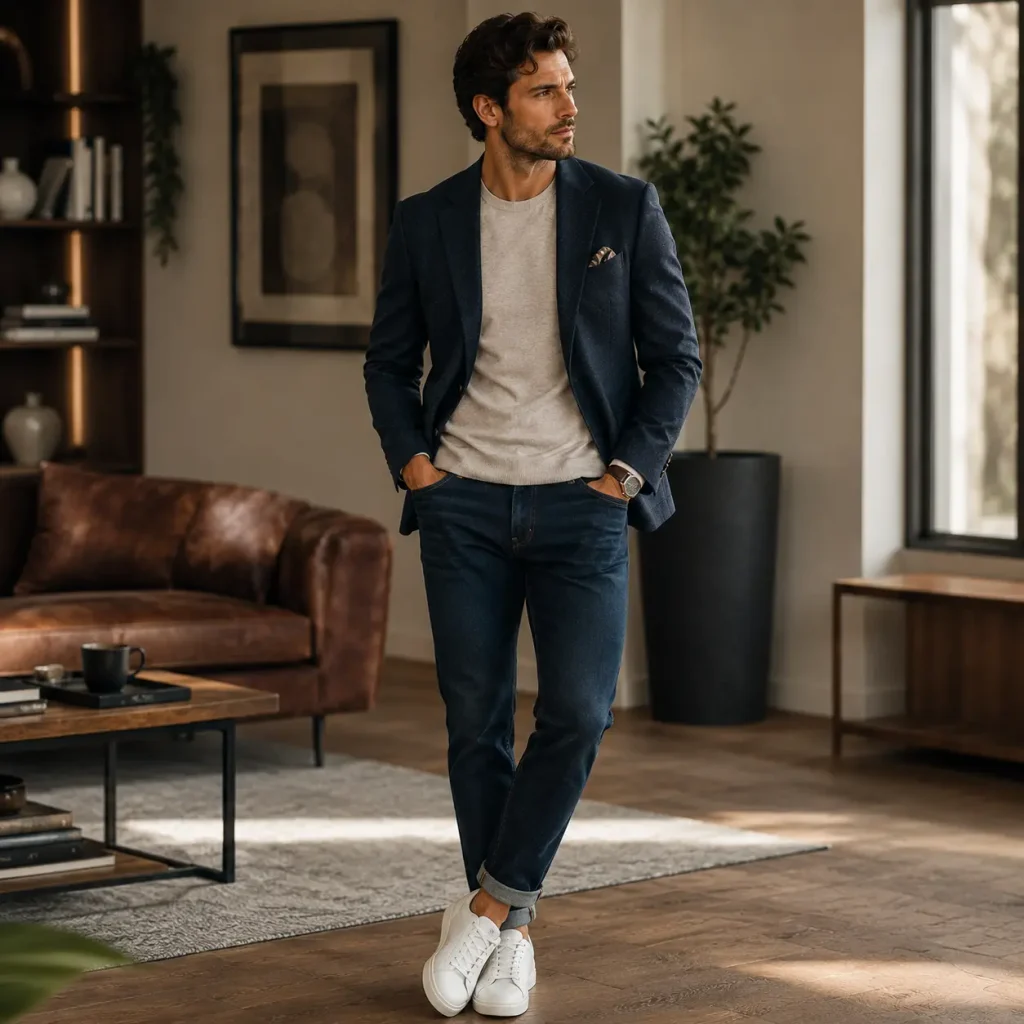
If you had to master just one style for maximum flexibility, it would be this one. Smart casual men’s outfits combine tailored pieces with relaxed elements — a blazer over a t-shirt, dark jeans with a button-down, or a knit sweater over a collared shirt.
Why it works: Smart casual adapts to dinners, casual work events, first dates, and weekend outings without ever looking overdressed or underdressed.
Core combinations:
- Blazer + crew neck tee + dark denim + white sneakers
- Button-down shirt (sleeves rolled) + chinos + suede loafers
- Turtleneck + tailored trousers + Chelsea boots
5. Streetwear: Bold, Expressive, and Culture-Driven
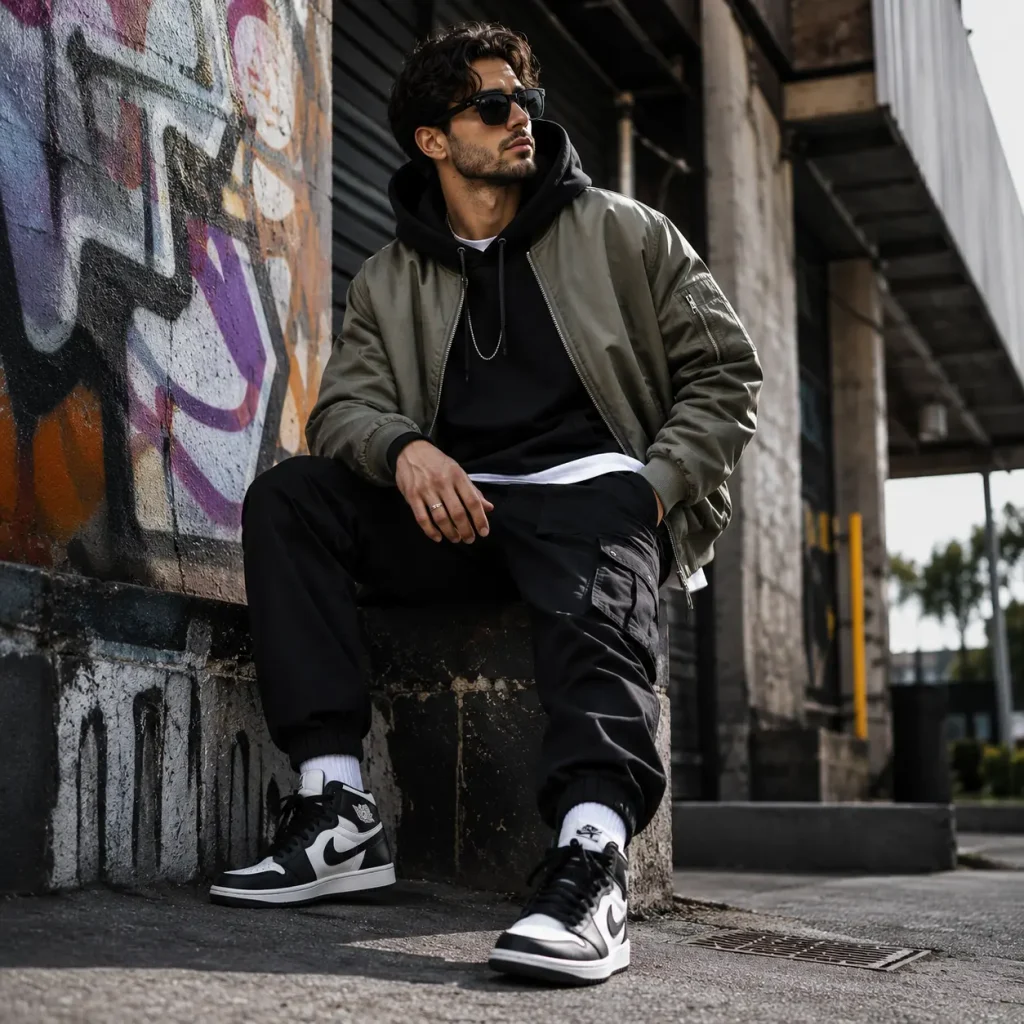
Streetwear style men gravitate toward pulls from sneaker culture, skate fashion, and hip-hop influence — oversized hoodies, graphic tees, cargo pants, and statement sneakers. Unlike classic menswear, streetwear rewards personality and boldness.
How to wear streetwear without looking sloppy:
- Balance oversized pieces with at least one fitted item (e.g., baggy hoodie + slim joggers)
- Invest in one standout piece — a jacket, sneaker, or cap — and keep the rest simple
- Stick to a cohesive color palette (2-3 colors max per outfit)
This is one of the fastest-moving categories in menswear trends, so following a few style accounts or sneaker release calendars helps you stay current without overspending.
6. Minimalist Style: Less, But Better
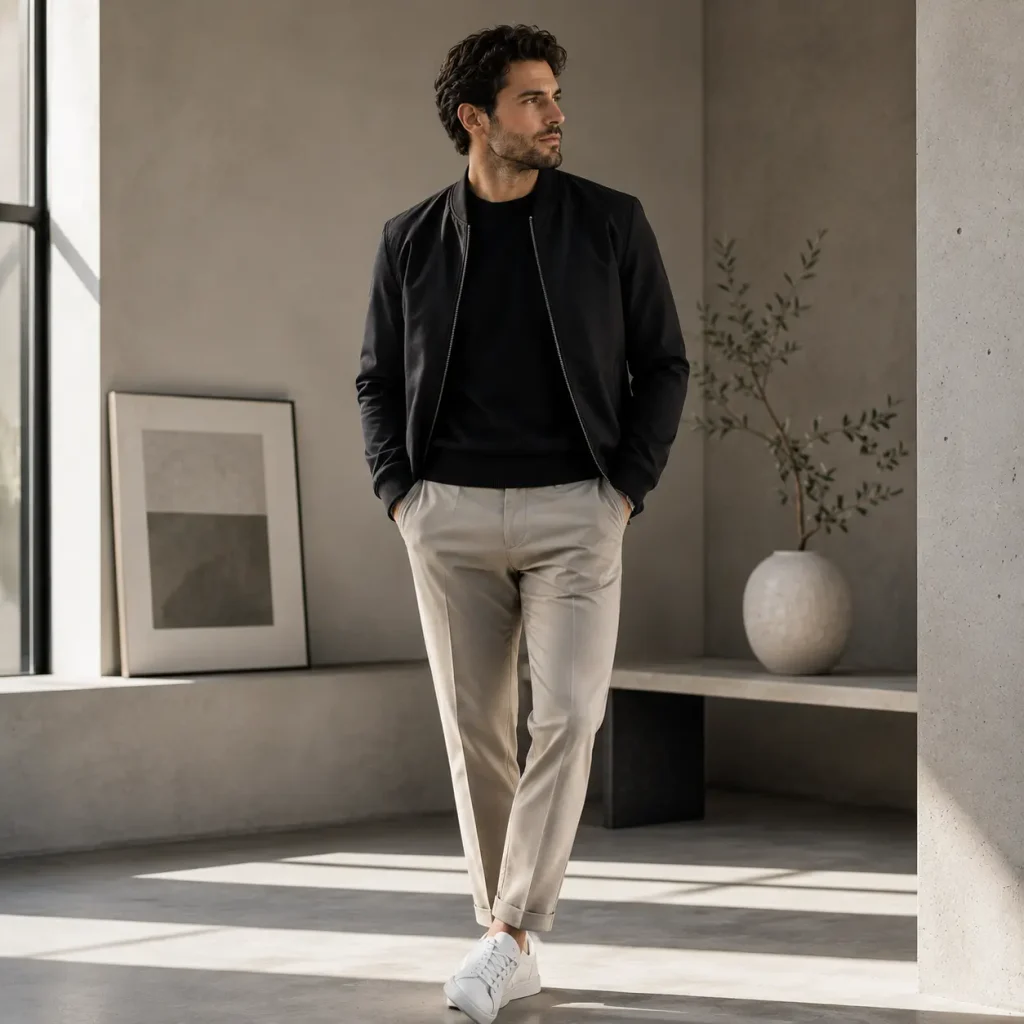
Minimalist men’s fashion strips clothing down to clean lines, neutral colors, and high-quality basics — think Scandinavian design applied to a wardrobe. It’s low-maintenance, timeless, and surprisingly easy to master once you understand the principle: fewer, better pieces.
Minimalist wardrobe essentials:
- White, black, grey, and navy t-shirts and sweatshirts
- Straight or slim-fit trousers in neutral tones
- One quality overcoat or bomber jacket
- Clean, low-profile sneakers or boots
Minimalism also happens to be one of the most budget-friendly men’s wardrobe styles long-term, since you’re buying fewer, more durable items instead of chasing trends every season.
7. Preppy Style: Polished and Collegiate
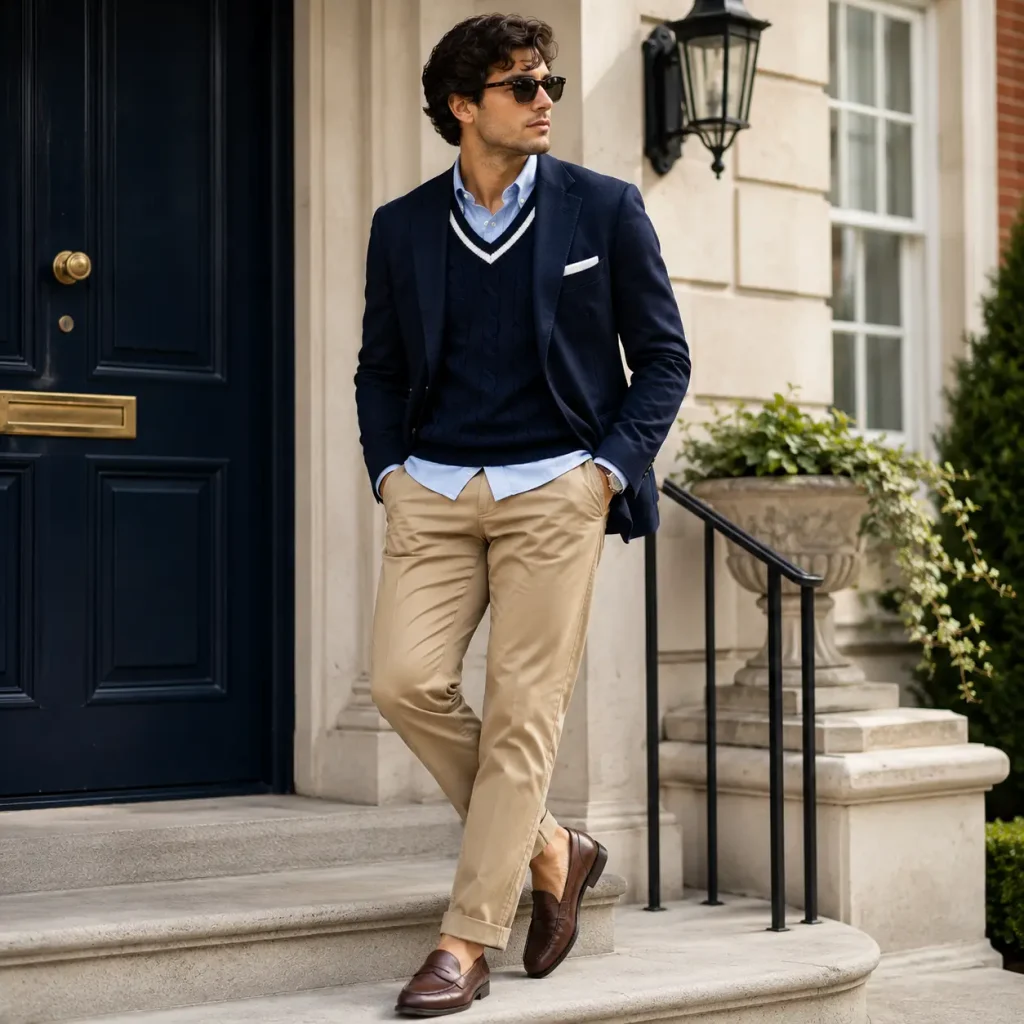
Rooted in Ivy League and country-club fashion, preppy style blends structure with playfulness — think polo shirts, chinos, boat shoes, and the occasional statement pattern like stripes or plaid. It remains a strong option among different types of men’s fashion styles explained because it photographs well and reads as put-together without trying too hard.
Signature pieces:
- Polo shirts and Oxford button-downs
- Chino shorts or trousers
- Boat shoes, penny loafers
- Cable-knit sweaters, quarter-zips
8. Athleisure: Comfort Meets Style
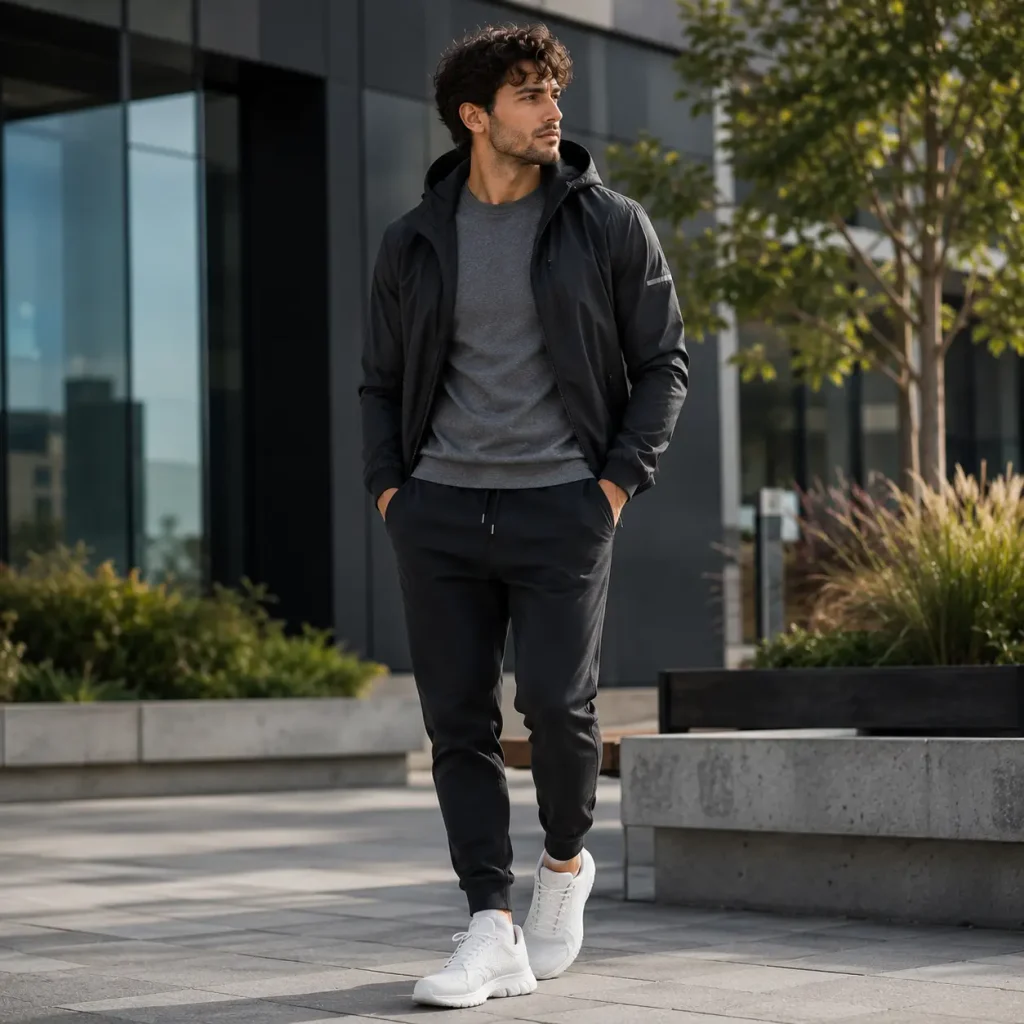
Athleisure merges athletic wear with everyday fashion — joggers, technical fabrics, sneakers, and performance jackets worn outside the gym. It’s become one of the dominant men’s fashion trends of the past decade because it prioritizes comfort without sacrificing a put-together look.
Elevating athleisure:
- Choose matching or coordinated tones (not mismatched gym leftovers)
- Swap basic sweatpants for tapered joggers with a cleaner silhouette
- Layer with a structured bomber or coach’s jacket for a sharper finish
9. Casual Everyday Style: Effortless and Comfortable
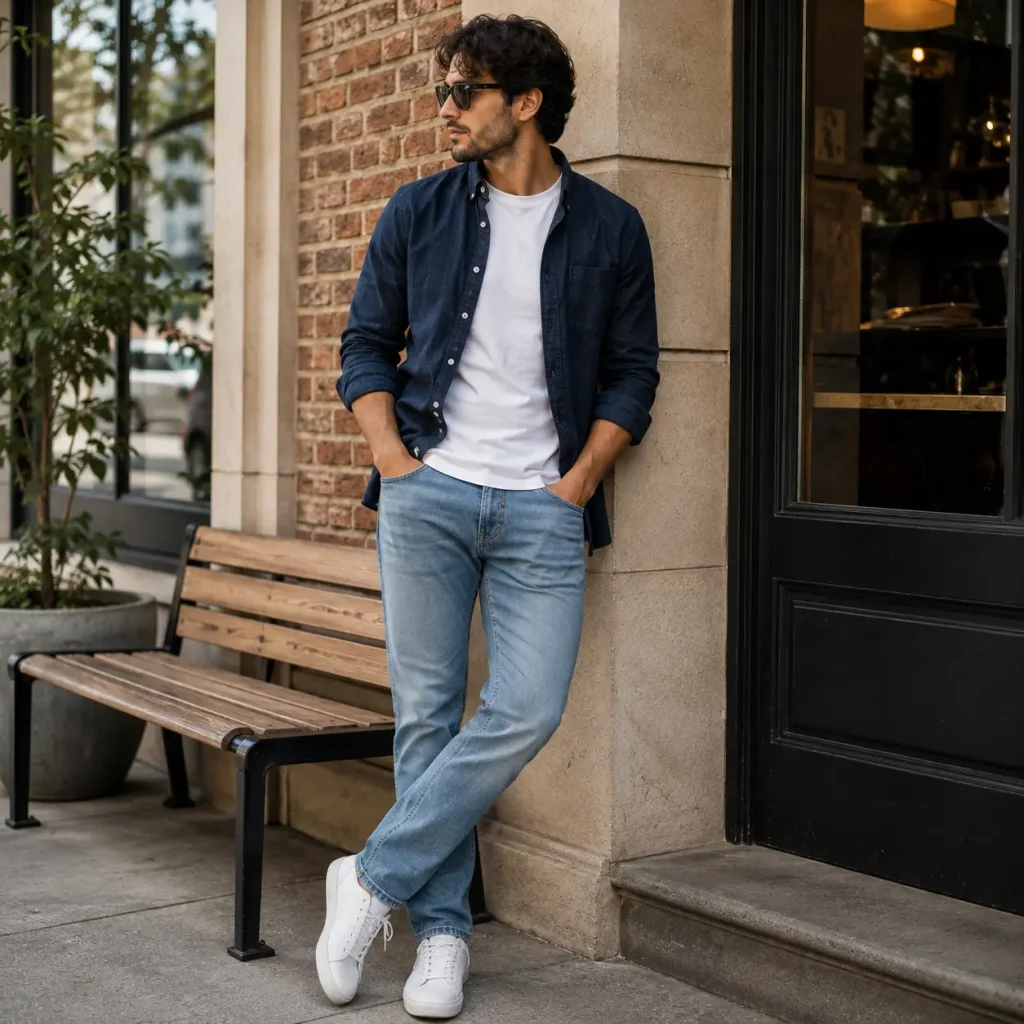
Casual style for men is what most of us wear most of the time — jeans, t-shirts, sneakers, hoodies. The trick to elevating casual wear isn’t buying more; it’s fit and color coordination.
Simple upgrades:
- Replace baggy, faded jeans with a well-fitted straight or slim cut
- Choose t-shirts with proper shoulder seams instead of oversized fits
- Add one intentional layer — a denim jacket, overshirt, or bomber
10. Wedding and Formal Event Style
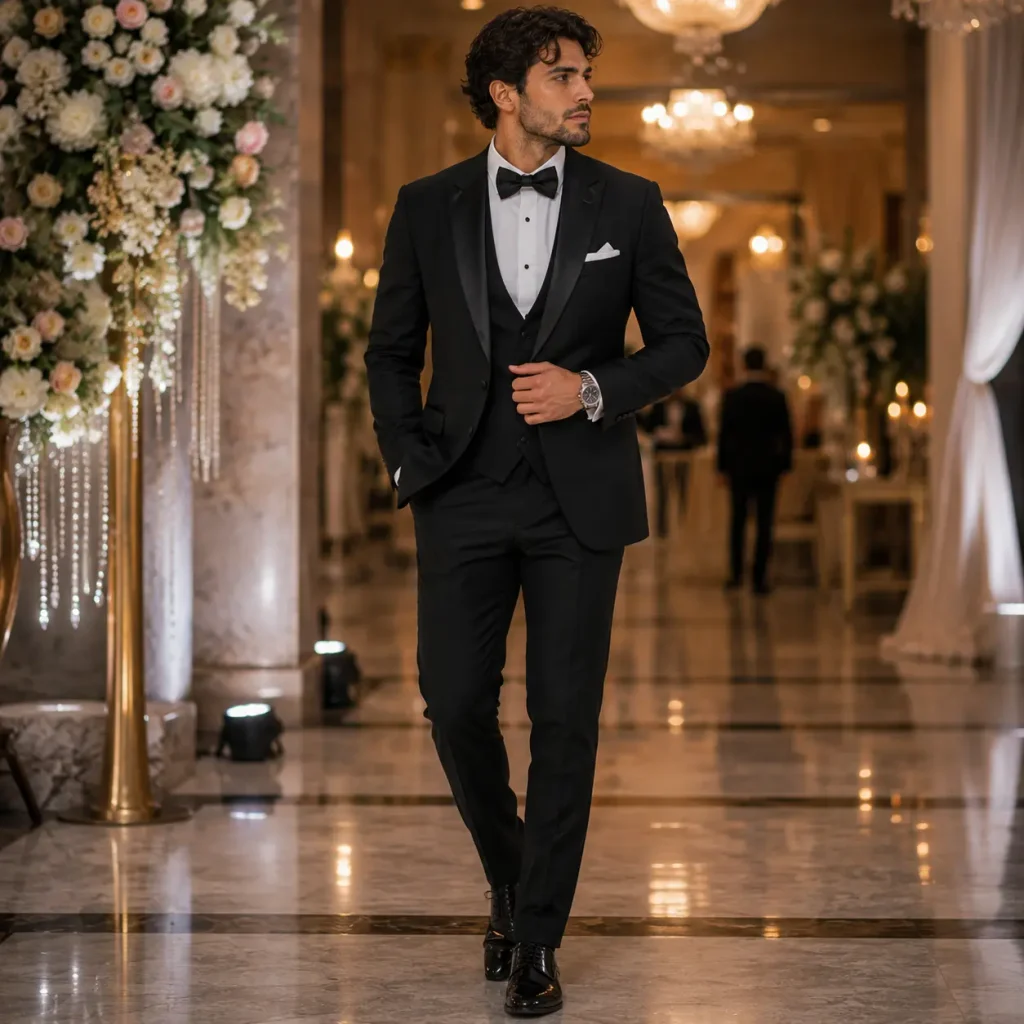
A men’s wedding outfit style depends heavily on the event’s dress code, time of day, and season. Daytime weddings favor lighter suits in tan, light grey, or soft blue, while evening events call for darker tones like navy or charcoal.
Wedding outfit checklist:
- Confirm the dress code before shopping (black tie, cocktail, casual)
- Match fabric weight to season — linen and cotton blends for summer, wool for fall/winter
- Coordinate (don’t match exactly) with your partner if attending together
- Add a pocket square or subtle tie pattern for personality
11. Date Night Style: Confident and Approachable
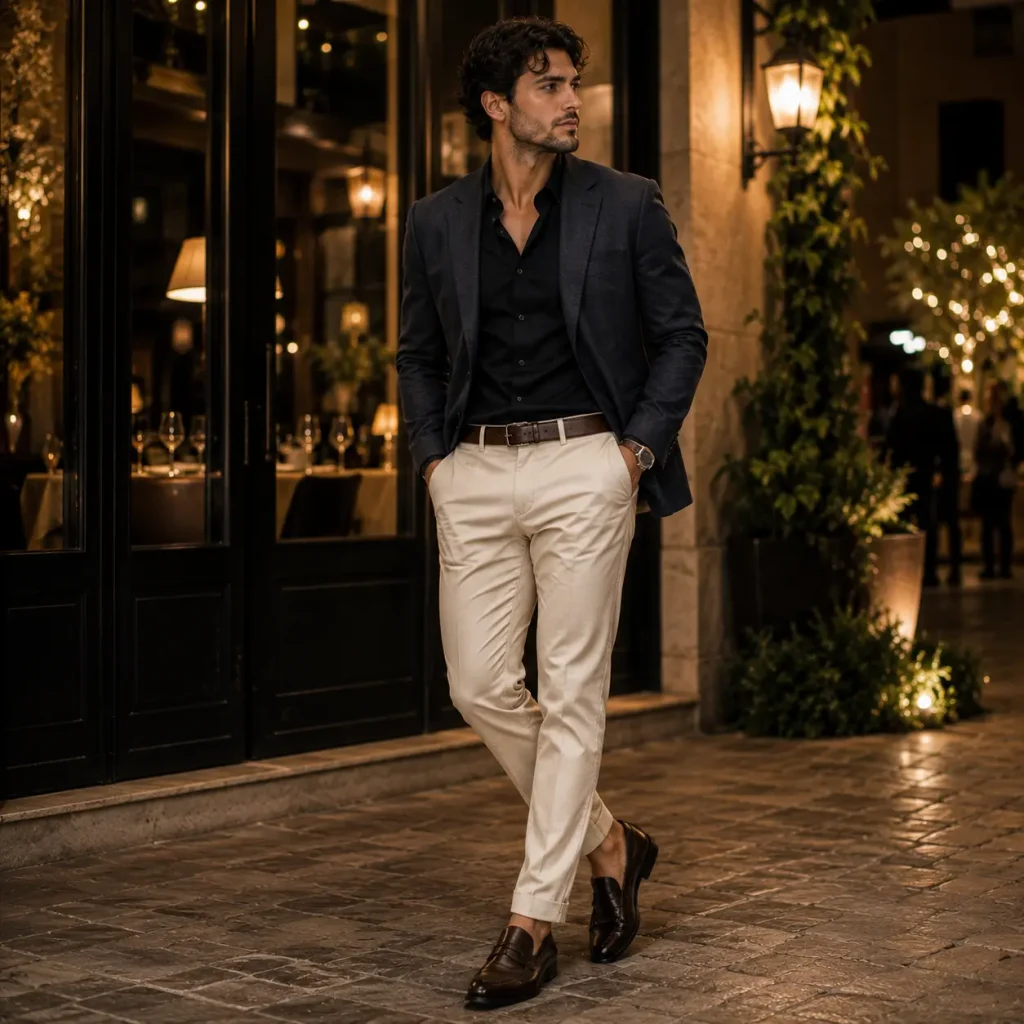
A great men’s date night outfit sits right at the intersection of smart casual and personal style — polished enough to show effort, relaxed enough to feel like yourself. Dark jeans, a fitted shirt or sweater, and clean boots or leather sneakers rarely miss.
Date night formula:
- Fitted button-down or quality knit sweater
- Dark wash jeans or tailored trousers
- Leather boots, loafers, or minimalist sneakers
- One subtle accessory — a watch or bracelet
12. Party Wear: Statement Pieces for Nights Out

Men’s party wear style allows more risk-taking than daytime looks — richer colors, bolder patterns, and statement fabrics like velvet or satin details. Think a fitted black shirt with subtle sheen, tailored trousers, and sleek boots or loafers.
Party style tips:
- One statement piece is enough (a printed shirt or textured jacket) — keep the rest simple
- Darker palettes photograph better under club or event lighting
- Avoid over-accessorizing; one strong element beats five competing ones
How to Mix and Match Styles Without Looking Inconsistent
Very few men stick to a single style all year. In reality, most wardrobes blend two or three of the categories above — say, business casual for work and streetwear-influenced smart casual on weekends. The key to mixing styles without looking scattered is consistency in a few underlying elements:
- Keep a consistent color palette. Even if you’re wearing a streetwear hoodie one day and a tailored blazer the next, drawing from the same core neutrals (navy, grey, black, white, camel) makes every combination feel intentional.
- Repeat silhouettes you know work on your body. If slim-tapered trousers flatter your frame in business casual, look for a similar taper in your joggers or chinos.
- Let one category anchor your week. Choose a “default” style — classic, smart casual, or minimalist tend to work well as anchors — and treat the others as occasional accents rather than competing systems.
- Reuse accessories across styles. A quality watch, a leather belt, and a pair of clean sneakers can bridge business casual, smart casual, and even streetwear looks, which cuts down on how many pieces you actually need.
This approach also protects your budget. Instead of buying entirely separate wardrobes for “work you” and “weekend you,” you’re building one flexible system that flexes with the occasion.
Building a Capsule Wardrobe From These 12 Styles
A capsule wardrobe — a small, deliberately chosen set of pieces that mix and match easily — is one of the fastest ways to look consistently put-together without owning dozens of outfits. Using the essentials list above as a starting point, aim for roughly 30-40 total pieces (including shoes and outerwear) that can combine into 40+ distinct outfits across classic, business casual, smart casual, and casual categories.
Start by auditing what you already own: pull everything out, sort into “keep,” “alter,” and “donate,” and note which categories are missing entirely (most men are short on quality outerwear and versatile shoes). Fill gaps gradually, prioritizing pieces that connect at least two of the 12 styles — a navy blazer, for instance, works across classic, business casual, and smart casual, making it one of the highest-value purchases you can make.
Seasonal Style Guide: Dressing for Summer and Winter
Men’s Summer Clothing Style
Lightweight, breathable fabrics are essential. Favor linen shirts, cotton chinos, short-sleeve button-downs, and canvas sneakers. Lighter colors reflect heat and keep you visually fresh. Rolled sleeves and unstructured blazers keep smart-casual looks from feeling stuffy in the heat.
Men’s Winter Fashion Style
Layering is the name of the game. A good winter wardrobe includes a wool overcoat, a versatile puffer or bomber jacket, cable-knit sweaters, and insulated boots. Textures like tweed, corduroy, and flannel add visual depth while keeping you warm.
How to Dress for Your Body Type
One of the most overlooked parts of any men’s style guide is understanding how to dress for your body type. The same outfit can look completely different depending on proportions.
Best Clothing Style for Body Type: Quick Reference
| Body Type | What Works | What to Avoid |
|---|---|---|
| Slim/Lean | Layering, textured fabrics, slim-to-regular fit | Oversized, boxy silhouettes that swallow the frame |
| Athletic/V-Shape | Tailored blazers, fitted shirts that follow the taper | Baggy shirts that hide your shape |
| Broad/Stocky | Structured jackets, vertical stripes, darker monochrome | Horizontal stripes, overly tight fits |
| Tall | Layering, contrasting colors to break up height | Overly long, monochrome outfits that exaggerate height |
| Short | Slim-to-regular fit, higher-rise trousers, minimal cuffing | Oversized layers, excessive cuffing that shortens the leg |
Men’s Outfit for Tall Guys
Taller men can use layering and color-blocking to break up their frame — a contrasting jacket over a shirt, or cropped trousers to avoid pooling fabric. Avoid all-one-color outfits, which can look overly elongated.
Men’s Outfit for Short Guys
Shorter men benefit from higher-rise trousers, minimal break at the ankle, and vertically-oriented patterns. Avoid oversized jackets or excessive layering, which visually shortens the frame.
Slim Fit vs Regular Fit: Which Should You Choose?
The slim fit vs regular fit men debate comes down to body shape and comfort preference, not trend alone.
- Slim fit follows the body’s natural lines closely — ideal for leaner or athletic builds who want a tailored look.
- Regular fit offers more room through the chest and waist — better suited for broader builds or those who prioritize comfort and movement.
Neither is objectively “better.” The right fit is the one that skims your body without pulling at buttons or pooling in excess fabric.
Men’s Essential Wardrobe Pieces
Building a functional wardrobe doesn’t require dozens of items. These must-have clothes for men cover nearly every style and occasion above:
- 2-3 well-fitted white/light blue button-down shirts
- 1 navy blazer, 1 grey or black suit
- 2-3 pairs of chinos (navy, khaki, grey)
- 1-2 pairs of dark, well-fitted jeans
- 5-6 quality t-shirts in neutral colors
- 1 leather jacket or bomber
- 1 wool overcoat (for cooler climates)
- Brown and black leather shoes (oxford or derby)
- 1 pair of clean white sneakers
- 1 pair of leather boots
- A quality leather belt in both brown and black
Men’s Shirt Styles Explained
- Oxford shirt – textured, casual-leaning, great for smart casual and business casual
- Dress/poplin shirt – smooth, crisp, best for formal and business settings
- Flannel shirt – heavier, textured, ideal for casual and winter looks
- Henley – casual, collarless, works well under jackets
- Polo shirt – preppy, versatile, bridges casual and smart casual
Men’s Jacket Styles Explained
- Blazer – structured, best for business casual and smart casual
- Bomber jacket – casual, versatile, works with streetwear and athleisure
- Denim jacket – casual staple, layers well over t-shirts and hoodies
- Leather jacket – edgy, elevates streetwear and date-night looks
- Overcoat – formal-leaning, essential for winter and business wear
- Puffer jacket – functional, best for casual winter outfits
Men’s Shoe Styles Guide
| Shoe Type | Best For |
|---|---|
| Oxford | Formal, business, weddings |
| Derby | Business casual, smart casual |
| Loafer | Smart casual, summer, date night |
| Chelsea boot | Smart casual, date night, fall/winter |
| Leather sneaker | Business casual, everyday |
| Canvas sneaker | Casual, summer, streetwear |
| Boat shoe | Preppy, summer casual |
Men’s Accessories for Style
Accessories are often what separates a good outfit from a memorable one:
- Watch – the single most versatile accessory; matches metal tones to your belt/shoe hardware
- Belt – should match shoe color and leather texture
- Sunglasses – choose frame shapes that complement your face shape
- Bracelet or ring – one or two pieces max; avoid overloading
- Pocket square – small detail that elevates blazers and suits instantly
- Bag/briefcase – leather totes or minimalist backpacks for business casual and office wear
How to Improve Your Fashion Sense: 7 Practical Tips
If you’re wondering how to improve men’s fashion sense, these habits move the needle faster than buying more clothes:
- Get key pieces tailored. A $50 alteration can transform a $200 jacket.
- Build a neutral color base, then add 2-3 accent colors you genuinely like.
- Invest in shoes and outerwear first — they’re the most visible, most-touched pieces.
- Study fit, not just style. Shoulders, sleeve length, and trouser break matter more than brand names.
- Follow a handful of style creators for ongoing men’s fashion tips for everyday wear, but adapt — don’t copy blindly.
- Pair grooming with clothing. A sharp haircut and tidy facial hair amplify any outfit.
- Edit your closet seasonally. Remove what you haven’t worn in a year; it clarifies your actual style.
Also Read: The Psychology of Dressing Well: How Clothes Affect Your Confidence
Men’s Grooming and Style: The Missing Piece
Clothing does half the work — grooming does the rest. A clean, well-maintained haircut, tidy eyebrows, trimmed nails, and a simple skincare routine (cleanser, moisturizer, sunscreen) round out a polished appearance. Cologne, used sparingly, and fresh breath complete the picture. No outfit fully compensates for neglected grooming, and no grooming routine fully compensates for a mismatched outfit — the two work together.
Common Style Mistakes to Avoid
- Wearing clothes that are too big, mistaking loose fit for comfort
- Mixing too many patterns or bold colors in one outfit
- Ignoring proportions — pairing oversized tops with oversized bottoms
- Wearing worn-out shoes, which undercut an otherwise sharp outfit
- Over-accessorizing instead of choosing one or two statement pieces
- Buying trend pieces without a plan for how they’ll pair with existing items
Finding Your Personal Style
Personal style for men develops through experimentation, not a single formula. Start with the classic and smart casual foundations in this guide, then gradually lean toward the categories that feel most like you — minimalist, streetwear, preppy, or a blend of several. Pay attention to which men’s outfit inspiration sources (Pinterest boards, style creators, even well-dressed people you see daily) you keep returning to; that pattern usually reveals your genuine taste faster than trend reports do.
Style Icons Worth Studying
Looking at recognized style icons for men — across classic tailoring, streetwear, and minimalist design — can help you identify silhouettes and color combinations that resonate with you. Rather than copying an outfit exactly, study the proportions, color coordination, and accessory choices, then translate those principles into your own wardrobe.
Best Clothing Styles for Men in 2026: What’s Trending
Looking at best clothing styles for men 2026, a few directions stand out: quiet luxury continuing to influence minimalist and classic wardrobes, tailored streetwear blending structured jackets with relaxed sneakers, and a broader return to textured fabrics like corduroy and wool blends across both casual and business casual settings. Sustainable and durable basics are also increasingly prioritized over fast-fashion trend pieces.
Frequently Asked Questions
What is the most versatile men’s clothing style?
Smart casual is widely considered the most versatile style, since it adapts easily to work, dates, dinners, and casual outings without requiring a full wardrobe change.
How many clothing styles should a man have in his wardrobe?
Most men benefit from mastering 3-4 core styles — typically business casual or business formal for work, smart casual for social settings, and casual for everyday wear — rather than trying to maintain all 12 styles equally.
What’s the difference between smart casual and business casual?
Business casual leans more toward workplace-appropriate pieces like chinos and collared shirts, while smart casual allows more flexibility, such as pairing a blazer with jeans or a t-shirt.
How do I start improving my style as a beginner?
Begin with a men’s style guide for beginners approach: build a small capsule of well-fitted neutral basics (shirts, chinos, jeans, one blazer, versatile shoes), then add color and personality gradually as you learn what suits your body type and lifestyle.
Does body type really affect what clothing style suits me?
Yes. Fit and proportion matter more than the specific style you choose. The same jacket or trouser can look completely different depending on how it’s cut relative to your shoulders, waist, and height, which is why understanding your body type improves how any style looks on you.
What should every man have in his wardrobe?
At minimum: well-fitted jeans, neutral t-shirts, a couple of button-down shirts, one blazer, one pair of dress shoes, one pair of casual sneakers, and a versatile jacket suited to your climate.
How often should I update my wardrobe?
A seasonal review — removing unworn items and assessing gaps — is usually enough. Core classic and minimalist pieces rarely need replacing unless worn out, while trend-driven streetwear pieces may be refreshed more often.
Can I mix streetwear with classic or business casual pieces?
Yes, and many modern outfits do exactly this — for example, a tailored blazer over a graphic tee, or clean sneakers with dress trousers. The key is balancing one relaxed piece with one structured piece so the outfit still reads as intentional rather than mismatched.
What’s the biggest mistake men make when trying to dress better?
Focusing on buying more clothes instead of fixing fit. A closet full of ill-fitting pieces will always look worse than a small wardrobe of well-tailored, well-proportioned basics — fit consistently has more visual impact than price or brand.
Final Thoughts
Commanding respect through clothing isn’t about spending the most money or following every trend — it’s about understanding proportion, fit, and context, then applying a handful of reliable styles consistently. Whether you gravitate toward classic tailoring, relaxed streetwear, or minimalist basics, the principles in this guide give you a practical men’s style guide you can return to for any occasion, season, or stage of building your personal wardrobe.
Also Read: How to Choose the Best Comfort Hoodie (Fabric, Fit & Weight Guide)