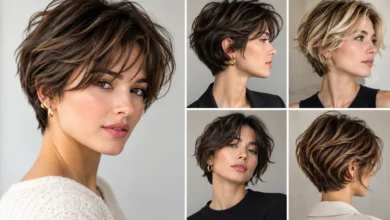
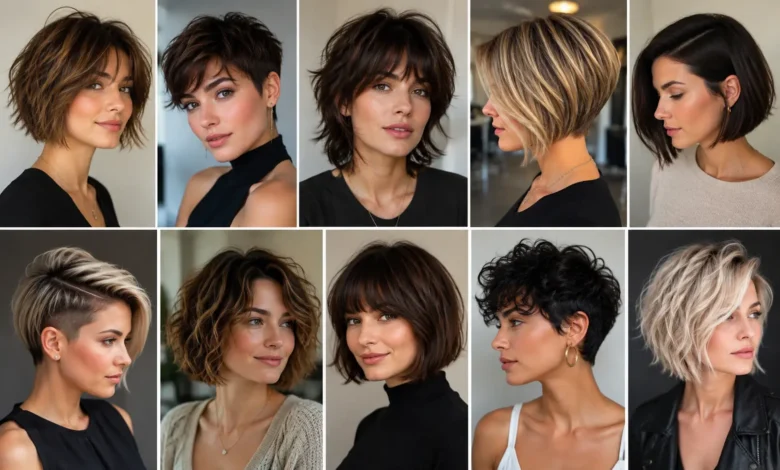
Choosing a short haircut is exciting, but it can also feel overwhelming once you start scrolling through endless options online. Instead of throwing dozens of styles at you and hoping one sticks, this guide narrows things down to 10 genuinely modern, wearable short hairstyles for women — each with real detail on who it suits, how to style it, and what to expect in terms of maintenance, so you can walk into your next salon appointment with real confidence instead of just a vague idea.
Why Short Hair Is Having a Major Moment
Short hair has moved well beyond a “bold, dramatic change” category and become a genuinely mainstream, versatile choice for women of every age and hair type. A few reasons it keeps trending:
- Significantly less daily styling time compared to long hair, which matters enormously for busy schedules.
- Lower product usage overall, since there’s simply less hair to treat, condition, and style.
- A flattering way to highlight your face. Short cuts naturally draw attention to your eyes, cheekbones, and jawline in a way longer styles often can’t.
- Genuine versatility. From sleek and polished to textured and undone, short hair can be styled in dramatically different ways depending on your mood and the occasion.
Also Read: 6 Low-Maintenance Hairstyles for Women Over 60 with Fine Hair
How to Choose the Right Short Haircut for You
Before jumping into the styles below, it helps to think through a few personal factors:
- Your hair type and texture. Straight, wavy, curly, and coily hair all respond differently to the same haircut, so the “best” version of any style below often needs a slightly customized approach for your texture.
- Your face shape. Certain cuts and layering placements are more universally flattering for specific face shapes (more on this below).
- Your styling routine. Be honest about how much time you’re realistically willing to spend each morning, since some short styles need more daily effort than others.
- Your maintenance tolerance. Shorter, more structured cuts typically need more frequent trims to hold their shape than longer, more textured options.
1. The Textured Bob
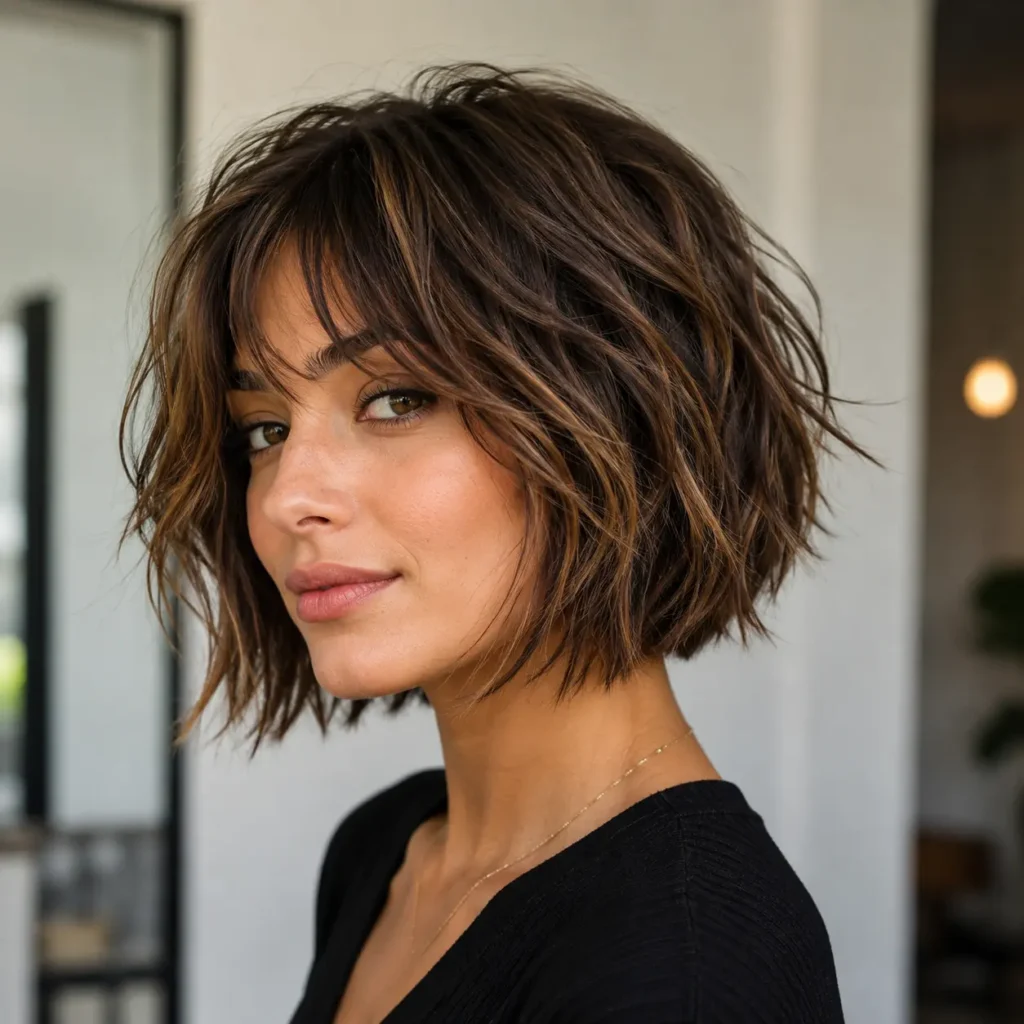
The textured bob remains one of the most requested short haircuts, and for good reason — it strikes an ideal balance between polish and effortless, lived-in movement.
What it is: A chin-to-jaw length bob cut with choppy, broken layers throughout rather than one clean, blunt line.
Best for: Fine to medium hair types, since the layering adds the appearance of volume and texture without needing thick hair to pull it off.
Styling approach: Apply a sea salt or texturizing spray to damp hair, then either air-dry or diffuse on low heat, scrunching gently to enhance natural texture. For a slightly more polished finish, a light wave with a curling wand adds definition without looking overly done.
Maintenance: Trims every 6-8 weeks keep the choppy layers looking intentional rather than growing out into an undefined shape.
2. The Classic Pixie
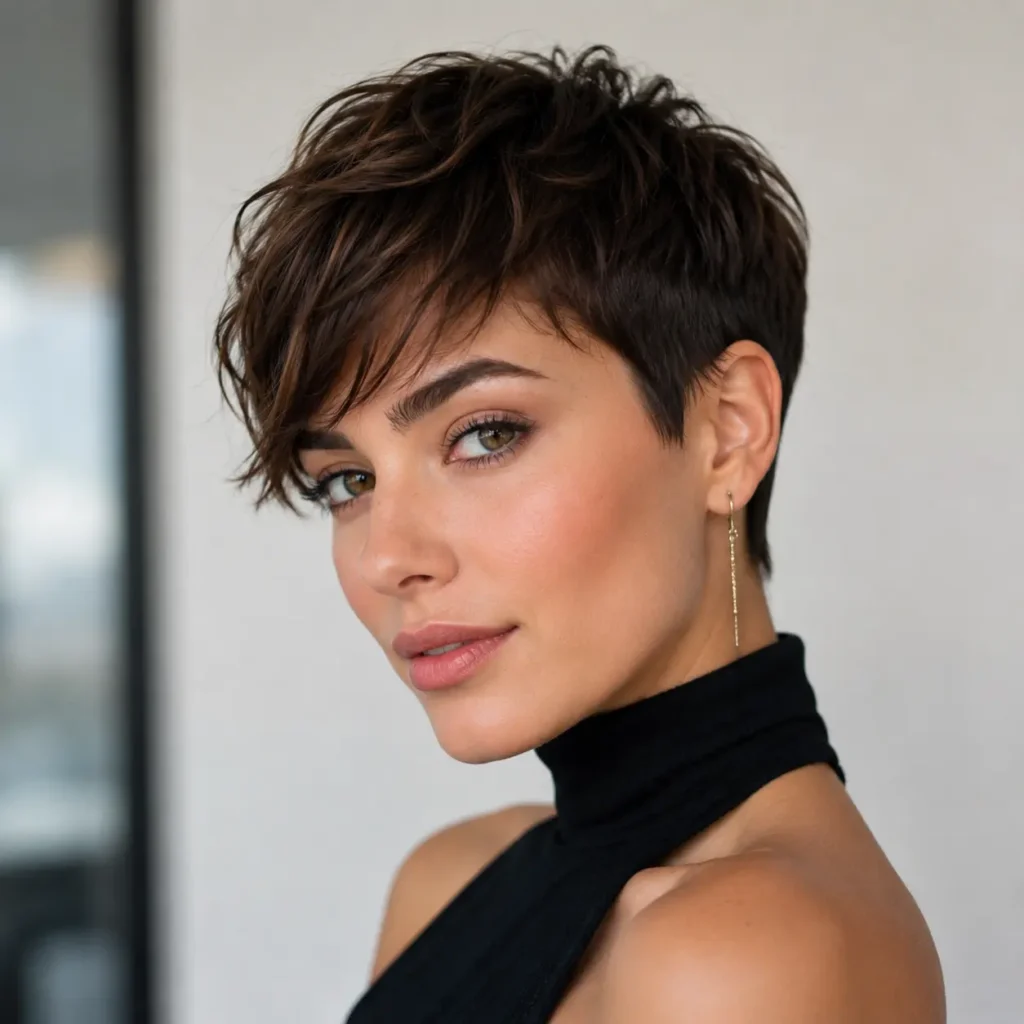
A well-executed pixie remains one of the most reliably chic short haircuts available, and it continues to look modern year after year, largely because the cut itself is so adaptable to personal styling choices.
What it is: Short, closely cropped sides and back with slightly longer length left on top for styling flexibility.
Best for: Oval and heart-shaped faces especially, though a skilled stylist can adjust the length and layering to flatter nearly any face shape.
Styling approach: A small amount of texturizing wax or pomade worked through damp or dry hair with your fingers is usually all that’s needed. For more volume, apply a root-lifting mousse before blow-drying with your fingers or a small round brush.
Maintenance: Because the cut relies on precise, closely cropped sections, pixies typically need trims every 3-5 weeks to maintain a crisp, intentional shape.
3. The Modern Shag
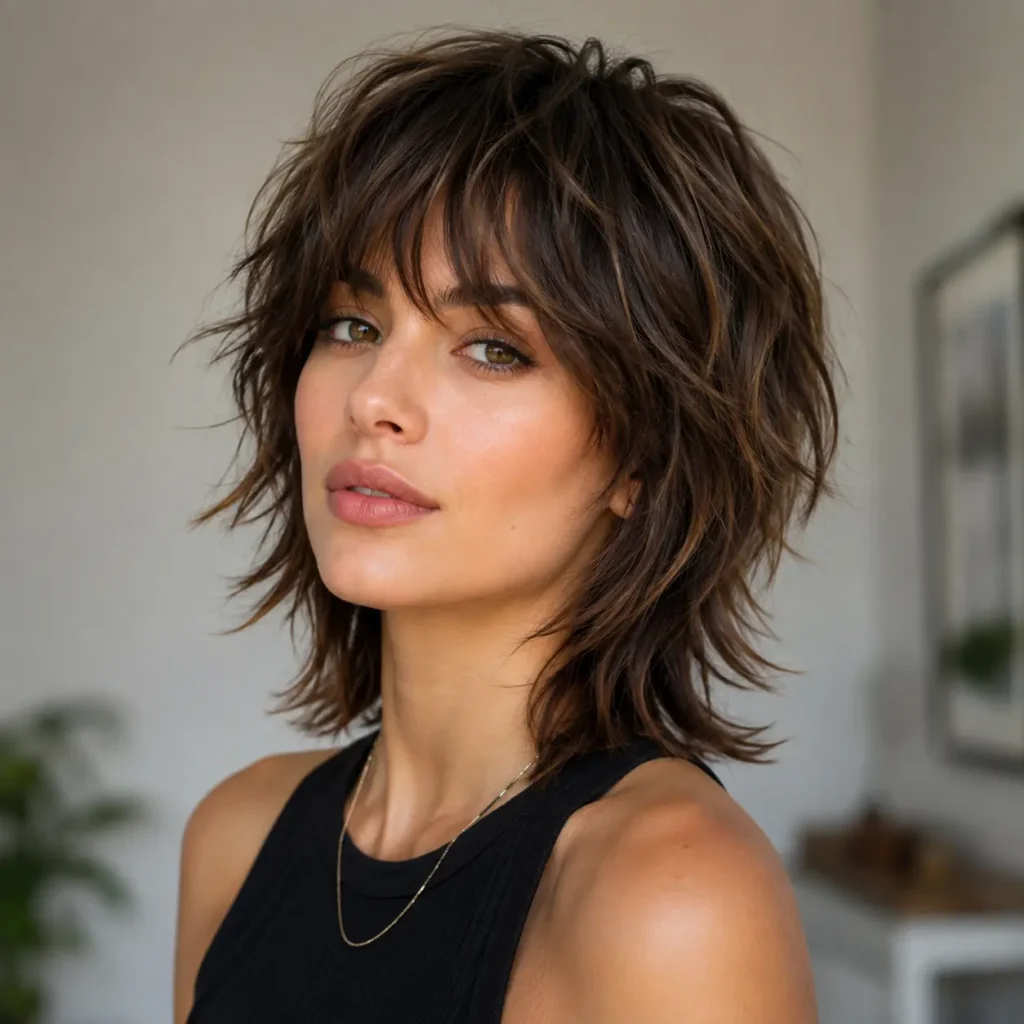
A reimagined take on the heavily-layered ’70s shag, the modern version leans into soft, lived-in texture rather than a harsh, choppy finish.
What it is: Layered throughout with feathered ends and often paired with wispy, face-framing pieces or soft curtain bangs.
Best for: Wavy and curly hair types especially, since the layering works with natural texture rather than requiring heavy styling to achieve movement.
Styling approach: This cut is genuinely one of the most air-dry-friendly styles on this list — apply a texturizing cream to damp hair and let it dry naturally, or diffuse on low heat for extra lift.
Maintenance: Because the shape depends on layered texture rather than a precise line, this cut is more forgiving between trims, typically holding its shape well for 8-10 weeks.
4. The Inverted Bob
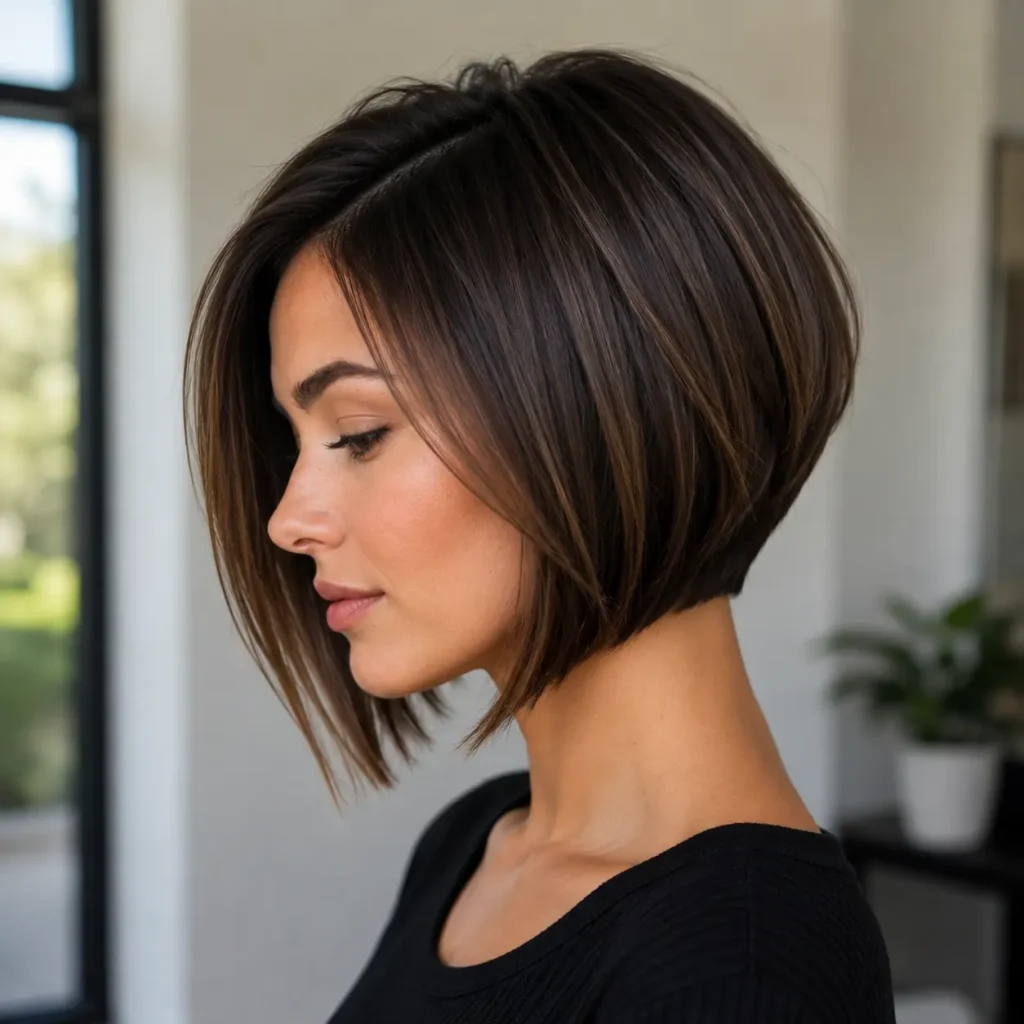
This structured, angled bob creates a distinctive silhouette that’s become a favorite for anyone wanting a short cut with a bit more architectural presence.
What it is: Shorter in the back with length gradually increasing toward the front, creating a stacked, voluminous effect at the crown.
Best for: Those wanting to add the appearance of fullness and volume, particularly flattering for round and oval face shapes.
Styling approach: Blow-dry with a round brush, lifting at the roots in the back specifically to maintain and enhance the stacked volume this cut is known for.
Maintenance: Trims every 6-8 weeks help maintain the sharp angle and stacked shape that defines this style.
5. The Curly Pixie
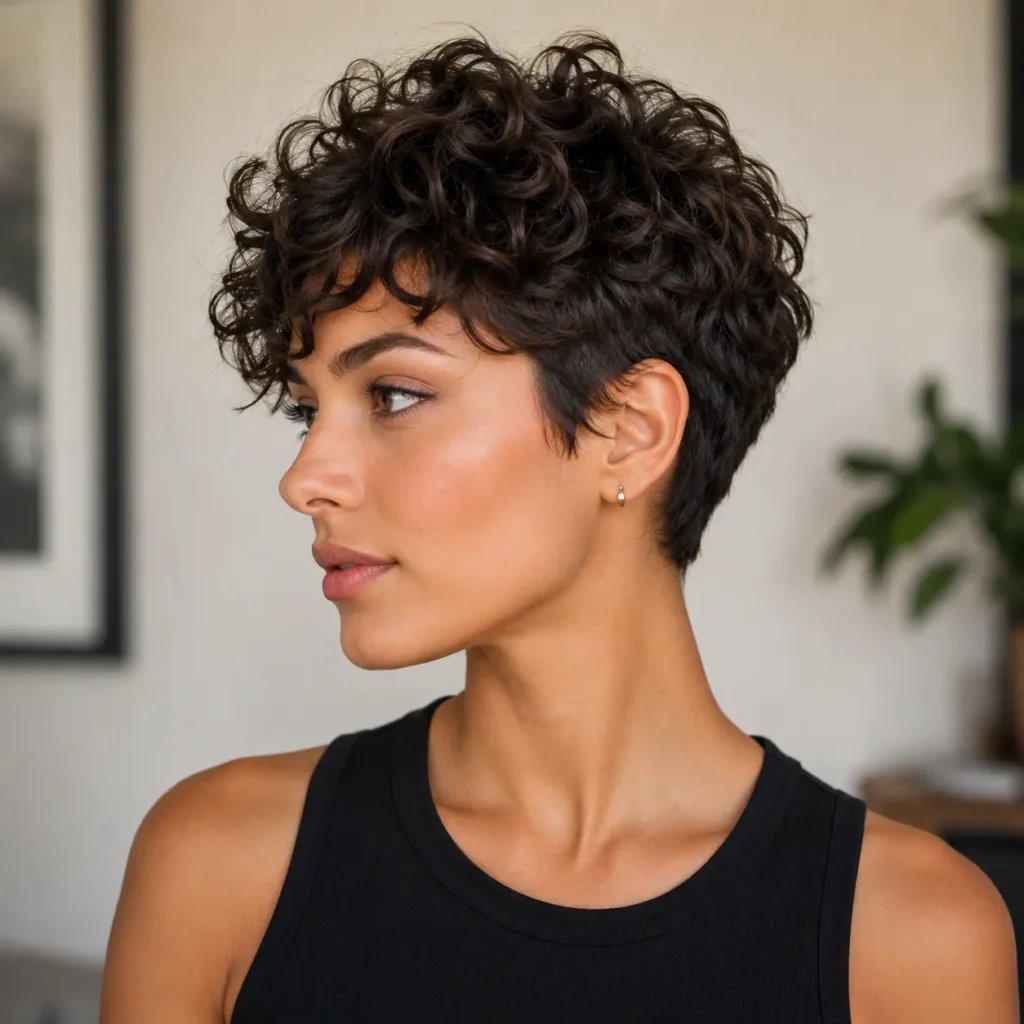
Rather than fighting natural curl texture, this cut is specifically shaped to celebrate and showcase it, offering one of the most low-maintenance ways to wear curly hair short.
What it is: A rounded pixie silhouette designed with curl pattern in mind, typically cut while dry so the stylist can see exactly how curls fall and spring naturally.
Best for: Naturally curly or coily hair types wanting a genuinely wash-and-go short style.
Styling approach: Apply a curl-defining cream to damp hair, scrunch gently, and either air-dry or diffuse on low heat. Avoid brushing dry curls, which can disrupt the natural pattern and create frizz.
Maintenance: Curl shrinkage should always be factored into the initial cut, and trims every 8-10 weeks help maintain shape as the curl pattern grows out.
6. The Wolf Cut
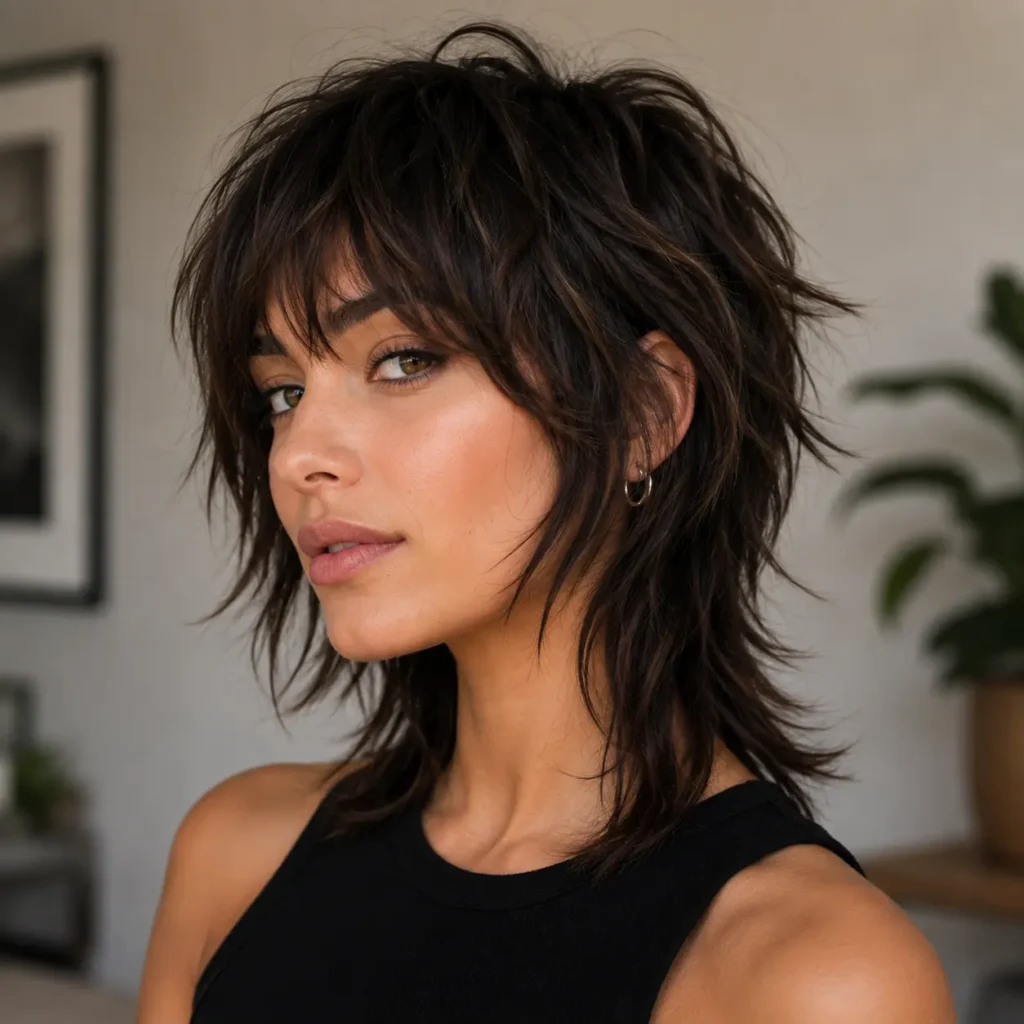
One of the boldest options on this list, the wolf cut combines heavy shag-inspired layering with mullet-like length variation for a genuinely edgy, high-impact result.
What it is: Short, voluminous layers on top blended into longer pieces underneath, creating dramatic texture and contrast throughout.
Best for: Those wanting a statement-making cut with genuine attitude, particularly striking on thick or medium-density hair that can support the heavy layering.
Styling approach: Scrunch a volumizing mousse into damp hair and let it air-dry for a wild, natural texture, or use a diffuser for extra lift and definition.
Maintenance: The layered, textured nature of this cut makes it fairly forgiving between trims, though 8-10 weeks is typical to maintain the contrast between shorter and longer sections.
7. The French Bob
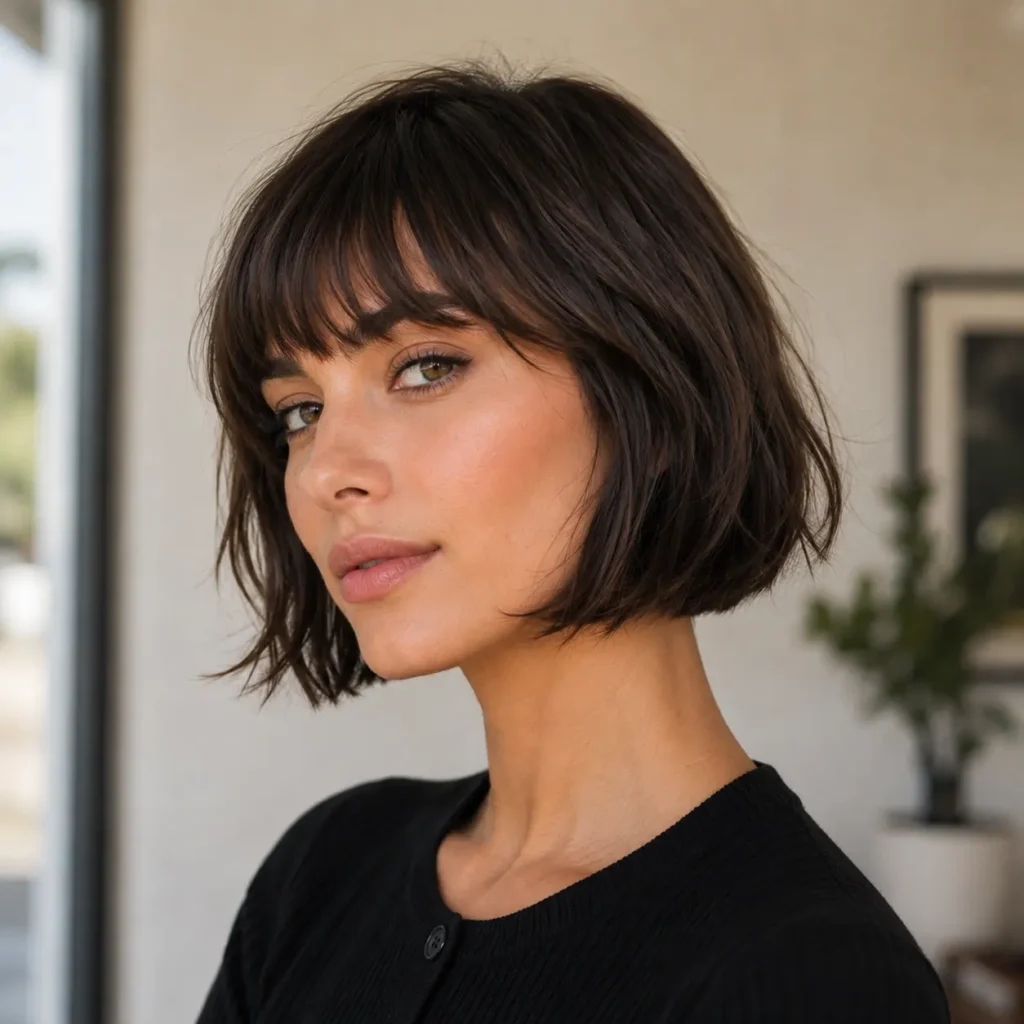
An effortlessly chic, Parisian-inspired take on the classic bob, this style has become particularly popular for its blend of polish and relaxed sophistication.
What it is: A chin-length or slightly shorter blunt bob, often paired with wispy bangs or a soft fringe.
Best for: Straight to slightly wavy hair types, since the clean lines of this cut show off smoother textures particularly well.
Styling approach: Blow-dry with a large round brush, directing the ends slightly inward for the signature bouncy finish, then apply a lightweight texture spray for natural movement rather than a stiff, overly polished look.
Maintenance: Trims every 6-7 weeks maintain the precise, chin-grazing length this style depends on.
8. The Bixie Cut
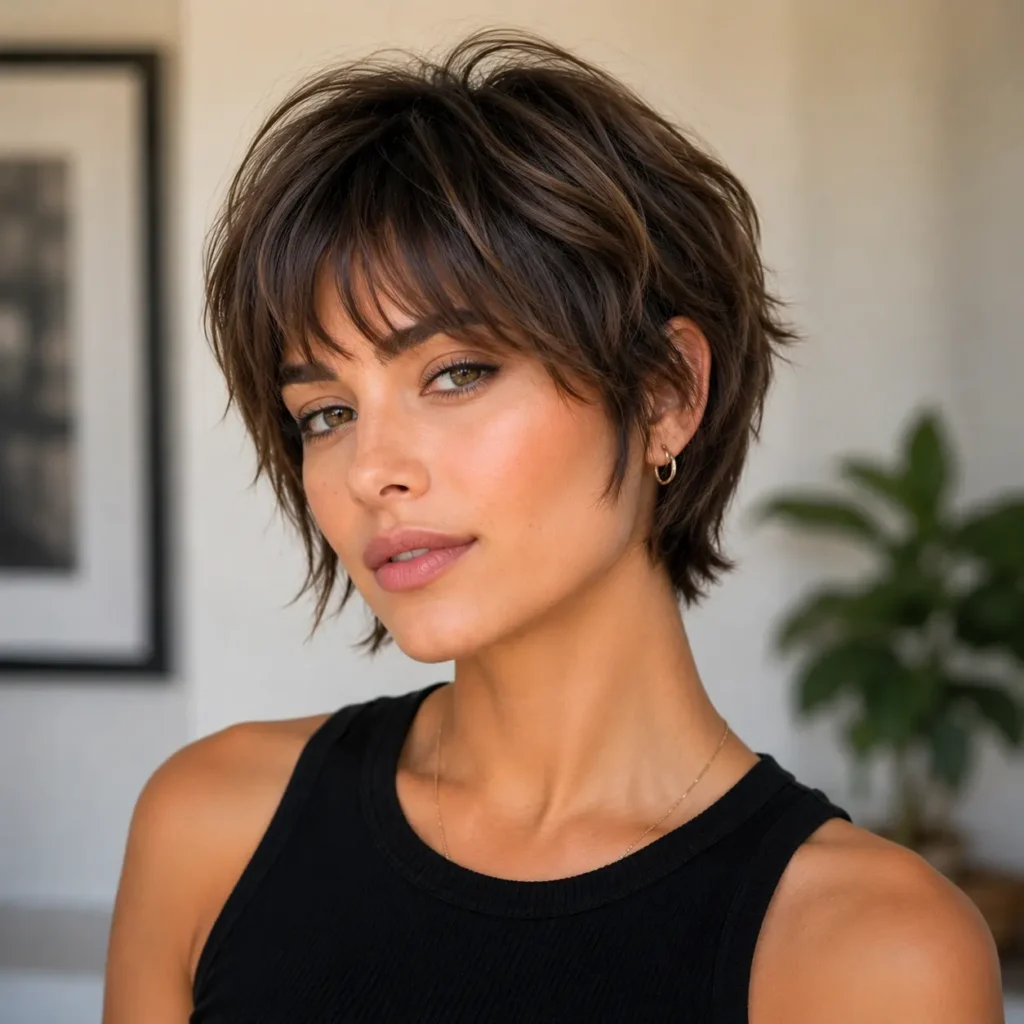
A genuine hybrid between a bob and a pixie, the bixie has become popular precisely because it offers more length and styling flexibility than a traditional pixie while still delivering the ease of short hair.
What it is: A layered, often bang-paired cut that sits between pixie and bob length, framing the face while offering more versatility for different styling looks.
Best for: Those transitioning between a pixie and a bob (in either direction), or anyone wanting a short cut with a bit more length to work with for styling variety.
Styling approach: This cut adapts well to multiple finishes — smooth and sleek with a flat iron, or textured and tousled with a texturizing spray and fingers.
Maintenance: Trims every 6-8 weeks keep the layering and face-framing pieces looking fresh and intentional.
Also Read: 6 Bixie Haircuts You’ll Fall in Love With Instantly
9. The Undercut Pixie
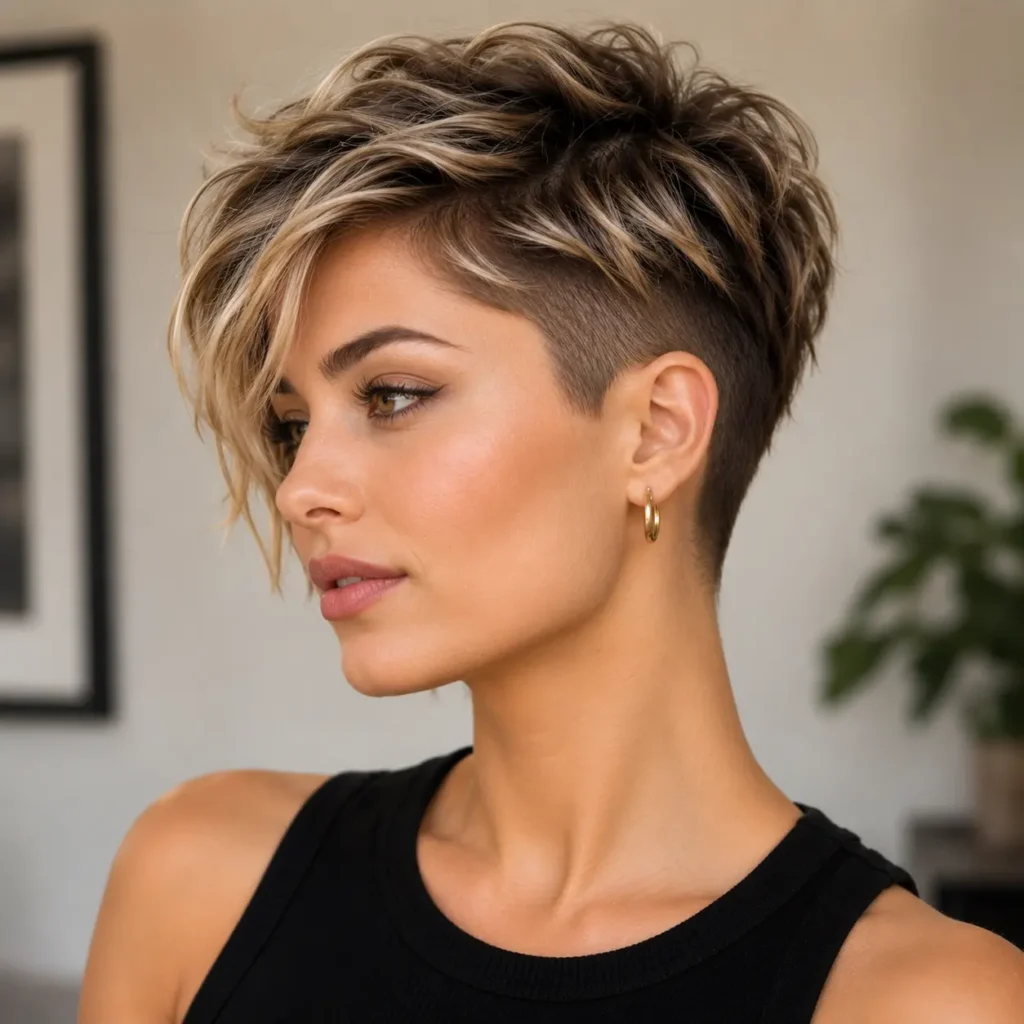
A bolder, more dramatic variation on the classic pixie, this cut creates striking visual contrast through shaved or very closely cropped sides paired with noticeably longer length on top.
What it is: Short, often shaved sides and back with substantially longer hair left on top for maximum styling versatility.
Best for: Those wanting a genuinely edgy, statement-making short cut with room for creative daily styling.
Styling approach: The top section can be styled slicked back, textured and tousled, or even styled to one side depending on desired effect, using a strong-hold pomade or wax.
Maintenance: Because the shaved or closely cropped sides grow out visibly faster than the rest of the cut, this style typically needs the most frequent maintenance on this list — every 3-4 weeks for the sides specifically.
10. The Wavy Lob (Long Bob)
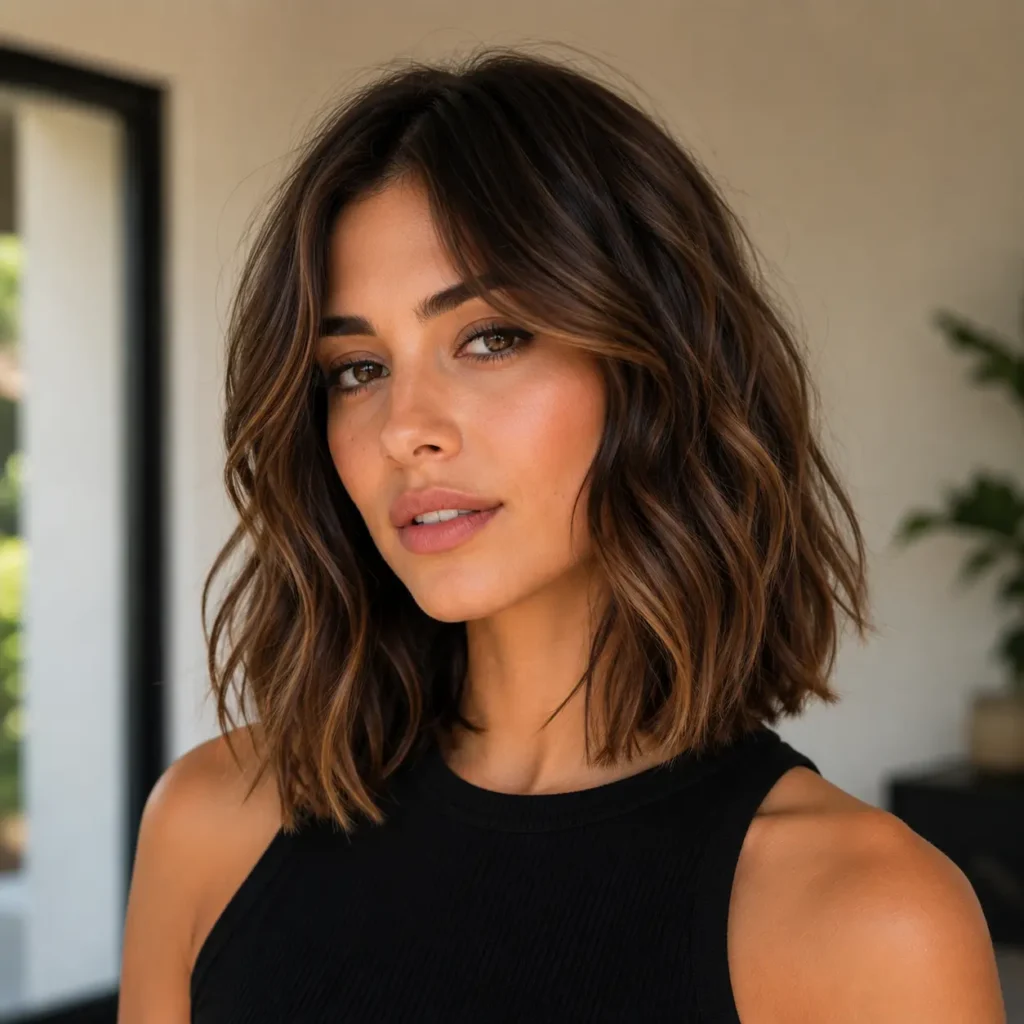
For those wanting to test the short hair waters without a dramatic commitment, the wavy lob offers a genuine middle ground between short and medium length.
What it is: A shoulder-length bob, often styled with soft waves for a relaxed, lived-in finish rather than a sharp, precise line.
Best for: Anyone transitioning from long hair who isn’t ready for a dramatically shorter cut, or those wanting a style versatile enough for both polished and casual occasions.
Styling approach: Loosely curl sections with a wand, then run fingers through once cooled to break up the curl into soft, natural waves. This length is also long enough to pull back into a small ponytail or clip when needed.
Maintenance: Because this is the longest style on the list, it holds its shape the longest between trims, typically 8-10 weeks.
What Sets These 10 Cuts Apart From a Generic “Short Hair” List
Rather than listing every possible short haircut variation, these 10 styles were chosen specifically because each one represents a distinct silhouette and styling philosophy — meaning you won’t find yourself scrolling through five nearly identical bob variations trying to spot the difference. Each entry above also includes practical maintenance and styling guidance, not just a description, so you can realistically judge whether a given cut fits your actual routine before you ever sit down in the salon chair.
Color Pairing Ideas for Short Haircuts
The right color choice can enhance any of the cuts above, adding extra dimension to shorter lengths where there’s less hair overall to show off tonal variation.
- Balayage or babylights work beautifully on textured styles like the modern shag or wolf cut, since the layering naturally shows off dimensional color as it moves.
- A solid, glossy single-process color tends to suit sleeker styles like the French bob or classic pixie particularly well, emphasizing the clean lines these cuts are known for.
- Money-piece highlights (brighter pieces framing the face) pair especially well with the bixie cut and undercut pixie, drawing extra attention to the face-framing sections.
- Root smudging helps soften the regrowth line on any short style, meaning less frequent color touch-ups regardless of which cut you choose.
Accessorizing Short Hairstyles
Because there’s less length to work with, accessories can play an outsized role in changing up the look of a short haircut day to day.
- Delicate hair clips or pins add a small styling detail to pixies and bixie cuts without disrupting the ease of the style.
- Silk or satin headbands pair beautifully with bobs and lobs, especially useful for keeping hair off the face during busier days.
- Statement earrings become a natural focal point with any of these shorter cuts, since there’s less hair to draw attention away from the face and neckline.
- Scarves tied at the nape can add a retro touch to styles like the French bob or wavy lob for special occasions.
Choosing the Right Short Haircut for Your Face Shape
| Face Shape | Best Styles | Approach to Avoid |
|---|---|---|
| Oval | Nearly all styles on this list work well | No significant restrictions |
| Round | Inverted bob, textured pixie, undercut pixie (styles that add height and asymmetry) | Very blunt, chin-length cuts with no layering |
| Square | Modern shag, wavy lob, textured bob (soft layers soften angles) | Harsh, completely blunt lines at the jawline |
| Heart | French bob, bixie cut, side-swept pieces | Excessive volume concentrated at the crown |
| Long | Wavy lob, textured bob with waves, styles with fuller bangs | Styles that add significant height at the crown |
These guidelines are a helpful starting point, not a strict rulebook — your stylist can adjust layering and length placement based on your specific bone structure regardless of which general category you fall into.
Styling and Maintenance by Hair Type
Fine Hair
- Use a volumizing mousse specifically at the roots before blow-drying.
- Blow-dry upside down briefly to encourage lift before finishing your style.
- Finish with a lightweight texturizing spray rather than a heavy cream, which can weigh fine strands down.
Thick Hair
- Apply a smoothing cream to damp hair to help manage bulk and control frizz.
- Blow-dry with a round brush for shape and a polished finish.
- A small amount of finishing serum adds shine without adding unnecessary weight.
Curly Hair
- Apply a curl-defining cream to soaking wet hair for the most even distribution and definition.
- Scrunch gently rather than raking through with fingers, which can disrupt curl formation.
- Air-dry or diffuse on low heat, and avoid brushing dry curls, which tends to create frizz rather than definition.
Straight Hair
- Always apply a heat protectant spray before any hot tool styling.
- Work in small, manageable sections for the most even, controlled results.
- Finish with a light shine spray for a polished, glossy look rather than a flat, dull finish.
Growing Out a Short Haircut Gracefully
If you decide down the road that you want to transition to longer hair, some of these cuts grow out far more gracefully than others.
- Layered styles like the modern shag and textured bob tend to grow out with the least awkward in-between stage, since the layering naturally blends as length increases.
- Precise, blunt cuts like the French bob can develop a noticeable “grown-out” look faster, often requiring strategic face-framing layers added partway through the growing-out process to stay wearable.
- Pixies typically go through a more challenging transitional phase, though adding length gradually with layers (essentially evolving into a bixie cut) can help ease the process.
- Regular trims during the growing-out phase, even though it feels counterintuitive, actually help maintain shape and prevent the cut from looking unintentional or neglected.
Product Essentials for Short Hair Styling
Regardless of which of these 10 cuts you choose, a few core products tend to come up again and again:
- A lightweight volumizing mousse for adding lift at the roots, especially useful for finer hair types.
- A texturizing or sea salt spray for enhancing natural movement in wavy, curly, or shag-inspired cuts.
- A small-format round brush sized appropriately for shorter hair, since standard large round brushes can be difficult to maneuver on cropped styles.
- A strong-hold pomade or wax for precise styling on pixies and undercut styles.
- A heat protectant spray for any style regularly styled with hot tools, since shorter hair is styled closer to the scalp and can be more prone to visible heat damage over time.
How to Talk to Your Stylist About These Cuts
- Bring reference photos for whichever style (or combination of styles) you’re drawn to, since terminology and interpretation can vary significantly between stylists.
- Mention your hair type and density upfront, since the techniques for fine, thick, curly, and straight hair all differ, even for the same named haircut.
- Be specific about maintenance expectations. If you want the lowest possible upkeep, say so directly — some of the cuts on this list (like the undercut pixie) require more frequent salon visits than others (like the wavy lob).
- Ask about growing-out options. If you’re unsure about committing to short hair long-term, ask your stylist which cuts on this list transition most gracefully into a longer style later on.
- Discuss your daily styling routine honestly. A stylist can tailor the specific layering and length of nearly any cut on this list to work better with minimal daily effort, if that’s your priority.
Also Read: Butterfly Haircut: The Complete Guide to Getting It Right (Every Hair Type & Length)
Common Mistakes to Avoid When Choosing a Short Haircut
- Choosing a cut based purely on how it looks on someone else, without accounting for your own hair type, density, and natural texture.
- Underestimating maintenance requirements. Some short styles, particularly precise cuts like the pixie or undercut pixie, need noticeably more frequent trims than longer, more textured options.
- Skipping the consultation details. Not mentioning your styling routine, hair type, or face shape concerns can result in a cut that looks great on paper but doesn’t work well for your actual daily life.
- Going too short too fast. If you’re nervous about commitment, a lob or bixie cut offers a way to ease into shorter hair without a dramatic, hard-to-reverse change.
- Ignoring your hair’s natural texture. Fighting against natural curl or wave patterns daily tends to be far more time-consuming than choosing a cut designed to work with your texture from the start.
Frequently Asked Questions
What is the most low-maintenance short haircut for women?
The modern shag and wavy lob tend to be among the most forgiving between trims, since both rely on layered texture rather than a precise, sharp line that grows out more visibly.
Which short haircut works best for round face shapes?
Styles that add height and asymmetry, like an inverted bob, textured pixie, or undercut pixie, tend to be the most flattering for round face shapes, since they help create the appearance of more definition.
How often do I need to get a short haircut trimmed?
This varies by style — precise cuts like the classic pixie or undercut pixie typically need trims every 3-5 weeks, while more textured, layered styles like the modern shag or wavy lob can often go 8-10 weeks between appointments.
Is short hair actually more flattering than long hair?
Not universally, but short hair does draw more attention to facial features like the eyes, cheekbones, and jawline, which many people find more flattering than longer styles that can sometimes soften or obscure these features.
Can curly hair be cut into any of these short styles?
Yes, though the curly pixie and modern shag are specifically well-suited to curly texture. Other styles on this list can still work for curly hair with adjustments to account for curl shrinkage during the cutting process.
What’s the easiest way to transition from long hair to a short haircut?
A wavy lob or bixie cut offers a genuine middle ground, letting you experience shorter hair styling and maintenance without committing to a dramatically shorter length right away.
How do I know which short haircut will suit my face shape?
Use the face shape guide in this article as a starting point, then bring reference photos to a stylist consultation, since they can evaluate your specific bone structure and adjust layering and length recommendations accordingly.
Final Thoughts
Modern short hairstyles for women offer genuine variety, whether you’re drawn to the sharp precision of a pixie, the relaxed texture of a modern shag, or the versatile in-between length of a wavy lob. Rather than getting overwhelmed by endless options, use your hair type, face shape, and realistic maintenance tolerance to narrow down which of these 10 cuts genuinely fits your life, then bring this guide to your next salon consultation.
The best short haircut isn’t necessarily the most dramatic or trend-forward option — it’s the one that makes your daily routine easier while still making you feel like the most confident version of yourself every time you look in the mirror.
Also Read: Wolf Cut for Men: The Complete 2026 Guide to Getting, Styling, and Maintaining This Hairstyle