Not every tank top is built the same, and nowhere is that more obvious than in the gym. A cotton tank that looks perfectly fine for brunch will feel heavy, damp, and restrictive halfway through a HIIT circuit or a heavy lifting session. The athletic tank top exists to solve exactly that problem — engineered fabrics, strategic support, and cuts designed to move with the body rather than against it, so the top disappears into the background while you focus on the workout itself.
This guide walks through everything worth knowing before you build out (or refresh) your workout tank top rotation — what actually makes a tank top “athletic” instead of just sleeveless, how moisture-wicking and compression technology work, and eight distinct athletic tank top styles suited to different training styles, from running to yoga to weightlifting. We will also cover fabric care, how often to replace workout gear, and answers to the questions people search most before buying performance activewear. This article is part of our larger guide, 18 Tank Top Styles That Feel Effortlessly Chic All Season — read that first for the complete picture of how tank tops fit into a versatile wardrobe.
What Makes a Tank Top “Athletic”?
What is the difference between athletic and casual tank tops? The gap comes down to fabric engineering and construction, not just appearance. A casual tank top is typically made from cotton or a cotton blend, prioritizing softness and everyday comfort over performance under sweat and movement. An athletic tank top, by contrast, is built from technical synthetic fibers — usually polyester, nylon, or spandex blends — specifically engineered to pull moisture away from the skin, dry quickly, and stretch with the body through a full range of motion.
What makes a tank top athletic, specifically? A few construction details separate performance tank tops from everyday ones:
- Moisture-wicking fabric that pulls sweat to the surface of the garment to evaporate quickly, rather than absorbing and holding it the way cotton does.
- Four-way stretch construction that moves with the body during squats, overhead presses, or a full running stride, without restricting range of motion.
- Strategic seam placement, often flat-locked or bonded, to reduce chafing during repetitive movement.
- Built-in support features, such as shelf bras or compression panels, designed specifically for high-movement activity.
- Breathable mesh panels, frequently placed at the back or underarms, to improve airflow during intense effort.
Understanding these differences matters because a top that looks identical to a casual tank top on a hanger can perform completely differently once you start sweating.
What Is Moisture-Wicking Fabric, and Why Does It Matter?
Moisture-wicking fabric is engineered with a capillary structure that draws sweat away from the skin and spreads it across a larger surface area of the fabric, where it can evaporate far faster than it would if it simply soaked into a cotton weave. Cotton absorbs moisture and holds onto it, which is exactly why a cotton tank top feels heavy and clings to the skin during a sweaty workout — the fabric is doing the opposite of what you need it to.
Why does moisture-wicking fabric matter for workouts? Beyond comfort, staying dry during exercise has real performance implications. Damp fabric clinging to the skin can cause chafing over the course of a long run or repeated lifting session, and it can also make the body feel heavier and hotter than it actually is, which affects both comfort and perceived effort. A good moisture-wicking athletic tank top keeps sweat moving away from the skin so your body can regulate temperature more effectively throughout a workout.
A Brief History of Activewear and the Athletic Tank Top
Athletic wear as a distinct clothing category is a relatively modern development. Sleeveless training tops trace back to early 20th-century sportswear, but the real transformation happened alongside the rise of synthetic performance fabrics in the second half of the century — materials engineered specifically for moisture management and stretch rather than adapted from everyday clothing fabric.
The evolution of workout apparel for women in particular accelerated through the fitness boom of the 1980s, when aerobics culture pushed activewear into mainstream fashion for the first time, and again through the more recent “athleisure” movement, which blurred the line between gym clothing and everyday wear. Today’s athletic tank top reflects both of those shifts: it is built with genuinely advanced performance fabric technology, but it is also designed to look good enough to wear well beyond the gym — to run errands, meet friends for coffee, or travel in, without ever needing to change.
Why Wear an Athletic Tank Top? Key Benefits
Benefits of wearing athletic tank tops go beyond simply staying cool. A well-made performance tank top:
- Regulates body temperature more effectively than cotton during sustained effort
- Reduces chafing through flat seam construction and moisture control
- Allows a fuller, unrestricted range of motion thanks to four-way stretch fabric
- Often includes built-in support, reducing the need for an additional layer underneath
- Dries quickly between wears and after washing, making it more practical for frequent training
Why do built-in support tank tops help during exercise? A tank top with an integrated shelf bra or compression panel adds a layer of stability during high-impact movement without requiring a separate sports bra underneath — useful for lower-impact activities like yoga, walking, or strength training, where a standalone tank with built-in support can be sufficient on its own.
8 Athletic Tank Top Styles Built for Different Workouts
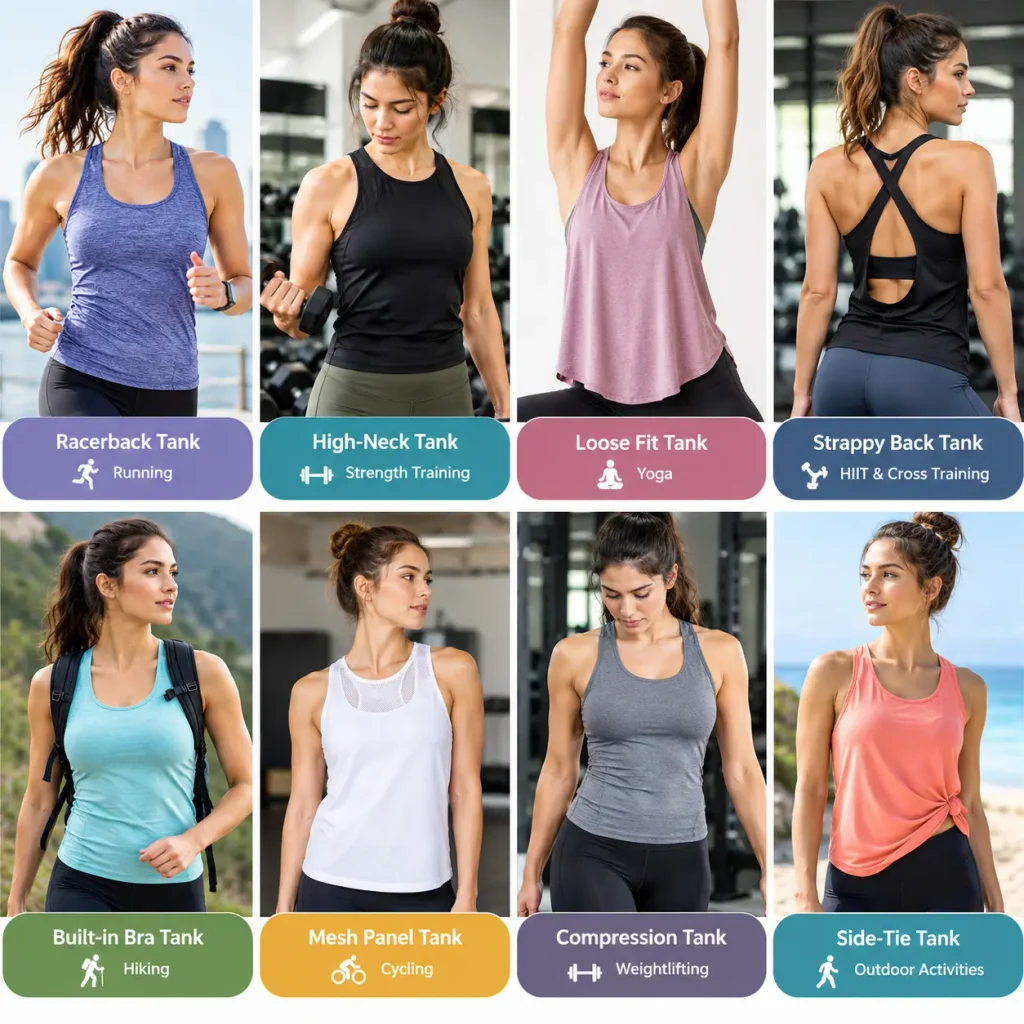
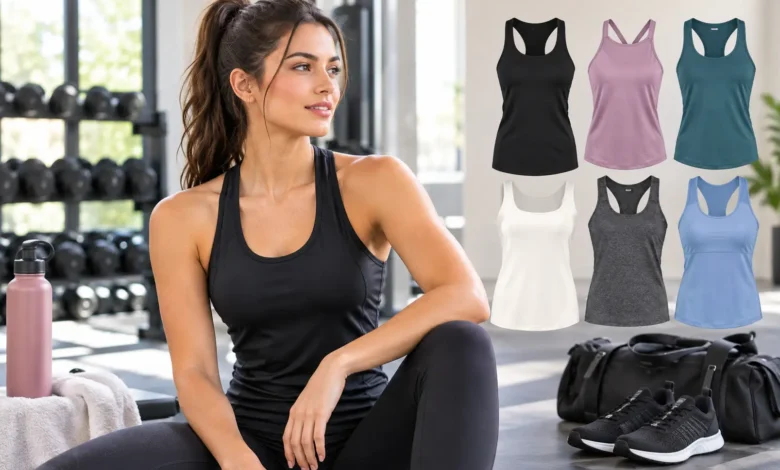
1. The Classic Racerback Performance Tank Top
The racerback cut is the most common athletic tank top silhouette for good reason — the “Y”-shaped strap construction keeps the top secure across the shoulders during overhead movement, making it a reliable choice for weightlifting, running, and general gym training alike.
2. The Built-In Bra Workout Tank Top
Designed with an integrated shelf bra or light compression lining, this style is popular for lower-to-moderate impact activities like yoga, Pilates, walking, or strength training, where it can often be worn without an additional sports bra layered underneath.
3. The Compression Athletic Tank Top
Built from denser, more supportive fabric that fits closer to the body, the compression tank top is designed to reduce muscle vibration and provide a snug, stabilizing feel during higher-intensity training like HIIT circuits or heavy lifting sessions.
4. The Loose-Fit Training Tank Top
For workouts that prioritize airflow and freedom of movement over a fitted silhouette, the loose-fit training tank top offers a relaxed cut with dropped armholes, making it a popular choice for outdoor workouts, casual gym sessions, and warm-weather training.
5. The Cropped Athletic Tank Top
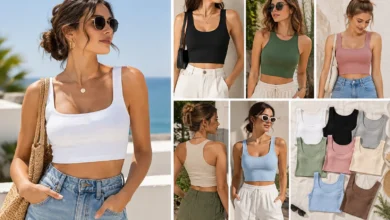
Combining a shortened length with performance fabric, the cropped athletic tank top pairs naturally with high-waisted leggings or biker shorts and has become a favorite for studio classes, HIIT training, and gym selfies alike, thanks to the clean waistline it creates.
6. The Muscle Tank Top
Featuring wider, cut-off armholes and a straight, athletic cut through the body, the muscle tank top is designed to allow maximum shoulder and arm mobility, making it especially popular for weightlifting and strength training where upper-body range of motion matters most.
7. The Mesh-Panel Running Tank Top
Built specifically with breathability in mind, the mesh-panel running tank top uses ventilated fabric panels, typically along the back or sides, to maximize airflow during sustained cardio effort like running or outdoor training in warmer conditions.
8. The High-Support Tank Top for High-Impact Training
Designed for activities with significant vertical movement — running, jump training, or high-intensity interval workouts — this style combines a compression fit with reinforced built-in support, offering more stability than a standard built-in-bra tank without requiring a separate sports bra.
Athletic Tank Tops for Every Type of Workout
- Tank tops for running: Mesh-panel or lightweight moisture-wicking styles maximize airflow and reduce chafing over long distances.
- Tank tops for weightlifting: Racerback or muscle tank styles allow full shoulder mobility for overhead and pressing movements.
- Tank tops for yoga: Built-in-bra or loose-fit styles offer comfort and coverage through a full range of stretching and inverted poses.
- Tank tops for HIIT workouts: Compression or high-support styles help minimize movement and bounce during high-intensity intervals.
- Tank tops for gym training: A classic racerback performance tank is the most versatile all-purpose choice for general strength and cardio training.
- Tank tops for outdoor workouts: Loose-fit or mesh-panel styles in breathable, quick-dry fabric handle changing conditions and sun exposure well.
Compression vs. Regular Athletic Tank Top: Quick Comparison
| Feature | Compression Tank Top | Regular Athletic Tank Top |
|---|---|---|
| Fit | Snug, body-hugging | Semi-fitted to relaxed |
| Best for | HIIT, lifting, high-impact training | General training, low-to-moderate impact |
| Muscle support | Reduces vibration and fatigue | Minimal muscle support |
| Airflow | Lower — denser fabric | Higher — looser fit allows more airflow |
| Everyday wear | Works well under other layers | Easier to wear standalone, casually |
Building an Activewear Capsule Around Athletic Tank Tops
Because training styles vary so much from day to day, it rarely makes sense to buy one athletic tank top and expect it to handle every workout well. A more practical approach is building a small activewear capsule around two or three core pieces: a classic racerback performance tank for general gym training, a built-in-bra or compression style for higher-impact days, and one loose-fit or mesh-panel option for outdoor training or warmer conditions. Rounded out with two or three neutral colors that mix and match with your existing leggings, shorts, and joggers, this small rotation can realistically cover an entire week of varied training without needing to do laundry mid-week or compromise on support for the wrong workout.
Also Read: 11 Crop Tank Top Styles That Radiate Summer Confidence
How to Layer an Athletic Tank Top
Layering matters just as much in activewear as it does in everyday fashion, particularly for outdoor training or transitional weather. For cooler mornings that warm up during a workout, a lightweight, moisture-wicking long-sleeve or zip-up layered over an athletic tank top allows you to remove the outer layer once your body temperature rises, without needing to change entirely. For cold-weather outdoor training, a thermal or fleece-lined jacket over a compression tank top keeps core warmth in while the tank continues managing sweat close to the skin. The key principle is the same one used in everyday outfit layering: the base layer (the tank) should always be the piece actively managing moisture, while outer layers handle insulation and can be added or removed as effort and temperature change throughout a session.
How to Choose the Right Workout Tank Top
How to pick a tank top for your workout type: Match the support level and fit to the intensity and style of movement involved. High-impact training (running, jump training, HIIT) calls for a compression or high-support style; lower-impact training (yoga, walking, light strength work) can often work well with a built-in-bra or loose-fit tank; general gym training is well served by a classic racerback style that balances mobility and support.
Tank tops with built-in support: If you’re considering a tank top with built-in support in place of a separate sports bra, check the specific support level described by the brand — built-in support tank tops range widely from very light shelf-bra coverage to genuine medium-support compression, and the right choice depends heavily on bust size and workout intensity.
High impact workout tank top considerations: For higher-impact activities, prioritize compression fit, wider straps for added stability, and fabric that specifically lists four-way stretch, since these details matter more for support and comfort than the top’s overall style.
Tank tops for chest support during exercise: For anyone needing more support than a built-in shelf bra provides, layering a proper sports bra underneath a moisture-wicking tank top remains the most reliable option, particularly for high-impact training like running or jump-based workouts.
Buying Guide: Choosing Quality Athletic Tank Tops
Best athletic tank top brands and where to look: Rather than chasing a single “best” brand, focus on fabric technology claims (moisture-wicking, four-way stretch), seam construction (flat-lock or bonded seams to reduce chafing), and reviews specific to your intended workout type, since a top praised for yoga may perform very differently in a high-impact running context.
Affordable workout tank tops: You don’t need premium pricing to get solid performance — many mid-range activewear lines use similar polyester-spandex blends to pricier brands. Focus your budget on the pieces you’ll wear most often (an everyday racerback or built-in-bra tank), and save splurging for specialty pieces like high-support compression tanks for intense training.
Durable gym tank tops: Look for reinforced stitching at the seams and straps, since these are the first points of wear on a frequently washed, frequently stretched garment. Flat-lock seams tend to hold up better over time than simple overlock stitching.
Athletic tank tops for all body types: Performance activewear brands have significantly expanded sizing and support ranges in recent years, and most core styles above — racerback, built-in-bra, compression, loose-fit — are now widely available across an extended size range, making it easier to find the right fit and support level regardless of body type.
Top-rated athletic tank tops in 2026: Rather than relying on a single “top picks” list, which changes constantly as brands release new lines, the most reliable approach is checking recent verified reviews for the specific workout category you train in most — running, lifting, or studio classes tend to have distinct top performers, since the fabric and support priorities differ significantly between them.
How Performance Fabrics Are Made
Understanding a little about how performance fabric is constructed can make label-reading much easier when shopping. Most athletic tank tops are woven or knitted from synthetic fibers like polyester and nylon, often blended with a small percentage of spandex or elastane for stretch. During manufacturing, many performance fabrics also go through a specific finishing process that creates microscopic channels along the fiber surface — this is what enables the “wicking” action, pulling moisture along the fabric rather than letting it absorb straight through. Some brands add antimicrobial treatments during this same finishing stage to help control odor-causing bacteria, which is worth checking for if odor retention has been an issue with previous activewear. Understanding this process explains why cheaper, untreated synthetic fabric can sometimes trap odor and feel clammy despite technically being “moisture-wicking” — the base fiber alone isn’t always enough without the right finishing treatment.
How to Care for Athletic Wear Fabric
Performance fabrics need different care than everyday cotton to maintain their moisture-wicking and stretch properties over time.
- Wash in cold water to protect elastane fibers and prevent shrinkage or fabric breakdown from heat.
- Skip fabric softener. It coats synthetic fibers and can actually reduce moisture-wicking performance over time.
- Air dry when possible. High heat from a dryer degrades elastane and shortens the lifespan of compression and stretch fabric.
- Wash after every wear. Sweat and bacteria trapped in synthetic fibers can cause lingering odor if left too long between washes, and can also break down fabric fibers over time.
- Turn garments inside out before washing to reduce friction and pilling on the outer surface.
How often should you replace workout tank tops? As a general guideline, activewear with regular use and proper care tends to hold its shape and performance well for one to two years, though heavier training frequency, high-heat drying, or visible fading and stretched-out fabric are all signs it may be time to replace a piece sooner.
Can Athletic Tank Tops Be Worn Casually?
Absolutely — this is one of the defining features of the modern athletic tank top. Because performance fabric now comes in a wide range of colors, fits, and finishes, many athletic tank tops transition easily from a workout to running errands, traveling, or a casual coffee run. A racerback or loose-fit performance tank paired with jeans or joggers reads as effortlessly athleisure rather than obviously “gym clothes,” which is part of why activewear brands have leaned so heavily into design in recent years.
Also read: 9 Ribbed Tank Top Picks That Feel Effortlessly Sculpted
Mistakes to Avoid When Choosing an Athletic Tank Top
- Choosing a casual cotton tank for intense workouts. Cotton absorbs sweat instead of wicking it away, leading to discomfort and chafing during sustained effort.
- Ignoring support level for high-impact training. A basic built-in-bra tank is often not enough support for running or jump-based workouts — check the specific support rating or plan to layer a sports bra underneath.
- Overlooking seam placement. Poorly placed or raised seams can cause chafing over the course of a long workout, especially for running or repetitive movement.
- Skipping fabric care instructions. Using fabric softener or high-heat drying can quietly degrade moisture-wicking performance and stretch recovery over time.
- Wearing the same tank too long without replacing it. Stretched-out fabric and faded support features reduce both comfort and function, even if the top still looks fine on the surface.
Frequently Asked Questions
What makes a tank top athletic?
An athletic tank top is built from technical, moisture-wicking synthetic fabric with four-way stretch, strategic seam placement, and often built-in support, unlike a casual tank top, which prioritizes softness over performance.
What is moisture-wicking fabric?
Moisture-wicking fabric uses a capillary structure to pull sweat away from the skin and spread it across the fabric’s surface for faster evaporation, keeping you drier and more comfortable than absorbent fabrics like cotton.
Are athletic tank tops good for high-intensity workouts?
Yes, especially compression or high-support styles, which are specifically designed to reduce muscle vibration and provide extra stability during HIIT, running, and other high-impact training.
Do athletic tank tops provide enough support?
It depends on the style and your workout intensity — built-in-bra tanks work well for low-to-moderate impact activity, while high-impact training generally calls for a compression style or a separate sports bra layered underneath.
Can athletic tank tops be worn casually?
Yes. Many performance tank tops, particularly racerback and loose-fit styles, transition easily into everyday athleisure outfits paired with jeans or joggers.
How often should you replace workout tank tops?
With regular use and proper care, most athletic tank tops last one to two years, though visible fading, stretched-out fabric, or reduced support are signs it may be time to replace one sooner.
What tank top is best for sweat control?
A tank top made from moisture-wicking polyester or nylon-spandex blends handles sweat control best, since these fabrics actively pull moisture away from the skin rather than absorbing it the way cotton does.
What is the difference between compression and regular tank tops?
Compression tank tops use denser, more supportive fabric for a snug fit that reduces muscle vibration during high-impact movement, while regular athletic tank tops offer a more relaxed or semi-fitted cut with greater airflow.
Final Thoughts
The right athletic tank top can genuinely change how a workout feels — less tugging at damp fabric, less worrying about support, and more focus on the training itself. From the everyday reliability of a racerback performance tank to specialized options like a compression style for HIIT or a mesh-panel tank for long runs, there is a version of this piece built for exactly how you train. Start by matching a style to your primary workout type, prioritize fabric technology and seam construction over brand name alone, and care for the fabric properly, and you will get real, lasting performance out of every piece in your activewear rotation.
For more ways to build out your tank top wardrobe, head back to our complete guide, 18 Tank Top Styles That Feel Effortlessly Chic All Season.