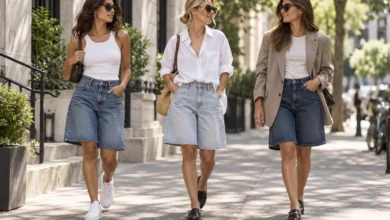
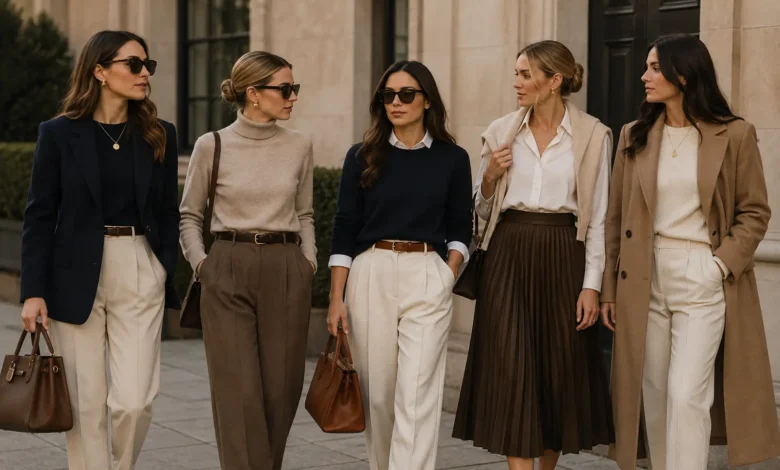
You’ve probably seen the term everywhere lately — old money outfits filling up feeds with tailored blazers, cashmere sweaters, and crisp white shirts styled in a way that feels quietly expensive without shouting about it. Unlike most fashion trends that come and go within a season, the old money aesthetic draws from decades of classic, understated style, which is exactly why it photographs so well and, more importantly, why it’s genuinely achievable without needing a designer budget.
This guide breaks down what actually defines the old money aesthetic, the wardrobe pieces worth investing in, and how to build old money outfits for women at nearly any budget level, without ever needing a single visible logo.
What Is the Old Money Aesthetic?
The old money aesthetic draws inspiration from generational wealth and heritage style — think country club weekends, Ivy League campuses, and coastal New England summers. Rather than flashy logos or trend-driven pieces, it emphasizes quality construction, muted color palettes, and classic silhouettes that have remained largely unchanged for decades.
A few defining characteristics set this style apart from other current aesthetics:
- Tailored, structured silhouettes rather than trend-driven, oversized, or overly casual shapes.
- A muted, neutral color palette — navy, cream, camel, forest green, and soft pastels dominate over bold or saturated tones.
- Minimal to no visible branding. The aesthetic is built around the idea that quality speaks for itself, without needing a logo to prove it.
- Heritage fabrics like cashmere, wool, tweed, and cotton poplin, favored for their durability and timeless texture.
- A polished, put-together finish, even in casual settings — think a blazer thrown over jeans rather than a purely athleisure-driven look.
Old Money vs. Quiet Luxury: What’s the Difference?
These two aesthetics are often used interchangeably, but there are subtle distinctions worth understanding:
| Aspect | Old Money | Quiet Luxury |
|---|---|---|
| Origin | Draws from generational wealth and heritage prep style | A more modern, minimalist take on understated wealth |
| Color palette | Warmer neutrals — camel, cream, navy, hunter green | Often cooler, more muted tones — black, gray, taupe |
| Silhouette | Classic prep-inspired shapes (blazers, pleated skirts, polos) | Sleeker, more minimal cuts with fewer decorative details |
| Overall feel | Preppy, collegiate, coastal heritage | Understated, modern, editorial minimalism |
In practice, the two styles overlap significantly, and many old money outfit ideas borrow elements from quiet luxury’s minimalist sensibility. The core principle both share is the same: understated quality over visible logos or fast-moving trends.
Old Money vs. Preppy Style: What’s the Difference?
Old money and classic preppy style share a lot of visual DNA — both favor structured pieces, natural fabrics, and a clean, collegiate aesthetic. The key difference tends to be in execution:
- Preppy style often leans brighter and more playful, incorporating bold stripes, bright colors, and collegiate branding (think varsity jackets or crest details).
- Old money style tends to be more restrained, favoring muted tones and minimal decoration, even when working with similar base pieces like blazers, polos, and pleated skirts.
Think of old money as a slightly more subdued, adult evolution of classic preppy staples.
Core Wardrobe Essentials for Old Money Outfits
Building a wardrobe around this aesthetic doesn’t require buying dozens of new pieces — it comes down to a handful of foundational items that can be mixed and matched extensively.
- A tailored blazer in navy, camel, or black — arguably the single most important piece for achieving this look.
- A crisp white button-down shirt, ideally in a quality cotton poplin that holds its shape well.
- A cashmere or wool sweater, in a crewneck or turtleneck silhouette, in a neutral tone.
- Tailored trousers, in wool or a wool-blend fabric, with a clean, structured line.
- A pleated or A-line midi skirt, another signature silhouette within this aesthetic.
- Classic denim in a dark, clean wash, styled with more polished pieces rather than casual basics.
- A trench coat or wool overcoat, both essential for elevating outerwear within this style.
- Simple leather loafers or ballet flats, favored over sneakers for their more polished, classic finish.
- A structured leather handbag in a neutral tone, avoiding anything overly branded or trend-driven.
Old Money Outfit Ideas Dresses
Dresses within this aesthetic tend to favor clean lines, natural fabrics, and a distinctly polished, ladylike silhouette.
- A tailored shirt dress in a neutral tone, cinched at the waist with a thin belt, works beautifully for both daytime and slightly more formal occasions.
- A knit midi dress in cream or camel offers a soft, elegant silhouette that photographs beautifully and layers easily with a blazer or cardigan.
- A pleated midi dress, ideally in a solid neutral or subtle plaid, captures the collegiate, heritage feel central to this aesthetic.
- A simple slip dress layered under a cardigan or blazer creates an easy, effortlessly elevated combination.
When shopping for an old money outfit dress, prioritize natural fabrics (wool, silk, cotton) over synthetic blends, and avoid anything with excessive embellishment, bold prints, or visible branding, which tends to clash with the aesthetic’s understated core principle.
Casual Old Money Outfits
Even relaxed, everyday looks within this aesthetic maintain a certain level of polish that separates them from typical loungewear-driven casual style.
- A cashmere sweater tucked into straight-leg trousers, finished with loafers, creates an easy but distinctly elevated everyday look.
- A button-down shirt layered under a crewneck sweater, paired with dark denim, brings structure to a casual denim outfit.
- A blazer thrown over a simple white tee and tailored trousers elevates an otherwise basic combination instantly.
- A polo shirt tucked into pleated shorts or a skirt captures the aesthetic’s collegiate, coastal-inspired roots for warmer weather.
The key to nailing casual old money outfits specifically is maintaining structure somewhere in the outfit — even a relaxed sweater or simple tee benefits from being paired with tailored bottoms or a structured jacket to keep the overall look from feeling too loose or undone.
Old Money Outfits by Season
Fall
This season is where the aesthetic truly shines — think tweed blazers, cable-knit sweaters, plaid skirts, and rich, warm neutral tones layered together.
Winter
Wool coats, cashmere scarves, and structured knitwear dominate, often finished with leather gloves and simple, polished boots.
Spring
Lighter knits, trench coats, and softer pastel tones bring the aesthetic into warmer weather without losing its structured, put-together feel.
Summer
Linen trousers, breathable cotton polos, and simple sundresses in neutral or soft pastel tones carry the same understated principles into the warmest months.
Also Read: Summer Outfits for Women: Casual, Work & Vacation Looks
Building Old Money Outfits on a Budget
One of the biggest misconceptions about this aesthetic is that it requires designer-level spending. In reality, the core principles — quality fabric, classic silhouette, muted color — can be achieved at nearly any price point with a strategic approach.
- Prioritize fit over brand name. A well-fitted, affordable blazer will always look more polished than an expensive one that doesn’t fit properly.
- Shop secondhand and consignment stores for higher-quality pieces (wool blazers, cashmere sweaters, leather bags) at a fraction of the original price, since this aesthetic favors timeless pieces that don’t go out of style.
- Invest in a tailor. Taking budget pieces to a tailor for minor adjustments (hemming trousers, taking in a blazer) often makes a bigger visual difference than the original price of the item.
- Focus spending on high-visibility pieces, like a blazer or coat, while shopping more affordably for basics like t-shirts and simple knitwear.
- Choose natural fiber blends when 100% natural fabric isn’t in budget. A wool-blend blazer at a lower price point can still achieve the structured look this aesthetic depends on.
Affordable Old Money Fashion: Where to Shop
- Secondhand and thrift stores are particularly well-suited to this aesthetic, since classic silhouettes and quality fabrics tend to hold up well over years of resale.
- Mass-market retailers increasingly offer old money-adjacent pieces (structured blazers, simple knitwear, pleated skirts) at accessible price points, especially during transitional seasons.
- Outlet and sample sales from mid-range retailers can offer higher-quality construction at a discount compared to full retail price.
- Vintage shops are an excellent source for authentic heritage pieces, like tweed blazers or classic trench coats, often at a lower cost than new equivalents.
Old Money Color Palette
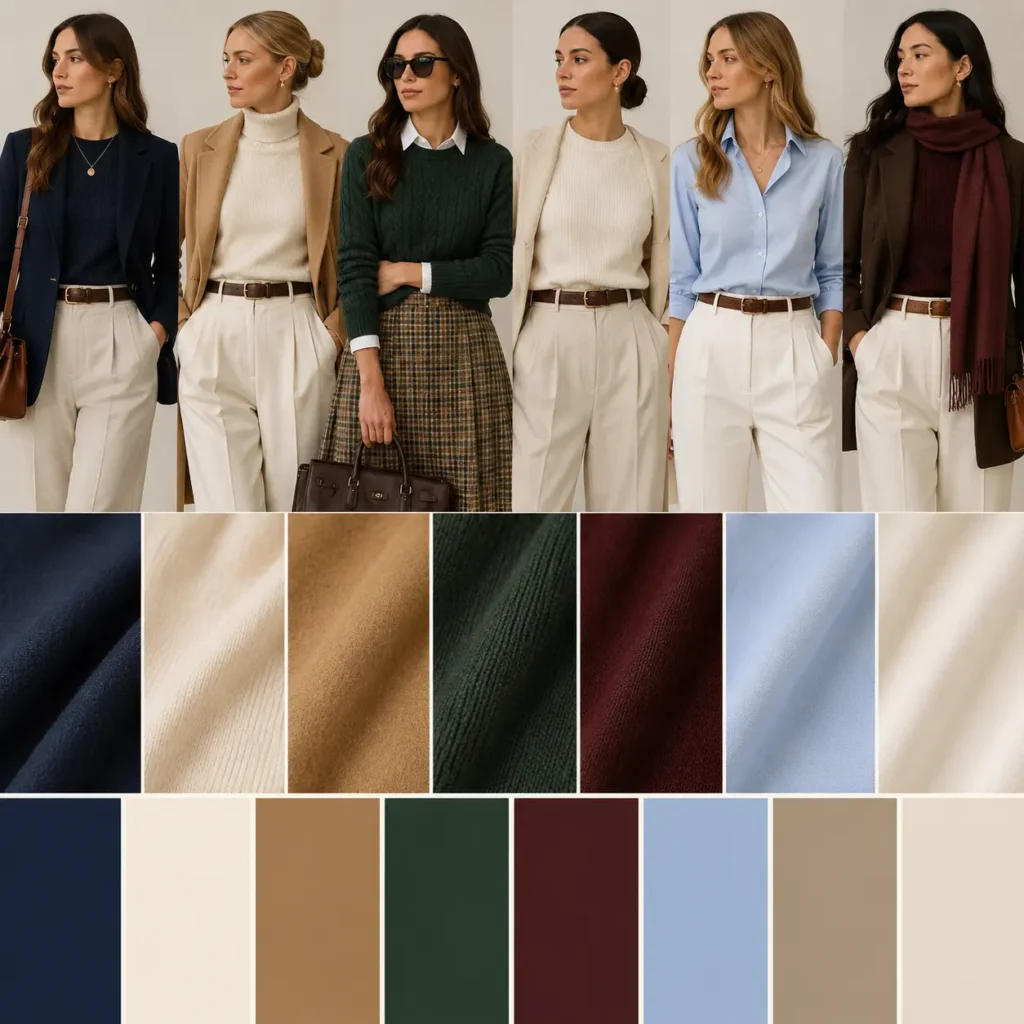
Color plays one of the biggest roles in achieving this aesthetic correctly, since even a perfectly tailored piece can look out of place in the wrong shade.
- Navy, cream, and camel form the foundational trio most old money wardrobes are built around.
- Hunter green and burgundy add seasonal depth, particularly popular for fall and winter pieces.
- Soft pastels (light blue, blush, pale yellow) bring the aesthetic into spring and summer without straying from its understated core.
- Black and white, used sparingly and in classic pieces like a white button-down or black trousers, round out the palette as reliable neutrals.
Avoid overly bright, saturated colors or bold graphic prints, both of which tend to clash with the aesthetic’s fundamentally understated, muted approach.
Fabrics to Prioritize
- Cashmere: The signature fabric of this aesthetic, prized for its softness and understated luxury, most commonly seen in sweaters and scarves.
- Wool and wool blends: Essential for blazers, trousers, and outerwear, offering structure and durability.
- Tweed: A textured wool fabric strongly associated with the heritage, collegiate roots of this style, particularly popular for blazers and skirts.
- Cotton poplin: The go-to fabric for crisp, structured button-down shirts.
- Silk: Used for blouses and accessories like scarves, adding a touch of refined texture without straying from the muted color palette.
How to Accessorize Old Money Outfits
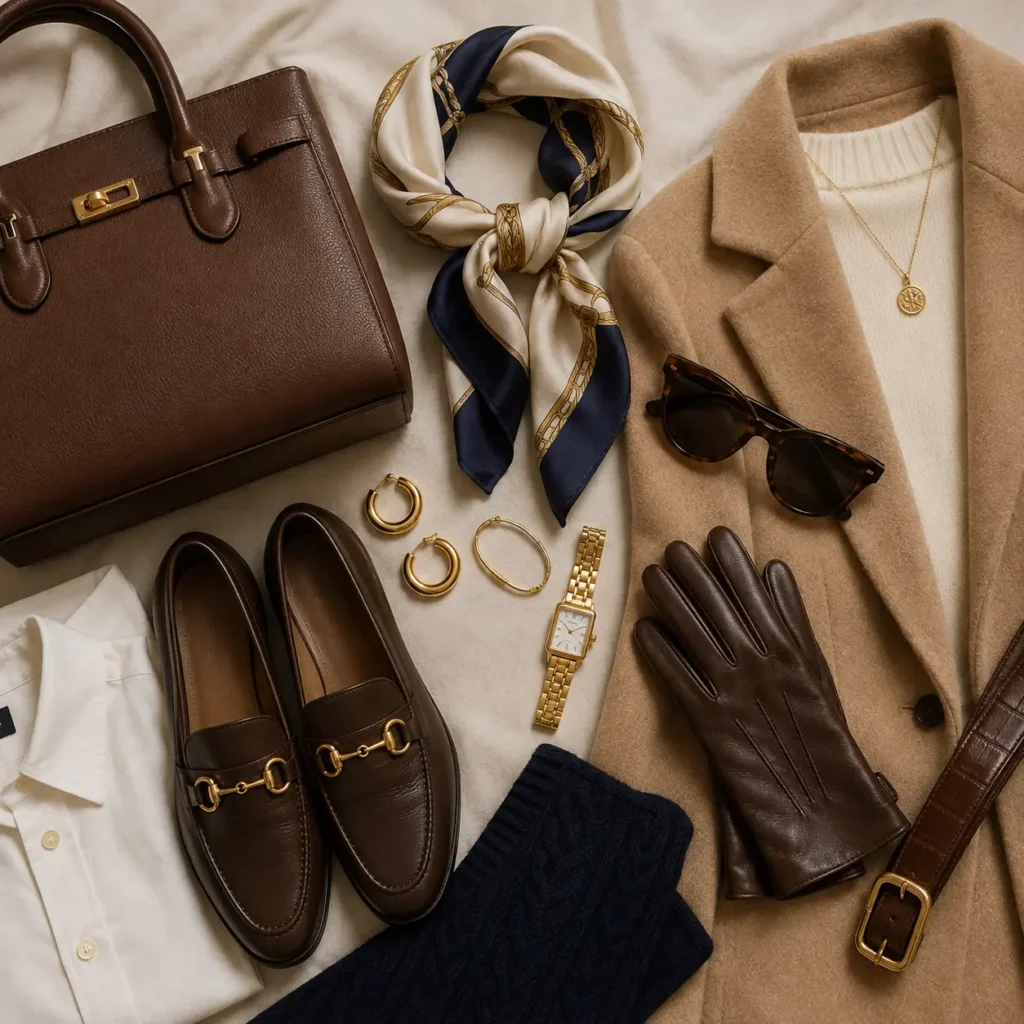
- Simple gold jewelry, worn minimally rather than in large, stacked layers, complements the understated nature of this aesthetic.
- A structured leather handbag in a neutral tone remains one of the most important accessories, avoiding anything overly logoed or trend-driven.
- Silk scarves, worn around the neck or tied to a handbag handle, are a classic finishing touch strongly associated with this style.
- Leather gloves and a wool scarf elevate winter old money outfits specifically.
- Simple sunglasses in classic shapes (like round or square frames) over trend-driven styles.
- Loafers or ballet flats remain the go-to footwear choice, favored over sneakers or anything overly casual.
Old Money Outfits for Female Body Types
The structured, tailored nature of this aesthetic can be adapted flatteringly across different body types with a few adjustments:
- Pear shapes: A structured blazer paired with a straight or A-line skirt balances proportions beautifully, keeping volume evenly distributed.
- Hourglass shapes: A belted trench coat or fitted blazer highlights the natural waistline, a signature move within this aesthetic.
- Rectangle shapes: A pleated skirt or wide-leg trouser paired with a fitted knit sweater helps introduce shape and definition.
- Apple shapes: An A-line dress or a structured blazer left open over a simple top tends to be especially flattering, skimming rather than clinging.
- Petite frames: A cropped blazer and a higher-rise trouser help elongate the leg line without being overwhelmed by longer, heavier outerwear.
- Tall frames: Longer wool coats and maxi-length pleated skirts work particularly well, offering enough length to fully showcase these heritage-inspired silhouettes.
Old Money Hair and Makeup Pairing
The polished, understated nature of old money outfits often extends naturally into hair and makeup choices as well:
- A sleek, low bun or ponytail complements the structured, tailored feel of this aesthetic particularly well.
- Soft, natural waves offer a slightly softer alternative while still reading as polished rather than undone.
- Minimal, dewy makeup with a neutral lip tends to suit the aesthetic’s understated philosophy better than a bold, dramatic look.
- A classic red lip, worn sparingly for more formal old money occasions, is one of the few bold choices that fits naturally within this otherwise restrained aesthetic.
Also Read: 6 Low-Maintenance Hairstyles for Women Over 60 with Fine Hair
Old Money Outfit Ideas for Different Occasions
Work or Office Settings
A tailored blazer, crisp button-down, and wool trousers create a polished, professional look that fits naturally within this aesthetic’s core principles.
Weekend Casual
A cashmere sweater, dark denim, and loafers offer a relaxed but still distinctly elevated weekend outfit.
Date Night
A knit midi dress paired with simple gold jewelry and heeled loafers or flats creates an elegant, understated evening look.
Coastal or Vacation Settings
Linen trousers, a simple cotton polo, and woven flats capture the aesthetic’s coastal heritage roots for warm-weather travel.
Building an Old Money Capsule Wardrobe
Rather than buying an entirely new wardrobe, focus on a small, thoughtfully chosen rotation of pieces that mix and match extensively:
- One tailored blazer in navy or camel
- One cashmere or wool-blend crewneck sweater in a neutral tone
- Two to three crisp button-down shirts
- One pair of tailored wool trousers and one pleated midi skirt
- One quality trench coat or wool overcoat
- A structured neutral handbag and a pair of simple leather loafers
- A few pieces of simple gold jewelry and one silk scarf
With just these foundational pieces, it becomes possible to build weeks of varied outfits without needing to purchase significantly more, which aligns naturally with the aesthetic’s emphasis on quality and longevity over constant new purchases.
Old Money Outfits for Special Events
Beyond everyday wear, this aesthetic translates particularly well to specific event types where understated elegance is especially valued.
- Country club or golf-adjacent events: A polo dress or pleated skirt with a lightweight sweater captures the aesthetic’s sporting heritage roots.
- Garden parties or daytime weddings: A knit or cotton midi dress in a soft neutral, paired with a wide-brim hat, fits naturally within this style’s understated elegance.
- Formal dinners: A tailored dress in a rich, muted tone (like hunter green or burgundy), paired with simple gold jewelry, offers an elevated old money evening look without straying into flashy formalwear territory.
- Holiday gatherings: Cashmere, tartan, and rich jewel tones layered thoughtfully bring seasonal warmth while staying true to the aesthetic’s core restraint.
Old Money Style Icons and Where the Aesthetic Draws Inspiration
The old money aesthetic draws heavily from a specific cultural moment — Ivy League campuses, East Coast country clubs, and mid-century American and European high society style. Classic tailoring, collegiate sportswear, and understated luxury all trace back to this shared visual history, which is part of why the aesthetic feels so cohesive despite spanning nearly a century of style influence.
Looking at classic film, vintage catalog photography, and heritage brand archives (rather than purely current social media trends) can offer some of the most authentic styling inspiration for building out this look correctly.
Layering Techniques for Old Money Outfits
Layering is a defining technique within this aesthetic, used both for practicality and for adding visual polish to an outfit.
- A sweater layered over a collared shirt, with just the collar and cuffs peeking out, is one of the most recognizable old money layering combinations.
- A blazer worn over a sweater adds structure to an otherwise soft, casual base, particularly useful for transitional weather.
- A trench coat layered over a blazer creates a polished, multi-dimensional silhouette for colder days without sacrificing the aesthetic’s clean lines.
- A scarf tucked into the collar of a coat adds a classic finishing touch, both for warmth and visual interest.
Mastering a few of these layering combinations makes it far easier to adapt old money outfits across changing weather and occasions without needing to buy separate pieces for every scenario.
Common Mistakes to Avoid When Building Old Money Outfits
- Choosing visibly branded pieces. Large, obvious logos directly contradict the aesthetic’s core understated principle, regardless of how expensive the item actually is.
- Opting for overly trendy silhouettes. This aesthetic favors classic, largely unchanging shapes rather than the latest micro-trend.
- Ignoring fit. A poorly fitted blazer or trouser undermines the polished, tailored look this style depends on, no matter the fabric quality.
- Overloading on accessories. The aesthetic favors restraint — one or two simple, quality pieces tend to work better than a heavily accessorized outfit.
- Choosing overly bright or saturated colors, which clash with the muted, neutral palette central to achieving this look correctly.
Old Money Shoes and Handwear Guide
Footwear plays a surprisingly large role in whether an outfit reads as authentically old money or simply “business casual.” A few specifics worth knowing:
- Penny loafers remain one of the most iconic shoes within this aesthetic, worn with trousers, skirts, and even tailored shorts.
- Ballet flats in leather or suede offer a slightly softer, more feminine alternative to loafers, particularly popular for spring and summer looks.
- Riding boots, with their clean, structured silhouette, pair beautifully with tailored trousers or a pleated skirt during colder months.
- Simple leather gloves are a classic finishing touch for winter outfits, favored over bulkier knit alternatives.
- Avoid anything overly athletic or logo-heavy, since sneakers and branded footwear tend to clash with the aesthetic’s polished, heritage-inspired foundation.
Also Read: Shoe Capsule for Every Budget: How Many Pairs You Really Need
How Old Money Style Differs Across Generations
While the core principles of this aesthetic remain consistent, styling can shift slightly depending on age and lifestyle:
- Younger women often incorporate old money staples (blazers, loafers, pleated skirts) into more casual, mixed outfits — pairing a blazer with jeans, for example, rather than head-to-toe tailoring.
- Working professionals tend to lean into the aesthetic’s more formal roots, building entire office wardrobes around tailored blazers, trousers, and structured dresses.
- Older women often already have many old money staples in their existing wardrobes, since classic silhouettes from decades past frequently overlap directly with this current aesthetic’s core pieces.
Regardless of age, the throughline remains the same: quality, fit, and restraint over trend-chasing or logo-driven dressing.
Frequently Asked Questions
What defines old money style?
Old money style is defined by tailored, classic silhouettes, a muted neutral color palette, minimal to no visible branding, and heritage fabrics like wool, cashmere, and cotton poplin, drawing inspiration from generational wealth and prep school aesthetics.
Can old money style be achieved on a budget?
Yes. Prioritizing fit, shopping secondhand for quality pieces, and investing in basic tailoring can achieve the aesthetic’s core principles without needing designer-level spending.
What’s the difference between old money and quiet luxury?
Old money draws more directly from heritage prep and collegiate style with warmer neutral tones, while quiet luxury tends to be a more modern, minimalist interpretation of understated wealth with cooler, sleeker tones.
What colors are best for old money outfits?
Navy, cream, camel, hunter green, and soft pastels form the core of the old money color palette, while bright, saturated colors and bold prints are generally avoided.
What pieces should I invest in first for this aesthetic?
A well-fitted blazer and a quality wool or cashmere sweater tend to offer the most versatility and visual impact, making them smart first investments when building an old money wardrobe.
Are sneakers ever appropriate with old money outfits?
Generally, sneakers are avoided within this aesthetic in favor of loafers, ballet flats, or riding boots, since athletic and logo-heavy footwear tends to clash with the polished, heritage-inspired foundation the style depends on.
What does “women’s old money outfits” typically include as a starter wardrobe?
A tailored blazer, a few crisp button-down shirts, one cashmere or wool sweater, tailored trousers or a pleated skirt, and simple leather loafers or flats form a solid, versatile starting foundation.
Can old money style be casual?
Yes, though even casual old money outfits maintain some structure — pairing a cashmere sweater or simple tee with tailored trousers or a blazer keeps the look elevated rather than purely loungewear-inspired.
Final Thoughts
Old money outfits for women offer a genuinely timeless approach to dressing, built around quality, fit, and restraint rather than logos or fast-moving trends. Whether you’re working with a limited budget or ready to invest in a few key heritage pieces, the core principles — tailored silhouettes, a muted color palette, and natural fabrics — remain accessible at nearly any price point.
Start with a well-fitted blazer and a few versatile neutral basics, prioritize fit and fabric quality over brand name, and you’ll have a wardrobe foundation that feels effortlessly elevated for years to come, regardless of what trend cycle comes next.
Also Read: Outfit Ideas for Every Occasion: Related Capsule Wardrobe Principles