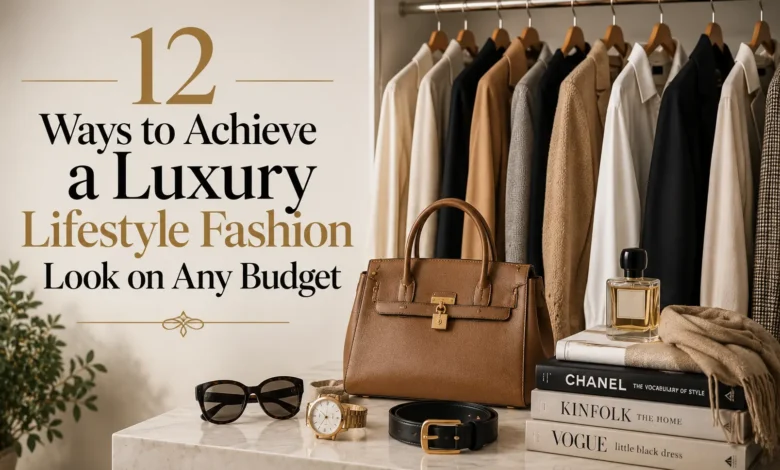
You don’t need a five-figure wardrobe to look like you have one. Some of the most expensive-looking outfits in the world are built from a handful of well-chosen pieces, worn with intention, and paired with the right details. This is the real secret behind luxury lifestyle fashion — it’s less about the price tag stitched inside your collar and more about how deliberately you put yourself together.
If you’ve ever scrolled past someone in a plain white shirt and tailored trousers and thought, that looks expensive, you already understand the principle. Luxury isn’t loud. It’s precise. It’s consistent. And it’s absolutely achievable on a real, everyday budget — you just need to know where to focus your time, attention, and limited spending.
In this guide, we’ll walk through 12 practical, tested ways to build a luxury lifestyle fashion aesthetic — including how to choose the right luxury fashion accessories, where to spend, where to save, and which small daily habits separate a “put-together” look from one that reads as genuinely elevated. Each strategy below is something you can start applying this week, regardless of your current wardrobe or budget.
What Does “Luxury Lifestyle Fashion” Actually Mean?
Luxury lifestyle fashion isn’t just about owning designer labels — it’s a way of dressing that reflects intention, quality, and consistency across your everyday choices. It’s the idea that your clothing, accessories, and grooming work together to create a cohesive, elevated impression, regardless of whether every item came from a flagship boutique or a well-edited thrift find.
Stylists and image consultants often describe this as the “quiet luxury” approach: fewer pieces, better quality, cleaner lines, and almost no visible branding. The result looks expensive because it’s deliberate, not because it’s expensive. That distinction is exactly what makes a luxury lifestyle fashion look so achievable on a modest budget — the goal is thoughtful curation, not maximum spending.
This philosophy has become increasingly popular because it reflects a broader shift in how people think about style: away from fast, trend-driven consumption and toward a smaller, more intentional collection of pieces that actually work together. It also happens to be more affordable in the long run, since fewer purchases made with more care tend to outperform frequent impulse buys, both in appearance and in cost per wear.
With that foundation in place, here are 12 ways to bring that aesthetic into your own wardrobe, starting today.
1. Adopt the Quiet Luxury Mindset First
Before you buy anything, shift how you think about your wardrobe. Quiet luxury prioritizes quality, fit, and simplicity over logos and trend-chasing. It’s the difference between a wardrobe that shouts and one that simply looks right the moment you walk into a room.
Start by asking three questions before every purchase: Is the fabric good? Does it fit properly? Will I still want to wear this in three years? If the answer to all three is yes, you’re likely looking at a piece that fits the luxury lifestyle fashion philosophy — even if it cost a fraction of a designer equivalent.
This mindset shift costs nothing, and it’s the single biggest lever for making every future dollar you spend go further. Once you stop chasing trends and start chasing quality and fit, your existing wardrobe will already start to feel more elevated, often without buying a single new item.
It also changes how you shop. Instead of browsing for whatever is new or on sale, you begin shopping with a clear internal checklist, which naturally filters out impulse purchases that would otherwise sit unworn in your closet. Over a few months, this single habit reshapes an entire wardrobe far more effectively than any individual purchase could.
2. Build a Neutral-Based Capsule Wardrobe
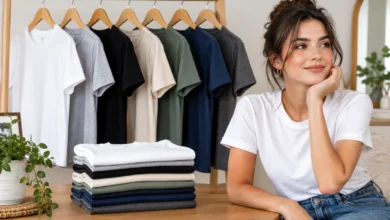
A luxury lifestyle fashion look is almost always built on a foundation of neutrals — black, white, camel, navy, grey, and cream. These colors photograph well, mix effortlessly, and never compete for attention. They also make your wardrobe far more efficient, since neutral pieces can be worn together in dozens of combinations without ever looking repetitive.
Start with 10–12 core pieces: a tailored blazer, a crisp white shirt, well-fitted trousers, a knit sweater, a simple midi skirt, dark denim, and a versatile coat. From there, every accessory or seasonal piece you add should complement this base rather than compete with it. Think of your capsule as a canvas — the neutral pieces set the tone, and everything else, from a bold accessory to a seasonal color, gets layered on top intentionally.
This is also one of the most budget-friendly strategies on this list, because a tight, coordinated capsule means you need far fewer items overall — and every item earns its place through versatility rather than novelty. A well-built 12-piece neutral capsule can realistically produce 40 or more distinct outfit combinations, which is a far better return than a closet full of one-off trend pieces that only pair with a single outfit.
3. Prioritize Fit Over Price
Nothing undermines a luxury lifestyle fashion look faster than ill-fitting clothing — and nothing elevates a budget piece faster than a proper fit. A $30 blazer tailored to your shoulders will consistently outperform a $300 blazer that hangs wrong, every single time, in every photo and in every room you walk into.
Find a local tailor and treat alterations as part of your clothing budget, not an optional extra. Hemming trousers, taking in a waist, adjusting sleeve length, or nipping in the sides of a blazer typically costs far less than the price difference between a mid-range and a luxury version of the same item — and the visual payoff is often greater than the garment itself.
Pay particular attention to shoulder seams on jackets, the break of trousers at the shoe, and how a garment sits at the waist. These three fit points do more visual work than fabric or brand ever will. If you only invest in one styling habit from this entire list, make it this one: this single habit is the closest thing to a shortcut in achieving a luxury lifestyle fashion appearance. Fit reads as expensive even when the fabric didn’t cost much at all.
4. Invest Strategically in a Few Luxury Fashion Accessories
You don’t need a luxury wardrobe to look luxurious — you need a few, well-chosen luxury fashion accessories that anchor your outfits. A quality leather handbag, a classic watch, a well-made belt, or a pair of structured sunglasses can elevate an entire outfit built around affordable basics, instantly shifting the perceived value of everything else you’re wearing.
The key is restraint: choose one or two accessories to invest in — items you’ll use daily for years — rather than spreading a budget thin across many trend-driven pieces. A single well-made leather bag in a neutral tone will outlast and out-style a dozen fast-fashion accessories combined, and it will still look relevant five years from now.
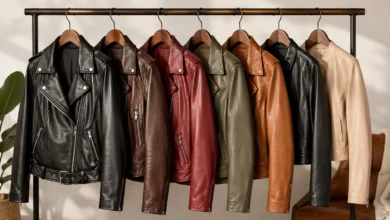
When shopping for luxury fashion accessories on a budget, look at construction details: stitching quality, hardware weight, leather grain, and lining. These details are often visible even in mid-range or secondhand pieces, and they’re what separates something that looks genuinely elevated from something that simply looks new. A heavier clasp, tighter stitching, and a supple, even-grained leather are all signs of better construction, regardless of the brand name attached.
It also helps to think of accessories as the “punctuation” of an outfit — they don’t need to be numerous, but the right one, in the right place, changes how the entire sentence reads.
| Accessory | Why It Elevates the Look | Budget-Friendly Approach |
|---|---|---|
| Structured handbag | Anchors an entire outfit | Shop outlet, consignment, or off-season sales |
| Classic watch | Signals attention to detail | Choose one versatile piece over several trendy ones |
| Leather belt | Small detail, big visual impact | Invest here even if the rest is budget |
| Sunglasses | Instant polish for casual looks | Prioritize shape and quality over brand |
| Silk scarf | Adds richness without cost | Secondhand and vintage options are excellent |
5. Choose Fabric Quality Over Trend Cycles
Fabric is one of the fastest ways to tell an expensive-looking piece from a cheap one, even from a distance. Natural fibers like wool, silk, linen, cotton, and leather tend to drape better, wear longer, and photograph more richly than synthetic blends, which often look flat or overly shiny under normal lighting.
When shopping on a budget, check garment labels before checking price tags. A wool-blend coat from a mid-range retailer will almost always outperform a 100% polyester coat from a luxury-adjacent fast-fashion brand, both in appearance and longevity. Run the fabric between your fingers before buying — natural fibers typically feel cooler, heavier, and more textured than synthetic alternatives.
This is also where secondhand shopping becomes a genuine advantage: older garments, especially from decades when natural fibers were more standard, often have better fabric quality than new fast-fashion equivalents at a fraction of the price. It’s not unusual to find a vintage wool coat or a silk blouse from a previous decade that outperforms a brand-new synthetic piece costing three times as much.
6. Shop Secondhand and Consignment for Real Luxury Pieces
Thrift stores, consignment shops, and resale platforms are some of the most underused tools for building a luxury lifestyle fashion wardrobe. Many of these venues carry genuine designer and premium pieces at 60–90% below retail price, often in excellent condition, especially in structured categories like outerwear and handbags.
Look specifically for structured items — blazers, coats, leather bags, and tailored trousers — since these hold their shape and quality longest. Learn to check stitching, lining, and hardware, which will help you separate genuine quality from wear-and-tear across any price point. A quick inspection of the seams, zippers, and buttons usually tells you more about a garment’s actual quality than its label does.
Consignment shopping also rewards patience. Building a wardrobe this way takes longer than a single shopping trip, but the payoff is a collection of pieces that would otherwise be out of reach on a typical budget — a core principle of achieving luxury lifestyle fashion affordably. Treat it as an ongoing habit rather than a one-time errand: checking in regularly, rather than searching for everything at once, tends to produce better finds over time.
Also Read: Sustainable Fashion Habits for a Budget-Friendly Wardrobe
7. Take Care of What You Already Own
A luxury lifestyle fashion look isn’t only about what you buy — it’s about how well-maintained everything looks. Scuffed shoes, pilled sweaters, and wrinkled shirts undercut even genuinely expensive pieces, while a well-cared-for budget wardrobe can look far more elevated than it cost.
Build simple maintenance habits: steam or iron clothing before wearing it, condition leather goods every few months, use a fabric shaver on knitwear, and rotate shoes to extend their lifespan. Store folded knits rather than hanging them to prevent stretching, and invest in good hangers for structured pieces like blazers and coats, since wire or thin plastic hangers can distort shoulders over time.
Small, regular habits matter more than occasional deep-cleaning. A five-minute check before you leave the house — smoothing wrinkles, checking for loose threads, wiping down shoes — does more for your overall appearance than an expensive dry-clean once every few months. These habits cost very little in time or money, but they’re often the deciding factor in whether an outfit reads as intentional and elevated or simply mismatched.
8. Curate a Signature Color Palette
One of the quiet signals of a luxury lifestyle fashion approach is color discipline. Instead of buying pieces in every color that catches your eye, choose a palette of 4–6 colors that suit your skin tone and mix well together, then build your wardrobe almost entirely within it.
This approach does two things: it makes every new purchase automatically compatible with what you already own, and it creates a visual consistency that reads as curated rather than accumulated. Many luxury fashion houses use this exact strategy across their collections for the same reason — a tightly controlled palette is instantly recognizable as intentional, even to someone who couldn’t articulate why.
A tightly curated palette also stretches your budget significantly further, since fewer “mismatched” purchases end up unworn in your closet. If you’re unsure where to start, look at your skin’s undertone and pick two or three neutrals plus one or two accent colors that consistently get compliments — this becomes your permanent shopping filter going forward.
9. Focus on Timeless Silhouettes Instead of Fast Trends
Trend-driven pieces date quickly, which means money spent on them has a short shelf life. Timeless silhouettes — straight-leg trousers, structured blazers, A-line skirts, trench coats, and simple button-downs — remain wearable and stylish for years, which makes them a far better long-term investment even at a modest price point.
This doesn’t mean avoiding trends altogether. It means limiting trend pieces to low-cost, easily replaceable items (a graphic tee, a seasonal accessory, an inexpensive piece of jewelry) while reserving your actual budget for timeless staples that will anchor your wardrobe for years. This way, you can still enjoy what’s current without letting it dictate your core spending.
Over time, this approach naturally builds a luxury lifestyle fashion wardrobe, since the “cost per wear” of timeless pieces drops dramatically the longer you own them. A well-made trench coat worn for eight years costs far less per wear than a trendy jacket replaced every season, even if the trendy jacket was cheaper up front.
10. Layer with Intention
Layering is one of the most effective — and least expensive — ways to add visual richness to an outfit. A simple base outfit can look dramatically more elevated with the right layers: a tailored coat over a knit, a blazer over a dress, or a scarf added to a plain top.
The key to luxury-looking layering is proportion and restraint. Stick to two or three layers maximum, keep colors within your palette, and vary textures (smooth leather with soft knit, structured wool with flowing silk) rather than piling on similar fabrics, which can flatten the overall effect and make an outfit look bulky instead of intentional.
This technique lets a relatively small wardrobe produce a much wider range of polished, elevated outfits — stretching your budget through styling rather than spending. A single blazer, for example, might layer over a t-shirt for a casual look, a blouse for a work look, and a slip dress for an evening look, effectively tripling its value.
11. Pay Attention to Grooming and Presentation
Clothing is only part of the equation. Neat hair, clean and well-maintained nails, polished shoes, and good posture all contribute significantly to how “expensive” an overall look reads — often more than any single garment.
This is one of the most budget-friendly ways to elevate your appearance, since grooming largely depends on consistency rather than cost. A five-minute daily routine — ironing your outfit, cleaning your shoes, and checking your overall silhouette in a mirror before leaving — does more for a luxury lifestyle fashion impression than most single purchases could.
Posture in particular is an underrated factor. Standing tall, keeping shoulders relaxed, and moving with intention changes how any outfit is perceived, regardless of what it cost. Presentation is the finishing layer that ties an outfit together, and it’s completely within reach regardless of budget.
Also Read: The Psychology of Dressing Well: How Clothes Affect Your Confidence
12. Mix High and Low Strategically
The most sustainable way to build a luxury lifestyle fashion wardrobe on a real budget is to intentionally mix a small number of higher-cost investment pieces with a larger base of affordable basics. This is sometimes called the “80/20 rule” — roughly 80% of your wardrobe from accessible, budget-friendly sources, and 20% from carefully chosen investment pieces.
The investment pieces should be items you touch daily and that carry visual weight: a coat, a bag, a pair of shoes, or a watch. The budget pieces should be the basics that surround them: shirts, trousers, layering knits, and casual staples that don’t need to individually stand out.
This strategic mix is exactly how many stylists and image consultants build client wardrobes — not with unlimited spending, but with deliberate allocation. It’s the most repeatable, sustainable path to a luxury lifestyle fashion look that holds up over time, and it also gives you a clear framework for future purchases: before buying anything, decide whether it belongs in the 80% or the 20%, and budget accordingly.
Budget Tiers: How to Apply These Tips at Any Spending Level
| Budget Level | Where to Focus | Example Approach |
|---|---|---|
| Low Budget | Fit, care, and styling | Thrift for basics, tailor key pieces, focus on grooming and maintenance |
| Mid Budget | One or two accessories, quality fabrics | Save for a leather bag or coat, buy natural fibers where possible |
| Higher Budget | Investment pieces + capsule refinement | Add a classic watch, quality shoes, and a tailored coat |
No matter the tier, the same principles apply: fewer, better pieces; consistent care; and a coordinated color palette. The budget simply determines how quickly you can move through these stages, not whether the approach works.
Common Mistakes to Avoid
- Chasing logos instead of quality. Visible branding rarely equals better construction, and it can actually undercut a quiet luxury aesthetic by making an outfit look purchased rather than curated.
- Skipping tailoring. Even genuinely expensive pieces look cheap if they don’t fit properly, while budget pieces tailored well can look far more expensive than their price suggests.
- Overbuying trend pieces. Trend-driven purchases date quickly and rarely integrate well with a long-term wardrobe, leading to closets full of items worn only once or twice.
- Neglecting maintenance. Scuffed shoes and pilled knitwear undercut an otherwise well-planned outfit, no matter how thoughtfully it was chosen.
- Ignoring color cohesion. A wardrobe without a consistent palette looks accumulated rather than curated, no matter how much was spent on individual pieces.
- Buying accessories in bulk instead of investing in a few. Several low-quality accessories rarely add up to the visual impact of one well-made piece.
Frequently Asked Questions
Can you really achieve a luxury lifestyle fashion look without designer brands?
Yes. The look relies far more on fit, fabric quality, color coordination, and presentation than on brand names. Many stylists build entirely brand-free wardrobes that still read as elevated, simply by applying the principles above consistently.
What’s the single most affordable way to look more expensive?
Tailoring. Adjusting the fit of pieces you already own is typically the lowest-cost, highest-impact change you can make, and it applies to almost every item in your closet.
Are luxury fashion accessories worth investing in on a tight budget?
A single well-chosen accessory, such as a structured bag or classic watch, is generally worth the investment because it gets used daily and elevates multiple outfits at once — far more efficient than several smaller purchases spread across trend items.
How many pieces do I need for a luxury lifestyle fashion capsule wardrobe?
Most stylists recommend starting with 10–15 core neutral pieces, then adding a small number of accessories and seasonal items as your budget allows. The exact number matters less than how well the pieces work together.
Does secondhand shopping fit into a luxury lifestyle fashion approach?
Yes — consignment and resale shopping is one of the most effective ways to access genuine quality pieces at a fraction of retail cost, and it aligns well with the sustainability values often associated with quiet luxury.
How long does it take to build a luxury lifestyle fashion wardrobe on a budget?
It varies, but most people see a noticeable shift within two to three months of applying these principles consistently, since fit, care, and color cohesion produce results almost immediately, while investment pieces are typically added more gradually over time.
Also Read: Outfit Ideas for Every Occasion: The Complete Guide to Building Looks You’ll Actually Wear