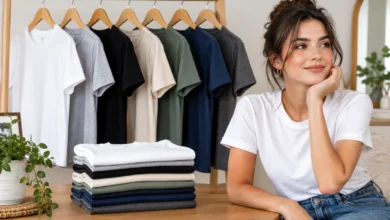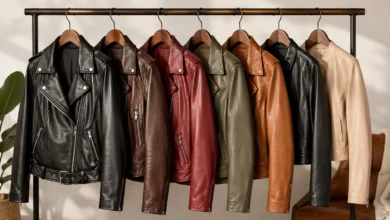
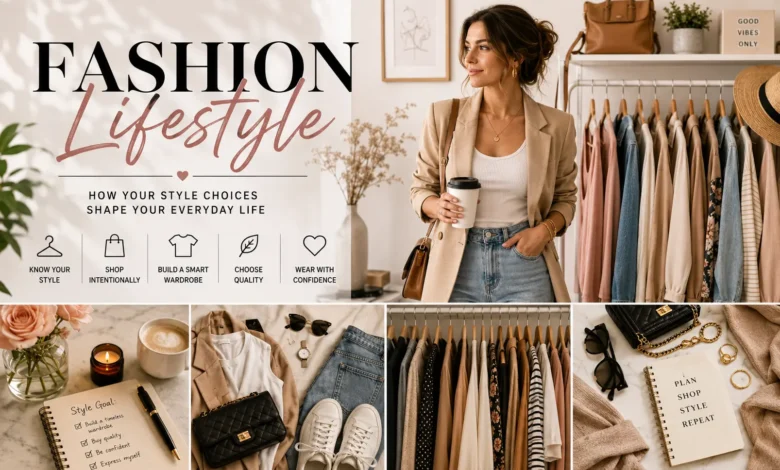
Fashion isn’t just about what’s hanging in your closet — it’s a lifestyle. The way you dress affects your confidence, your daily routine, your spending habits, and even how you’re perceived at work, on dates, or simply running errands. A “fashion lifestyle” is the intersection of personal style and daily living: how clothing choices, shopping habits, and self-presentation weave into the rest of your life, rather than existing in isolation.
This guide explores what it really means to live a fashion-forward lifestyle in a sustainable, budget-conscious, and authentic way — without falling into the trap of chasing every trend or overspending to keep up appearances.
It also helps to think of a fashion lifestyle in two parts. The first is the visible layer — the actual clothes, colors, and silhouettes you gravitate toward. The second is the invisible layer — the habits, routines, and mindset behind those choices: how you shop, how you care for your clothes, how quickly you get dressed in the morning, and how confident you feel walking out the door. Most people focus entirely on the visible layer and wonder why their closet still feels chaotic or their style still feels inconsistent. Real, lasting style comes from working on both layers together.
Also Read: The Psychology of Dressing Well: How Clothes Affect Your Confidence
1. What Is a “Fashion Lifestyle”?
A fashion lifestyle isn’t the same as being obsessed with trends or owning designer labels. It’s the ongoing relationship between how you dress and how you live — your morning routine, your work environment, your social calendar, your budget, and your values around sustainability and consumption.
Someone with a genuine fashion lifestyle doesn’t necessarily own the most clothes. They own clothes that work with their life instead of against it: pieces that fit their climate, their schedule, their body, and their personality. Fashion becomes a lifestyle the moment it stops being a once-in-a-while activity (shopping for a big event) and becomes a daily, functional part of how you move through the world.
Signs Your Fashion Lifestyle Needs a Refresh
It’s not always obvious when your relationship with your wardrobe has drifted out of sync with your actual life. A few common signs include:
- Standing in front of a full closet and feeling like you have “nothing to wear”
- Buying similar items repeatedly instead of filling real gaps in your wardrobe
- Owning pieces you’ve never worn, still with the tags on
- Feeling rushed or stressed every morning trying to put together an outfit
- Dressing based on what’s trending rather than what actually fits your life or body
- Avoiding certain events or photos because you don’t feel confident in what you own
None of these signs are dramatic on their own, but together they usually point to a wardrobe running on autopilot rather than intention — bought piece by piece without ever stepping back to look at the whole picture. The good news is that fixing this rarely requires starting over completely. It usually just requires a more deliberate approach, which is exactly what the rest of this guide covers.
2. Why Personal Style Affects More Than Your Appearance
Research in psychology has long pointed to a concept called “enclothed cognition” — the idea that what you wear doesn’t just change how others see you, it changes how you think and behave. Putting on clothes that make you feel put-together often leads to more confident posture, clearer thinking, and even more productive behavior, while wearing something you feel sloppy or self-conscious in can quietly drag down your mood for the rest of the day.
This is why a fashion lifestyle matters beyond aesthetics. Getting dressed intentionally — even for an ordinary Tuesday — can be a small daily ritual that shapes your energy and mindset, the same way a good breakfast or a solid night’s sleep does. It’s not vanity; it’s a functional part of how you show up for your day.
Also Read: Trend vs. Timeless: Finding Your Personal Style Balance
3. 8 Habits of a Genuinely Stylish Lifestyle
- Dress for the life you actually have.
A wardrobe full of gala-ready gowns is useless if your daily life is jeans, sneakers, and a laptop bag. Build around your real routine, not an imagined one — audit how you actually spend your week before deciding what your closet needs. - Know your fit before you know trends.
Trends come and go, but understanding your body’s proportions and what silhouettes flatter you is a permanent skill that makes every purchase more successful, regardless of what’s currently popular. - Buy fewer, better pieces.
A smaller wardrobe of well-made, well-fitting clothes almost always outperforms a large closet of fast-fashion items that pill, fade, or fall apart within a season. Cost-per-wear, not sticker price, is the real measure of value. - Build a capsule foundation.
A core rotation of neutral, versatile pieces — that can be mixed and matched — reduces decision fatigue and stretches your budget much further than constantly buying new outfits for every occasion. - Let your style evolve with you.
What worked in your twenties may not fit your lifestyle, body, or taste in your thirties or forties, and that’s completely normal. A fashion lifestyle isn’t static — it’s meant to be revisited as your life changes. - Care for your clothes properly.
Learning to wash, store, and mend your clothes correctly extends their life significantly and is one of the most overlooked parts of a sustainable fashion lifestyle. A $30 shirt cared for well can outlast a $100 shirt neglected. - Shop with intention, not impulse.
Pausing before a purchase — asking whether a piece fits your existing wardrobe and lifestyle — prevents the common cycle of impulse buys that end up unworn. A simple rule: if you can’t picture three outfits with it already, skip it. - Let personal style reflect your values.
Whether that’s sustainability, comfort, minimalism, or bold self-expression, the most authentic fashion lifestyles are rooted in what actually matters to the person wearing the clothes, not in what’s trending on social media that week.
These habits aren’t about restriction — they’re about removing friction. A wardrobe built around them tends to feel calmer, more functional, and more genuinely “you” than one built purely around trend-chasing.
4. Trend-Driven vs. Timeless Style: Which Lifestyle Fits You?
| Factor | Trend-Driven Style | Timeless Style |
|---|---|---|
| Wardrobe turnover | High — frequently refreshed each season | Low — built to last for years |
| Cost over time | Can be higher due to frequent replacement | Lower long-term due to durability and fewer purchases |
| Sustainability | Lower, especially with fast fashion | Higher, with fewer discarded items |
| Effort to maintain | Requires ongoing attention to what’s current | Requires less ongoing effort once built |
| Best for | People who enjoy fashion as a creative hobby | People who want a low-maintenance, reliable wardrobe |
| Risk | Feeling “behind” when trends shift again | Wardrobe can feel repetitive without personal touches |
Most people benefit from a blended approach: a timeless foundation of core, well-fitting basics, with a smaller budget set aside for a few trend pieces or accessories that keep the wardrobe feeling current without requiring a full closet overhaul every season.
5. Building a Fashion Lifestyle Around Your Daily Life
A fashion lifestyle should support your routine, not complicate it. Here’s how style intersects with a few common areas of everyday life.
Getting ready efficiently. A well-organized, edited closet where everything fits and works together dramatically cuts down on the time spent deciding what to wear each morning. When every piece in your closet is something you actually like and can pair easily, “what to wear” stops being a daily source of stress and becomes a quick, almost automatic decision.
Dressing for work. Your work wardrobe should reflect your industry’s expectations while still feeling like you. A few reliable, polished outfit formulas — a go-to blazer-and-trouser combination, a signature color palette, a dependable pair of shoes — remove the daily guesswork and help you walk into any meeting feeling prepared, without needing to reinvent your outfit from scratch every day.
Social and event dressing. Rather than buying something new for every occasion, a fashion lifestyle relies on a handful of versatile pieces — like a well-fitting blazer or a classic dress — that can be styled differently for dinners, dates, or celebrations. A single well-chosen dress, styled three different ways with different shoes, jewelry, and outerwear, can cover an entire season of events.
Travel and weekend life. Comfortable, easy-to-pack pieces that still feel put-together make travel and downtime simpler, especially when your everyday wardrobe is already built around versatility. A small capsule of mix-and-match travel pieces means you spend less time packing and more time actually enjoying your trip.
Seasonal transitions. A fashion lifestyle also means adjusting gracefully as seasons change — rotating a few key pieces rather than replacing an entire wardrobe every few months. Layering pieces, like a lightweight jacket or a versatile cardigan, often do more work across seasons than single-season statement items.
Fitness and active life. For anyone with an active routine, a fashion lifestyle also extends to activewear — pieces that perform well physically but still feel like an extension of your personal style, rather than a completely separate wardrobe category.
Home and downtime dressing. Even the clothes you wear around the house are part of a fashion lifestyle. Comfortable loungewear that still feels intentional — rather than whatever’s left in the drawer — contributes to the same sense of put-togetherness as your outward-facing wardrobe.
Also Read: How to Build a Wardrobe That Matches Your Daily Routine
5b. A Sample Weekly Capsule Approach
One practical way to apply a fashion lifestyle to daily life is to build a small weekly capsule — a limited set of pieces designed to mix and match across a full week without repeating an identical outfit. Here’s a simple structure to start from:
| Category | Suggested Pieces | Purpose |
|---|---|---|
| Tops | 5–7 versatile tops in neutral or coordinating colors | Mix-and-match base for most outfits |
| Bottoms | 3–4 bottoms (trousers, jeans, a skirt) | Pair easily with most tops |
| Layers | 2–3 outerwear or layering pieces | Adapt outfits across temperatures and settings |
| Shoes | 2–3 pairs covering casual, work, and dressy needs | Cover most occasions without excess |
| Accessories | A small rotation of jewelry, bags, and scarves | Refresh repeated outfits without new clothing purchases |
A capsule like this, built thoughtfully, can produce dozens of distinct outfit combinations from a relatively small number of pieces — which is the real foundation of a low-stress, high-function fashion lifestyle.
5c. Explore Fashion Lifestyle by Category
Different parts of your wardrobe support different parts of your fashion lifestyle. A few related guides worth exploring as you build yours out:
Everyday outfit formulas. Having a handful of go-to combinations for casual days, work, and date nights removes the daily guesswork that so often derails a fashion lifestyle before it even starts.
Also Read: Outfit Ideas for Every Occasion
Seasonal trend awareness. Staying aware of broader fashion trends — without needing to chase every single one — helps keep a timeless wardrobe feeling current.
Also Read: Fashion Trends Guide
Capsule wardrobe fundamentals. A well-built capsule wardrobe is one of the most efficient ways to put the principles in this guide into practice.
Also Read: Capsule Wardrobe Essentials
Accessorizing thoughtfully. The right accessories can transform a small, simple wardrobe into dozens of distinct looks without adding much to your closet.
Also Read: The Complete Accessories Guide
6. Fashion Lifestyle on Any Budget
Low Budget
- Shop your own closet first — rediscover and restyle pieces you already own before buying anything new
- Thrift or secondhand shopping for basics and statement pieces alike, which often includes higher-quality older garments at a fraction of the price
- Learn basic mending (buttons, hems, small tears) to extend the life of your clothes rather than replacing them at the first sign of wear
- Focus spending on a few versatile items rather than many trendy ones, prioritizing pieces that pair with what you already own
- Host or attend clothing swaps with friends to refresh your wardrobe without spending anything
Medium Budget
- Invest in one or two higher-quality staples per season, like a well-made coat or leather shoes, that will outlast several cheaper equivalents
- Build a small capsule wardrobe of interchangeable basics in neutral tones that can be mixed and matched across the week
- Use tailoring services to make off-the-rack clothes fit properly — often the single biggest upgrade to how an outfit looks
- Rotate accessories to refresh existing outfits affordably instead of buying entirely new pieces
- Set a seasonal budget specifically for gap-filling items, rather than open-ended shopping
Higher Budget
- Invest in designer or premium staple pieces meant to last for years, not seasons, particularly in categories like outerwear and shoes
- Work with a personal stylist to refine your wardrobe and shopping choices, reducing wasted purchases over time
- Build a curated capsule across multiple categories — work, casual, formal — with premium materials and construction
- Prioritize quality outerwear and shoes, which tend to show wear the fastest and benefit most from a higher-quality investment
- Consider custom or made-to-measure pieces for key wardrobe staples where fit matters most
Just like with other lifestyle categories, budget affects the quality and speed of building your fashion lifestyle — not whether a genuinely stylish, functional wardrobe is achievable.
Also Read: How to Build a Weekly Capsule Wardrobe for Effortless Outfits
7. The Psychology of Getting Dressed
Clothing as a mood signal. The clothes you choose often reflect — and reinforce — your emotional state. Dressing with intention, even on low-energy days, can subtly shift your mindset toward feeling more capable and present, in the same way that making your bed or tidying a room can shift how the rest of your day feels.
Decision fatigue and the “uniform” effect. Many highly organized dressers rely on a semi-fixed rotation of go-to outfits specifically to avoid decision fatigue. Reducing daily choices around what to wear frees up mental energy for other decisions throughout the day — which is part of why so many people in demanding roles gravitate toward a simplified, repeatable wardrobe.
Comfort versus confidence. The most sustainable fashion lifestyle balances both — clothing that feels physically comfortable while still making you feel confident, rather than sacrificing one for the other entirely. An outfit that looks great but feels restrictive rarely gets worn twice.
Identity through style. Repeated exposure to certain silhouettes, colors, or styles gradually shapes how you see yourself. Over time, your wardrobe becomes less about following trends and more about reflecting who you actually are — which is often why a “signature style” tends to emerge naturally after a few years of intentional dressing, rather than being decided all at once.
The confidence feedback loop. Wearing something that makes you feel good often leads to standing taller, making more eye contact, and feeling more at ease in social or professional situations — and that response, in turn, reinforces your attachment to the pieces that produce it. This is part of why a handful of “favorite” items tend to get worn far more often than the rest of a closet.
Also Read: Sustainable Fashion Habits for a Budget-Friendly Wardrobe
What Actually Works: Lessons From Real Trial and Error
Most fashion advice fails not because it’s wrong in theory, but because it ignores how real closets and real budgets actually work. A few honest lessons worth keeping in mind:
A smaller, well-loved wardrobe beats a large, half-used one. Most people wear roughly 20% of their closet on a regular basis. Building fewer, more versatile pieces from the start avoids ever reaching that imbalance.
The best purchase is one you can picture wearing multiple ways. If a new piece only works with one specific outfit you already own, it’s far more likely to sit unworn than something that pairs with several existing items.
Style takes longer to develop than a single shopping trip. A cohesive, confident personal style is usually built gradually — through trial, error, and paying attention to what you actually reach for — not achieved instantly through one big haul.
Fit matters more than price. A well-fitted, affordable piece will almost always look better and get worn more often than an expensive piece that doesn’t quite fit right.
Trends are optional, not obligatory. Skipping a trend that doesn’t suit your lifestyle or body isn’t falling behind — it’s simply building a wardrobe that fits you specifically, rather than the general fashion cycle.
Also Read: Signs Your Wardrobe Needs a Refresh (and How to Fix It)
8. Common Fashion Lifestyle Mistakes
- Buying for an imagined lifestyle instead of your real one. Purchasing pieces for a life you don’t currently live — formalwear with no events to wear it to, workout gear for a routine you haven’t started — leads to a closet full of unworn clothes and wasted spending.
- Chasing every trend. Trying to keep up with every micro-trend is expensive, unsustainable, and often leaves your wardrobe feeling disjointed rather than cohesive, since trend pieces rarely pair well with each other once the moment passes.
- Ignoring fit. An expensive piece in the wrong size or silhouette will never look as good as an affordable piece that’s tailored and fits properly. Fit, far more than price, is what makes an outfit look intentional.
- Neglecting garment care. Skipping proper washing, storage, and mending shortens the life of even high-quality clothing significantly, quietly turning a smart investment piece into a short-term purchase.
- Shopping without a plan. Impulse purchases that don’t match your existing wardrobe often go unworn and unused within weeks, even when they seemed appealing in the moment.
- Copying someone else’s style exactly. What works on an influencer’s body, lifestyle, and budget may not translate to yours — a fashion lifestyle should be personalized, not imitated wholesale.
- Overlooking your climate and daily reality. A wardrobe inspired by a different climate or a more formal lifestyle than your own will constantly feel mismatched to your actual days, no matter how stylish the individual pieces are.
- Holding onto items “just in case.” Keeping clothes you don’t wear because they might fit again someday, or might come back in style, quietly clutters a wardrobe and makes it harder to see and use the pieces you actually reach for.
Maintaining a Fashion Lifestyle Over Time
Building a fashion lifestyle isn’t a one-time project — it needs occasional upkeep to stay aligned with your actual life. A few simple habits make this easier:
- Do a seasonal closet review. Twice a year, go through your wardrobe and note what you wore often, what you didn’t, and why. This turns vague dissatisfaction with your closet into specific, actionable gaps.
- Keep a running list of gaps, not wants. Instead of shopping reactively, keep a short list of pieces you genuinely need — a replacement pair of work shoes, a warmer coat — and shop against that list rather than whatever catches your eye.
- Revisit your style as your life changes. A new job, a move to a different climate, or a shift in daily routine are all natural points to reassess whether your wardrobe still fits your life.
- Rotate rather than replace. Storing off-season items and rotating them back in keeps your closet feeling fresh without constant new purchases.
- Give yourself permission to let go of “aspirational” pieces. Clothes bought for a version of your life that never quite materialized are worth releasing, even if they were expensive or barely worn.
Treated this way, a fashion lifestyle becomes less about constant shopping and more about an ongoing, low-effort relationship with a wardrobe that actually works for you.
9. Frequently Asked Questions
What’s the difference between “fashion” and a “fashion lifestyle”?
Fashion refers to specific trends, garments, or aesthetics, while a fashion lifestyle is the ongoing, everyday relationship between your clothing choices and how you actually live — your routine, your budget, and your values.
Do I need to follow trends to have a fashion lifestyle?
No. A fashion lifestyle can be built entirely around timeless, versatile pieces. Trends are optional additions, not a requirement.
How do I start building a fashion lifestyle if I have a small budget?
Start by reviewing what you already own and identifying gaps, rather than buying new items right away. Focus any spending on versatile basics and consider secondhand shopping for the rest.
How often should I update my wardrobe?
There’s no fixed rule, but reviewing your wardrobe seasonally — noting what you wore often, what you didn’t, and what no longer fits your life — is a practical way to keep it aligned with your actual needs.
Can a fashion lifestyle be sustainable?
Yes. In fact, a genuine fashion lifestyle often becomes more sustainable over time, since it favors quality, versatility, and intentional purchases over constant, disposable trend-chasing.
How do I figure out my personal style if I don’t already have one?
Start by noticing what you already reach for most often, and look for patterns in color, fit, and comfort. Save outfit inspiration that genuinely appeals to you, then look for the common thread across those choices rather than trying to copy any single look exactly.
Is it better to build a capsule wardrobe or keep a large, varied closet?
Both can work, but a capsule wardrobe tends to be easier to maintain, cheaper over time, and simpler to get dressed from. A larger, varied closet can offer more creative range but requires more ongoing organization and editing to stay functional.
How many outfits do I really need for a fashion lifestyle to work?
Far fewer than most people assume. A well-built set of 15–20 versatile pieces can typically produce dozens of distinct outfit combinations, which is usually more than enough for a full season of daily life.
Should I get rid of clothes that no longer fit my style?
Generally, yes — clothes that don’t reflect your current style, body, or lifestyle tend to sit unused and take up space that could go to pieces you actually wear. Donating, selling, or swapping them is a practical way to let them go without waste.
How do I stay stylish without constantly buying new clothes?
Focus on styling what you already own in new combinations, invest in versatile accessories that can transform existing outfits, and reserve new purchases for genuine gaps in your wardrobe rather than general boredom with what you have.
A fashion lifestyle isn’t about owning the most clothes or following every trend — it’s about building a wardrobe that fits your actual life and reflects who you are. Start small: review what you already own, identify what truly works for your routine, and build outward from there. Over time, the goal isn’t a bigger closet — it’s a closet where nearly everything you own gets worn, works together, and genuinely feels like you.
Also Raed: Makeup Tips for Everyday Beauty: A Beginner’s Guide to Natural, Effortless Looks