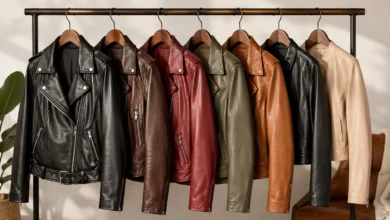

Every wardrobe eventually drifts out of sync with the life it’s meant to support. It doesn’t usually happen all at once — it happens gradually, through small mismatches that build up over months or years until getting dressed starts to feel harder than it should. The tricky part is that these signs are often subtle enough to go unnoticed, even while they’re quietly affecting your mornings, your confidence, and your spending.
This guide walks through the clearest signs that your wardrobe needs a refresh, why each one happens, and exactly how to fix it — without necessarily requiring a full closet overhaul or a large new shopping budget.
Think of this less as a diagnosis and more as a checklist. Most people won’t recognize every sign below, and that’s expected — wardrobes tend to drift in specific, individual ways depending on lifestyle, budget, and personal habits. The goal is to identify which patterns genuinely apply to your closet right now, and to address those directly, rather than assuming a full replacement is the only solution.
Why Wardrobes Drift Out of Sync Over Time
A wardrobe isn’t a static, one-time project — it’s a living collection that’s supposed to evolve alongside your life. The problem is that most people build their closets reactively, one purchase at a time, without regularly stepping back to assess whether the whole collection still works together, or still fits the life they’re actually living.
Over time, several things shift independently of each other: your body changes, your job or daily routine changes, your taste evolves, and trends come and go. A wardrobe assembled gradually, without periodic review, often ends up as a patchwork of decisions made for different versions of your life — some pieces still relevant, others quietly out of step — rather than a cohesive collection built around who you are today.
Recognizing the specific signs of this drift is the first step toward fixing it, since a targeted refresh is almost always more efficient, and considerably less expensive, than a full wardrobe replacement.
It also helps to remember that a certain amount of drift is completely normal. A wardrobe doesn’t need to be in perfect alignment with your life at every moment — the goal isn’t perpetual perfection, but catching the drift before it becomes significant enough to affect your daily confidence, your spending habits, or how much time getting dressed takes out of your morning.
Sign 1: You Regularly Feel Like You Have “Nothing to Wear”
This is one of the most common — and most misunderstood — signs of a wardrobe needing a refresh. It rarely means an actual shortage of clothing. In most cases, it signals a mismatch between what’s in the closet and what the person actually needs or wants to wear right now.
Why it happens: Closets often accumulate pieces bought for past versions of a lifestyle, body, or taste, alongside newer additions that don’t necessarily coordinate with the older ones. The result is a closet that’s technically full but functionally limited, since only a fraction of it produces outfits that feel right for current needs.
How to fix it: Rather than shopping immediately, start with a full closet review. Try on pieces you haven’t worn recently and sort them into clear categories: still works, needs alteration, or no longer fits your life. This alone often reveals wearable outfits that had simply been overlooked, reducing the “nothing to wear” feeling without any new spending.
Sign 2: You Keep Reaching for the Same Few Outfits
Most people wear a relatively small percentage of their total wardrobe on a regular basis, but when that percentage becomes especially narrow — the same three or four outfits on repeat, despite a much larger closet — it’s usually a sign that the rest of the wardrobe isn’t genuinely functional.
Why it happens: This pattern often points to a coordination problem. If most pieces in the closet don’t pair well with each other, only a small number of “safe” combinations end up in regular rotation, while the rest sits unused regardless of how much closet space it occupies.
How to fix it: Identify what your go-to outfits have in common — color, fit, fabric, formality — and use that pattern to guide a more coordinated approach going forward, similar to the color-palette method used in building a capsule wardrobe. Expanding the wardrobe around those proven combinations, rather than adding disconnected new pieces, tends to widen your rotation far more effectively.
A useful exercise here is to physically lay out your most-worn outfits side by side and study what unites them — not just color, but also fit style, fabric weight, and overall formality level. This pattern becomes a practical filter for future purchases: does a potential new piece genuinely extend this proven combination, or does it sit outside it entirely.
Also Read: How to Build a Weekly Capsule Wardrobe for Effortless Outfits
Sign 3: Your Clothes No Longer Fit Your Body or Your Life
Bodies change, and so do lifestyles — a shift in job, location, activity level, or daily routine can leave a wardrobe built for a previous version of life feeling increasingly mismatched.
Why it happens: Clothing purchased during one period of life doesn’t automatically stay relevant as circumstances shift. A wardrobe built for a formal office job doesn’t necessarily suit a remote or hybrid routine; clothing bought before a change in body shape or size may no longer offer the comfort or fit it once did.
How to fix it: Be honest during a wardrobe review about which pieces genuinely fit your current body and current routine, rather than holding onto items out of attachment or hope that circumstances will revert. Pieces that no longer fit well are worth tailoring, donating, or replacing — keeping them typically adds clutter without adding function.
Also Read: How to Build a Wardrobe That Matches Your Daily Routine
Sign 4: Your Closet Feels Visually Disjointed
A wardrobe that looks chaotic when you open the closet door — a mix of unrelated colors, styles, and formality levels with little visual cohesion — often signals that pieces were added over time without a unifying plan.
Why it happens: This typically results from purchases made independently of each other, often influenced by different trends or moods, without considering how each new piece would combine with the existing collection.
How to fix it: Rather than discarding everything, identify a small set of colors and styles that already feel most “you” among your current pieces, and use that as an informal palette going forward. New purchases — and even some existing pieces you choose to keep wearing — can then be evaluated against that palette, gradually pulling the wardrobe toward more visual cohesion over time.
Also Read: Trend vs. Timeless: Finding Your Personal Style Balance
Sign 5: You’re Shopping More but Wearing Less
An increase in shopping frequency that doesn’t correspond to an increase in how satisfied you feel getting dressed is a strong signal that new purchases aren’t actually solving the underlying issue.
Why it happens: This pattern often reflects reactive, trend-driven, or impulsive shopping — buying in response to a fleeting appeal or a passing trend rather than a genuine, considered gap in the wardrobe. New pieces bought this way frequently fail to combine well with existing items, perpetuating the same “nothing to wear” feeling the shopping was meant to solve.
How to fix it: Shift toward a more intentional shopping approach — using a specific gap list, a waiting period before purchases, and a clear sense of how a new piece will combine with what’s already owned. This tends to reduce both spending and clutter, while actually improving how functional the wardrobe feels.
It can also help to track purchases informally for a month or two — noting what’s bought and whether it actually gets worn within the following weeks. This simple habit often reveals patterns that aren’t obvious in the moment, like a tendency to buy similar items repeatedly, or a pattern of purchases driven by sales rather than genuine need.
Also Read: Sustainable Fashion Habits for a Budget-Friendly Wardrobe
Sign 6: Getting Dressed Takes Longer Than It Should
If choosing an outfit regularly eats into your morning far more than it feels like it should, that’s a practical, day-to-day sign that your wardrobe isn’t functioning efficiently.
Why it happens: A disorganized or poorly coordinated closet requires more searching, more trial-and-error combinations, and more second-guessing than one built around clear, versatile pairings. The mental effort of deciding what to wear compounds daily, even if each individual instance feels minor.
How to fix it: Building a small set of go-to outfit formulas — reliable combinations you know work — removes much of the daily decision-making. Organizing the closet itself, so similar items are grouped together and easy to see at a glance, also meaningfully reduces the time and effort involved.
Also Read: The Psychology of Dressing Well: How Clothes Affect Your Confidence
Sign 7: Your Wardrobe Doesn’t Reflect Who You Are Right Now
Sometimes the mismatch isn’t practical but personal — a wardrobe that no longer feels like an authentic reflection of your current taste, values, or sense of self, even if the individual pieces are still technically wearable.
Why it happens: Personal style evolves gradually, often without a clear turning point, which means it’s easy to keep wearing pieces out of habit long after they’ve stopped feeling genuinely “you.” This is especially common after a significant life change — a new job, a move, a shift in personal values — that alters taste more quickly than the closet has caught up with.
How to fix it: Pay attention to which pieces in your closet still feel exciting or “right” to wear, versus which ones feel neutral or obligatory. Gradually shifting spending and attention toward the categories and styles that align with your current sense of self — rather than replacing everything at once — allows the wardrobe to catch up naturally over time.
This is often the sign that responds best to a slower, more patient approach. Because it’s rooted in personal identity rather than a purely practical mismatch, forcing a rapid, wholesale change can sometimes feel just as unsatisfying as the outdated wardrobe it’s meant to replace. Letting new style preferences emerge gradually, through a handful of intentional purchases over several months, tends to produce a more genuinely satisfying result than an abrupt overhaul.
How to Refresh a Wardrobe Without Starting Over
A full wardrobe refresh doesn’t require discarding everything and starting from zero. A more sustainable and budget-friendly approach usually follows a similar sequence, regardless of which signs prompted the refresh:
Working through this sequence deliberately, rather than jumping straight to shopping, is what separates a genuinely effective refresh from another round of purchases that risk repeating the same mismatches that caused the drift in the first place.
- Do a complete closet review, trying on pieces rather than judging them on the hanger, and sorting into clear categories based on fit, function, and how the piece makes you feel.
- Identify your strongest existing combinations, noting the colors, fits, and styles that already work well, to use as a guide for future decisions rather than starting from a blank slate.
- Let go of pieces that no longer serve you, through donation, resale, or swapping, rather than keeping them out of guilt or attachment.
- Build a short, specific gap list, focused on the handful of pieces genuinely missing to complete more outfits from what remains.
- Shop intentionally against that list, prioritizing versatile pieces that coordinate with your identified strong combinations rather than standalone, trend-driven purchases.
- Revisit the wardrobe seasonally, treating the refresh as an ongoing practice rather than a one-time event, so the same drift doesn’t quietly build up again over the following year.
This process typically takes far less time and money than a complete wardrobe overhaul, while producing a noticeably more functional, cohesive, and personally satisfying closet by the end. Most importantly, it treats the refresh as a repeatable process rather than a one-time fix — the same sequence can be revisited whenever a new sign of drift appears, without needing to relearn the approach from scratch each time.
Frequently Asked Questions
How often should I refresh my wardrobe?
A light seasonal review, roughly every three to four months, is usually enough to catch drift early. A more thorough refresh, following the steps above, is typically worth doing once a year or after a significant life change.
Does a wardrobe refresh always require buying new clothes?
No. In many cases, a refresh mostly involves reorganizing, restyling, and removing pieces that no longer work, with only a small, targeted list of new purchases needed to fill genuine gaps.
What should I do with clothes I remove from my wardrobe?
Donating wearable pieces, selling higher-value items through resale platforms, or organizing a clothing swap with friends are all practical ways to let go of clothes responsibly rather than simply discarding them.
How do I know if I should alter a piece instead of getting rid of it?
If a piece is otherwise well-made and close to fitting well, simple tailoring — hemming, taking in a waistband, adjusting sleeve length — can often restore its usefulness at a much lower cost than replacing it entirely.
Is it normal for personal style to change over time?
Yes, and it’s one of the most common reasons a wardrobe eventually needs a refresh. Evolving taste, changing routines, and shifting life circumstances all naturally affect what feels right to wear, and a wardrobe built years ago may simply no longer match who you are now.
What’s the fastest way to notice these signs before they become a bigger problem?
A quick weekly or monthly check-in — noticing which outfits you’re reaching for, and which ones you’re avoiding — can catch early signs of drift long before the closet feels like it needs a major overhaul.
A wardrobe that no longer serves you isn’t a failure — it’s simply a natural sign that your life has moved forward while your closet hasn’t quite caught up. Recognizing the signs early, and refreshing deliberately rather than reactively, keeps your wardrobe working for you instead of against you, without requiring a costly or overwhelming overhaul. Treated as an ongoing habit rather than a one-time fix, a well-maintained wardrobe becomes one less thing to think about on even the busiest mornings.
Also Read: Fashion Lifestyle: How Your Style Choices Shape Your Everyday Life