
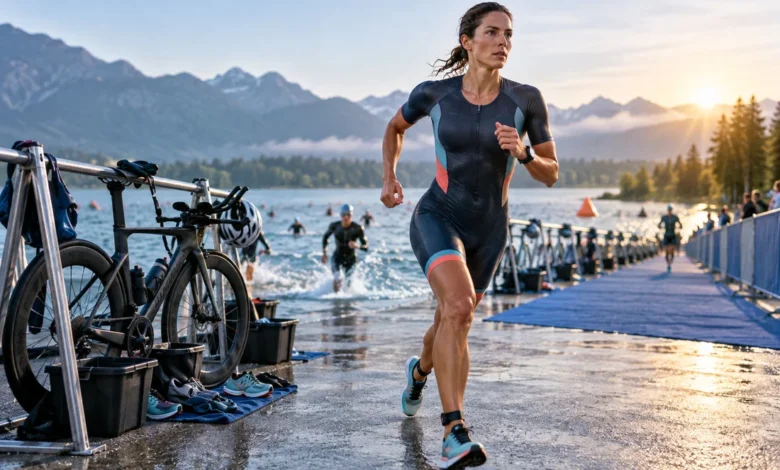
There’s a very specific kind of stress that comes with race-day transitions — the clock running, wetsuit half off, and somewhere in the chaos you’re supposed to be changing clothes for the bike leg. The women’s tri suit exists entirely to eliminate that stress, letting you swim, bike, and run in the exact same piece of kit from the starting horn to the finish line, no awkward mid-race outfit changes required.
This guide breaks down exactly what a tri suit is, the genuinely interesting history behind how the category came to exist, and 11 women’s tri suits that feel built for victory. Along the way, we’ll cover how to choose the right suit for your race distance, fit and sizing guidance, and the practical questions every triathlete — new or experienced — eventually needs answered before race day.
What Is a Tri Suit?
A tri suit is a piece of athletic clothing specifically engineered to be worn continuously through all three phases of a triathlon — swimming, cycling, and running — without needing to change at any point during the race. Built from quick-drying, moisture-wicking fabric with strategic padding at the rear for the bike leg, a tri suit eliminates the time lost to full outfit changes during transitions, which matters considerably in a sport where seconds genuinely count.
What Is the Difference Between One-Piece and Two-Piece Tri Suits?
A one-piece tri suit combines the top and bottom into a single continuous garment, typically secured with a zipper down the front or back. This design offers a streamlined, secure fit with no gap or bunching at the waist, which some athletes find more comfortable and aerodynamic. A two-piece tri suit, by contrast, separates the top and bottom into distinct pieces, allowing athletes to mix and match sizes for a more tailored, individualized fit — particularly useful for anyone whose torso and hip proportions don’t match a standard one-piece sizing chart.
Two-piece suits have become the more popular choice among recreational and competitive triathletes alike in recent years, largely because the separated design solves a fit problem that plagued early one-piece designs: a single garment simply couldn’t accommodate the full range of body shapes and proportions as well as two independently sized pieces could.
What Makes a Tri Suit Different From Regular Activewear?
Tri suits are engineered around a genuinely unusual set of demands that regular activewear isn’t built to handle. The fabric needs to perform well both wet and dry, drying quickly enough after the swim leg that it doesn’t cause chafing or discomfort through the bike and run. The padding needs to be substantial enough to cushion a long bike ride, yet thin and minimal enough not to interfere with running comfortably afterward — a genuine engineering compromise that regular cycling shorts or running shorts never need to solve. Tri suits are also typically cut with a closer, more aerodynamic fit than general athletic wear, since minimizing drag matters throughout all three disciplines, not just one.
What Is a Chamois Pad in a Tri Suit?
The chamois is the padded panel built into the rear of a tri suit, designed to cushion contact with the bike saddle during the cycling leg. Unlike the thicker, more substantial padding found in dedicated cycling shorts, a tri suit’s chamois is intentionally slimmer and faster-drying, since that same padding needs to remain comfortable through the swim and, critically, not interfere with running form once the bike leg ends. This balance between adequate cushioning and minimal bulk is one of the more technically demanding aspects of tri suit design.
A Brief History of the Triathlon Suit
Triathlon itself is a relatively young sport, with the first modern triathlon held in 1974 at Mission Bay, California, drawing just 46 participants. In these earliest years, there was no dedicated tri-specific clothing at all — athletes typically raced in a simple swimsuit with shorts thrown on over top for the bike and run legs, changing pieces as needed between transitions. Early competitive photos from this era show racers essentially adapting whatever functional athletic wear was available, since the specific demands of a multi-discipline race hadn’t yet produced purpose-built clothing to address them.
As the sport grew through the late 1970s and 1980s, a very practical problem drove innovation: transitions were costing athletes real time, and in a sport increasingly defined by close margins, those seconds mattered. Manufacturers responded by developing the one-piece tri suit — a single garment flexible enough to be worn through all three disciplines without a change, eliminating the time penalty entirely. This need for speed in transitions, more than comfort or modesty, is widely credited as the true driving force behind the tri suit’s invention.
Evolution of Tri Suit Technology
Alongside the suit itself, triathlon wetsuit technology developed on a parallel track that significantly shaped the broader sport. In 1987, Quintana Roo founder Dan Empfield developed the first triathlon-specific wetsuit, originally testing the hypothesis that staying warmer in open water would let muscles perform more efficiently. What he found was that the added buoyancy from the wetsuit made swimmers measurably faster regardless of water temperature, a discovery that transformed wetsuits from a cold-weather accessory into a near-universal race-day tool. Within a few years, dedicated triathlon wetsuit brands like Quintana Roo, De Soto, Orca, and Blue70 had entered the market, refining hydrodynamics, flexibility, and quick-removal features considerably beyond the repurposed surf wetsuits triathletes had relied on previously.
Tri suit fabric and construction have continued advancing alongside this wetsuit innovation. Early one-piece suits gave way to the now-dominant two-piece design for better individualized fit, while fabric technology has progressed from simple moisture-wicking blends to today’s more advanced materials, including aerodynamic textured fabrics inspired by golf ball dimpling and UV-protective, quick-drying textiles designed specifically for the demands of racing across all three disciplines back to back.
How Tri Suits Improve Race Performance
Tri suits improve performance through a few concrete mechanisms rather than marketing claims alone. Eliminating full outfit changes at each transition directly saves race time, often amounting to minutes over the course of a full race when compared to changing clothes at each stage. Aerodynamic, close-fitting fabric reduces drag on the bike leg specifically, while moisture-wicking and quick-drying properties help regulate body temperature and reduce the discomfort and chafing risk that come from racing for hours in wet or sweat-soaked clothing.
Difference Between Tri Suits and Swimsuits
While a tri suit and a swimsuit might look superficially similar, particularly with sleeveless designs, the two serve genuinely different functions. A swimsuit is optimized purely for swimming performance and comfort in water, without any consideration for cycling or running. A tri suit, by contrast, is engineered as a genuine compromise across three different activities, incorporating a chamois pad for cycling, fabric that performs well both wet and dry, and a cut that remains comfortable through running — none of which a standard swimsuit is designed to accommodate.
Why Tri Suits Are Designed for Triathlons Specifically
The multi-discipline nature of triathlon is exactly why generic athletic wear can’t fully substitute for purpose-built tri suits. Swimming, cycling, and running each place genuinely different demands on clothing — hydrodynamics, saddle comfort, and running-friendly minimal chafing, respectively — and a tri suit’s entire design exists to balance all three simultaneously in a single garment worn for the race’s full duration.
Benefits of Wearing a Tri Suit for Racing
Time savings at transitions. Not needing to change clothes between each discipline directly reduces overall race time, which matters at every competitive level from recreational to elite.
Consistent comfort across disciplines. A well-fitted tri suit is engineered to remain comfortable wet or dry, minimizing the chafing and discomfort that generic clothing not designed for this transition would cause.
Aerodynamic advantage. The close, streamlined fit reduces drag specifically during the bike leg, where aerodynamics have a measurable effect on speed and effort required.
Simplified race-day logistics. Wearing one garment throughout the entire race simplifies transition planning and reduces the number of decisions and physical actions required during already time-pressured transition zones.
Why Padding Matters in a Tri Suit
The chamois pad directly affects comfort during the bike leg, which for many triathlon distances represents the longest single segment of the race. Inadequate or poorly positioned padding can lead to genuine discomfort or chafing that persists through the run leg as well, undermining performance well beyond the cycling portion alone. At the same time, padding that’s too thick or slow-drying can interfere with swim performance and running comfort, which is why chamois design in tri suits specifically balances cushioning against minimal bulk far more carefully than in dedicated cycling gear.
Why Fit Is Crucial for Tri Suit Performance
A poorly fitted tri suit can undermine nearly every benefit the garment is designed to provide. Excess fabric creates drag during both swimming and cycling, while a suit that’s too tight can restrict the range of motion needed for an efficient running stride after hours of racing. Proper fit also affects how well the chamois stays correctly positioned throughout a race, since padding that shifts out of place loses much of its comfort benefit exactly when it’s needed most.
11 Women’s Tri Suits That Feel Built for Victory
1. Classic One-Piece Tri Suit
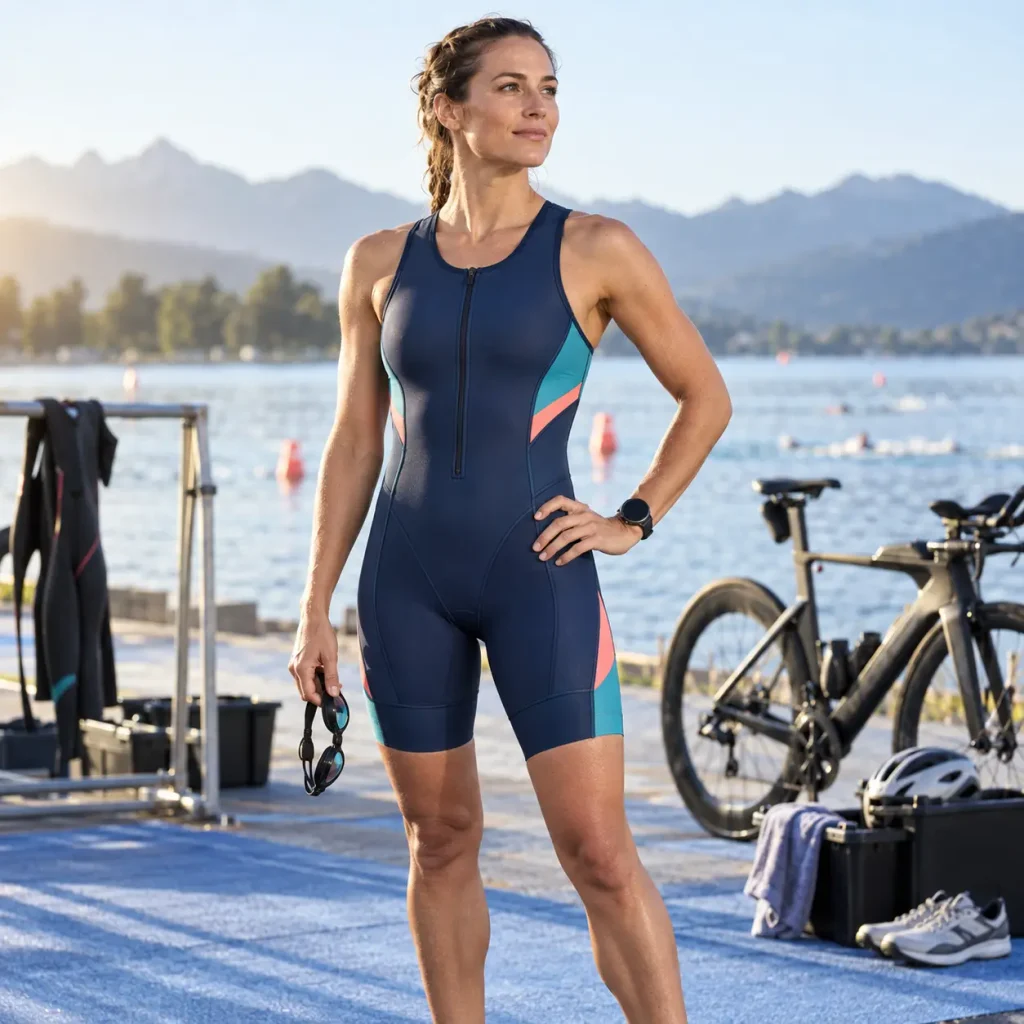
A one-piece tri suit offers a streamlined, secure fit with no gap or bunching at the waistline, making it a strong choice for athletes who prioritize a consistently aerodynamic silhouette across all three disciplines. The single-garment design also eliminates any risk of the top and bottom shifting independently during a long race.
2. Two-Piece Tri Suit
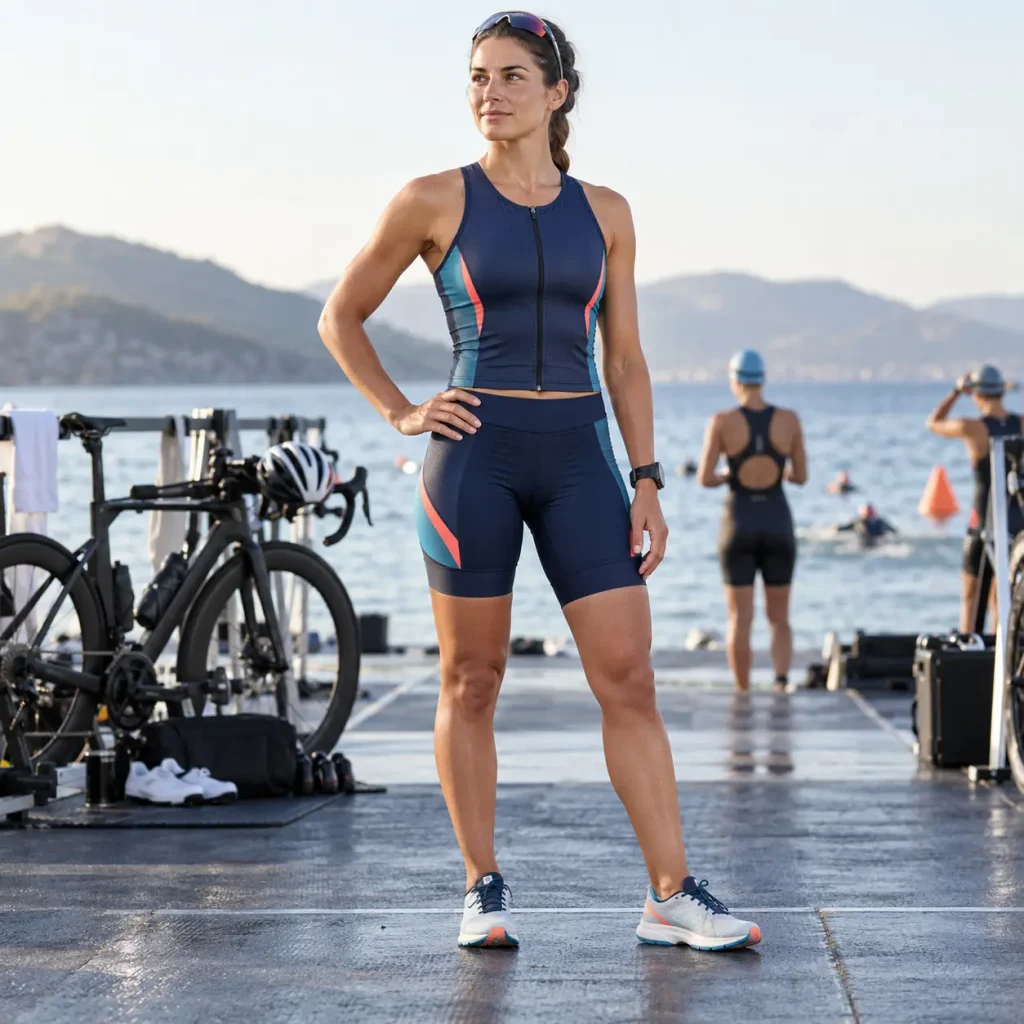
A two-piece tri suit separates the top and bottom, allowing for a more individually tailored fit through the torso and hips. This design has become the more popular choice among recreational and competitive triathletes alike, since it accommodates a wider range of body proportions than a single-garment design typically can.
3. Sleeveless Tri Suit
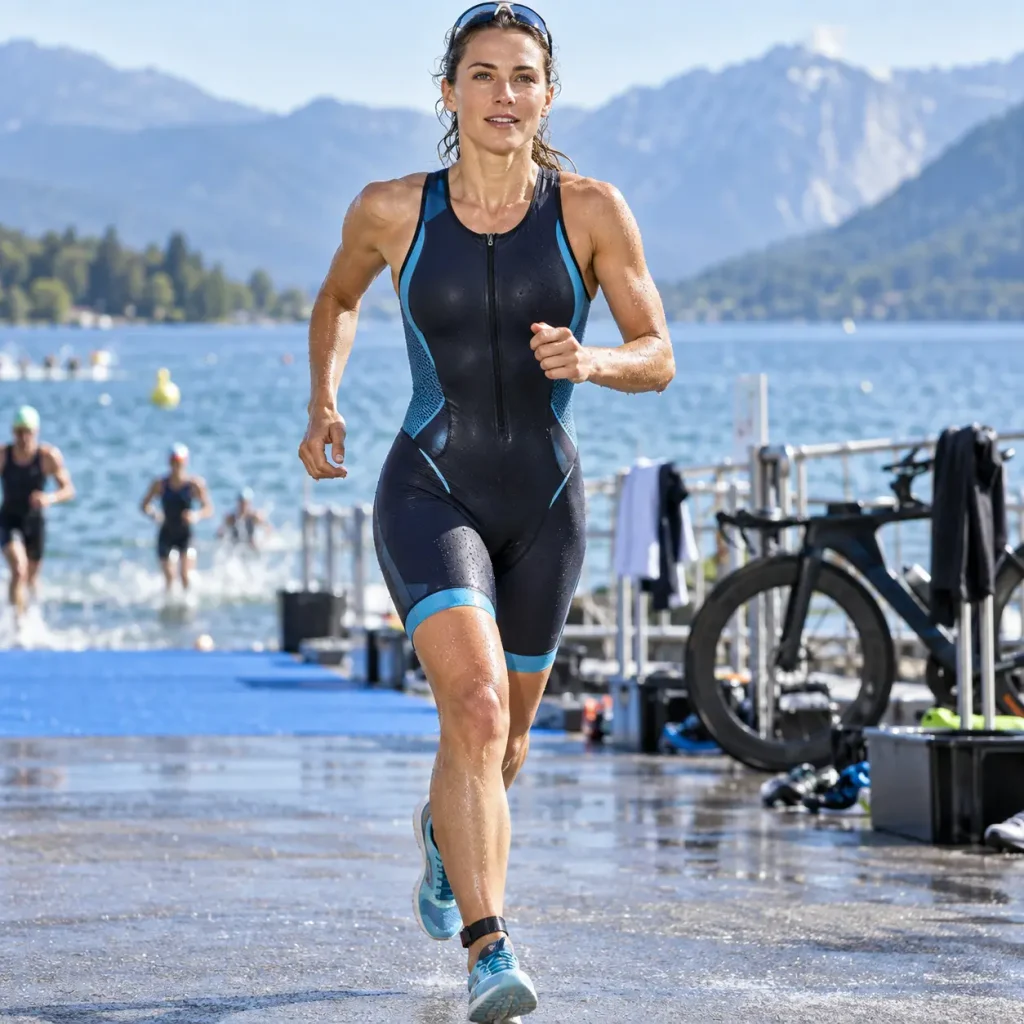
A sleeveless tri suit prioritizes maximum breathability and unrestricted arm movement, particularly valuable during the swim leg where shoulder mobility directly affects stroke efficiency. This style also tends to run cooler during the run leg, making it a popular choice for warmer race-day conditions.
4. Short-Sleeve Aero Tri Suit
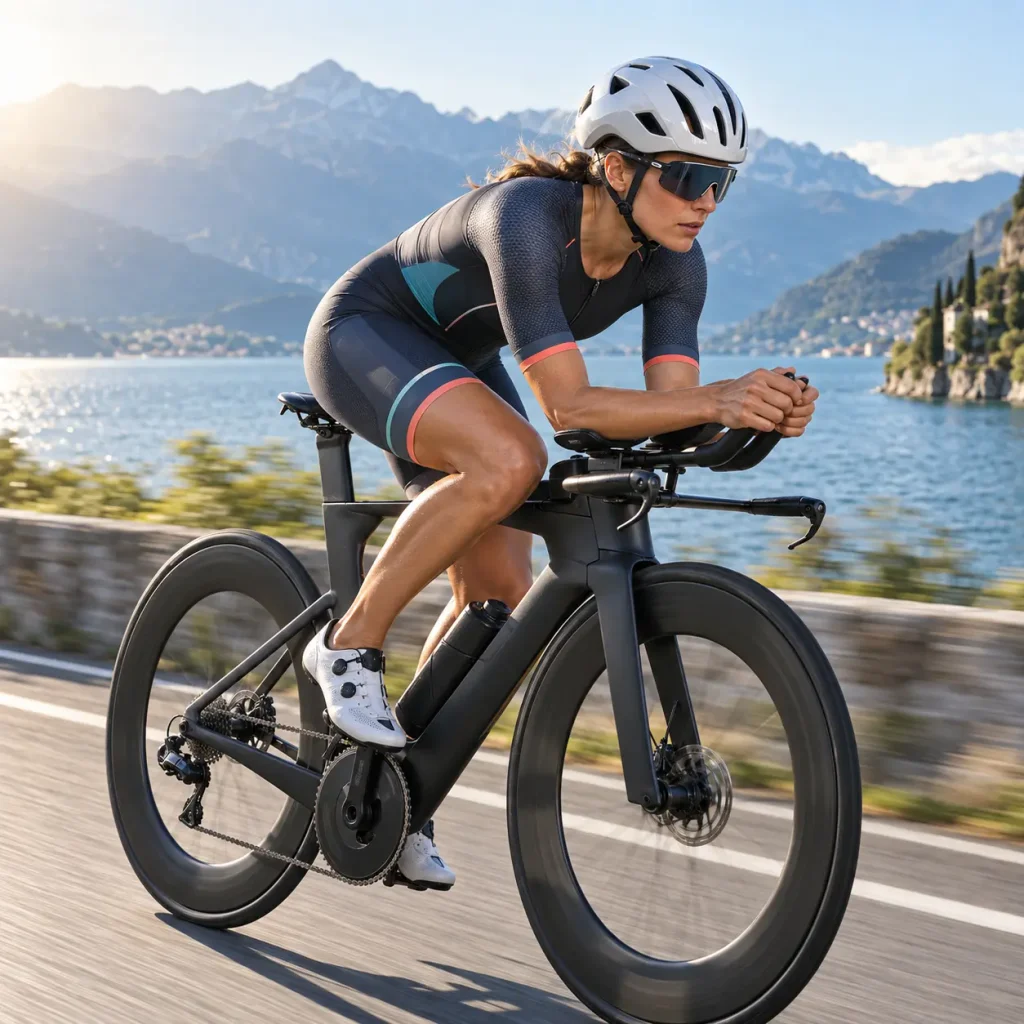
A short-sleeve tri suit offers additional sun protection compared to a sleeveless design, along with a slightly more aerodynamic profile on the bike leg, where sleeve fabric can be engineered to reduce drag. This style has become increasingly popular for longer races where sun exposure becomes a more significant factor over several hours of racing.
5. Long-Distance Tri Suit for Ironman Racing
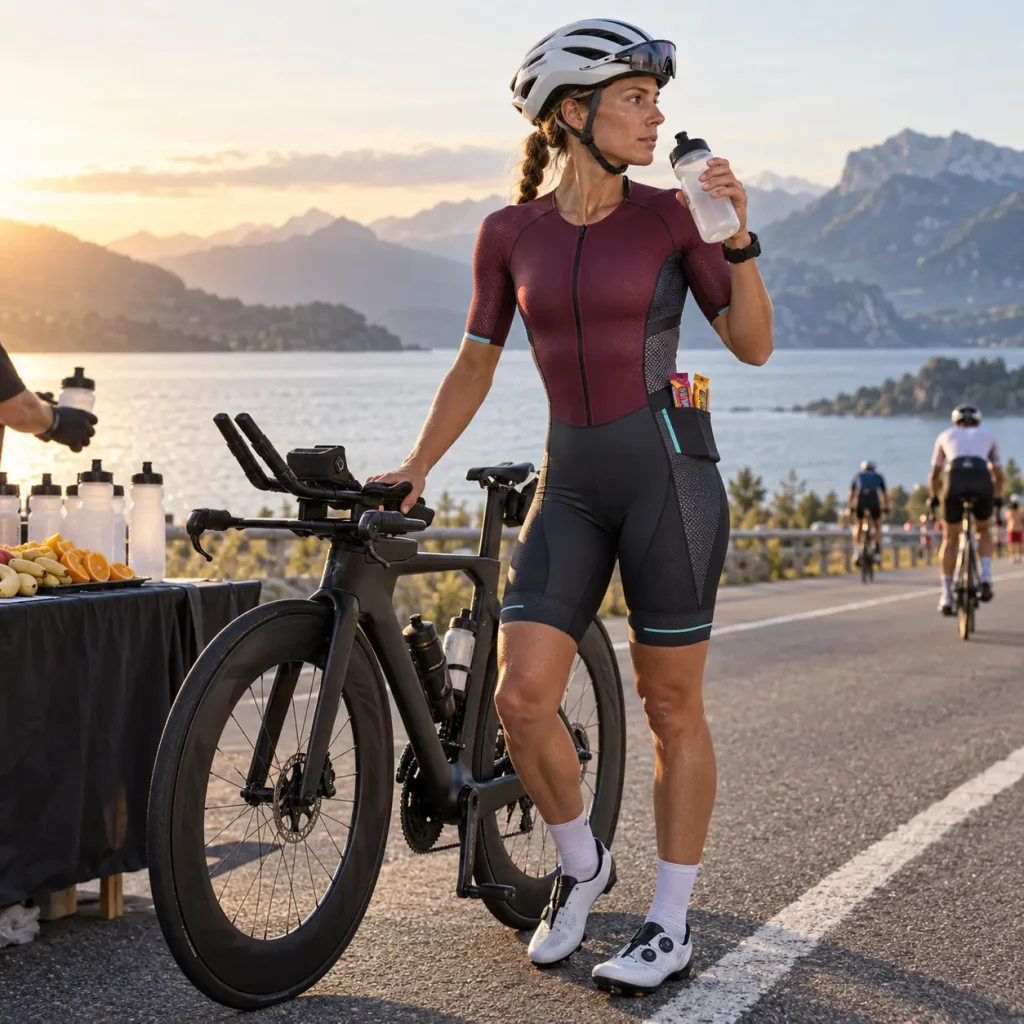
Built specifically with extended comfort in mind, a long-distance or Ironman-distance tri suit typically features a more generous, softer chamois and additional storage pockets for nutrition, given how much longer these races extend compared to sprint or Olympic distances. Comfort over many hours takes priority over pure aerodynamics in this category.
6. Sprint Tri Suit
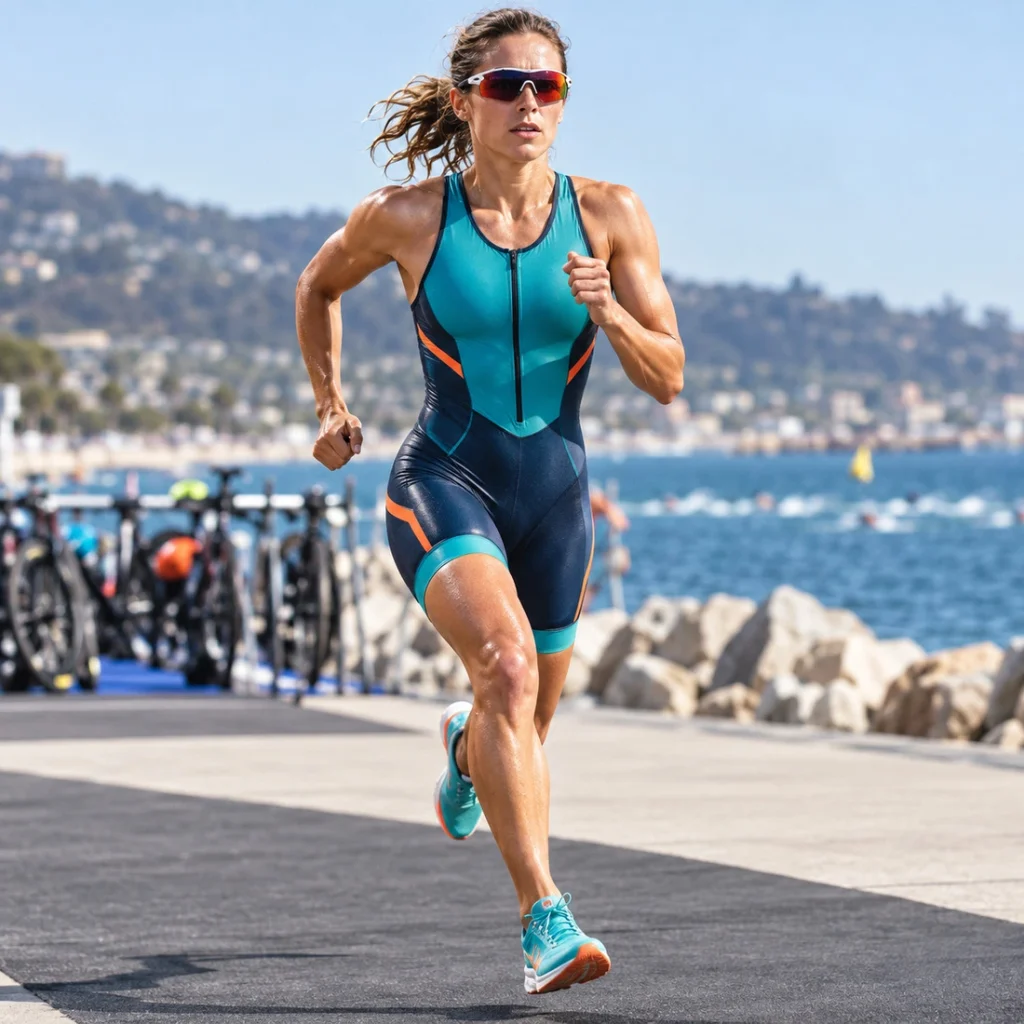
Optimized for shorter, faster-paced races, a sprint tri suit typically favors a slimmer, more minimal chamois and maximum aerodynamic efficiency, since comfort over an extended period matters less than pure speed across a shorter overall race distance.
7. Compression Tri Suit
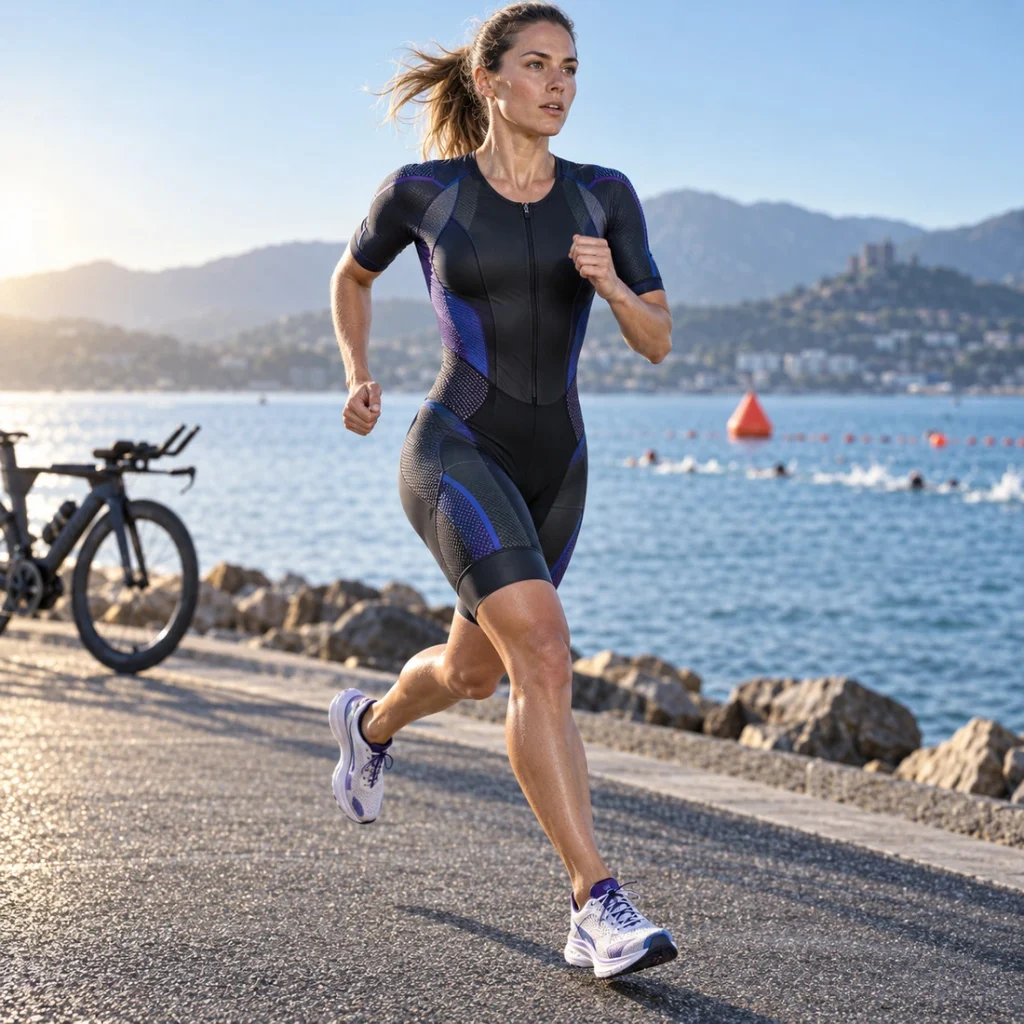
A compression tri suit incorporates graduated compression panels designed to support muscle engagement and potentially reduce fatigue over the course of a race. This style has gained popularity among athletes looking for a performance edge beyond aerodynamics and padding alone.
8. Tri Suit with Pockets
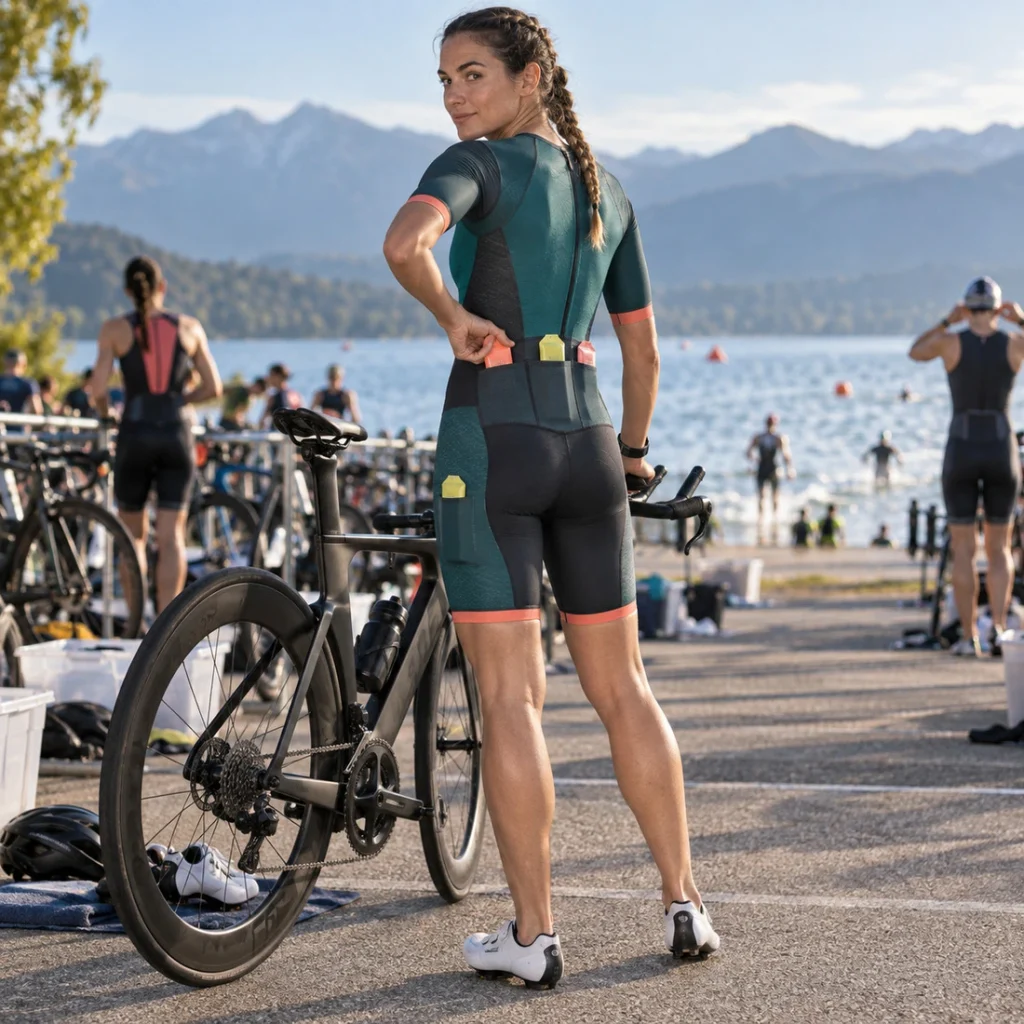
Storage matters considerably for longer races, and a tri suit with well-placed pockets — typically at the rear or sides — allows athletes to carry nutrition, gels, or small essentials without needing a separate belt or pouch. This feature has become particularly valued for long-course and Ironman-distance racing specifically.
Also Read: 5 Women’s Cycling Clothing Picks That Feel Unstoppable
9. UV-Protection Tri Suit
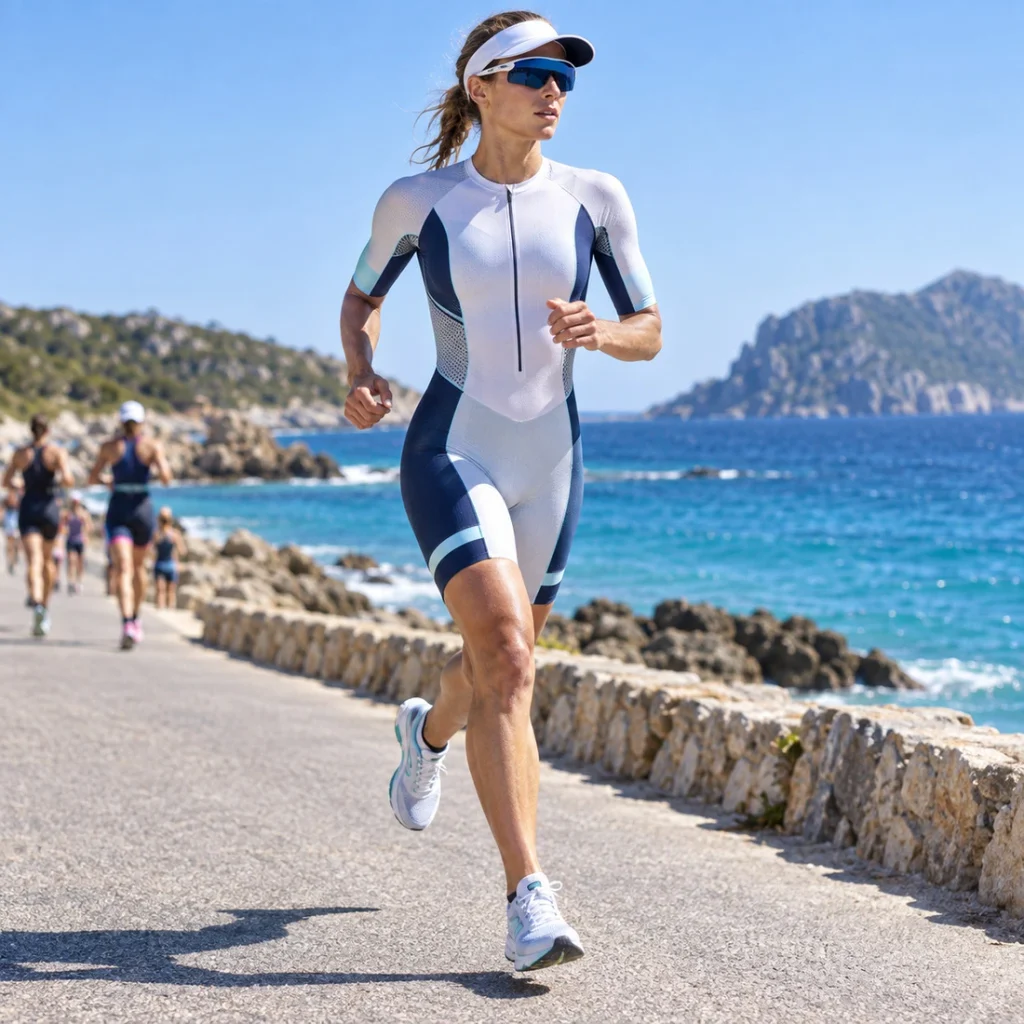
Built with UV-resistant fabric, this style addresses the genuine sun exposure risk that comes with racing outdoors for potentially several hours. This feature has become increasingly common across tri suit designs generally, reflecting growing awareness of sun protection needs for endurance athletes.
10. Plus Size Tri Suit
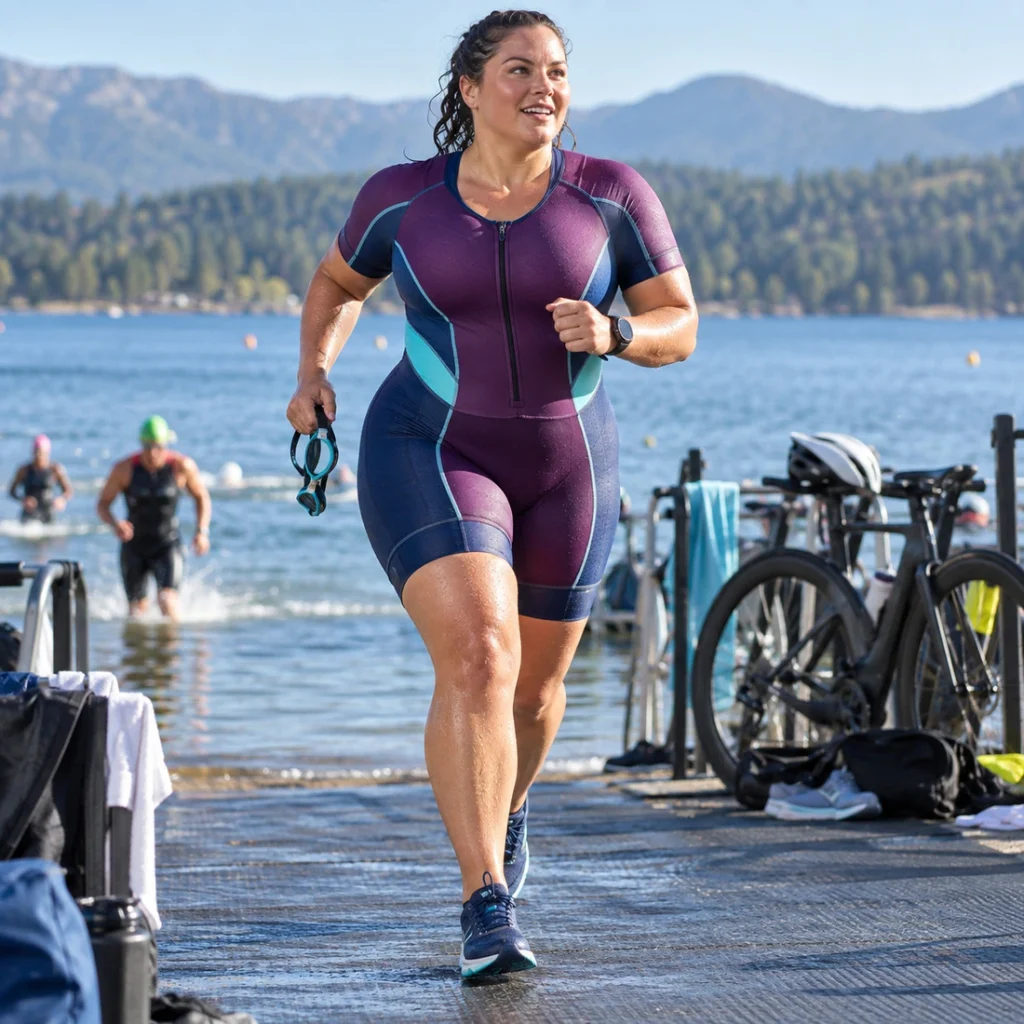
Properly engineered plus size tri suits ensure the same chamois quality, aerodynamic fabric, and supportive fit are available across a full range of body sizes, rather than simply scaling up a design built around a narrower body type. This category has expanded considerably as more brands recognize the importance of genuine fit testing across diverse body shapes.
11. Open-Water Swim-Focused Tri Suit
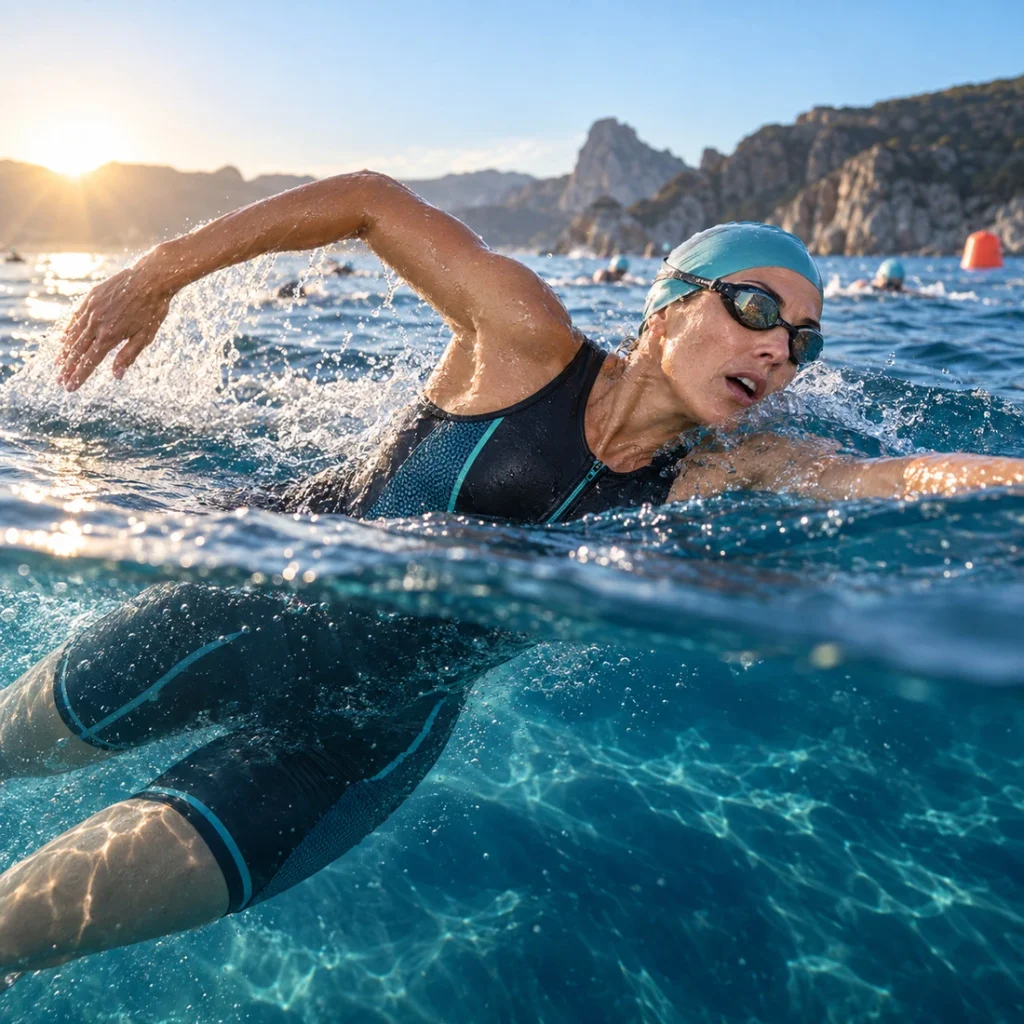
Designed with particular attention to swim performance, this style typically features hydrodynamic fabric panels and a cut optimized for stroke efficiency, making it a strong choice for athletes who prioritize the swim leg or race frequently in open-water conditions requiring extended swim segments.
Tri Suits by Race Type
Women’s tri suit for sprint triathlon benefits most from a minimal, lightweight design prioritizing aerodynamics over extended comfort, given the shorter overall race duration.
Women’s tri suit for Olympic distance racing generally splits the difference between sprint and long-course designs, balancing reasonable comfort with continued aerodynamic performance.
Women’s tri suit for Ironman and other long-course racing prioritizes comfort and storage above pure aerodynamics, since athletes will be wearing the suit for many hours rather than a shorter, faster race.
Women’s tri suit for open water swimming benefits from hydrodynamic fabric and a swim-optimized cut, particularly for races with especially long or challenging swim segments.
Tri Suits by Body Type
Women’s tri suits for petite bodies benefit from brands offering true petite-specific sizing rather than simply the smallest standard size, since torso length and proportions can differ meaningfully from a scaled-down standard fit. Women’s tri suits for curvy bodies perform best when chosen from brands that have invested in genuine fit testing across a range of body shapes rather than a single standard silhouette, particularly around the hip and bust areas. Plus size women’s tri suits should offer the same quality chamois and aerodynamic fabric as standard sizing, simply engineered to fit comfortably and supportively across a broader size range.
How to Choose the Right Tri Suit Size
Because tri suits fit considerably closer to the body than typical activewear, it’s worth consulting a specific brand’s size chart directly rather than assuming your usual athletic wear size will translate accurately. Paying particular attention to torso length for one-piece suits, and chamois positioning for both styles, helps avoid common fit issues that only become apparent once you’re actually racing.
How to Pick a Tri Suit for Your Race Distance
Race distance should directly inform which features matter most in a tri suit. For shorter sprint distances, prioritizing a minimal, aerodynamic design makes sense, since extended comfort matters less over a shorter race. For longer distances like half or full Ironman racing, prioritizing a more generous chamois, additional storage pockets, and proven all-day comfort becomes considerably more important than marginal aerodynamic gains.
How to Care for a Tri Suit
Proper care extends the life of a tri suit’s fabric, elastic, and chamois padding considerably. Rinsing the suit promptly after each use — particularly after open-water swims involving chlorine or salt water — helps prevent fabric degradation over time. Washing in cold water on a gentle cycle, and air drying rather than using high heat, helps preserve both the compression fit and the chamois foam’s structural integrity far longer than harsher washing methods.
How to Layer Under a Tri Suit for Cold Water Swims
For cold-water races, many triathletes wear their tri suit underneath a triathlon wetsuit, allowing for a quick wetsuit removal at the first transition without needing to change the base layer underneath. Some athletes also add a thin, moisture-wicking base layer beneath the tri suit itself for particularly cold conditions, though this should be tested during training rather than attempted for the first time on race day, since additional layers can affect both comfort and the suit’s intended fit.
Best Women’s Tri Suit Brands
Several brands have built strong reputations specifically in triathlon-specific apparel. Quintana Roo, founded by wetsuit innovator Dan Empfield, remains a foundational name in the sport’s equipment history. Zoot and Sugoi are both well established for their moisture-wicking, race-tested tri suit fabric technology. Newer entrants like RYZON have gained attention for incorporating advanced materials and construction techniques aimed at maximizing both comfort and aerodynamic performance across long race durations.
Frequently Asked Questions
Can you swim, bike, and run in the same tri suit?
Yes, that’s precisely what a tri suit is designed for. Built from quick-drying, moisture-wicking fabric with a chamois suited to all three disciplines, a tri suit is meant to be worn continuously from the swim start through the finish line without changing.
How tight should a tri suit fit?
A tri suit should fit snugly and closely to the body, similar to compression wear, without restricting circulation or the range of motion needed for swimming, cycling, and running. It should feel supportive rather than constricting, and the chamois should stay securely in position without shifting.
Are tri suits comfortable for long races?
Yes, particularly tri suits specifically designed for long-course or Ironman-distance racing, which typically feature a more generous chamois and additional storage compared to suits built for shorter, faster races.
What tri suit is best for beginners?
A versatile two-piece tri suit with a moderate chamois and comfortable, breathable fabric generally works well for beginners, since it offers flexibility across different race distances without the extreme specialization of a sprint-specific or ultra-long-course design.
How long do tri suits last?
With proper care — prompt rinsing after each use, gentle washing, and air drying — a quality tri suit can typically last several seasons of regular training and racing before the fabric’s compression or the chamois padding begins to noticeably degrade.
Final Thoughts
The women’s tri suit exists because of a very simple, very old problem in triathlon: changing clothes mid-race wastes time, and time is exactly what competitive racing doesn’t allow for. From a classic one-piece design to a long-course suit built for Ironman-distance comfort, the eleven picks covered here each solve that same core problem in a slightly different way, tailored to different race distances, body types, and personal priorities. Whether you’re racing your first sprint triathlon or training for a full Ironman, the right tri suit isn’t just gear — it’s one less thing standing between you and your best possible race.
Also Read: 2000s Fashion Aesthetic: 14 Nostalgically Bold Looks