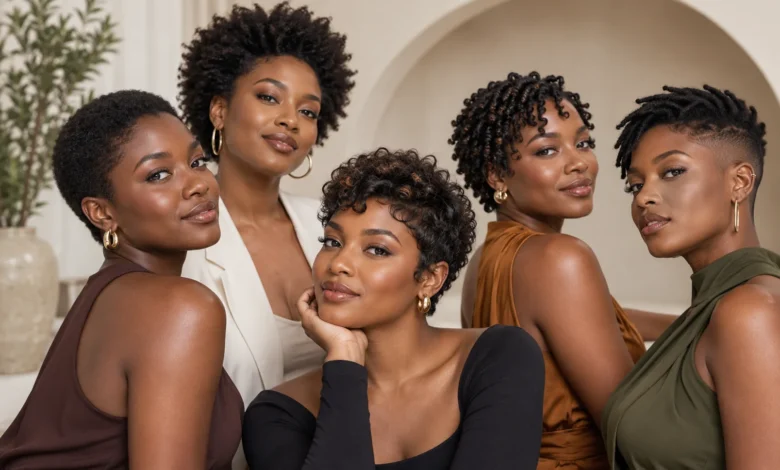
There’s a particular kind of freedom that comes with short hair — less time spent styling, less product needed, and a silhouette that puts your face, your features, and your presence front and center. For Black women specifically, short hairstyles carry an added layer of meaning, tied to a decades-long movement of reclaiming natural texture as something to be celebrated rather than altered.
This guide covers what actually defines natural short hairstyles, the genuinely powerful history behind the movement that made them mainstream, and 13 short hairstyles for Black women that radiate confidence. Along the way, we’ll cover styling and maintenance for different hair textures, how to choose a cut for your face shape, and practical guidance for anyone considering the big chop for the first time.
What Defines Natural Short Hairstyles?
Natural short hairstyles refer to cuts and styles worn on hair in its unaltered, unprocessed texture — meaning no relaxers or chemical straighteners have changed the hair’s natural curl, coil, or kink pattern. This distinguishes them from short relaxed styles, which start from chemically straightened hair before being cut. Natural short hairstyles span an enormous range, from a closely cropped TWA to a shaped short afro to short locs, all unified by working with the hair’s texture rather than against it.
What Is a TWA?
TWA stands for “teeny weeny afro,” referring to the short, close-cropped natural hairstyle most women have in the earliest stage after cutting away chemically processed or damaged hair. Generally measuring somewhere between half an inch and two inches in length, a TWA showcases the hair’s natural curl or coil pattern at its most compact, and it’s typically the very first style worn immediately following the big chop.
What Is the Big Chop?
The big chop refers to cutting away all chemically straightened, relaxed, or heat-damaged hair in a single haircut, allowing the hair to grow back entirely in its natural texture from that point forward. Unlike gradually transitioning out of relaxed hair through a series of smaller trims over many months, the big chop is a single, often deeply symbolic decision that immediately leaves someone with a short TWA and a completely fresh start with their natural hair.
What Short Hairstyle Suits Black Hair Textures?
Because Black hair spans such a wide range of natural textures — from loose curls to tight coils, often categorized using the 3A through 4C texture typing system — the best short hairstyle genuinely depends on individual curl pattern, hair density, and face shape. Tighter coil patterns, like 4C hair, tend to shrink significantly when short, which is worth factoring into styling expectations, while looser curl patterns generally show more visible length and movement even at a shorter cut. Rather than a single universal answer, the right short hairstyle comes down to matching a cut’s shape and maintenance requirements to your specific hair’s natural behavior.
A Brief History of Short Hairstyles in Black Culture
The history of Black hairstyling carries weight well beyond simple fashion trends. During the era of slavery in the United States, the forced removal and alteration of natural hairstyles was used as a deliberate tool of dehumanization, part of a broader, painful history of stripping enslaved people of cultural identity. Understanding this history matters because it’s part of why the choice to wear natural, unaltered hair carries such significant cultural and political weight even today.
The modern natural hair movement traces most directly back to the Civil Rights era of the early 1960s, when the Afro became closely associated with the “Black is Beautiful” movement, which sought to redefine mainstream beauty standards and celebrate African heritage directly. Activists including Angela Davis wore their hair in natural afros as a visible, deliberate political statement during the Black Power movement, while public figures like Diana Ross and the Jackson 5 helped bring natural hairstyles into mainstream popular culture throughout the same period.
Evolution of the Natural Hair Movement
Following its roots in 1960s and 1970s political activism, the natural hair movement experienced a major resurgence beginning in the 2000s and accelerating significantly through the 2010s, driven in large part by online communities. Early natural hair YouTube creators helped build an entirely new generation of resources for styling and caring for natural texture, at a time when this kind of detailed, texture-specific guidance was difficult to find through mainstream media. This online movement directly fueled what’s often referred to as the “big chop boom,” as growing numbers of women, supported by this new community and body of knowledge, chose to cut away chemically processed hair and start fresh with their natural texture.
Iconic Short Hairstyles in Black Hair History
Several public figures have played a significant role in normalizing and celebrating short natural hairstyles specifically. Whoopi Goldberg’s iconic locs in the 1980s helped shift broader cultural perceptions of locs at a time the style faced considerable stigma. More recently, actress and writer Issa Rae has become closely associated with her TWA, maintaining and styling the cut with confidence throughout her rise to mainstream visibility. These kinds of visible, sustained examples matter considerably, since seeing short natural hair worn confidently and consistently by recognizable public figures has helped shift broader beauty standards over time.
How the Big Chop Trend Started
While individual women have chosen to cut away relaxed or damaged hair for generations, the big chop as a widely recognized, named trend grew directly out of the broader resurgence of the natural hair movement in the 2000s and 2010s. As online communities provided both practical styling guidance and emotional support for the transition, more women felt equipped to make the decision, transforming what had once been a more isolated, individual choice into a shared, well-documented cultural moment with its own vocabulary and community.
Why Short Hairstyles Are Popular Among Black Women
Short hairstyles offer a combination of practical and cultural appeal that continues to drive their popularity. Practically, shorter styles generally require less daily styling time and reduce the cumulative heat and chemical damage that comes with frequently altering longer hair. Culturally, wearing short natural hair continues to carry the same spirit of self-acceptance and pride that fueled the original natural hair movement, making the choice feel meaningful well beyond simple convenience.
Benefits of Short Natural Hairstyles
Reduced styling time. Shorter styles generally take considerably less time to wash, detangle, and style compared to longer natural hair, which can be a significant daily time saver.
Healthier hair overall. Cutting away damaged or over-processed ends, particularly through the big chop, immediately improves the overall health and texture of the hair that remains.
Lower product and maintenance costs. Less hair generally means less product needed for washing, conditioning, and styling, which can meaningfully reduce the ongoing cost of hair care.
A genuine style statement. Short natural hair offers a distinctly bold, confident aesthetic that puts facial features front and center in a way longer styles don’t always allow.
Why Protective Styling Matters for Short Hair
Even at a shorter length, natural hair benefits from protective styling approaches that minimize manipulation and reduce breakage. Styles like twists, finger coils, and certain short braided looks help protect the hair’s ends — often the oldest and most fragile part of the strand — from repeated friction and manipulation that can lead to breakage over time. This matters just as much for short hair as for longer natural hair, since healthy growth depends on minimizing unnecessary damage regardless of length.
Why Short Hair Boosts Confidence
For many Black women, choosing to wear short natural hair represents a genuine act of self-acceptance, particularly given the specific cultural history of natural texture being dismissed or discouraged by mainstream beauty standards for so long. Confidently wearing a short, natural style — visible, unhidden, and unaltered — often becomes a meaningful personal statement well beyond the practical benefits of the cut itself, which is part of why so many women describe the experience of the big chop and the styles that follow as genuinely transformative.
13 Short Hairstyles for Black Women That Radiate Confidence
1. The Classic TWA
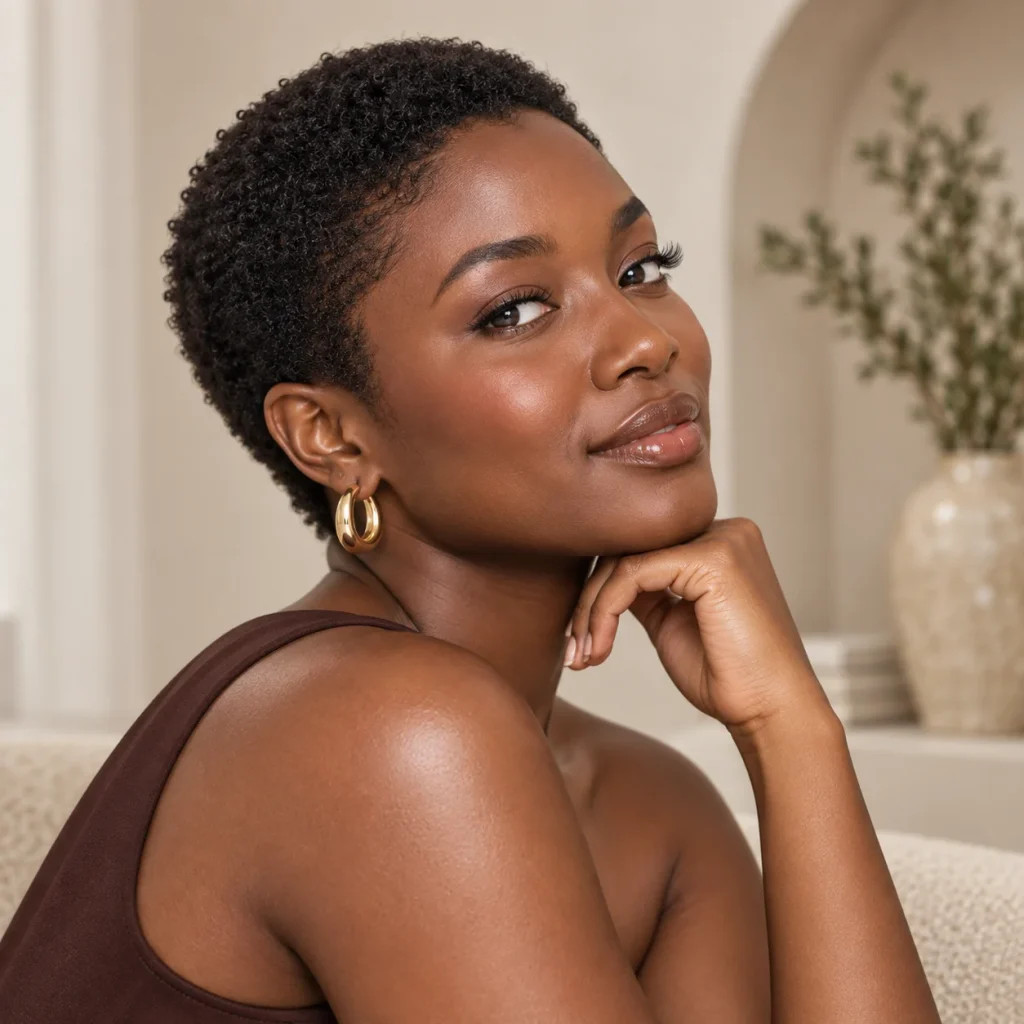
The teeny weeny afro remains the quintessential starting point for the natural hair journey, showcasing curl or coil pattern at its most compact and close-cropped. A TWA can be worn completely free, twisted, or shaped with a light styling cream to define curls, making it one of the most versatile and low-maintenance short natural hairstyles available.
2. Shaped Short Afro
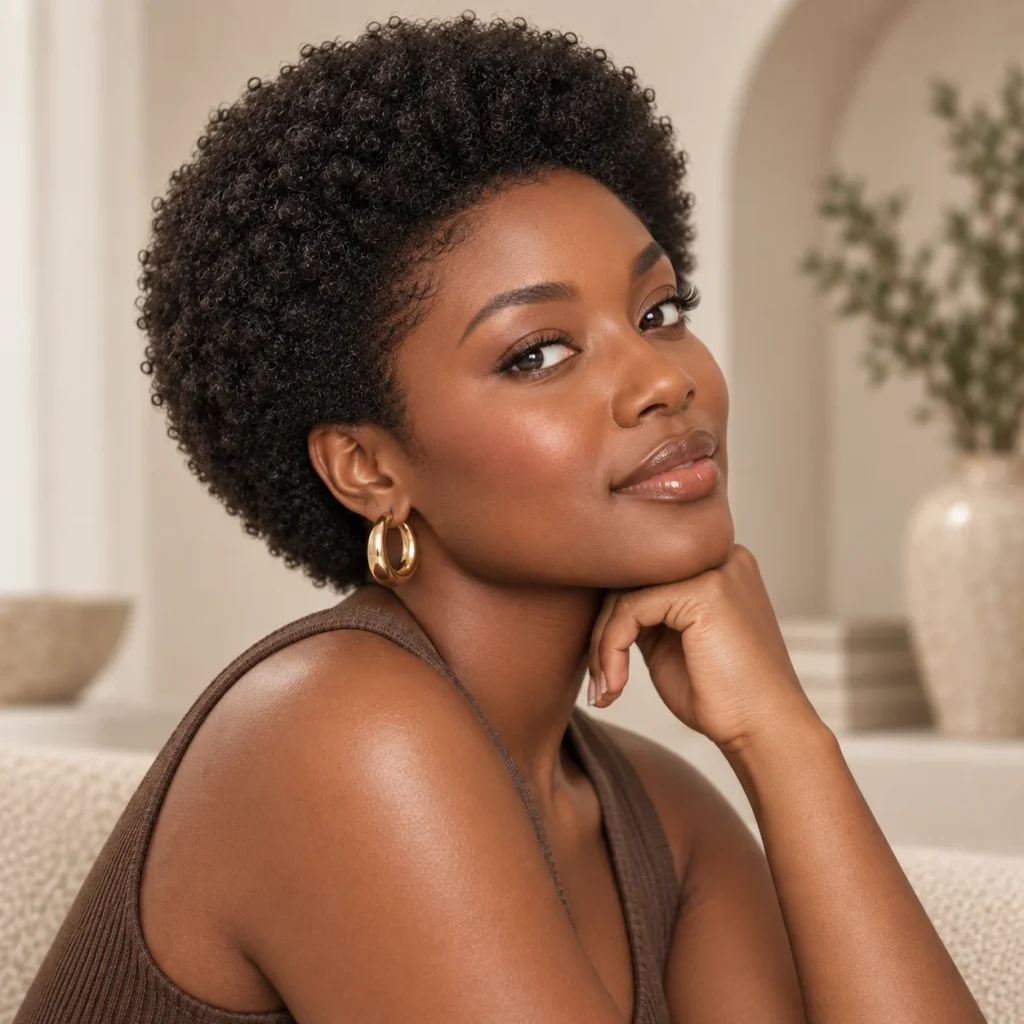
Building slightly beyond the TWA stage, a shaped short afro uses light shaping and trimming to create a rounded, sculpted silhouette that showcases natural volume and texture. This style works beautifully as hair grows past the initial TWA length while still remaining genuinely low-maintenance.
3. Pixie Cut for Natural Hair
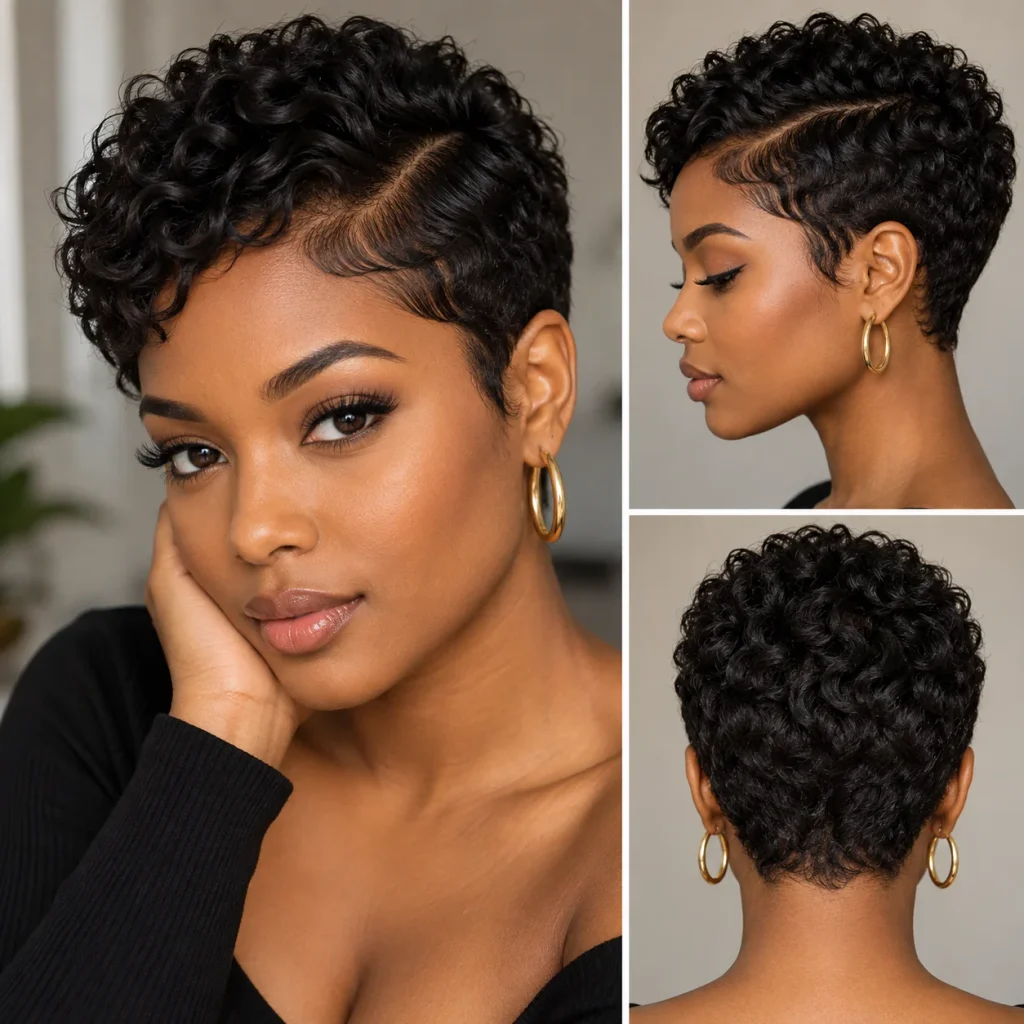
A pixie cut adapted specifically for natural texture combines short, closely cropped sides with slightly more length and definition on top, creating a versatile, textured silhouette. This style photographs beautifully and offers plenty of room for personal styling, from sleek and defined to soft and voluminous.
4. Short Natural Bob
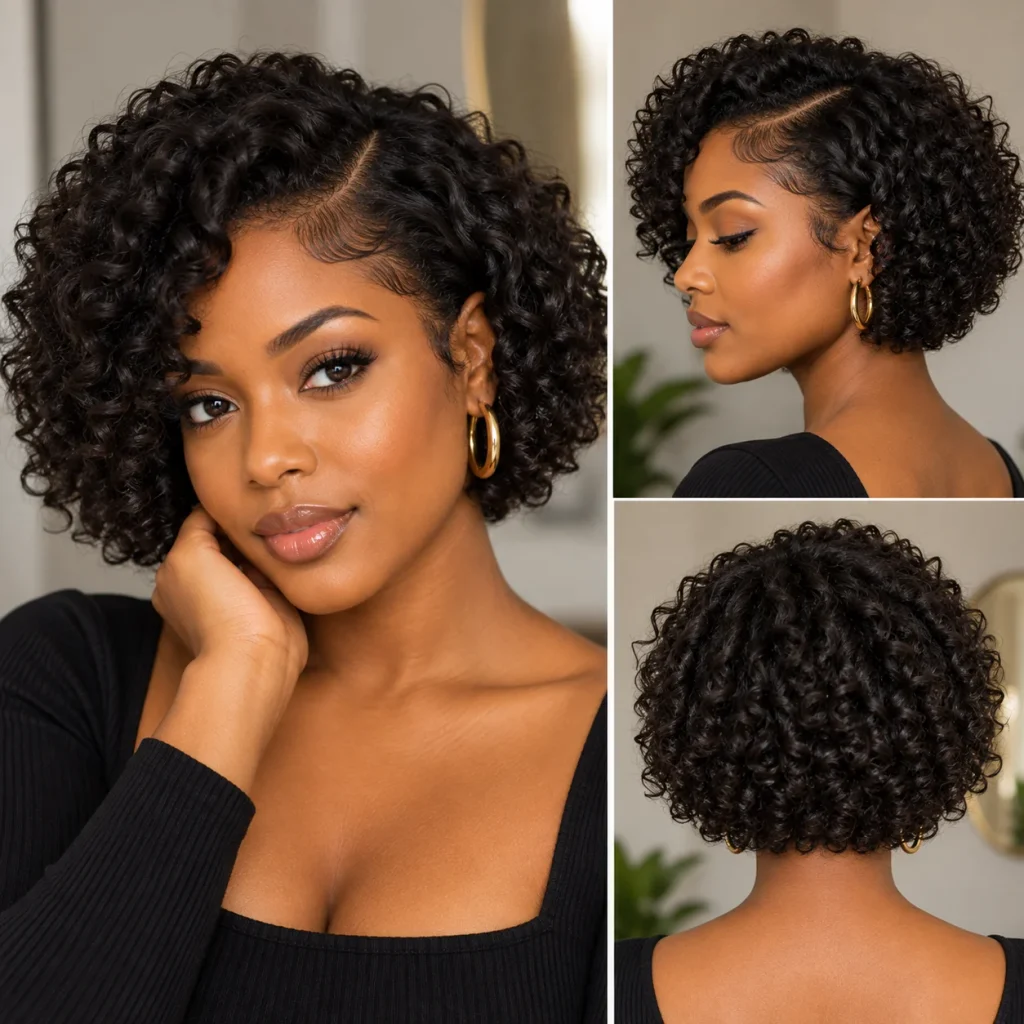
A short bob cut for natural hair typically falls at or above the chin, offering a rounded, face-framing silhouette that works beautifully with looser curl patterns in particular. This style bridges the gap between a very short TWA and more length, offering a polished, versatile everyday option.
5. Short Locs
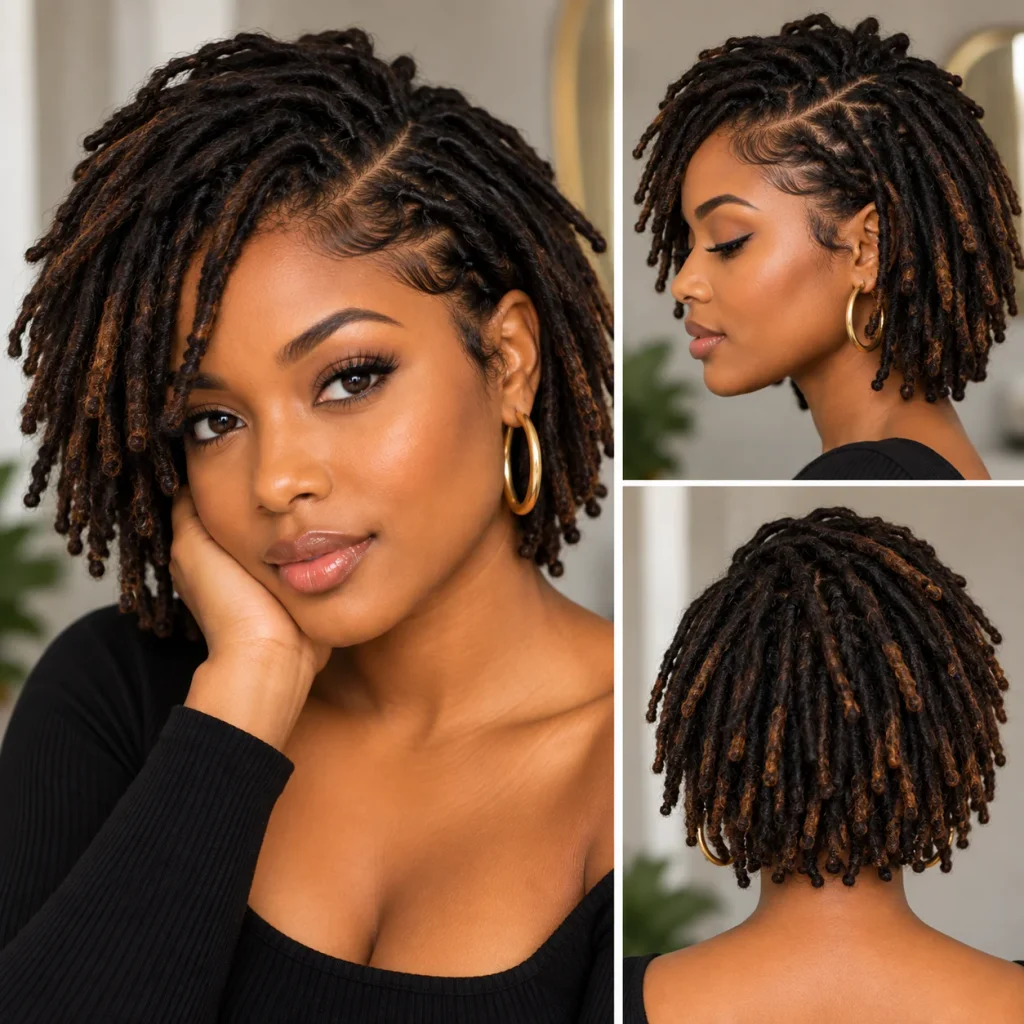
Short locs offer a genuinely low-maintenance, protective style option once established, with roots in significant cultural and spiritual meaning across many communities along the African diaspora. This style has been worn with pride by generations of women, and short, neatly maintained locs remain a distinctive, confident choice for both everyday wear and formal occasions.
6. Short Box Braids
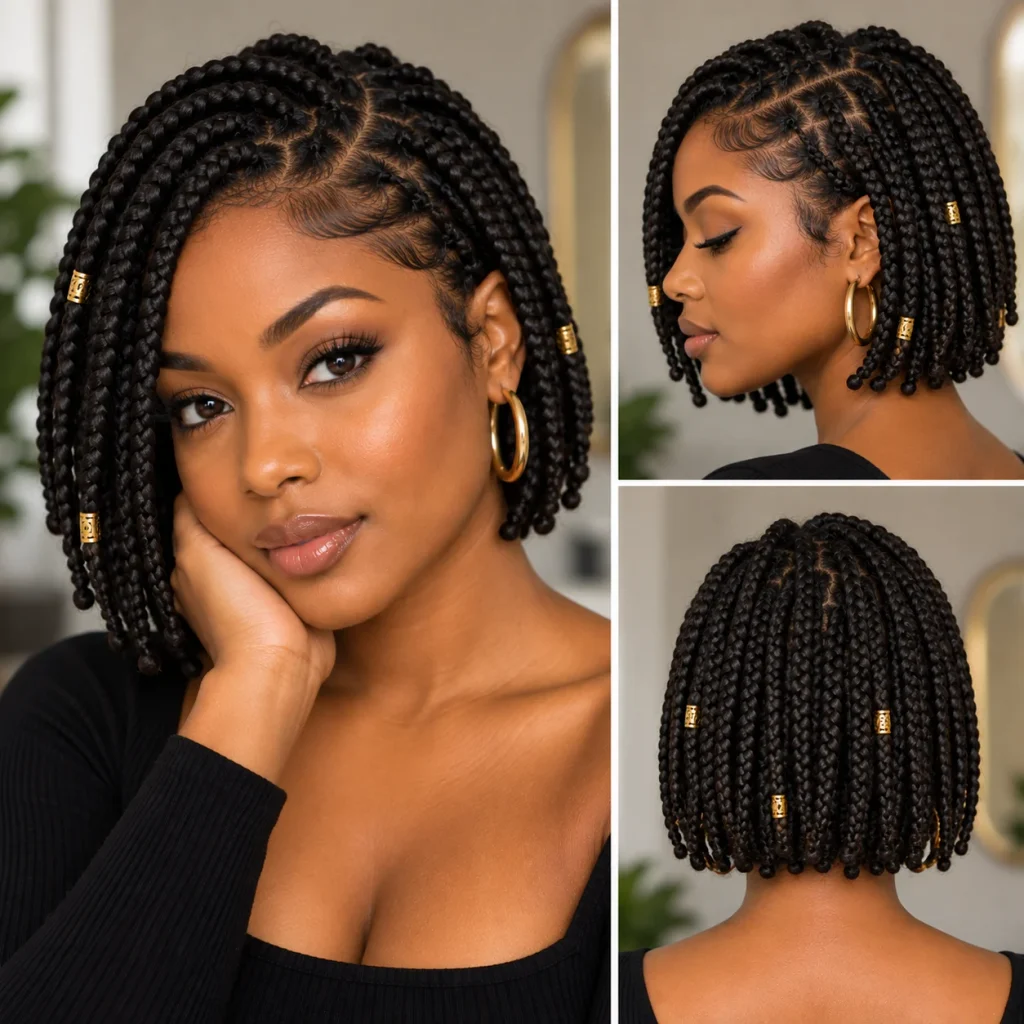
Short box braids, typically falling at or above the shoulder, offer a protective styling option that shields natural hair from daily manipulation while providing versatility in parting and styling. This style works well for anyone wanting a temporary change or additional length without committing to a permanent cut.
7. Bantu Knots
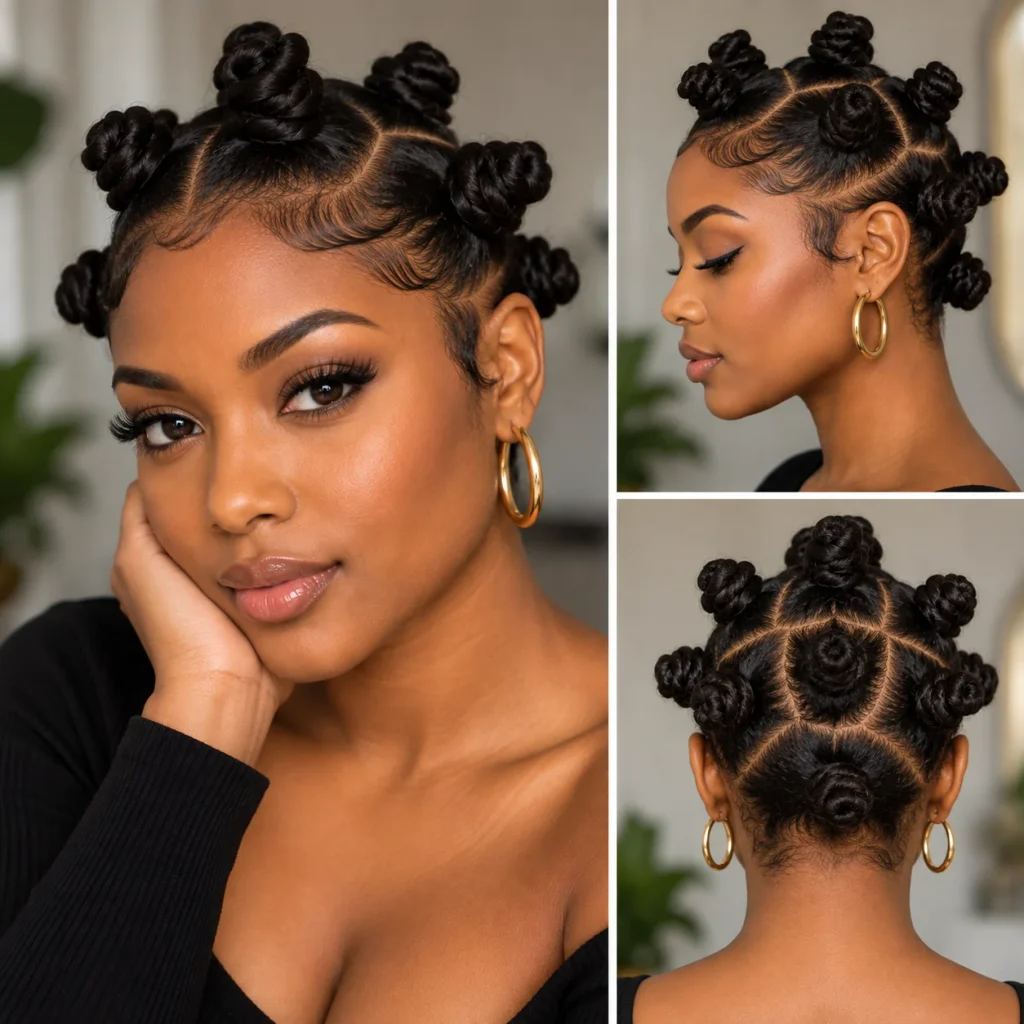
Bantu knots, created by twisting sections of hair into small, coiled buns across the scalp, offer both a standalone short hairstyle and a popular technique for creating defined curls once unraveled. Worn as a finished style, Bantu knots deliver a bold, sculptural look with deep cultural roots.
8. Fade with Design Detail
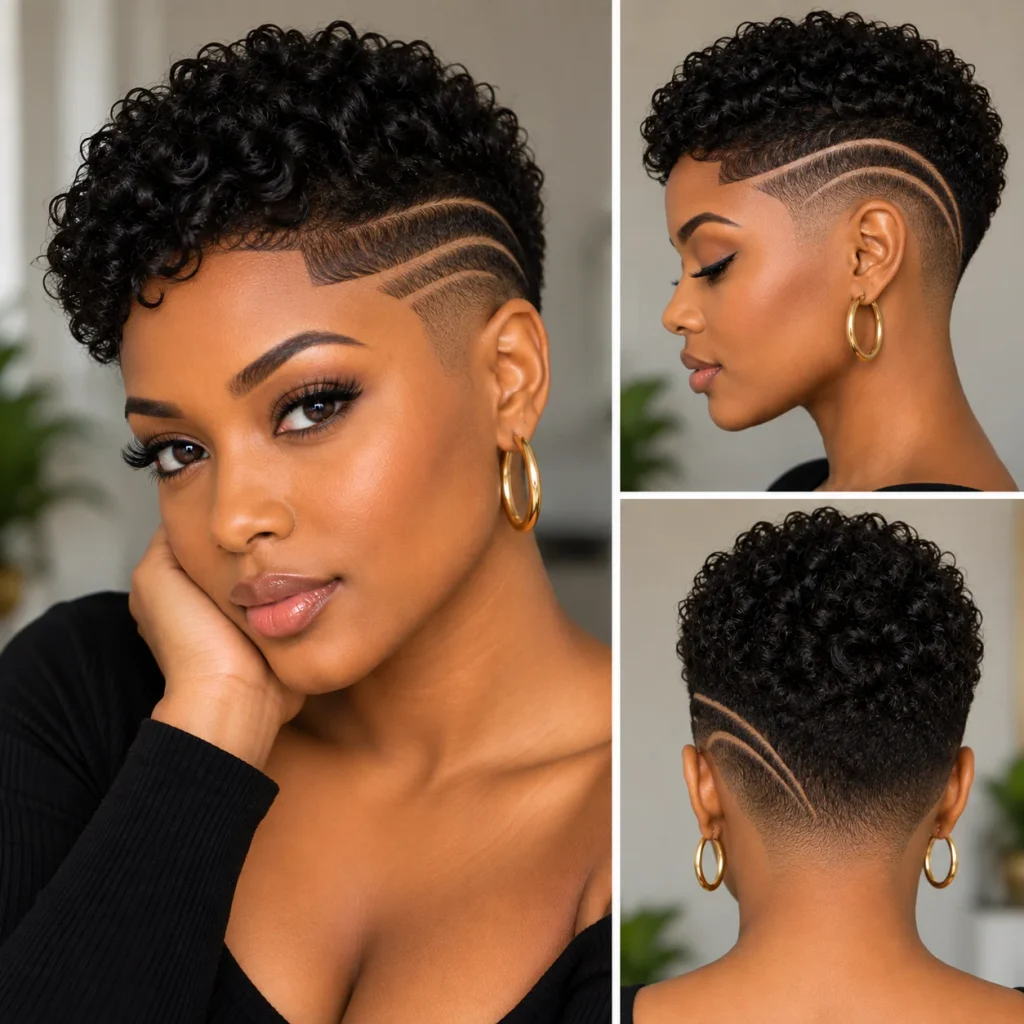
A closely cropped fade, sometimes finished with a shaved design or pattern at the temple or nape, offers a sharp, confident silhouette that has become increasingly popular among Black women seeking an edgier, more graphic take on short hair. This style requires more frequent touch-ups to maintain its crisp lines but delivers maximum visual impact.
9. Finger Coils
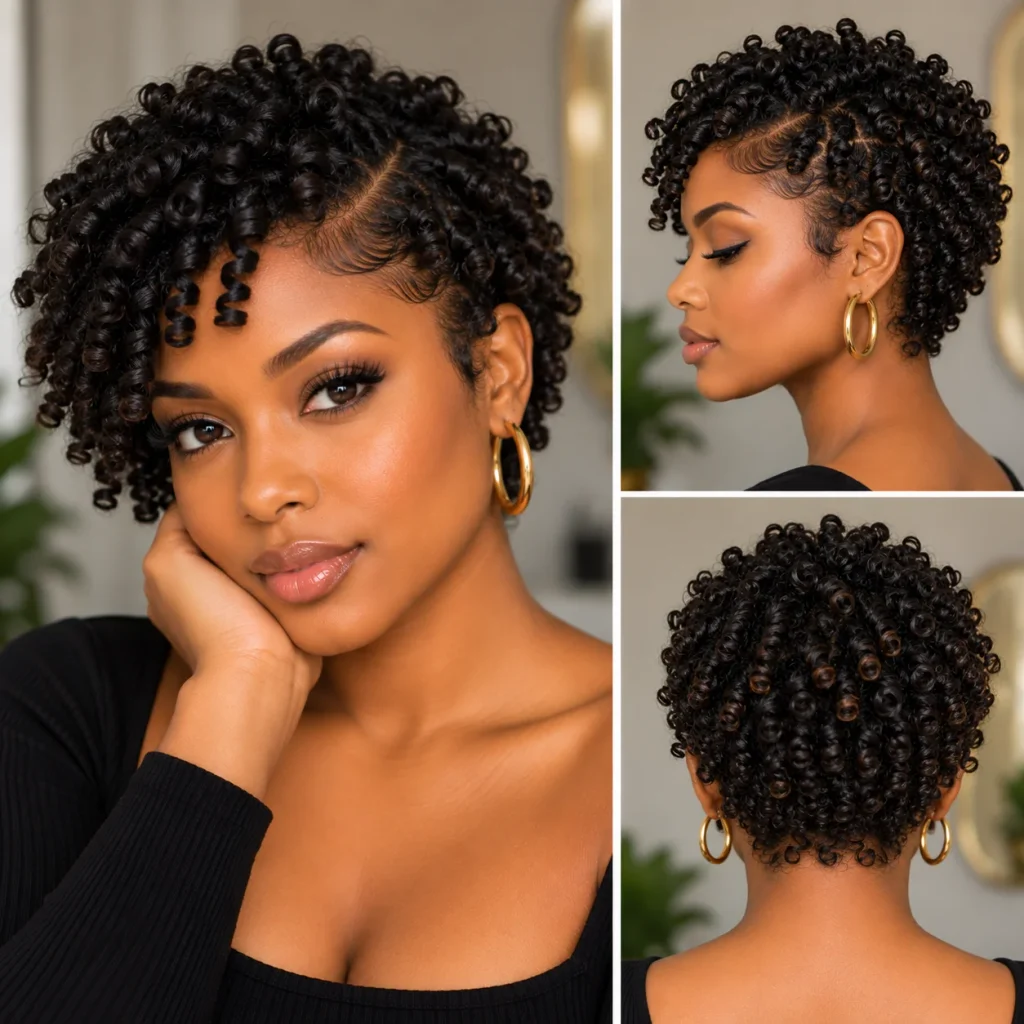
Finger coils, created by twisting small sections of damp, product-coated hair around a finger to define individual curls, offer a beautifully defined, elegant short hairstyle particularly well suited to shorter TWA-length hair. This style highlights natural curl pattern with striking clarity and definition.
10. Short Twist-Out
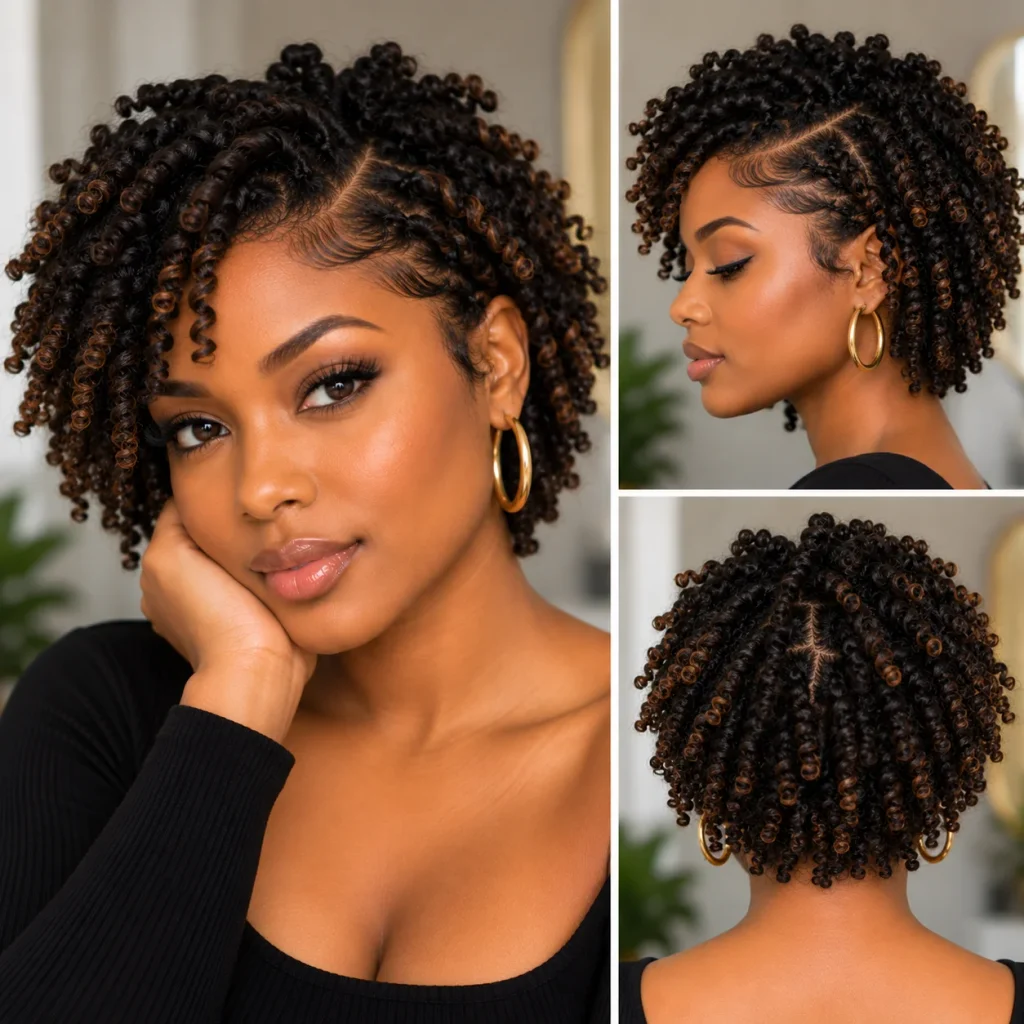
A twist-out, created by twisting sections of hair and then unraveling them once dry, produces a soft, voluminous, well-defined curl pattern that works beautifully on shorter natural hair. This style offers a fuller, more textured alternative to a straight TWA while remaining relatively simple to achieve at home.
11. Relaxed Short Bob
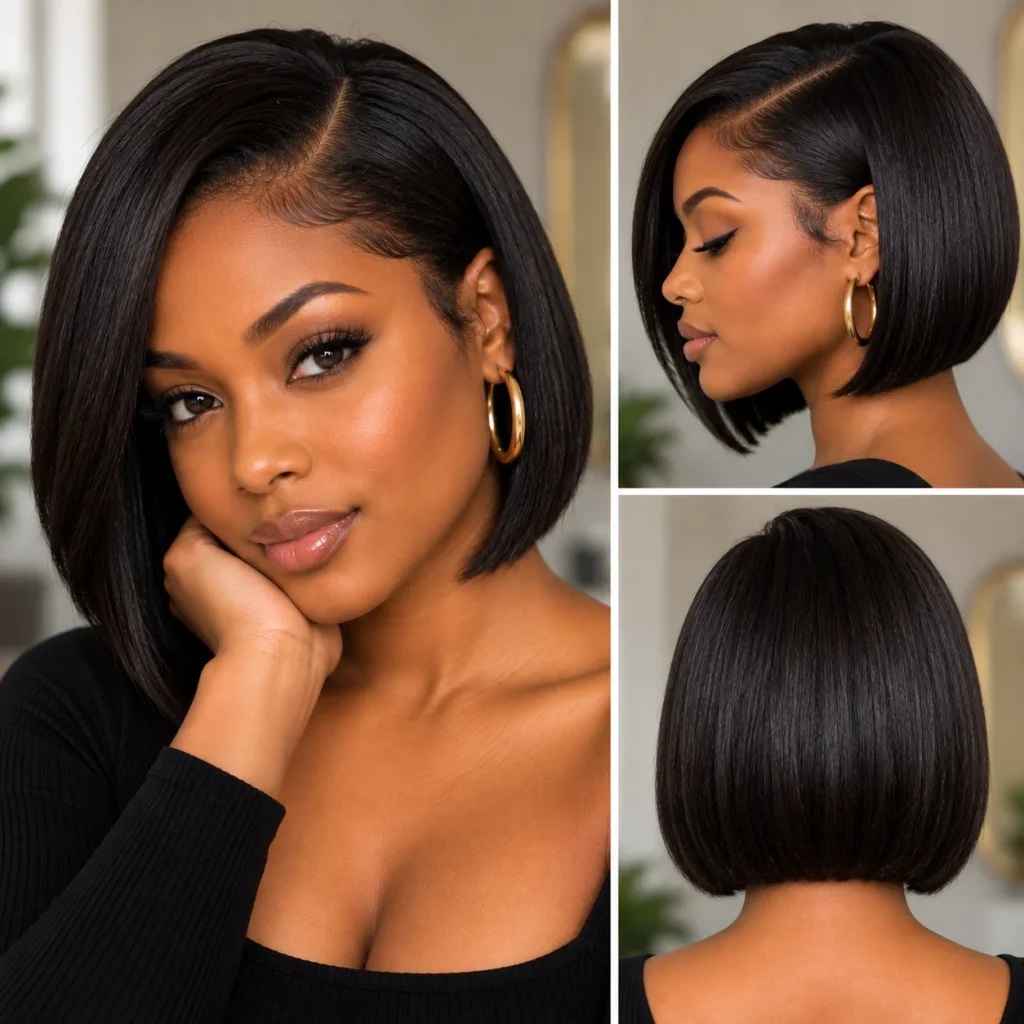
For those who choose to wear relaxed hair, a short, sleek bob offers a polished, professional silhouette with a smooth, straight finish. This style remains a popular, versatile choice for work settings and formal occasions alike, proving short hairstyles for Black women aren’t limited to natural texture alone.
12. Colored Short Natural Style
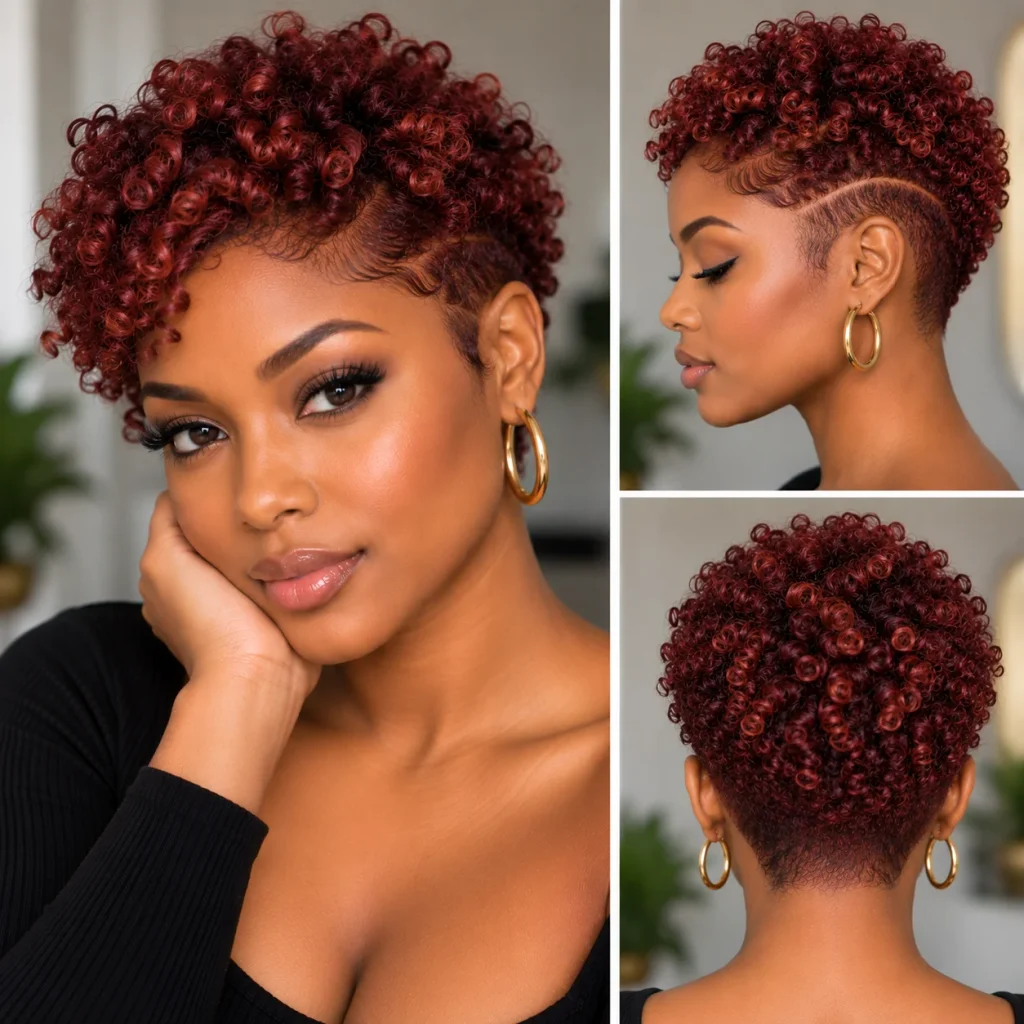
Adding bold color to a short TWA, bob, or pixie cut offers a striking way to personalize a short natural hairstyle, whether through a few subtle highlighted pieces or a fully colored look. Given how much surface texture and dimension short natural hair already shows, color tends to have a particularly striking visual effect on these shorter cuts.
13. Curly Pixie with Undercut
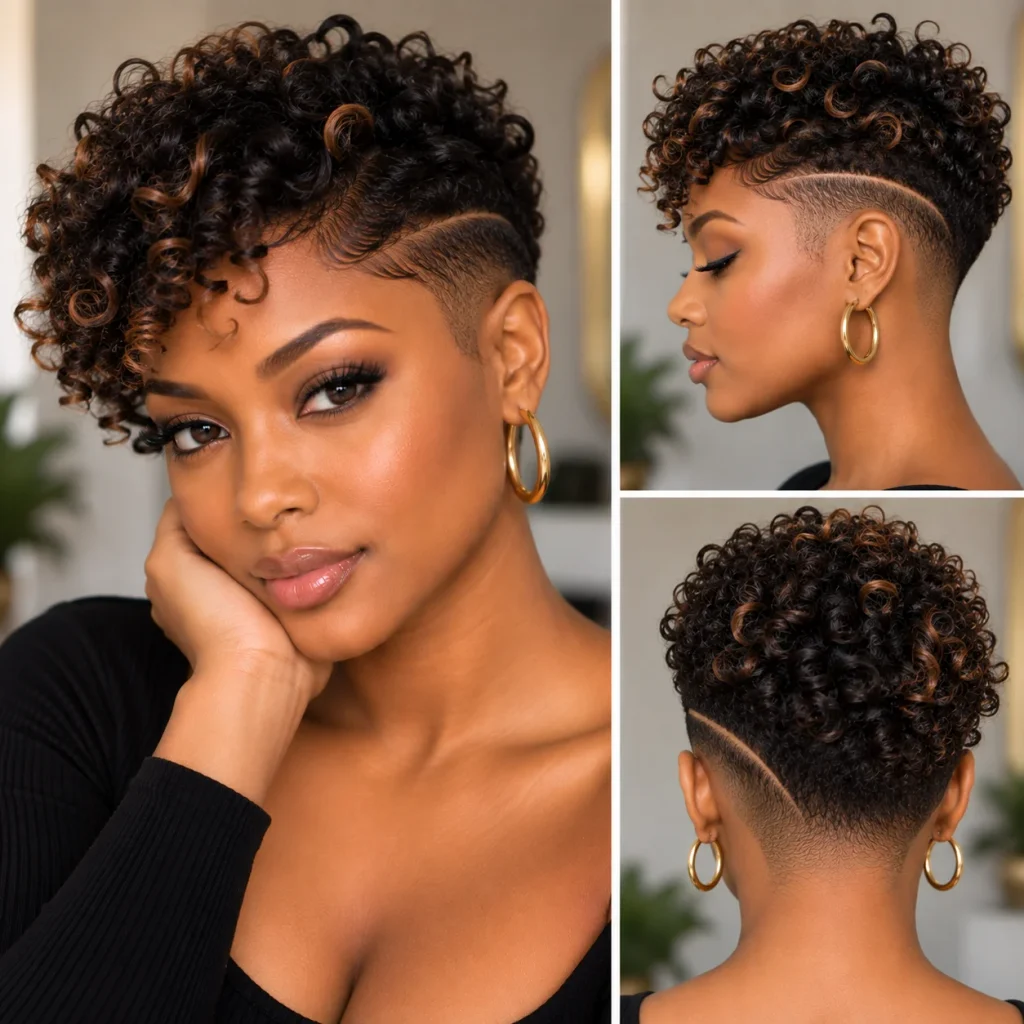
Combining a longer, curl-defined pixie on top with a closely shaved undercut at the sides or nape, this style delivers striking contrast between soft, voluminous curls and sharp, graphic shaved detailing. It’s a bold, distinctly modern take on the natural pixie that works particularly well for anyone wanting to make a genuine style statement.
Choosing a Short Hairstyle for Your Hair Type
Short hairstyles for 4C hair benefit from styles like a shaped TWA, finger coils, or a twist-out, all of which work with 4C hair’s natural shrinkage and dense coil pattern rather than fighting against it.
Short hairstyles for relaxed hair tend to favor sleek, polished cuts like a short bob or pixie, taking advantage of the smooth, straight texture relaxed hair provides.
Short hairstyles for curly black hair, particularly looser curl patterns, show off beautifully in a shaped afro or curly pixie, where individual curl definition remains clearly visible even at a shorter length.
Short hairstyles for coily hair generally benefit from styles that add a bit of definition, like finger coils or a twist-out, helping showcase coil pattern that might otherwise appear less defined when worn completely free.
Also Read: 11 Precision Cutting Hair Styles That Feel Runway-Ready
Choosing a Short Hairstyle for Your Face Shape
Round face shapes are often flattered by styles with height at the crown, like a shaped afro or pixie with volume on top, which helps elongate the overall face shape.
Oval face shapes are considered the most versatile for short hairstyles, since nearly every style on this list — from a TWA to a fade — tends to suit this balanced face shape well.
Square face shapes often look particularly striking with softer, rounder silhouettes like a shaped afro or twist-out, which helps soften strong jawlines without hiding them.
Short Hairstyles by Age and Occasion
Short hairstyles for Black women over 40 and short hairstyles for Black women over 50 span the same full range covered in this guide, since natural texture and confident short styling have no meaningful age limitation — a well-maintained TWA, bob, or set of short locs looks equally striking at any age. For work settings, a polished short bob, neatly shaped afro, or well-maintained locs tend to read as particularly professional while still fully embracing natural texture. For special occasions, adding a bit of extra definition through finger coils or a fresh twist-out, or incorporating subtle color, can elevate an everyday short style for a more formal event. For anyone prioritizing low maintenance above all else, a simple TWA or short twist-out generally requires the least daily styling effort while still looking intentional and polished.
Also Read: 10 Old Money Hairstyles for Women and Why They’re Popular
How to Transition to Short Natural Hair
For anyone considering a transition to short natural hair, there are generally two paths: a gradual transition, involving regular trims of chemically processed ends over several months until only natural texture remains, or the big chop, cutting away all processed hair in a single appointment for an immediate, fresh start. Neither approach is inherently better — a gradual transition allows for more time to adjust visually and emotionally, while the big chop offers an immediate, often deeply symbolic clean break, and the right choice depends entirely on personal comfort and preference.
How to Style Short Natural Black Hair
Styling short natural hair generally starts with a good leave-in conditioner or curl cream applied to damp hair, which helps define curl pattern while adding moisture. For styles like finger coils or twist-outs, working in small sections with adequate product ensures more consistent, well-defined results. For a simple TWA or shaped afro, a light application of curl cream or edge control, followed by gentle finger-fluffing once dry, is often all that’s needed for a polished, everyday finished look.
How to Maintain Short Hairstyles for Black Women
Maintaining a short hairstyle generally requires more frequent trims than longer styles, since even small amounts of growth can noticeably change a closely shaped cut’s silhouette. Most short natural styles benefit from a trim or shape-up every four to six weeks to maintain clean lines, particularly for styles like a fade or precisely shaped afro. Regular deep conditioning also remains important even at shorter lengths, since natural hair’s texture tends toward dryness regardless of length, and healthy moisture balance directly affects how well any short style holds its shape and definition.
What Products Are Best for Short Natural Hair?
A quality leave-in conditioner, a curl-defining cream or gel, and a lightweight oil for sealing in moisture form the foundation of most short natural hair care routines. For styles like finger coils or twist-outs specifically, a stronger-hold curl cream or gel helps maintain definition throughout the day, while a simple, lighter moisturizing cream works well for a more relaxed, freely worn TWA or shaped afro.
Can Short Hairstyles Work for Thin Edges?
Yes, though some extra care helps protect thin or fragile edges specifically. Choosing styles that minimize tension and repeated manipulation right at the hairline — avoiding tightly pulled styles in that specific area — helps prevent further thinning. Gently massaging a nourishing oil into the edges regularly, and being mindful of excessive heat or tight styling tools right at the hairline, can help support healthier regrowth over time alongside whichever short style you choose.
How to Keep Short Black Hairstyles Moisturized
Natural hair, regardless of length, tends toward dryness due to the shape of the hair follicle, which makes it harder for natural scalp oils to travel down the length of the strand compared to straighter hair types. Using a water-based leave-in conditioner as a first step, followed by a lightweight oil or butter to seal in that moisture, remains one of the most effective daily moisture routines for short natural hair. Deep conditioning treatments on a weekly or biweekly basis also help maintain longer-term moisture balance and overall hair health.
Also Read: Modern Short Hairstyles for Women: 10 Stylish Haircuts
Frequently Asked Questions
What short hairstyle is best for natural hair?
There’s no single best option — the ideal short hairstyle depends on your specific curl pattern, hair density, and personal styling preferences. A TWA, shaped afro, twist-out, or finger coils are all popular, versatile choices that work well across a range of natural textures.
How often should you trim short natural hair?
Most short natural hairstyles benefit from a trim or shape-up every four to six weeks, since even small amounts of growth can noticeably affect a closely shaped cut’s overall silhouette.
Can short hairstyles work for thin edges?
Yes, though choosing styles that minimize tension right at the hairline and incorporating regular moisturizing care for that specific area helps protect and support thin edges alongside whichever short style you choose.
What products are best for short natural hair?
A leave-in conditioner, a curl-defining cream or gel, and a lightweight sealing oil form a solid foundation for most short natural hair care routines, with specific product choices adjusted based on curl pattern and desired style.
How do you keep short Black hairstyles moisturized?
Using a water-based leave-in conditioner followed by a lightweight oil or butter to seal in moisture, along with regular weekly or biweekly deep conditioning, is one of the most effective approaches for keeping short natural hair properly moisturized.
Final Thoughts
Short hairstyles for Black women carry a genuinely powerful combination of practicality, versatility, and cultural significance that few other beauty choices can match. From the foundational TWA to a bold curly pixie with an undercut, the thirteen styles covered here each offer a distinct way to celebrate natural texture with confidence. Whether you’re considering your first big chop or simply looking for fresh styling inspiration for hair you’ve long worn short, these styles prove that confidence has always looked good in every length — especially the short ones.
Also Read: 6 Bixie Haircuts You’ll Fall in Love With Instantly