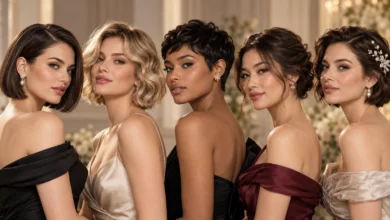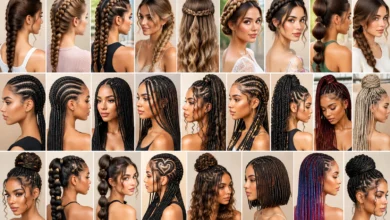
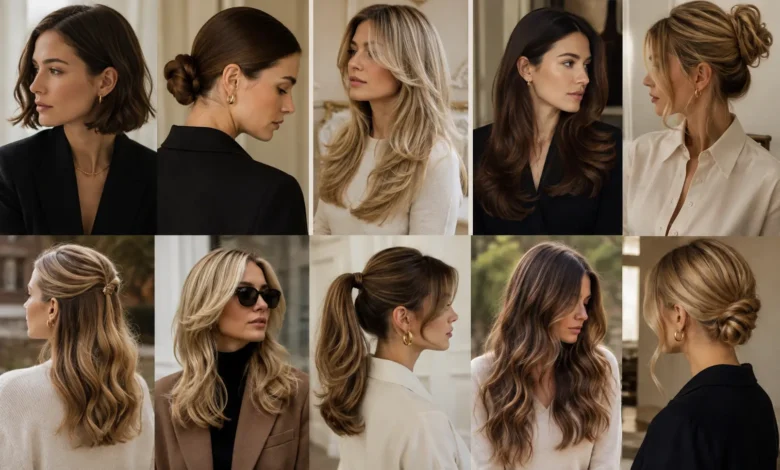
Old money hairstyles have become one of the most searched beauty trends of the last few years, and it’s easy to see why. In a world full of loud color changes, viral cuts, and trends that disappear as fast as they arrive, old money hairstyles for women offer something different: quiet, timeless elegance that never feels dated.
This aesthetic borrows its name from “old money” fashion — a style associated with generational wealth, private schools, and East Coast estates rather than flashy logos or fast trends. Applied to hair, it translates into glossy, healthy-looking styles with natural volume, soft movement, and just enough polish to look intentional without looking overdone.
Below, we’re breaking down 10 old money hairstyles female audiences keep coming back to, why each one reads as “expensive,” and how to recreate the look at home — whether you have short hair, long hair, or something in between.
Where the Old Money Hair Trend Came From
The old money aesthetic didn’t start with hair — it started with fashion, drawing inspiration from figures like Carolyn Bessette Kennedy, Grace Kelly, and generations of East Coast and European old-money families whose personal style favored quality over flash. As the “quiet luxury” movement grew across fashion, it was only a matter of time before it extended into beauty and hairstyling.
What makes this trend different from most viral beauty moments is that it isn’t tied to a single celebrity, influencer, or single season. Instead, it references decades of understated glamour — the polished waves of the 1920s, loose chignons from the 1950s, and the voluminous blowouts of the 1980s — filtered through a modern, low-maintenance lens. That blend of nostalgia and practicality is a big part of why old money hairstyles for women have had such staying power in search trends rather than fading after a single viral moment.
Also Read: Modern Short Hairstyles for Women: 10 Stylish Haircuts
What Makes a Hairstyle Read as “Old Money”?
Before diving into individual styles, it helps to understand what actually makes a hairstyle fit the old money aesthetic in the first place. Unlike most beauty trends, this one isn’t defined by a single cut or color — it’s defined by a set of qualities that show up again and again across every look on this list.
- High shine. Glossy, healthy-looking hair is the single biggest signal of the old money look. Dull or overly matte hair rarely reads as polished, no matter the cut.
- Natural, soft volume. Think body and movement, not teased or overly structured height.
- Warm, multidimensional color. Old money hair color tends to avoid anything overly ashy, neon, or high-contrast. Rich browns, soft blondes, and warm chestnuts dominate.
- Minimal visible effort. The styling should look effortless, even if it took real skill to achieve — this is the “quiet luxury” principle applied to hair.
- Classic, timeless cuts. Bobs, lobs, and soft layers over anything trend-driven or heavily textured.
Keep these five qualities in mind as you go through the list — they’re the throughline connecting every aesthetic old money hairstyle female readers tend to search for. Notice that none of these qualities depend on hair length, texture, or even a specific budget — which is exactly why this trend has translated so well across different hair types and different levels of styling experience.
1. The Old Money Bob
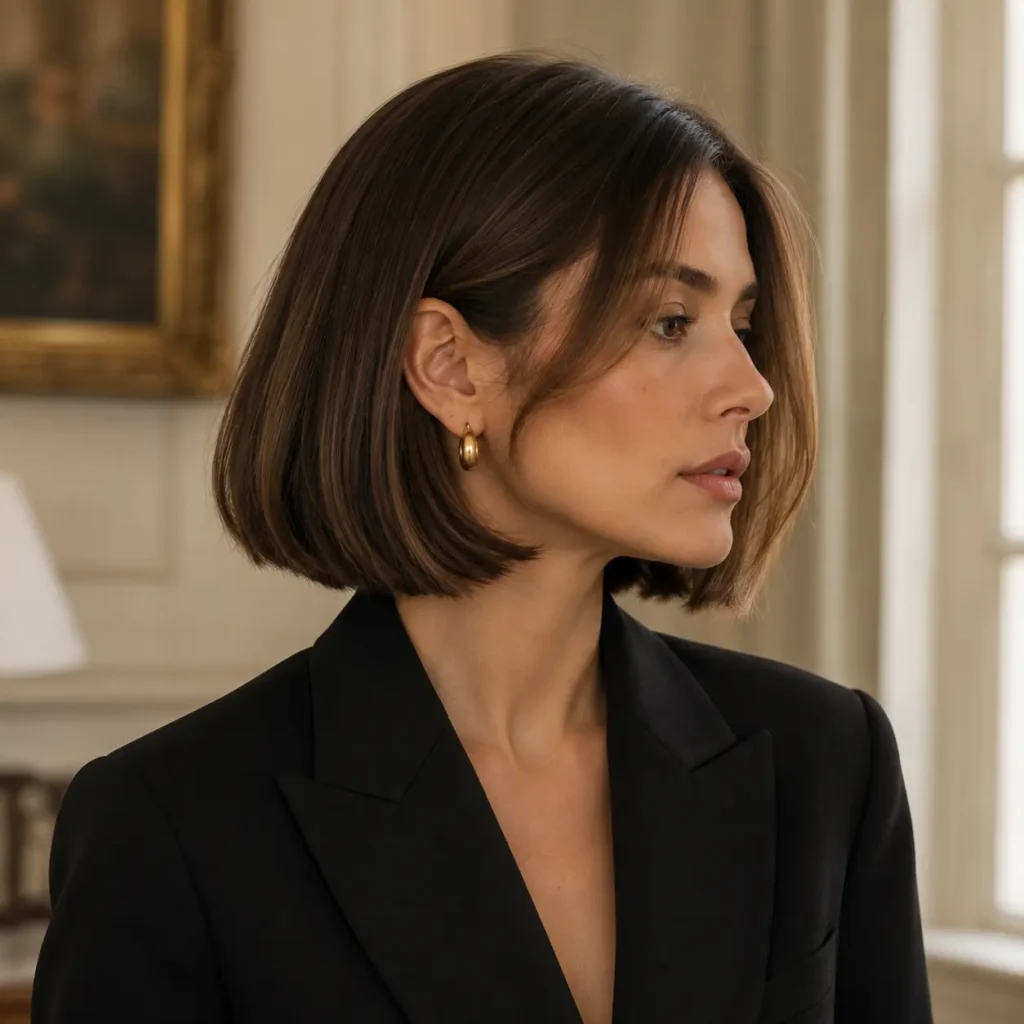
The bob is arguably the single most iconic old money haircut, and it’s easy to understand why. A blunt, chin-to-collarbone cut with minimal layering reads as clean, intentional, and put-together in a way that few other cuts can match.
Why it’s popular: The old money bob strips away everything unnecessary. There’s no heavy texturizing, no choppy ends — just a precise, well-executed cut that frames the face and jawline. It pairs beautifully with tailored blazers, silk blouses, and structured coats, which is exactly why it shows up so often alongside quiet luxury fashion. It’s also one of the most photographed old money hairstyles female celebrities and public figures wear on red carpets, which keeps it consistently trending in search.
Who it suits: Oval, heart, and square face shapes tend to benefit most, though a skilled stylist can adjust the length slightly to flatter almost any face shape. Fine to medium hair densities show off the sharp lines of this cut particularly well.
How to style it: Air-dry with a smoothing cream, or use a round brush for a soft inward curl at the ends. Avoid heavy texturizing sprays — the whole point of this cut is precision, not undone texture. A weekly deep-conditioning treatment also helps keep the ends from looking dry, since any dullness is far more noticeable on a blunt cut than on longer, layered hair.
2. Sleek Low Bun (Chignon)
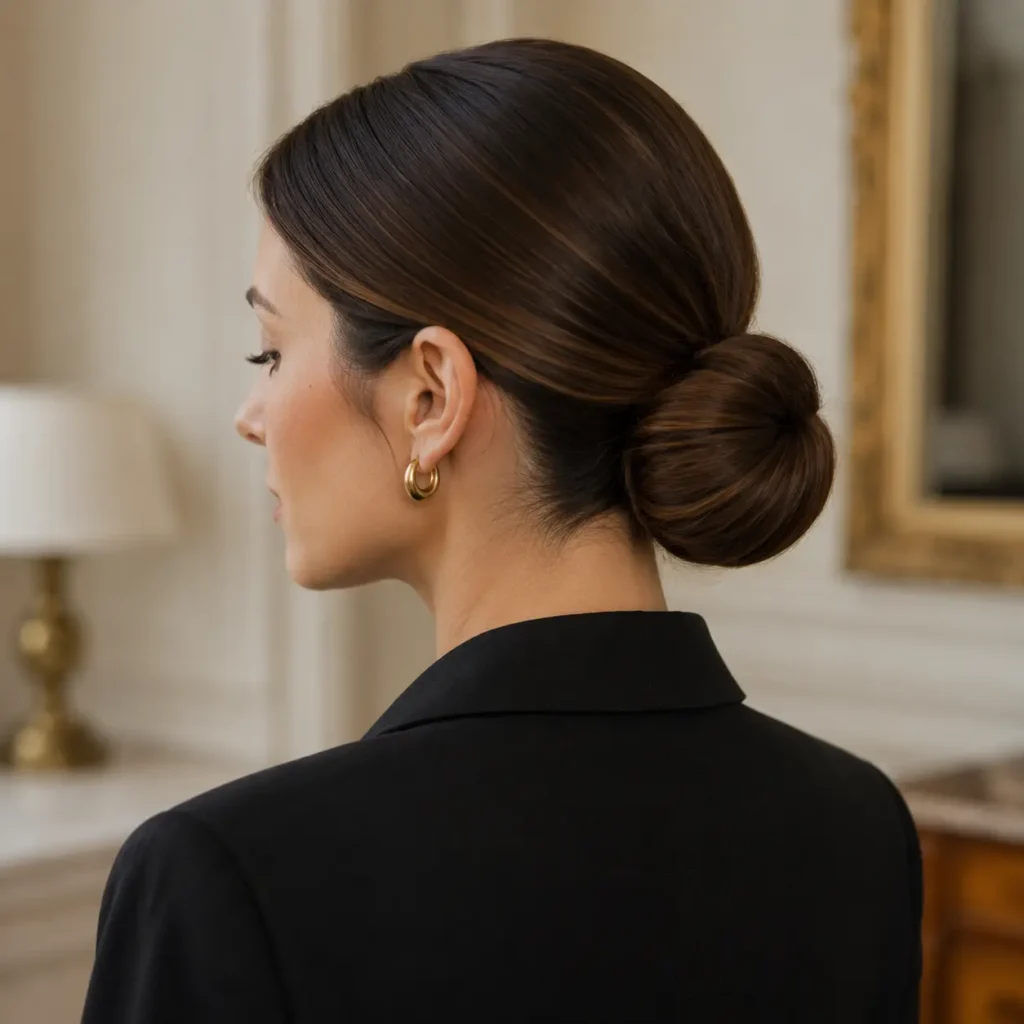
If there’s one updo that defines old money hairstyles for women, it’s the sleek, low-positioned bun known as a chignon. Worn at the nape of the neck with a clean center or soft side part, this style has been a staple of polished dressing for decades.
Why it’s popular: The low bun communicates composure without trying too hard. It’s the hairstyle equivalent of a well-tailored coat — simple, controlled, and instantly elegant. This is also one of the most versatile old money hairstyles female users search for, since it works equally well for the office, a formal event, or a casual day out. Because it requires no cutting or coloring commitment, it’s also the easiest entry point for anyone who wants to try the aesthetic without altering their natural hair.
How to style it: Smooth hair back with a light-hold gel or cream, gather it low at the nape, and secure with pins. For extra polish, wrap a small section of hair around the base to hide the elastic. If your hair has a lot of natural texture, blow-dry it smooth first — the chignon depends on a sleek, controlled base to look intentional rather than undone.
3. Classic French Twist
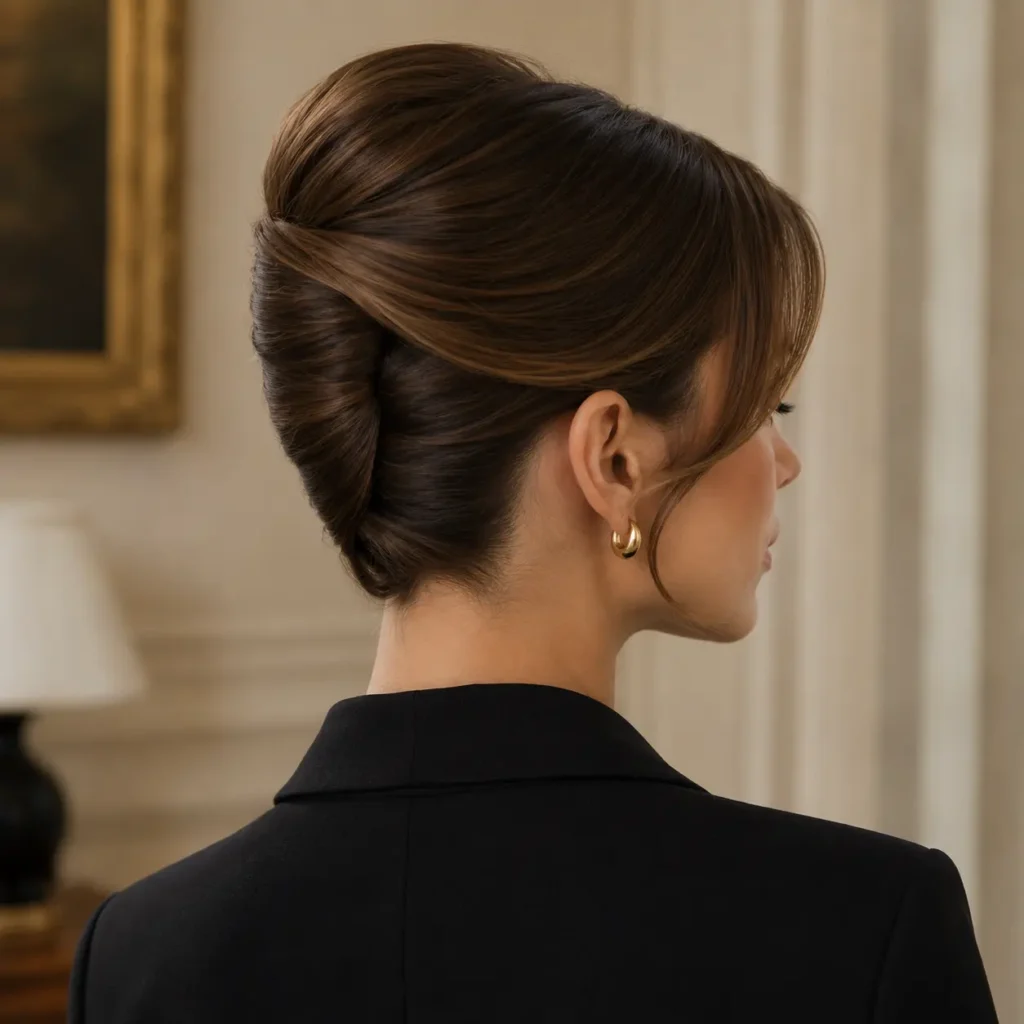
The French twist is one of the most formal entries on this list, and one of the most enduring. It’s the hairstyle of galas, weddings, and high-society events — sleek, sculptural, and undeniably elegant.
Why it’s popular: Few updos communicate “old money” quite as clearly as the French twist. It’s structured without feeling stiff, and it photographs beautifully from every angle — a major reason it continues to trend for special-occasion searches. Much like a well-tailored coat, the French twist stays relevant year after year precisely because it never chased a trend cycle to begin with.
How to style it: Gather hair at the back, twist it upward into a vertical roll, and pin securely along the twist. A light shine serum helps eliminate flyaways for that polished finish. For added glamour, leave a few soft face-framing pieces loose rather than pulling every strand into the twist.
4. High-Shine Voluminous Blowout
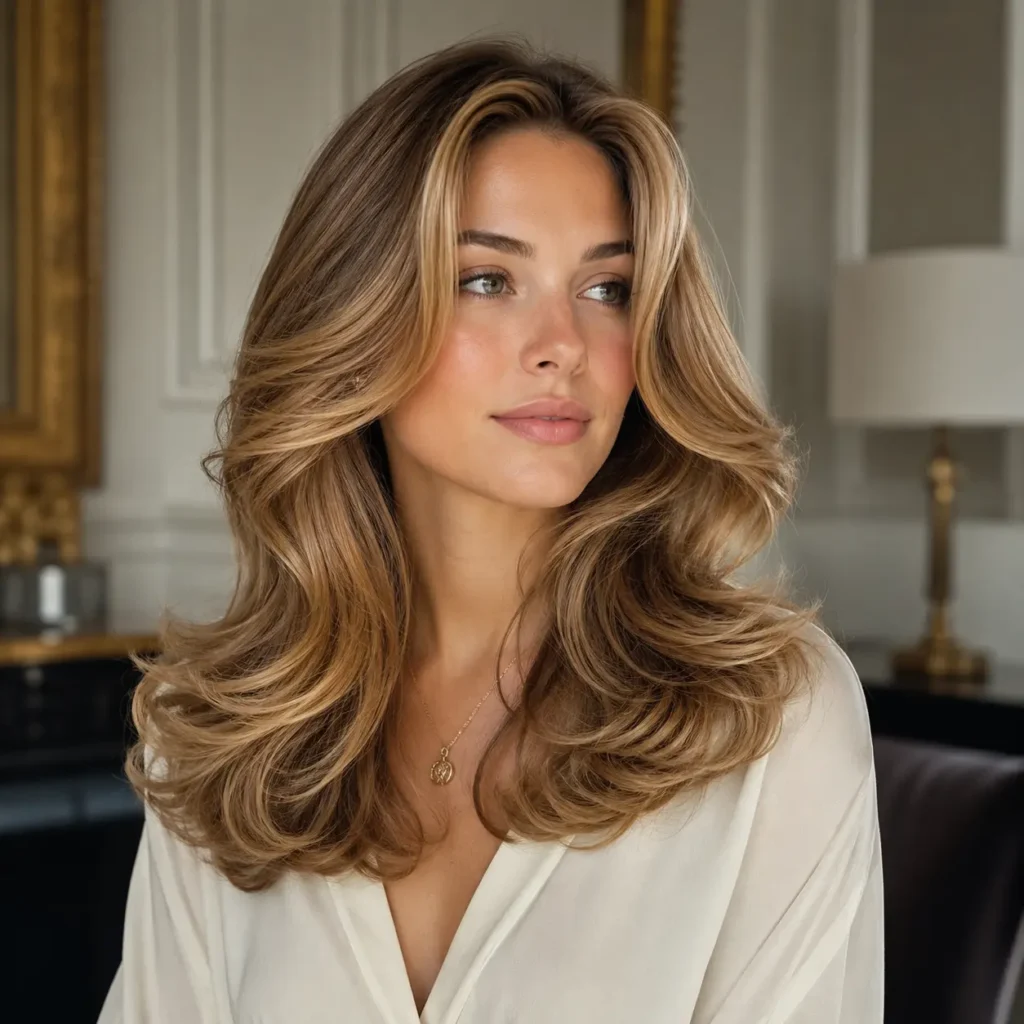
If you’ve ever heard someone describe hair as looking “expensive,” there’s a good chance they were picturing a blowout like this one. Bouncy, full, and glass-like in its shine, the classic old money blowout is a go-to reference point across nearly every beauty roundup on this topic.
Why it’s popular: This look draws directly from old Hollywood glamour — think Marilyn Monroe-era waves updated with a modern finish. It signals effortless luxury because it looks like the kind of hair that requires zero maintenance, even though it’s the product of careful styling. It’s also one of the most requested old money hairstyles women bring to salon appointments specifically because it photographs so well for events.
How to style it: Blow-dry with a round brush, directing the ends inward. Finish with a lightweight shine spray rather than a heavy oil, which can weigh hair down and dull the glossy effect. Investing in a good ionic blow dryer makes a real difference here — it reduces frizz and helps the cuticle lie flat, which is what creates that glass-like shine in the first place.
5. Soft Curtain Bangs with Waves
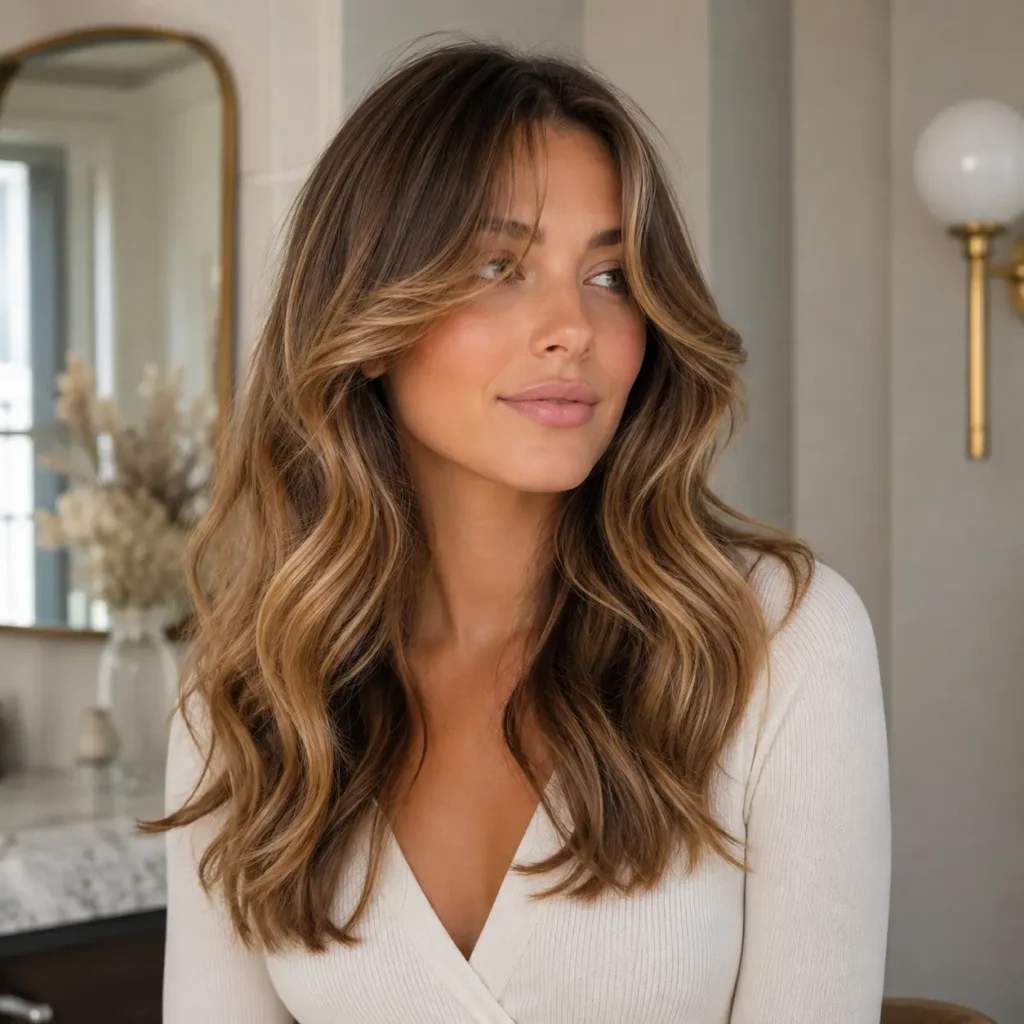
Curtain bangs have had a long moment in mainstream hairstyling, but the old money take on this trend softens everything: fewer sharp lines, more face-framing movement, and waves instead of pin-straight styling.
Why it’s popular: This is one of the more modern entries on this list, and it’s a favorite among younger audiences searching for aesthetic old money hairstyles female content. The soft, swept-back bangs add dimension to the face while still reading as polished rather than trendy. Unlike blunt, heavy bangs, curtain bangs grow out gracefully, which fits neatly into the low-maintenance philosophy at the heart of this aesthetic.
How to style it: Use a round brush to curve bangs away from the face while blow-drying, then add loose waves through the rest of the hair with a curling wand for a cohesive, romantic finish. A small amount of lightweight pomade at the roots of the bangs helps them lay flat without looking greasy.
6. Low Sleek Ponytail with a Ribbon or Scarf
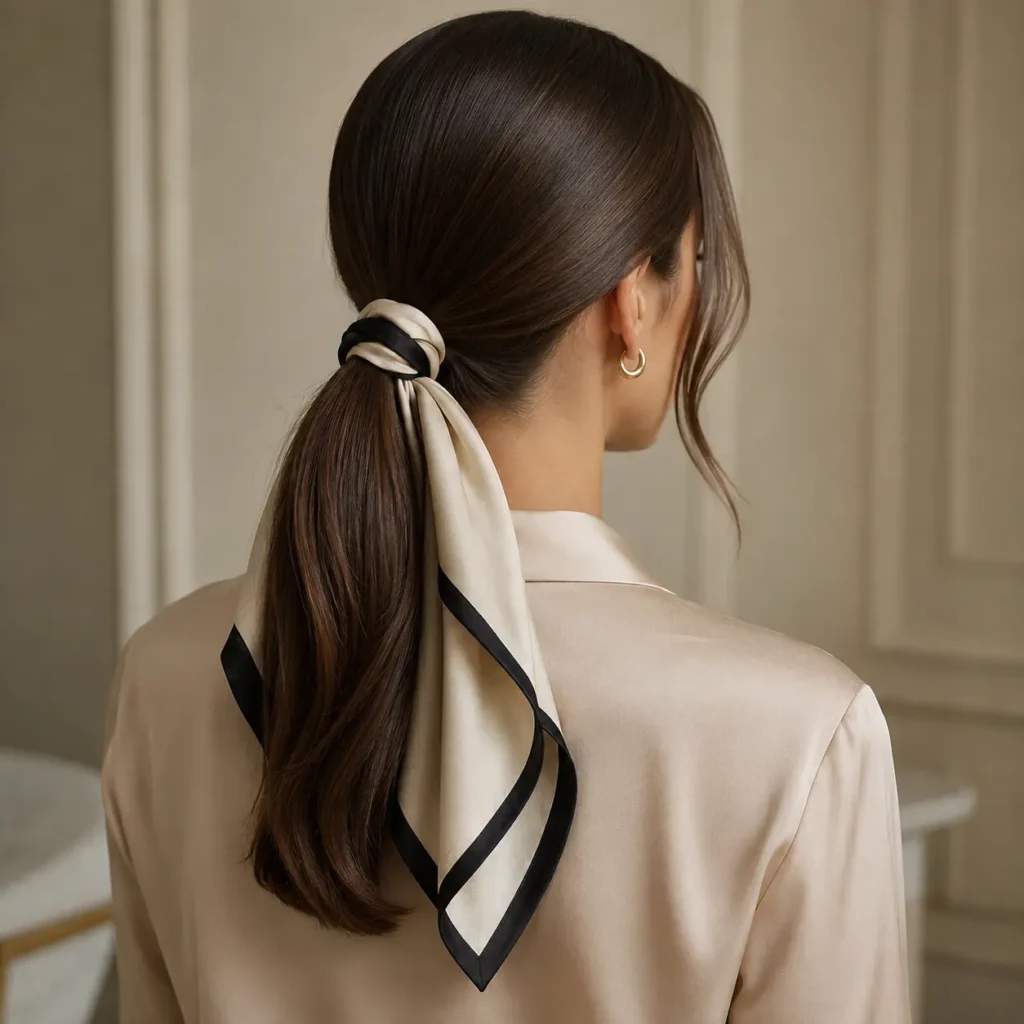
A simple, sleek ponytail tied low at the nape has become a signature old money look, especially when finished with a silk ribbon or scarf. It’s minimal, elegant, and endlessly versatile.
Why it’s popular: This look leans into the “quiet luxury” idea that small, high-quality details matter more than elaborate styling. A satin ribbon or leather tie elevates a basic ponytail into something that feels considered and refined — perfect for both daytime and evening occasions. It’s also one of the fastest styles on this list to execute, making it a practical choice for anyone who wants the aesthetic without a long styling routine.
How to style it: Smooth hair back completely, secure a low ponytail, and wrap a length of ribbon or a silk scarf around the base to conceal the elastic. Leave the ends natural, or add a slight curl for extra movement. Choosing a ribbon in a neutral tone — ivory, black, or tortoiseshell print — keeps the look aligned with the understated color palette this aesthetic favors.
7. Center-Part Loose Waves
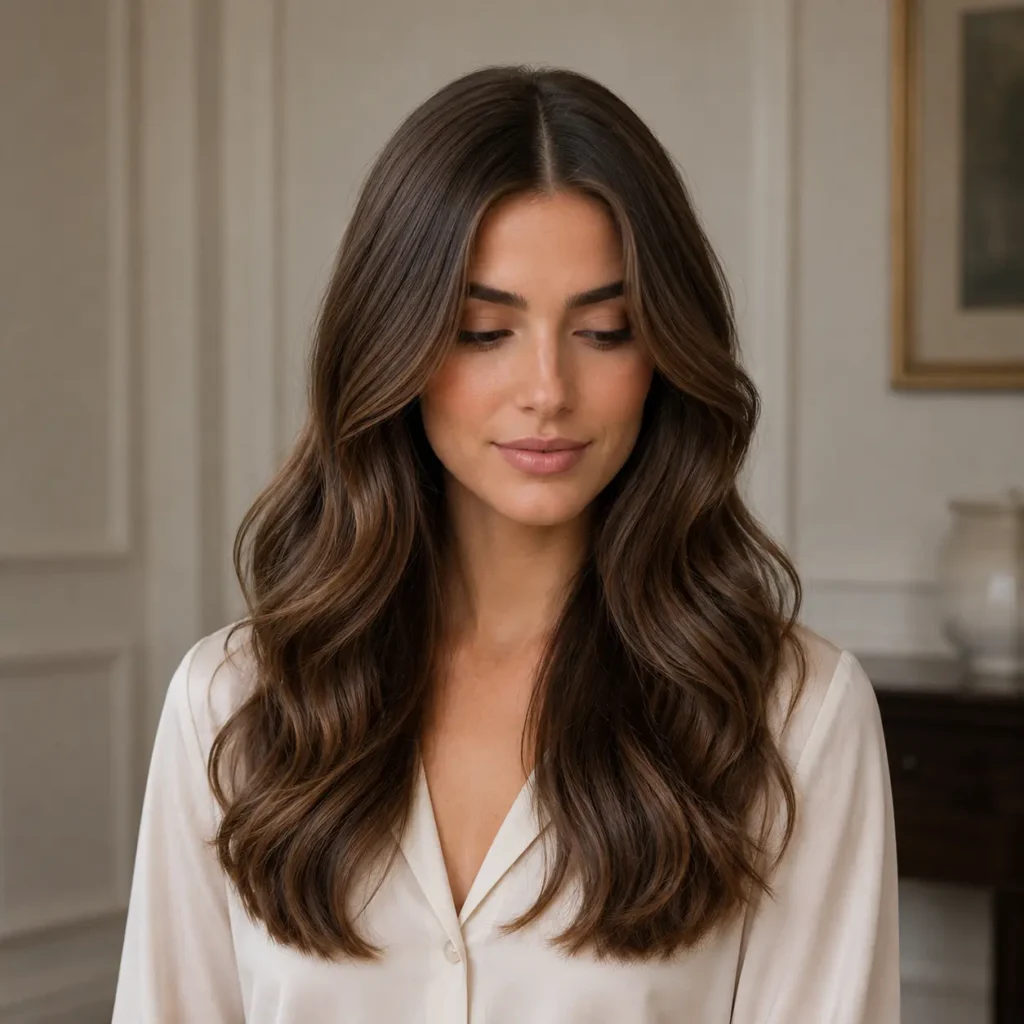
For anyone with long hair searching for long old money hairstyles female inspiration, this is likely the single most requested look. Center-parted, loosely waved hair is the definition of natural, effortless elegance.
Why it’s popular: This style avoids anything sharp or overly styled. It reads as healthy, natural, and unbothered — exactly the energy the old money aesthetic is built around. It also happens to be one of the lowest-maintenance styles on this list, which adds to its appeal. Because it doesn’t rely on a specific cut or length, it’s one of the more forgiving old money hairstyles women can grow into over time, whether hair is shoulder-length or reaches well past the collarbone.
How to style it: Use a curling iron or wand to create loose S-shaped waves, then brush through gently with your fingers to soften the curl pattern. A center part is essential to the overall effect — a deep side part shifts the look toward a different aesthetic entirely. Applying a lightweight leave-in conditioner before styling also helps waves hold their shape without looking crunchy or overly set.
8. Headband-Accented Half-Up Style
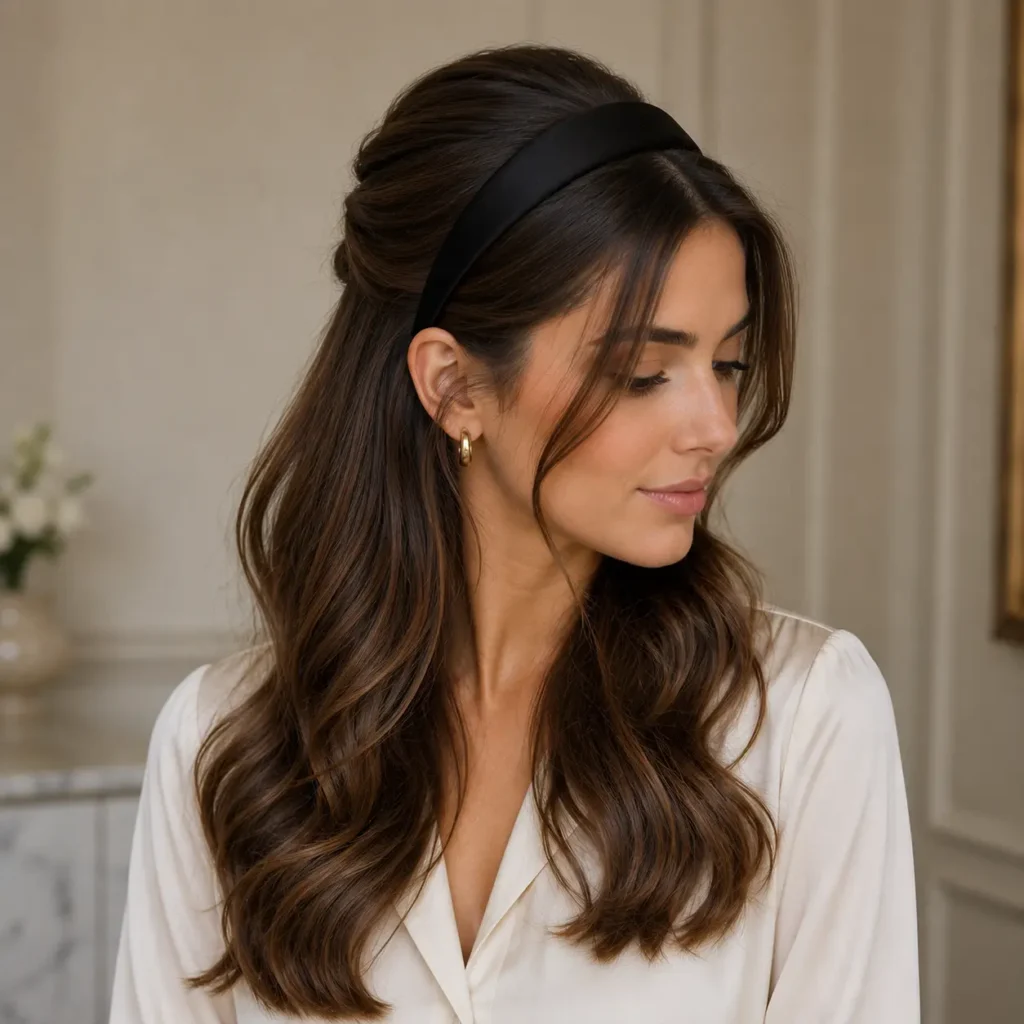
Headbands have become a defining accessory of the old money hair aesthetic, and this half-up style is one of the easiest ways to incorporate one. A slightly thicker headband — tortoiseshell, velvet, or a subtle pattern — pushes hair back while keeping length and volume visible.
Why it’s popular: This look is practical as much as it is stylish. It keeps hair out of the face while still looking deliberately put-together, and the right headband instantly signals a preppy, polished sensibility without requiring any complex styling technique. This is also a great option for anyone newer to the aesthetic, since it can be added to hair that’s already styled in another way — over loose waves, a blowout, or even air-dried texture.
How to style it: Place the headband a few inches back from your hairline for volume at the crown, then let the rest of your hair fall naturally in loose waves or a soft blowout. Opt for fabric-wrapped or tortoiseshell styles over plastic or overly embellished designs, which tend to read as more casual than classic.
9. Structured Pixie Cut
Short hair rarely gets enough attention in old money hairstyle roundups, but a well-cut pixie belongs firmly on this list. Soft, face-framing layers and a touch of volume at the crown give this short cut the same polished quality as its longer counterparts.
Why it’s popular: A structured pixie proves that the old money aesthetic isn’t length-dependent — it’s about precision and shine. This cut also tends to require less daily styling than longer looks, making it a favorite among women who want the aesthetic without a lengthy routine. It’s a particularly good option for readers researching old money hairstyles women can wear at any age, since a well-cut pixie flatters a wide range of face shapes and hair textures.
How to style it: Use a small round brush to add lift at the roots while blow-drying, and finish with a small amount of styling cream to control any flyaways without flattening the volume. Regular trims — closer to every four to six weeks — are essential to keep this cut looking sharp, since shorter styles grow out more visibly than longer ones.
10. Old Money Blonde Balayage Waves
Color plays just as big a role in this aesthetic as cut and styling, and “old money blonde” has become a search term in its own right. This soft, warm, seamlessly blended balayage avoids any harsh lines or contrast, creating a shade that looks like it grew in naturally.
Why it’s popular: Unlike high-maintenance highlights that show obvious regrowth lines, old money blonde is designed to be low-fuss. The melted, root-to-tip blend means fewer salon visits and a consistently polished look — a major reason this shade keeps trending among long old money hairstyles female searches specifically. It’s also one of the most requested colors among women transitioning away from high-maintenance platinum or bleached-blonde looks.
How to style it: Pair this color with loose waves or a voluminous blowout to let the dimension of the color show through. Regular gloss treatments help maintain the shine that makes this shade look genuinely expensive, and a purple or blue-toned shampoo used sparingly can help keep any brassiness from creeping in between salon visits.
Old Money Hairstyles by Hair Length
Since so many readers search specifically by hair length, here’s a quick breakdown of which styles from this list work best depending on where you’re starting from.
| Hair Length | Best Old Money Styles |
|---|---|
| Short (pixie to chin) | Structured pixie cut, old money bob |
| Medium (chin to shoulder) | Old money bob, curtain bangs with waves, headband half-up |
| Long (past the shoulder) | Low bun, French twist, sleek ponytail, center-part waves, blonde balayage waves |
How to Maintain an Old Money Hair Look
Achieving the style is only half the equation — the old money aesthetic depends just as heavily on hair health and upkeep. A few habits make a noticeable difference:
- Prioritize regular trims. Precision cuts like the bob only look sharp with consistent upkeep every six to eight weeks.
- Invest in a good gloss or toning treatment. Shine is non-negotiable for this aesthetic, and a glossing treatment does more for the “expensive hair” effect than almost any single product.
- Use heat protectant religiously. Damaged, frizzy hair undermines the entire look, no matter how good the cut or color is underneath it.
- Choose a signature scent-free or lightly scented finishing product. Old money style, in hair and beyond, favors subtlety over anything overpowering.
- Don’t skip conditioning treatments. Weekly deep conditioning or a hair mask keeps strands looking healthy enough to catch light properly, which is where a lot of that signature shine actually comes from.
Also Read: Butterfly Haircut: The Complete Guide to Getting It Right (Every Hair Type & Length)
Old Money Hairstyles for Different Occasions
- Everyday and office wear: The old money bob, sleek low bun, or center-part loose waves all transition easily from a desk to dinner.
- Formal events and weddings: The French twist and low sleek ponytail with a ribbon both read as elevated without feeling overly done.
- Casual weekends: Headband half-up styles and soft curtain bang waves keep things relaxed while still looking pulled together.
- Special occasions requiring more drama: The high-shine voluminous blowout offers the most glamour of any style on this list, making it ideal for events where you want extra polish.
Common Mistakes to Avoid
Even with the right cut or color, a few small missteps can pull a look away from the old money aesthetic and toward something else entirely:
- Over-teasing for volume. Volume should look natural and soft, not stiff or artificially lifted.
- Choosing high-contrast color placement. Chunky highlights or overly ashy tones tend to read as trend-driven rather than timeless.
- Skipping shine products entirely. Matte finishes work against this aesthetic — a light shine serum or gloss spray is almost always worth adding.
- Over-accessorizing. One statement piece, like a ribbon or headband, is usually enough. Piling on multiple accessories shifts the look toward costume rather than quiet elegance.
- Neglecting hair health. No cut or color can fully compensate for damaged, brittle ends — regular trims and conditioning treatments matter more here than in most other aesthetics.
Essential Tools and Products for the Old Money Hair Look
Because so much of this aesthetic depends on shine, smoothness, and controlled volume, having the right tools on hand makes a real difference. You don’t need an extensive routine — just a few well-chosen essentials:
- A round brush in a mid-size barrel. This is the single most useful tool for recreating both the voluminous blowout and the soft curtain-bang waves on this list.
- A quality ionic or ceramic blow dryer. These reduce frizz and help hair dry with a smoother cuticle, which directly affects how much shine the finished style has.
- A lightweight shine serum or gloss spray. Applied sparingly to mid-lengths and ends, this is what gives old money hairstyles their signature glassy finish without weighing hair down.
- A curling wand with a 1 to 1.5-inch barrel. Ideal for the loose, natural-looking waves that show up across several styles on this list.
- Fabric-covered elastics and quality hairpins. Small details matter for this aesthetic — visible plastic elastics or mismatched bobby pins can undercut an otherwise polished look.
- A silk or satin ribbon and a tortoiseshell headband. Both are inexpensive but versatile accessories that show up repeatedly across old money hairstyles female inspiration boards, and both photograph well for any occasion.
None of these require a significant investment, and most can be found at a range of price points — the key is choosing quality over quantity, which fits neatly with the broader philosophy behind this entire aesthetic.
Frequently Asked Questions
What exactly are old money hairstyles?
Old money hairstyles are polished, timeless hair looks inspired by the “quiet luxury” aesthetic — think glossy blowouts, sleek buns, and natural waves rather than bold colors or trend-driven cuts. The focus is on healthy shine, soft volume, and understated elegance.
What is the most popular old money hairstyle for women?
The old money bob and the sleek low bun are consistently the two most requested styles, largely because both are versatile enough to work for everyday wear and formal occasions alike.
Do old money hairstyles work for short hair?
Yes. A structured pixie cut with soft volume and shine captures the same polished, expensive-looking quality as longer styles on this list — length isn’t a requirement for the aesthetic.
What hair color is considered “old money”?
Warm, multidimensional tones like soft honey blonde, chestnut brown, or deep espresso brunette are considered classic old money hair colors. The trend avoids overly ashy, neon, or high-contrast color placement in favor of natural-looking dimension.
Can I get old money hair without expensive salon visits?
Many of these styles, like the low bun, sleek ponytail, or headband half-up, can be recreated at home with basic tools. Investing occasionally in a precision haircut or color gloss will help maintain the look, but daily styling doesn’t require a professional.
What’s the difference between old money hair and quiet luxury hair?
The two terms are largely used interchangeably. “Quiet luxury” is the broader style philosophy — understated, high-quality, effortless — and “old money hair” is its specific application to hairstyling and color.
Which old money hairstyle works best for long hair specifically?
Center-part loose waves, a sleek low bun, and a low ponytail with a ribbon are among the most popular long old money hairstyles female readers search for, since all three showcase length while keeping the overall look polished and controlled.
Also Read: 6 Low-Maintenance Hairstyles for Women Over 60 with Fine Hair