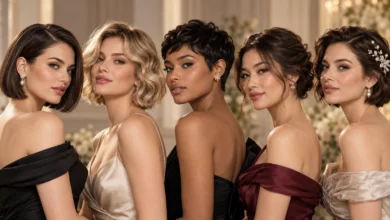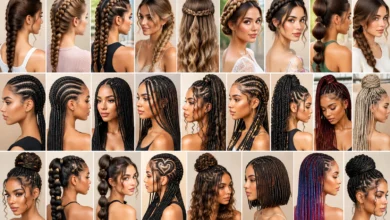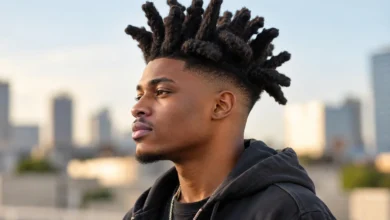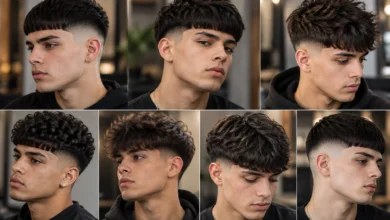
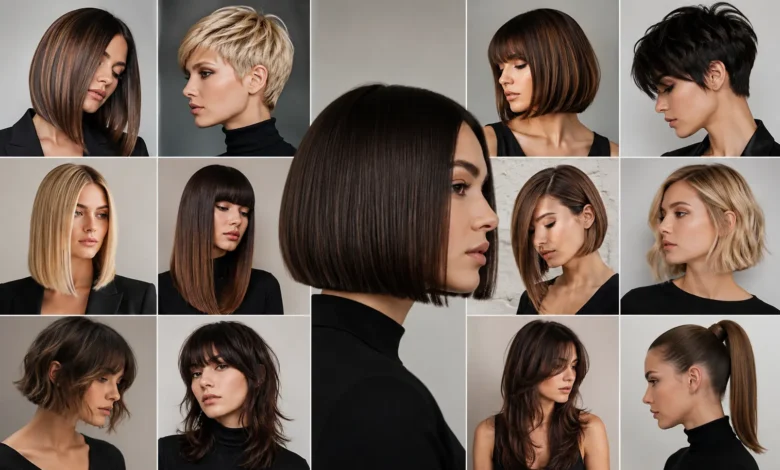
Some haircuts rely on styling to look finished. Precision cuts don’t. A truly well-executed precision haircut holds its shape whether it’s air-dried, blown out, or left completely untouched, because the structure comes from the cut itself rather than the product sitting on top of it. That’s exactly why precision cutting hair techniques have become such a defining force in both runway hairstyling and everyday salon work.
If you’ve ever admired a haircut that looked razor-sharp from every angle, chances are it was shaped using precision cutting rather than a standard trim. This guide breaks down what precision cutting actually is, how it differs from other cutting techniques, and 11 precision cutting hair styles that feel runway-ready — along with practical guidance on choosing the right one for your face shape, hair type, and lifestyle.
What Is Precision Cutting Hair Styling?
Precision cutting is a hair cutting technique built around exact sectioning, controlled tension, and clean, deliberate lines rather than loose or freehand shaping. Instead of cutting hair in broad, casual sections, a stylist working with precision cutting technique divides the hair into small, carefully measured panels, cutting each one to an exact length and angle before moving to the next.
The result is a haircut with sharp, intentional lines — think a blunt bob with a perfectly even perimeter, or layers that fall with mathematical consistency rather than looking randomly textured. Precision cut hairstyles are less about adding volume through choppy texture and more about creating a defined shape that reads as clean and architectural, whether the hair is worn sleek or slightly undone.
What Makes a Haircut a Precision Cut?
Not every clean-looking haircut qualifies as a true precision cut. A few specific markers separate precision cutting from a standard haircut:
- Exact sectioning — hair is divided into small, uniform sections using a comb and clips, rather than cut in large, loosely gathered pieces.
- Consistent tension — each section is held at the same angle and tension throughout the cut, which is what allows the final shape to fall evenly.
- Defined perimeter lines — the outer edge of the cut, whether blunt or angled, is cut with intention rather than blended away with texturizing.
- Repeatable structure — a precision cut can be recreated with the same measurements and angles in future maintenance appointments, which is part of why these cuts tend to grow out more gracefully.
How Precision Cutting Differs from Freehand and Regular Haircuts
The difference between precision cutting and freehand cutting comes down to control. Freehand cutting is done without strict sectioning, relying on the stylist’s eye and hand movement to shape the hair more organically. It’s often used for soft, textured, or undone-looking styles where a slightly imperfect finish is actually the goal.
Precision cutting, by contrast, prioritizes measurement and repeatability. A regular haircut might simply trim length and remove split ends, while a precision haircut is engineered around specific angles and sections to create a defined silhouette. Neither approach is inherently better — they’re suited to different results, and many skilled stylists combine both, using precision cutting to build the foundational shape and freehand techniques to soften or personalize it afterward.
Point Cutting vs. Precision Cutting
Point cutting involves snipping into the ends of the hair at an angle, using the tip of the scissors to create soft, textured edges rather than a blunt line. It’s often used to soften a precision cut once the main shape has been established, removing some of the sharpness at the ends without disrupting the overall structure.
Precision cutting and point cutting aren’t opposites — point cutting is frequently used as a finishing technique on top of a precision-cut foundation. The key distinction is that precision cutting establishes the exact shape and length, while point cutting adjusts texture and softness at the ends once that shape is already in place.
Razor Cut vs. Precision Cut
A razor cut uses a blade rather than scissors to shape the hair, naturally creating soft, feathered ends because of how a razor slices through the hair shaft compared to a blunt scissor cut. This makes razor cutting popular for textured, effortless-looking styles.
Precision cuts are almost always created with scissors rather than a razor, since scissors allow for the exact, blunt lines that define precision cutting. Razor cutting can still be incorporated into a precision-cut style to soften specific pieces, such as the ends of layers or a fringe, but the core structural lines of a true precision cut rely on scissor work for their clean, sharp finish.
Scissor-Over-Comb and Blunt Cutting Techniques
Scissor-over-comb is a technique where the stylist uses a comb to lift and guide small sections of hair while cutting directly against it with scissors, commonly used for tapering shorter areas like the nape or sides in pixie and crop cuts. It allows for extremely close, controlled shaping in areas where clippers might look too severe.
Blunt cutting, meanwhile, refers to cutting hair straight across in one clean line without any layering or texturizing, which is the technique behind classic precision bobs. Layering techniques for precision cuts often combine blunt cutting for the perimeter with carefully measured internal layers, giving the hair movement without compromising the sharp outer shape that defines the style.
A Brief History of Precision Hair Cutting
Precision cutting as a defined technique is closely associated with the geometric, architectural haircuts that emerged in hairdressing during the mid-20th century, when stylists began moving away from purely decorative styling toward cuts engineered around bone structure and exact measurement. This shift treated hair less like something to be curled or set into place and more like a structural material that could hold its own shape.
Since then, the evolution of precision haircuts has continued through decades of fashion, with editorial and runway stylists regularly pushing the technique toward sharper, more graphic silhouettes, from severe geometric bobs to precisely graduated layers. Famous precision haircuts in fashion history have often become cultural shorthand for a particular era’s aesthetic — a testament to how much a single, well-executed precision cut can influence an entire hairstyling movement.
Why Runway Stylists Rely on Precision Cutting
Precision cutting remains a favorite among runway and editorial stylists for practical as well as aesthetic reasons. A precisely cut shape holds up under the fast pace of backstage styling, photographs cleanly under harsh lighting, and reads clearly even at a distance on a runway — all qualities that a looser, freehand cut can struggle to deliver consistently.
Precision cuts also translate a designer’s or creative director’s vision with a level of exactness that’s hard to achieve with more organic cutting methods. When a show calls for a sharp, architectural look, precision cutting hair techniques are almost always the foundation that makes that vision possible.
Also Read: Butterfly Haircut: The Complete Guide to Getting It Right (Every Hair Type & Length)
Benefits of Precision Haircuts
Sharper, more defined results. The controlled sectioning and consistent tension behind precision cutting create cleaner lines than a standard haircut typically achieves.
Lower daily styling effort. Because the shape is built into the cut itself, many precision styles require minimal styling to look finished, making them a practical choice for busy schedules.
Graceful growth patterns. A well-executed precision cut, particularly one with a clean perimeter, tends to grow out in a way that still looks intentional rather than shapeless.
Versatility across finishes. The same precision cut can look sleek and polished when blown out straight, or slightly softer and more relaxed when air-dried, without losing its underlying structure.
11 Precision Cutting Hair Styles That Feel Runway-Ready
1. The Classic Precision Blunt Bob
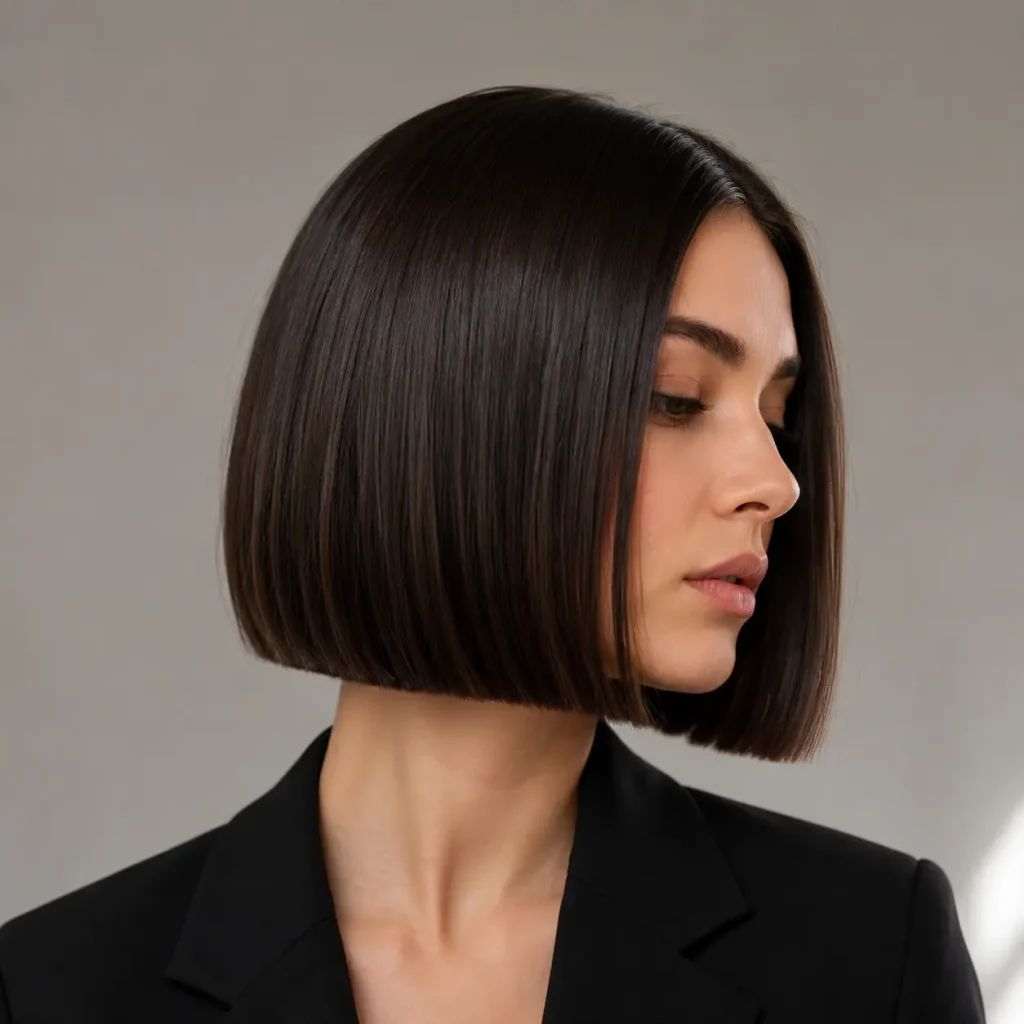
The precision bob is the clearest example of blunt cutting technique in action — a single, perfectly even line running around the entire perimeter of the hair, usually falling at or just above the jaw. Every strand is cut to match, which is what gives this style its signature sharp, glass-like edge. It works especially well for straight or slightly wavy hair, where the blunt line can read clearly without disruption from natural texture.
2. Graduated Precision Bob
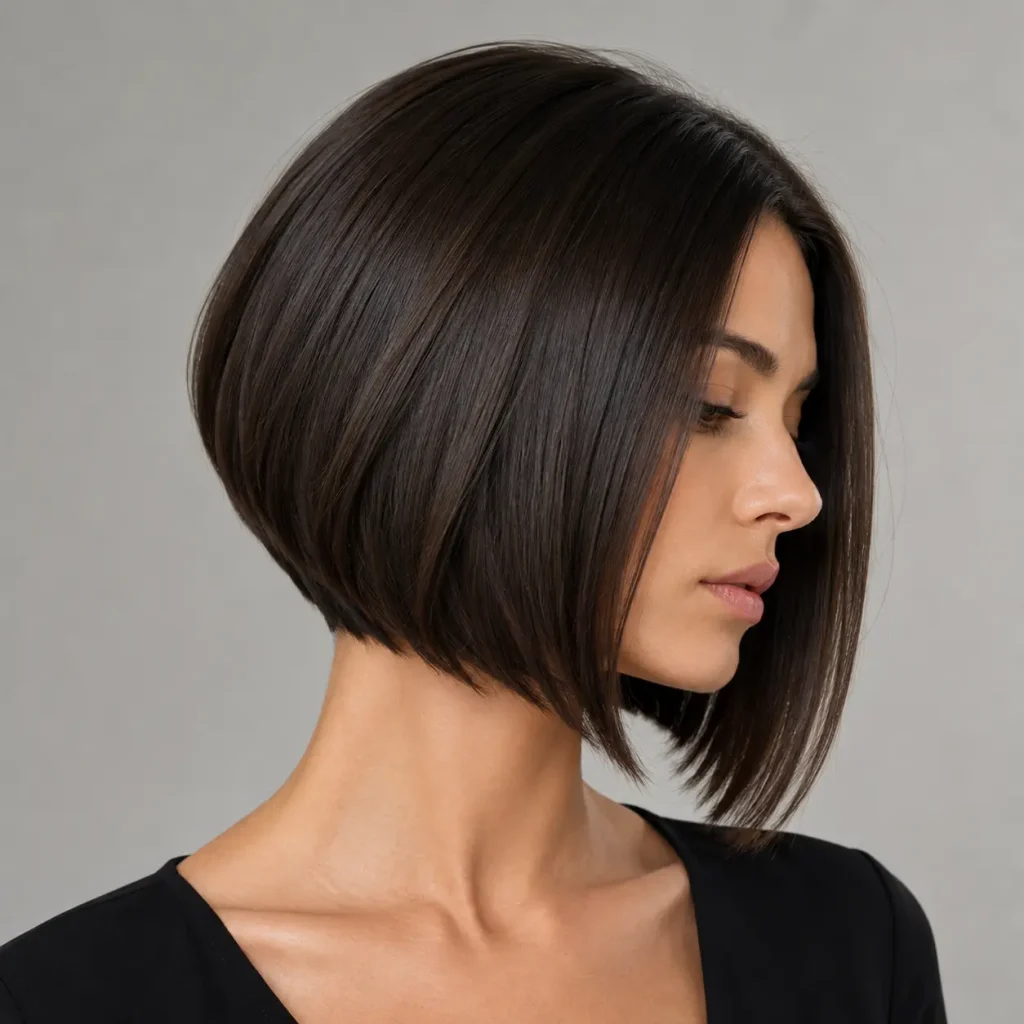
A graduated bob builds gradual length from the crown down to the nape, creating a rounded, slightly stacked silhouette rather than one uniform length. This precision layered haircut adds subtle volume at the back while keeping the front sections longer, making it a popular choice for anyone who wants the sharpness of a bob with a bit more shape and dimension.
3. Precision Pixie Cut
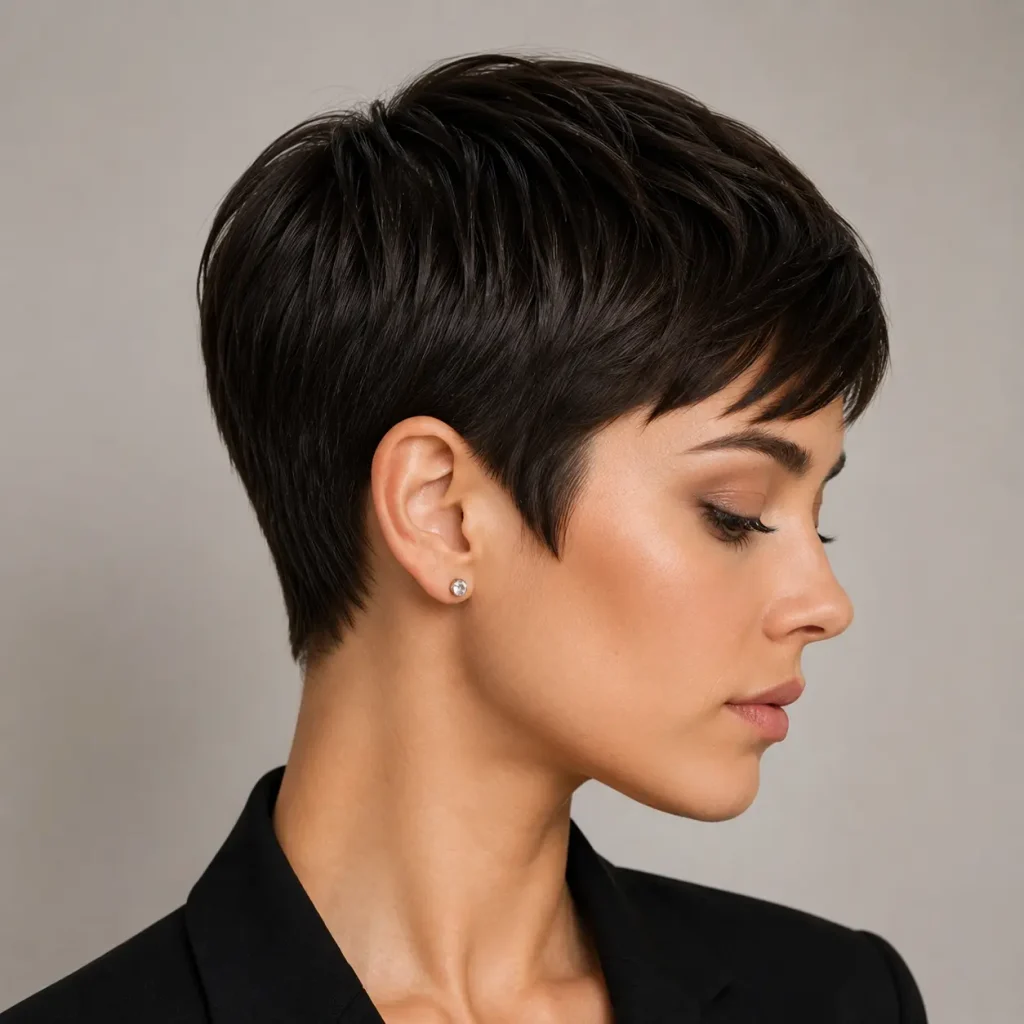
The precision pixie cut relies heavily on scissor-over-comb technique to create a close, controlled taper at the sides and nape, while the top sections are cut with exact, measured lengths to maintain shape and texture. This is one of the more technically demanding precision cuts to execute well, since even small inconsistencies in the taper are highly visible in such short hair.
4. Precision Lob (Long Bob)
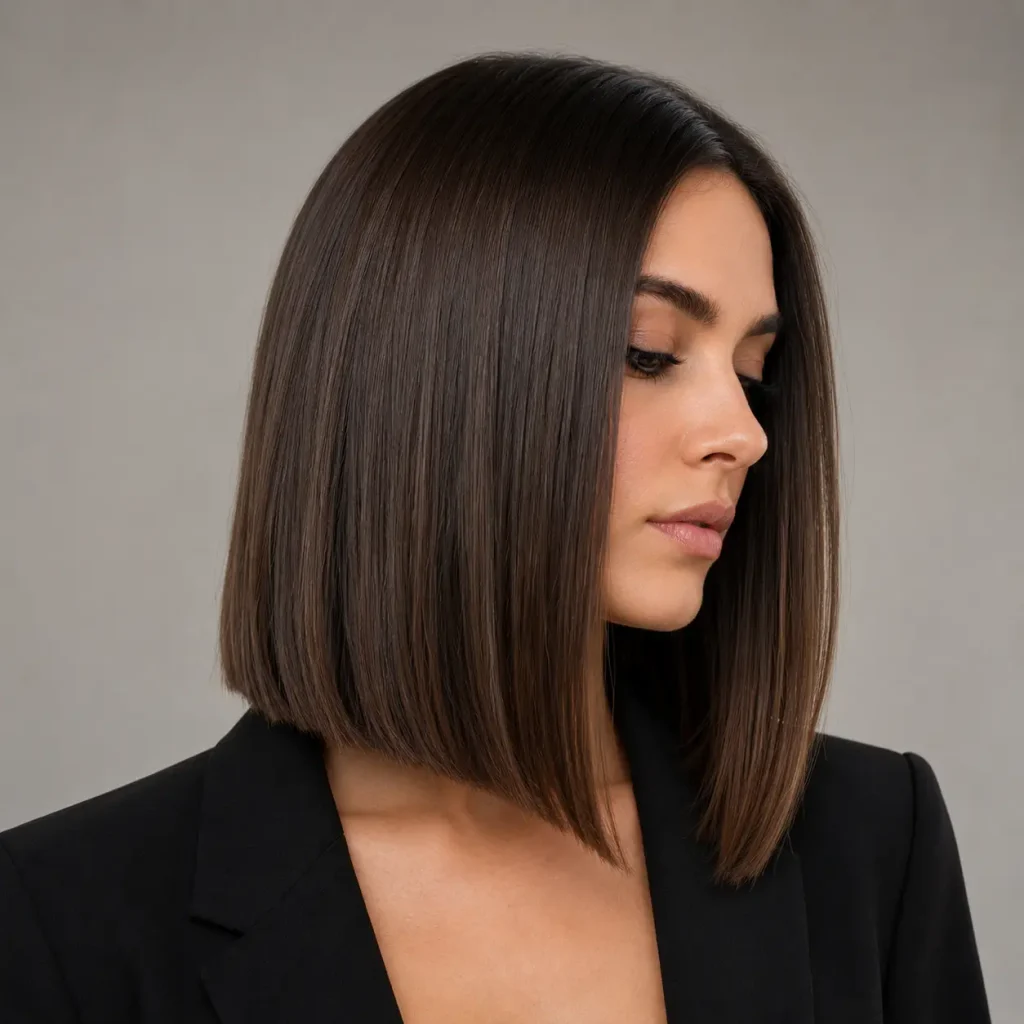
The precision lob takes the same blunt-cutting logic as a classic bob but extends the length to somewhere between the chin and shoulders. This makes it one of the more versatile precision cut hairstyles, since the extra length allows for a bit more movement while still maintaining the sharp, even perimeter that defines the technique.
5. Angled Precision Cut
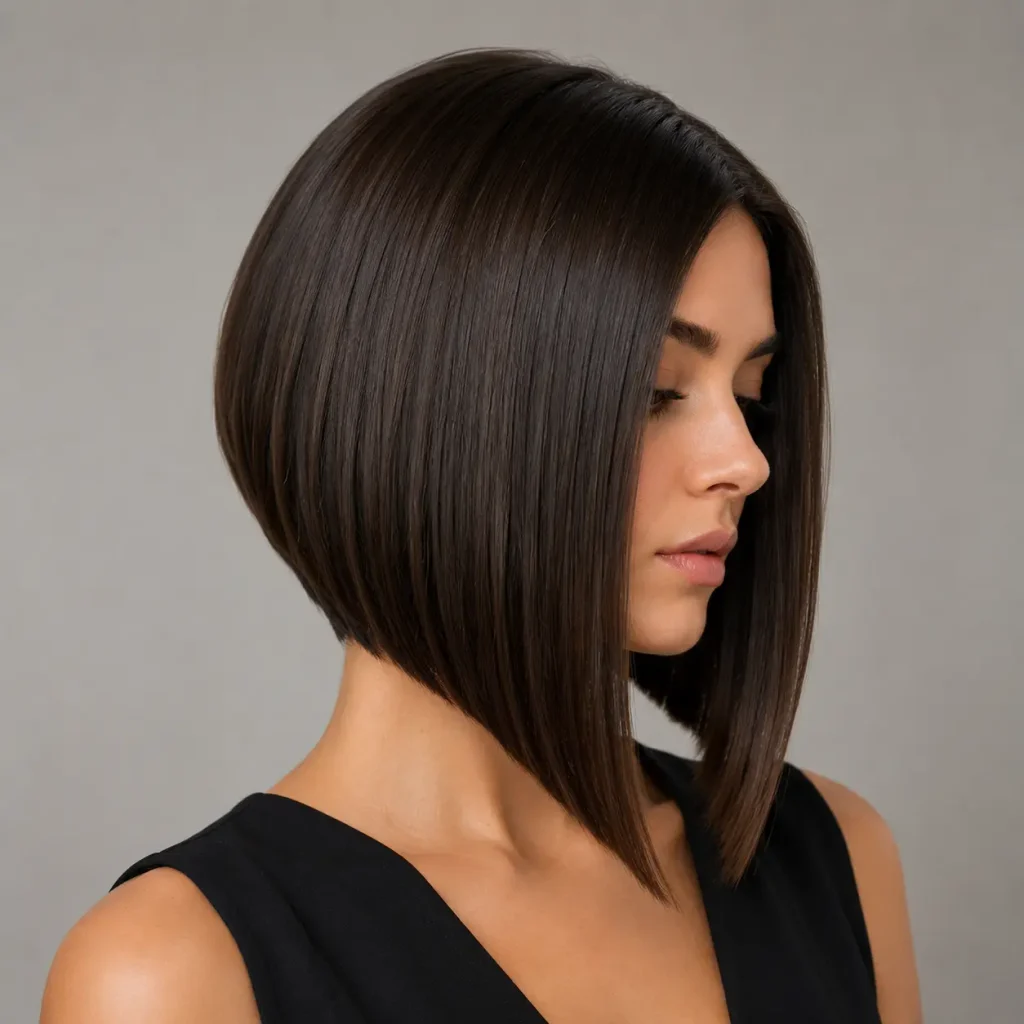
An angled precision cut uses a sloped perimeter line, often shorter at the back and gradually longer toward the front, to create a dynamic, asymmetrical silhouette. This angled precision cut is particularly popular for face-framing purposes, since the longer front pieces can be positioned to soften or contour specific facial features.
6. Geometric One-Length Cut
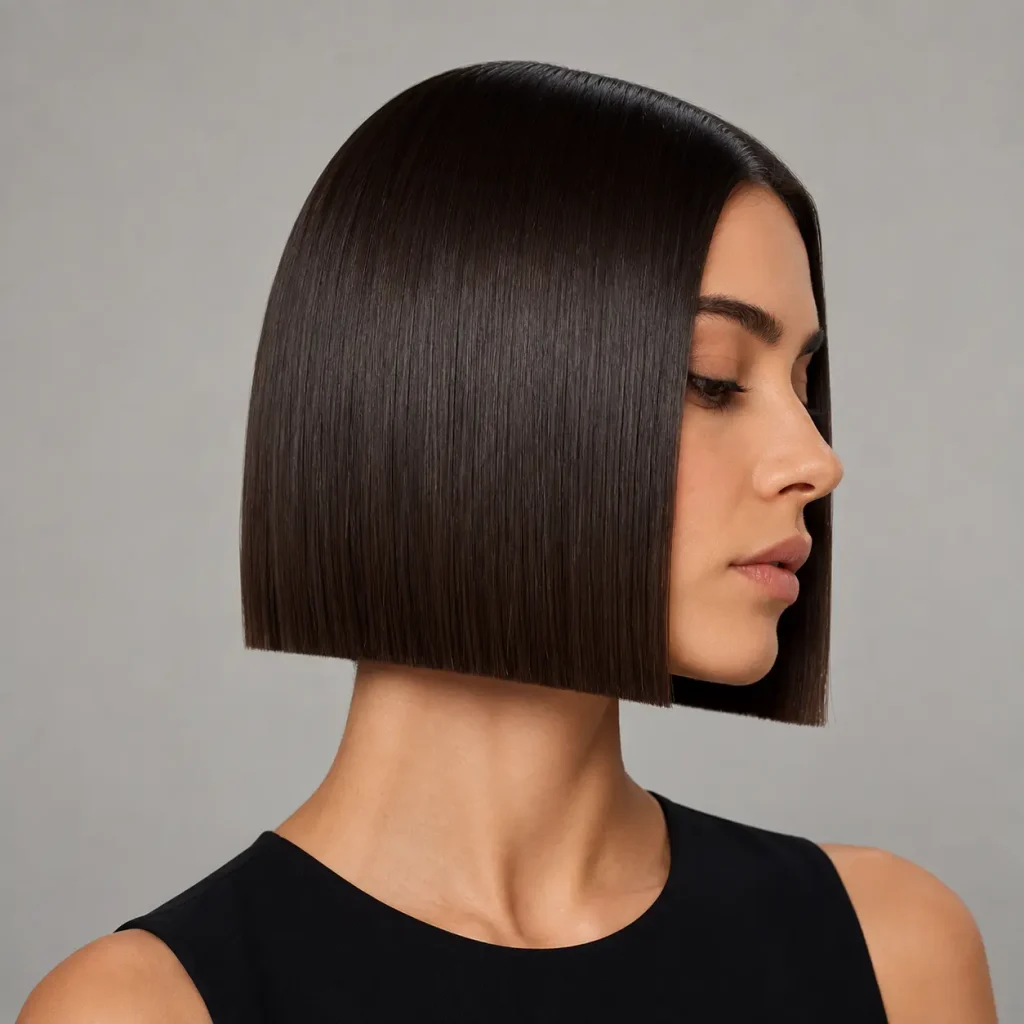
True to its name, a geometric haircut style built on one consistent length creates a strikingly graphic, almost sculptural silhouette. This is one of the purest expressions of precision cutting hair technique, relying entirely on exact sectioning and tension with no internal layering to soften the shape — making it a favorite for editorial and runway hairstyles that call for a bold, architectural statement.
7. Precision Layered Haircut
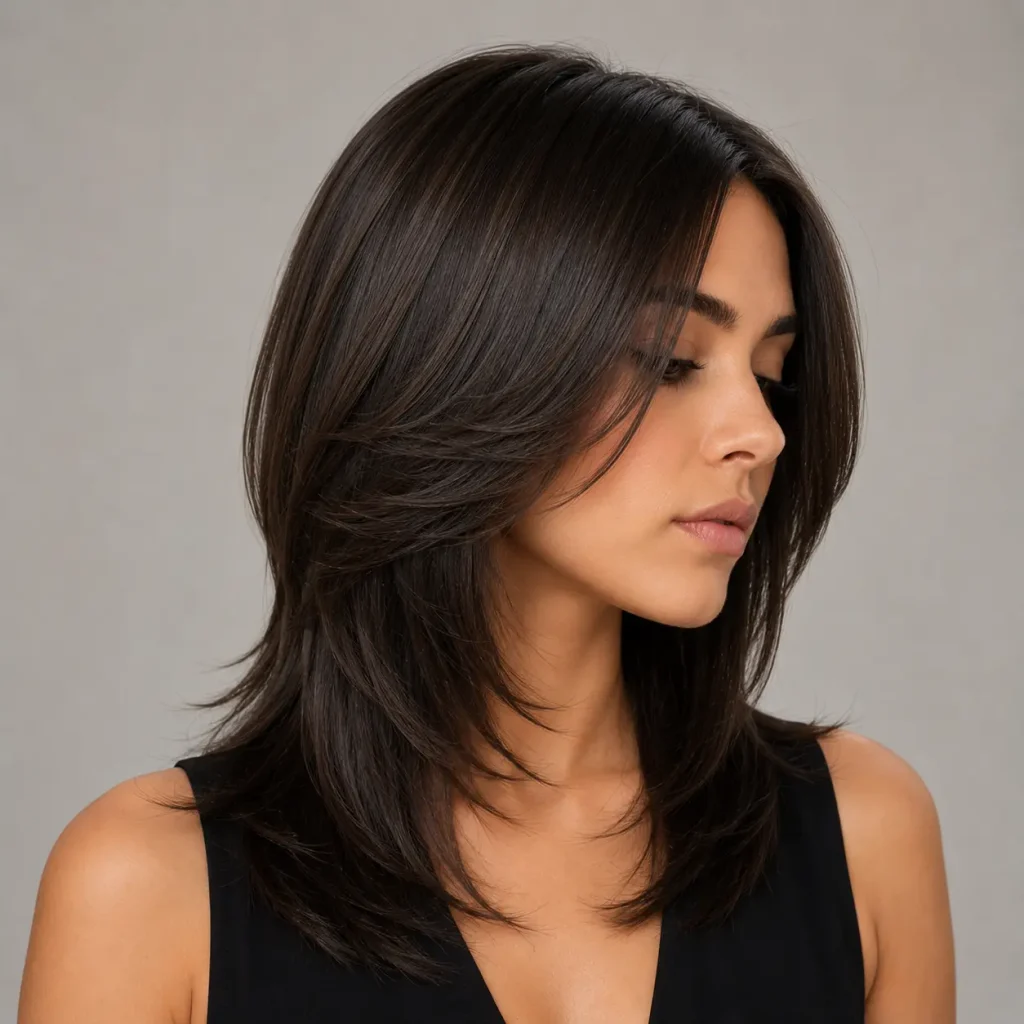
Rather than a single uniform length, a precision layered haircut uses multiple carefully measured layers throughout the hair to build movement while maintaining a defined overall shape. Unlike freehand layering, each layer in this style is cut using the same exact angle and tension as a reference point, keeping the layers consistent rather than randomly textured.
8. Face-Contouring Precision Layers
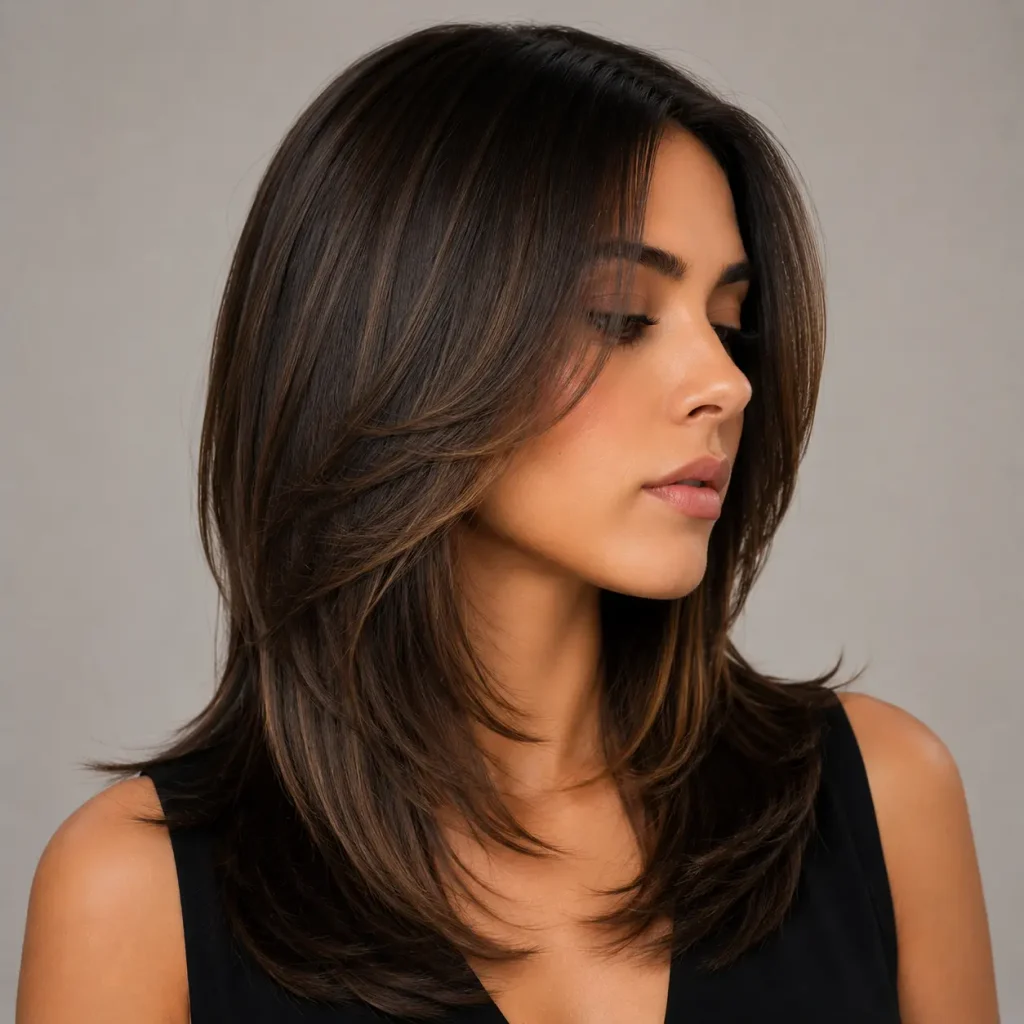
A newer interpretation of precision layering starts the first layer at the cheekbone, using it to create dimension around the face in a way that echoes how contour makeup shapes the cheeks. The remaining layers cascade downward from that point, often finished with softly textured ends to keep the overall look polished rather than severe — a technique increasingly favored by runway stylists for its face-flattering versatility.
9. Precision Jawline Micro Bob
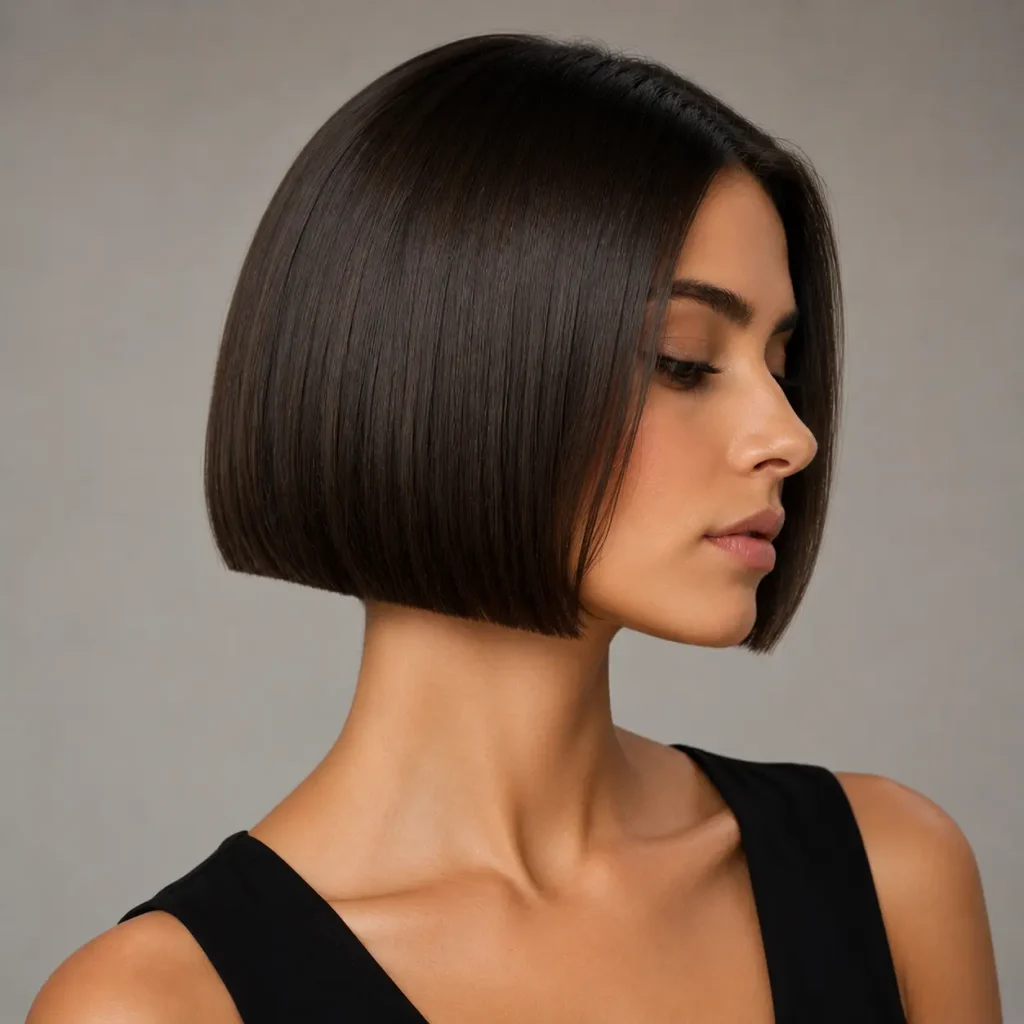
The micro bob is a shorter, more compact take on the classic bob, cut to sit precisely at or just above the jawline. Combined with precision cutting, this style becomes an exceptionally sharp, structured haircut for face shapes that benefit from added definition around the chin and jaw, making it one of the most graphic precision bob variations available.
10. Textured Precision Crop
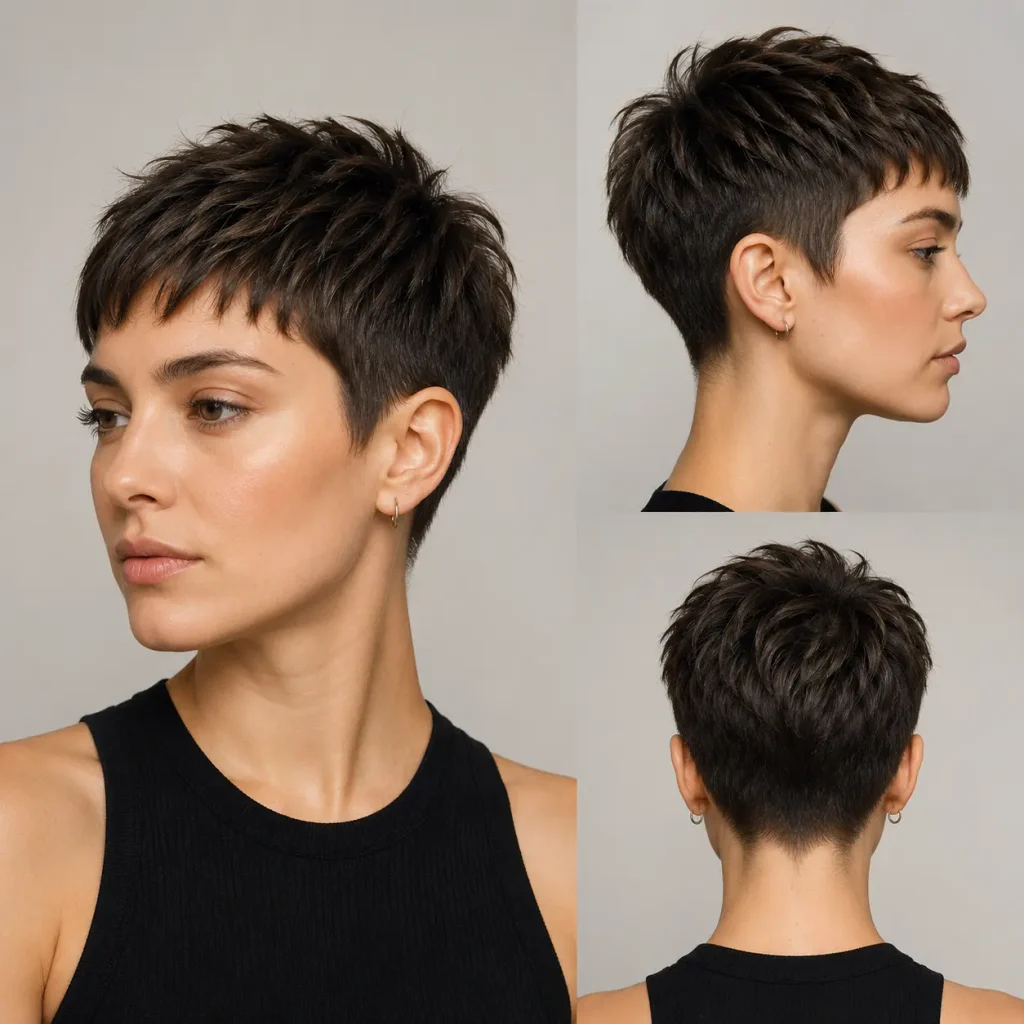
A textured precision crop combines a short, closely cut base with softly point-cut ends at the top, giving the style movement and a slightly undone finish without sacrificing the clean lines of the underlying cut. It’s a strong option for anyone who wants the low-maintenance appeal of a crop with a more editorial, high-fashion finish.
11. Precision Shag
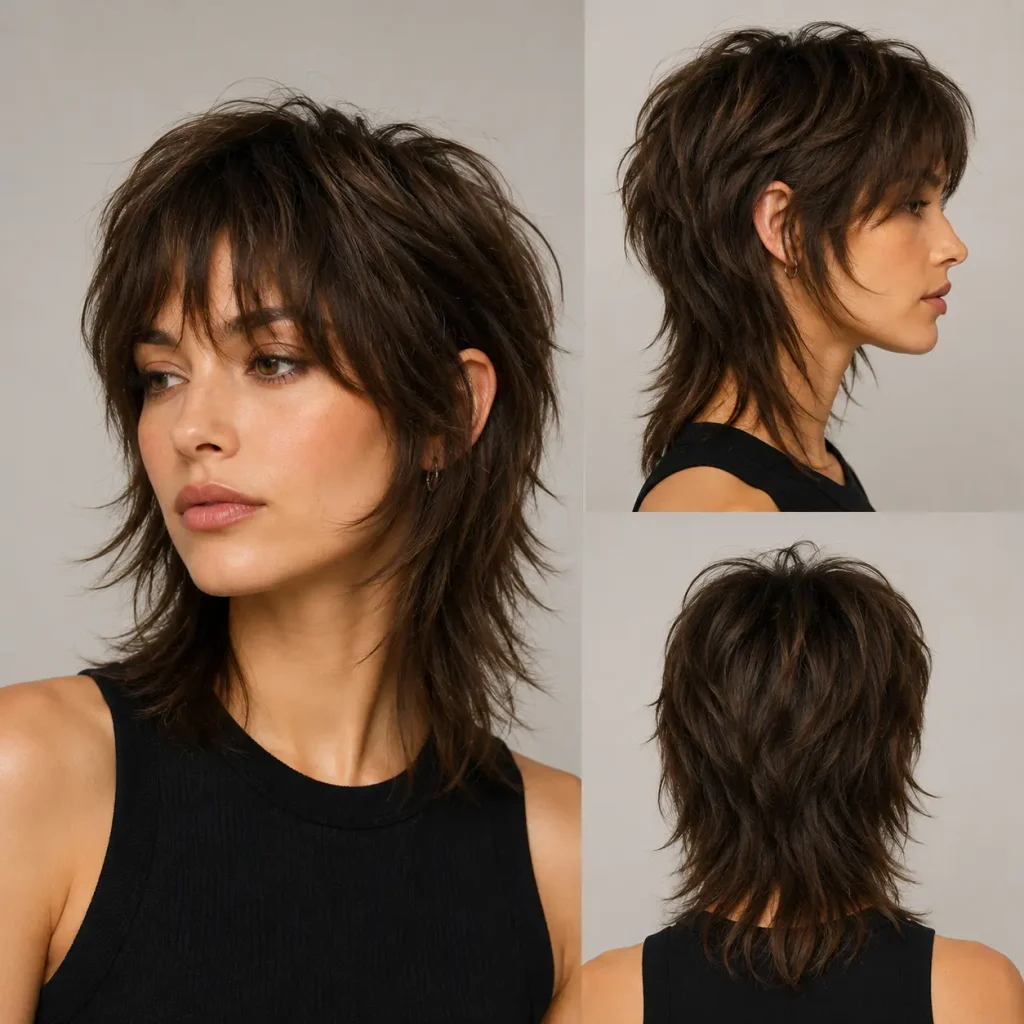
The modern precision shag takes the traditionally loose, choppy shag silhouette and rebuilds it using exact sectioning and controlled layering. The result keeps the shag’s signature movement and volume while replacing its usual randomness with a more structured, intentional shape — a distinctly 2026 take on a decades-old style that balances softness with clean, deliberate lines.
Also Read: Modern Short Hairstyles for Women: 10 Stylish Haircuts
How to Choose a Precision Cut for Your Face Shape
Round face shapes tend to benefit from angled precision cuts or asymmetrical bobs, since the longer front sections create the illusion of length and help slim the overall silhouette.
Square face shapes often look well-balanced with softer, face-contouring precision layers, which help soften strong jawlines without hiding them entirely.
Oval face shapes are considered the most versatile for precision cutting, since nearly every style on this list — from a blunt bob to a geometric one-length cut — tends to suit this shape well.
Heart-shaped faces are often flattered by a precision lob or graduated bob, where added width at the jawline helps balance a narrower chin.
Long face shapes typically benefit from styles with volume at the sides, such as a graduated bob or textured crop, which can help visually shorten the face.
Choosing a Precision Cut for Your Hair Type
Straight hair shows off precision cutting’s sharp lines most clearly, making styles like the classic blunt bob or geometric one-length cut especially effective, since there’s no natural texture to disrupt the edge.
Thick hair holds precision layering well, allowing for graduated bobs or precision layered cuts that manage bulk while maintaining a defined shape.
Fine hair often benefits from blunt precision cuts specifically, since removing too much internal layering can make fine hair look thin, while a solid, uniform line creates the appearance of more density.
Curly hair requires a slightly adjusted approach to precision cutting, since curls shrink and shift shape once dry; stylists experienced in cutting curly hair typically account for this shrinkage when measuring sections, ensuring the finished, dry result still reads as a clean precision cut.
How to Ask Your Stylist for a Precision Cut
When booking an appointment, it helps to specifically mention “precision cutting” or reference the technique by name, since this signals to your stylist that you want exact, measured sectioning rather than a faster, more freehand approach. Bringing reference photos of the specific angle, length, and perimeter line you want — rather than just a general style name — also helps ensure the results match your expectations, since small differences in angle can significantly change how a precision cut looks on different face shapes.
How to Maintain a Precision Haircut
Precision cuts generally require more frequent maintenance than looser, layered styles, since the sharp lines that define the look grow out more visibly. Most precision styles, especially blunt bobs and pixie cuts, benefit from a trim every six to eight weeks to keep the perimeter and any tapered sections looking crisp.
Using a heat protectant before blow-drying and finishing with a smoothing serum or light-hold product can also help maintain the clean lines of a precision cut between salon visits, particularly for styles like the blunt bob or geometric cut, where flyaways are more noticeable against such a defined silhouette.
How to Style a Precision Haircut at Home
Because precision cuts are built around structure rather than added volume, styling at home is often simpler than it looks. A round brush and blow-dryer can help smooth and set the perimeter line on bobs and lobs, while a flat iron with slightly curved edges works well for adding a soft bend without losing the cut’s sharp finish. For textured styles like the precision crop or shag, a light texturizing paste worked through dry hair is usually enough to enhance the cut’s natural movement without overwhelming its shape.
Is Precision Cutting More Expensive?
Precision haircuts are often priced slightly higher than standard trims, largely because of the additional time and technical skill required to section and cut hair with this level of accuracy. Precision haircut cost can vary significantly depending on the salon, stylist experience, and hair length, so it’s worth asking directly during a consultation how a salon’s precision cutting service is priced compared to a standard haircut.
Frequently Asked Questions
Is precision cutting good for thin hair?
Yes, precision cutting can be particularly good for thin hair, since blunt, uniform lines create the appearance of more density compared to heavily layered or texturized cuts, which can make fine hair look sparse at the ends.
How often should you get a precision haircut?
Most precision cuts need a trim every six to eight weeks to maintain their sharp lines, though this can vary depending on how quickly your hair grows and how noticeable regrowth is against the specific style.
Is precision cutting more expensive?
Precision cutting is often priced somewhat higher than a standard haircut due to the extra time, exact sectioning, and technical skill involved, though exact pricing varies widely by salon and stylist.
Does precision cutting damage hair?
Precision cutting itself does not damage hair any more than a standard haircut, since it primarily involves scissor work rather than heat or chemical processing. In fact, clean, precise cuts can reduce split ends compared to poorly blended layering.
Which face shapes suit precision haircuts?
Most face shapes can suit a precision haircut when the specific style is chosen thoughtfully — angled cuts and asymmetrical bobs tend to suit rounder faces, softer face-contouring layers suit square faces, and oval faces generally suit nearly any precision cut style.
Final Thoughts
Precision cutting hair techniques prove that a truly great haircut doesn’t need to rely on daily styling to look intentional. From the sharp simplicity of a classic blunt bob to the sculptural drama of a geometric one-length cut, these 11 precision cutting hair styles show just how much structure, angle, and exact measurement can do for a finished look. Whether you’re after something low-maintenance or genuinely runway-ready, the right precision cut comes down to matching the technique to your face shape, hair type, and how much daily styling effort you’re willing to put in.
Also Read: 10 Old Money Hairstyles for Women and Why They’re Popular