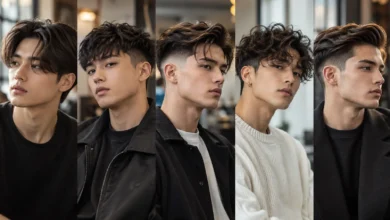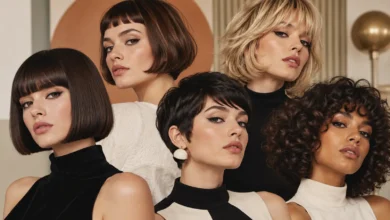
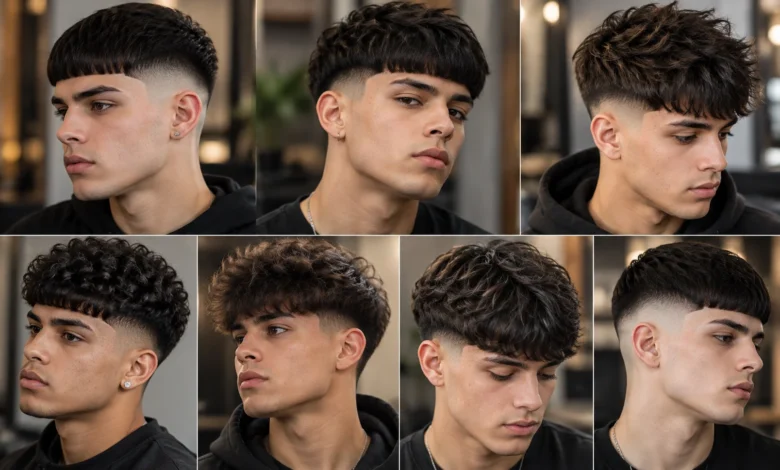
The Edgar Cut is recognized for its clean, short sides, and front fringe. However, this hairstyle doesn’t have to be the same for everyone. A barber can alter the fade, taper, texture and hair length at the top to make the style as per your hair and preference.
It can be straight and firm, or natural curls, waves and texture will give it a softer look. The correct one will depend on your hair type, face shape, routine and your desired maintenance.
Before getting your next haircut, try one of these 13 Edgar styles.
What Is an Edgar Cut?
The Edgar hairstyle is a short hairstyle with a forward fringe that typically rests over the forehead. The top is kept longer than the sides and back, so as to form a distinct contrast.
The front may be straight and defined, or slightly textured. The sides can feature a low taper, low fade, mid fade, high fade, or skin fade.
This versatility allows for easy customization of the style.
If you’re also comparing modern short hairstyles, the Mod Cut is a different way to cut the hair, more into the shape and the movement.
13 Edgar Cut Styles to Try
1. Classic Edgar With a High Fade
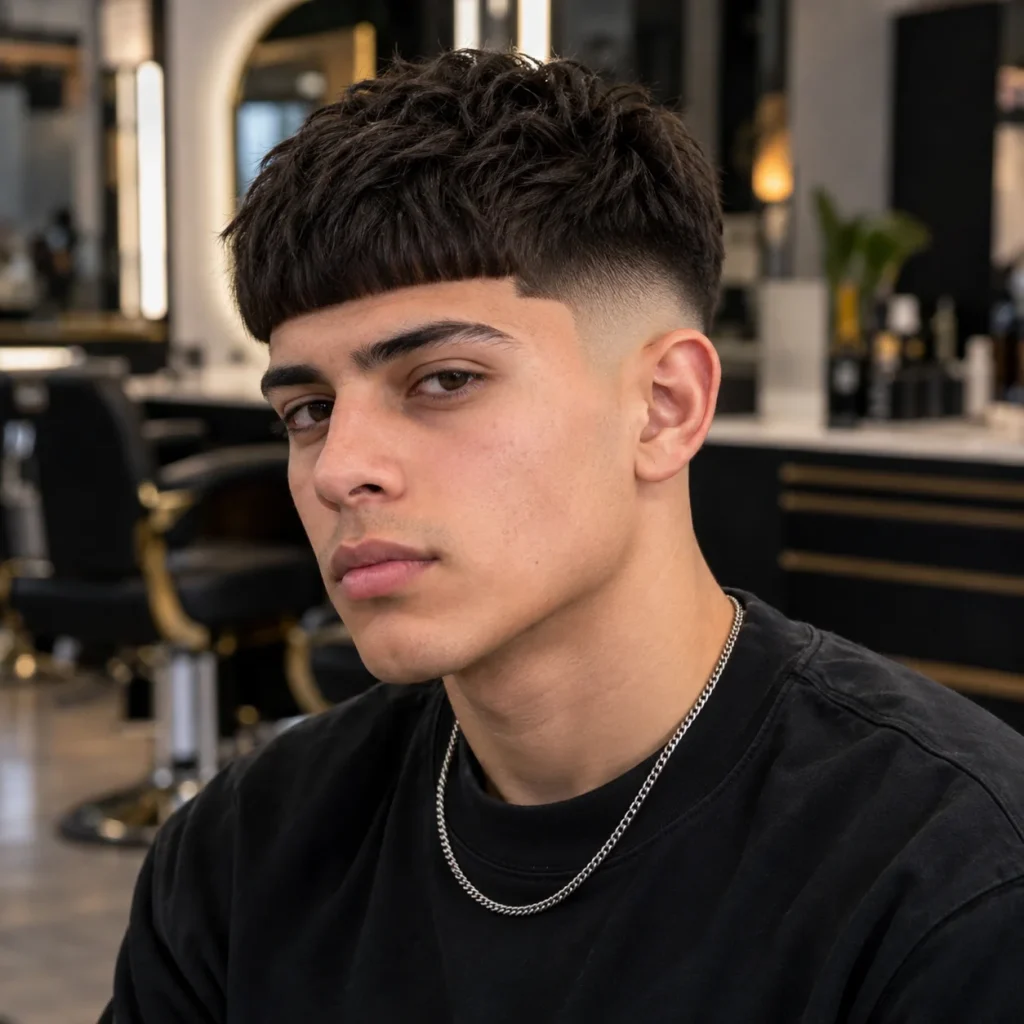
The traditional one features a structured top and a high fade on the sides.
The fade eliminates more hair around the temples and sides, resulting in a lot of contrast. The front fringe remains short and neat, giving the haircut its signature form.
This version is great for thick, straight hair as the hair will naturally form the structured top.
Ideal for: Thick, straight hair and for bold, defined styles.
2. Low Taper Edgar for a Softer Look
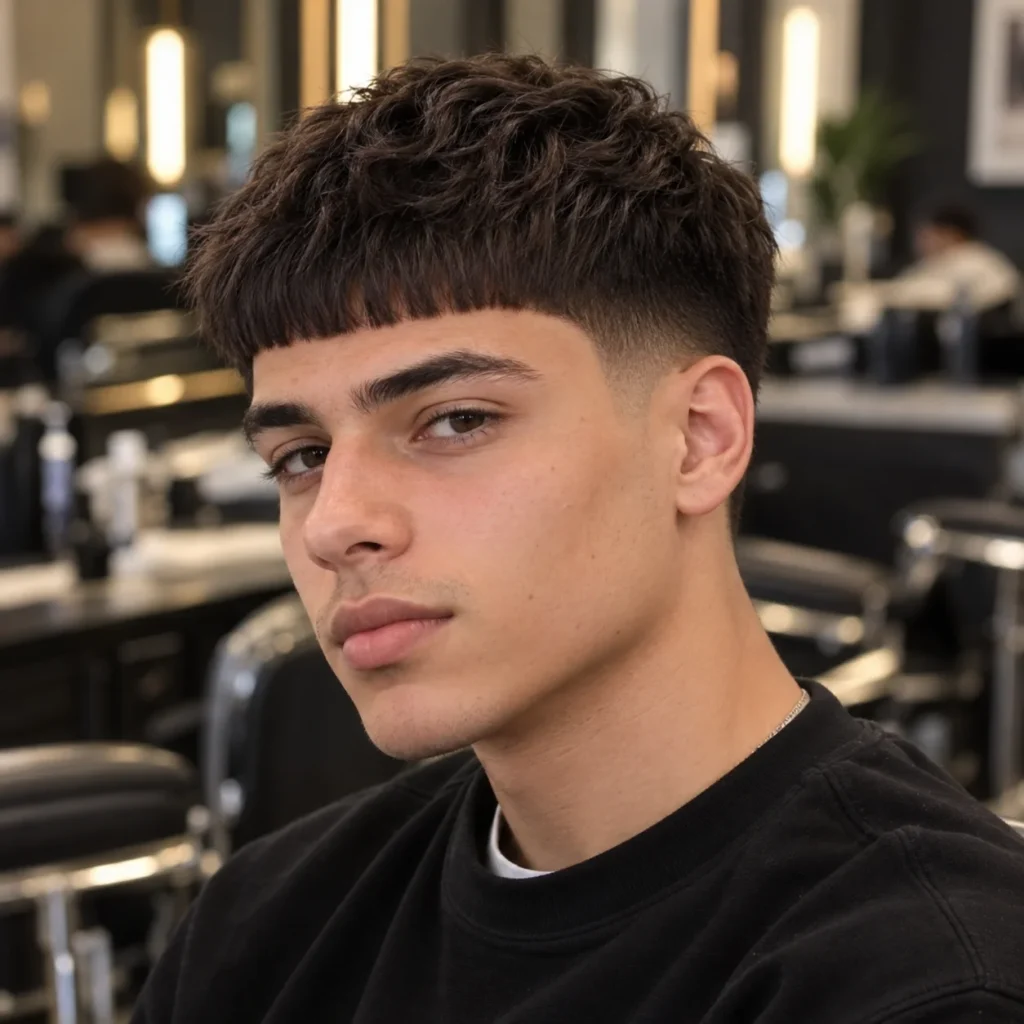
The shorter section is closer to the sideburns and neckline when the taper is low.
Hair fades are less extreme than a high fade, as there’s more remaining on the sides. Its front fringe still gives it a modern look.
If you’re looking to get the shape of an Edgar, but not quite that extreme of a fade, this is a good choice.
Ideal for: General use and those who don’t want too much emphasis on the finish.
3. Textured Edgar for Thick Hair
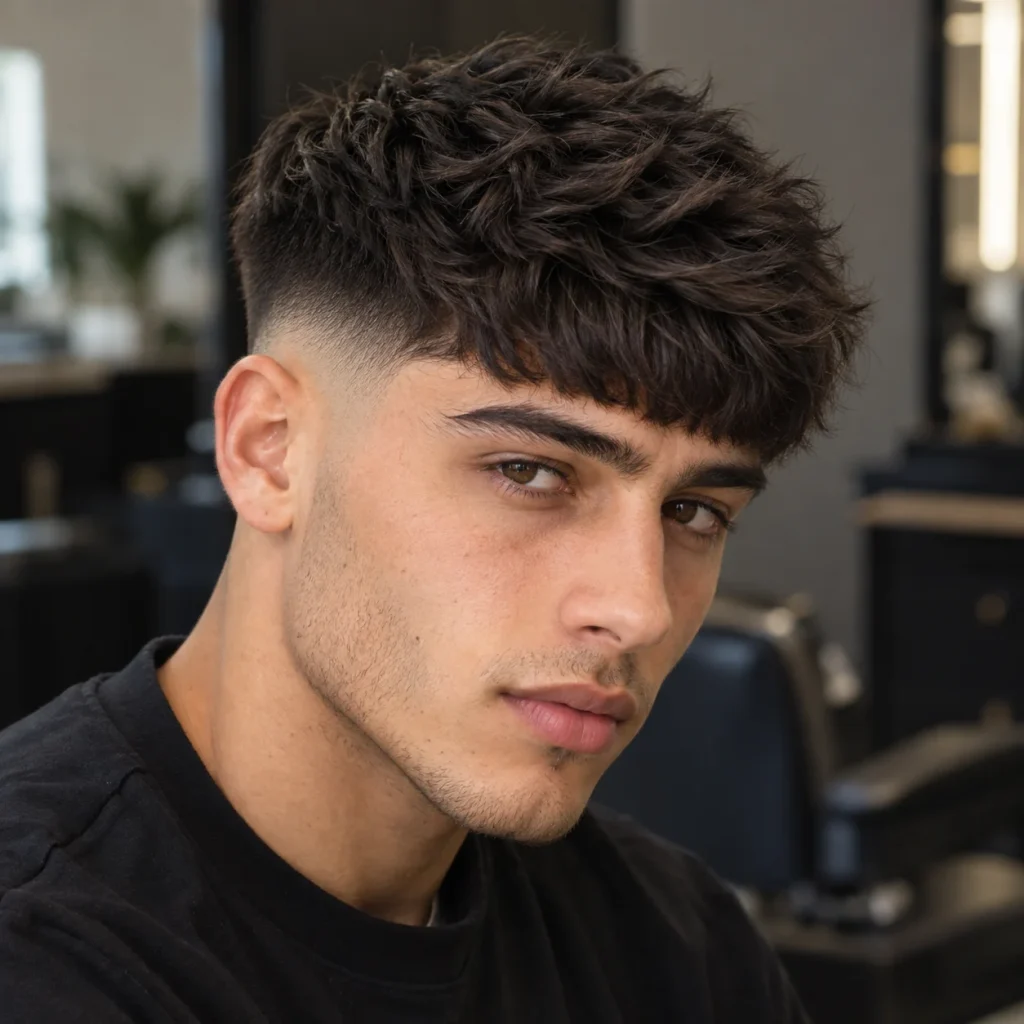
Texture can help to add more texture to the top and make it feel more natural.
If a barber cuts the fringe in one solid line, he can add separation and movement at the top. This also helps to eliminate some bulkiness from thick hair.
A matte styling product can help to add texture without making hair look greasy.
Ideal for: Thick, straight and slightly wavy hair.
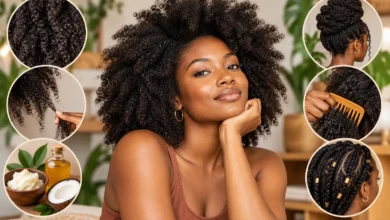
4. Curly Edgar for Natural Texture
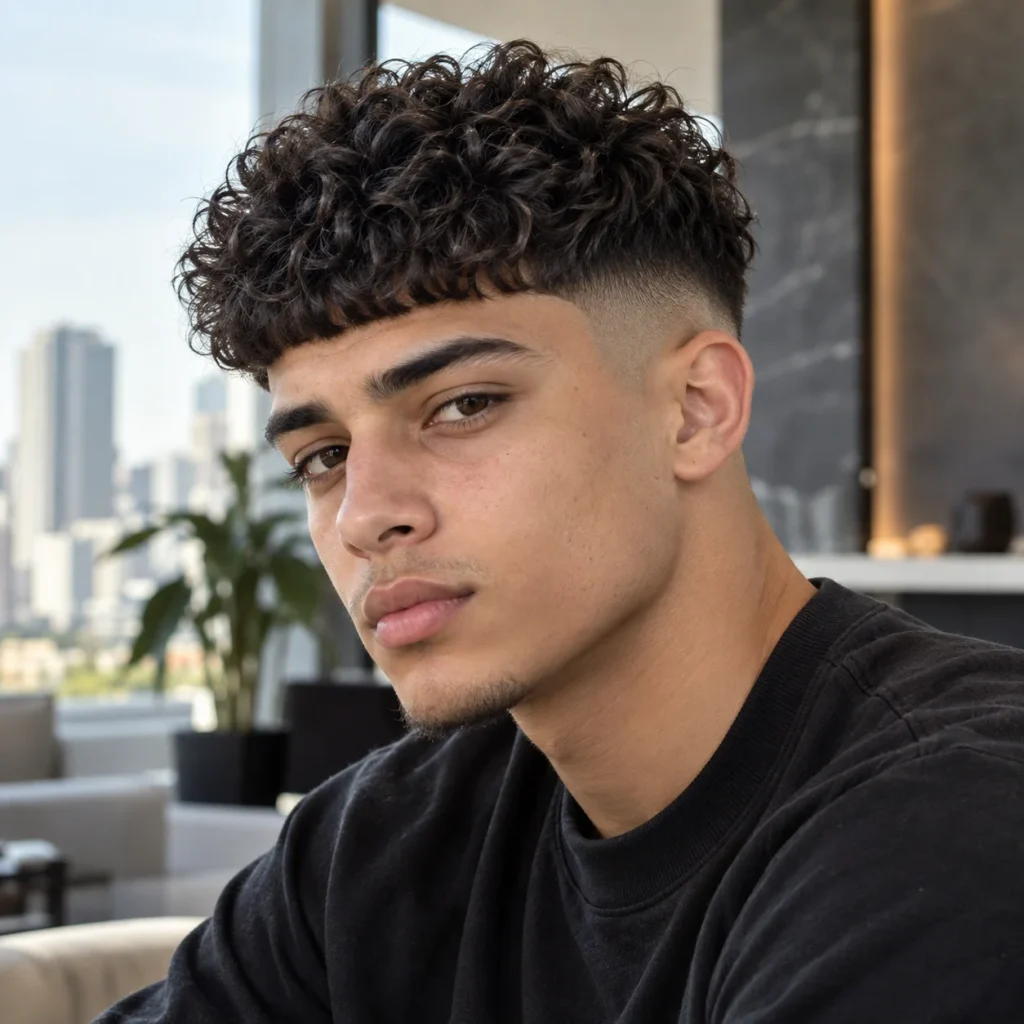
This style is softer with curly hair, while maintaining their short sides and forward shape.
The length of the top should be sufficient to allow the curls to develop normally. The sides can then be cut off or faded off to create contrast.
Please do not measure the required length when hair is wet. Curls can get a lot smaller when they are dry.
When you have a very tight curl pattern, it’s important to know how shrinkage and moisture will impact the hair so you can make more informed styling choices. The 4C curly hair covers those factors in more detail in StyleBlooming’s guide.
Ideal for: Curly and coily hair.
5. Fluffy Edgar With More Volume
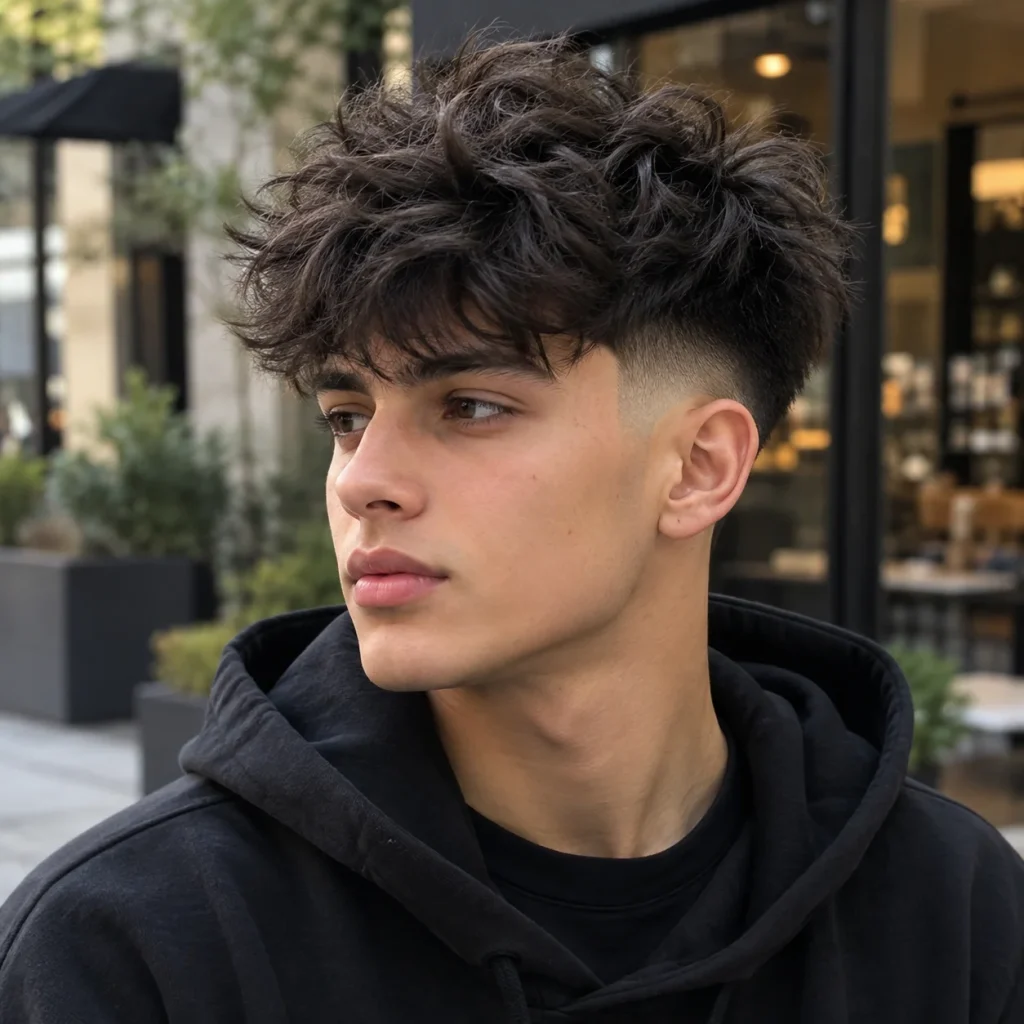
The fluffy version keeps additional length on top.
You can still add volume while keeping the front forward – rather than the hair being completely flat. This will make the haircut look fuller.
The shape can be achieved using a blow dryer and a light product for styling so the hair becomes stiff.
Ideal for: Medium to thick hair with a natural volume.
6. Mid Fade Edgar for Balanced Contrast
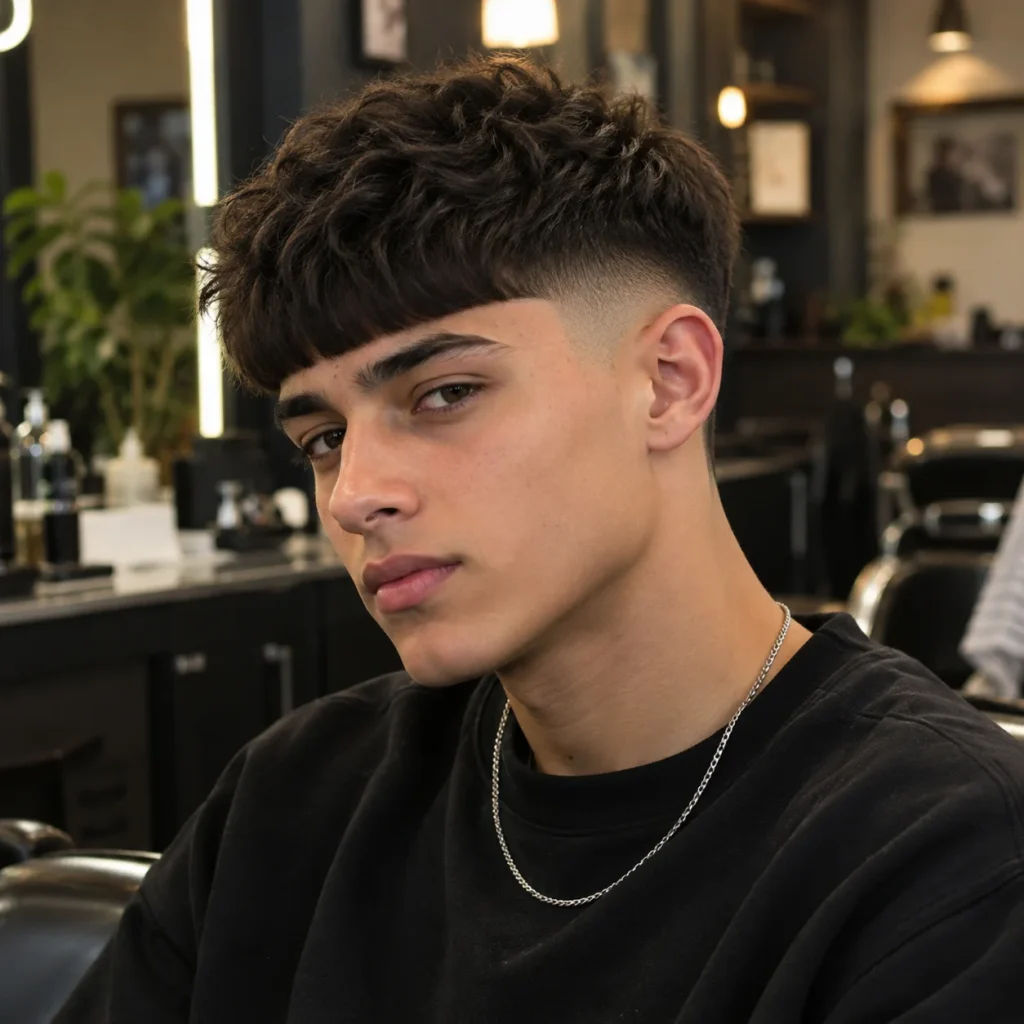
A mid fade is between a low fade and a high fade.
It provides a discernible difference without going too far. This is a good choice if you want a “cut” look, but not the “harshest” fade.
The top can be straight, textured or a little messy.
Ideal for: Moderate contrast.
7. Low Fade Edgar for Everyday Wear
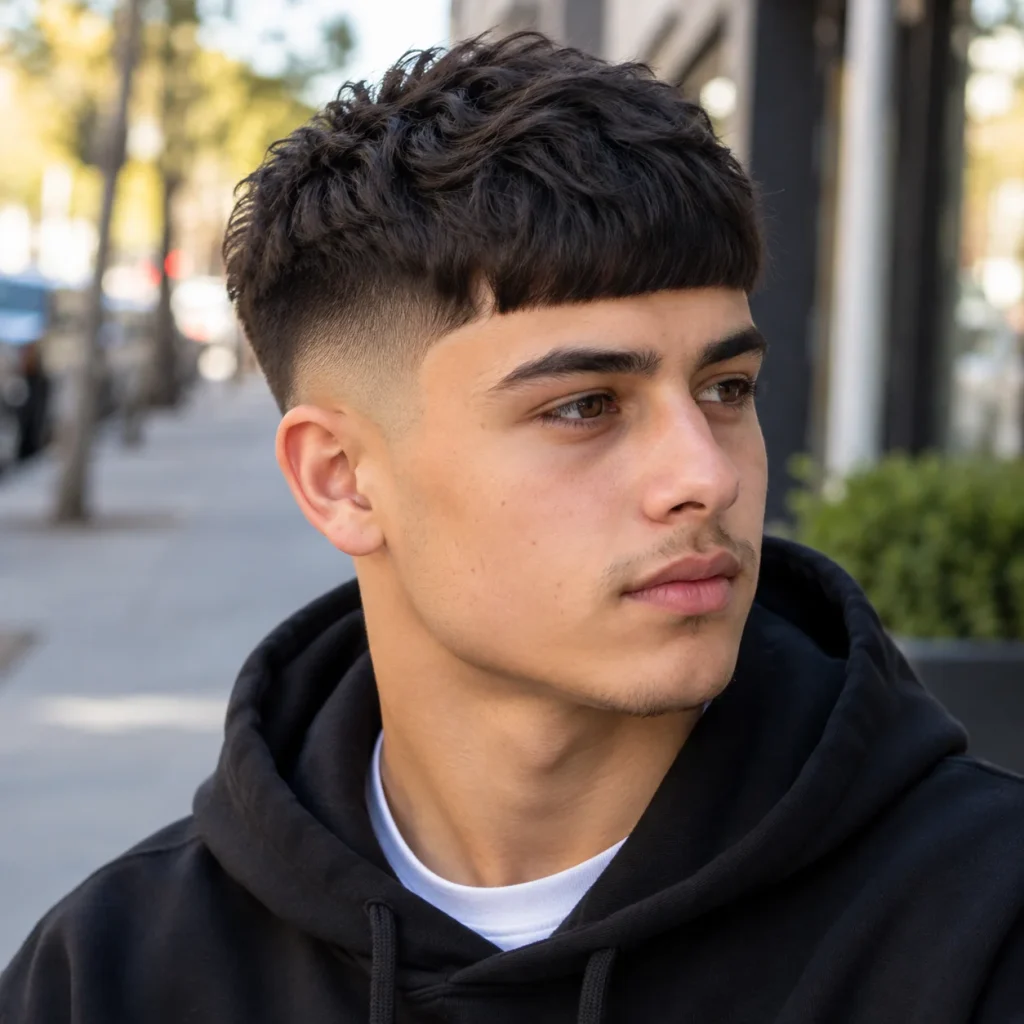
A low fade begins at the lower sides and towards the ears.
More hair will remain above the fade, making the transition look softer. Front fringe still provides a defined look to the haircut.
This version may also be more manageable to fade than a very fade.
Best suited for: Daily wear and low maintenance look.
8. Messy Edgar With Natural Texture
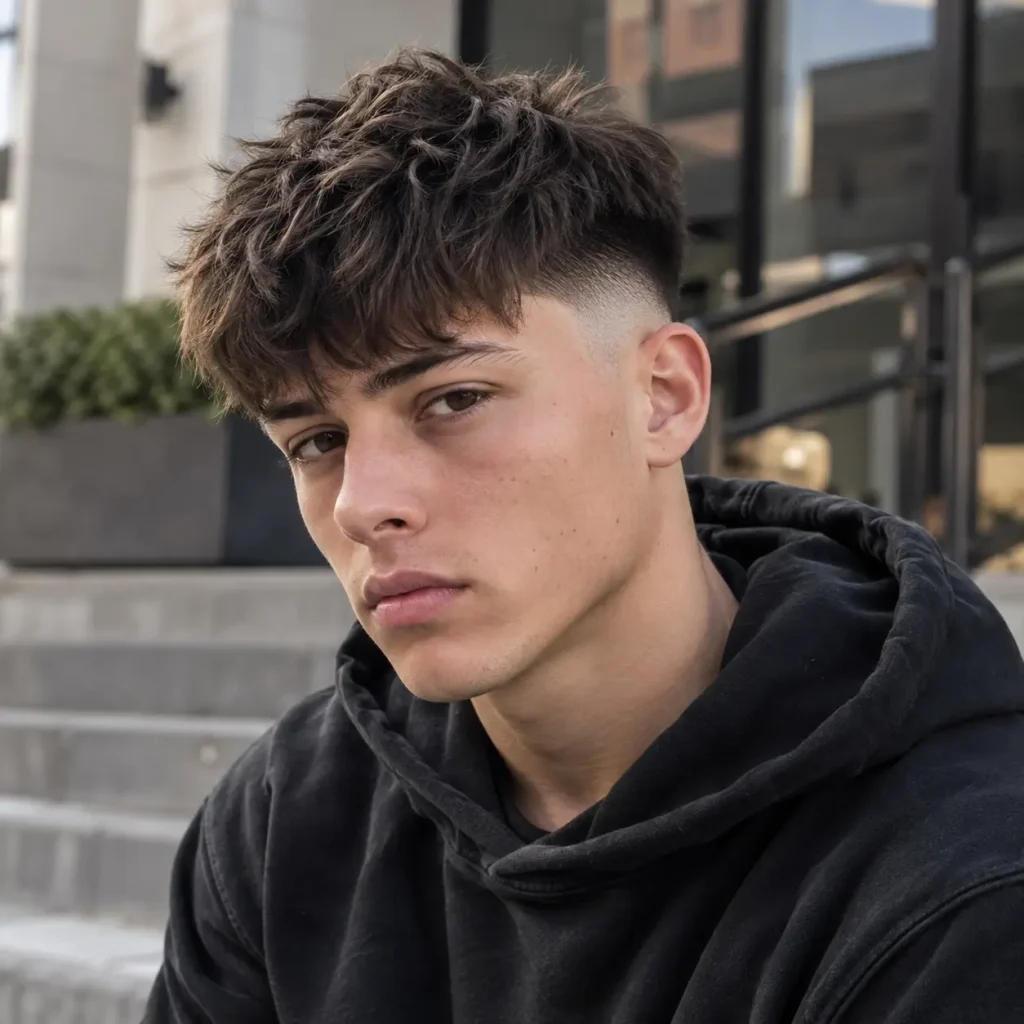
A messy version brings some dynamism to the top, but keeps the sides clean.
It is not important that the fringe should make one continuous line. A slightly uneven texture can help to create a more relaxed look for the haircut.
The important thing is to maintain enough “cut” to ensure that the haircut is on purpose.
Ideal for: Relaxed and textured hairstyles.
9. Short Edgar for Easy Styling
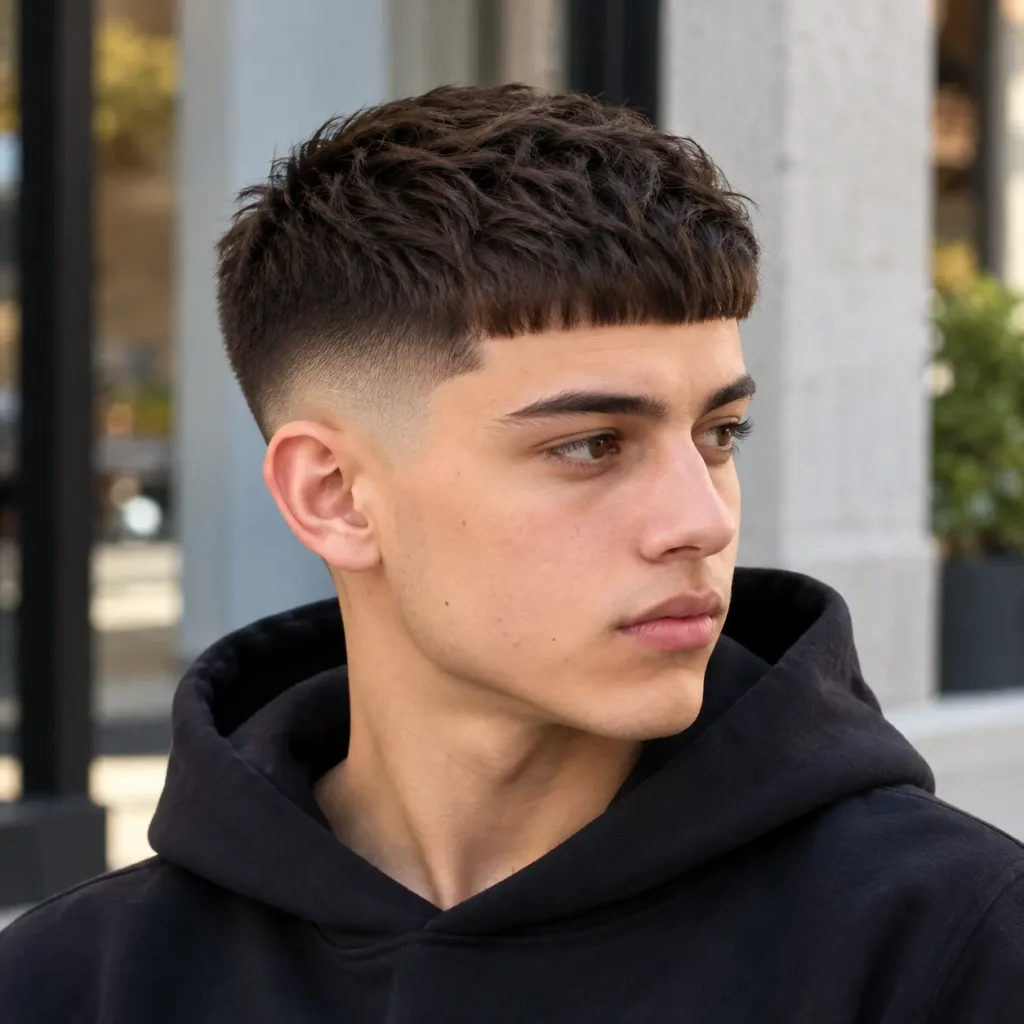
A short version will keep the top compact and allow enough length for the signature fringe.
Fewer hair strands to deal with, so less time spent styling. It may also be useful to reduce bulkiness in case you have thick hair.
There should still be enough length at the front to preserve the characteristic shape, though, of course, the barber should leave it at the front.
Ideal for: On the go and low maintenance looks.
10. Long-Top Edgar for More Styling Options
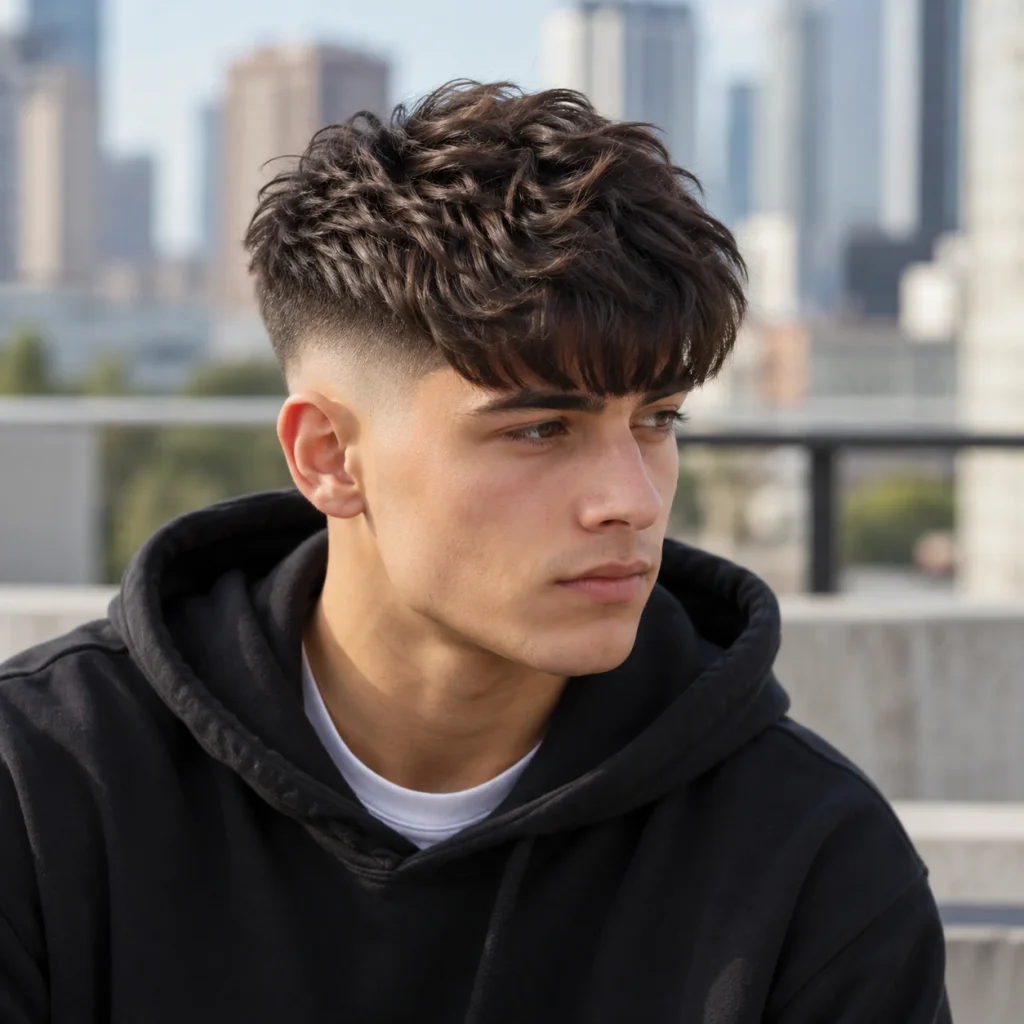
The longer the top, the more options you have in finishing it.
As the hair grows, you can add texture, make volume or change the fringe. The shorter sides help keep the haircut in shape.
The biggest drawback is that longer hair typically requires more styling per day.
Best for: People who like experimenting with their hairstyle.
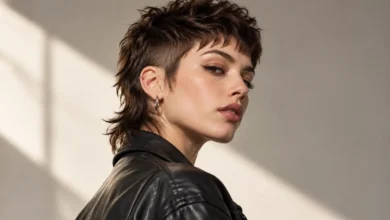
11. Edgar Mullet for a Bolder Look
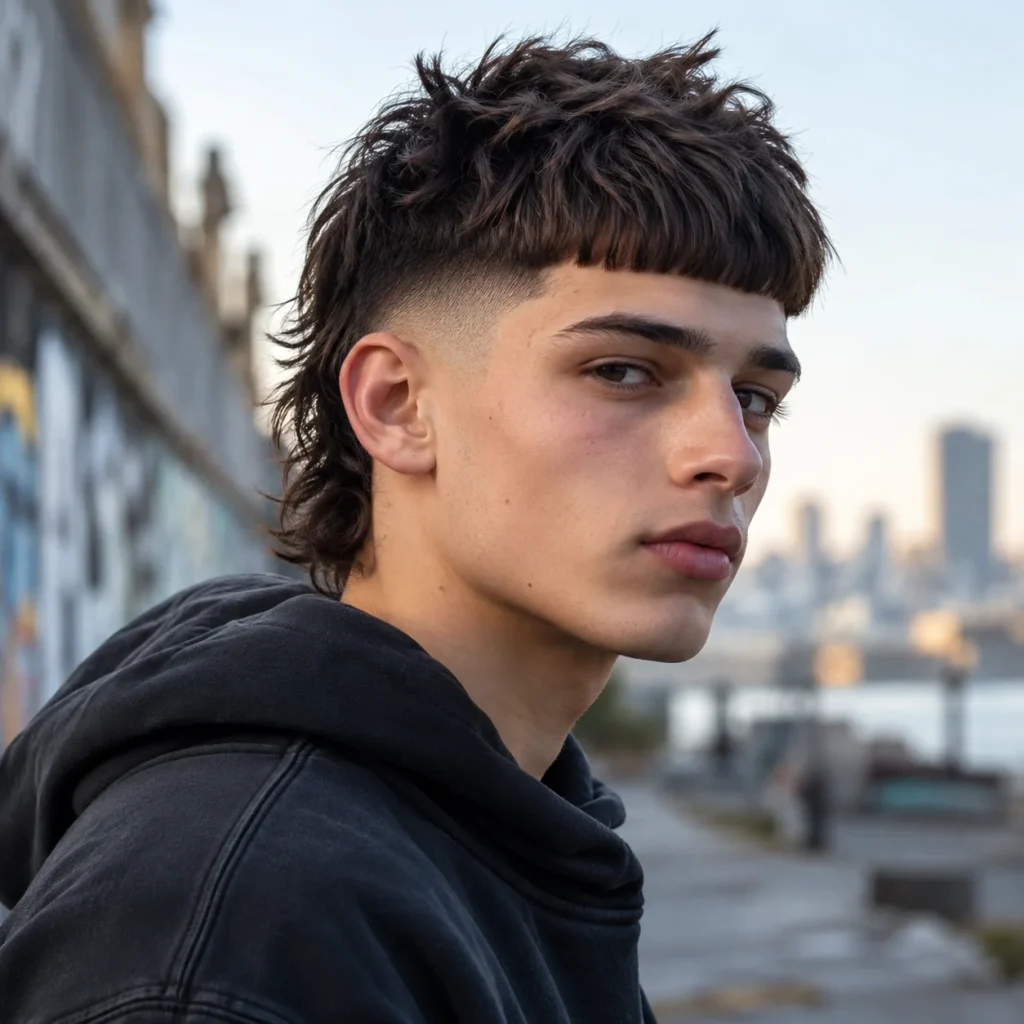
This variation has a short, defined front and additional length in the rear.
Sides may be faded or tapered, with the back section becoming longer. The outcome is more experimental in style than a traditional version.
If you are looking for a haircut that will make a statement, it is a great option to consider.
Ideal for: Fashion-loving individuals.
12. Skin Fade Edgar for Maximum Contrast
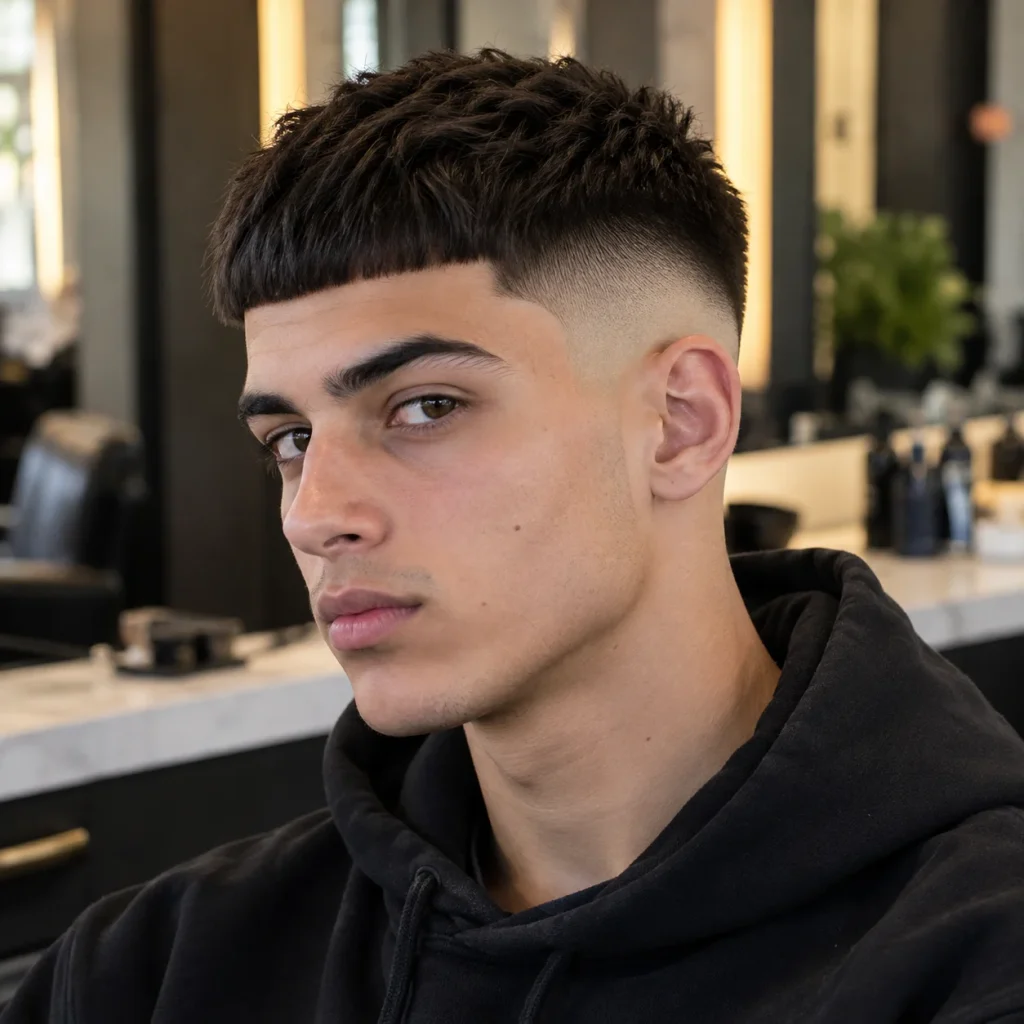
The skin fade is a style that fades down the sides and the back, right up to the skin, and then fades into the longer top.
This makes one of the most contrasting styles available. The front and top are instantly the focal point.
The downside is maintenance. New growth is visible soon after emergence and regular touch ups are required to maintain the sharp look.
Ideal for: High contrast styles and regular haircuts.
13. Wavy Edgar With a Natural Finish
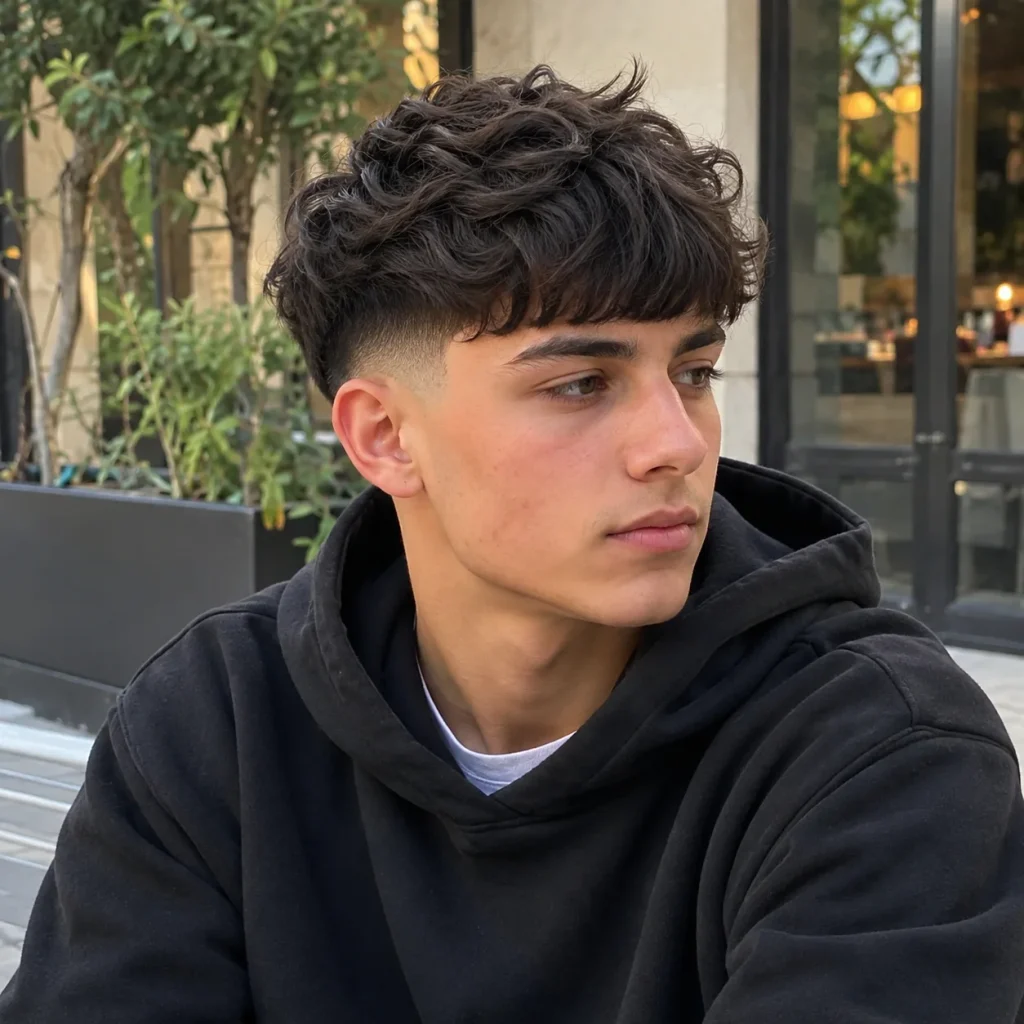
Wavy hair can be used to add some movement to a more structured haircut.
Top can can be opened forward and the natural wave pattern can be seen. A taper or fade helps to maintain control over the sides.
The style can be done with naturally wavy or curly hair without straightening. If you’re looking for a more relaxed look, you can keep the original texture.
Ideal for: Wavy hair and natural hairstyles.
Which Edgar Style Is Best for Your Hair Type?
The variation should be based on your natural texture.
| Hair Type | Good Options |
| Straight and thick | Classic, high fade, textured |
| Straight and fine | Short, low taper, textured |
| Wavy | Wavy, textured, low fade |
| Curly | Curly, textured, low taper |
| Coily | Curly, short, tapered |
The density of your hair is also important. Thick hair will have more texture and volume while fine hair will look better with a shorter and cleaner top.
Which Face Shapes Suit an Edgar?
The haircut may be modified for various face shapes. Your barber can alter the top length, fringe and side treatment to achieve a better balance.
Oval Face
With an oval face, you can get lots of styles due to the proportions being naturally balanced. For the most part, all Edgar variations can be used, provided that the top and sides match your face.
For those who wish to venture beyond the standard options, StyleBlooming’s short haircuts for oval faces guide outlines various ways to play with fades, fringes, texture and top length for the oval face shape.
Round Face
Adding a bit of height on top can make the face look longer. Aesthetically, too much width on the sides can also give the appearance of a cleaner silhouette.
Square Face
A defined fringe can be a good accent to a sharp jawline. The texture can be added to the top, which can help to make the overall look more flexible.
Long Face
If you have a long face do not add too much height. Some extra fullness on the sides will add to the balance of the image.
Heart-Shaped Face
A moderate top length and a softer taper will help to balance a wider forehead and a narrower chin.
How to Ask Your Barber for an Edgar
The phrase “I want an Edgar” doesn’t necessarily mean you are seeking the same kind of Edgar.
Take a reference picture and discuss what you would like to see.
Tell your barber:
- The fade/taper level you want to achieve
- The length of the side that you desire.
- The amount of length desired on top
- If you prefer a straight or textured fringe,.It’s yours, whether you prefer a straight or textured fringe.
- The amount of volume you want
- Sharp or soft finish, it’s up to you
Your hairline, density and natural growth pattern should also be taken into consideration by your barber.
If your hair is curly or wavy, describe the appearance of your hair after it dries. Damp hair can appear much longer and flatter than it does when it’s dry.
How to Maintain the Haircut
The amount of maintenance depends on the version you choose.
A skin fade typically requires more frequent fading due to the quick change in contrast that occurs as new growth appears. A low taper will be more forgiving as it grows out.
Some shaping of the front fringe is also required. The longer it is, the softer the clean front edge.
On a daily basis, if you want to style your hair, you should apply a little moisture and have the top of your hair move forward. After, apply a bit of product that is appropriate for your hair.
- To add texture: Use a matte clay or paste.
- For light movements: A light cream.
- If curls: Use a curl defining product.
- For volume: Apply a texturizing spray or light style.
Do not use excessive amounts of the product. Excessive build up may compact the hair and make it look greasy.
Is an Edgar Cut High Maintenance?
Not all variations will take the same amount of effort.
Short, low taper Edgar can be fairly low-maintenance. A skin fade with a sharp fringe will require more regular barbering to maintain sharpness and contrasts.
Your hair care regimen is another factor. Depending on the type (short textured or fluffy or longer top) may take a few minutes.
Pick a workout that suits your lifestyle instead of picking one because it looks great in a picture.
What Should You Consider Before Getting One?
Before selecting your style, consider the following:
- Hair texture: Your natural texture will play a part in the way the top and fringe will lay.
- Face shape: The barber can reshape the face according to the shape of your face.
- Maintenance: Sharp fades need more maintenance.
- Lifestyle: Your cut should be appropriate for your office, school, social life, and everyday styling.
The ideal haircut is one that won’t get messy when you leave the barbershop.
Final Thoughts
Edgar Cut is not as simple as it sounds, it has more variety. It can be minimalist and functional, dimensional with texture and volume, or even curly or wavy, or even dramatic, with a skin fade.
Although the boldest version might be the best. It’s the one that suits your natural locks, face contour and hair care regimen.
Save a picture to reference before your appointment and be sure to talk about what you like about it. Your barber will then be able to trim the length, fade, fringe and texture to suit your tastes.
Frequently Asked Questions
What is the main feature of an Edgar?
The characteristic is the forward fringe on the forehead and short sides and back.
Can curly hair work with an Edgar?
Yes. The top can be long, for natural curls, and sides tapered or faded.
Which version is easiest to maintain?
A short fade with a low taper will need less styling and will grow out more naturally than a sharp skin fade.
How often should an Edgar be trimmed?
This depends on the rate of your hair growth and how sharp you would like the fade or fringe to be. Generally, skin fades require more frequent touch-ups.
Is an Edgar good for thick hair?
Yes. The thick hair keeps the structured top in place. Texture can also help to minimize excess bulk.