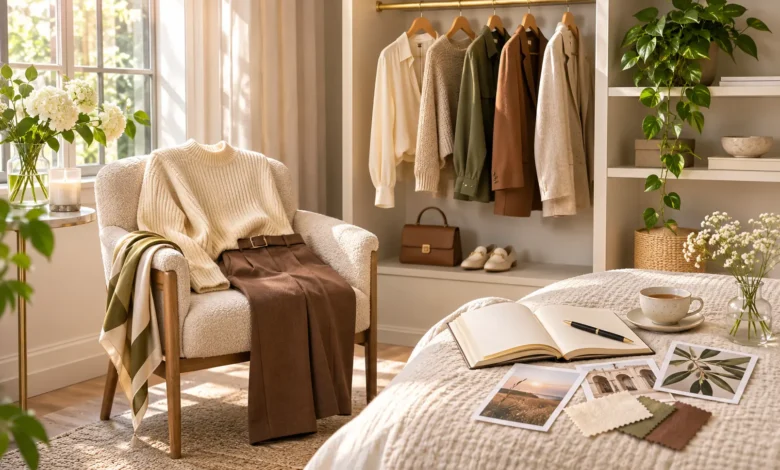
Fashion meditation is the habit of paying calm, deliberate attention to how you dress: what you reach for, how it feels, and why you like it. Instead of rushing through a closet full of clothes you half like, you slow down long enough to notice what actually feels like you.
This guide explains what fashion meditation means, what the research on clothing and mood does and does not show, and 5 chic, practical ways to find your personal style, from a five-minute morning routine to style journaling, mood boards, a mindful closet clean-out, and intentional shopping. You will also get exercises you can do tonight and answers to the questions people ask most.
One honest note first: “fashion meditation” is not a formal discipline with rules or credentials. We use it as a friendly label for mindful dressing, and nothing here is therapy or a replacement for professional mental health care.
What Is Fashion Meditation?
Fashion meditation is a mindful approach to getting dressed and building a wardrobe, where you notice how clothes feel and what they express before you decide what to wear or buy. It borrows the basic idea of mindfulness, paying attention on purpose and without judgment, and applies it to style.
It overlaps with several related ideas:
- Mindful fashion and mindful dressing: choosing clothes with attention instead of on autopilot.
- Intentional wardrobe: owning pieces you chose on purpose and actually wear.
- Conscious closet: knowing what you own, what you need, and what you can let go.
- Slow fashion mindset: valuing fewer, better, longer-lasting pieces over constant buying.
- Style journaling: writing down what you wear and how it felt.
What Is Mindful Fashion?
Mindful fashion means being present in your fashion choices. You ask a few simple questions: Does this feel like me? Does it fit my life? Will I wear it often? It is less about rules and more about awareness.
Why Does What You Wear Matter?
What you wear matters in two ways: how it shapes the way you feel, and how it lets you express who you are. Clothes are one of the few creative choices most of us make every day, so a little attention goes a long way.
How Does Clothing Affect Mood? What the Research Says
Psychologists use the term enclothed cognition for the idea that clothes can influence how we think, feel, and behave. The phrase comes from a 2012 paper by Hajo Adam and Adam Galinsky, who reported that people wearing a lab coat described as a doctor’s coat performed better on an attention task than people who wore street clothes or a coat described as an artist’s smock. They argued that both the symbolic meaning of the clothes and the physical experience of wearing them matter.
Here is the honest part: the story is more complicated than the headlines. A later high-powered replication failed to reproduce one of the original effects. A 2025-era meta-analysis in Personality and Social Psychology Bulletin, covering 105 effects from 40 studies, raised concerns about the replicability of early enclothed cognition studies, but found evidential value in studies published after 2015 and concluded that they support the core idea that what we wear can influence how we think, feel, and act.
What we can reasonably say:
- Clothing can influence mood and confidence for some people in some situations.
- The effects are likely modest and depend on what the clothes mean to you.
- Clothes are a tool, not a cure. They cannot fix a bad day or treat a mental health condition.
A related idea: fashion psychologist Dr. Dawnn Karen has described “mood enhancement dress,” dressing in a way that supports the mood you want, and has suggested starting with a mindful morning before choosing an outfit. This is a practitioner’s framework, not a proven clinical method, so treat it as inspiration.
Fashion and Self-Care
Getting dressed can be a small act of self-care when you do it kindly. That might mean choosing something comfortable on a hard day, a favorite piece when you want a lift, or simply taking two minutes to pick something you like. It is not about perfection or spending money. If low mood or anxiety lasts, a doctor or therapist is the right place to start.
5 Chic Ways to Find Your Style
1. Build a Calm Morning Dressing Ritual
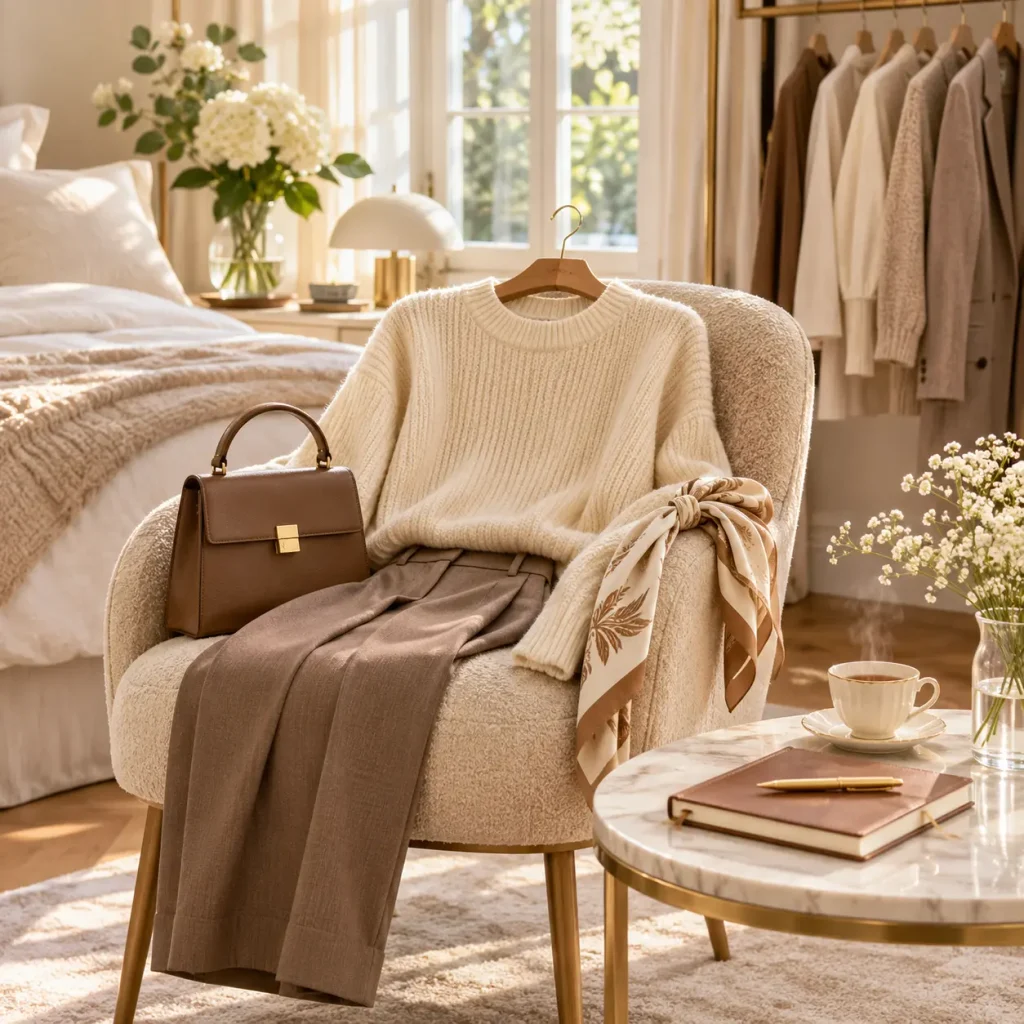
How to make getting dressed a ritual starts with a tiny pause before you open the closet.
A five-minute morning outfit routine for calm and confidence:
- Pause for three breaths. Before you choose, take three slow breaths and notice how your body feels.
- Check the day. Ask what you will be doing, what the weather is, and who you will see.
- Check your mood. Ask what would feel good today: comfortable, polished, playful, or cozy.
- Pick one anchor piece. Choose a piece you love first, and build around it.
- Notice how it feels. Before you leave, take a quick look in the mirror and ask, does this feel like me?
- Let it go. Once you choose, stop second-guessing and walk out the door.
This takes five minutes or less and turns a rushed moment into a small ritual. To make it easier, lay out an outfit the night before.
How to Dress for Confidence on Low Days
On low days, forcing a dramatic outfit rarely helps. Try this instead:
- Choose comfort first. Soft fabrics and clothes that fit well reduce friction.
- Pick one favorite piece. A scarf, a pair of earrings, or a jacket you love can lift a simple outfit.
- Use a go-to uniform. Having a reliable outfit means no decisions.
- Keep it kind. You do not have to look a certain way to be worthy of a good day.
- Get support if low days keep coming. Talk to someone you trust or a professional.
2. Keep a Style Journal
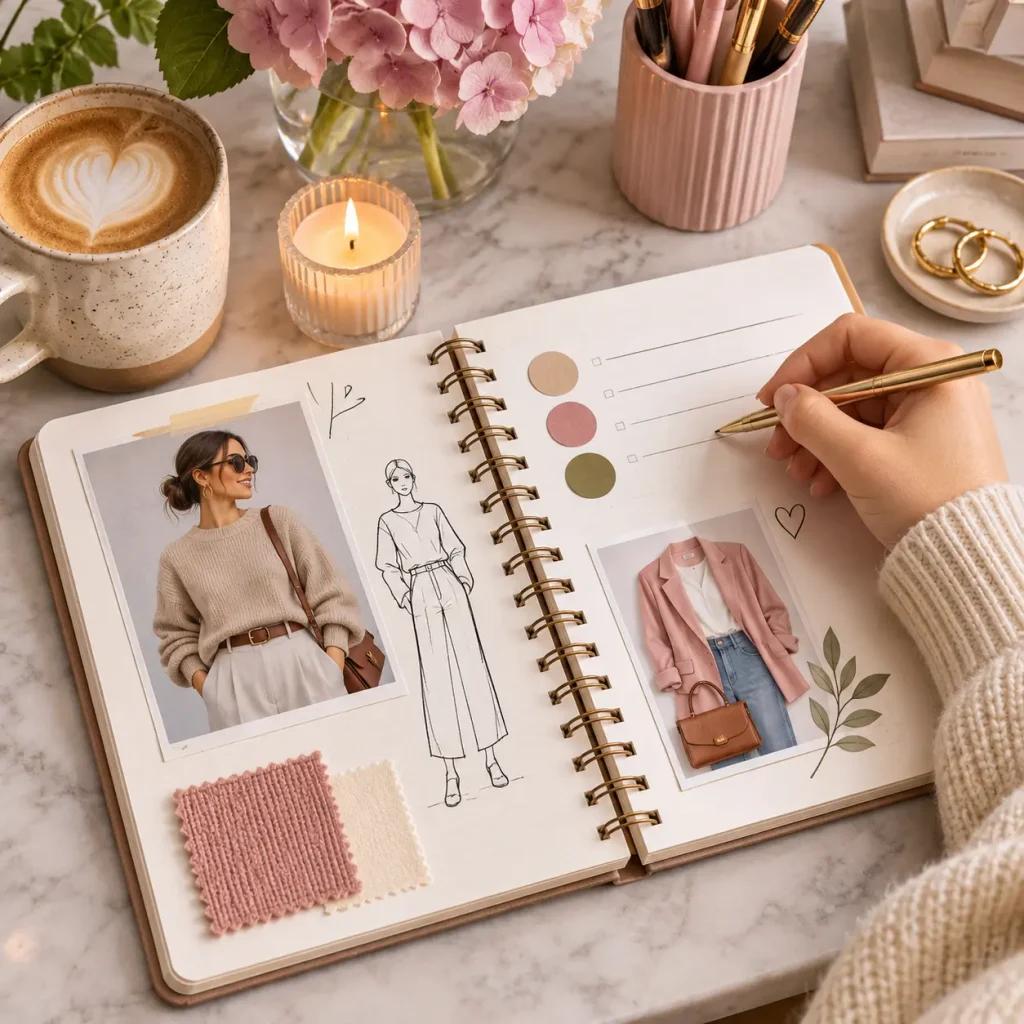
Style journaling is one of the most practical ways to discover your personal style. Instead of guessing what you like, you collect evidence.
How to use journaling to find your style:
- Get a notebook or use a notes app. Keep it simple.
- Record what you wear for two to four weeks. A quick photo or a one-line note is enough.
- Rate each outfit. Use a simple scale: loved it, fine, or didn’t feel like me.
- Write one sentence about why. Examples: comfortable, felt polished, too tight, got compliments, felt costumey.
- Look for patterns. After a few weeks, notice your favorite colors, shapes, fabrics, and silhouettes.
Style journaling prompts:
- What outfit made me feel most like myself this week?
- What did I reach for again and again?
- What did I avoid, and why?
- What am I wearing when I feel confident?
- What is one thing I would like to try?
Patterns in your notes are far more reliable than trends on social media.
3. Create a Style Mood Board
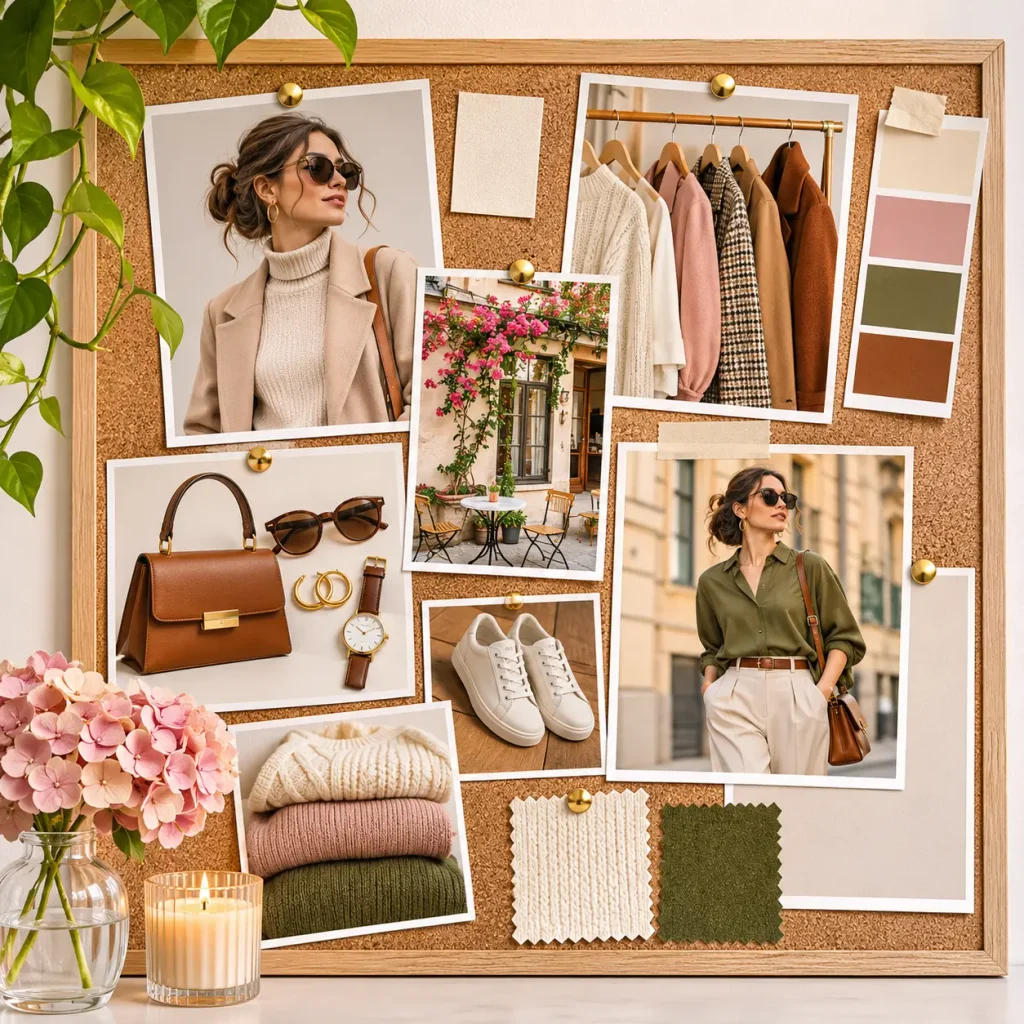
A mood board turns scattered inspiration into a clear direction. It works whether you call it a mood board or a vision board for your style.
How to create a style mood board:
- Collect images. Save outfits, colors, textures, places, and anything else that appeals to you, from magazines, photos, or your phone.
- Do not overthink it. Save what you like in the moment.
- Choose a format. Use a physical board, a folder, or an app.
- Step back after a week. Look for patterns in colors, silhouettes, and moods.
- Remove what does not fit. Keep only the images that feel true to you.
- Name the themes. Write three words that describe the board, such as relaxed, polished, and earthy.
The key is to look for what repeats, not what is trending. If a style appears in your board over and over, it likely appeals to you.
4. Declutter Your Closet Mindfully
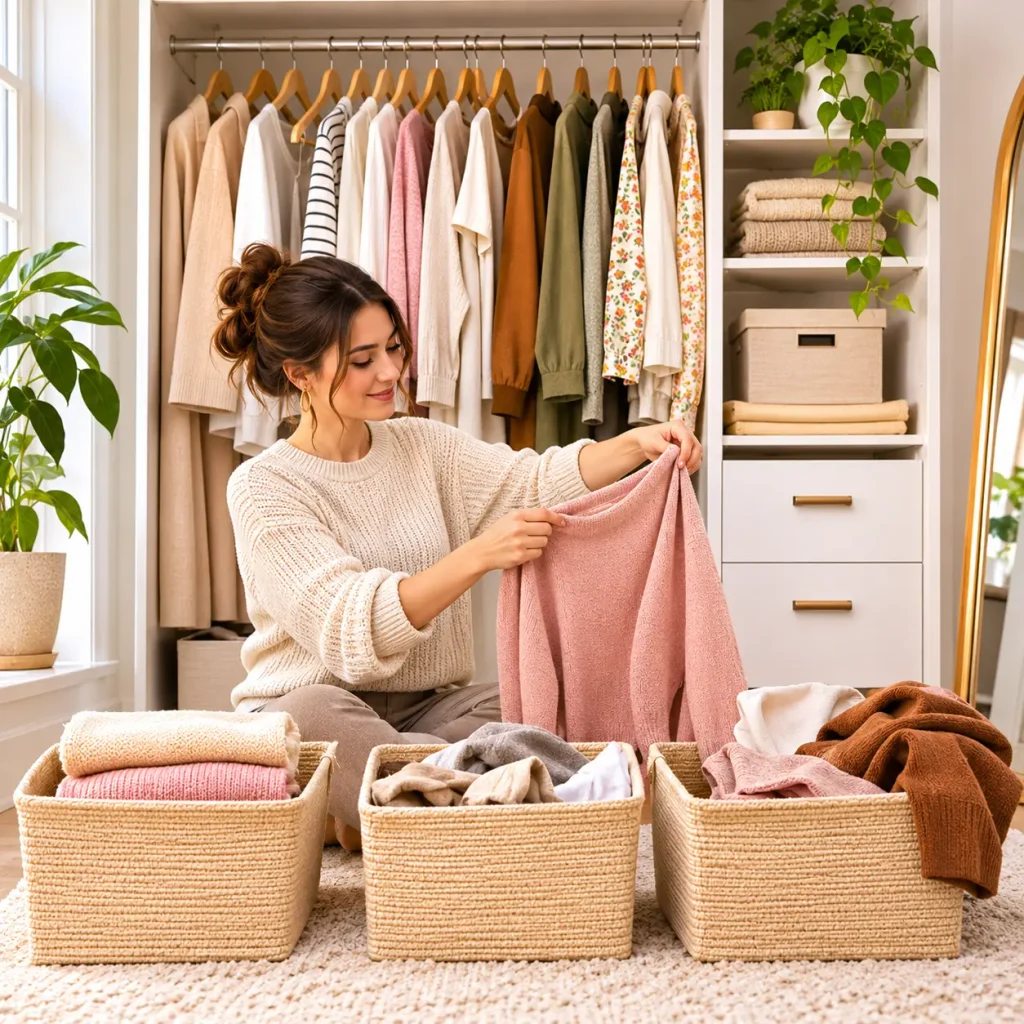
You cannot hear your style over a pile of clothes you do not wear. A mindful closet clean-out helps you see what you actually like.
How to declutter your closet mindfully:
- Take everything out. Seeing it all at once helps.
- Handle each piece. Hold it and notice how it feels.
- Ask three questions. Do I love it? Does it fit? Do I wear it?
- Sort into four piles. Keep, donate or sell, repair, and maybe.
- Put the maybes in a box with a date. If you do not reach for them in three months, let them go.
- Put your favorites back first. Notice what they have in common.
- Note the gaps. Write down what you need, not what you want to impulse buy.
This is not about owning as little as possible. It is about knowing your wardrobe.
How to Simplify Your Wardrobe
- Group by category. Tops, bottoms, layers, shoes.
- Count what you have. You may find 10 white tees and no good jacket.
- Create a core. Choose a small set of pieces that work together.
- Limit the rest. Keep a few special pieces, but avoid piling up duplicates.
How to Build a Capsule Wardrobe Mindfully
A capsule wardrobe is a small set of versatile pieces that mix and match. Building one mindfully means choosing pieces based on how you actually live, not how you imagine you live. Our guide to capsule wardrobe principles explains the idea, and our step-by-step guide to building a capsule wardrobe shows how to start.
5. Shop and Dress With Intention

The last step is to bring awareness to what you buy and how you wear it.
How to shop mindfully for clothes:
- Check your list first. Shop from the gaps you noted, not from impulse.
- Ask before you buy. Would I wear this at least 30 times? Does it go with three things I own? Do I love it, or do I love the idea of it?
- Try it on and move. Sit, walk, and reach in the fitting room.
- Check quality. Look at seams, fabric, and fit.
- Wait 24 hours. If you still love it tomorrow, consider it.
- Think about cost per wear. A piece worn often costs less per use.
- Consider secondhand. It is often cheaper and more sustainable.
How to Stop Impulse Buying Clothes
- Unsubscribe from sale emails and mute shopping notifications.
- Use a wish list. Add items and wait 30 days.
- Delete saved cards from shopping apps.
- Notice your triggers. Are you bored, stressed, or lonely?
- Replace shopping with something else. Try a walk, a call, or a closet rearrange.
- Be kind to yourself. Everyone buys on impulse sometimes.
Slow Fashion Mindset
A slow fashion mindset values fewer, longer-lasting pieces and caring for what you own. It does not require expensive clothes. It means buying with intention, repairing and re-wearing, and passing items on.
How to Find Your Personal Style, Step by Step
How to find your personal style comes down to noticing and testing. Here is a simple process.
- Notice what you already love. Look at the items you wear most and feel best in.
- Write down three to five words. Examples: relaxed, polished, earthy, bold, soft.
- Collect inspiration. Build a mood board.
- Define your lifestyle. What do you do most days? Your wardrobe should fit that life.
- Pick a palette. Choose three to five colors you like and wear.
- Identify your favorite shapes. Do you like loose, fitted, structured, or flowy?
- Test small changes. Try one new item or outfit each week.
- Review your journal. Keep what feels like you.
- Refine over time. Style is not fixed.
How to Know Your Style
You know your style when you feel like yourself in your clothes and you rarely feel like you have nothing to wear. Signs include repeating colors and shapes, feeling comfortable in a variety of settings, and getting dressed quickly.
How to Define Your Personal Style
A simple way: write a one-sentence description, such as “relaxed and polished with natural fabrics and warm neutrals.” Use it as a filter when you shop. If a piece does not fit your sentence, think twice.
How to Find Your Style When You Feel Lost
If you feel stuck:
- Start with comfort. Figure out what feels good on your body.
- Wear your favorites for a week. Notice why they work.
- Try the “three words” exercise. Pick three words for how you want to feel in your clothes.
- Look at old photos. Find outfits that made you feel good.
- Experiment cheaply. Thrift or borrow before you buy.
- Be patient. Style takes time.
How to Find Your Signature Style
Your signature style is the thread that runs through what you wear: a color, a silhouette, a fabric, or an accessory. Look for repetition in your journal and mood board. If you keep choosing oversized knits and earthy tones, that is a signature. If you often wear a certain piece of jewelry, that is one too.
Style Discovery Exercises for Women (and Anyone)
| Exercise | How to do it | What you learn |
|---|---|---|
| Favorite five | Pull out your five most-worn pieces | Common colors and shapes |
| Three-word test | Pick three words for how you want to feel | A style filter |
| One-week uniform | Wear a simple formula for a week | What feels easy and good |
| Photo review | Look at past outfits you loved | Patterns |
| Closet interview | Ask: what do I never wear, and why? | What to let go |
| Borrow a look | Try a friend’s style for a day | What you like or dislike |
Self-Expression Through Fashion
Self-expression through fashion does not mean following a trend. It means showing something true about you: your mood, your values, or your sense of humor. A small detail can carry a lot, like a vintage brooch, a favorite color, or a signature scarf.
If you want ideas for putting outfits together once you know your style, see our outfit ideas for every occasion.
Mindful Fashion Tips for Beginners
- Start small. Pick one habit, like the five-minute morning ritual.
- Notice before you judge. Observe your reactions to clothes without criticizing.
- Wear what you own. Re-style old pieces in new ways.
- Make a list of what you love. Add to it as you go.
- Be curious. Treat style as an experiment.
- Ignore perfection. Aim for comfort and joy.
A Simple Weekly Fashion Meditation Practice
| Day | Practice |
|---|---|
| Monday | Three-breath pause before dressing; photo of your outfit |
| Tuesday | Journal what felt good |
| Wednesday | Add three images to your mood board |
| Thursday | Try one new combination from your closet |
| Friday | Review the week and note patterns |
| Weekend | Declutter one drawer or shelf mindfully |
Common Mistakes When Looking for Your Style
- Copying trends without asking if they fit. Trends fade; your style stays.
- Buying a whole new wardrobe at once. It creates waste and regret.
- Dressing for an imaginary life. Dress for the one you have.
- Ignoring comfort. If it hurts, you will not wear it.
- Judging yourself. Mindfulness is about noticing, not criticizing.
- Expecting a perfect answer. Style evolves.
- Comparing yourself to others. Your closet is yours.
Frequently Asked Questions
What is fashion meditation?
It is a mindful approach to dressing and building a wardrobe, where you slow down, notice how clothes feel, and choose with intention. It is an informal idea, not a formal discipline.
What is mindful fashion?
Mindful fashion means being present in your clothing choices: noticing how clothes feel, how they fit your life, and whether you will wear them.
How do I find my personal style?
Notice what you already love, keep a style journal, build a mood board, define your lifestyle and palette, and test small changes.
How does clothing affect mood?
Research on enclothed cognition suggests clothes can influence how we think and feel, but early studies had replication problems, and effects are likely modest. Treat clothing as a helpful tool, not a cure.
How do I stop impulse buying clothes?
Use a wish list, wait 30 days or at least 24 hours, ask whether you would wear it 30 times, unsubscribe from sale emails, and notice your triggers.
How do I build an intentional wardrobe?
Declutter mindfully, note your gaps, choose versatile pieces that suit your life, and buy with a list.
How do I dress for confidence on low days?
Choose comfort first, pick one favorite piece, rely on a go-to outfit, and be kind to yourself. If low mood continues, talk to a trusted person or a professional.
How do I make getting dressed a ritual?
Pause for a few breaths, check the day and your mood, pick an anchor piece, notice how the outfit feels, and then move on.
Conclusion
Fashion meditation is a simple idea: slow down, pay attention, and dress with intention. The five practices above, a calm morning ritual, a style journal, a mood board, a mindful closet clean-out, and intentional shopping, help you see what you really like instead of guessing.
For your next step, try the five-minute morning routine this week and write one line in a notebook about how each outfit felt. After a couple of weeks, you will have your own evidence of what your style is.