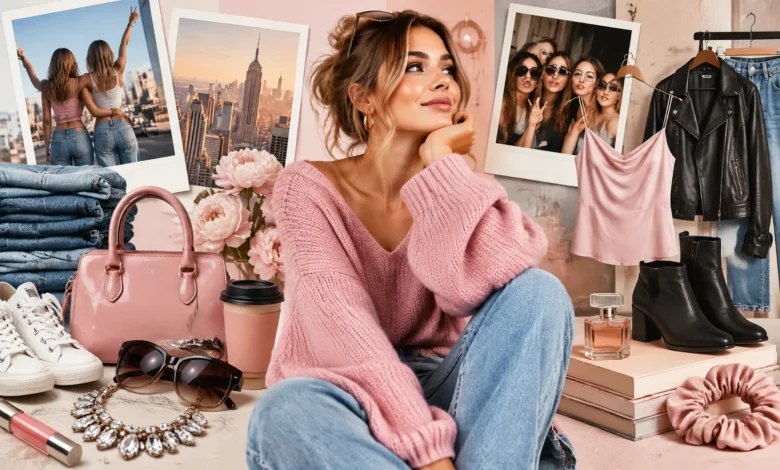
There’s a very specific feeling that comes from spotting a skinny jean or a statement necklace back on the racks after years of being told they were “out.” For anyone who came of age in the 2000s and 2010s, millennial style isn’t just fashion — it’s a direct line back to a very specific cultural moment, and right now, that moment is having a genuine comeback.
This isn’t nostalgia for its own sake, either. Runway shows, street style, and mainstream retail have all been leaning back into millennial-defining pieces, updated just enough to feel current rather than costume-like. This guide breaks down what millennial style actually is, how it differs from both Y2K and Gen Z fashion, and 12 millennial style looks that feel nostalgically cool — along with practical guidance on wearing these pieces in a way that feels modern rather than dated.
What Is Millennial Style?
Millennial style refers to the fashion aesthetic broadly associated with millennials — generally those born between the early 1980s and mid-to-late 1990s — as they came of age and developed their personal style through the 2000s and 2010s. It spans a fairly wide range of specific trends, from early-2000s low-rise jeans and going-out tops to the more polished, Instagram-era minimalism and athleisure that defined the mid-to-late 2010s.
Rather than one single look, millennial style is better understood as an evolving aesthetic that tracked this generation’s changing tastes over roughly two decades, unified more by a shared cultural moment and set of reference points than by any one consistent silhouette.
What Defines Millennial Fashion?
A handful of recurring elements tend to define millennial fashion across its various eras: skinny jeans as a near-universal denim silhouette for over a decade, statement accessories like oversized necklaces and structured handbags, a preference for fitted rather than oversized silhouettes, and a general embrace of both bold color moments — like millennial pink — and polished, Pinterest-perfect neutrals.
Millennial fashion also carries a distinct relationship to its own documentation. As one of the first generations to grow up alongside social media, much of millennial style was shaped by, and preserved through, platforms like Tumblr, Instagram, and early blogging culture, giving this era’s trends an unusually well-documented visual history compared to earlier decades.
What Is the Millennial Pink Aesthetic?
Millennial pink refers to a specific dusty, muted rose shade that became closely associated with millennial style during the mid-2010s, appearing everywhere from clothing and interior design to branding and packaging. Unlike a bright, saturated pink, millennial pink reads as soft and understated, which is part of why it became such a defining, widely adopted color of the era rather than a passing trend confined to fashion alone.
The color’s staying power in current nostalgic revivals speaks to how thoroughly it became associated with a specific aesthetic moment — soft, minimalist, and slightly Instagram-curated — that continues to resonate as part of the broader millennial style comeback.
Millennial Style vs. Gen Z Style
Millennial and Gen Z fashion have often been framed as opposites, and for a while, that framing held up fairly well. Millennial style historically leaned toward fitted silhouettes, polished styling, and a slightly more curated, put-together aesthetic. Gen Z fashion, by contrast, has generally embraced looser, oversized silhouettes, a faster-moving trend cycle, and a more experimental, irony-aware approach to dressing.
That contrast has softened somewhat recently, however. Younger shoppers have increasingly moved toward pieces designed to last both stylistically and materially, showing more interest in durable, repeatable wardrobe staples rather than constant micro-trends — a shift that has brought Gen Z style closer to some of millennial fashion’s core values around investment pieces and personal signature looks, even as the two generations continue to interpret nostalgia differently.
Millennial Fashion vs. Y2K Fashion
Millennial fashion and Y2K fashion overlap considerably but aren’t quite identical. Y2K fashion specifically refers to the aesthetic of the late 1990s through the early 2000s — think low-rise jeans, metallics, velour tracksuits, and butterfly clips — representing the earliest chapter of what would become the broader millennial fashion story.
Millennial style, as a category, stretches further, encompassing the later 2000s and the 2010s as well, including trends like skinny jeans, statement necklaces, ankle boots, and the more polished, minimalist aesthetic that emerged as the generation moved into adulthood. Put simply, Y2K fashion is one specific, earlier chapter within the much longer arc of millennial style.
A Brief History of Millennial Fashion Trends
Millennial fashion’s story really begins in the early 2000s, heavily shaped by pop culture, reality television, and the early days of celebrity-driven trend cycles. Low-rise jeans, mini skirts, and going-out tops defined much of this early period, closely tied to the era’s music videos and red carpet moments.
As the 2010s progressed, millennial style shifted toward a more polished, considered aesthetic — skinny jeans became the dominant denim silhouette for the better part of the decade, paired with ankle boots, statement necklaces, and structured blazers or peplum tops for a more office-appropriate, put-together look. The rise of blogging and Instagram during this period also introduced a new emphasis on curated, photograph-ready styling, which continues to influence how millennial fashion is remembered and referenced today.
How Millennial Fashion Shaped Modern Trends
Millennial fashion’s influence extends well beyond nostalgic revivals — it fundamentally shaped how fashion trends spread and get consumed today. The generation’s early adoption of social media as a genuine style-sharing platform helped establish the blueprint that influencer-driven fashion still follows, where individual style choices, rather than solely runway shows or magazine editorials, help set broader trend cycles.
Many of the specific pieces millennials popularized, from statement accessories to the concept of building a signature personal aesthetic online, laid groundwork that subsequent generations, including Gen Z, have continued to build on, even while reacting against or reinterpreting the specific silhouettes themselves.
Why Millennial Fashion Is Making a Comeback
Fashion trends are widely understood to move in cycles, and the current 2020s have been described by fashion analysts as a particularly nostalgia-driven era, with many of today’s newest trends tracing directly back to the early 2000s and 1990s. Runway collections have leaned heavily into this revival, with skinny jeans, peplum tops, and statement necklaces reappearing across major fashion week presentations.
Broader style movements have reinforced this shift too, with preppy, heritage-inspired pieces — think tailored coats, pleated skirts, and classic checks — getting reintroduced with updated, more current silhouettes, alongside a renewed appetite for bold accessories and polished, structured pieces that echo millennial fashion’s signature aesthetic.
Also read: 5 90s Clothing Style Looks That Feel Nostalgically Cool
Why Gen Z Is Embracing Millennial Fashion
Gen Z’s relationship with millennial fashion has shifted meaningfully in recent years. What once felt like reflexive rejection of “millennial” trends has given way to something closer to genuine appreciation, as younger shoppers increasingly gravitate toward retro and familiar style references. Trend forecasters have noted this shift is less about irony and more about a desire for pieces that feel reassuring and emotionally resonant during a period of broader social and economic uncertainty.
This has translated into tangible style choices, from ’50s-inspired silhouettes to a renewed interest in vintage and secondhand pieces that echo earlier decades, suggesting that millennial style’s current comeback isn’t confined to millennials themselves but is resonating more broadly across generations.
Why Millennial Style Feels Comforting
There’s a genuine emotional dimension to why millennial style resonates so strongly right now, beyond simply being back in fashion. For millennials themselves, these pieces are directly tied to formative years — first jobs, college, early adulthood — giving them a nostalgic pull that goes beyond aesthetics alone. For younger generations discovering these trends for the first time, millennial style often represents a specific, recognizable era with clear visual signifiers, which can feel more grounding than constantly shifting micro-trends.
This comfort factor is part of why nostalgic fashion cycles tend to be so durable once they take hold — they’re tapping into genuine emotional associations rather than purely aesthetic preference, which tends to give these revivals more staying power than trends built on novelty alone.
12 Millennial Style Looks That Feel Nostalgically Cool
Skinny Jeans with a Fitted Crew Neck Tee
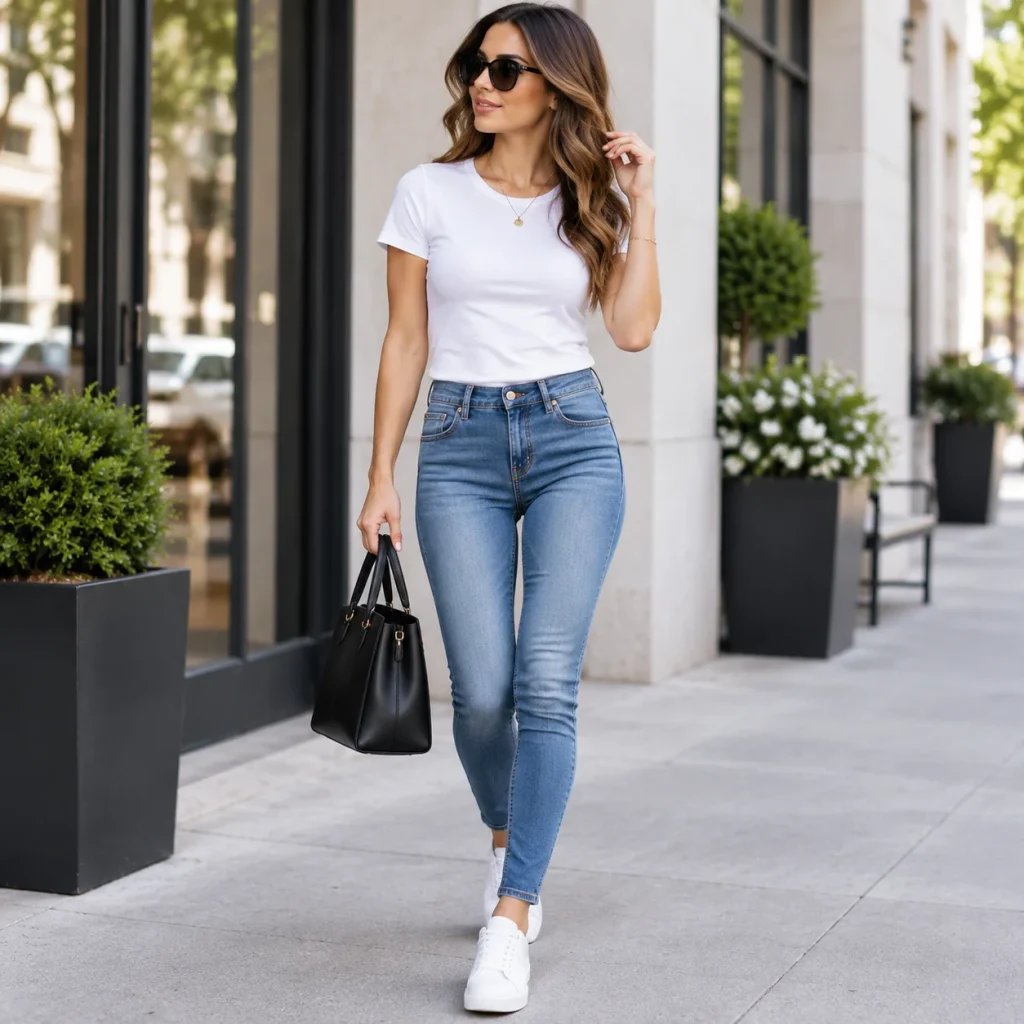
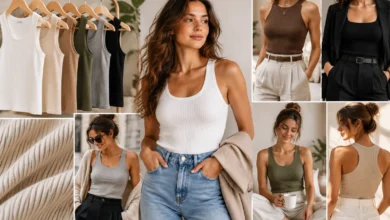
The skinny jean remains one of the most instantly recognizable millennial style essentials, and its current comeback proves just how central it was to an entire era of denim. Paired with a simple, fitted crew neck tee and ballet flats or clean sneakers, this combination captures millennial casual chic without needing a single statement piece — the fitted, streamlined silhouette does all the talking.
Peplum Top with Tailored Trousers
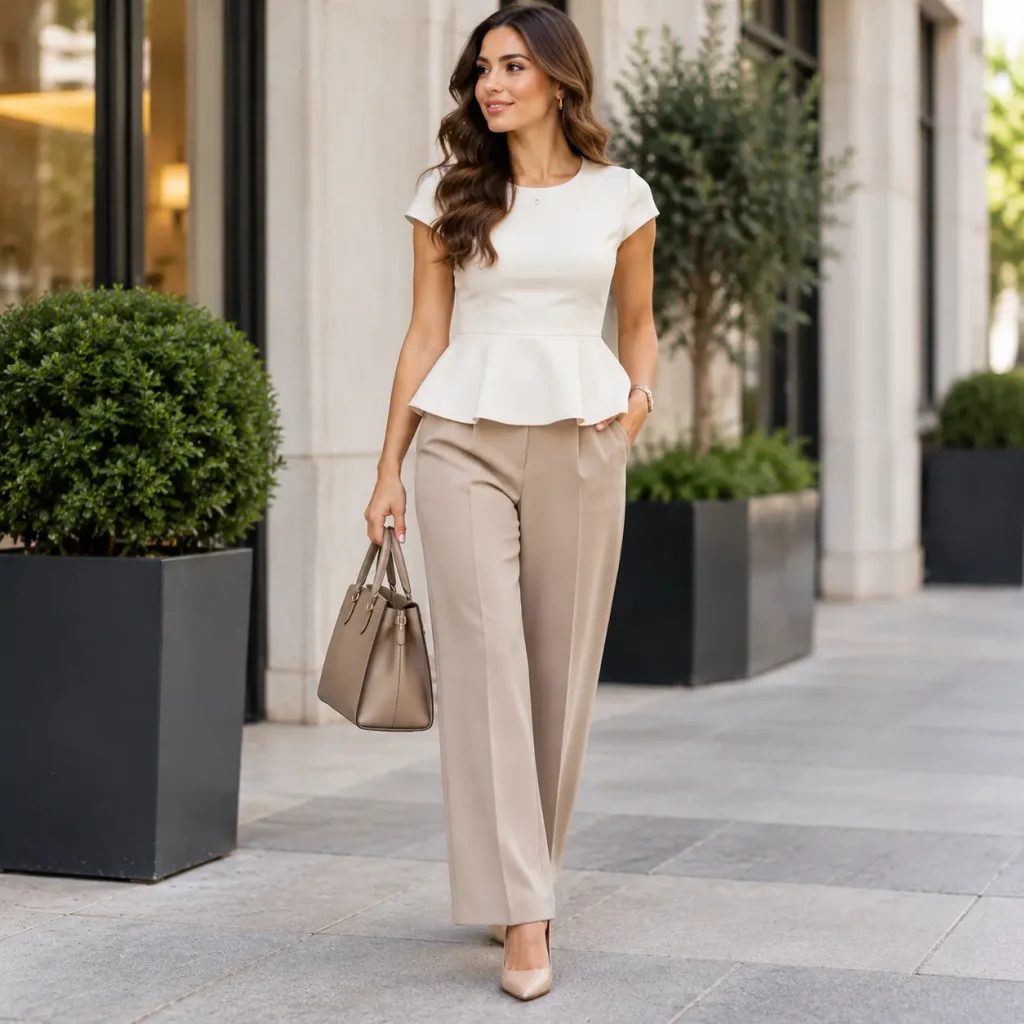
The peplum top, with its flared, structured hem at the waist, was a defining piece of millennial office wear, and it’s returning to runways and retail alike with updated, sleeker proportions. Paired with tailored trousers and pointed-toe heels, this combination brings a polished, professional edge that feels distinctly nostalgic without reading as dated.
Statement Necklace with a Simple Camisole
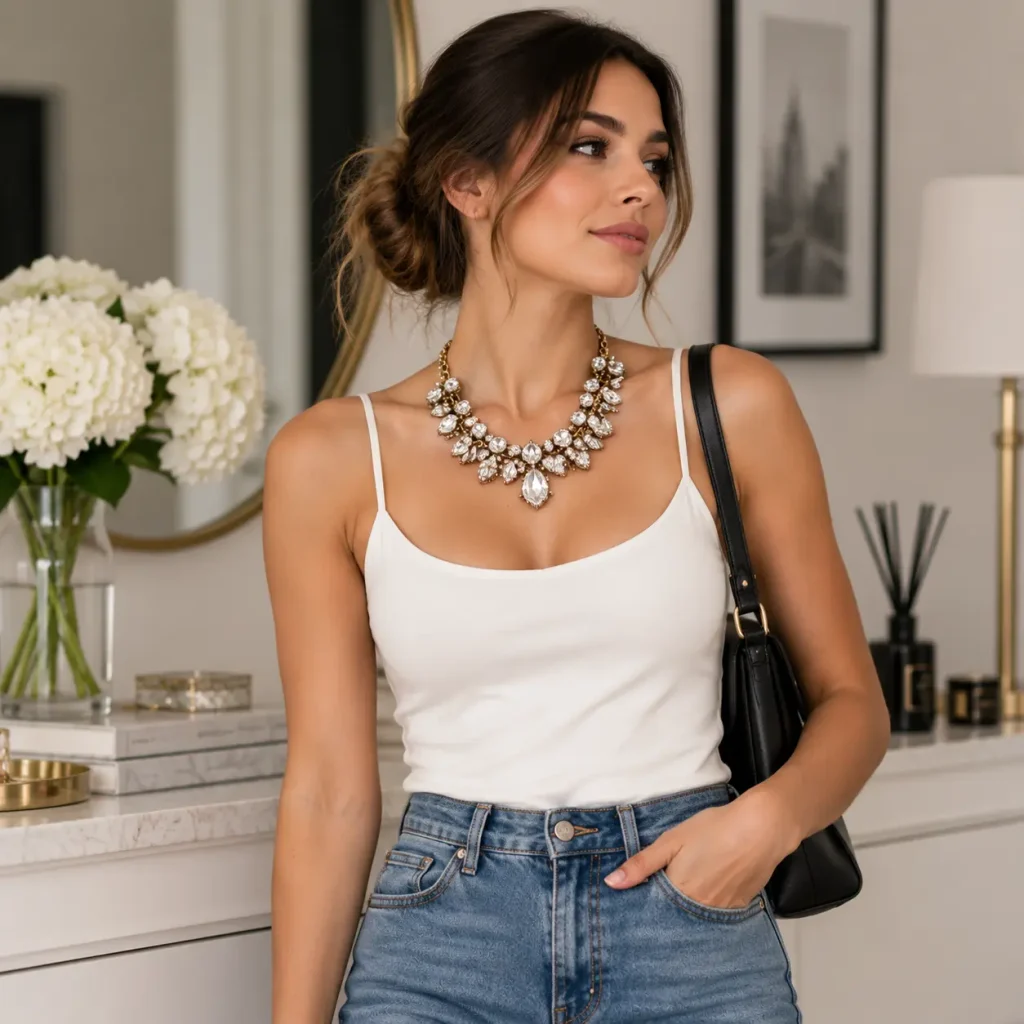
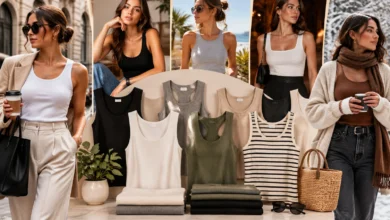
Nothing says millennial style quite like an oversized statement necklace layered over an otherwise simple outfit. A plain camisole or fitted top paired with a bold, chunky necklace lets the accessory do the heavy lifting, echoing the millennial habit of building an entire look around one standout piece rather than several competing details.
Millennial Pink Monochrome Look
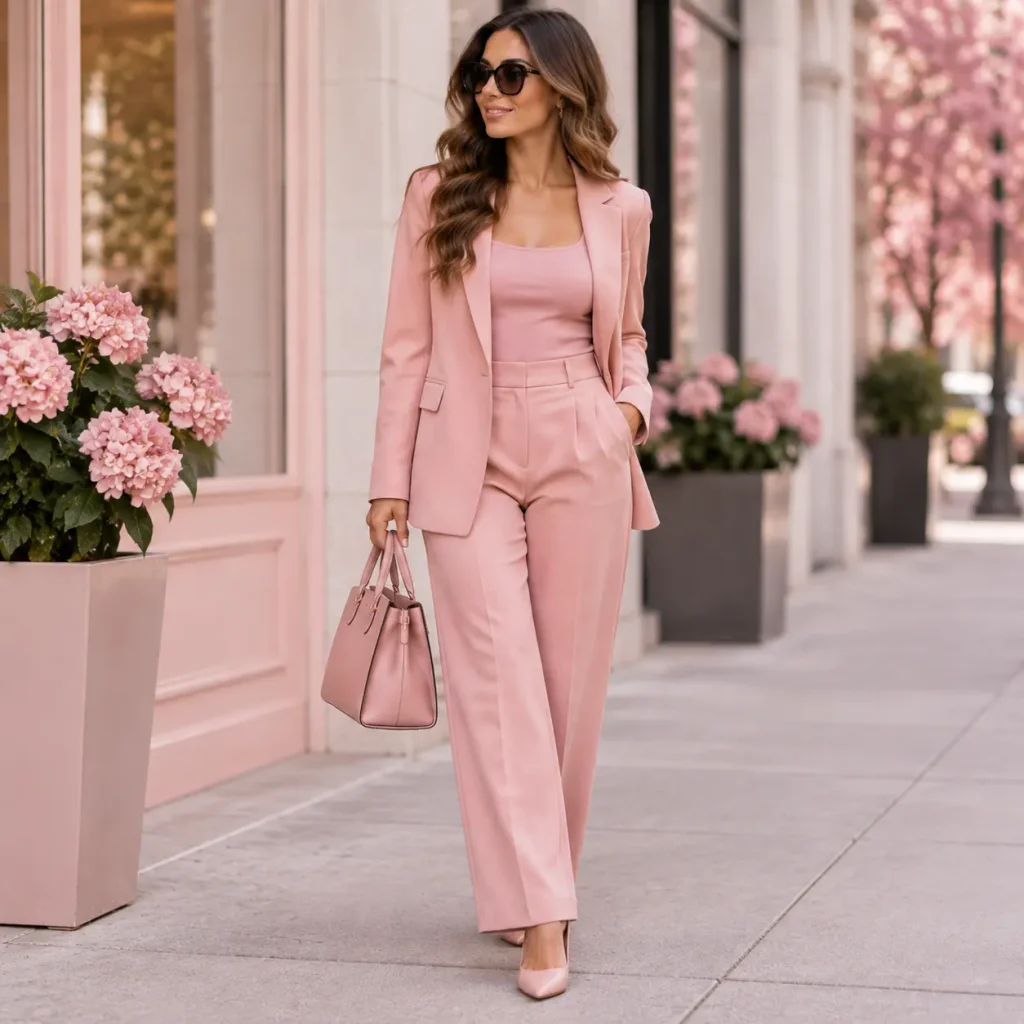
Dedicating an entire outfit to the soft, dusty rose shade known as millennial pink instantly transports a look back to the aesthetic’s mid-2010s heyday. A millennial pink blazer, top, or dress worn as a head-to-toe monochrome moment reads as both nostalgic and genuinely elegant, particularly when paired with neutral accessories that let the color remain the outfit’s clear focal point.
Satin Slip Dress with a Leather Jacket
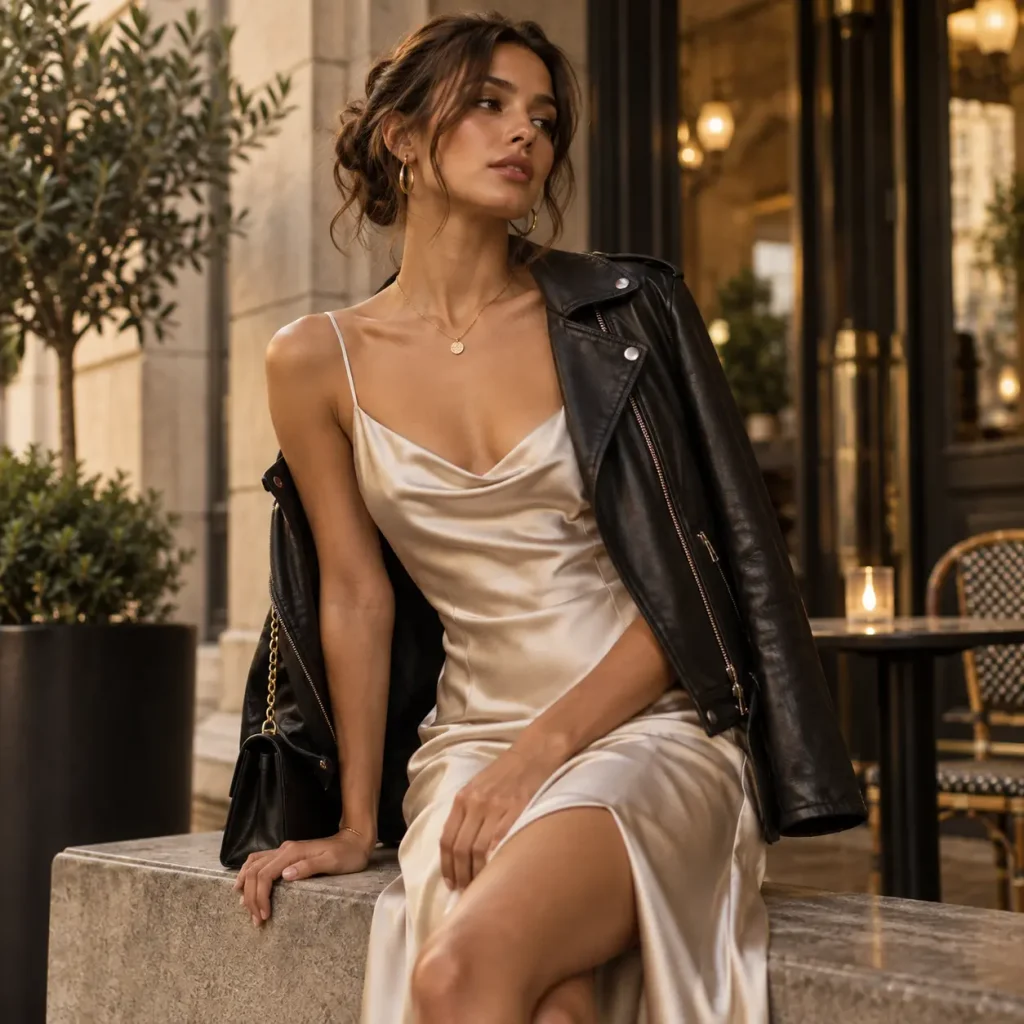
The satin slip dress, closely associated with ’90s minimalism, has made a significant comeback, often styled with a contrasting leather or denim jacket to bring the delicate silhouette into more casual, everyday territory. This pairing softens the dress’s dressier connotations while keeping its signature sleek, minimalist drape fully intact.
Also raed: Leather Jacket for Women: A Complete Guide to Buying & Styling
Cropped Top with High-Waisted Jeans
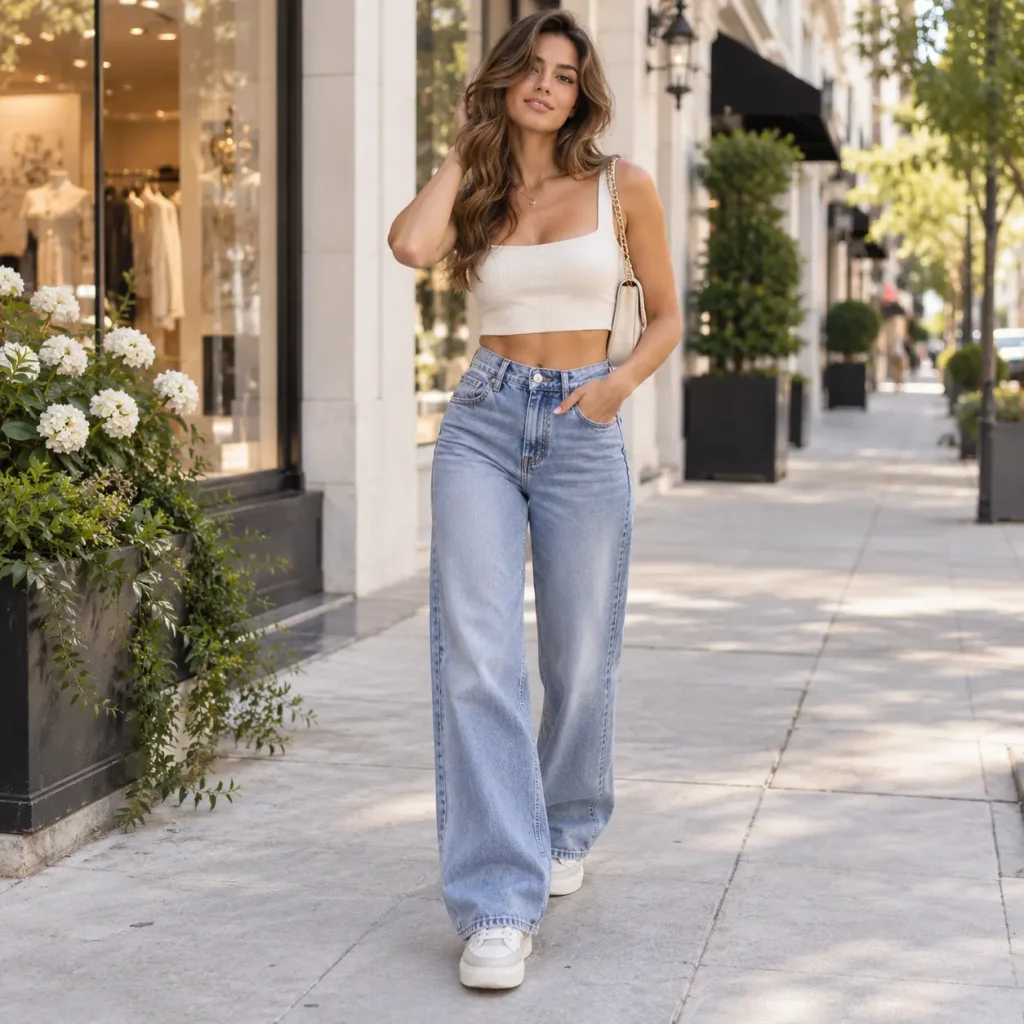
The combination of a cropped top and high-waisted jeans remains one of the most enduring millennial crop top style pairings, balancing skin-baring detail with a flattering, high-rise silhouette. This look works particularly well styled with platform sneakers, echoing the early-2000s-meets-2010s crossover that defines so much of current millennial fashion nostalgia.
Platform Sandals with a Flowy Maxi Dress
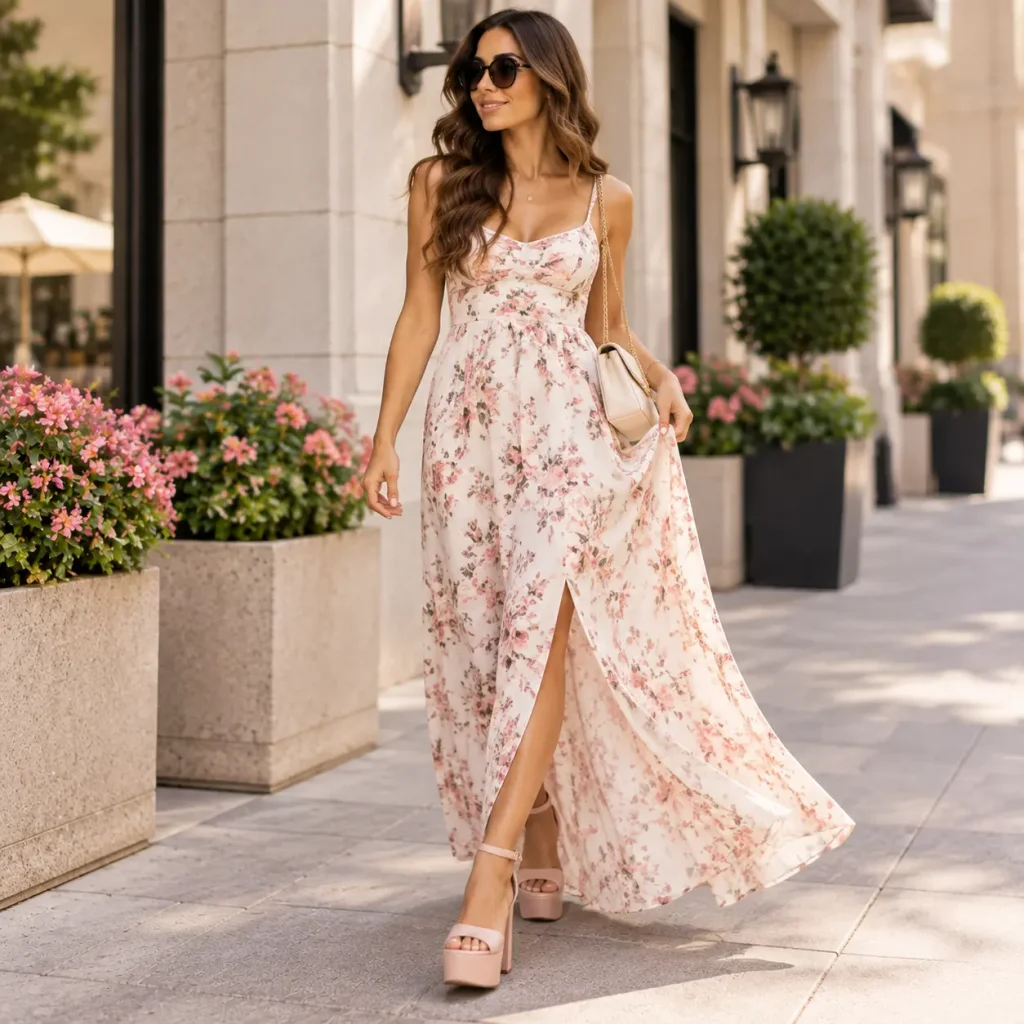
Platform sandals, a direct carryover from the ’70s that millennials embraced heavily throughout the 2000s and 2010s, pair beautifully with a flowy maxi dress for a look that feels effortlessly retro. The added height and chunky sole bring a distinctly nostalgic edge to an otherwise simple, breezy silhouette.
Animal Print Statement Piece
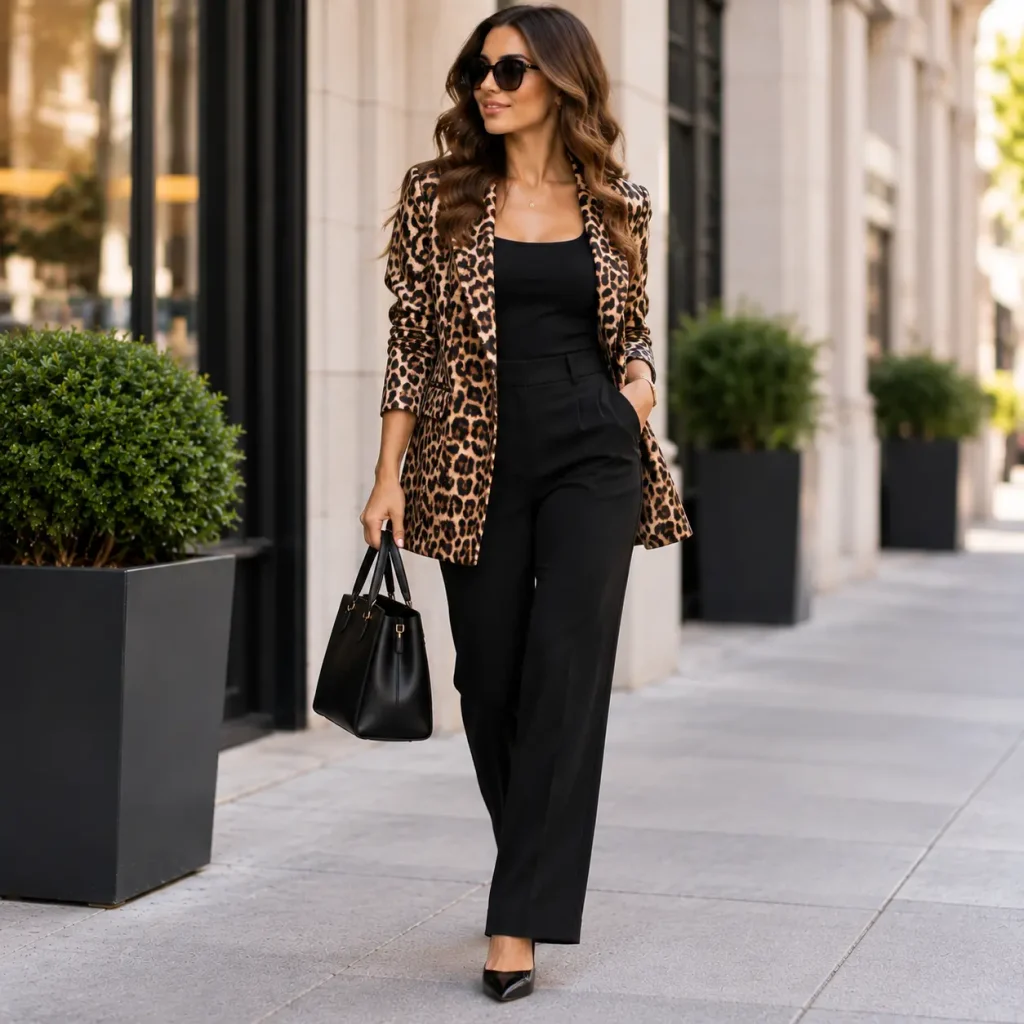
Whether in the form of a leopard-print coat, a tiger-striped top, or a simple animal-print scarf, this trend has made a significant return as part of the broader millennial fashion comeback. Pairing one bold animal-print piece with otherwise neutral basics keeps the look wearable while still delivering genuine statement impact.
Ankle Boots with a Mini Skirt
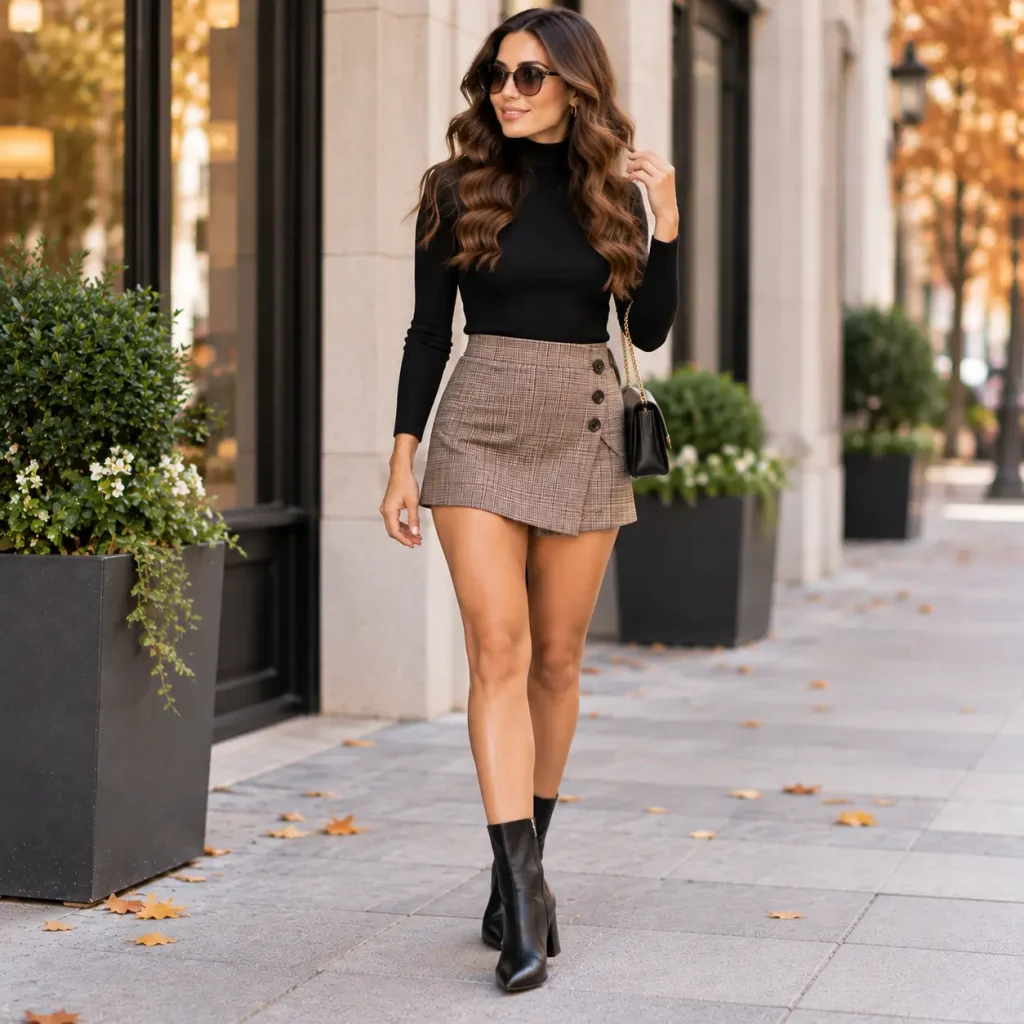
Ankle boots were a millennial wardrobe staple for the better part of a decade, and pairing them with a mini skirt and opaque tights creates a classic millennial silhouette that transitions easily between seasons. This combination remains one of the more versatile millennial ankle boots style pairings, working equally well for daytime or evening looks.
Also Read: 8 Bared Footwear Picks Crafted for Real Comfort
Embellished or Distressed Denim
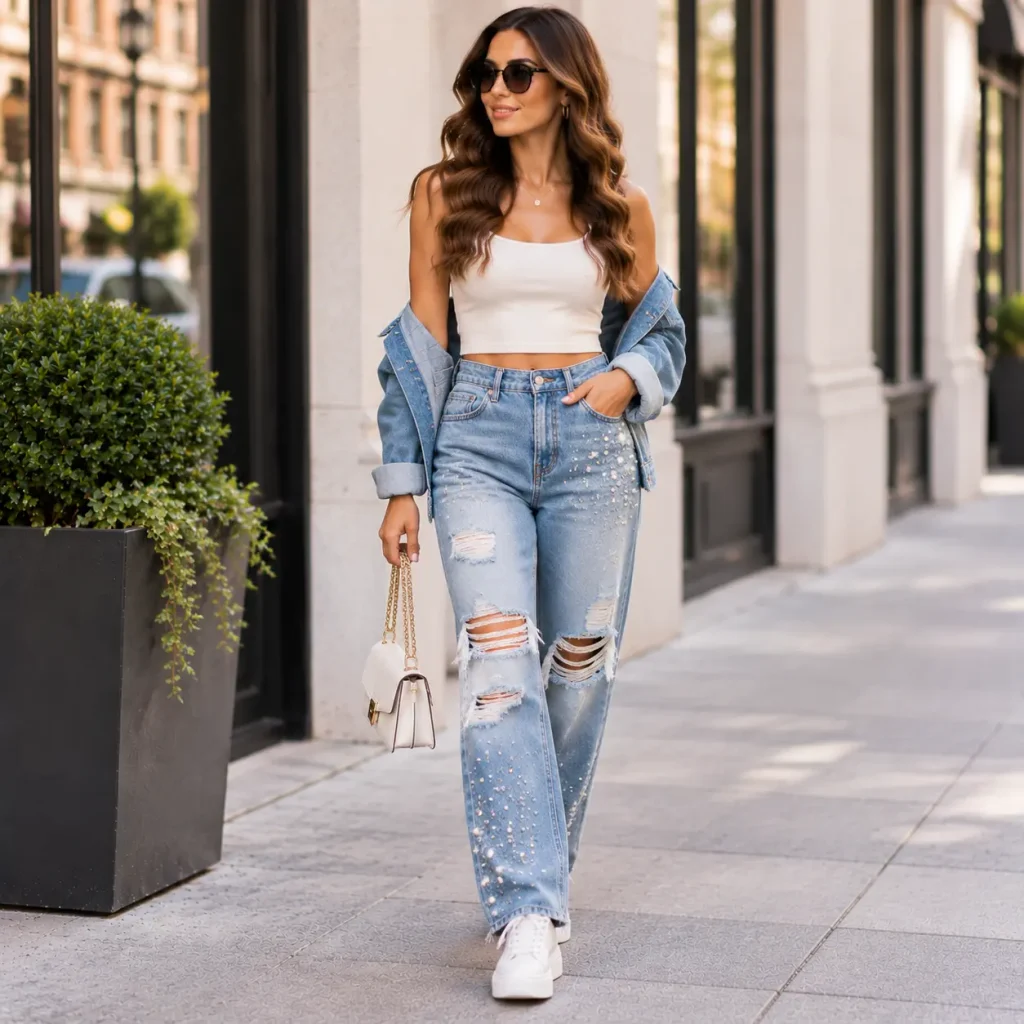
Ripped, distressed, or embellished denim was a defining, if occasionally divisive, millennial trend, and it’s back in a big way. Paired with a simple top, this look allows the denim’s texture and detailing to stand out as the outfit’s clear focal point, echoing the deliberately imperfect, lived-in aesthetic that defined much of early-2000s denim styling.
Metallic Going-Out Top with Skinny Jeans
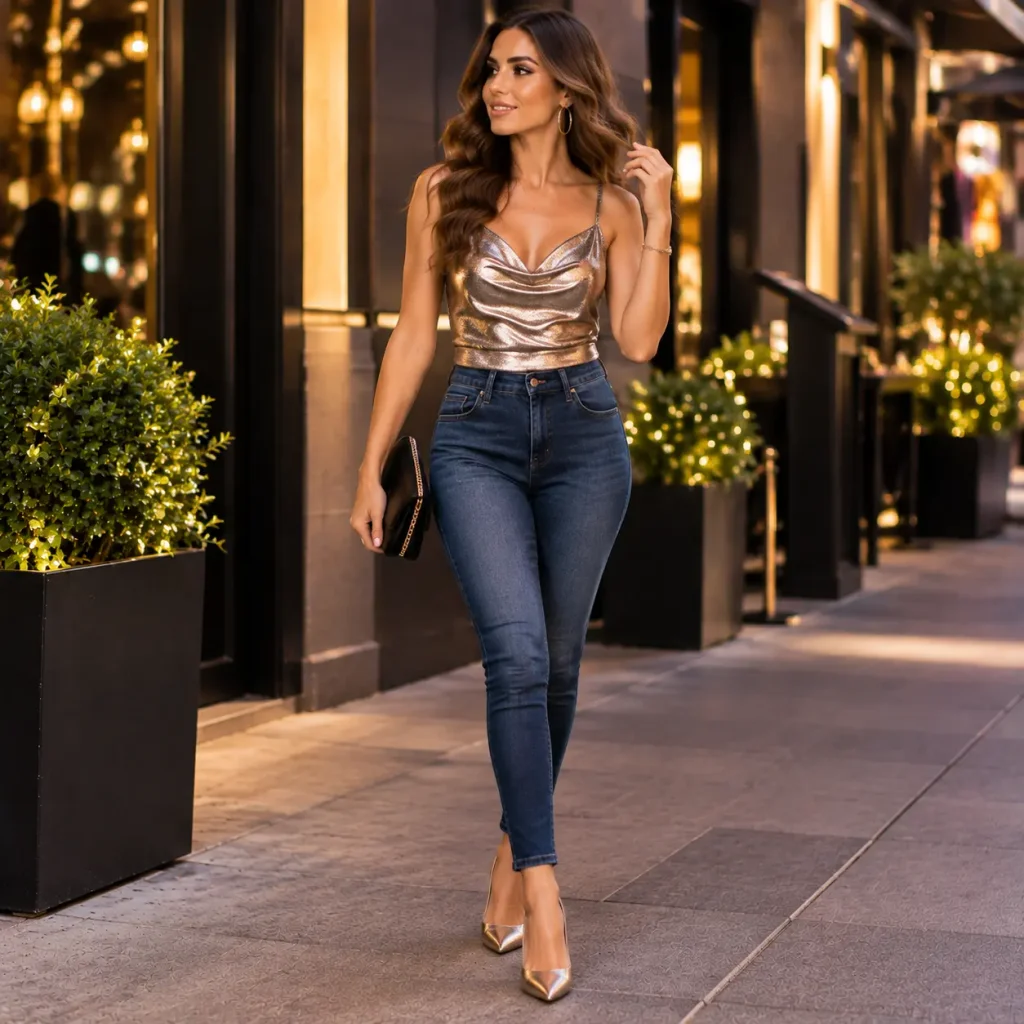
The metallic top, a staple of millennial night-out style, brings instant early-2000s energy when paired with skinny jeans and heeled boots. This combination captures a specific, recognizable moment in millennial fashion history, and its current revival leans into that shine and texture as a genuine style statement rather than an ironic throwback.
Heritage Check Blazer with a Pleated Skirt
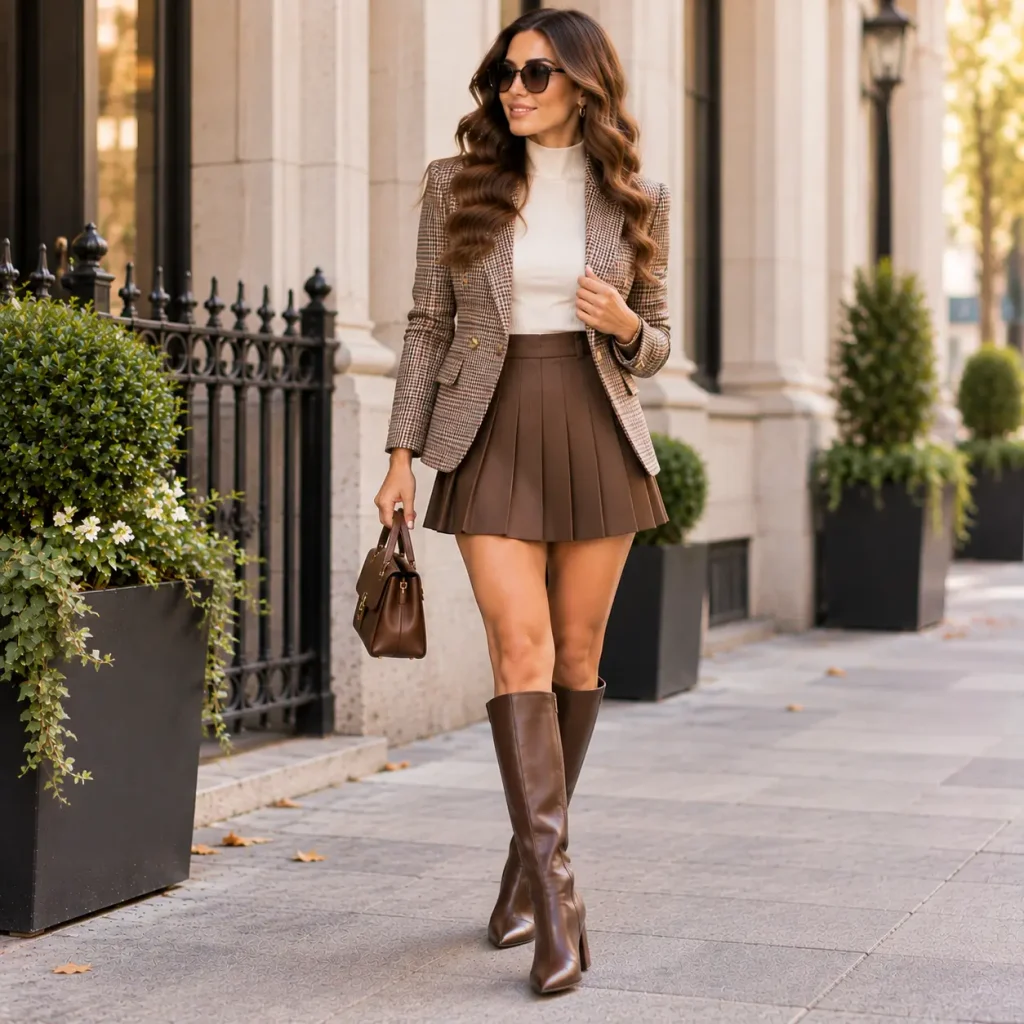
Reflecting fashion’s current preppy revival, a heritage-check blazer paired with a pleated skirt and knee-high boots brings a more polished, English-countryside-inspired take on millennial nostalgia. This look updates classic millennial office style with a slightly more elevated, tailored edge, proving nostalgic dressing doesn’t always have to lean casual.
How to Recreate Millennial Style Today
Recreating millennial style successfully starts with choosing one or two signature elements from the era — a statement necklace, a pair of skinny jeans, a millennial pink piece — rather than attempting to recreate an entire head-to-toe throwback outfit. Mixing one clearly millennial-coded piece with otherwise current, contemporary basics tends to feel far more wearable and intentional than a full costume-like approach.
Paying attention to fabric quality and fit also matters considerably. Many original 2000s and 2010s pieces used lower-quality fabric and looser construction than what’s currently available, so opting for a well-made modern version of a nostalgic silhouette — rather than tracking down an original vintage piece — often results in a more flattering, wearable outfit.
How to Modernize a Millennial Outfit
A few simple adjustments can take a millennial-inspired look from dated to genuinely current. Updating proportions slightly — choosing a slightly higher rise on skinny jeans, or a less exaggerated peplum silhouette — helps a nostalgic piece feel more intentional rather than like a direct costume replica. Pairing one nostalgic statement piece with otherwise minimal, contemporary basics also keeps the overall look feeling curated rather than overwhelming.
Accessorizing thoughtfully makes a significant difference as well — a single bold, millennial-inspired accessory, like a statement necklace or platform shoe, reads as a deliberate style choice, while stacking several nostalgic elements at once can tip an outfit into costume territory rather than genuine style revival.
Also Read: 11 Outcast Clothing Pieces That Redefine Rebel Style
How to Bring Back Millennial Fashion Trends into Your Wardrobe
Building millennial trends back into an everyday wardrobe works best gradually, starting with the pieces that already feel most aligned with your existing personal style. Someone who already gravitates toward polished, tailored pieces might start with a peplum top or heritage-check blazer, while someone drawn to more casual, relaxed dressing might find skinny jeans or a simple statement necklace an easier entry point.
Shopping secondhand or vintage can also be a practical, budget-friendly way to source genuinely era-appropriate pieces, particularly for accessories like statement necklaces and structured handbags, which tend to hold up well over time and carry an authenticity that newer reproductions sometimes lack.
Millennial Fashion Icons and Influences
Millennial style drew heavily on the celebrity and pop culture moments of its era, with red carpet looks, music videos, and reality television all playing an outsized role in shaping what became widely recognized trends. The satin slip dress, for instance, is closely associated with the minimalist ’90s aesthetic popularized by prominent models and celebrities of the period, whose influence continues to shape how the style is referenced and revived today.
This close relationship between celebrity culture and millennial trend cycles is part of why so many millennial style moments remain so specifically recognizable — they’re tied to distinct cultural touchpoints rather than abstract seasonal fashion shifts alone.
Frequently Asked Questions
Is millennial style back in fashion?
Yes, millennial style has made a significant comeback, with pieces like skinny jeans, statement necklaces, and peplum tops reappearing across runway collections and mainstream retail, reflecting a broader nostalgia-driven trend cycle in current fashion.
What millennial trends are coming back?
Skinny jeans, statement necklaces, peplum tops, platform sandals, satin slip dresses, animal print, and millennial pink are among the most prominent millennial trends currently making a comeback, alongside a broader revival of preppy, heritage-inspired pieces.
How is millennial style different from Y2K?
Y2K fashion refers specifically to the late 1990s through early 2000s aesthetic — think low-rise jeans and metallics — while millennial style is a broader category that also includes the more polished 2010s trends like skinny jeans, ankle boots, and structured blazers.
What defines the millennial fashion aesthetic?
Millennial fashion is generally defined by fitted silhouettes, statement accessories, a preference for polished, curated styling, and an evolving mix of bold color moments like millennial pink alongside more minimalist neutral looks.
Can millennial style be worn today?
Yes, millennial style can absolutely be worn today, particularly when updated with modern proportions and paired thoughtfully with current basics rather than recreated as a full, exact throwback outfit.
Final Thoughts
Millennial style’s current comeback proves that great fashion doesn’t disappear so much as it waits for the right moment to return, slightly reinterpreted for a new context. From a classic skinny-jean-and-tee combination to a more elevated peplum-and-trouser look, the twelve outfits covered here show just how much range this era’s fashion actually had — and how well it holds up with a few thoughtful, modern updates. Whether you’re a millennial revisiting pieces from your own past or simply drawn to the era’s confident, statement-driven aesthetic, these looks prove that nostalgic style, done right, feels genuinely cool rather than dated.
Also Read: 22 Fashion Trends You Can’t Afford to Miss This Fall