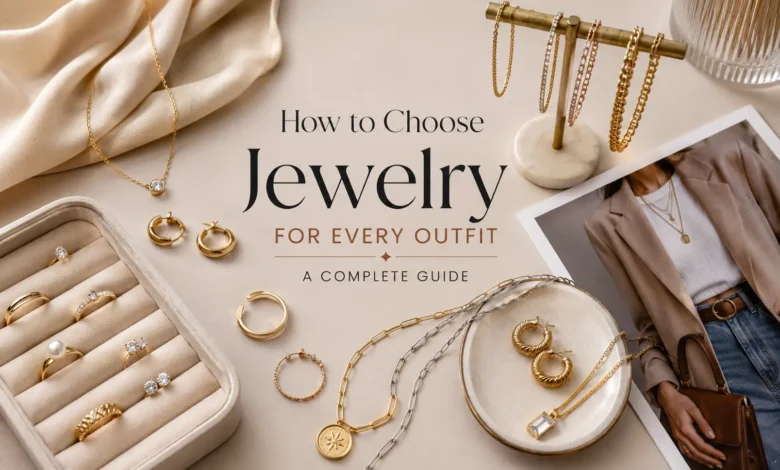
Jewelry is often the very first accessory people reach for, and for good reason — a single pair of earrings or a well-placed necklace can transform a plain outfit into something that feels finished and intentional. But with so many metals, styles, and “rules” floating around, choosing jewelry can quickly feel overwhelming.
This guide breaks down everything you need to know about selecting, layering, and caring for jewelry, whether you’re building a capsule collection from scratch or refining a collection you already have. It’s part of our broader Accessories Guide, where we cover how every category — from bags to belts — works together to elevate your outfits.
Understanding the Basics: Fine, Fashion, and Costume Jewelry
Before you start shopping, it helps to understand the three broad categories jewelry falls into, since each serves a different purpose in your wardrobe.
Fine jewelry is made from precious metals like solid gold, platinum, or sterling silver, often set with genuine gemstones or diamonds. These pieces are an investment — they’re more expensive upfront but are built to last decades, don’t tarnish easily, and can often be resized or repaired. Fine jewelry is worth prioritizing for pieces you’ll wear daily, like stud earrings or a simple chain, since they’ll be in near-constant contact with your skin.
Fashion jewelry (sometimes labeled demi-fine) uses gold-filled or gold-vermeil construction — a thicker layer of real gold over a base metal — offering a middle ground between cost and durability. These pieces hold up reasonably well with proper care and are a smart choice for trend pieces you want to wear often but don’t need to last forever.
Costume jewelry is typically gold-plated or made from alloys with a thin gold or silver coating. It’s the most affordable option and ideal for bold, trend-driven statement pieces you might only wear for a season or two. The tradeoff is that plating wears off with regular contact, water, and skin oils, so these pieces are best reserved for occasional wear rather than daily rotation.
A well-balanced jewelry collection usually mixes all three: fine pieces for your everyday basics, fashion jewelry for versatile pieces you wear often, and costume jewelry for bold experiments and trends.
How to Choose the Right Metal Tone
Metal tone is one of the first decisions to make, and it affects nearly every piece you buy afterward.
Warm metals — yellow gold and rose gold — tend to complement warmer skin undertones and richer color palettes like camel, olive, and burgundy. Cool metals — silver, white gold, and platinum — tend to pair naturally with cooler undertones and colors like navy, black, and jewel tones. That said, this is a starting point rather than a rule; plenty of people wear both tones beautifully regardless of undertone, and mixing metals has become a mainstream, accepted styling choice.
If you’re building a collection from scratch and unsure which tone suits you, try holding a gold piece and a silver piece against your wrist in natural light. Most people notice one tone makes their skin look brighter and the other slightly duller — that’s usually your answer for which metal should form the base of your collection.
The Art of Layering Necklaces
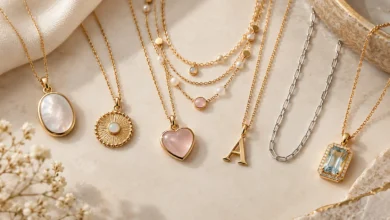
Necklace layering is one of the most popular jewelry trends of the past several years, and it remains a reliable way to add visual interest to simple outfits. The key to layering well is varying the lengths so each piece is visible rather than overlapping into a jumbled cluster.
A classic layering formula starts with a choker or collar-length piece (14–16 inches), adds a princess-length piece (17–19 inches) as the middle layer, and finishes with a longer pendant or matinee-length piece (20–24 inches) as the anchor. This graduated approach lets each necklace have its own visual space.
When layering, stick to a consistent metal tone or intentionally mix in a clear ratio (for example, two gold pieces and one silver accent). Varying chain thicknesses also helps — pairing a delicate chain with a slightly chunkier one creates contrast without clutter. If your neckline is busy (a printed blouse, a high collar), consider simplifying to just one or two necklaces so the layering doesn’t compete with the outfit itself.
Choosing Earrings for Your Face and Occasion
Earrings sit closest to your face, which makes them one of the most noticeable jewelry choices you make each day. As a general starting point, rounder face shapes often look balanced with angular earring styles like drop or geometric shapes, while more angular face shapes can be softened by rounder hoops or curved designs. These are guidelines rather than rules, and personal preference should always come first.
For everyday wear, small studs or huggie hoops are the most versatile choice — they work under hair, with hats, and across nearly every outfit formality. For evening or special occasions, drop earrings or chandelier styles add drama without requiring a matching necklace, since the ear becomes the clear focal point. If you have multiple ear piercings, curating a considered stack — mixing small hoops, studs, and a delicate cuff — has become one of the most popular ways to express personal style through jewelry.
Rings and Bracelets: Stacking Done Right
Ring and bracelet stacking follows similar principles to necklace layering: vary the widths, keep a consistent metal tone (or a clear intentional mix), and leave breathing room rather than covering every finger or inch of wrist.
For rings, a popular approach is to designate one or two fingers for stacking rather than spreading rings across your whole hand, which keeps the look intentional rather than cluttered. Mixing a thin band, a signet-style ring, and one piece with texture or a small stone creates variety without overwhelming.
For bracelets, consider the sleeve length of what you’re wearing — delicate bracelets get lost under long sleeves, while a stack of thin bangles or a chain bracelet shows beautifully with cropped sleeves or bare wrists. If you wear a watch daily, build your bracelet stack on the opposite wrist to avoid overcrowding.
Jewelry by Occasion
Everyday and work: Stick to smaller, quieter pieces — stud earrings, a thin chain or pendant, one or two simple rings. These pieces should be comfortable enough that you forget you’re wearing them by midday.
Date night and evening: This is where you can introduce drama — statement earrings, a bold cuff, or a cocktail ring. Follow the rule of three from our main accessories guide and let one piece lead while the others stay simple.
Formal events and weddings: Fine jewelry shines here. A classic pearl or diamond stud, a delicate tennis bracelet, or a family heirloom piece all feel appropriate for the elevated formality of these occasions.
Casual weekends: This is the most flexible category — layered necklaces, a stack of rings, and hoop earrings all work well with relaxed outfits like jeans and sneakers.
Also Read: Date Night Outfit Ideas to Feel Confident and Beautiful
Caring for Your Jewelry
Proper storage and care significantly extend the life of your pieces. Store jewelry separately, ideally in a lined box with individual compartments or small pouches, to prevent pieces from scratching each other or becoming tangled. Remove jewelry before swimming, showering, or applying lotion and perfume, since chemicals and moisture are the leading causes of tarnishing and plating wear.
For sterling silver, a polishing cloth used regularly prevents the need for harsher cleaning later. For gold-plated and gold-filled pieces, avoid excessive friction against skin or clothing, and store them away from direct sunlight and humidity. If a piece does tarnish, many jewelry cleaning cloths and mild solutions can restore shine without damaging the metal, though delicate or antique pieces are often best taken to a professional jeweler.
Fine vs. Fashion vs. Costume Jewelry at a Glance
| Type | Material | Durability | Best Use | Price Range |
|---|---|---|---|---|
| Fine Jewelry | Solid gold, platinum, sterling silver | Decades with care | Daily basics, heirloom pieces | High |
| Fashion/Demi-Fine | Gold-filled, gold-vermeil | Several years with care | Versatile trend pieces worn often | Moderate |
| Costume Jewelry | Gold or silver-plated alloy | Months to a couple years | Bold statement pieces, occasional wear | Low |
Common Jewelry Styling Mistakes to Avoid
Wearing every piece at once. A statement necklace, chandelier earrings, and five rings together compete for attention rather than complementing each other. Choose a lead piece and let the rest support it.
Ignoring skin sensitivity. Cheaper plated metals can cause irritation for sensitive skin, especially with prolonged wear. If you notice redness or discoloration, switch to hypoallergenic options like sterling silver, surgical steel, or solid gold.
Buying trend pieces exclusively. A collection built entirely around what’s currently popular needs constant replacing. Balance trend purchases with timeless staples like simple studs and a classic chain.
Neglecting proportion. Delicate jewelry can disappear under chunky knitwear, while oversized pieces can overwhelm simple, fitted outfits. Consider what you’re wearing before choosing scale.
Forgetting to remove jewelry for daily activities. Showering, swimming, exercising, and applying lotion or perfume all accelerate tarnishing and plating wear. Building the habit of removing jewelry for these activities extends its life significantly.
Building Your Jewelry Capsule
If you’re starting from scratch, prioritize pieces in this order: a simple pendant necklace or chain, small stud or hoop earrings, one or two thin stacking rings, and a delicate bracelet or watch. From these five or six pieces, you can create dozens of combinations before you need to add anything new. Once your basics are covered, start introducing statement pieces gradually — one bold necklace, one pair of dramatic earrings — choosing pieces that genuinely excite you rather than buying to fill a category.
Smart Shopping Tips for Jewelry
Before buying a new piece, check whether it has a stamp indicating its material — “925” for sterling silver, “14K” or “18K” for solid gold, or “GF” for gold-filled. These markings help you understand exactly what you’re paying for and how much care the piece will need over time.
Read return policies carefully, especially for online jewelry purchases, since pierced earrings are often final sale for hygiene reasons in many stores. If you’re investing in a higher-cost piece, ask about warranties or repair services, which many fine jewelry brands offer for issues like clasp repair or resizing.
Finally, don’t underestimate the value of trying pieces on, even for small items like earrings. Photos and product listings can’t always convey how a piece catches light or sits against your skin tone, so when possible, see items in person or order from retailers with easy, free returns.
Also Read: Handbag Guide: Choosing the Right Bag for Every Occasion
Frequently Asked Questions
Can I wear gold and silver jewelry together?
Yes, mixing metals is now a widely accepted styling technique. Let one metal dominate the look (around 70%) while the other appears in smaller accents for a modern, intentional effect rather than a mismatched one.
How do I stop my jewelry from tarnishing?
Store pieces in a dry, airtight space away from humidity, remove them before showering or swimming, and clean sterling silver regularly with a polishing cloth to prevent buildup that leads to tarnish.
What jewelry should I buy first if I’m starting a collection?
Start with versatile basics: a simple pendant necklace, small stud earrings, and one or two thin rings. These pieces work with almost any outfit and give you a foundation to build statement pieces around later.
How many necklaces can I layer at once?
Three is generally the maximum before layering starts to look cluttered rather than intentional. Vary the lengths so each necklace remains visible, and keep the metal tone consistent or clearly intentional if mixing.
Is costume jewelry worth buying?
Yes, especially for bold, trend-driven pieces you may only wear for a season. Costume jewelry lets you experiment with statement styles at a lower cost, though it should be worn more occasionally than daily since plating wears off with regular use.
Also Read: Fashion Trends 2026: The Complete Guide to What’s In, What’s Out, and How to Actually Wear Them