Of all the accessories in your wardrobe, your handbag is likely the one you interact with the most. It carries your essentials, anchors your outfit visually, and — unlike most clothing — is on display from the moment you leave the house to the moment you get home. Choosing the right bags is one of the highest-impact decisions you can make in building an accessory wardrobe, which is why it deserves its own deep dive within our broader Accessories Guide.
This guide walks through how to choose bags by shape, material, size, and occasion, plus how to care for them so your investment pieces last for years.
Understanding Bag Shapes and What They Communicate
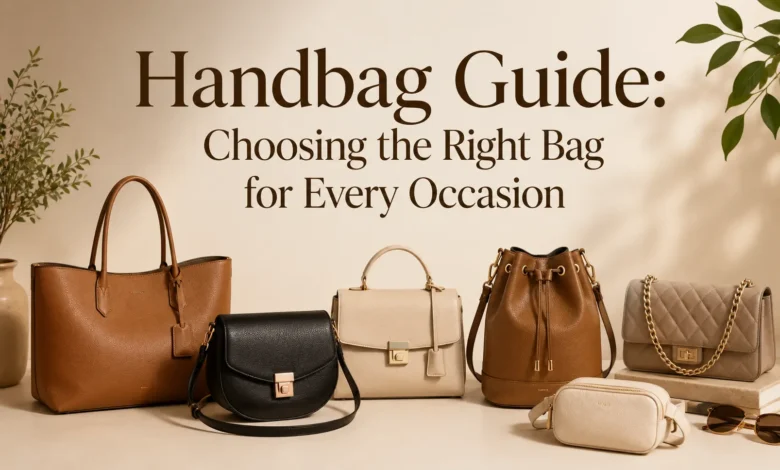
Every bag shape carries a slightly different visual message, and understanding these differences makes shopping far more intentional.
Totes are large, open-top bags built for carrying a lot — laptops, files, groceries, gym clothes. They read as practical and put-together, making them a natural choice for work and errands. Structured totes look more polished, while soft, slouchy totes feel more casual.
Crossbody bags sit close to the body and keep your hands free, making them ideal for travel, weekend outings, and anywhere you want convenience without sacrificing style. Small crossbodies have become popular as both functional and fashion-forward choices, worn even with dressier outfits.
Shoulder bags strike a balance between totes and crossbodies — bigger than a crossbody, more structured than a tote, and versatile enough to move from office to dinner. This shape is often the most reached-for bag in a well-edited collection because of its flexibility.
Clutches are small, handheld bags without straps (or with a thin, removable chain), designed for evening and formal occasions where you’re carrying only essentials. Their small size makes them a natural focal point, so simple clutches in a neutral color tend to have the longest wardrobe life.
Bucket bags have a rounded, cinched-top silhouette that feels relaxed and slightly bohemian. They work well for casual and weekend outfits and offer more visual interest than a standard tote or shoulder bag.
Belt bags and mini bags prioritize convenience and hands-free wear, originally popular for travel and activewear but now embraced as an everyday styling choice, worn crossbody over blazers and dresses as much as with casual outfits.
Choosing the Right Material
Material affects both the look and longevity of a bag, and it’s worth understanding the differences before investing in a higher-price piece.
Full-grain and top-grain leather are the most durable options, developing a natural patina and softness over years of use. These materials cost more upfront but are the best choice for an investment piece you plan to use for a decade or longer.
Saffiano leather has a distinctive cross-hatch texture that’s more scratch-resistant than smooth leather, making it a practical choice for daily work bags that get set down on rough surfaces often.
Suede offers a soft, luxurious texture but requires more careful maintenance, since it’s prone to water stains and marks. Suede bags are best reserved for occasions where they won’t face heavy daily wear.
Vegan leather and other synthetic materials have improved significantly in quality and are a practical, animal-free alternative, though they typically don’t develop the same patina as genuine leather and may show wear (cracking, peeling) sooner, especially with cheaper constructions.
Canvas and woven materials (like raffia or straw) are lightweight, casual, and especially popular for spring and summer bags, though they generally aren’t suited for rainy conditions or heavy daily use.
Bag Sizing: Matching Your Bag to Your Needs and Frame
Bag size should be determined by two factors: what you actually need to carry, and how the bag’s proportions relate to your frame and the rest of your outfit.
Start with function. If you carry a laptop and work files daily, you need a tote or structured shoulder bag with adequate interior space and pockets for organization. If you typically carry just a phone, wallet, and keys, a small crossbody or shoulder bag will serve you far better than an oversized tote that ends up half-empty and shapeless.
Proportion matters too. An oversized bag on a petite frame can visually overwhelm the wearer, while a tiny bag on a taller frame can look disproportionately small. This isn’t a rigid rule, but if you find a bag doesn’t feel quite right, proportion is often the reason. When in doubt, try bags on with the types of outfits you’ll actually pair them with, rather than judging fit in isolation.
Also Read: Office & Work Outfit Ideas That Look Sharp and Feel Professional
Handbags by Occasion
Work and professional settings: A structured tote or briefcase-style bag in a neutral color (black, cognac, navy) reads as polished and capable. Prioritize interior organization — a laptop sleeve, pockets for cards and pens — since function matters as much as style in a daily work bag.
Everyday and casual: A medium crossbody or shoulder bag in a durable material handles daily wear best. Neutral colors extend versatility, but this is also a great place to introduce a fun color or texture since the bag is used often enough to justify some personality.
Evening and formal events: A small clutch or mini bag, often in a metallic, satin, or embellished finish, complements formal outfits without competing with them. Stick to holding only true essentials — phone, card, lipstick — since these bags are intentionally small.
Travel: A crossbody or belt bag that keeps your hands free and your belongings secure is ideal, especially in crowded airports or unfamiliar cities. Look for bags with zip closures and, if security is a concern, slash-resistant straps.
Weekend and errands: A tote or bucket bag with a bit more room for spontaneous purchases, a water bottle, or a light jacket works well for the unpredictability of weekend plans.
Also Read our main Accessories Guide for how to balance your bag choice with the rest of your outfit’s accessories.
Bag Shapes at a Glance
| Shape | Best For | Formality | Hands-Free? |
|---|---|---|---|
| Tote | Work, errands, travel | Casual to smart-casual | No |
| Crossbody | Everyday, travel, weekend | Casual to smart-casual | Yes |
| Shoulder Bag | Everyday to evening | Smart-casual to formal | Sometimes |
| Clutch | Evening, formal events | Formal | No |
| Bucket Bag | Casual, weekend | Casual | No |
| Belt/Mini Bag | Travel, errands, activewear | Casual | Yes |
Common Handbag Mistakes to Avoid
Choosing style over function. A beautiful bag that can’t hold your daily essentials will end up unused. Always check interior capacity and pocket organization before buying, especially for work bags.
Ignoring proportion. An oversized bag on a petite frame or a tiny bag on a taller frame can throw off an outfit’s balance. Try bags on with your actual clothing whenever possible rather than judging fit in isolation.
Overloading the bag. Stuffing a bag beyond its intended capacity stretches seams, warps the shape, and shortens its lifespan considerably, especially for structured leather styles.
Buying only trend colors. A collection built entirely around this season’s popular color needs constant updating. Anchor your collection in neutrals and add trend colors sparingly.
Skipping maintenance. Leather bags left uncared for crack and fade faster than properly conditioned ones. A few minutes of care every few months meaningfully extends a bag’s life.
How Many Bags Do You Actually Need?
It’s tempting to think you need a different bag for every outfit, but a well-edited collection of four to six bags can realistically cover every occasion you face. A practical starting lineup includes: one structured work bag, one everyday crossbody or shoulder bag, one evening clutch, one large tote for travel or weekend use, and one fun statement piece for personal expression. From there, you can build out further based on genuine gaps in your rotation rather than impulse purchases.
Caring for Your Handbags
Leather bags benefit from conditioning every few months, especially in dry climates, to prevent cracking. Store bags upright or stuffed with tissue paper to help them hold their shape, and keep them in dust bags when not in use to protect against sunlight and dust, both of which can fade or discolor leather over time. Avoid overloading bags beyond their intended capacity, which stretches seams and handles prematurely. For suede, a specialized suede brush and protective spray can prevent water stains before they happen. If a leather bag does get stained or scuffed, a professional leather repair service is often worth the cost for higher-value pieces.
Handbags Across Budgets
Budget-friendly ($30–$80): This tier is great for trend colors, fun shapes, and testing whether a style actually fits your lifestyle before committing to a bigger spend. Materials here are typically vegan leather or canvas, so expect a shorter lifespan.
Mid-range ($80–$300): This is where most everyday bags should live — quality vegan or genuine leather, solid hardware, and construction built to handle daily use for a few years.
Investment ($300+): Reserve this tier for a true workhorse bag you’ll use for years — full-grain leather, reinforced stitching, and a timeless shape that won’t feel dated. Calculate cost-per-wear here: a $400 bag used weekly for five years costs far less per use than a $60 bag replaced every few months.
Frequently Asked Questions
How many handbags should I own?
Four to six well-chosen bags can realistically cover work, evening, travel, and everyday needs. Focus on filling genuine gaps in your rotation rather than buying bags that duplicate a function you already have covered.
What’s the most versatile bag shape to own?
A medium shoulder bag or crossbody in a neutral color tends to be the most versatile shape, since it works across casual, work, and even some evening settings depending on the material and finish.
Is it worth investing in a designer handbag?
It depends on your budget and how often you’ll use it. A well-made bag in a classic shape and neutral color can last a decade or more, which often makes the cost-per-wear reasonable if it becomes a genuine daily or weekly staple.
How do I keep my leather bag from getting scratched?
Store it in a dust bag away from rough surfaces, avoid setting it directly on the ground, and consider a saffiano or textured leather finish for bags you’ll use daily, since texture hides minor scuffs better than smooth leather.
What color bag should I buy first?
A neutral color like black, cognac, or tan offers the most versatility, since it pairs with the widest range of outfit colors and works across the most occasions.
Also Read: How to Choose Jewelry for Every Outfit: A Complete Guide