
Wicks hair is one of the most recognizable locs styles right now: thick, rope-like sections that stand up, hang long, or lie flat depending on how they are installed and styled. If you have seen cylindrical locs that stay the same width from root to tip and wondered what they are, how they are made, and how to keep them healthy, this guide covers all of it.
Below you’ll find a plain-English definition, how wicks differ from regular locs, the main ways to start them, 10 wicks styles to consider, haircut pairings, and a care routine that works whether you are just starting out or already months in.
What Are Wicks Hair?
Wicks are thick, rope-like locs that are usually styled to stand upright, with a fairly even width from the root to the tip. The name comes from their resemblance to the wick of a candle. They are sometimes also called bonks or globs.
Wicks are a style of locs, which means the hair is intentionally locked together rather than left loose. What sets them apart is size and shape. They are chunkier than most traditional locs, and they tend to look more uniform and cylindrical.
Where Wicks Hair Came From
Wicks are widely traced back to South Florida, where Haitian and wider Afro-Caribbean communities in the local hip-hop scene helped popularize the look. From there, the style spread across the United States and beyond, and it is now worn by people of different ages, genders, and backgrounds.
Hair publications often credit a few well-known rappers with bringing wicks into the mainstream. The exact timeline varies depending on the source, so it is safest to say that the style grew out of Florida’s hip-hop culture and gained wider attention through social media.
Wicks vs. Traditional Locs
Wicks and traditional locs are related, but they do not look or behave the same way.
| Feature | Wicks | Traditional locs |
|---|---|---|
| Thickness | Chunky, large sections | Usually thinner and more numerous |
| Shape | Even width from root to tip | Often taper toward the ends |
| Typical look | Bold, structured, often upright | Softer, usually hanging |
| Start method | Crochet, rubber bands, extensions, or freeform | Twists, coils, interlocking, or freeform |
| Styling | Upright, flat, or long | Hanging, updos, or braided styles |
How Wicks Are Made: The Main Methods
There is no single way to get wicks. The method you choose affects how clean they look, how long the process takes, and how much maintenance they need.
Crochet Method
A stylist uses a small crochet hook to pull loose hair inward and interlock it, which builds a tight, even core in each section. This method is popular because it can create neat, cylindrical wicks in a single salon visit.
Wicks Extensions
Pre-made wicks, made from human or synthetic hair, can be attached to your natural hair. This gives you length and fullness right away. It also means the final look depends on how securely the extensions are blended at the root.
Rubber Band Method
This is a common do-it-yourself route for loose, natural hair. The hair is divided into sections, and small bands are placed at the root, middle, and end of each one to help the hair begin to lock. Guides vary on how long the bands stay in, but weeks rather than days is typical.
Freeform Method
Freeform wicks form naturally. You wash your hair, keep it moisturized, and let the strands knot together over time. Freeform wicks usually look less uniform than crocheted ones, so they suit people who like an organic, individual shape.
How Much Hair Do You Need?
A good rule of thumb is around six inches of hair if you want your wicks to stand a few inches off the scalp. You can also begin with longer hair and keep the length, or turn existing locs into wicks.
10 Wicks Hair Styles to Try
These looks cover the range, from short and simple to long and bold. Each includes who it suits and what to know before you commit.
1. Small Wicks
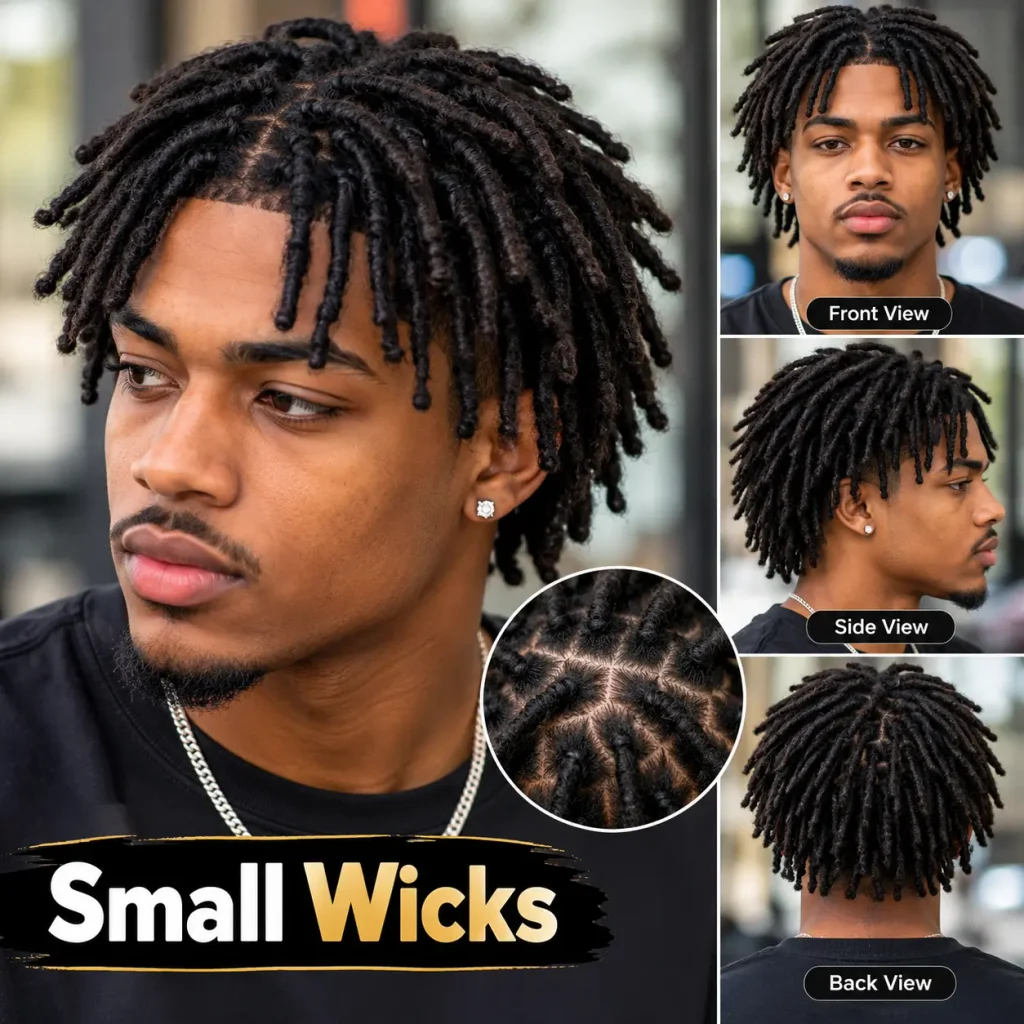
Small wicks are the easiest entry point. The sections are narrower, so they look closer to defined locs with extra structure. They are a good middle ground if you want the wicks look without a heavy, chunky finish.
Best for: first-timers, anyone who wants a lighter feel, shorter hair lengths.
2. Classic Upright Wicks
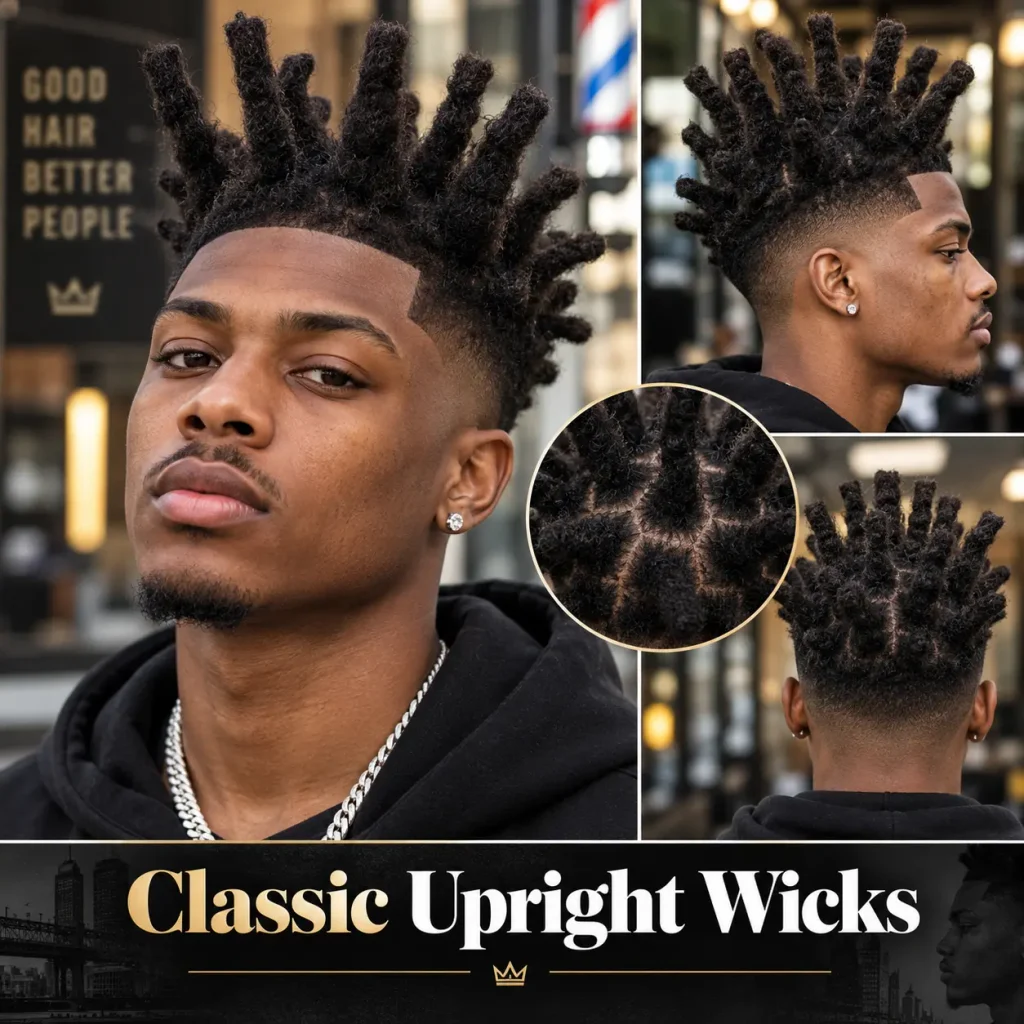
This is the signature version: medium-thick sections standing straight up from the scalp. The upright shape adds height, which makes the style a strong statement on its own.
Best for: a bold, recognizable look with minimal extra styling.
3. Florida Wicks Hair
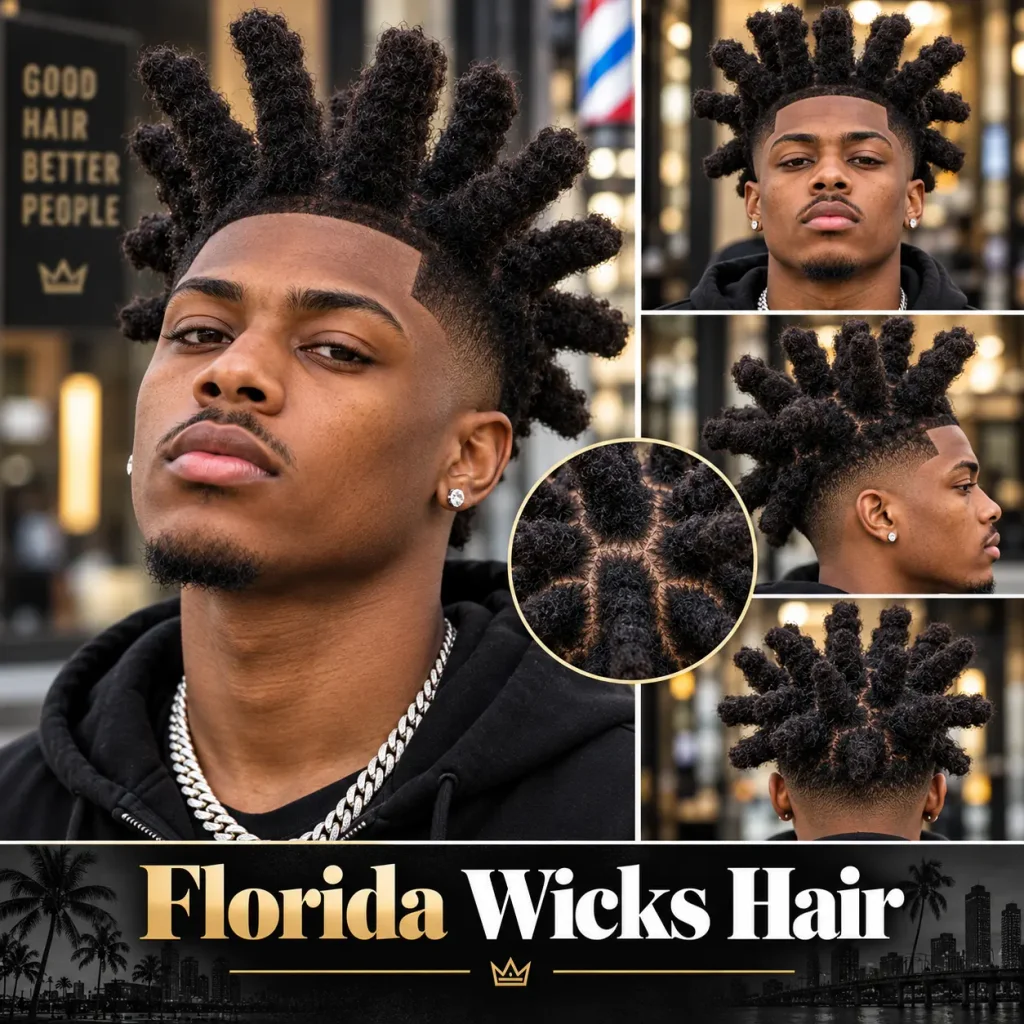
Florida wicks hair leans into the style’s roots with full, chunky sections across the whole head. The sections are usually thick, evenly sized, and left upright. If you want the look in its most traditional form, this is it.
Best for: people who want the original, high-impact version of the style.
4. Long Wicks Hair
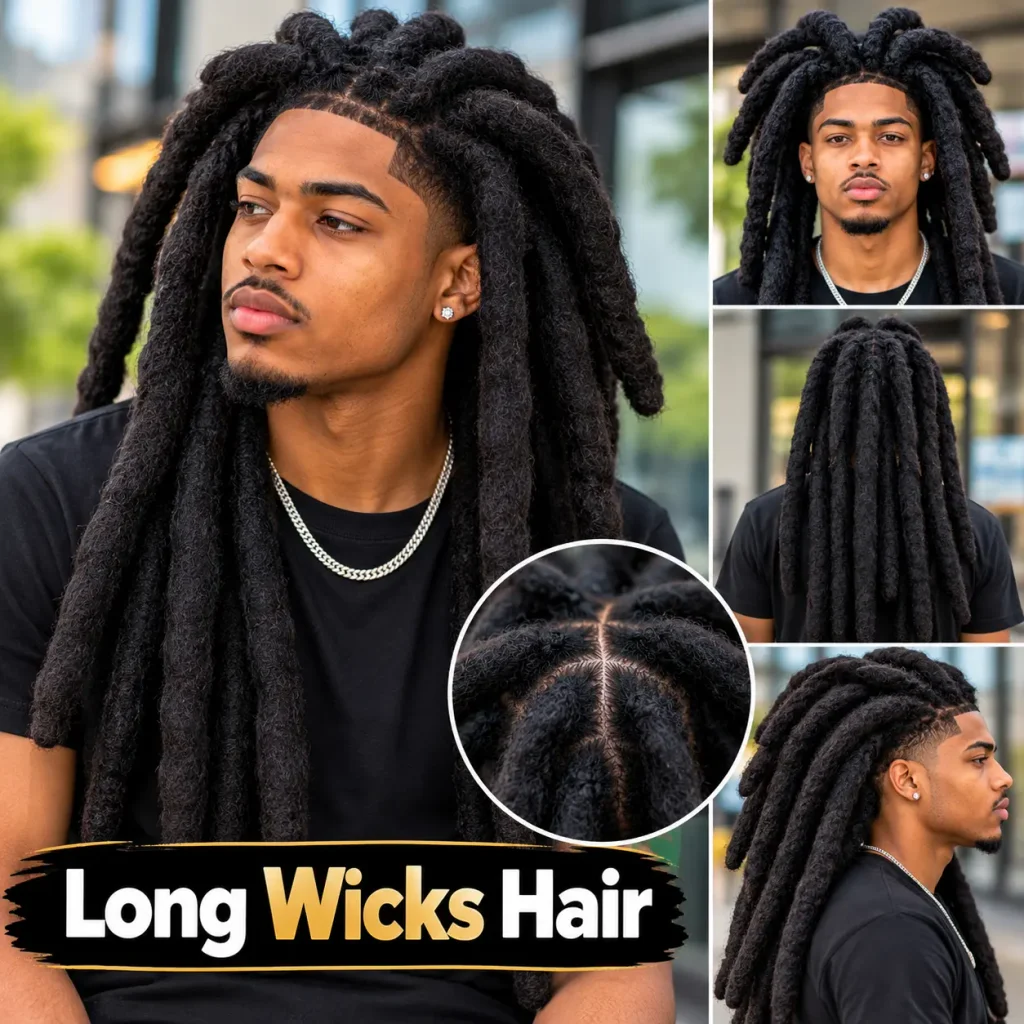
Long wicks hair hangs lower and moves more, which changes the whole feel from structured to flowing. Longer wicks can be worn down, pulled into a high ponytail, or twisted into a top knot. The extra length adds weight, so a secure install matters.
Best for: length lovers, versatile styling, people patient enough for the extra upkeep.
5. Flat Wicks Hair
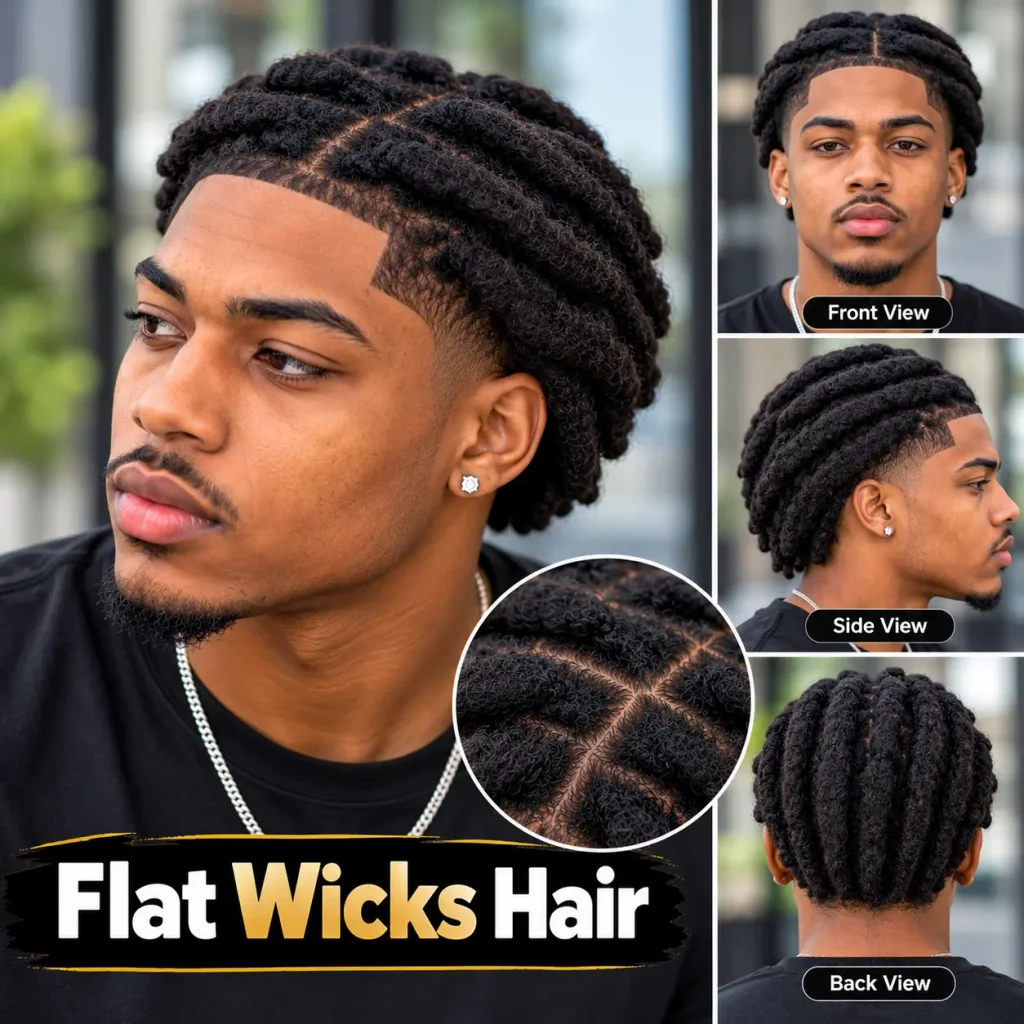
Flat wicks hair lies down rather than standing up. Whether your wicks stand or lie flat depends on hair length, thickness, and how the sections were set. Flat wicks look softer and more relaxed, and they are easier to tuck under a hat.
Best for: a laid-back look, people who prefer less height.
6. Freeform Wicks Hair
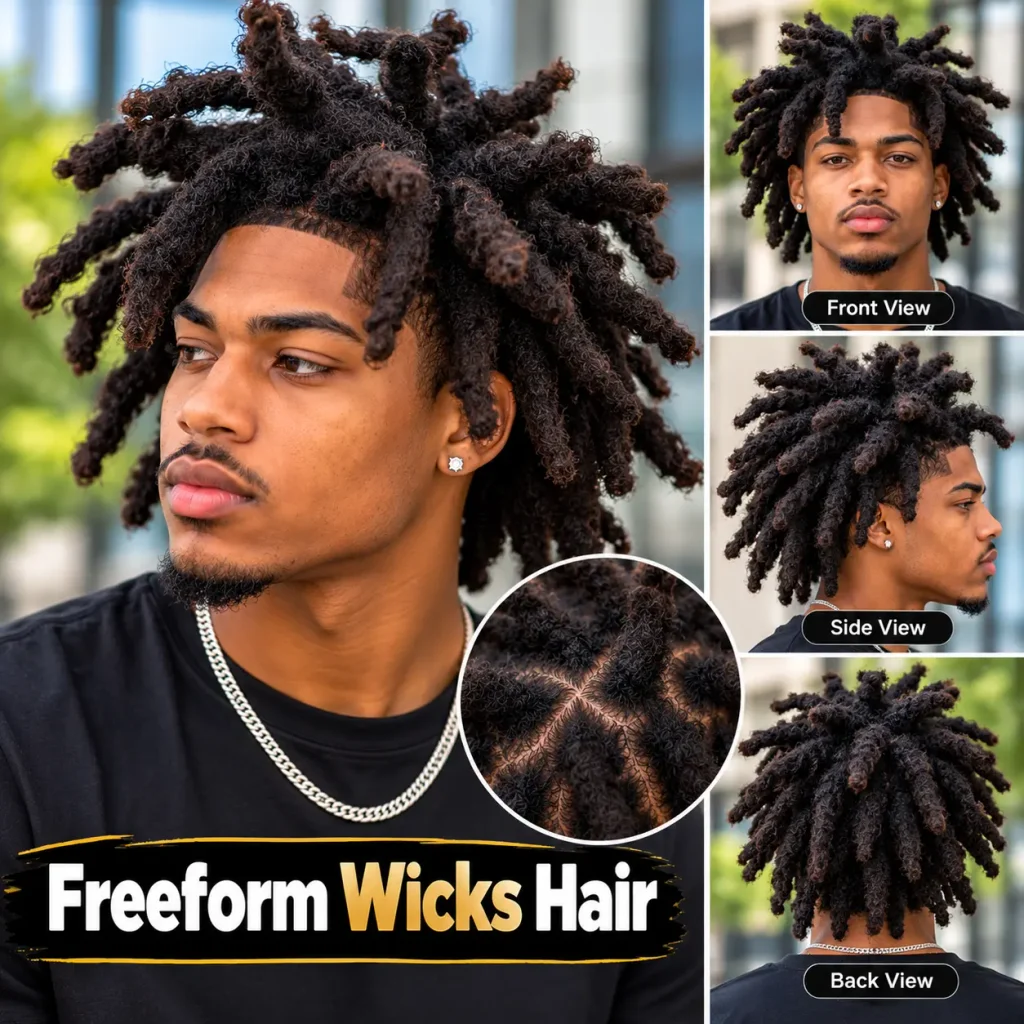
Freeform wicks hair forms with little manipulation, so every set looks different. Some sections will be thicker, some thinner, and some will join together. It is the lowest-effort install, but it asks for patience and a relaxed attitude about shape.
Best for: a natural, individual look; people who do not want frequent tightening.
7. Starter Wicks Hair
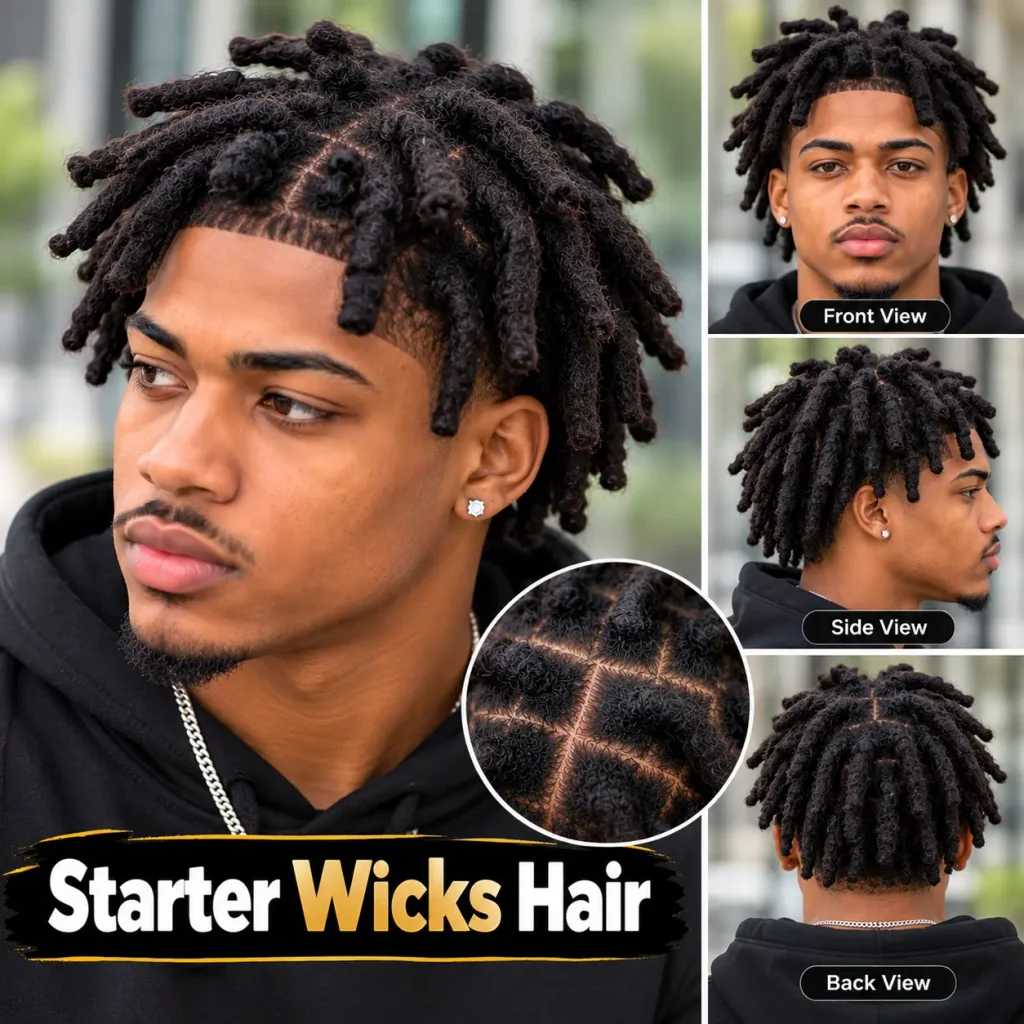
Starter wicks hair describes the early stage, usually done on natural hair that has not been locked before. At this point the wicks are shorter, softer, and still settling. Starter wicks can look slightly uneven, and that is normal. They tighten and firm up as they mature.
Best for: anyone beginning from loose natural hair.
8. Wicks With a Fade
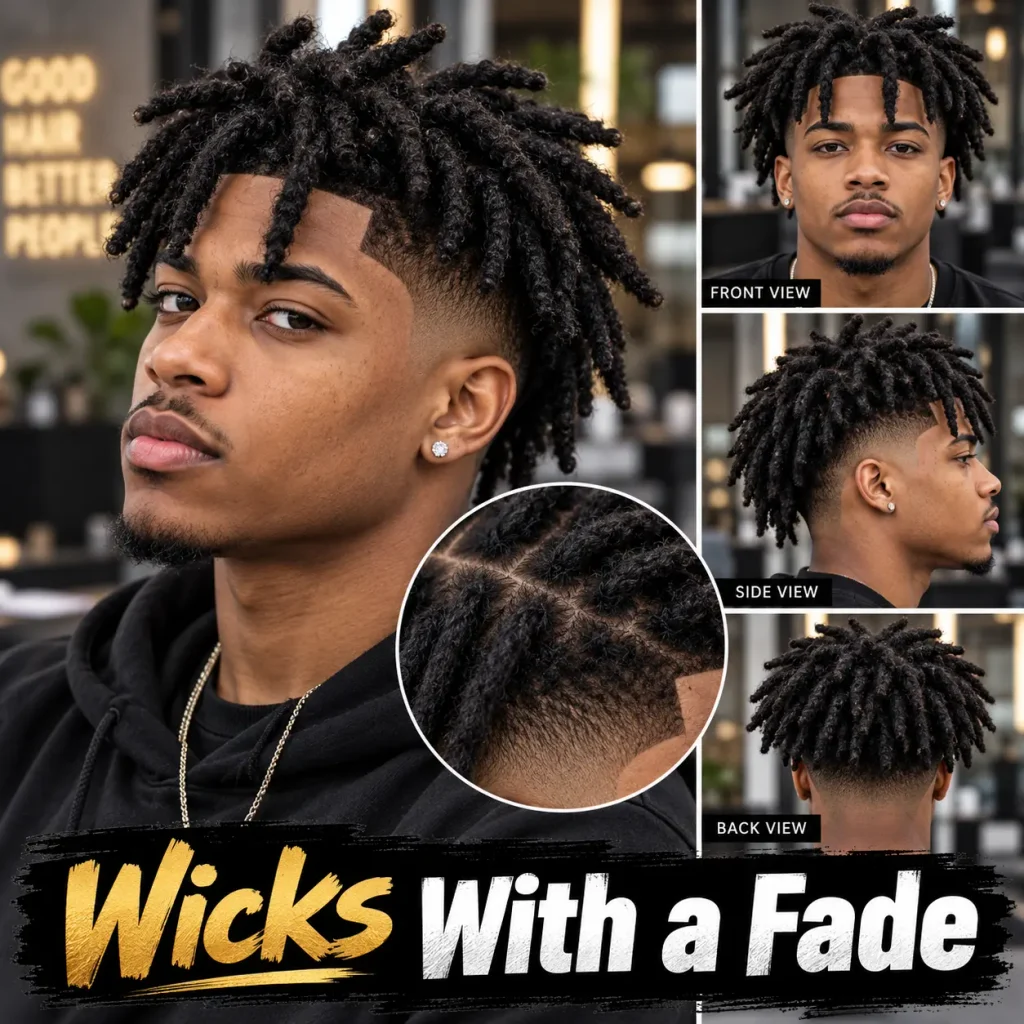
Pairing wicks with tapered or faded sides sharpens the whole look and makes the top stand out. The contrast between the dense wicks and the clean sides is one of the most popular combinations. More on this in the haircut section below.
Best for: a clean, polished finish, especially with shorter wicks.
9. Colored or Blonde-Tipped Wicks
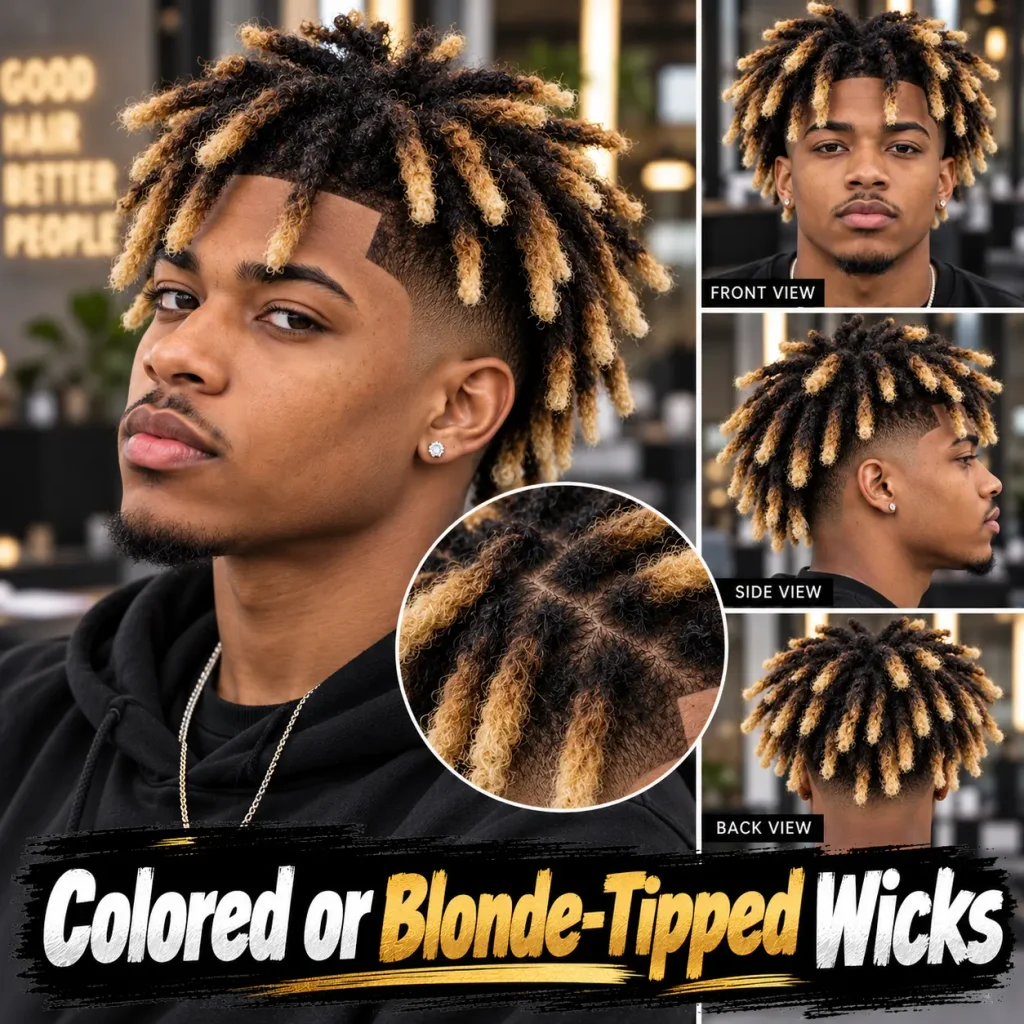
Blonde, red, or multicolor wicks add dimension to the thick sections, which makes the texture easier to see. Color can dry the hair out, so many people color only the tips or use temporary options first.
Best for: people who want personality and do not mind extra moisture care.
10. Mixed-Size Wicks
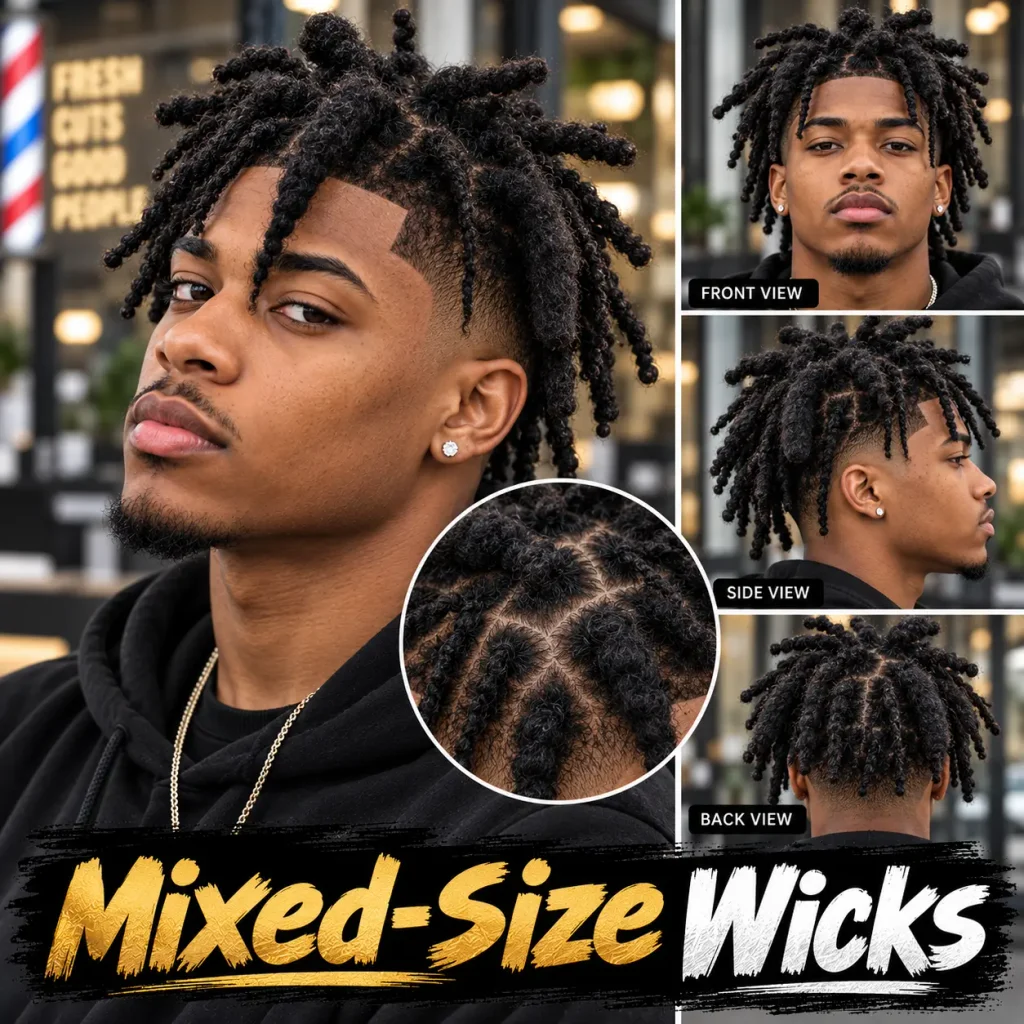
Mixing small and large wicks in one set creates a deliberately uneven, artistic look. Some people place bigger sections at the crown and smaller ones around the edges for balance.
Best for: creative styling and a one-of-a-kind finish.
How to Choose the Right Wicks Style
The best wicks style depends less on trends and more on your hair, your routine, and how much upkeep you want.
| If you want… | Consider |
|---|---|
| The easiest start | Small wicks or starter wicks |
| Maximum height | Classic upright or Florida wicks |
| Length and movement | Long wicks |
| A softer, flatter look | Flat wicks |
| Low maintenance | Freeform wicks |
| A sharp finish | Wicks with a fade |
| Color and personality | Colored wicks |
Two questions help narrow it down. First, how much hair length do you have right now? Second, would you rather have a neat look that needs regular touch-ups, or a natural look that forms slowly? Your answers usually point to either a crocheted set or a freeform one.
Wicks Hair Cut: Fades, Line-Ups, and Trims
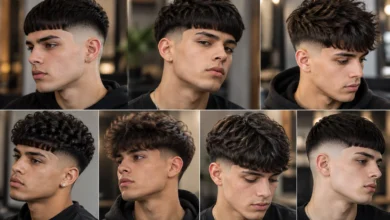
The cut around your wicks matters as much as the wicks themselves. A clean taper or fade keeps the sections looking intentional rather than overgrown, which is why many people book a barber visit alongside a loc appointment.
- Low or mid fade: keeps the sides tidy and lets the wicks take center stage.
- Taper: a softer option that grows out more gradually.
- Line-up: a sharp edge along the hairline and temples adds definition.
- Part designs: shaved lines or geometric parts can add detail, as long as they are done carefully.
If you are comparing cut ideas for short sides, our guide to short haircuts for oval faces for men is a helpful reference for fade and taper options.
Can You Cut or Trim Wicks?
Yes, but go slowly. Wicks are dense, and once a section is cut, you cannot undo it. Ask a loc specialist to trim the ends if you want to even out the length. Avoid cutting into the body of a wick unless you want to shorten it deliberately.
How to Care for Wicks Hair
Good wicks care comes down to a clean scalp, light products, and making sure the thick sections dry completely.
Washing
How often to wash is one of the most debated points. Some guides recommend every one to two weeks, while others say once or twice a month is enough, depending on how quickly your hair gets dirty. A practical approach is to wash when your scalp feels dirty or itchy rather than following a rigid schedule. Use a residue-free shampoo so product does not build up inside the wicks.
Drying
Because wicks are thick, they hold water. Make sure each section dries all the way through after washing. Damp hair that stays wet for too long can develop an unpleasant smell, so use a loose cap, air dry fully, or use a hooded dryer on a low heat setting.
Moisture and Oils
Light oils or a rosewater spray can help keep the scalp and hair comfortable. Use them sparingly. Too much product can weigh the wicks down, attract lint, and create buildup that is hard to rinse out.
Scalp Care
A healthy scalp is the foundation of healthy wicks. Keep it clean, avoid very tight installs, and pay attention to any soreness. Continued tension can lead to traction alopecia, a type of hair loss linked to tight hairstyles. If you notice pain, bumps, or thinning near the roots, talk to a dermatologist or loc specialist.
Tightening New Growth
As your hair grows, new growth near the root can loosen the shape. Crocheted or maintained wicks usually need periodic tightening. Freeform wicks need less of this, but may need occasional separating so sections do not merge unevenly.
Sleeping
A satin or silk bonnet or scarf reduces friction and lint. For long wicks, tie them loosely on top so the weight does not pull on the scalp overnight.
For general hair care basics that apply to any natural style, see our hair care 101 guide.
Common Wicks Problems and Simple Fixes
| Problem | Likely cause | What to try |
|---|---|---|
| Sections look uneven | Freeform formation or loose new growth | Ask a stylist to tighten or reshape |
| Buildup or lint | Too much oil or wax | Use a residue-free shampoo and lighter products |
| Musty smell | Hair did not dry fully | Dry thoroughly and wash more regularly |
| Scalp soreness | Install was too tight | Ask for a looser install; see a professional if it persists |
| Wicks falling flat | Weight, length, or loose roots | Embrace a flat style or tighten the roots |
| Dryness or breakage | Frequent coloring or low moisture | Color only tips, use light moisture, and trim ends |
Can Wicks Be Combed Out?
It depends on how they were formed. Freeform and semi-freeform locs are generally easier to comb out because the hair has been manipulated less. Heavily crocheted or very dense wicks can be much harder. Even in the best case, expect some hair loss during detangling, since shed hair stays trapped inside locs until it is removed.
If you are thinking about taking your wicks down, avoid coloring them beforehand, since dryness makes breakage more likely. Many people book a professional detangling session for better results. If you plan to return to loose hair afterward, our 4C curly hair guide covers how to care for natural texture once it is out.
Frequently Asked Questions
Are wicks the same as dreadlocks?
Not exactly. Wicks are a type of locs, but they are thicker, usually more uniform in width, and often styled to stand upright. Traditional dreadlocks are typically thinner and may taper at the ends.
How long does my hair need to be for wicks?
A common guideline is at least six inches, which gives enough length for the wicks to stand a few inches off the scalp. Longer hair gives you longer wicks from the start.
Can women get wicks hair?
Yes. Wicks are worn by people of all genders and ages. Size, length, and color can be adjusted for any look.
How often should I wash wicks?
Guidance ranges from every one to two weeks up to once or twice a month. Wash when your scalp feels dirty, use a residue-free shampoo, and always let the wicks dry completely.
How long does it take to get wicks?
It depends on the method. A crochet set can be done in one salon session, while rubber band and freeform wicks develop over weeks or months.
Do wicks damage your hair?
Wicks are not automatically damaging, but very tight installs, heavy weight, and poor scalp hygiene can cause problems, including traction-related hair loss. A properly installed, well-maintained set is much less risky.
Can I wear wicks with a fade?
Yes. A low or mid fade with a clean line-up is one of the most popular ways to wear them, since it frames the top and keeps the sides neat.
Are small wicks better for beginners?
Often, yes. Small wicks are lighter, easier to manage, and a lower-commitment way to try the style before moving to thicker sections.
Conclusion
Wicks hair is bold, structured, and surprisingly flexible. Whether you prefer small wicks, long wicks, flat wicks, or a full Florida-style set, the right choice comes down to your hair length, your upkeep preferences, and how much time you want to spend maintaining it.
If you are ready to start, book a consultation with a loc specialist, show them the style you like, and ask how they would build it for your hair. From there, a gentle care routine and regular scalp attention will do most of the work.